Ελληνικά
 English
 Ἑλληνική ἀρχαία
 Κυπριακά
Bracklesham Bay
- Age
- 48–41 million years ago
- Period
- Middle Eocene (Lutetian)
- Formation
- Various formations of the Bracklesham Group
- Depositional environment
- Warm, shallow coastal sea, ranging from nearshore sands and tidal channels to quieter offshore muddy seafloors, with occasional estuarine and lagoonal influence.
- Fossil types
- Abundant marine molluscs, shark and ray teeth, bony fish remains, sea turtles, crocodilians, sea snakes, corals, foraminifera (Nummulites), crustaceans, and occasional plant material
- Paleoecology highlights
- A warm subtropical coastline with shifting sandy shoals, tidal channels, sheltered lagoons and muddy offshore bottoms
Imagine a broad, warm Eocene sea stretching beneath a bright subtropical sky. Close to shore, tides sweep across sandy shallows while farther out the water deepens over quieter, muddier ground. Storms occasionally churn the seabed and rearrange the coastline. It is an open, sunlit sea - warm, shallow, and rich with life.

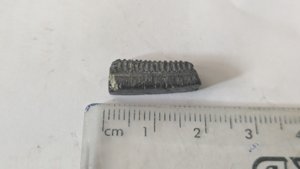
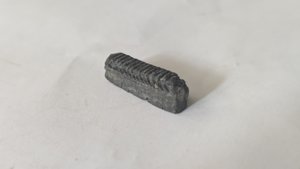
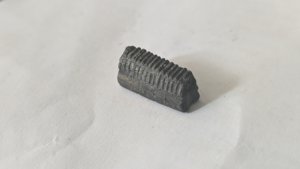
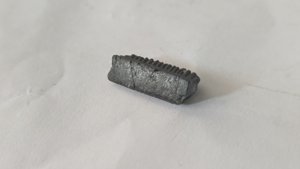
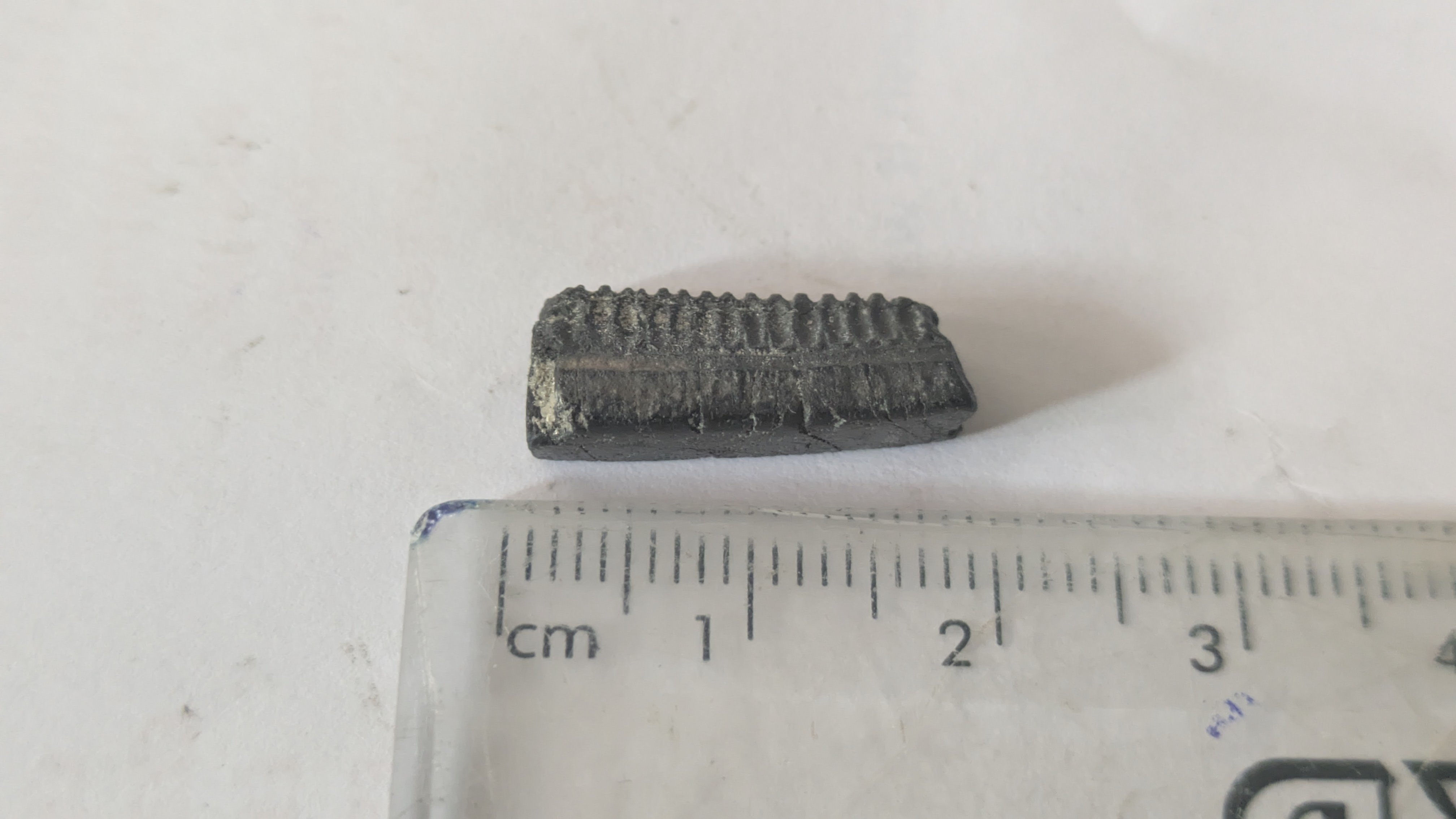
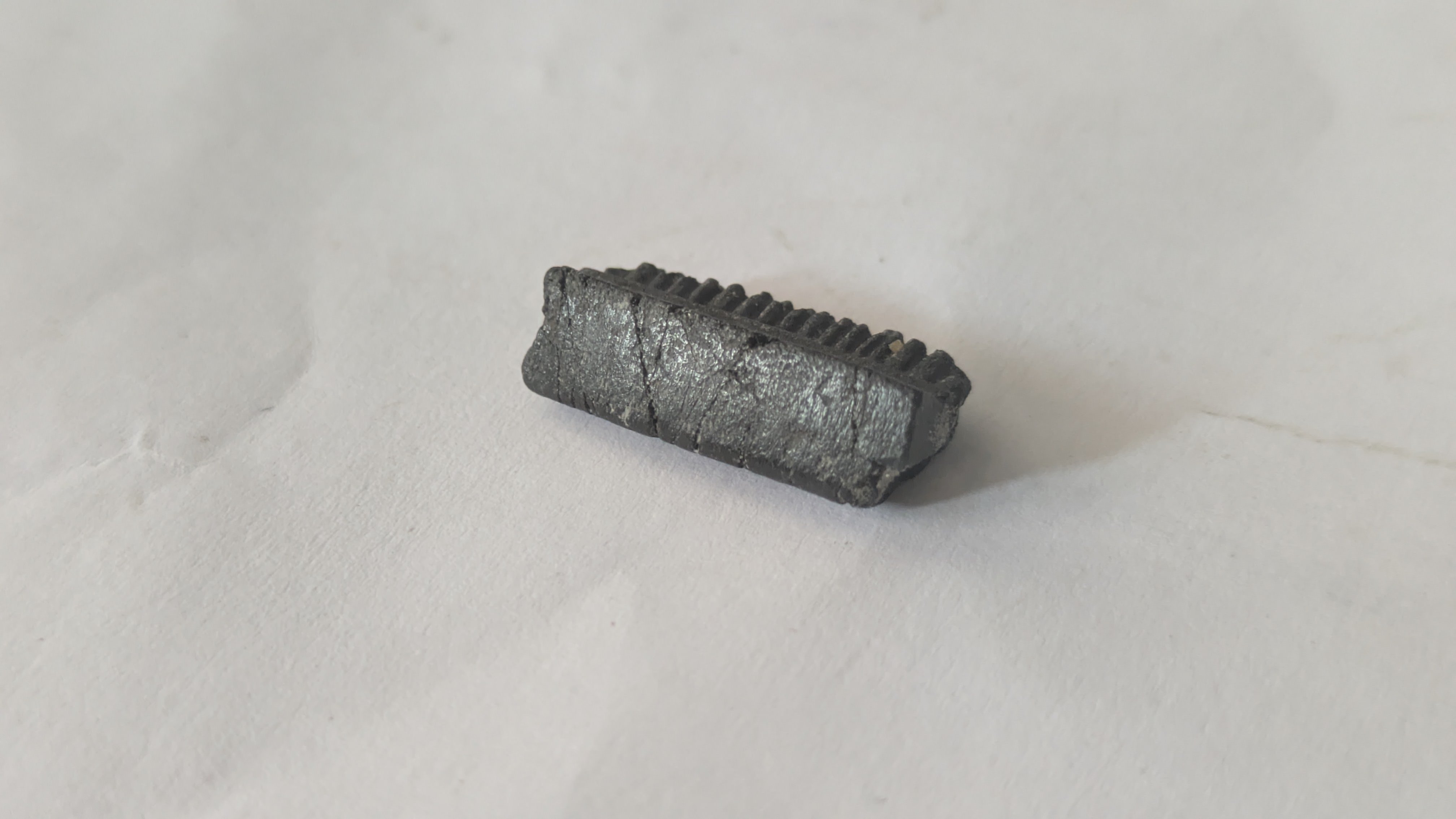
†Aetobatus irregularis
1 specimen


†Aetobatus irregularis
1 specimen
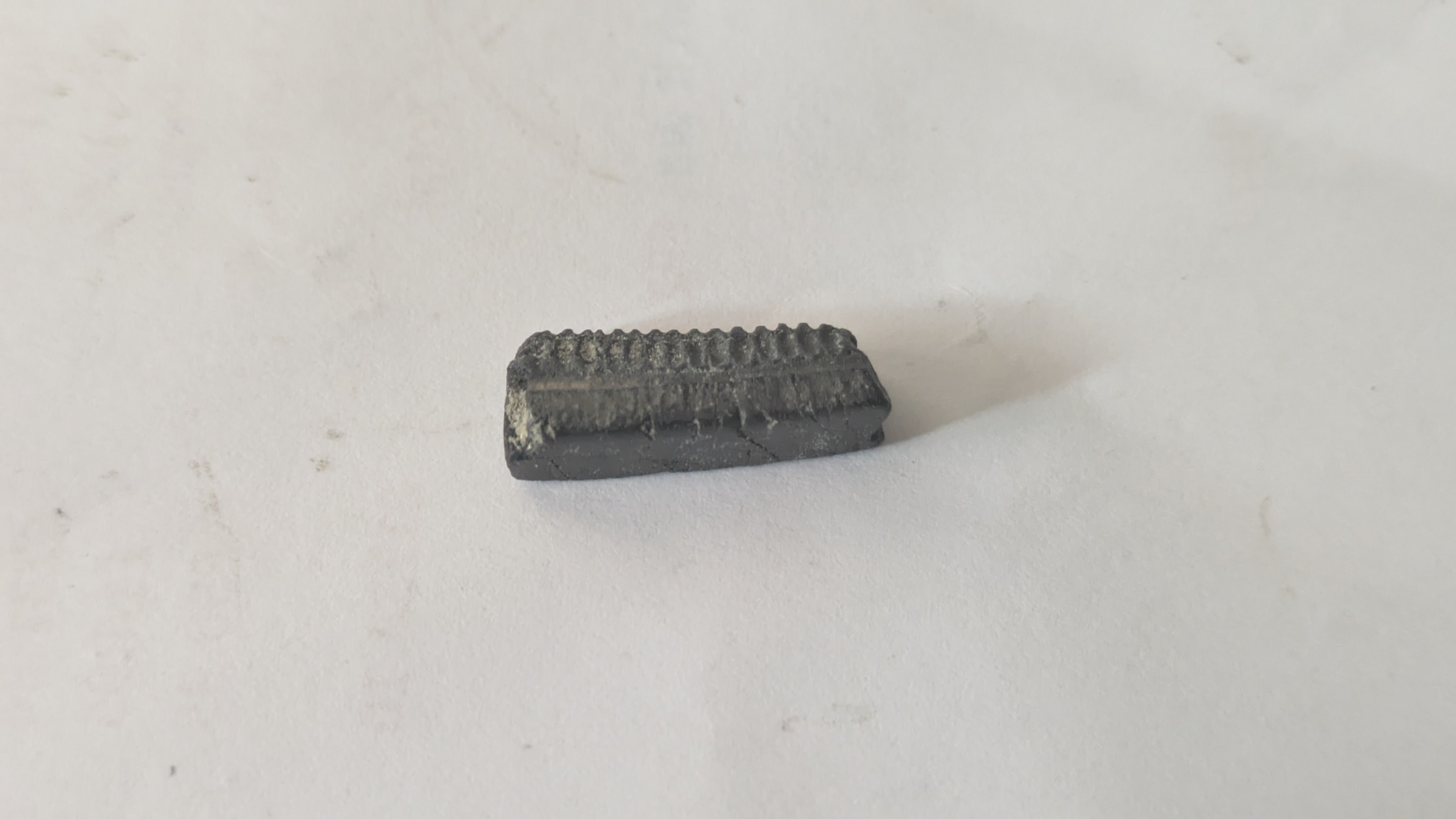
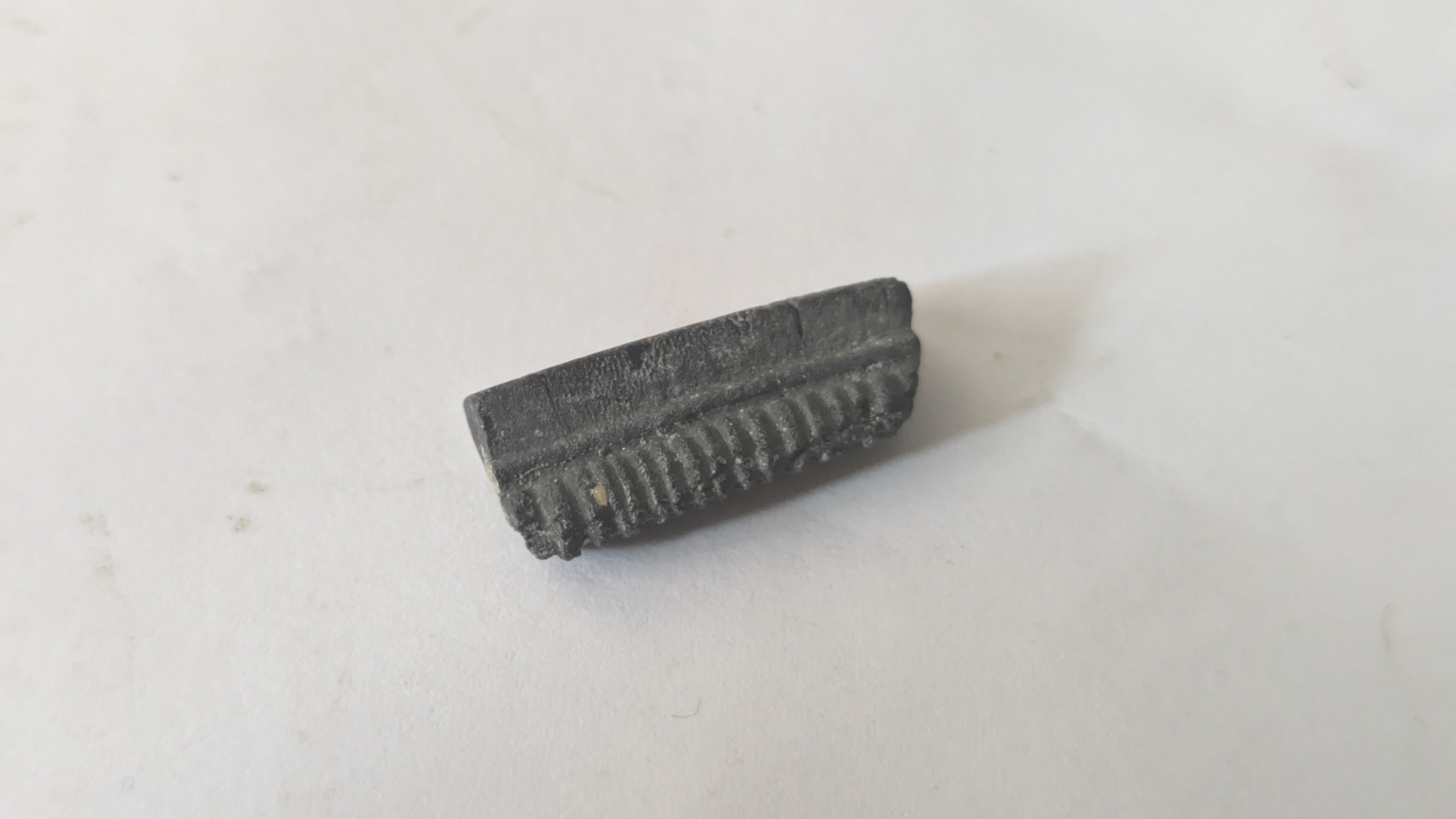
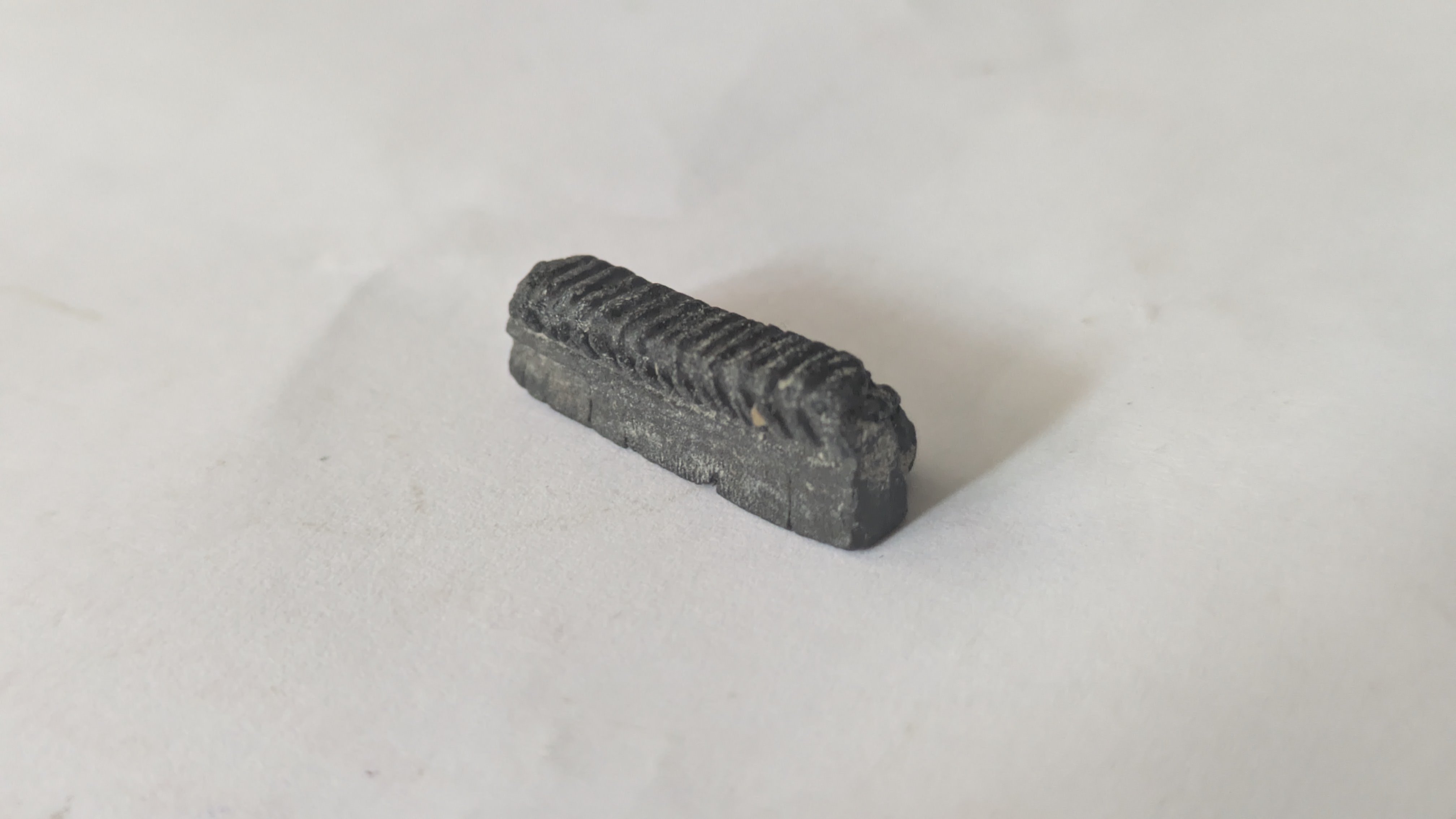
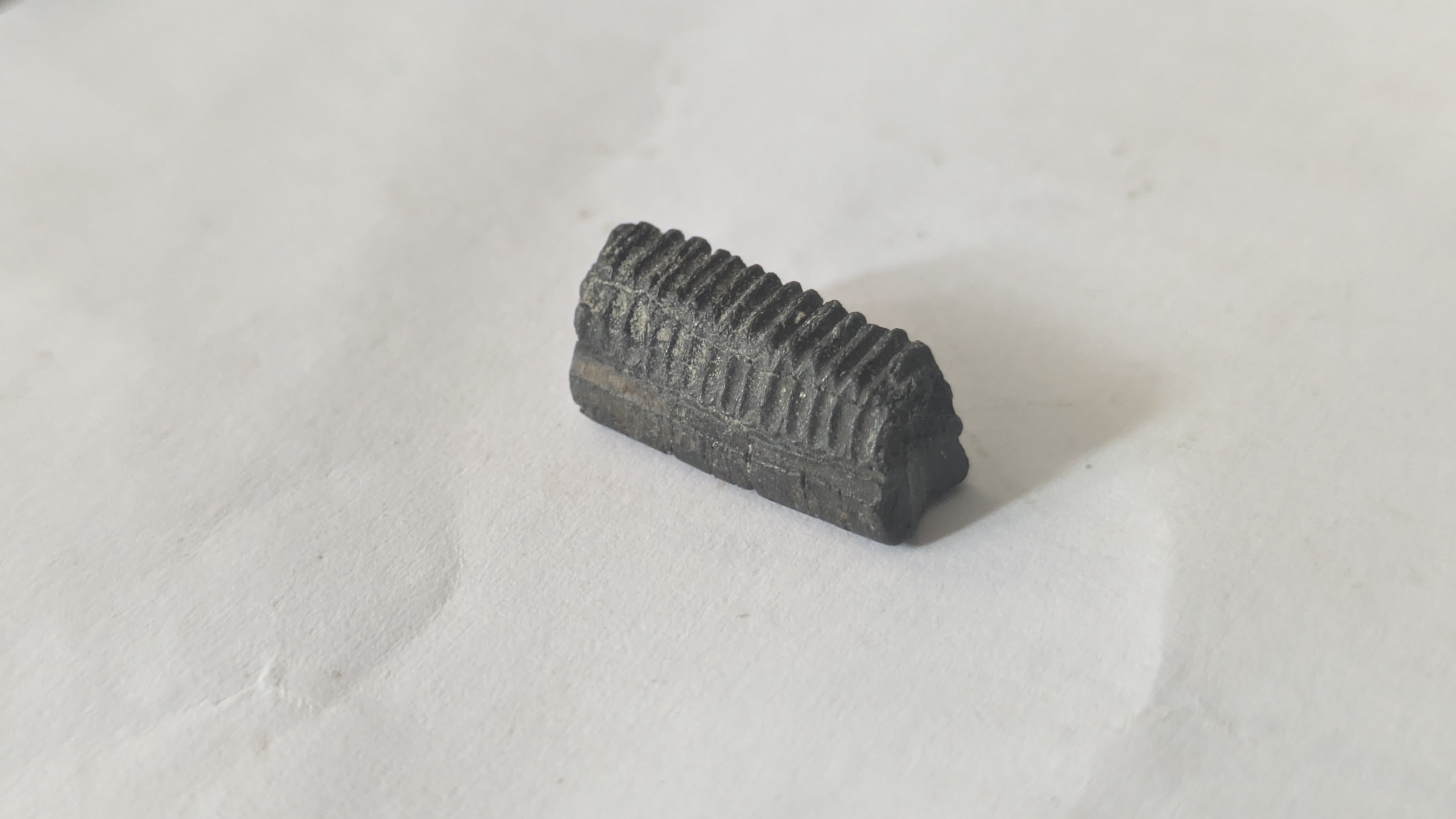
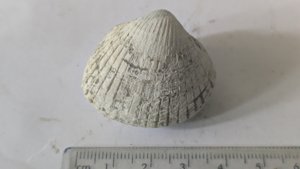
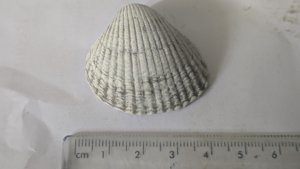
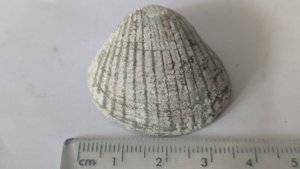
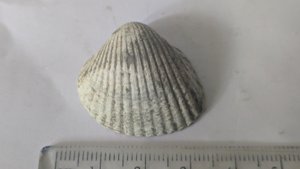
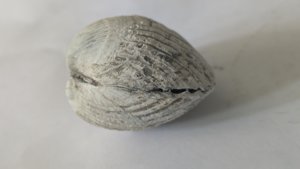
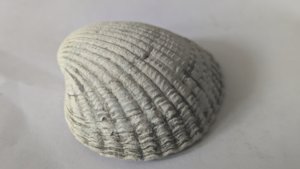
Carditidae
4 specimens


Carditidae
4 specimens
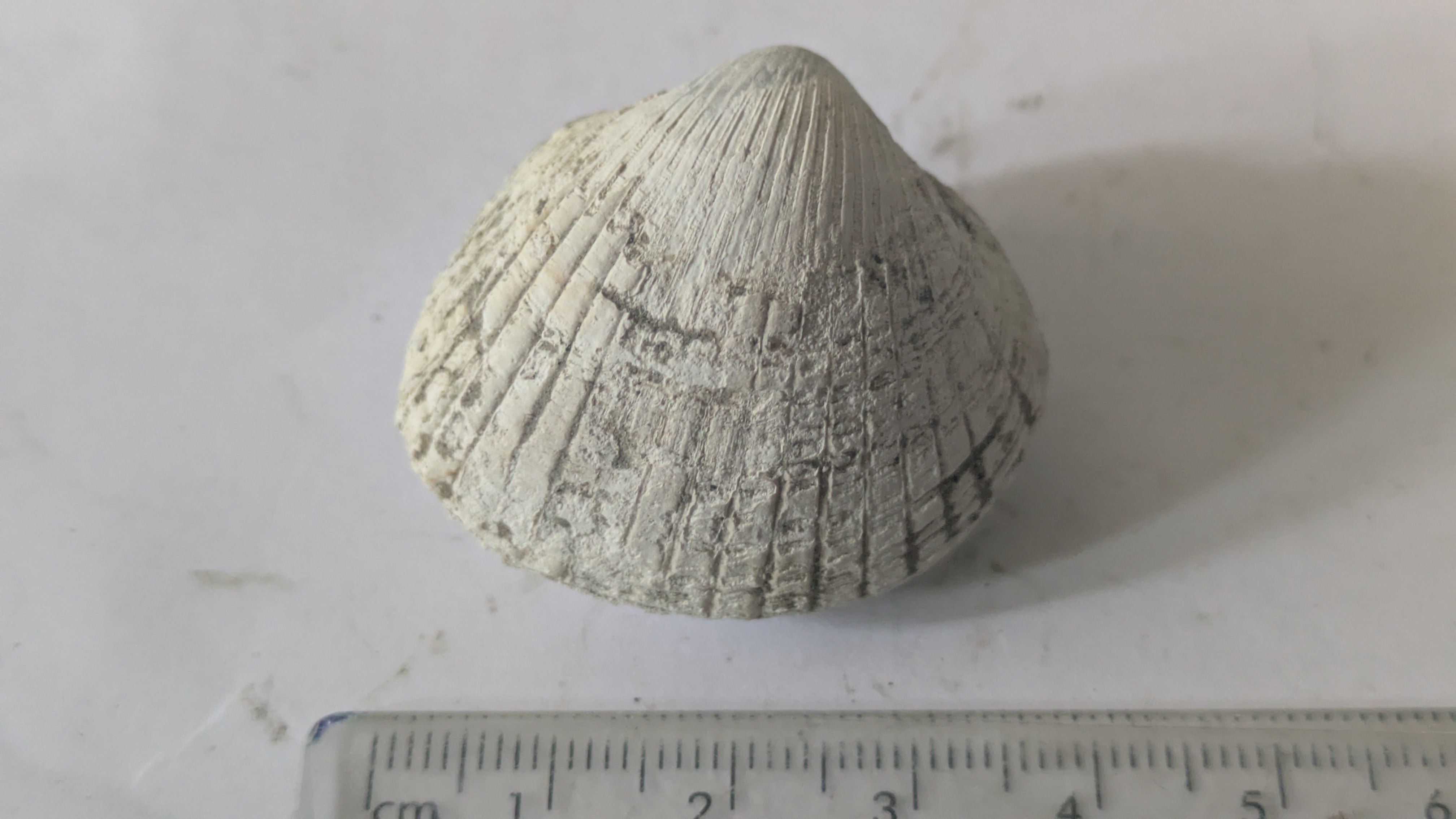
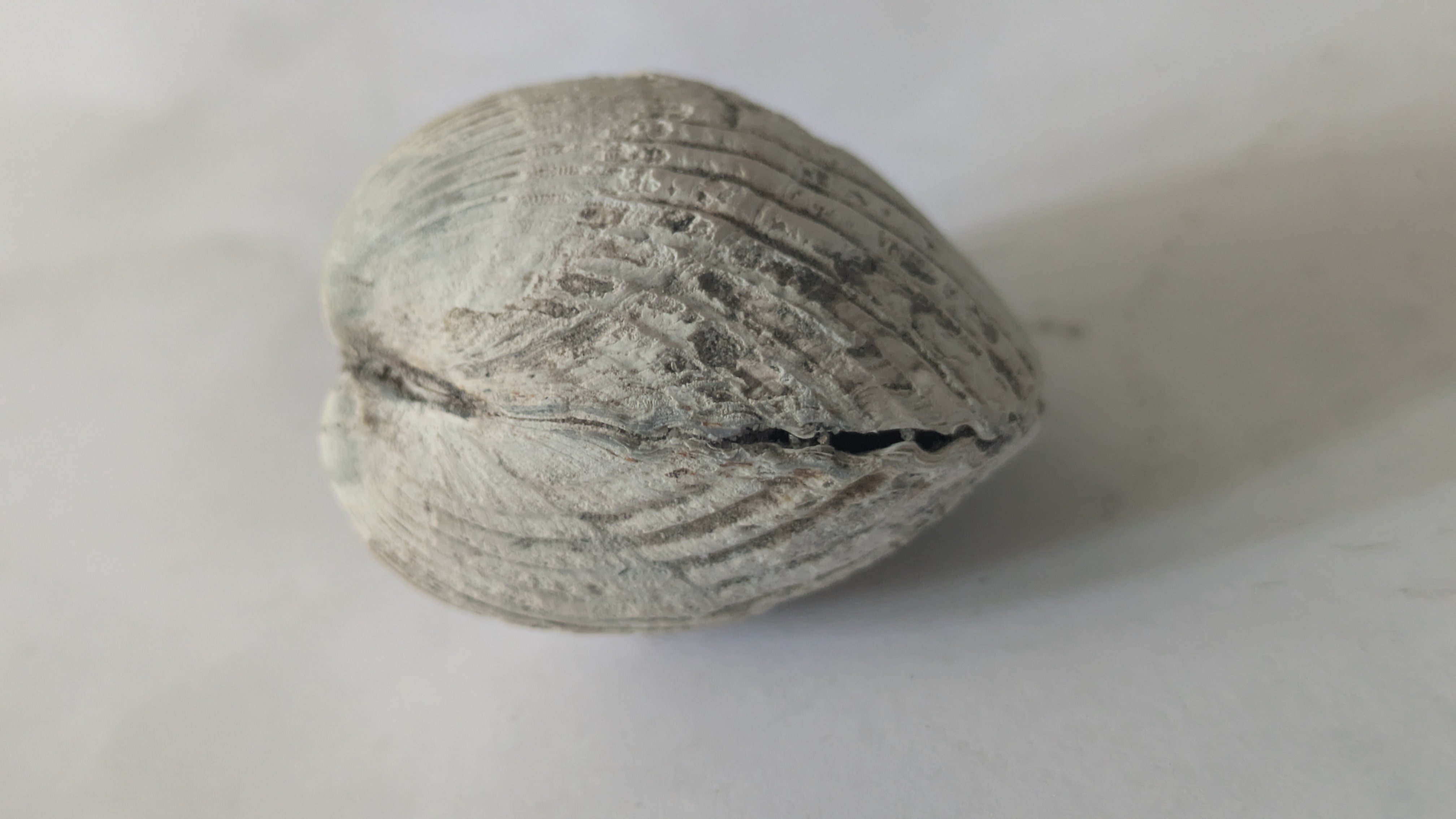
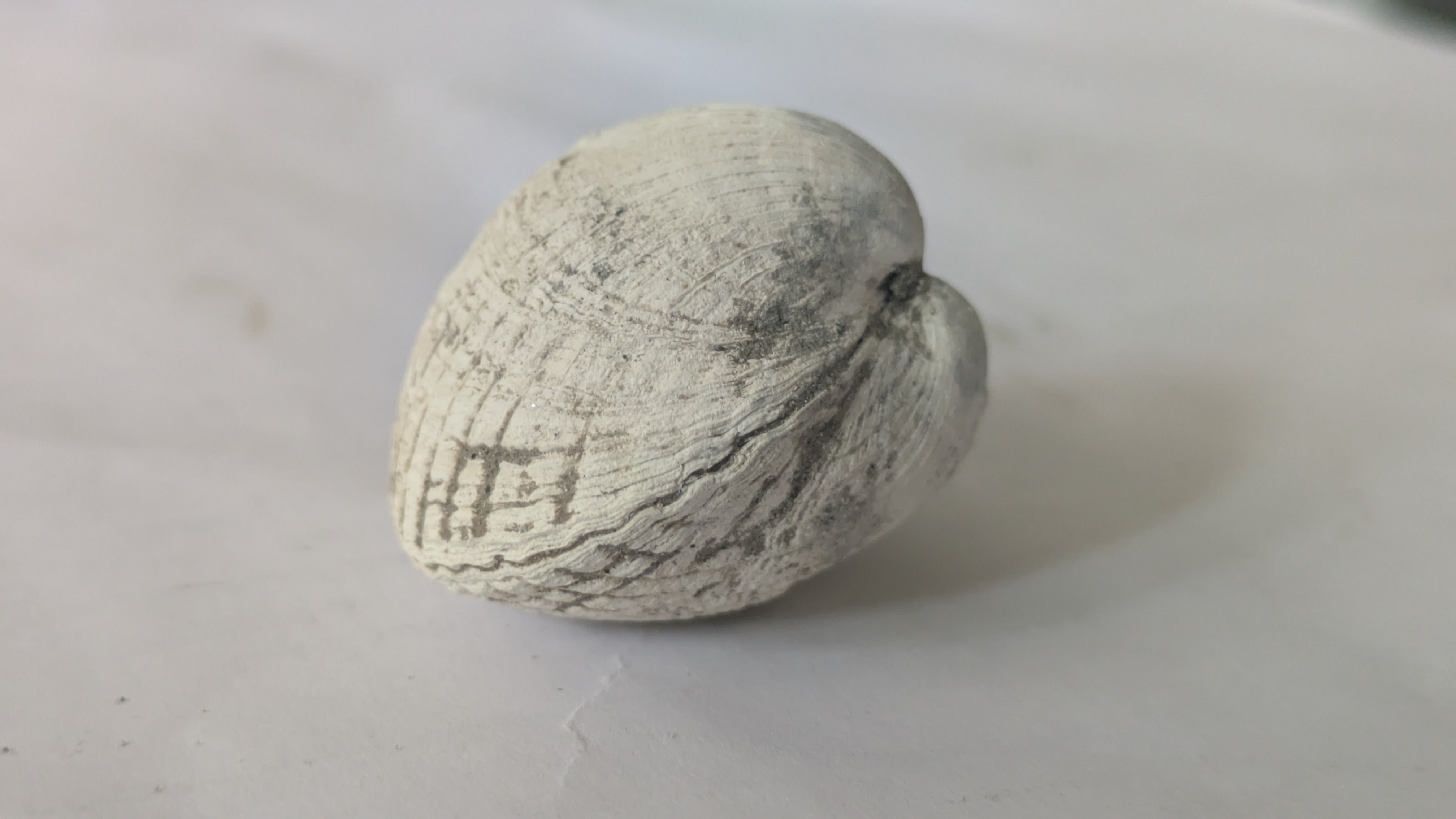
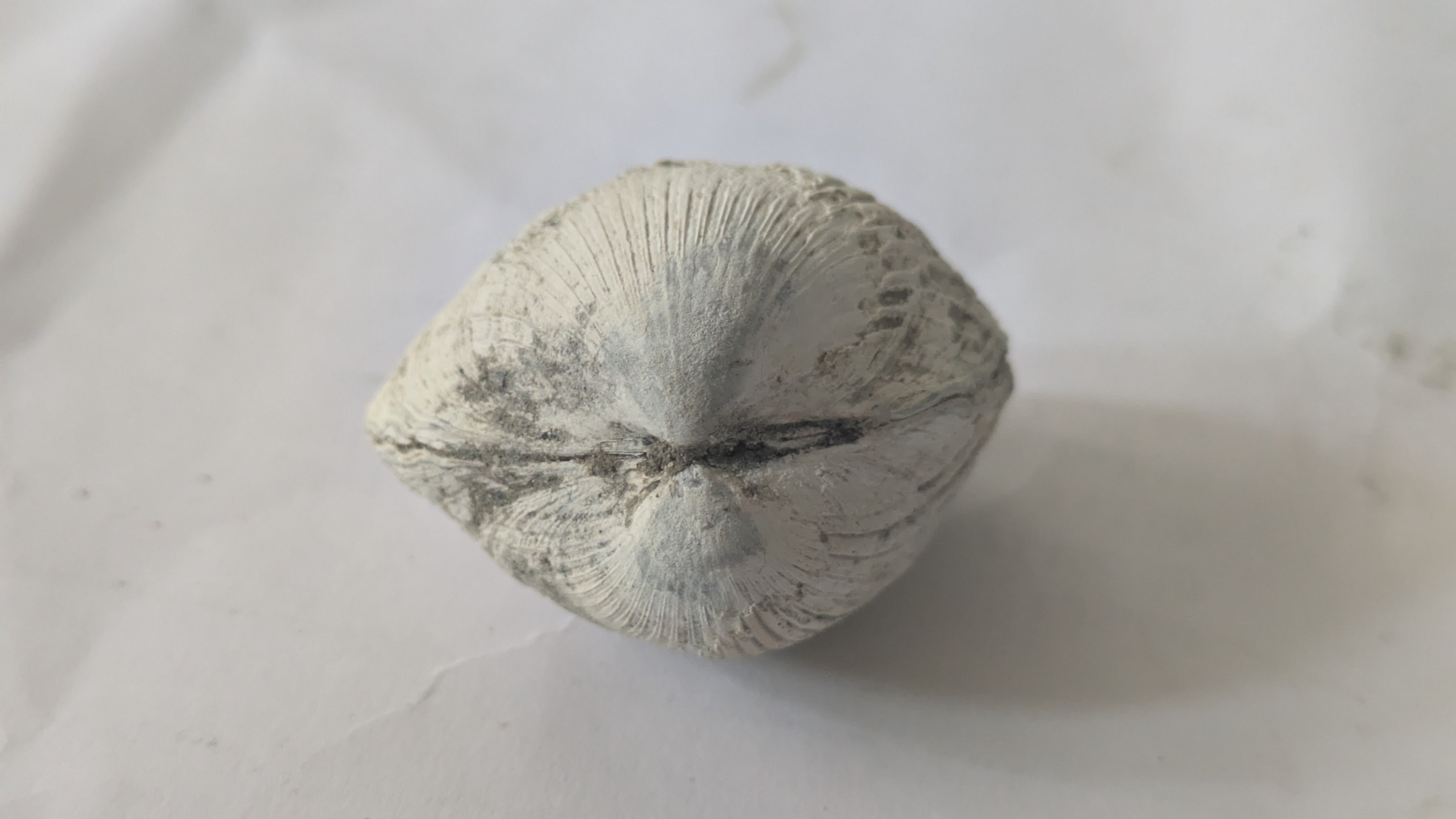
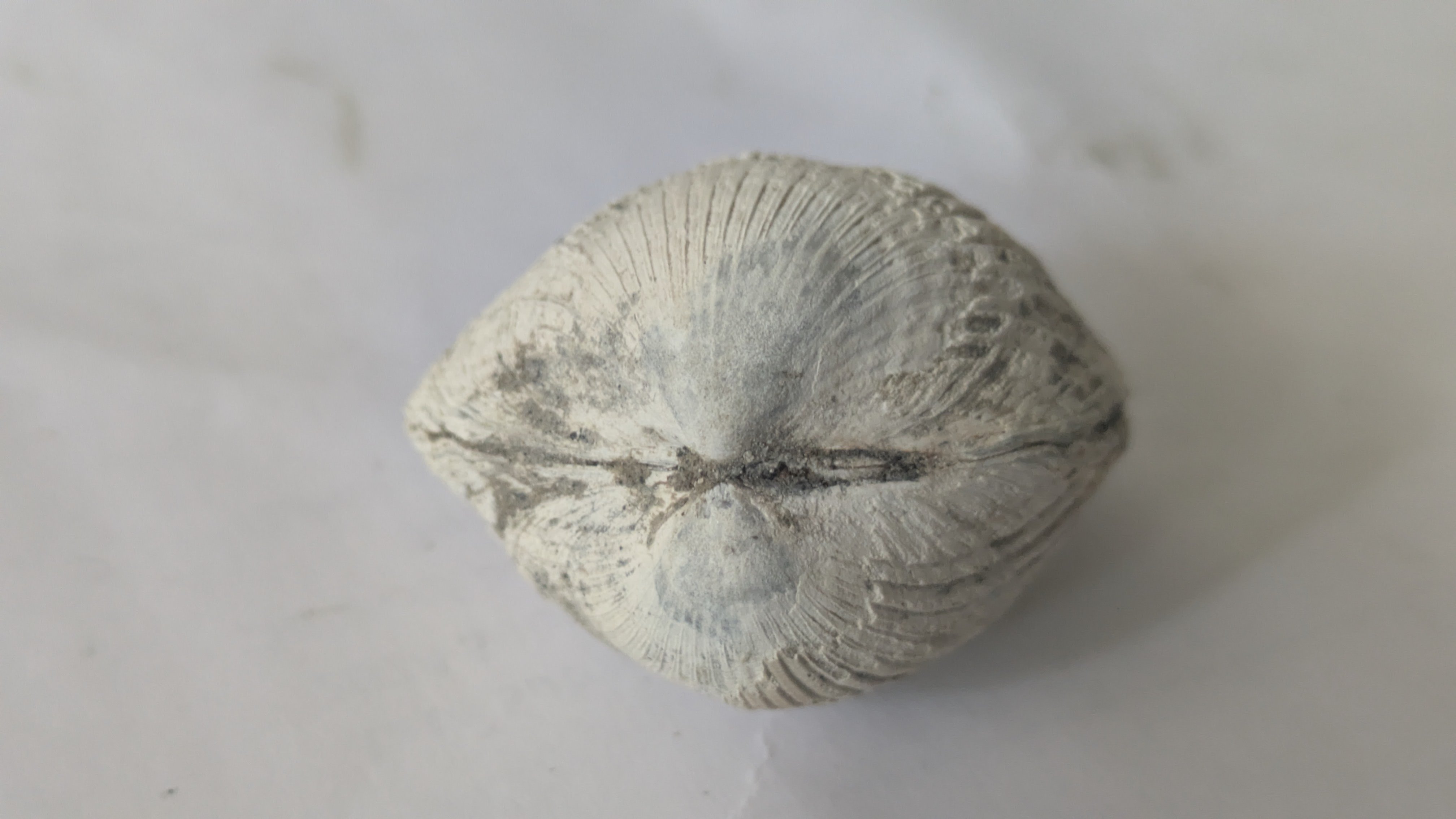
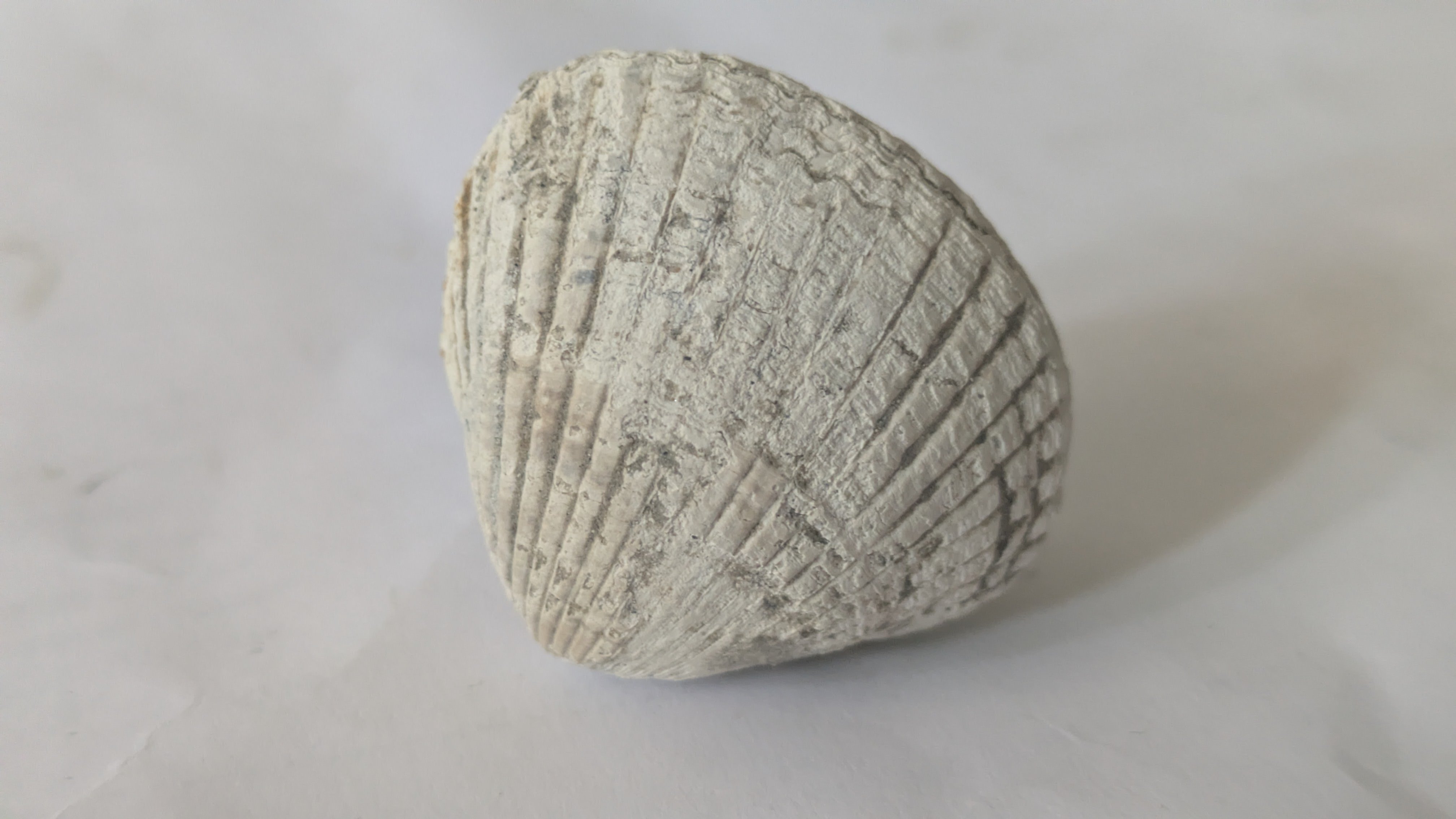
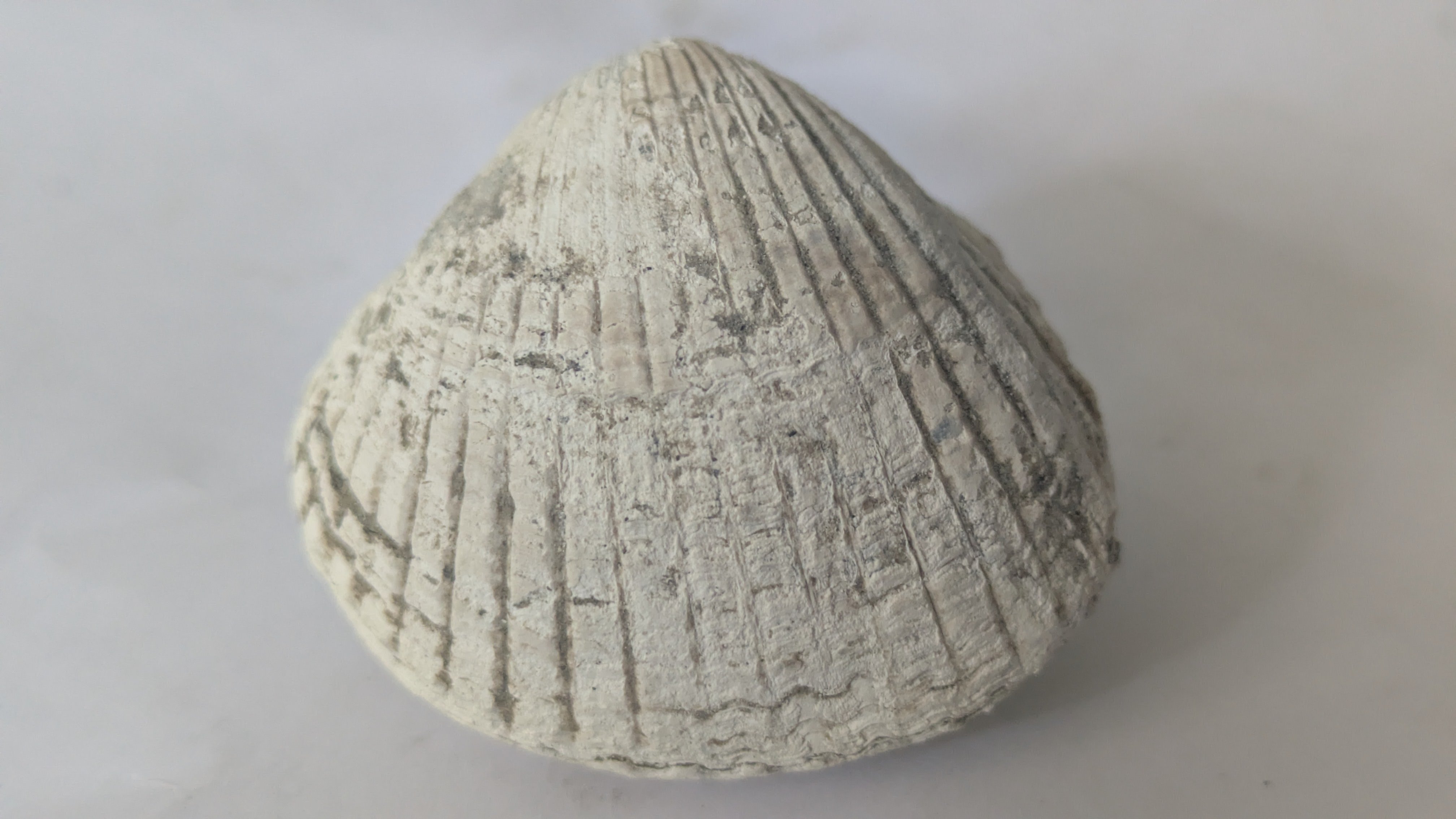
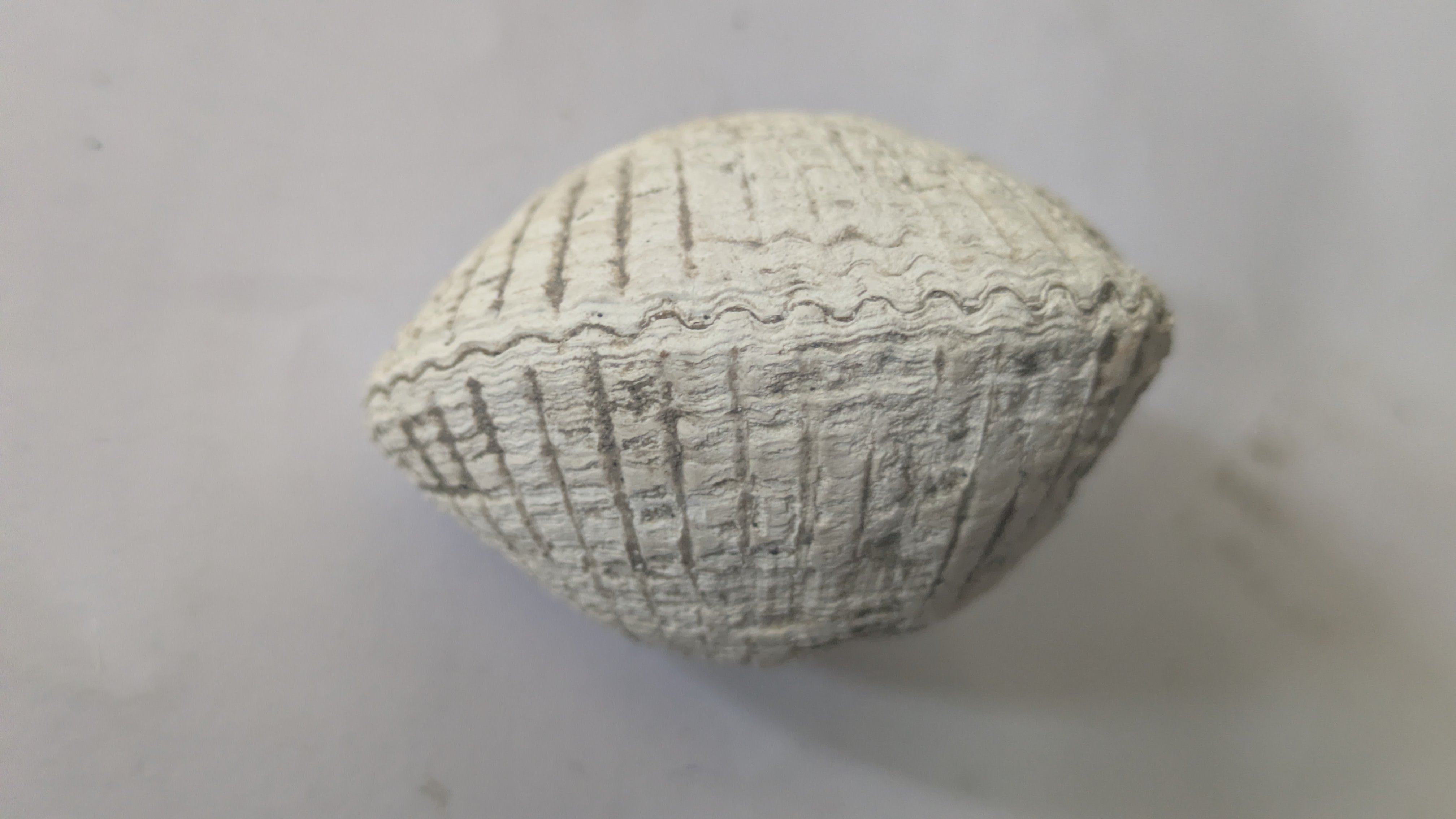
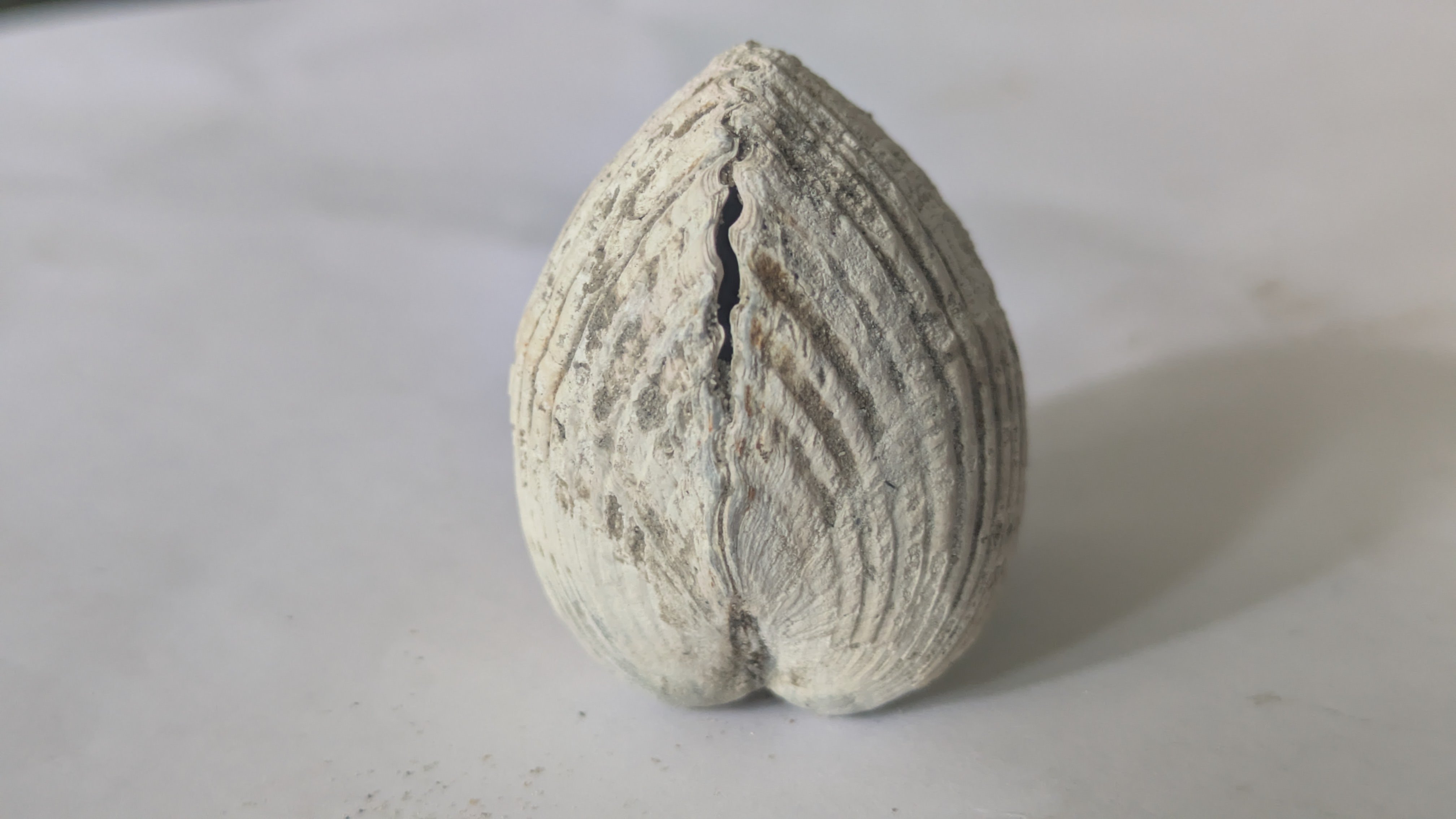
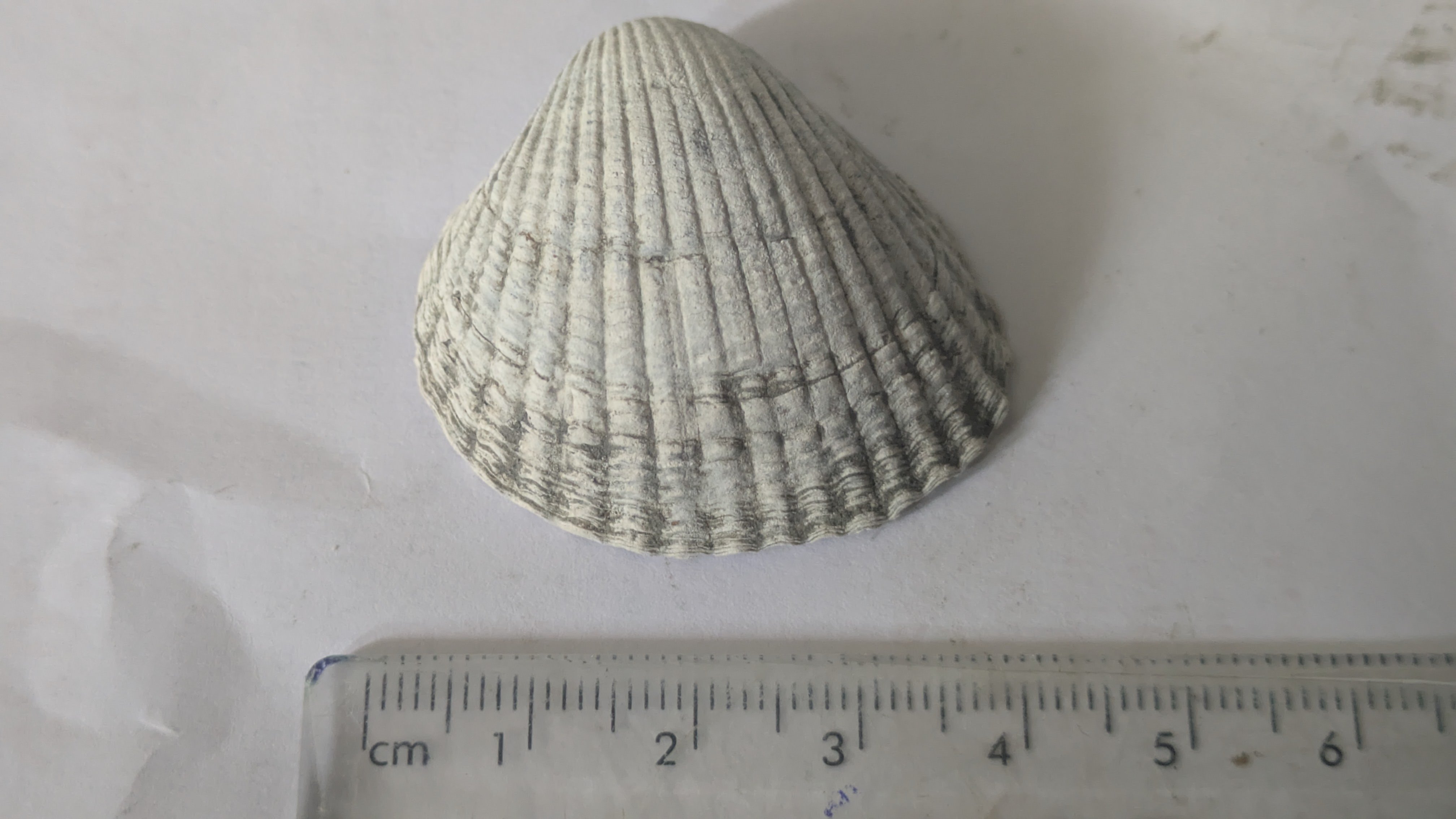
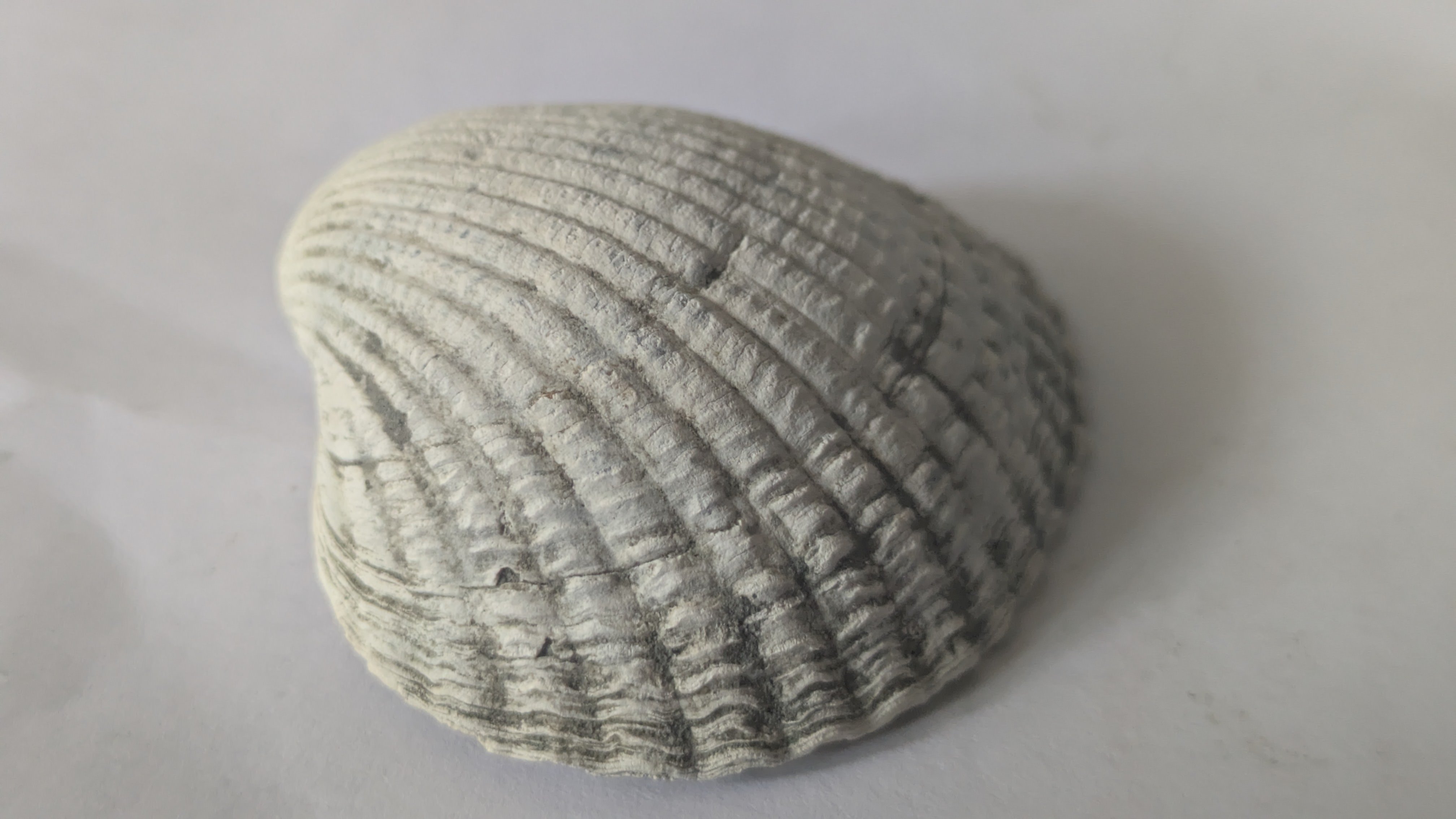
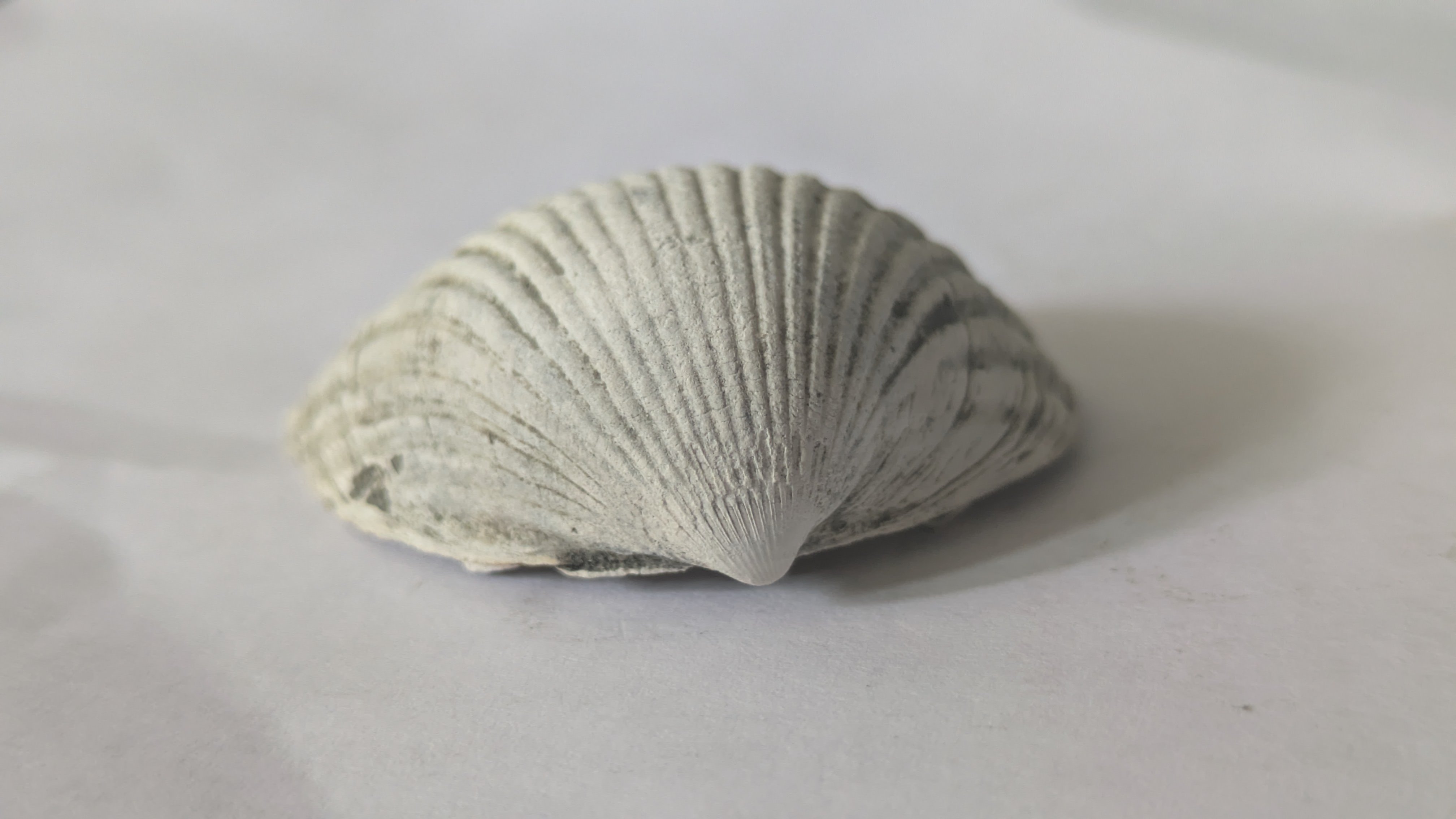
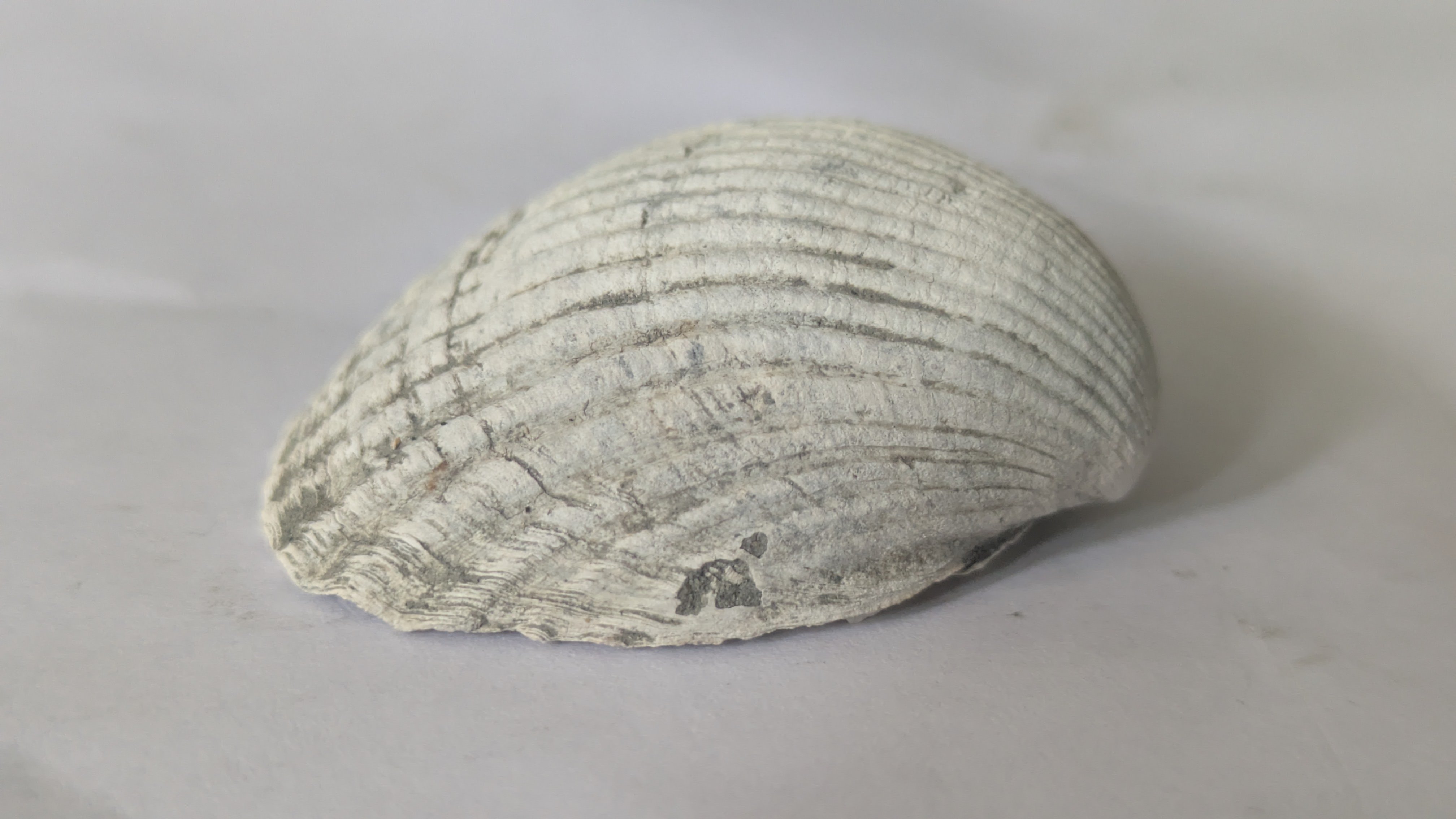
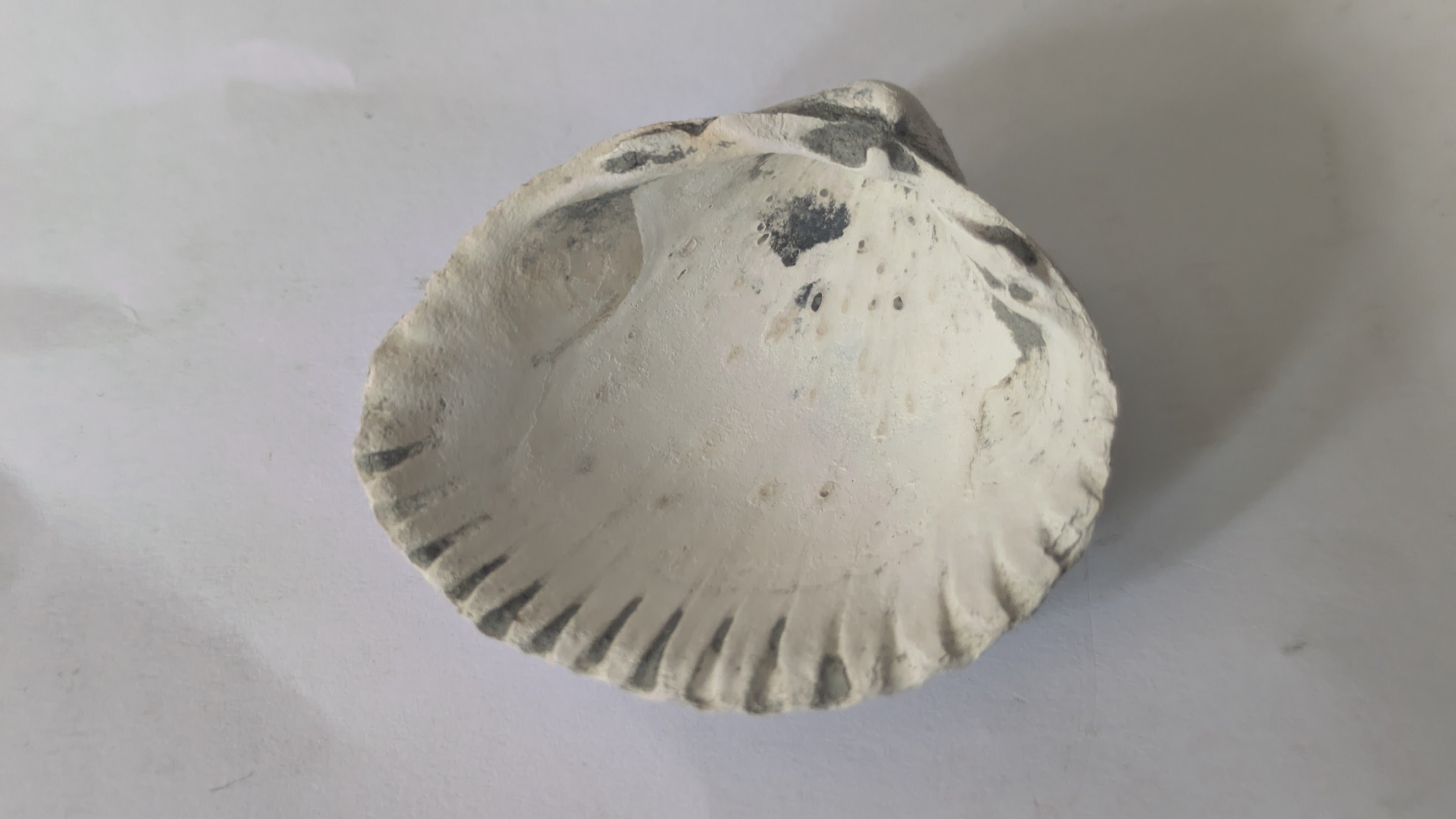
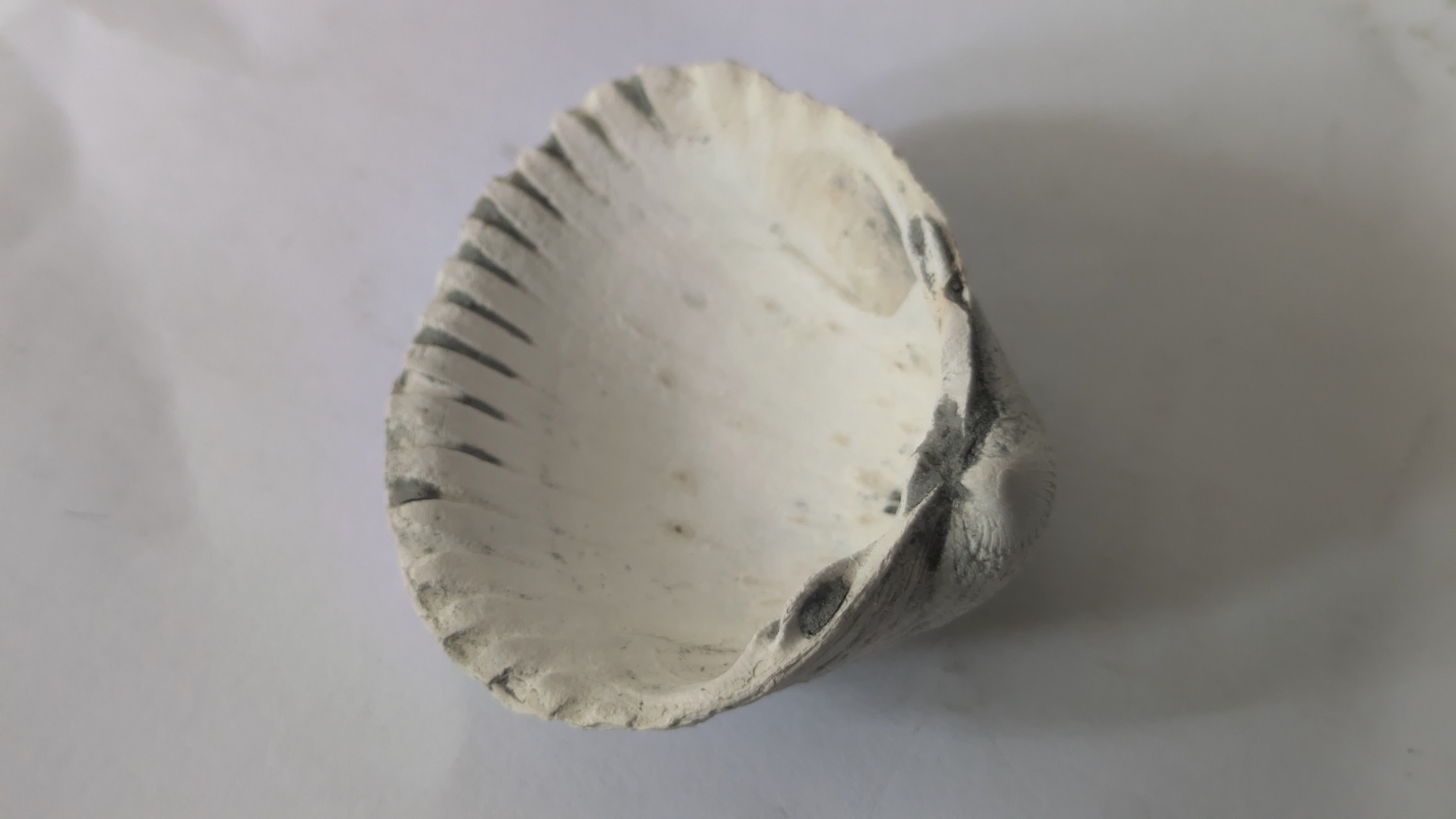
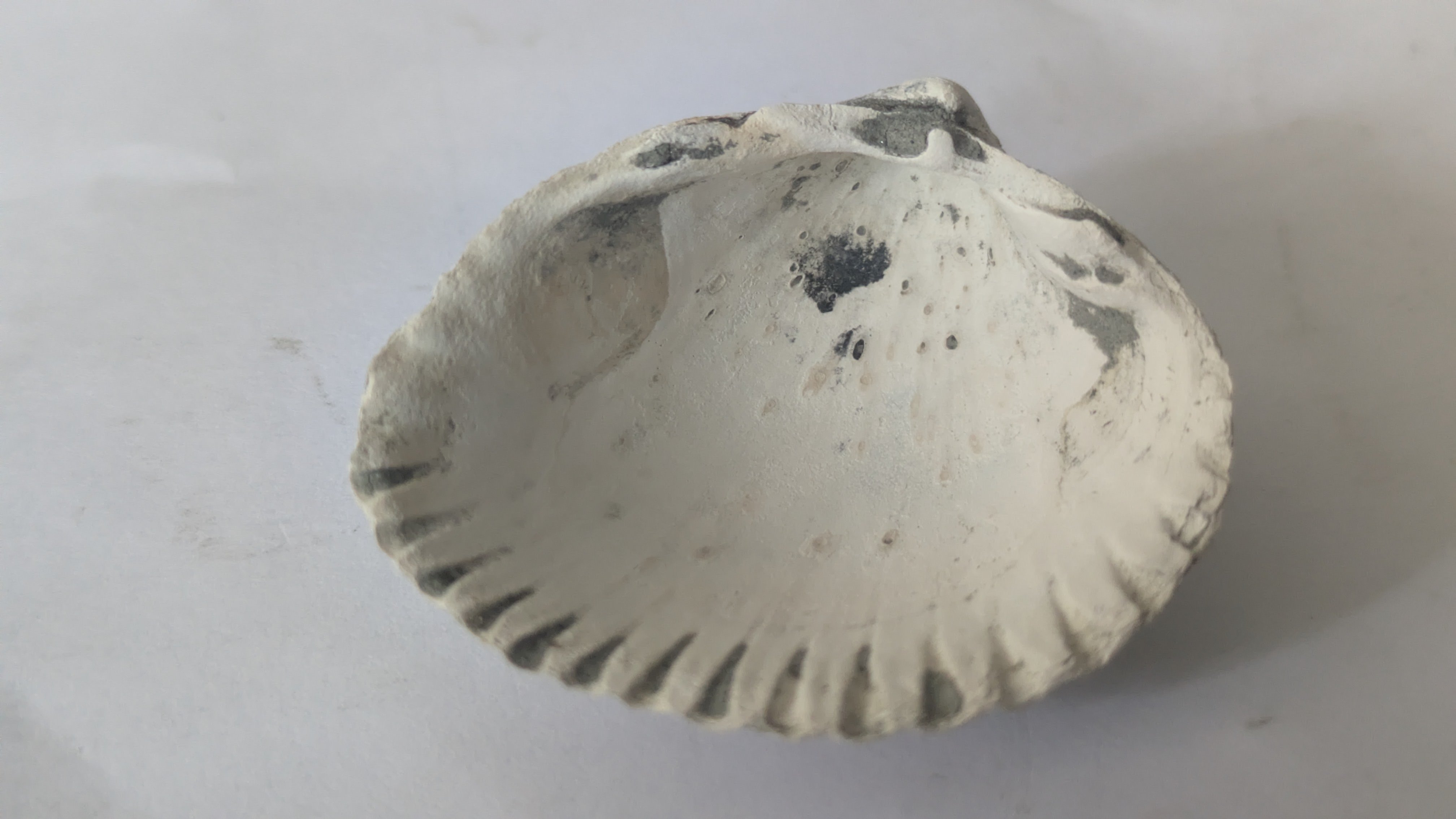
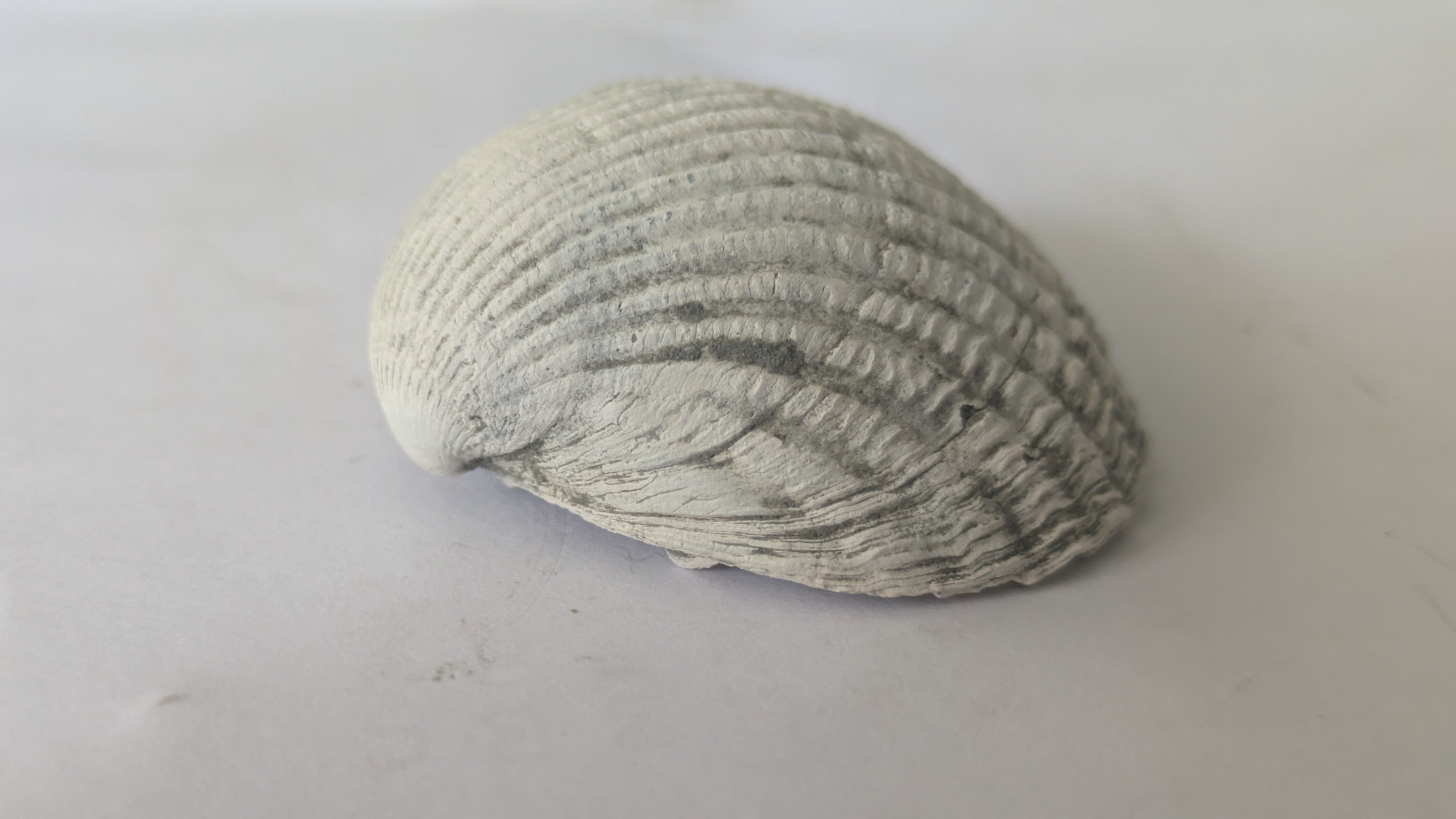

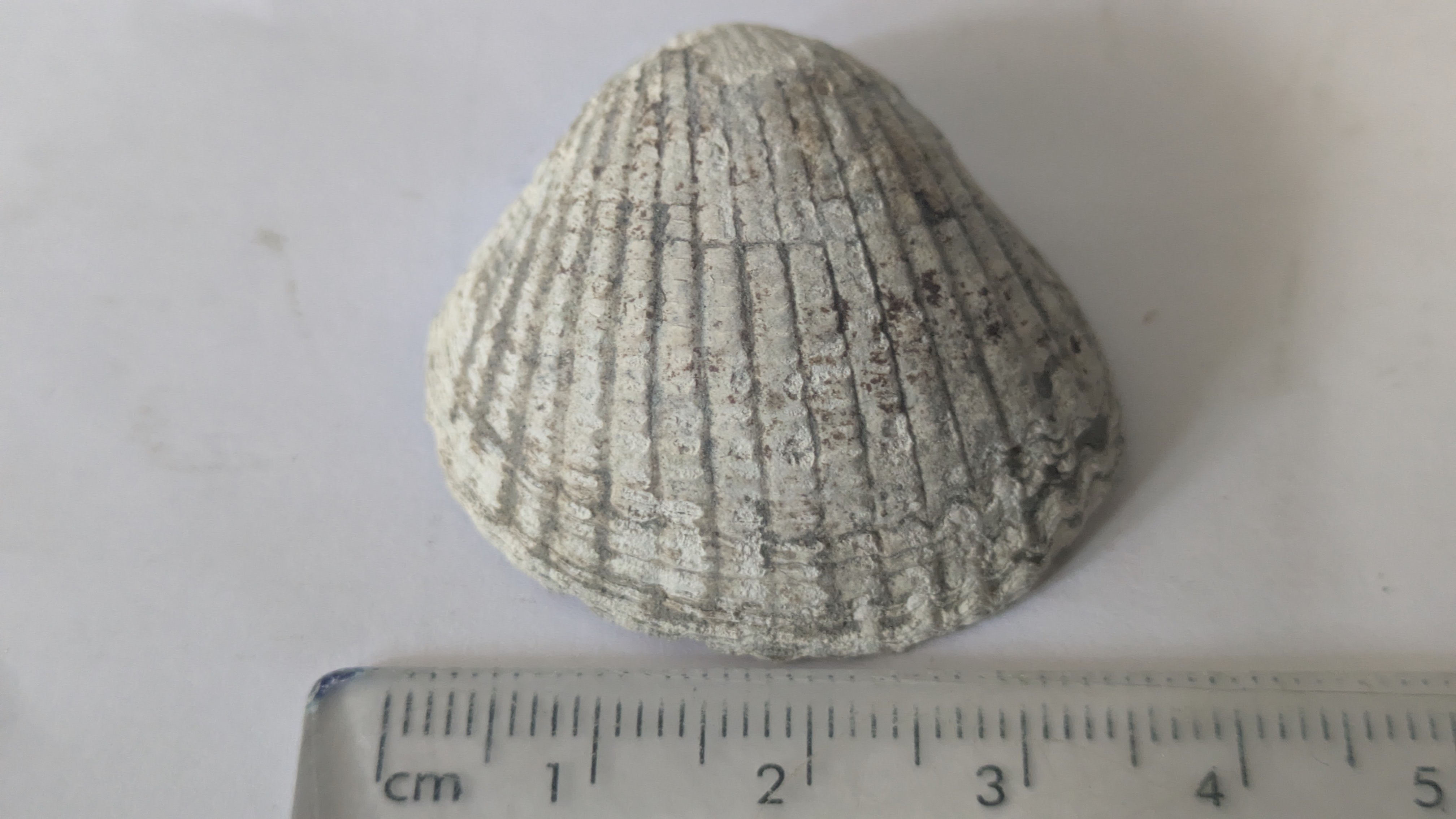
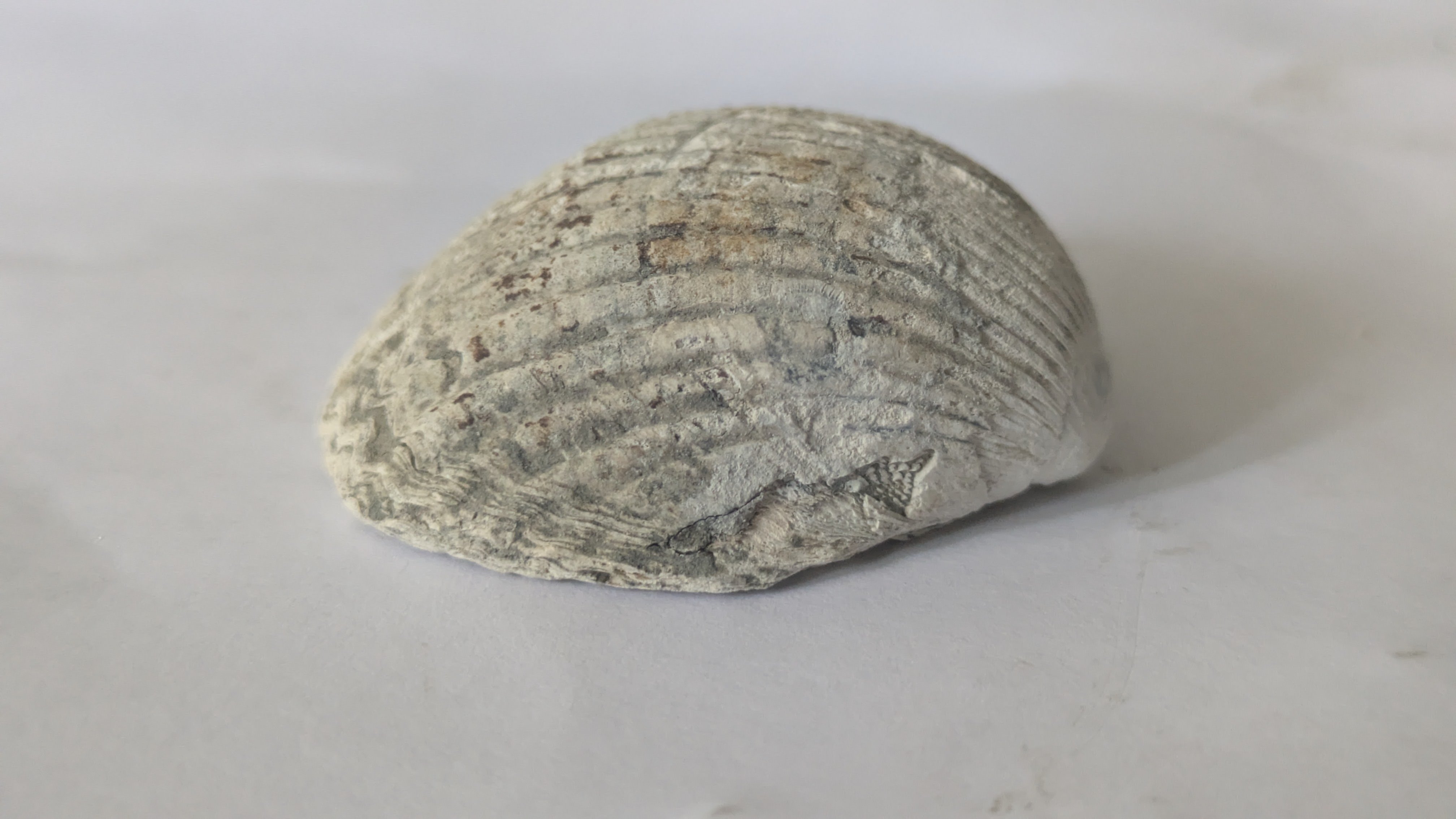
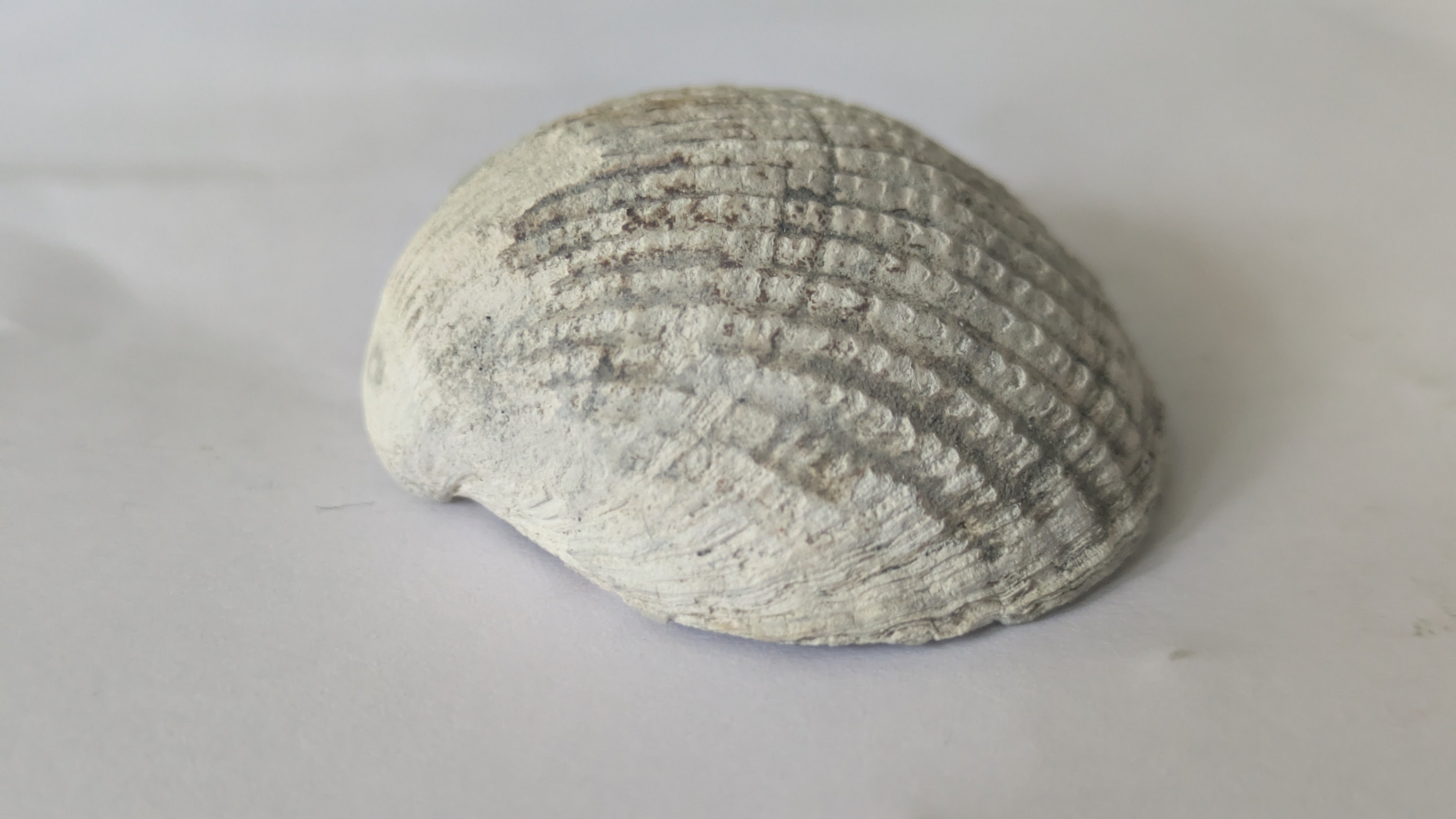
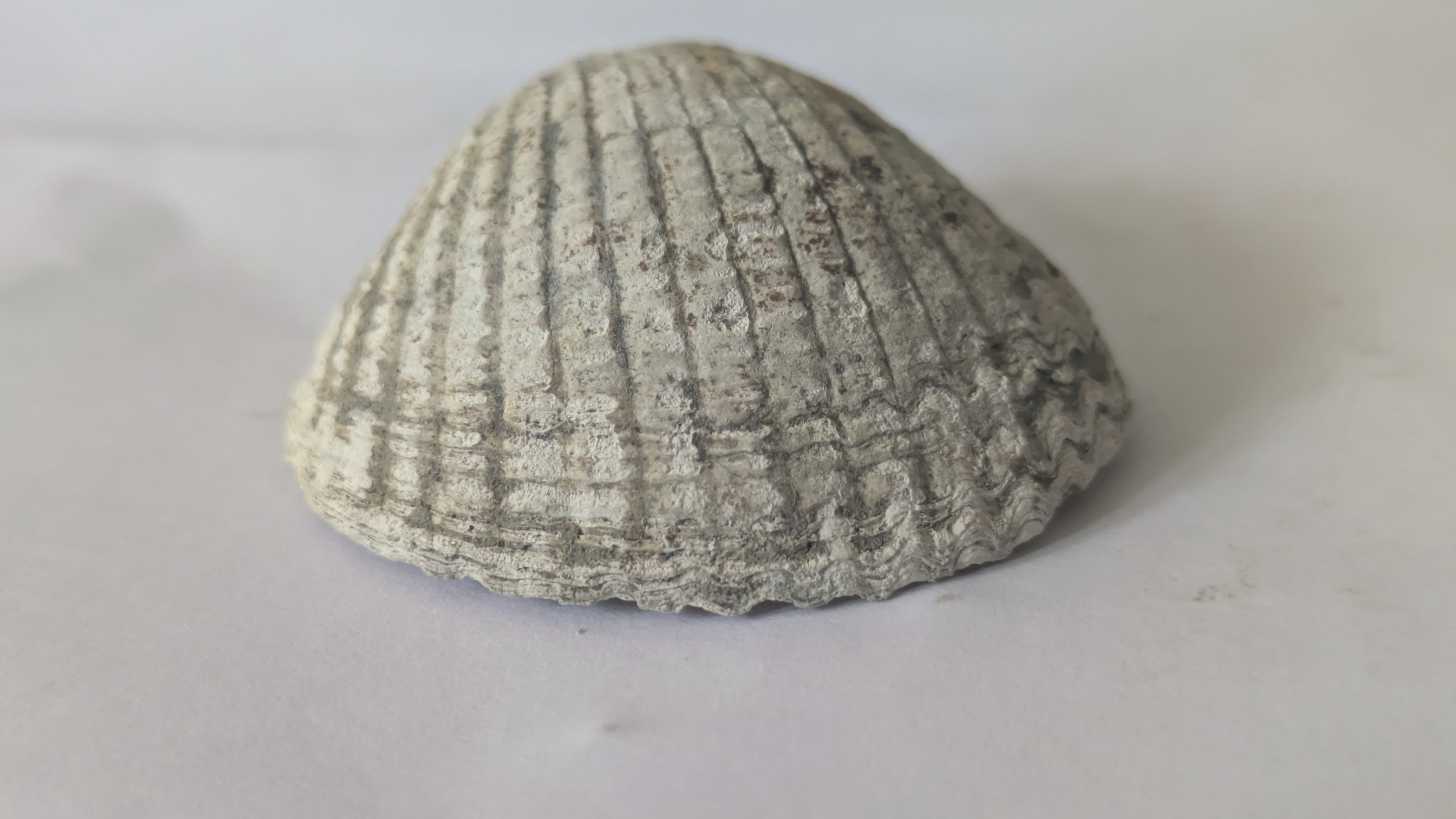
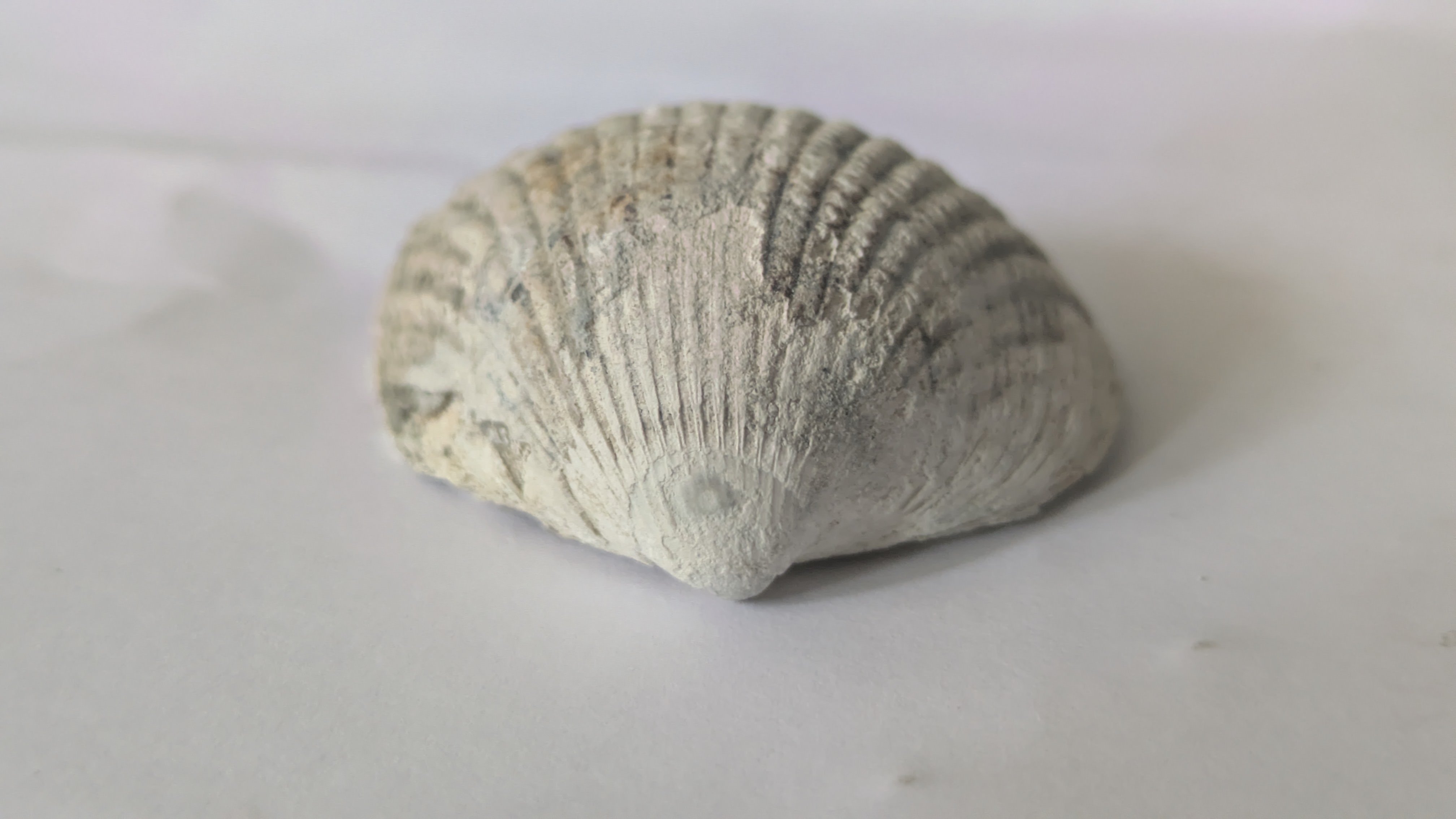
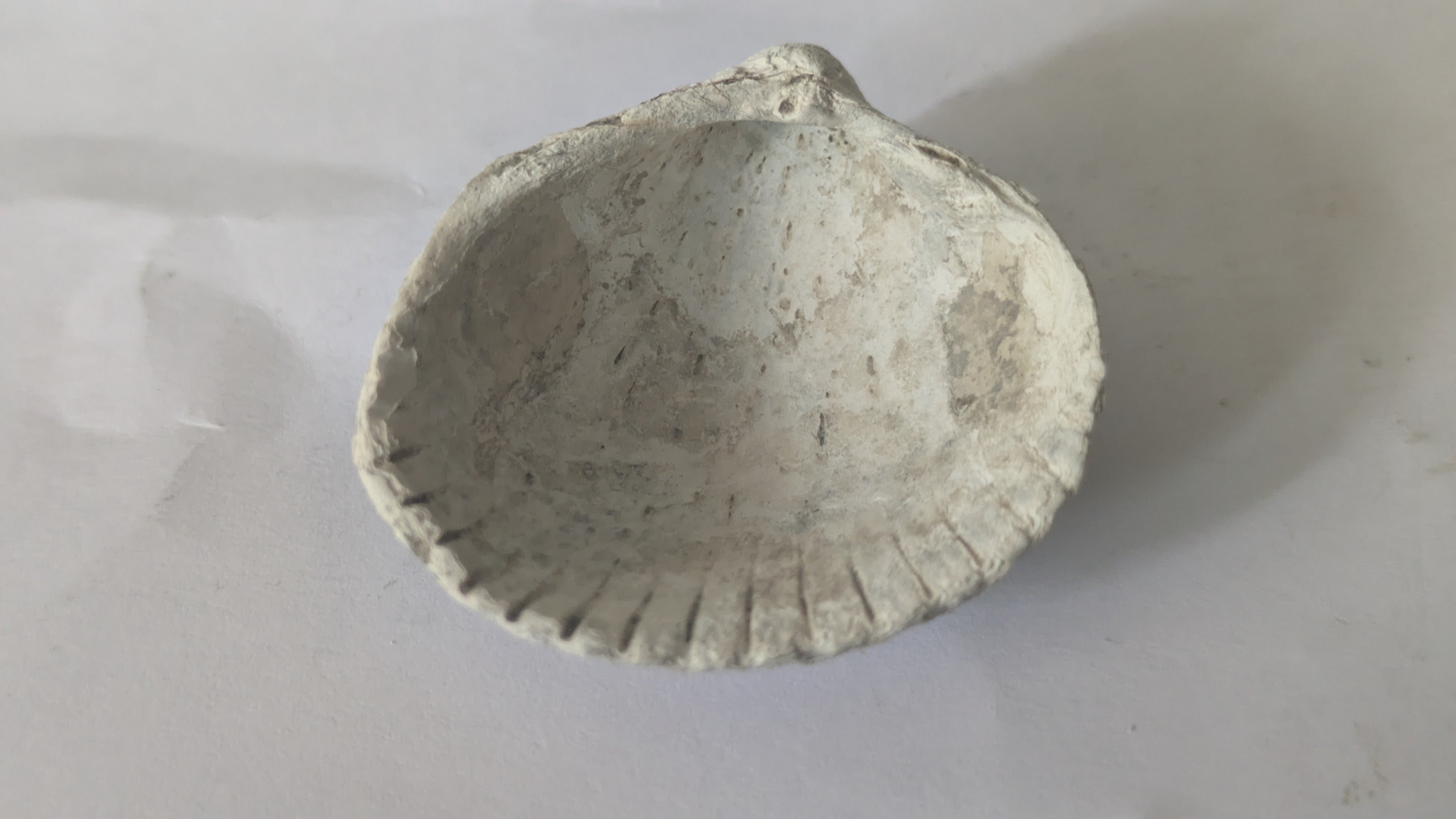
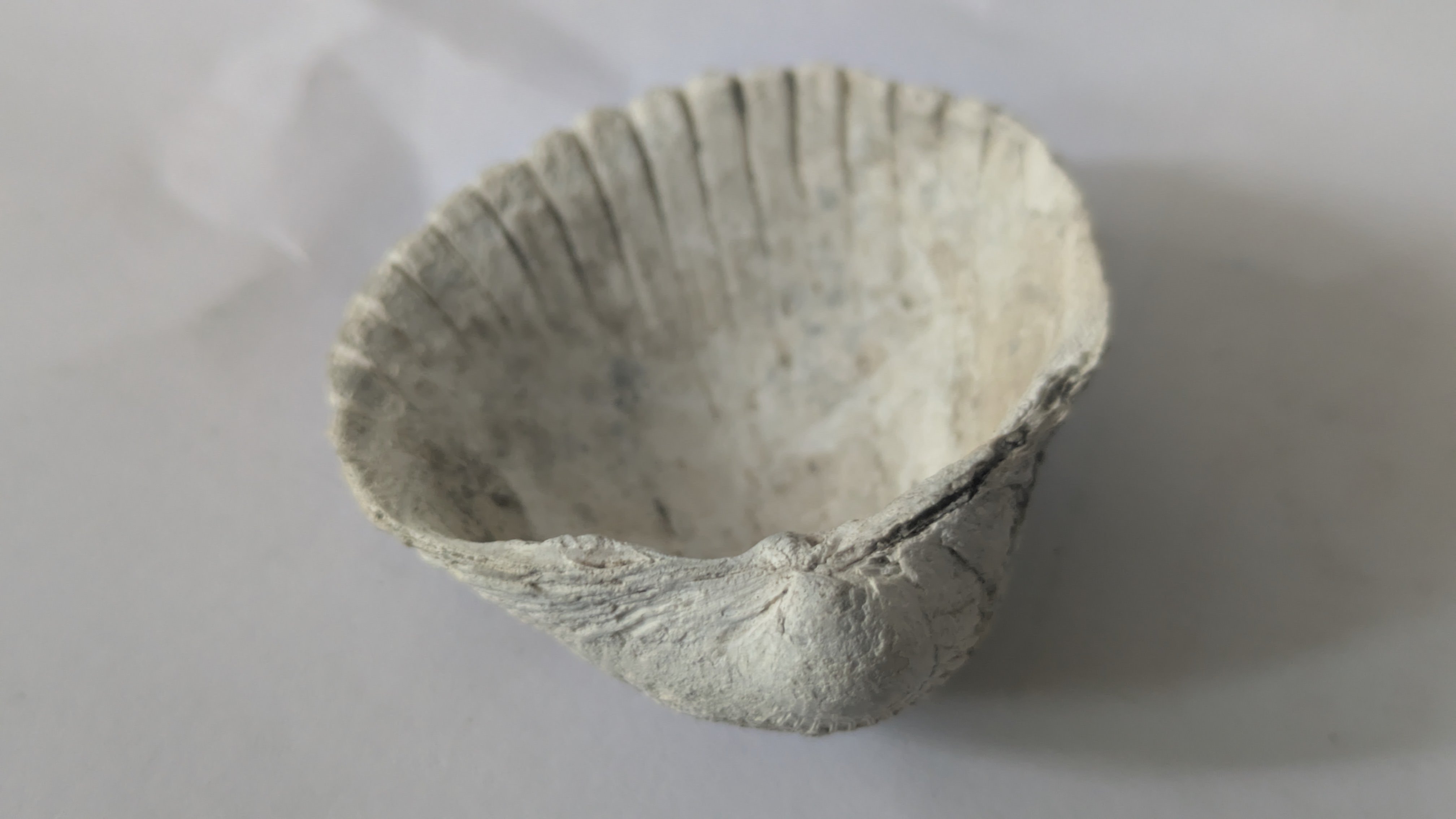

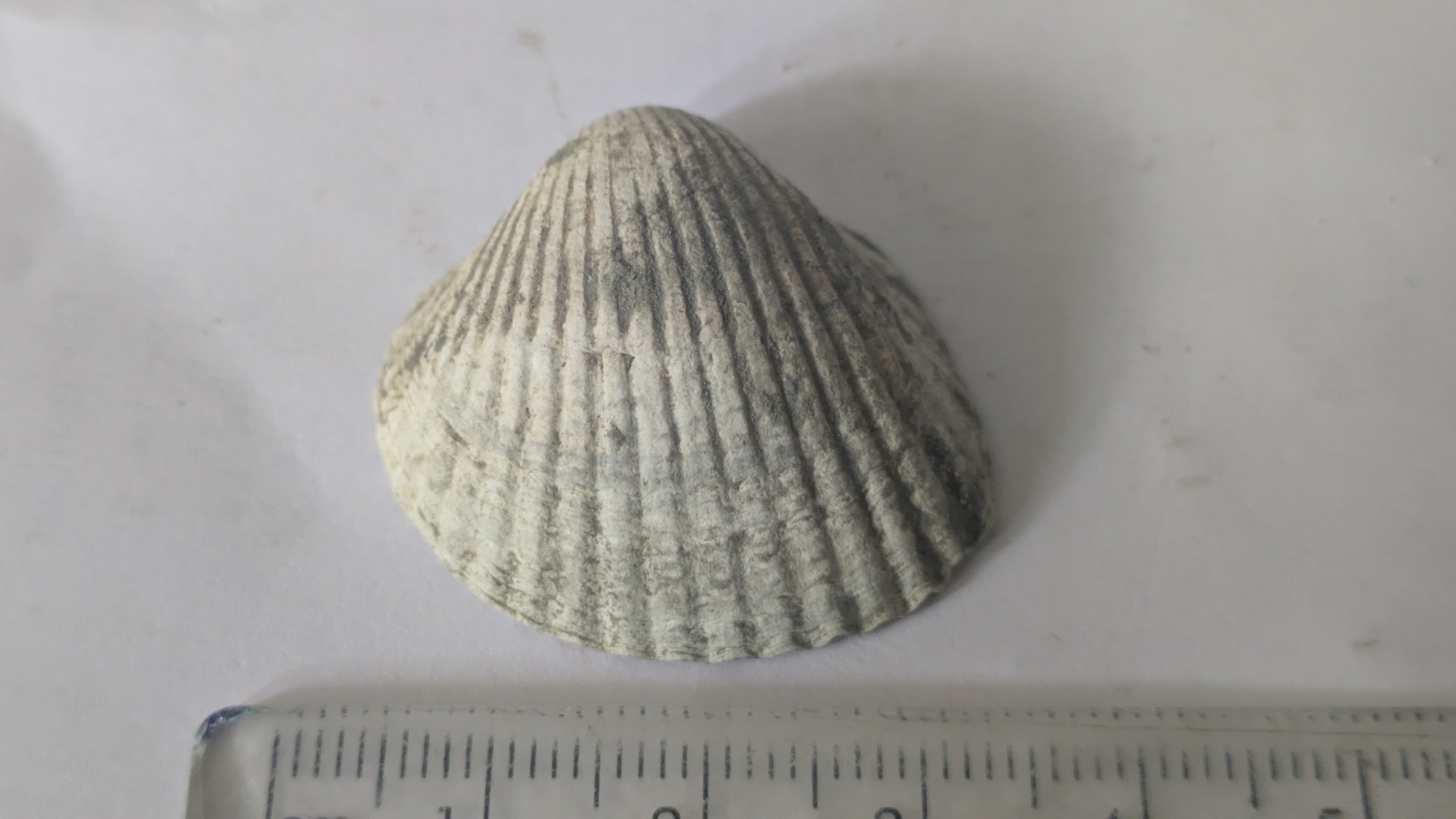
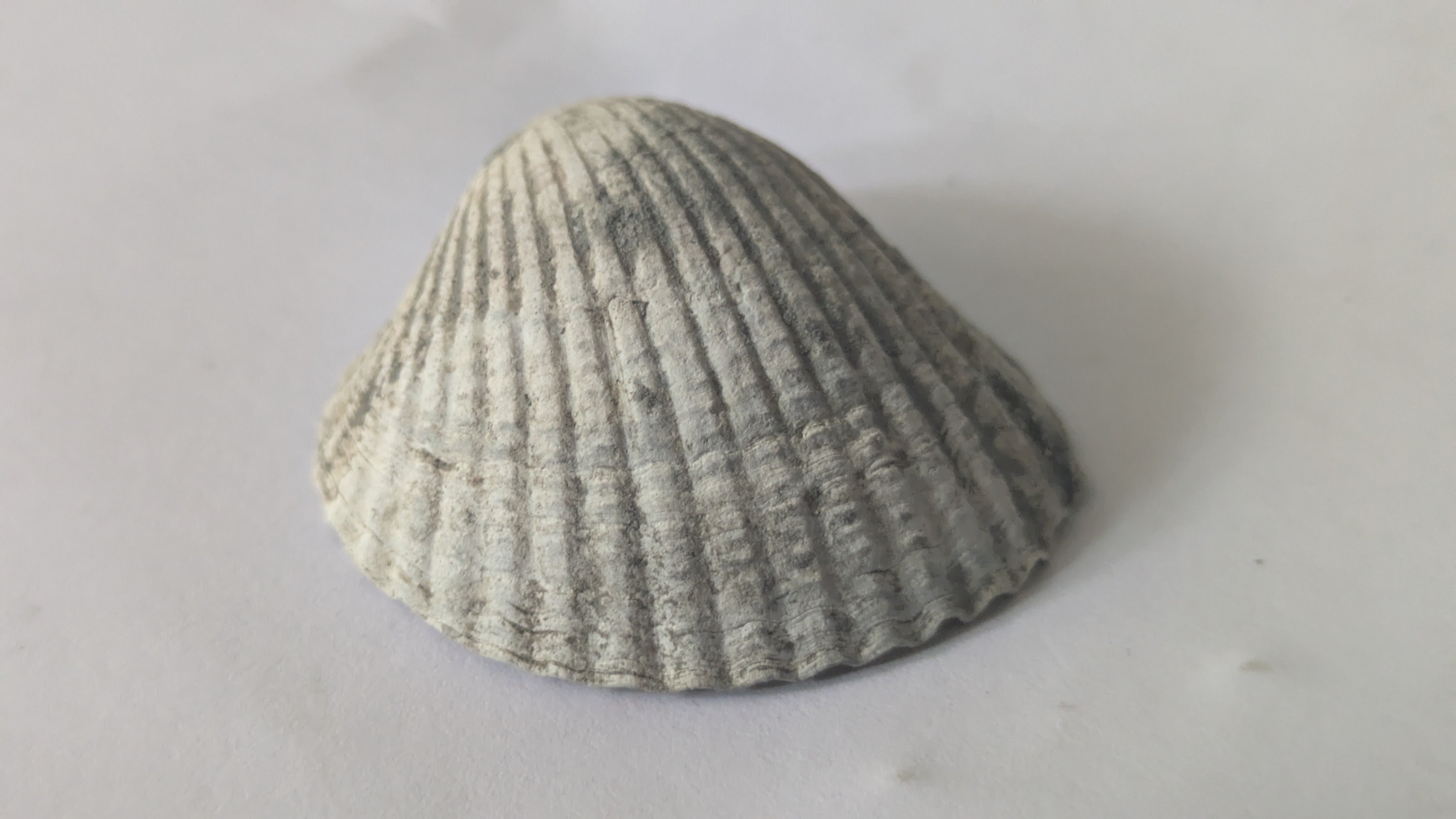
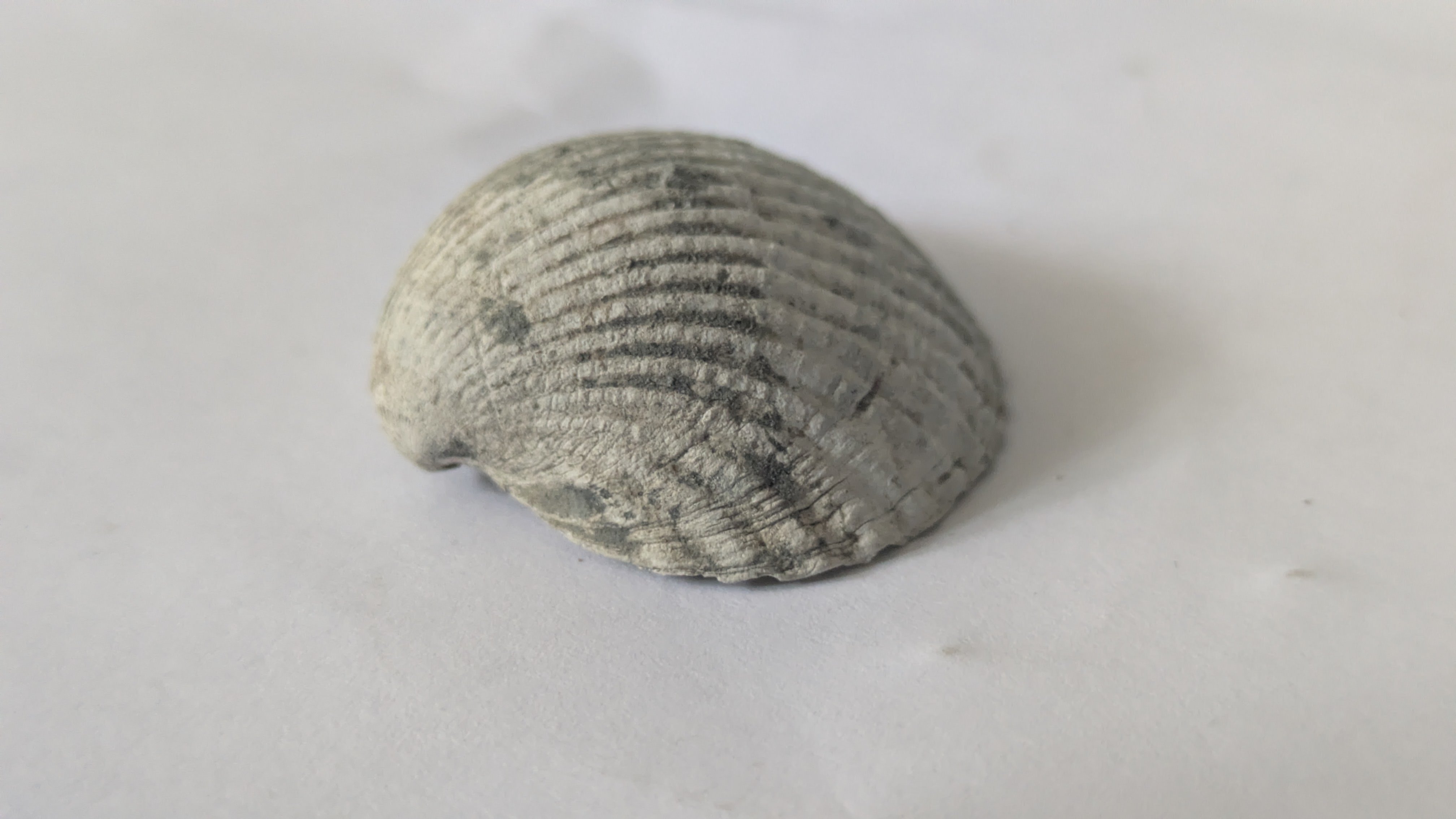
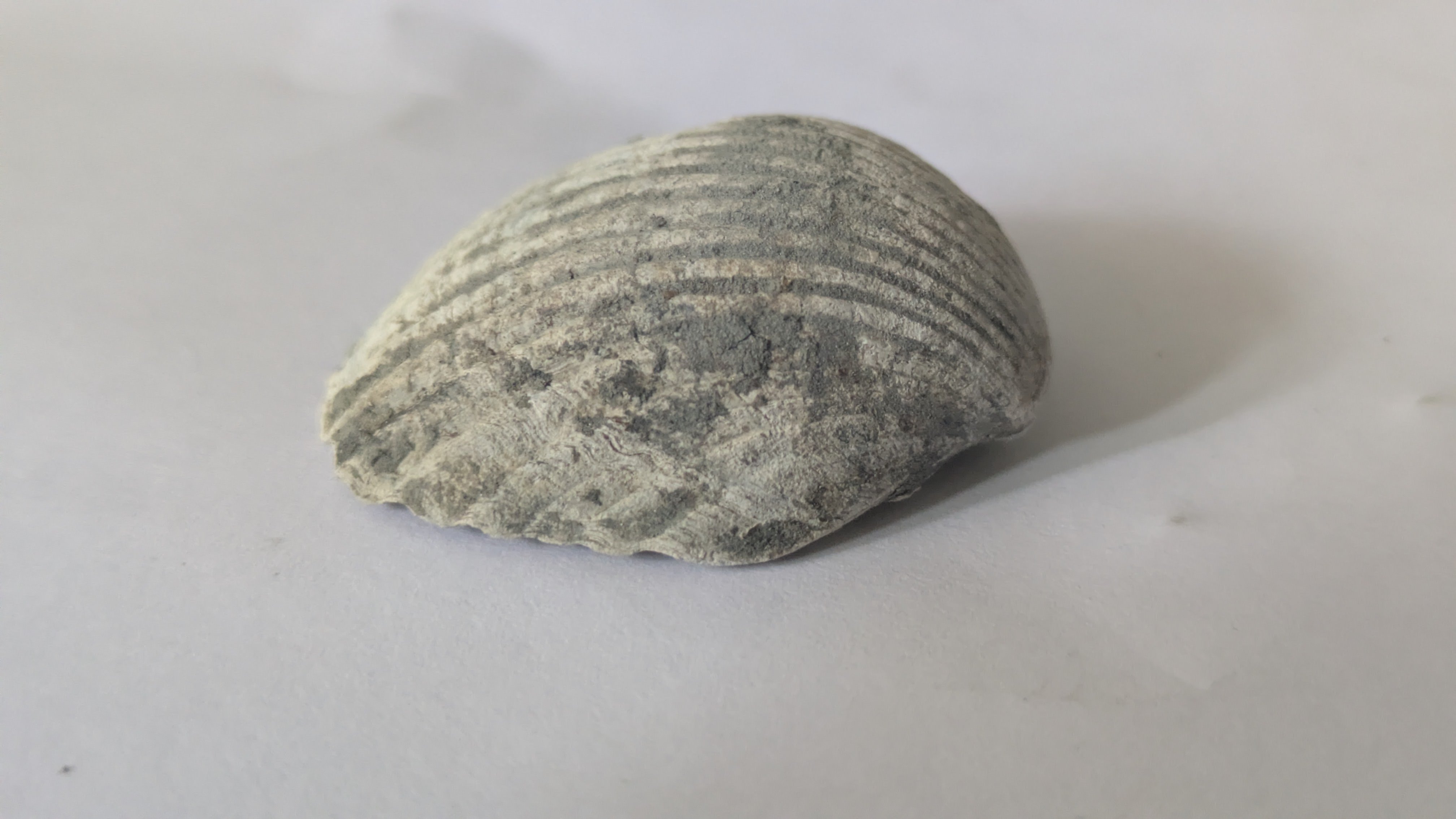
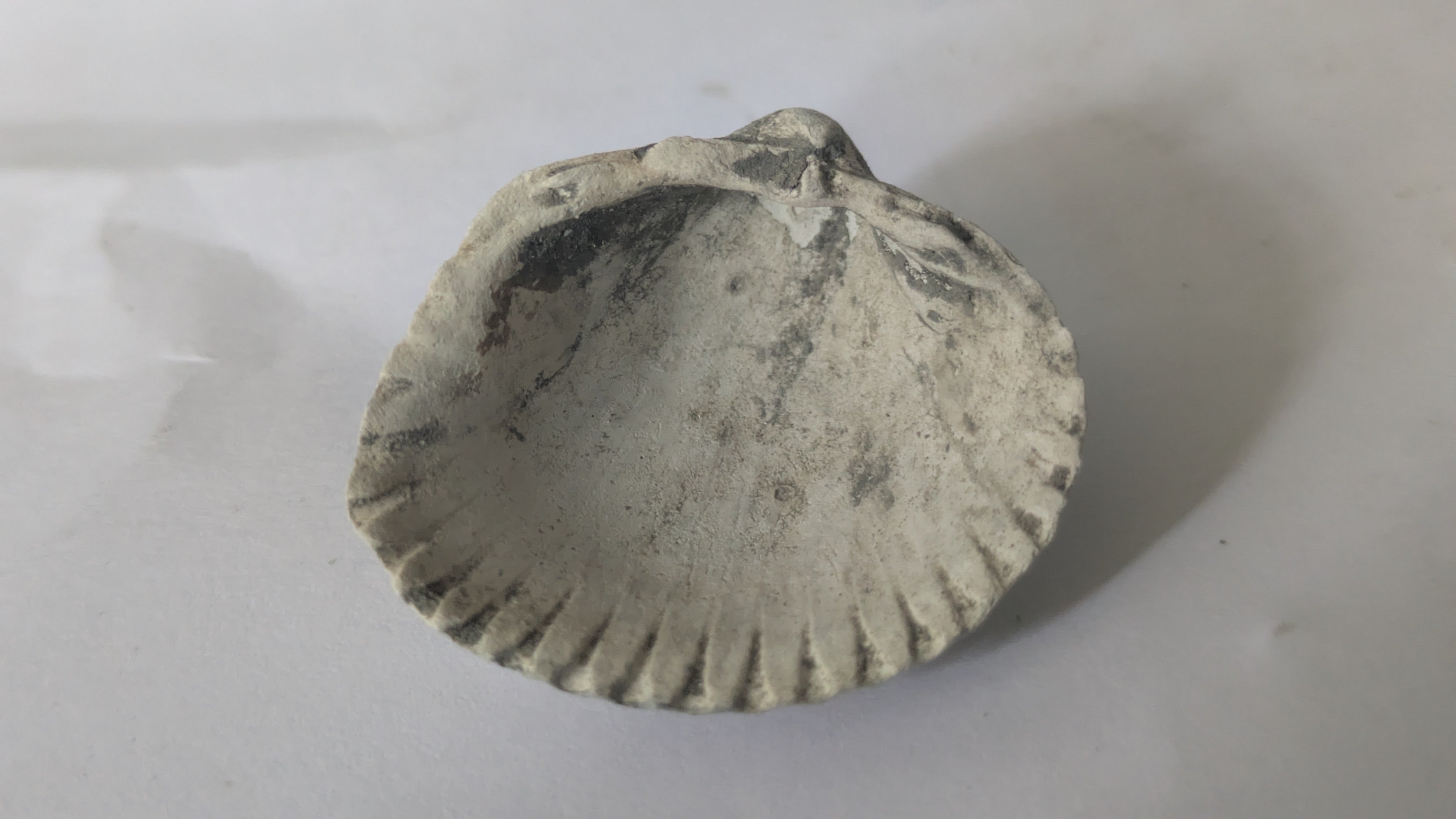
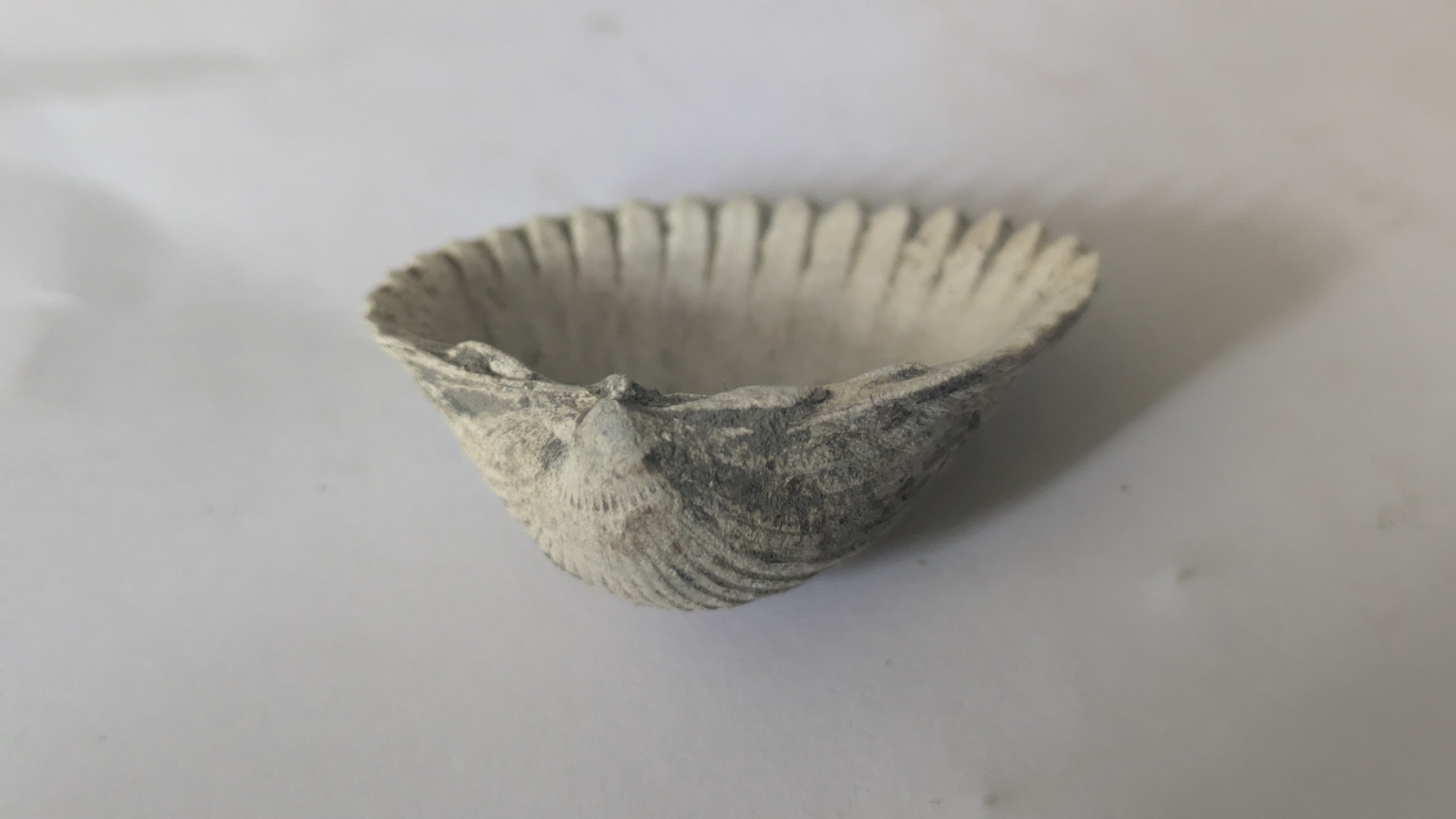
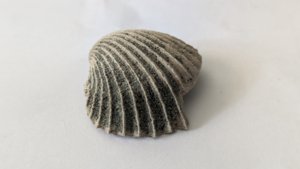
†Claibornicardia carinata
1 specimen


†Claibornicardia carinata
1 specimen
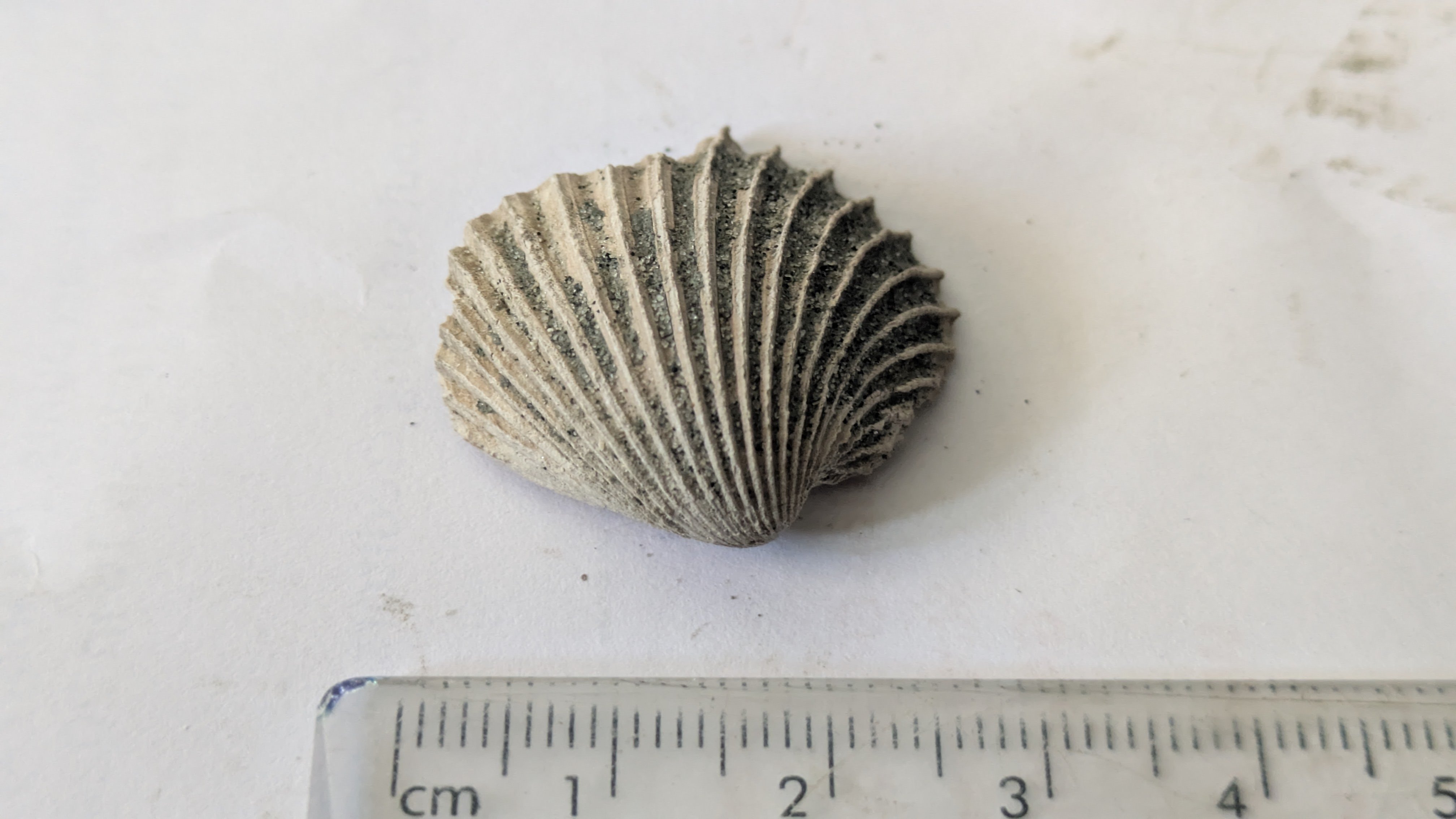
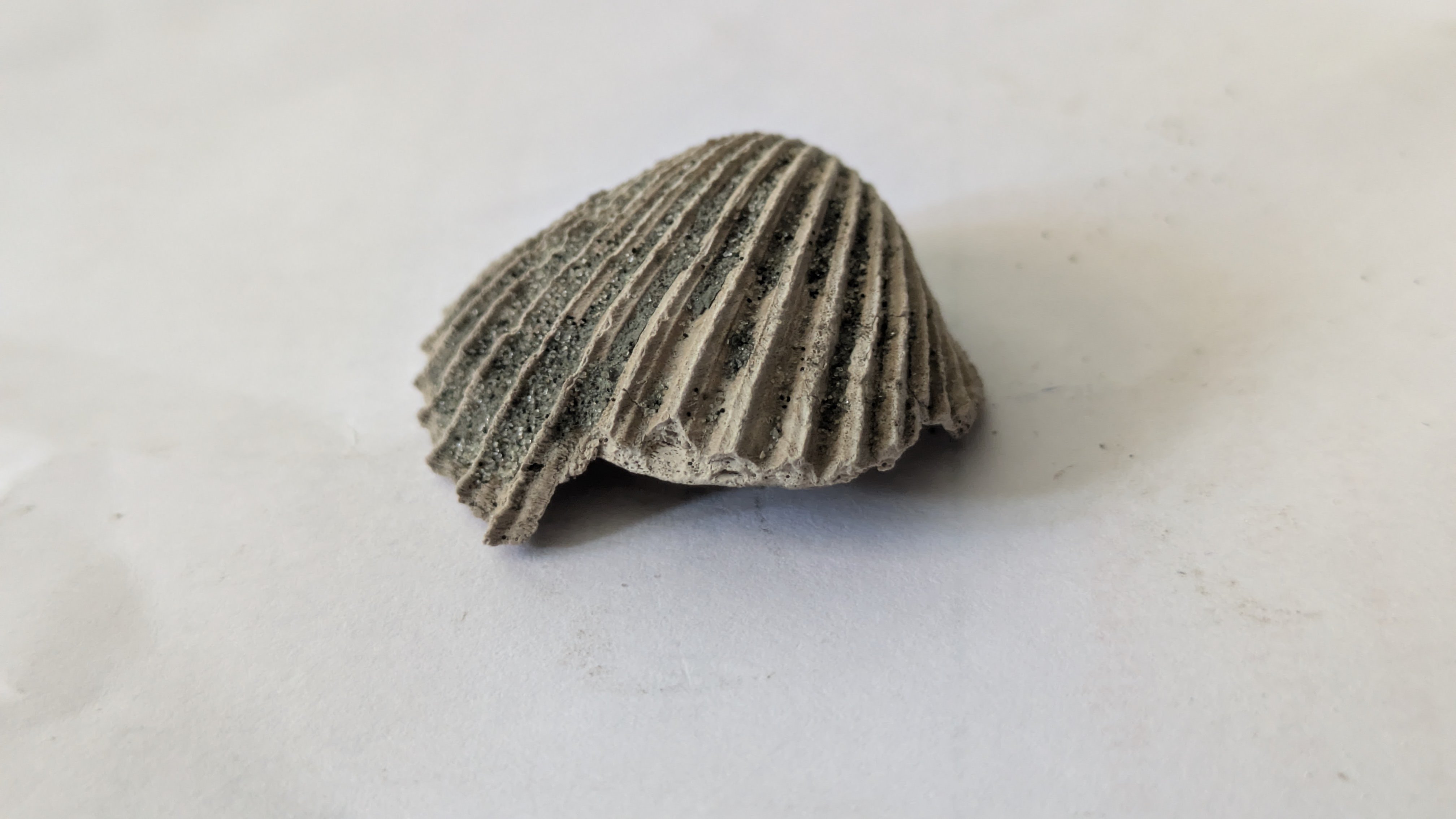
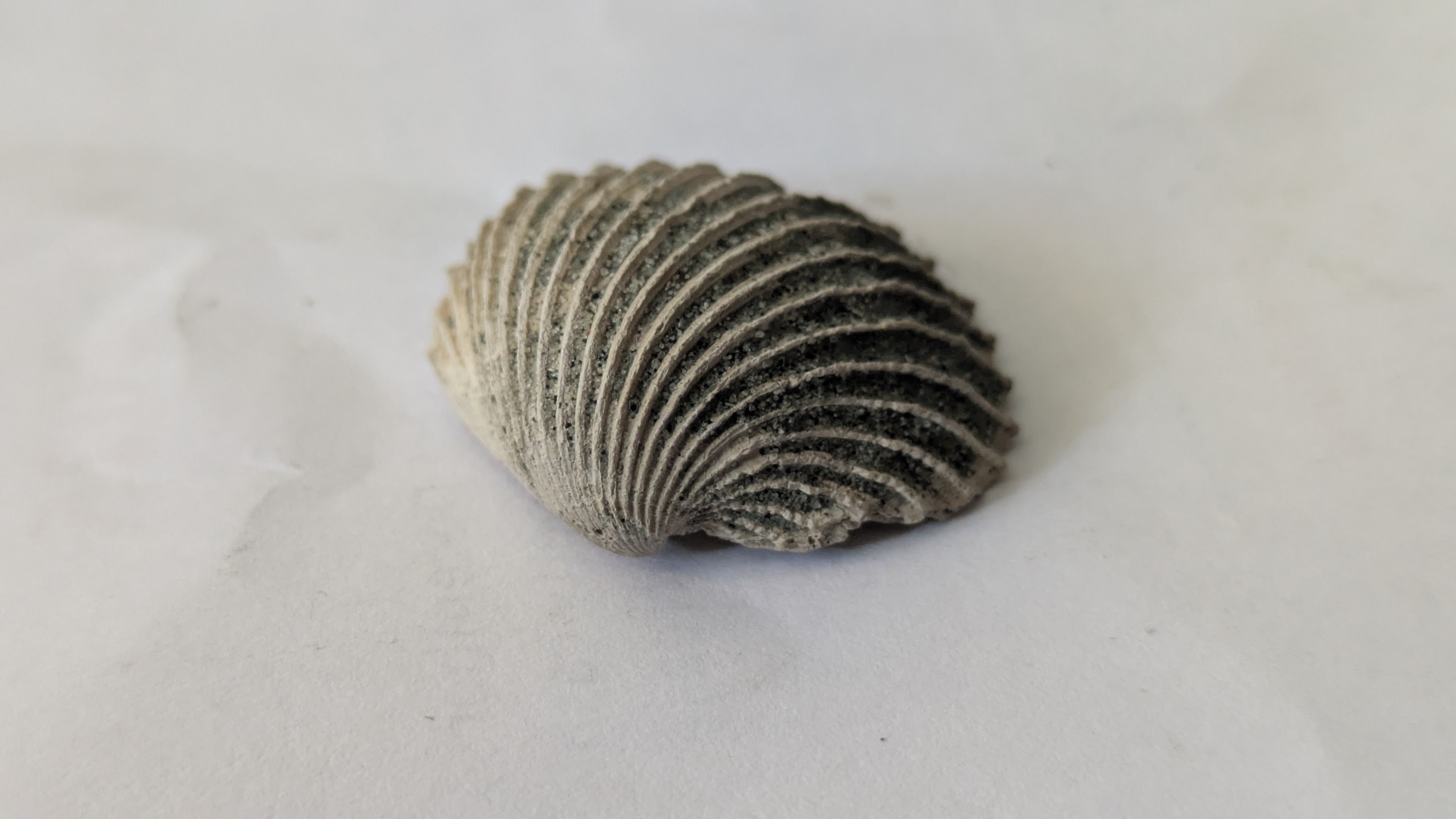
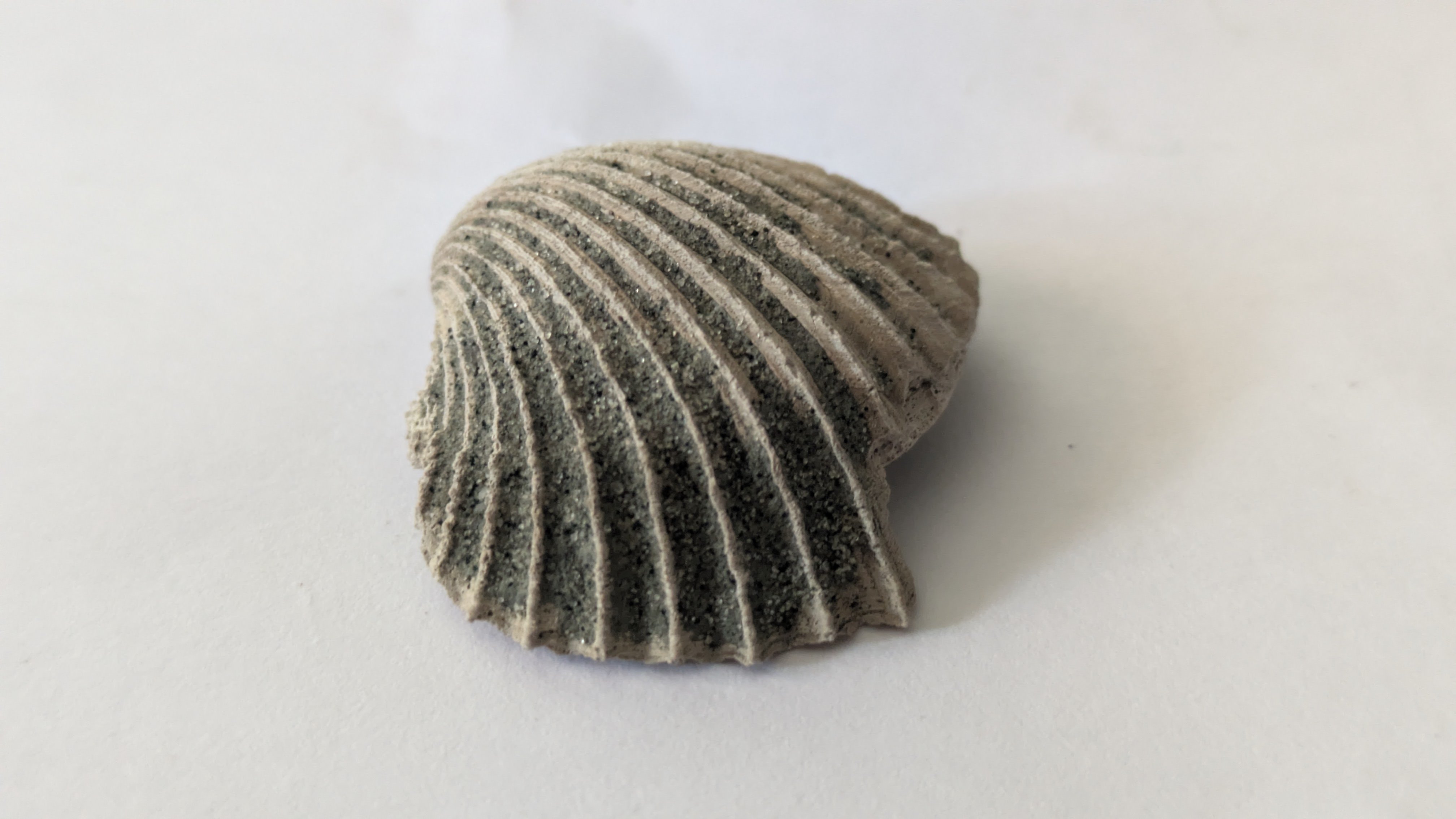
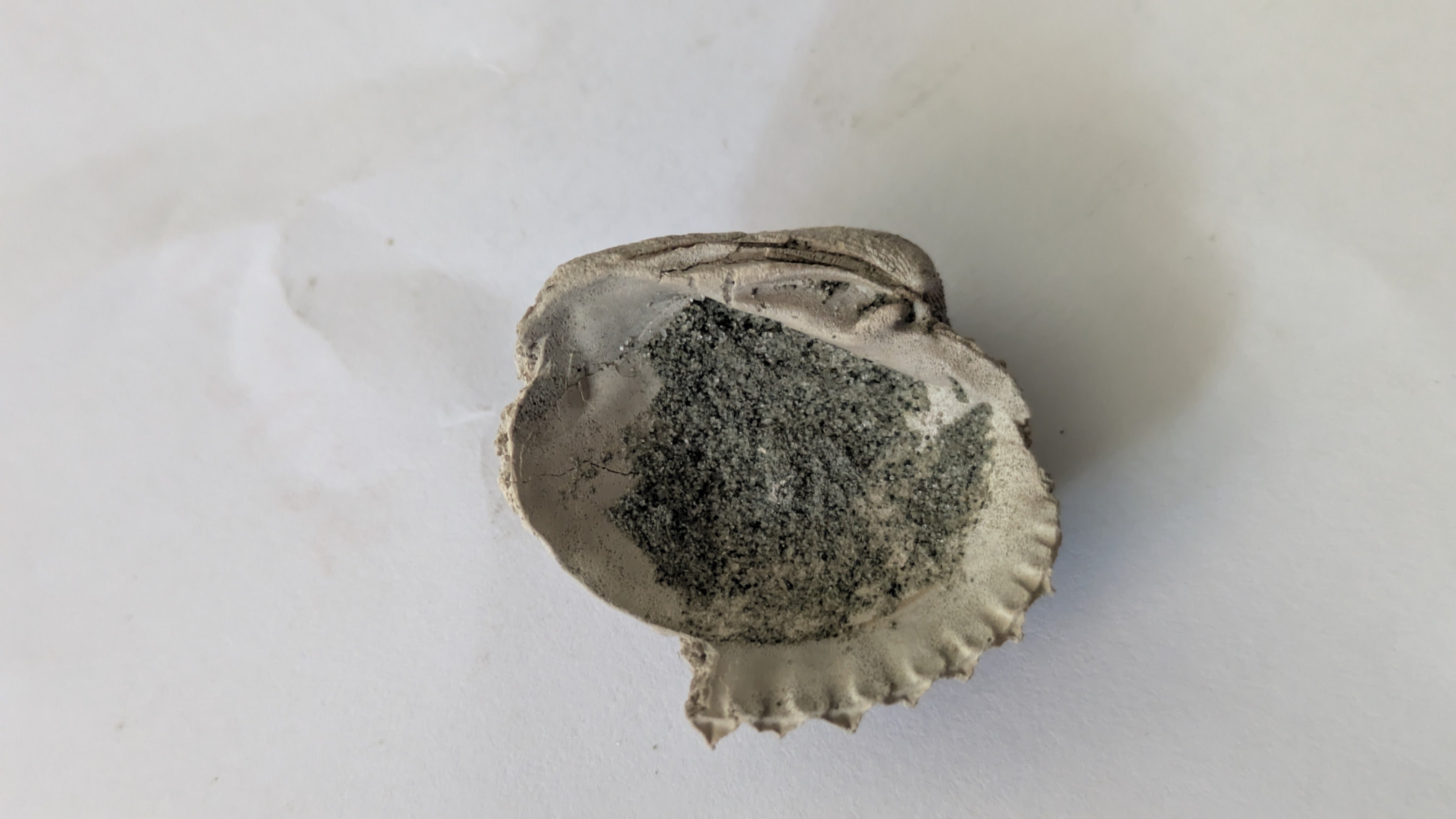
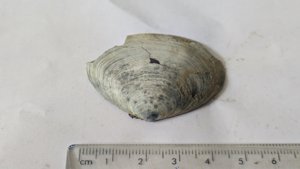
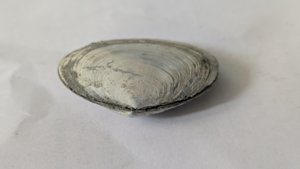
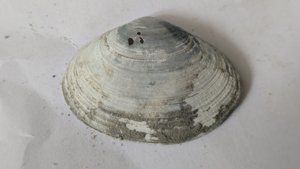
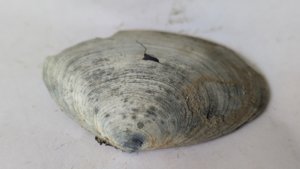
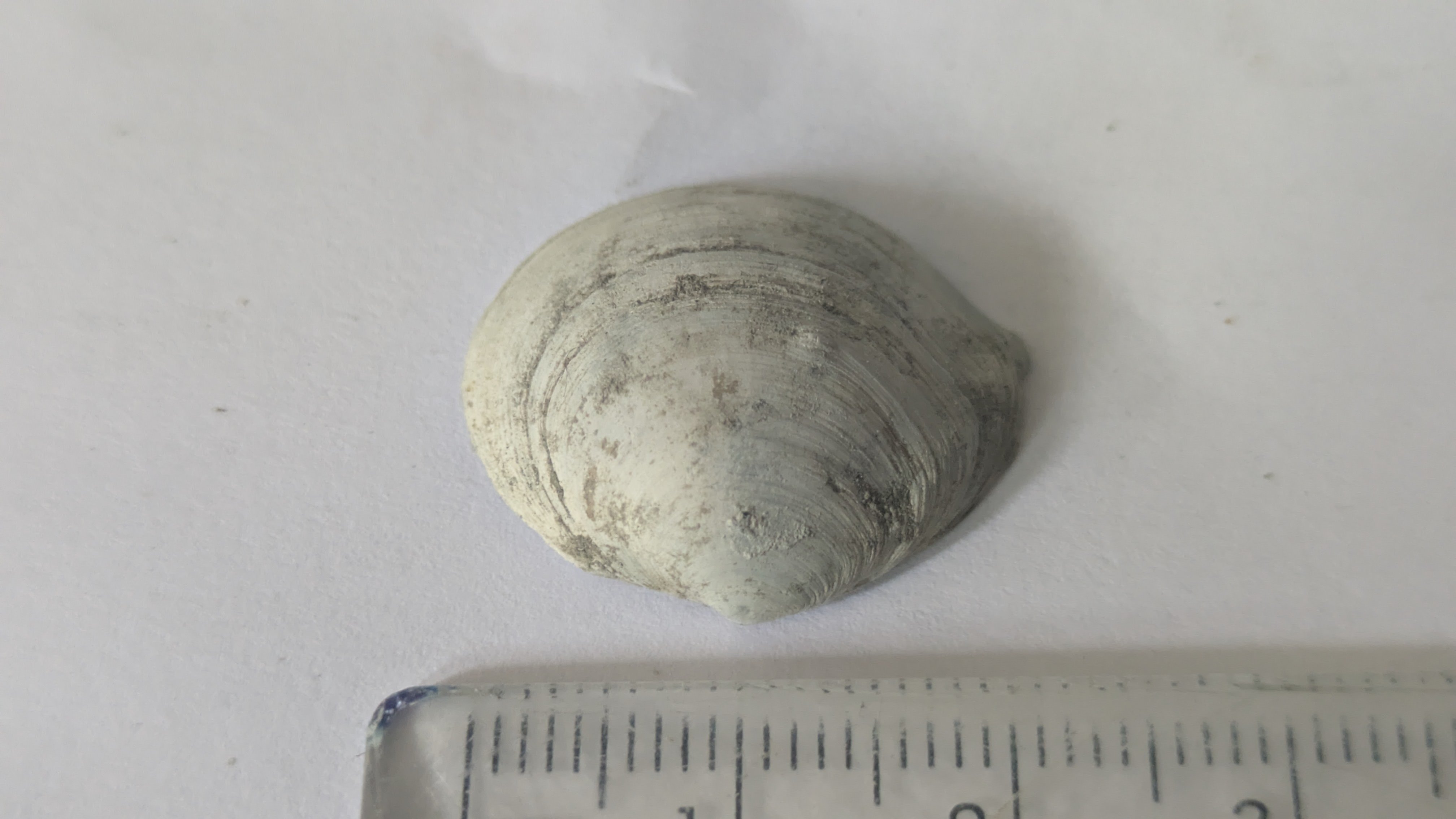
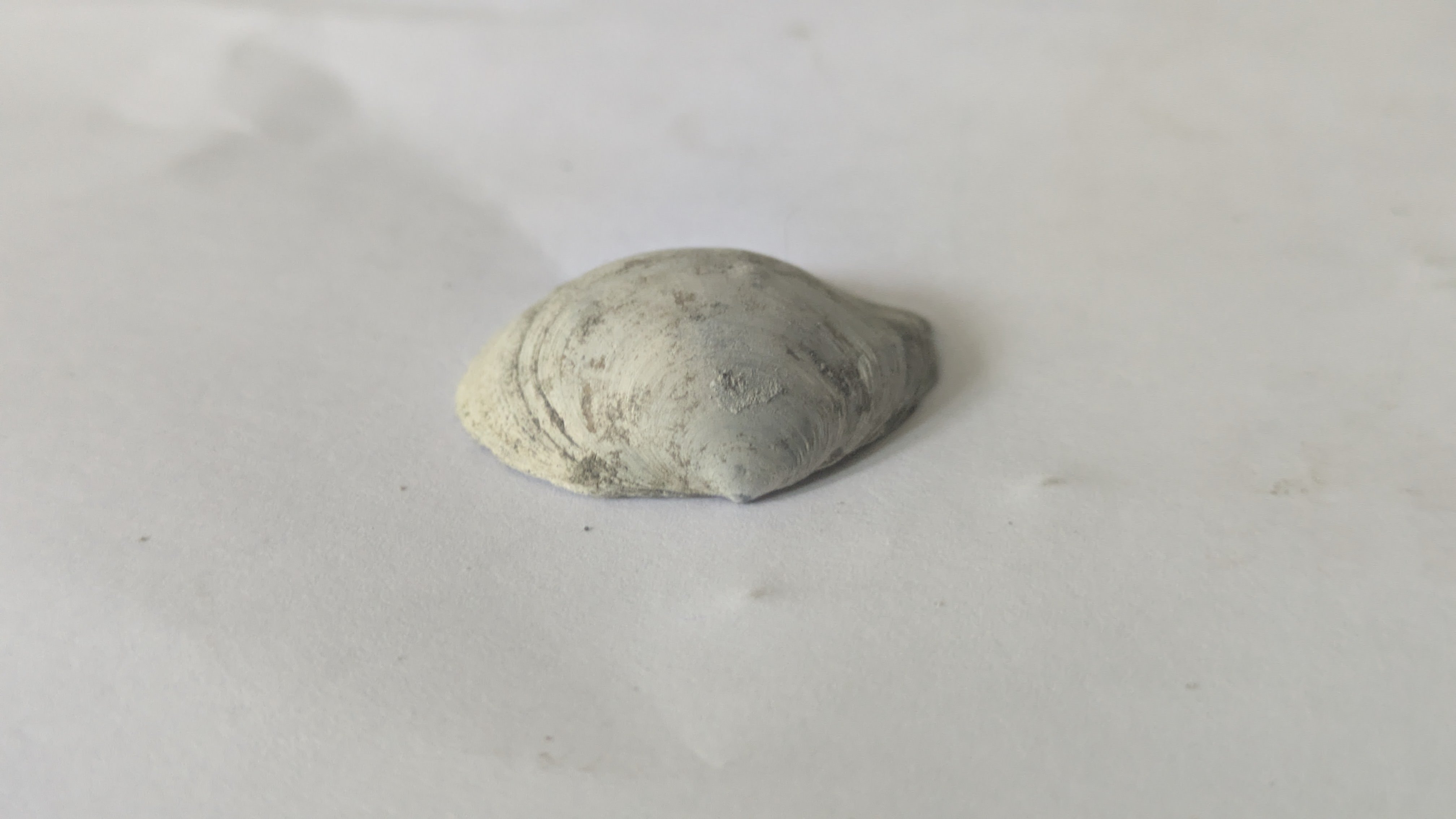
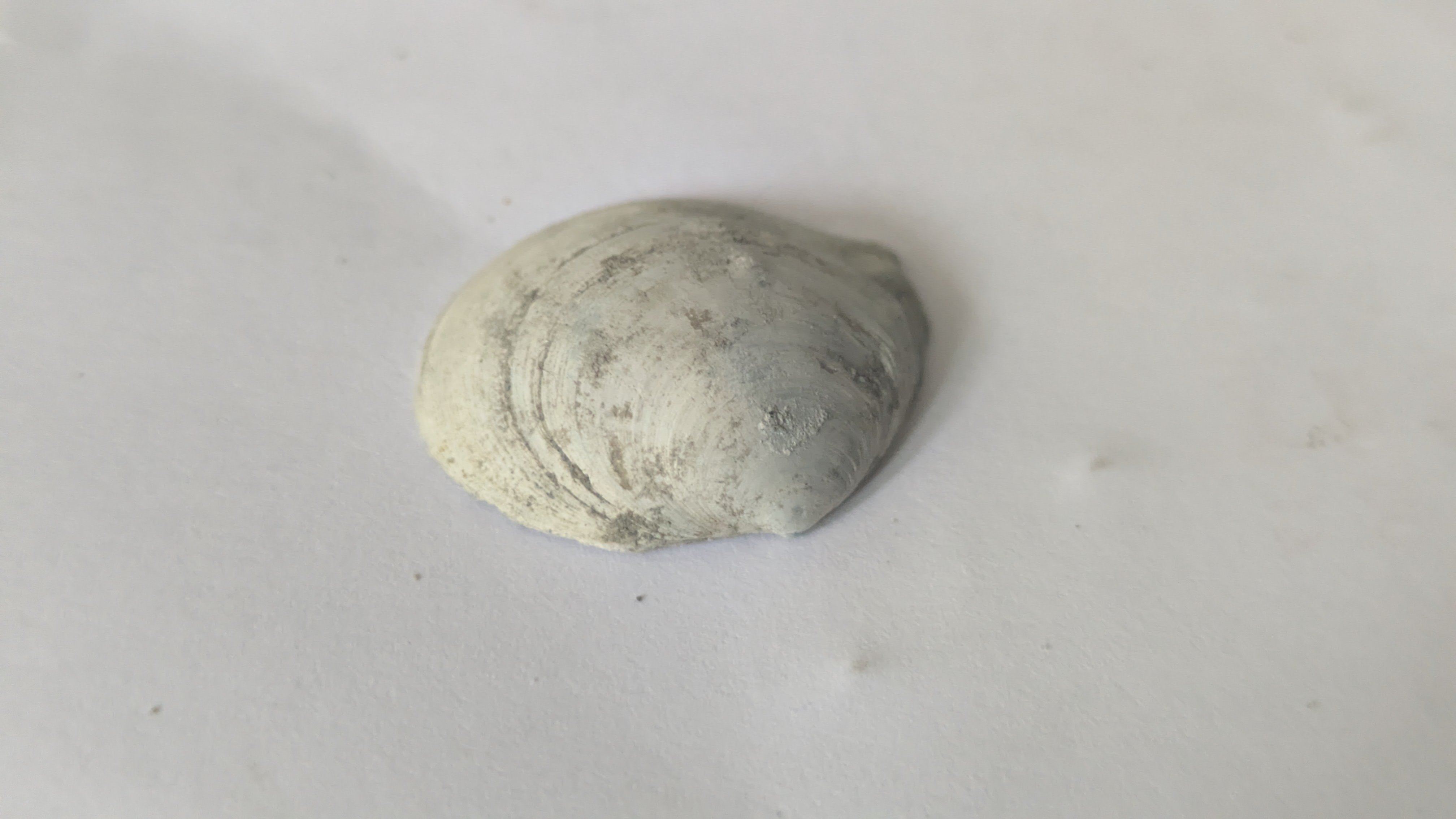
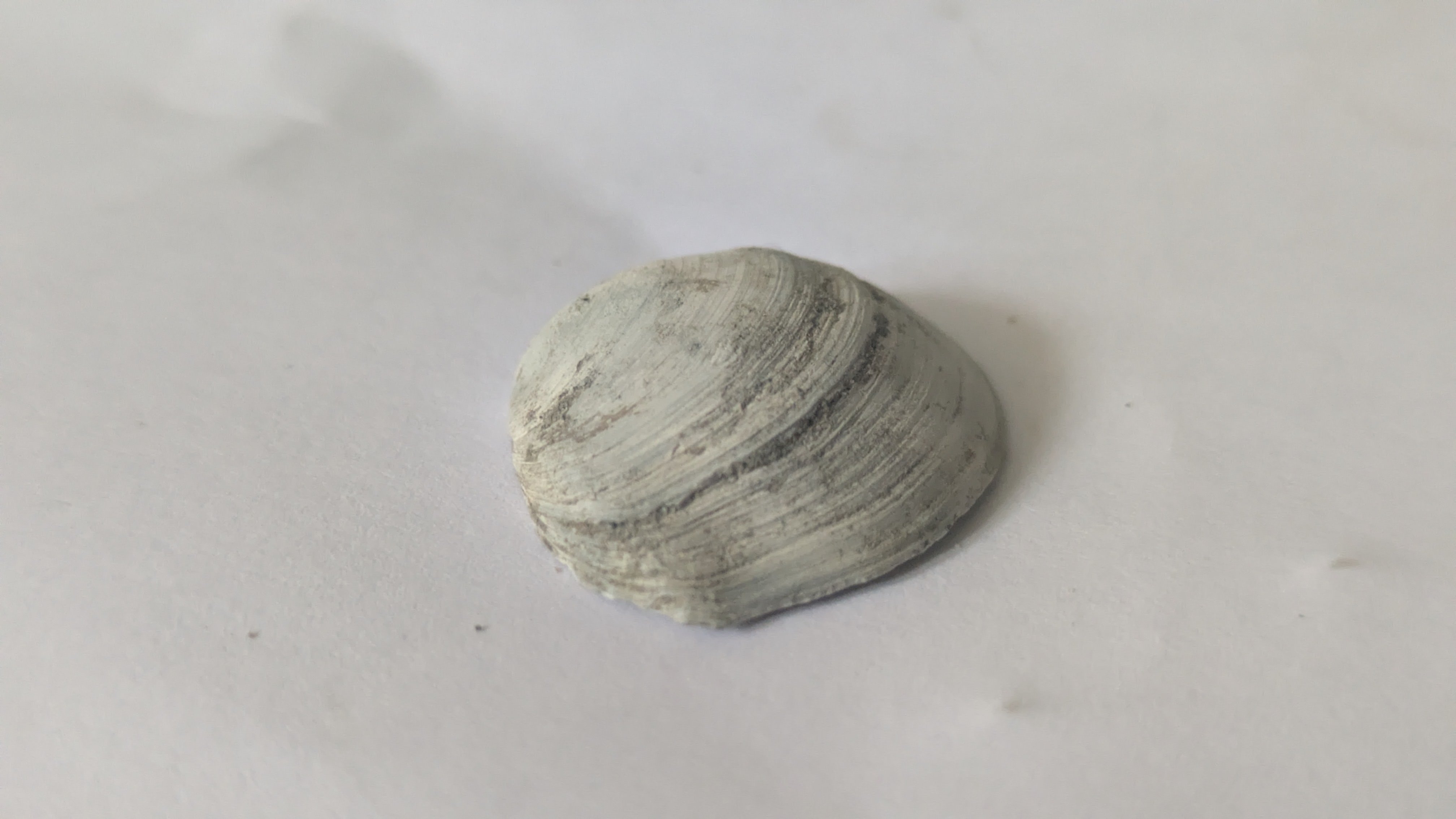
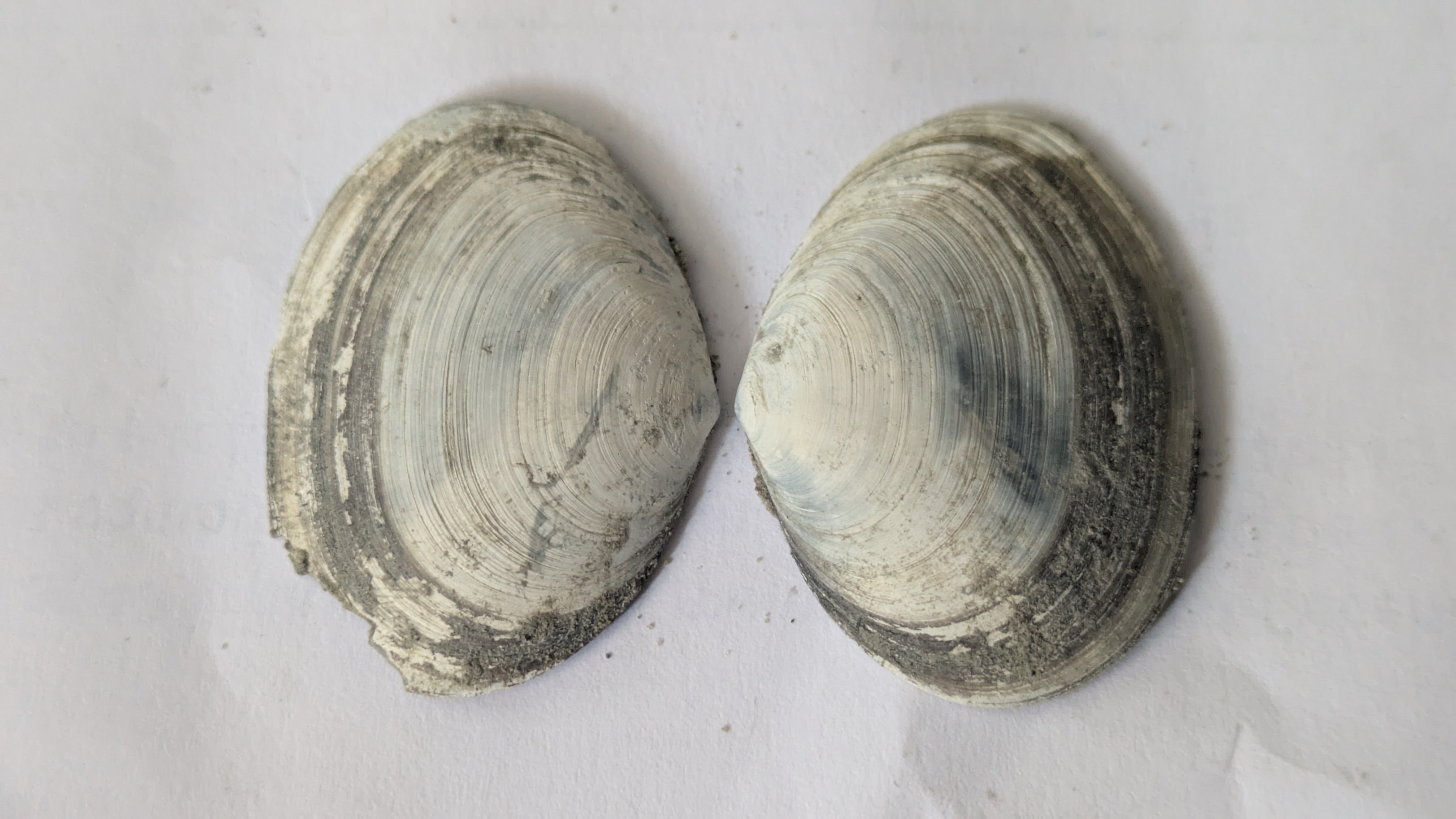
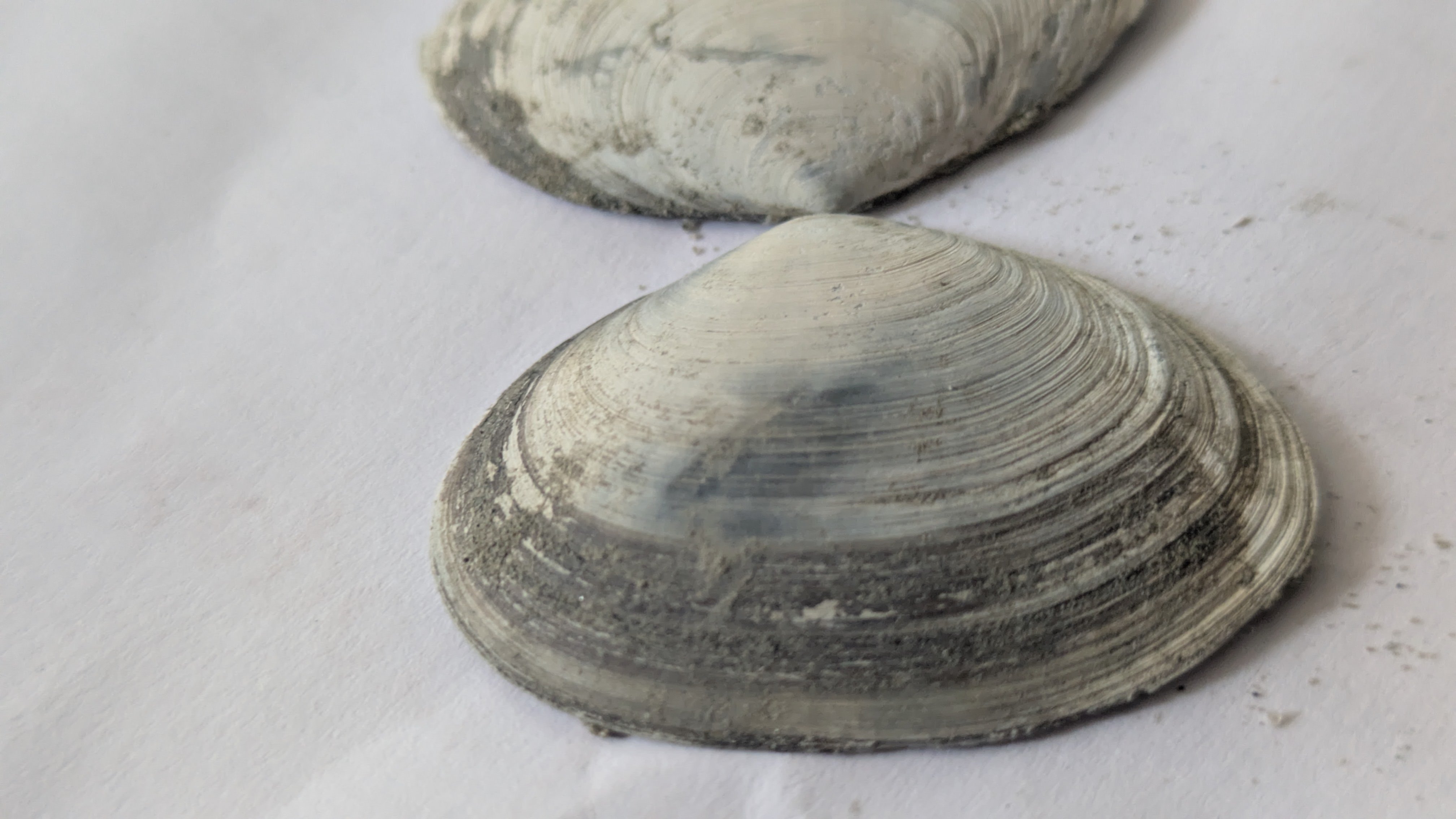
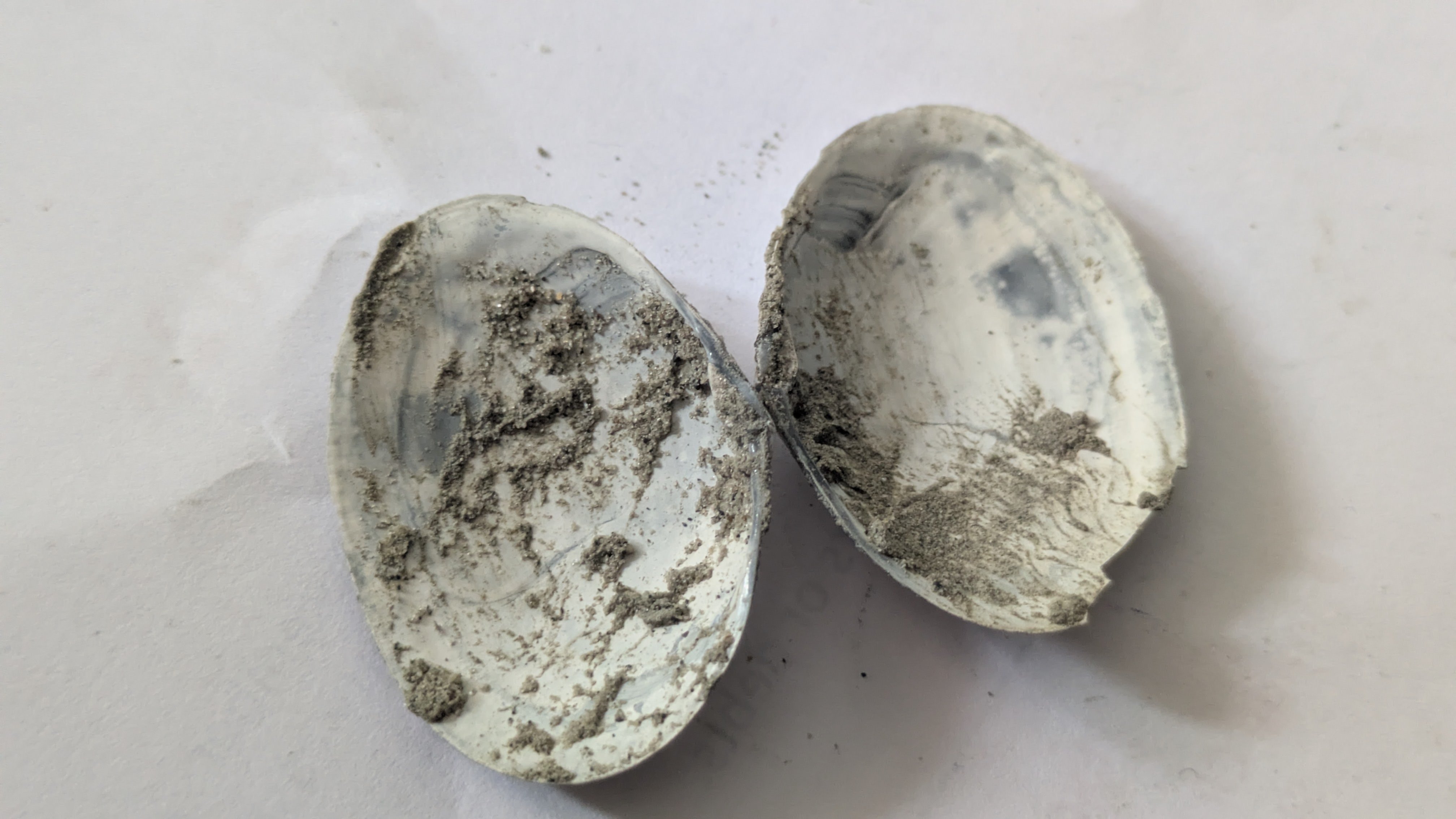
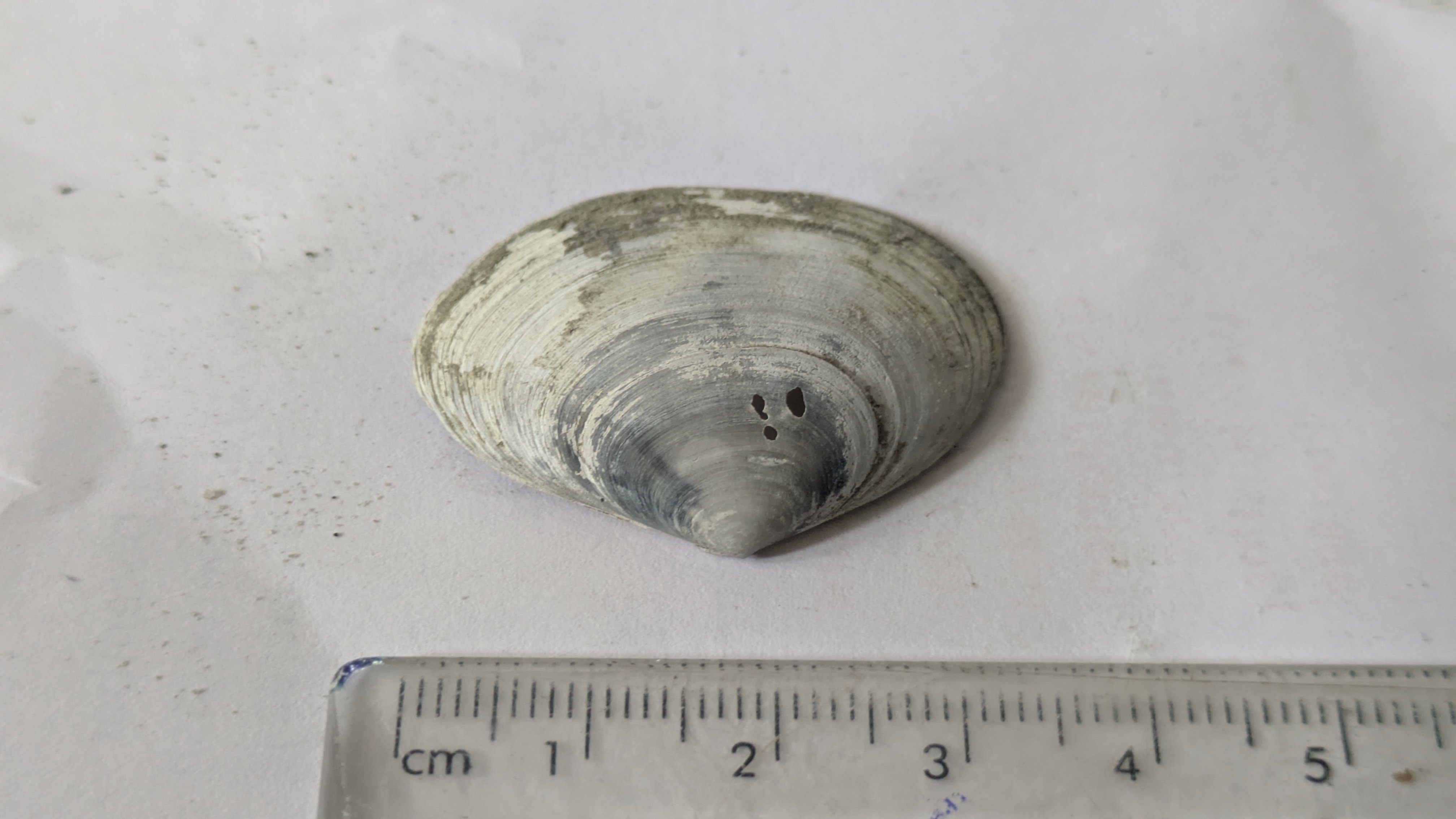
†Costacallista suberycinoides
3 specimens


†Costacallista suberycinoides
3 specimens
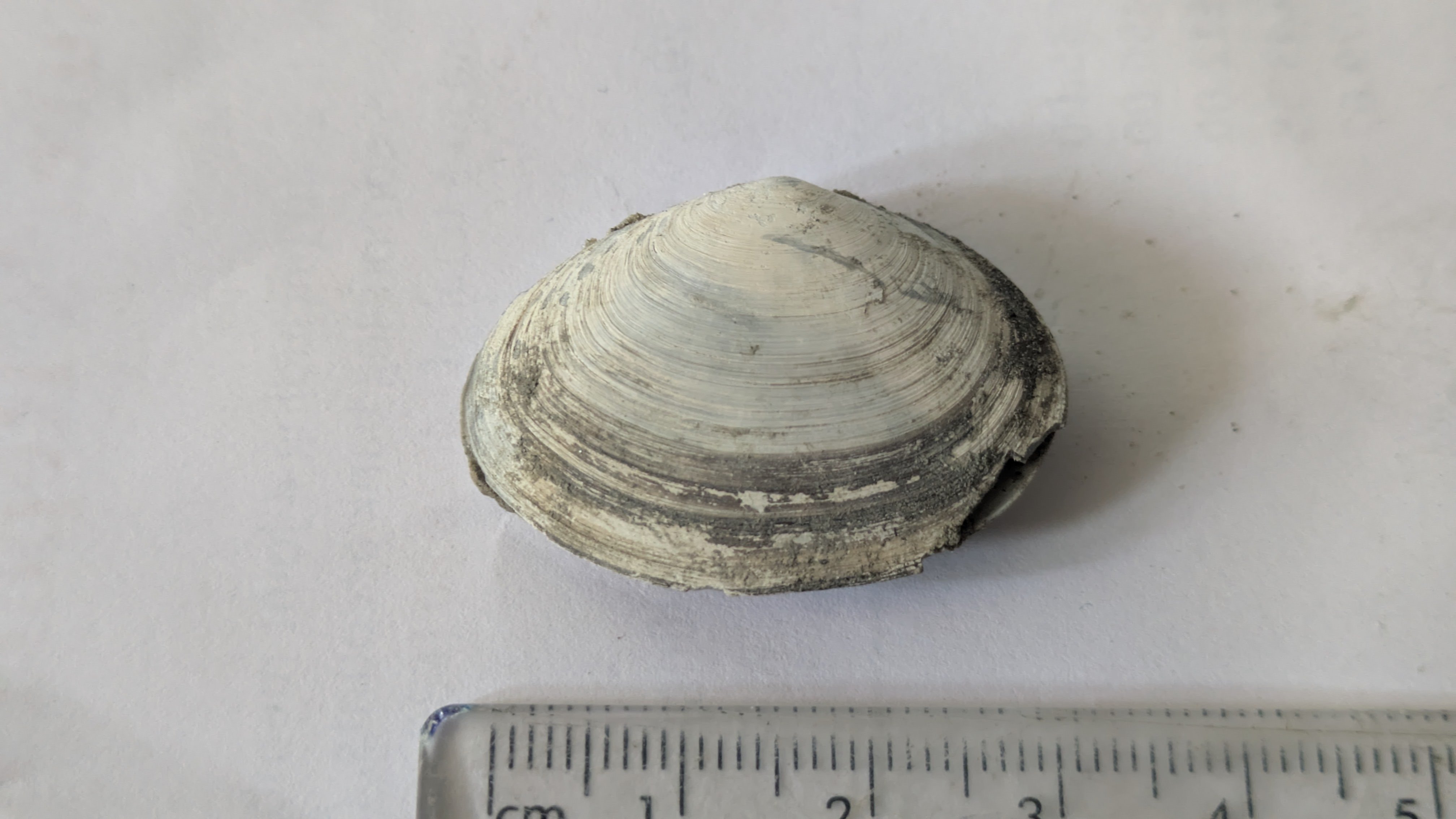
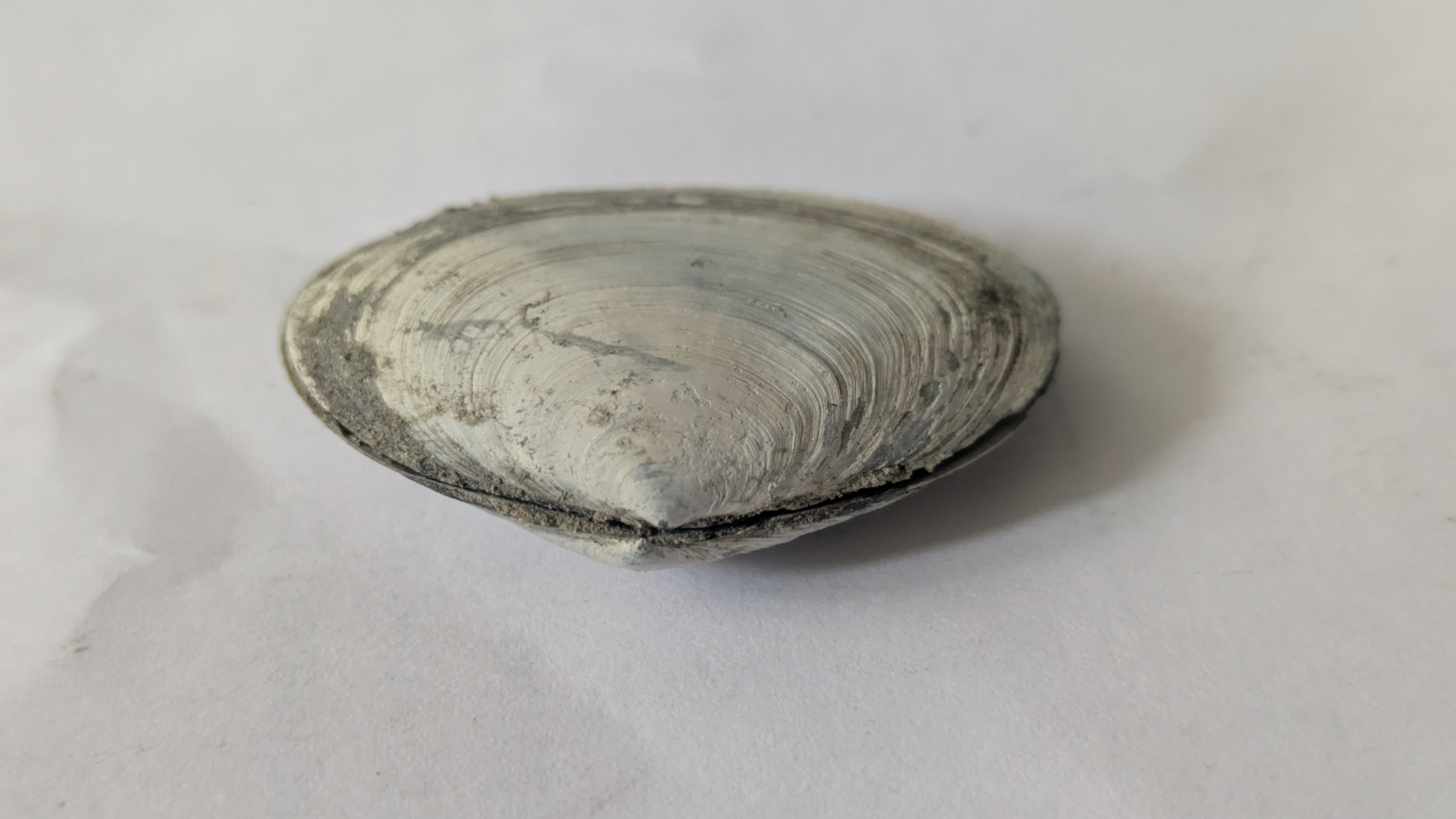
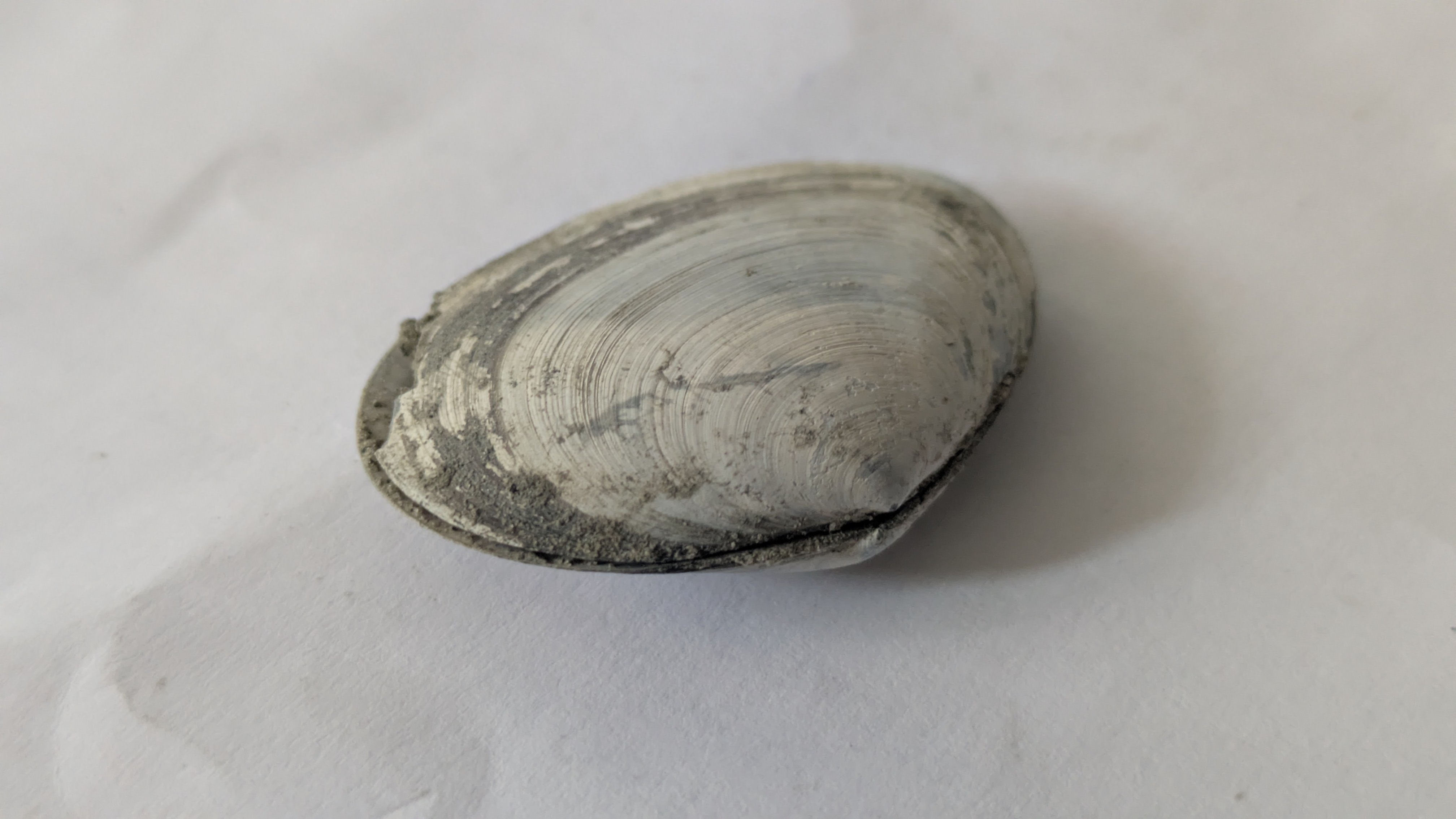
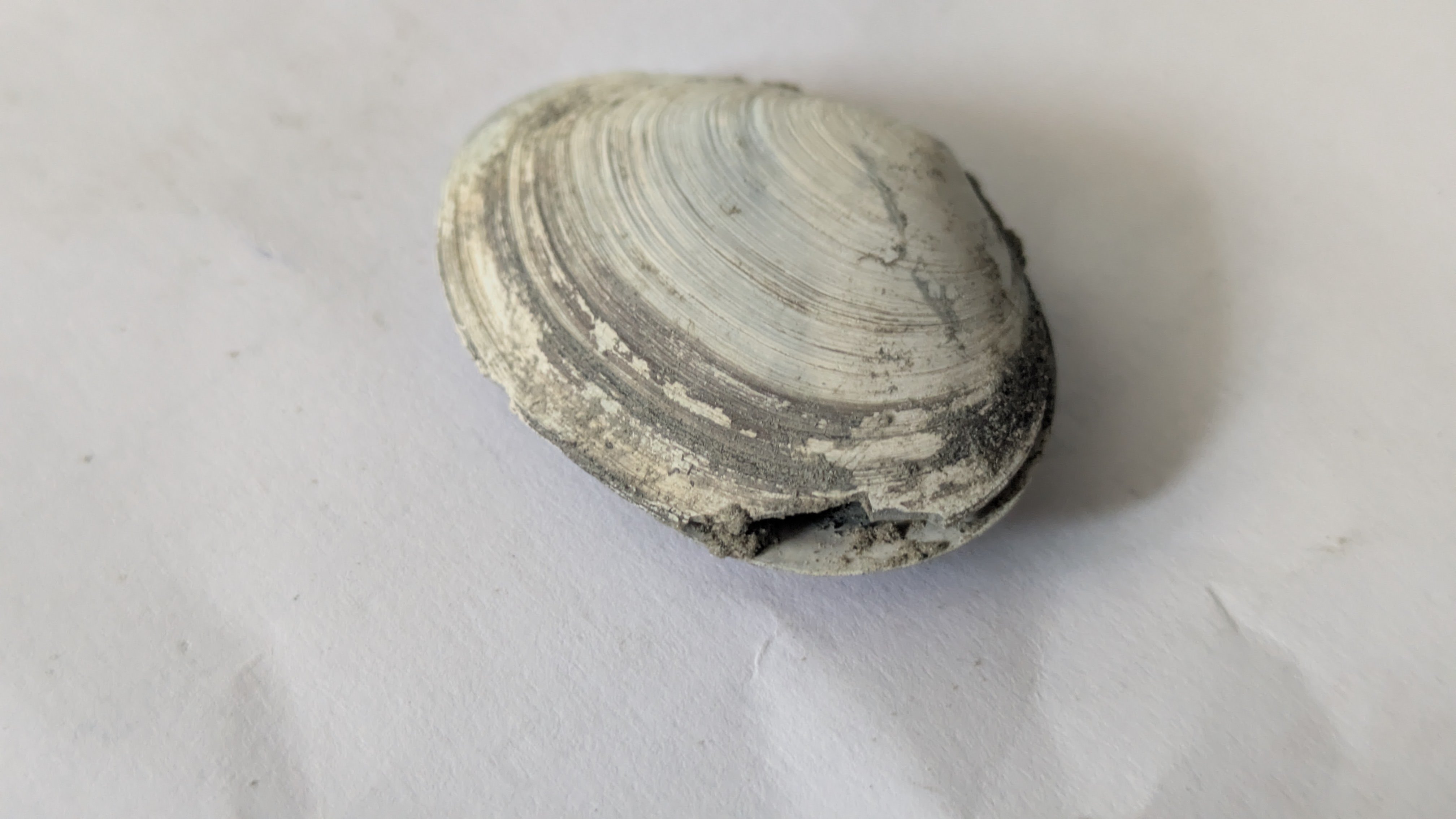
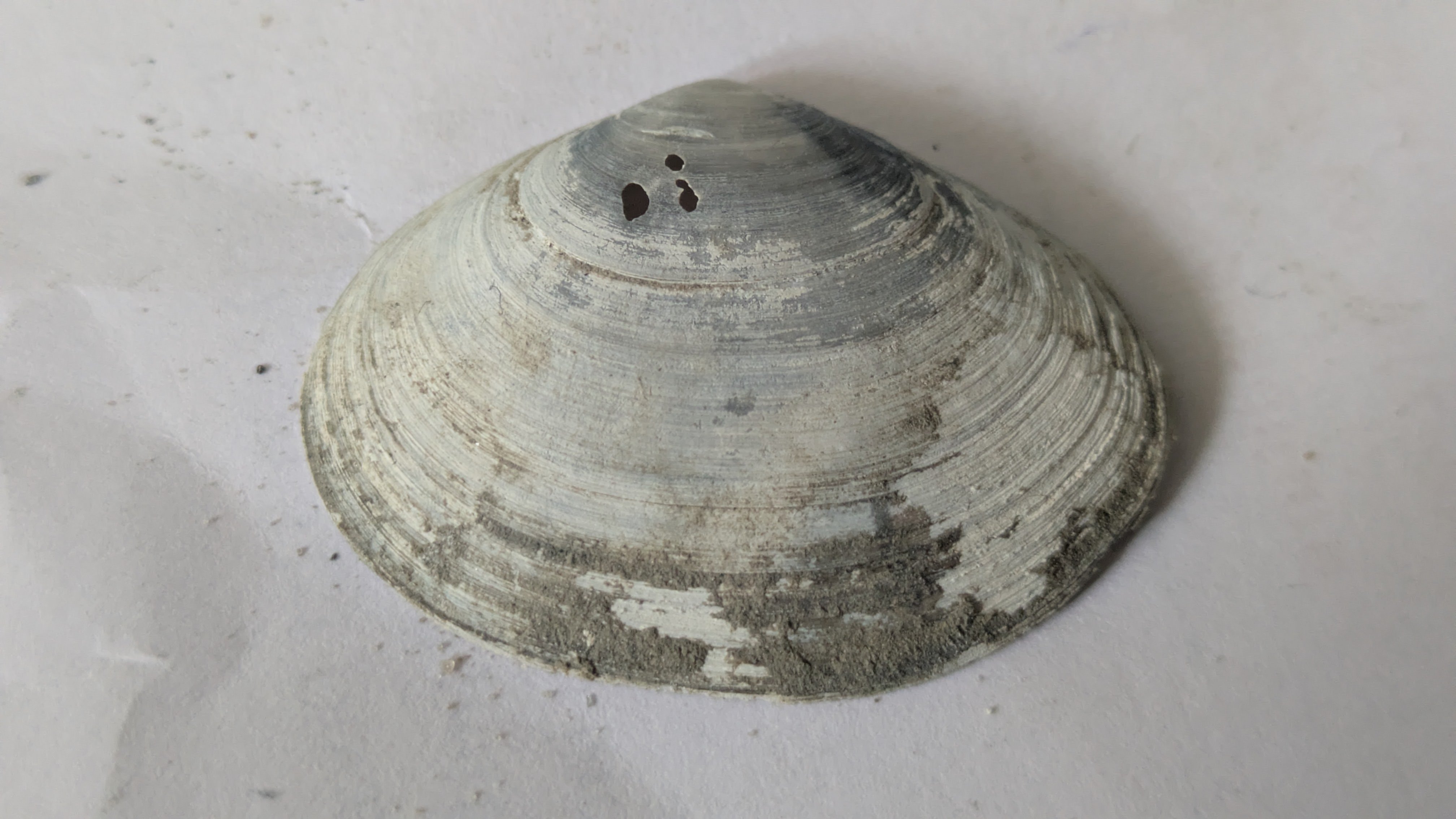
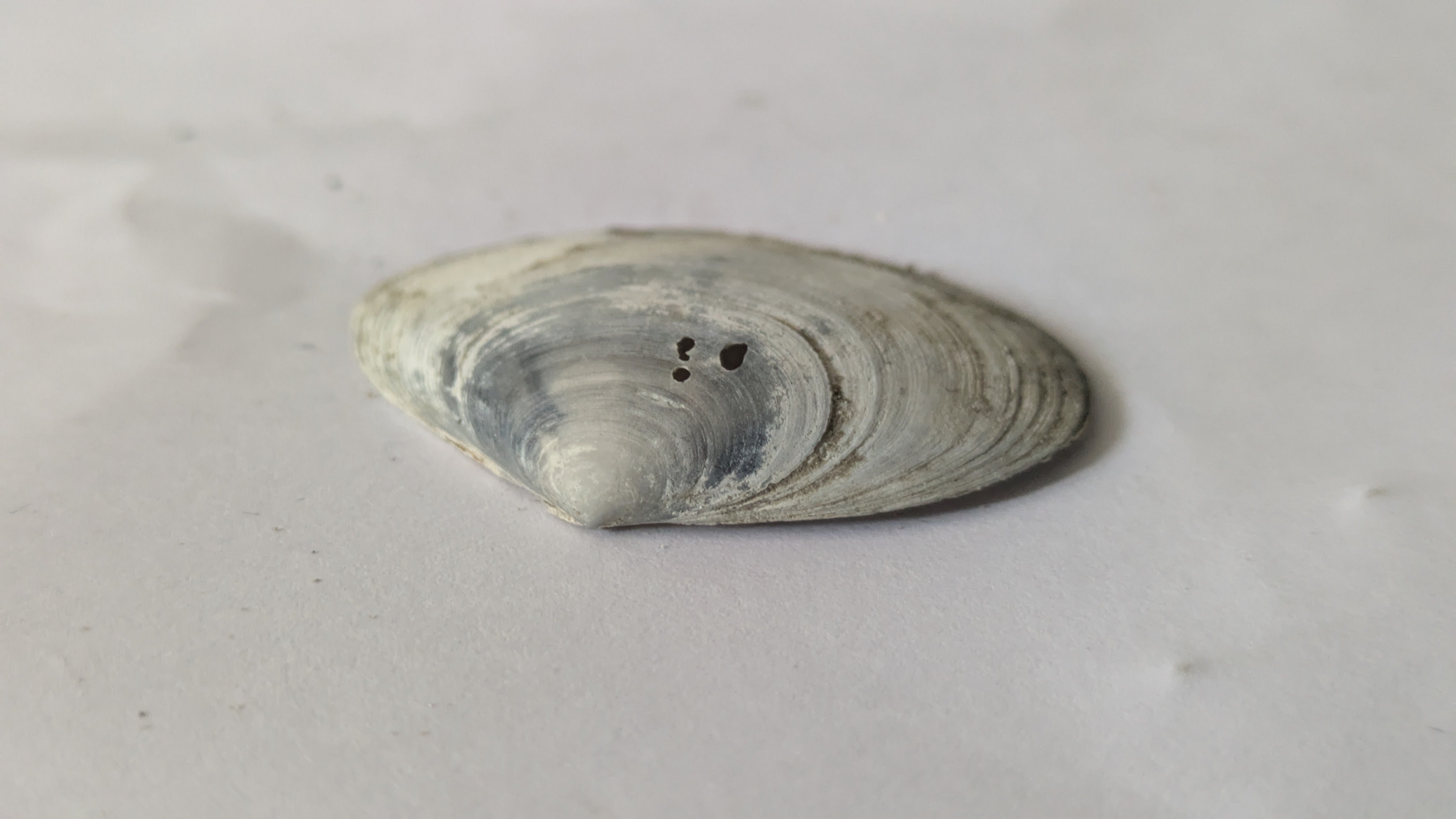
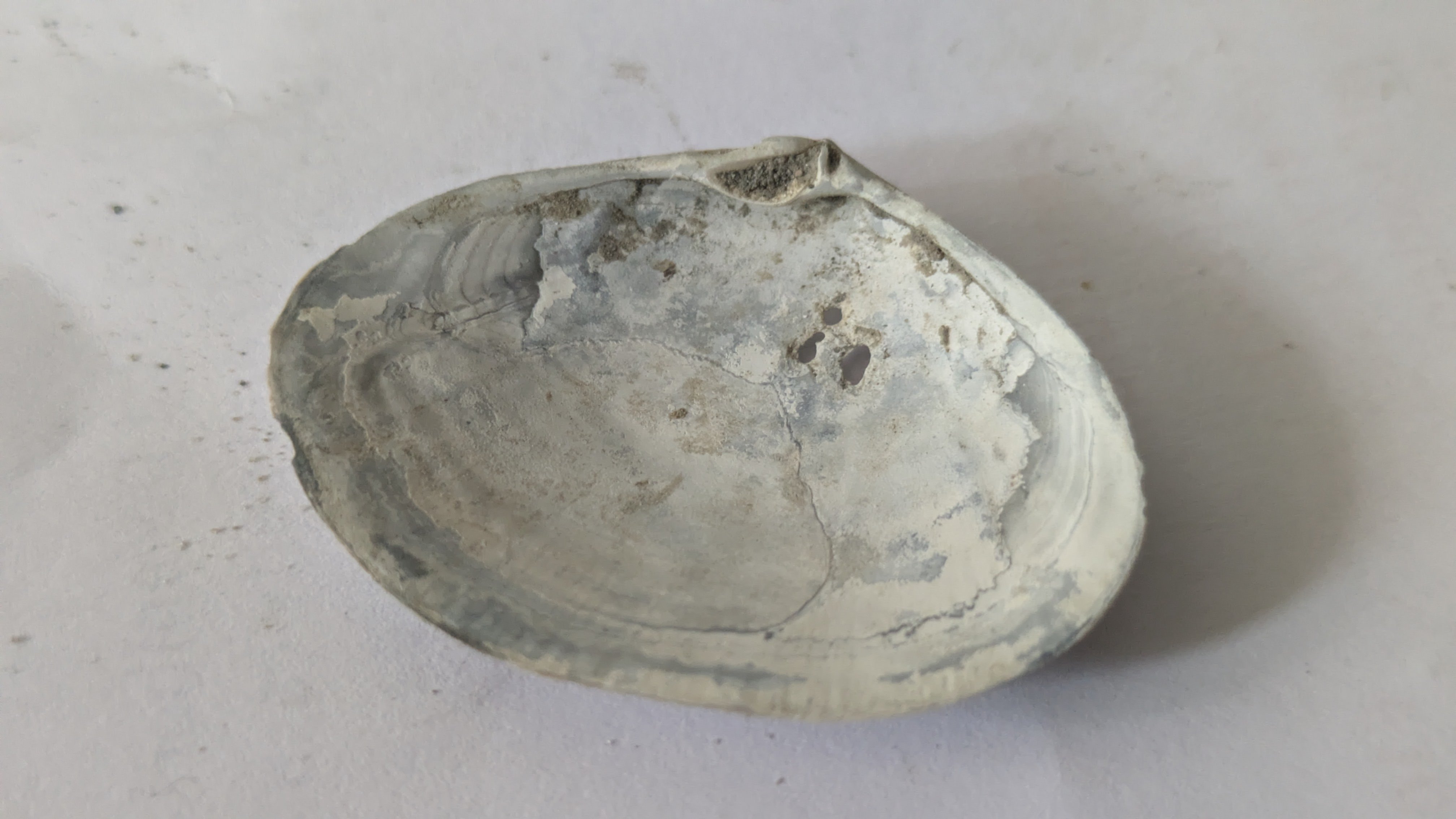
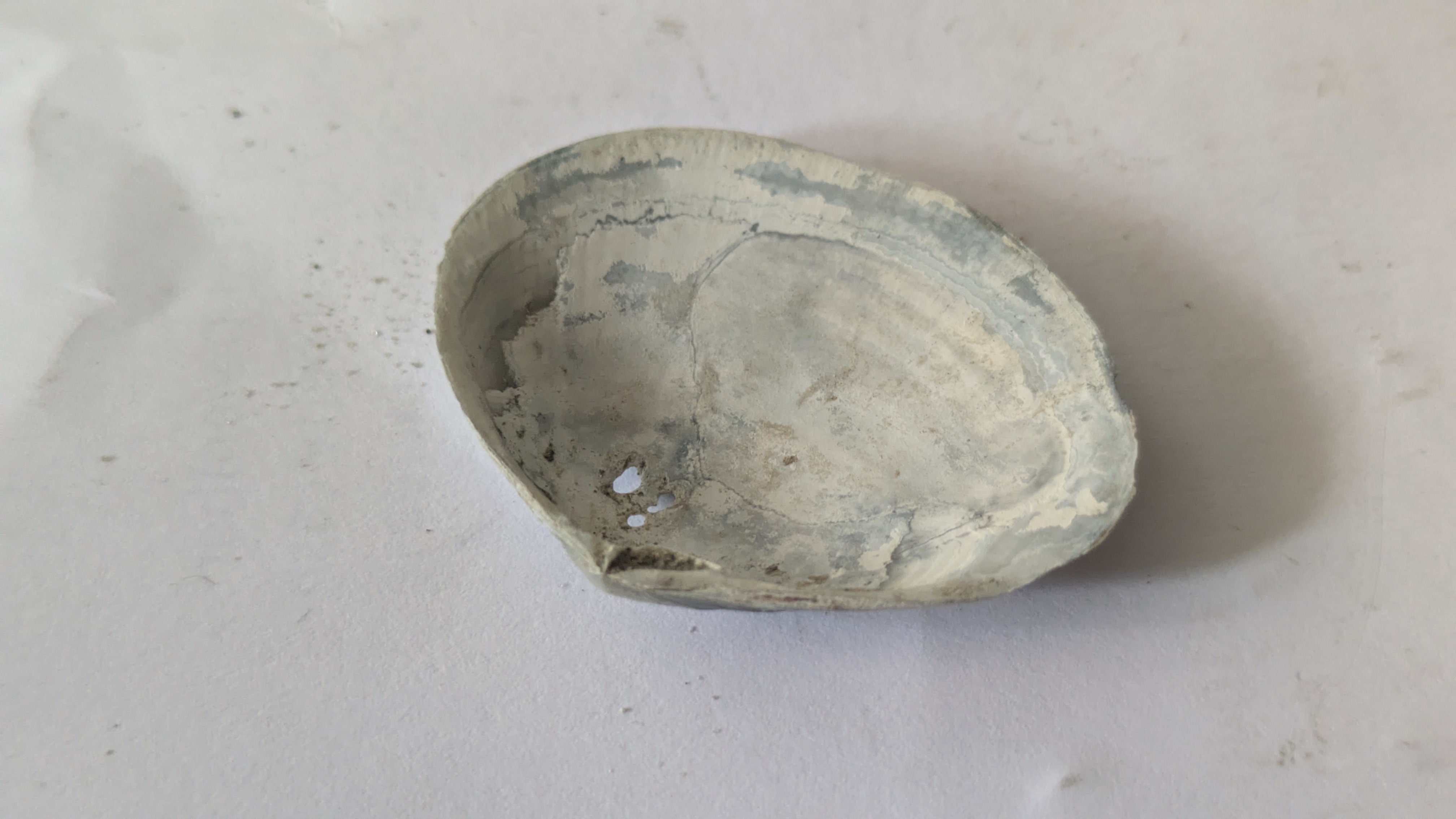
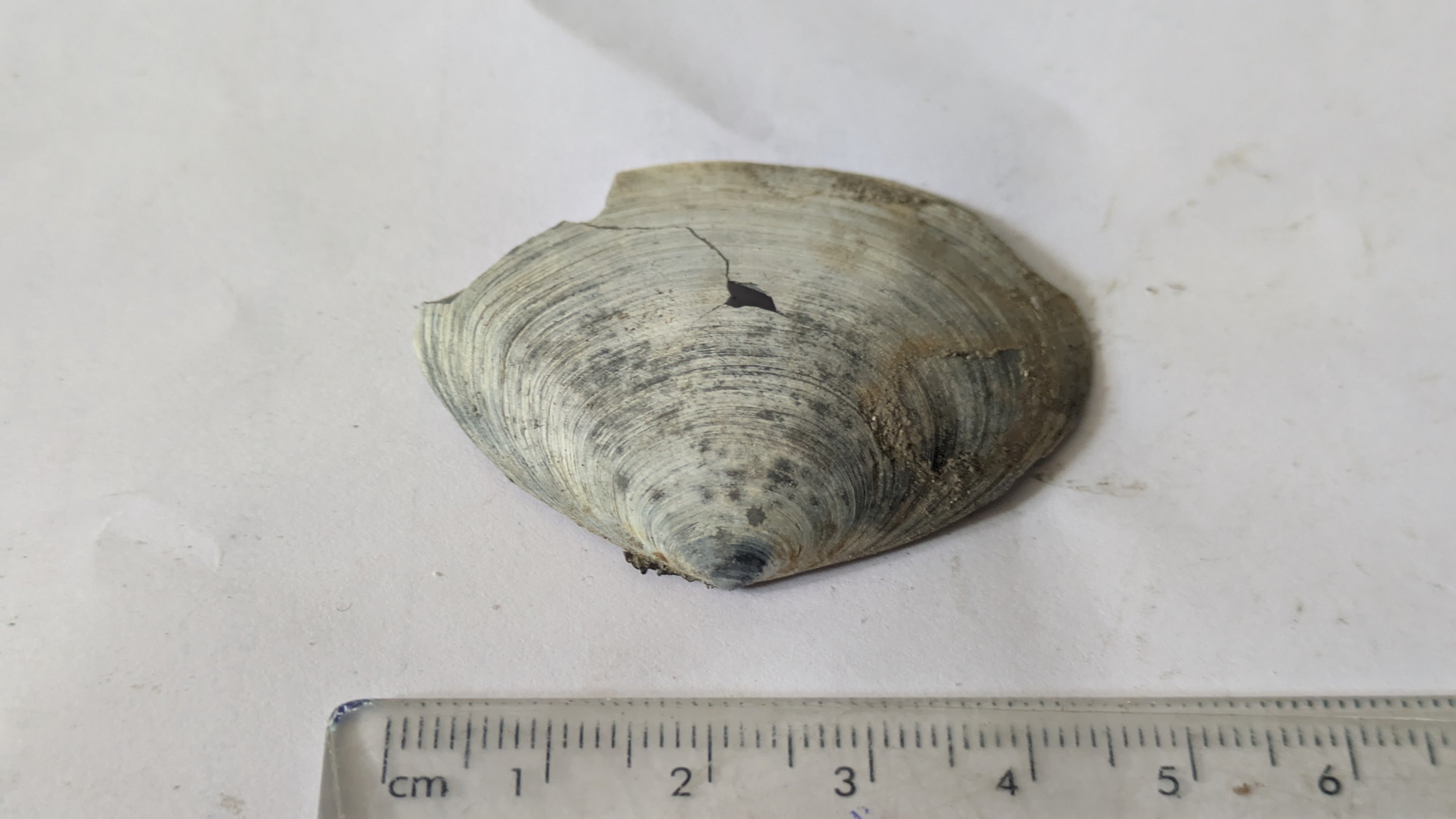
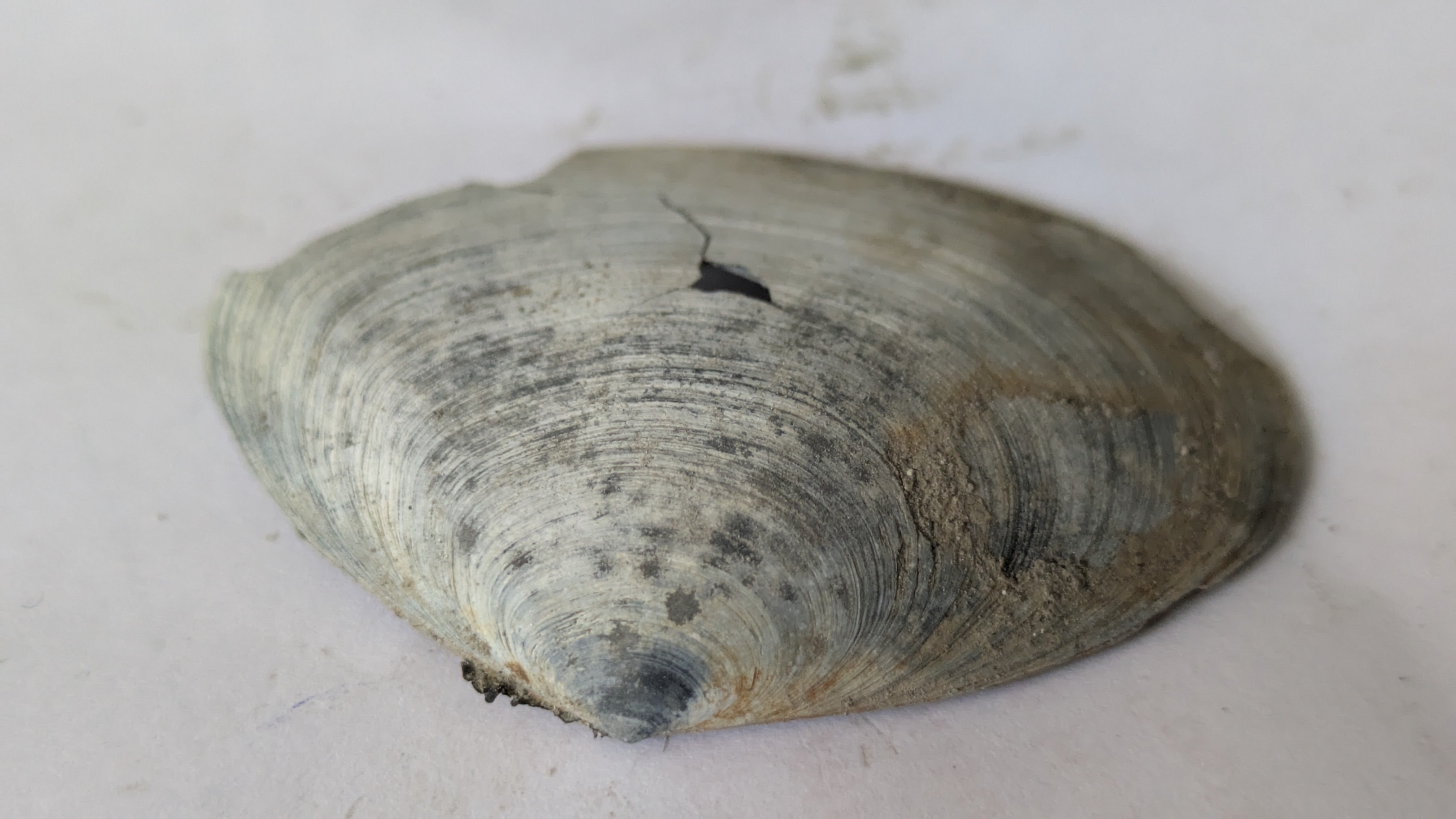
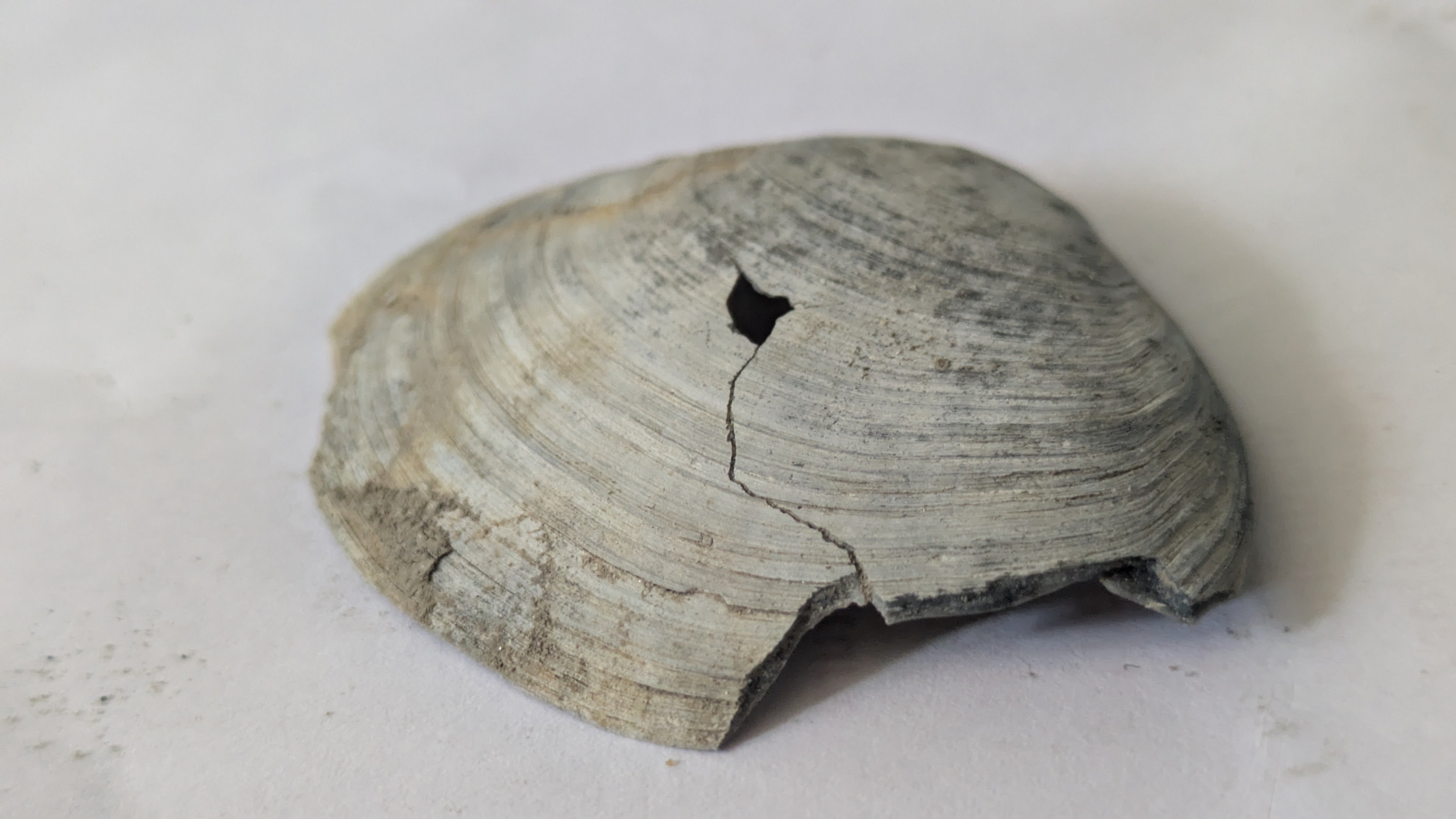
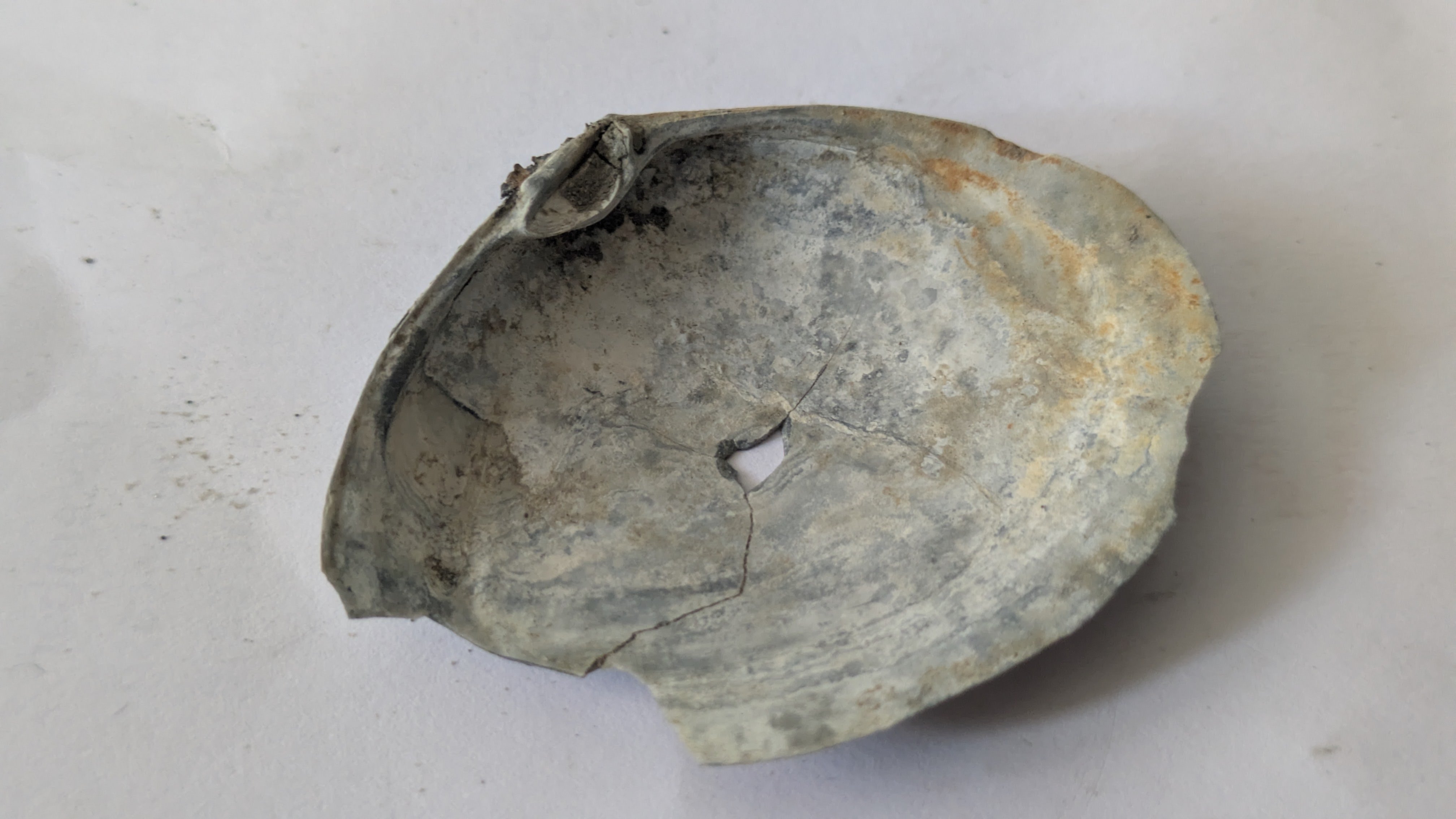
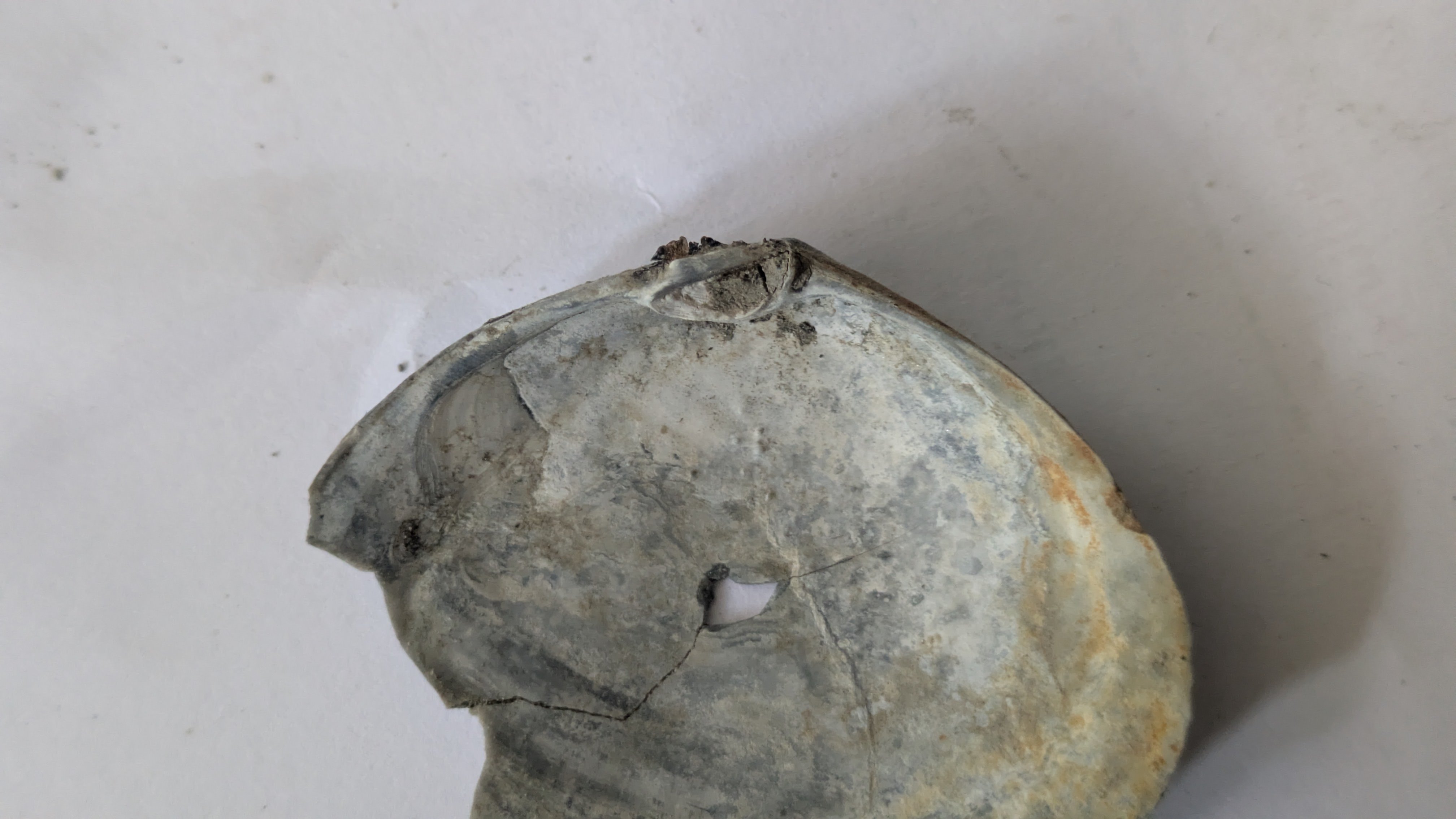
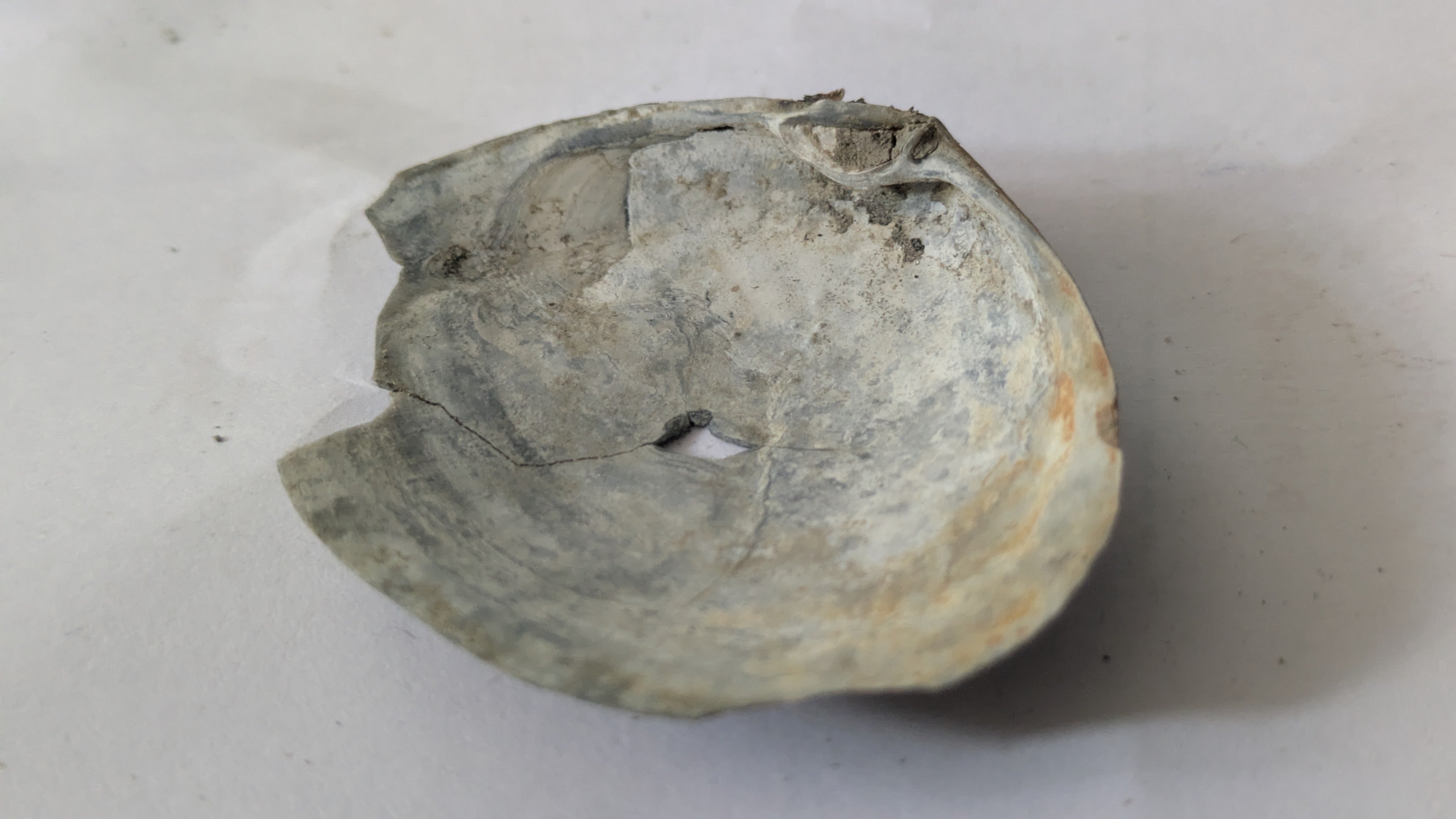
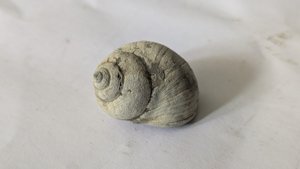
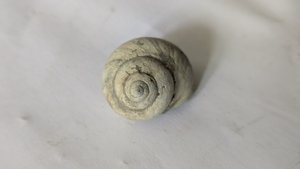
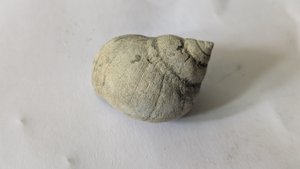
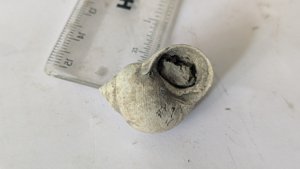
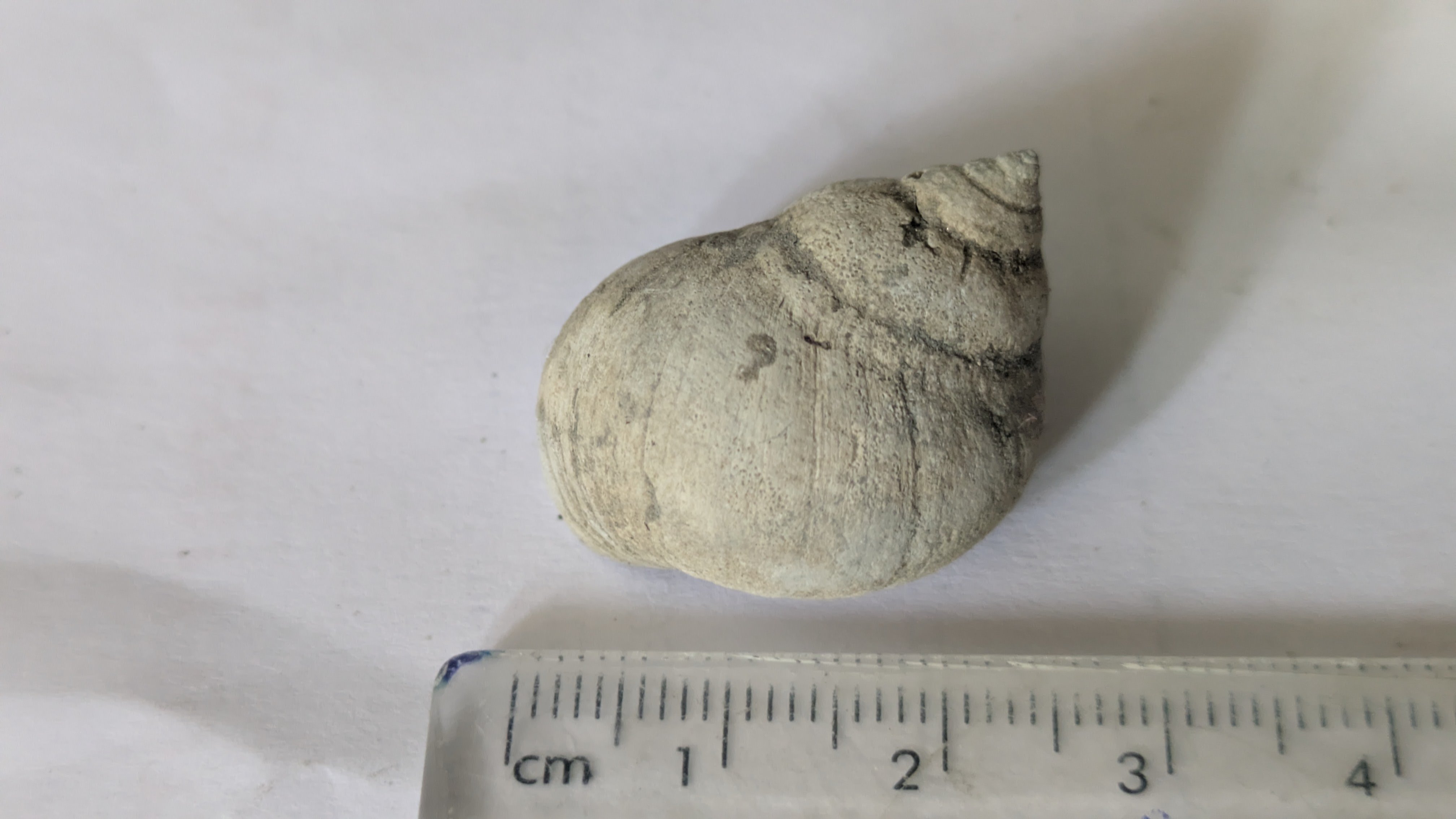
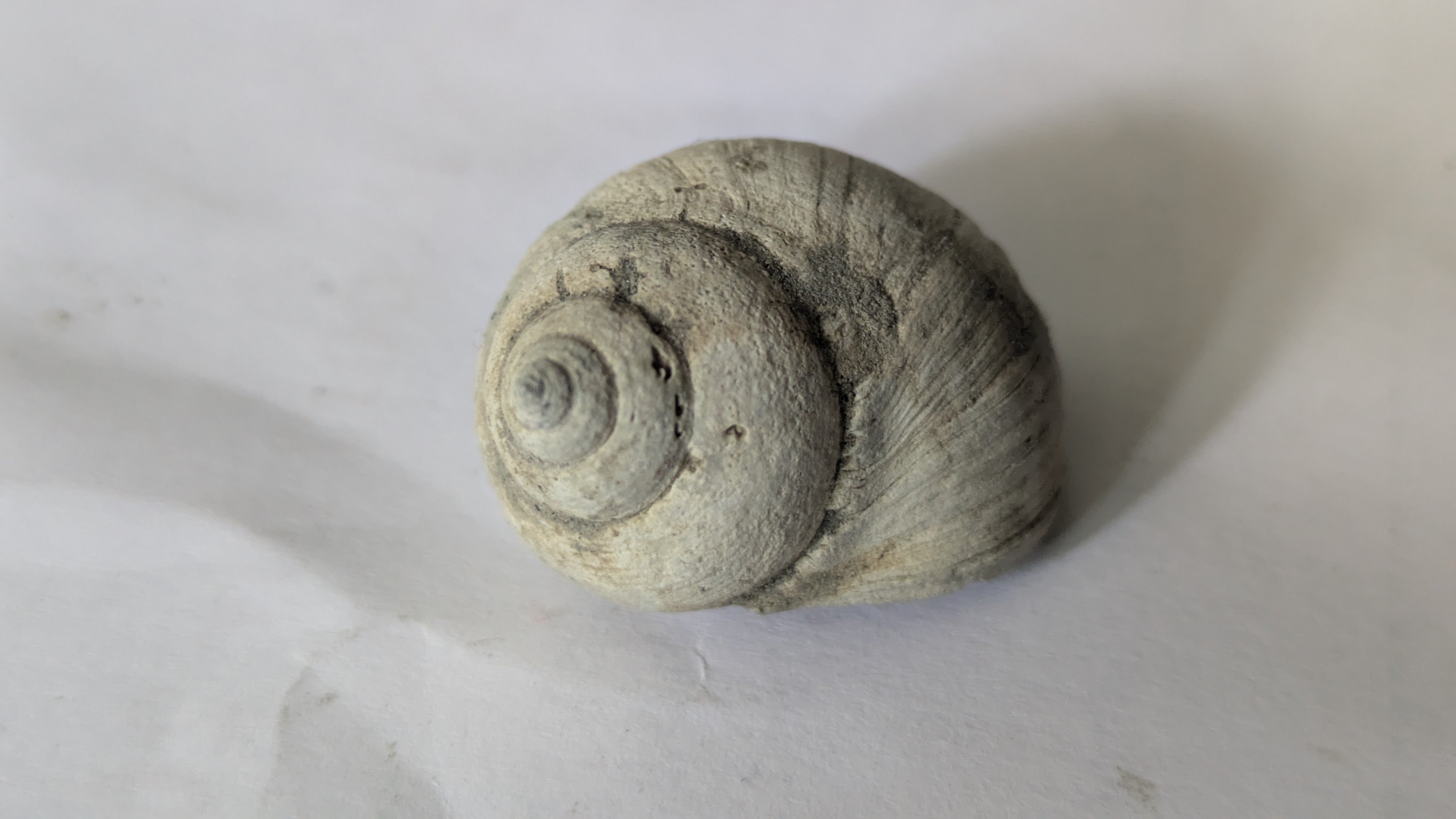
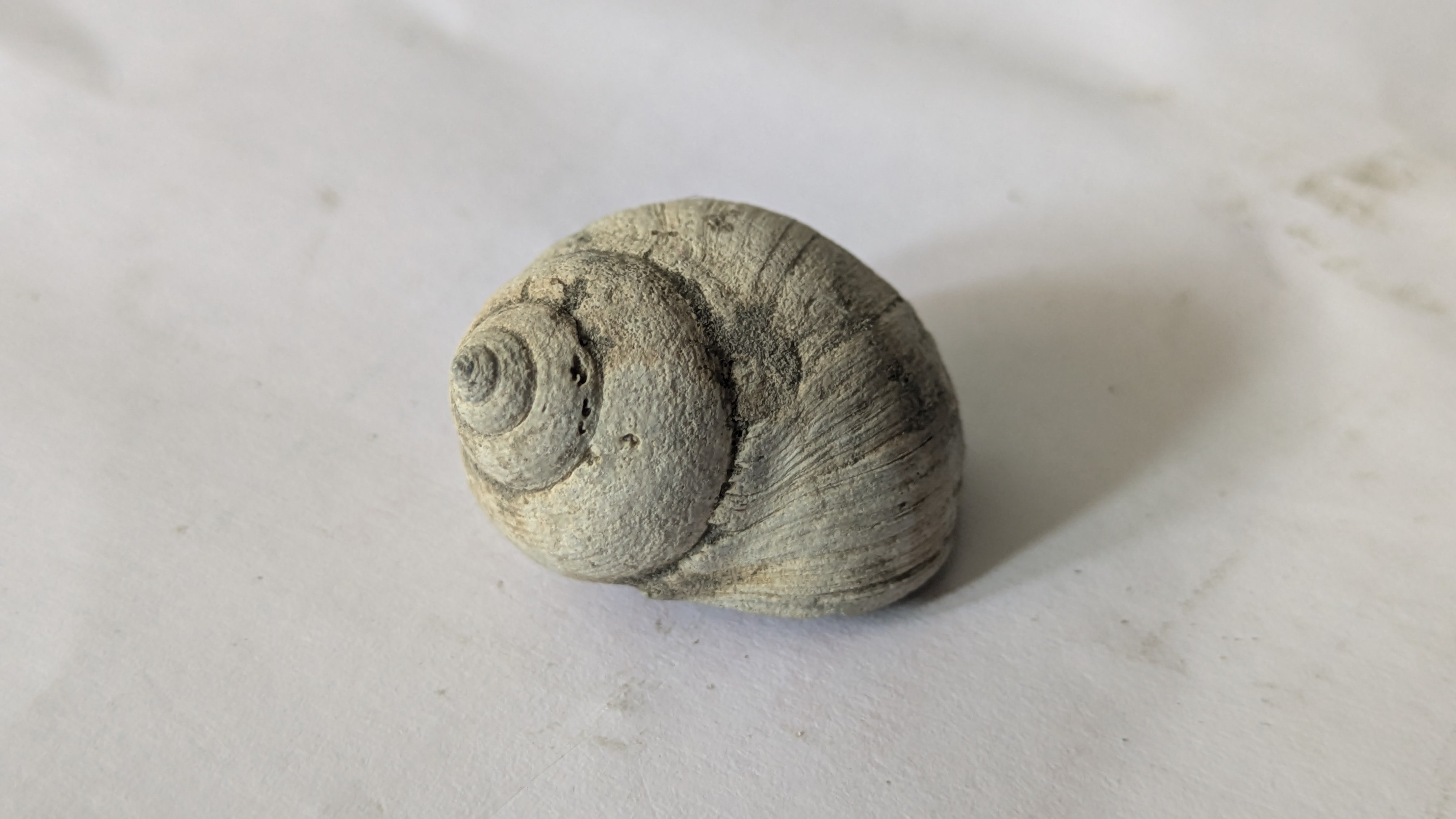
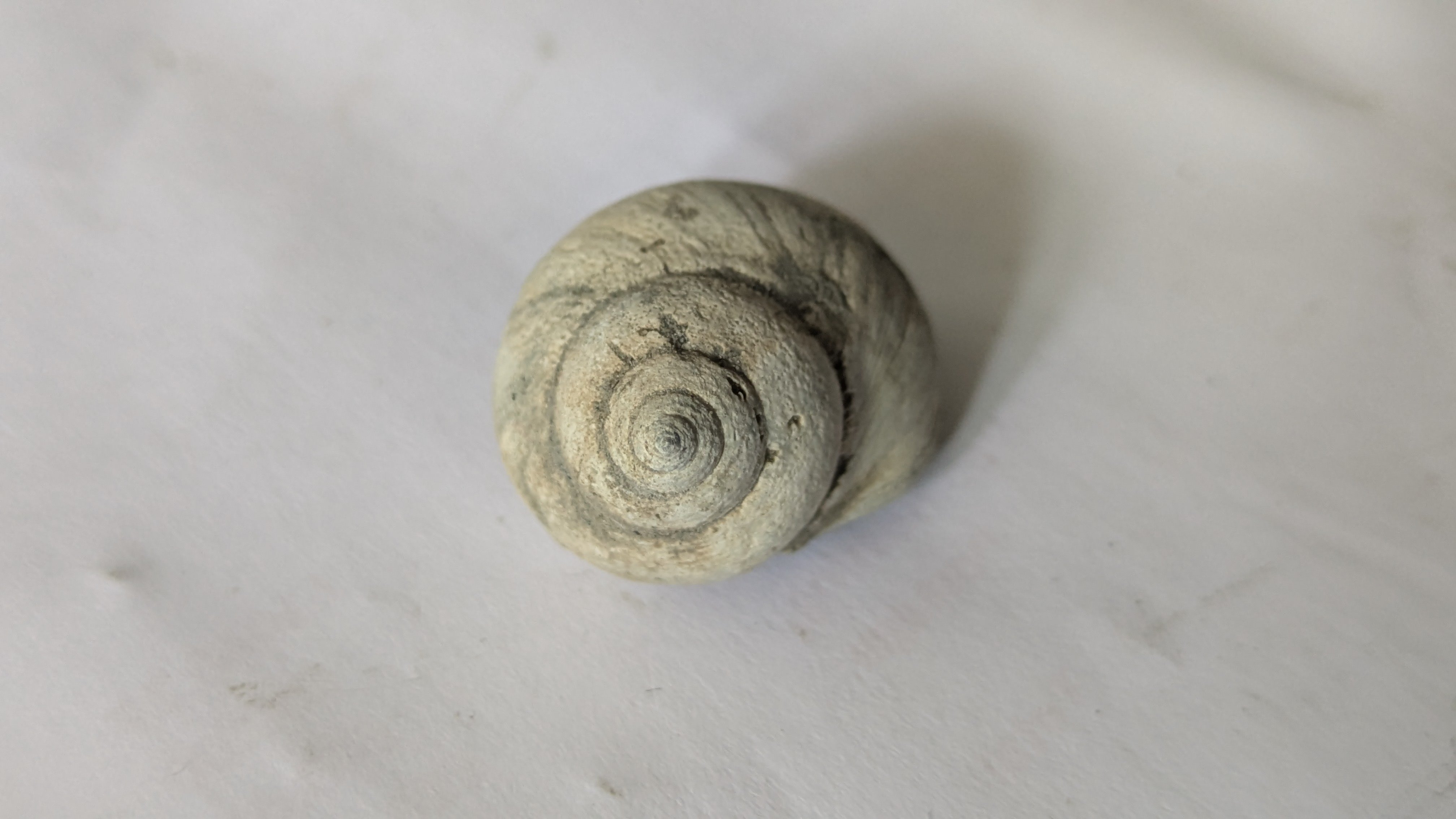
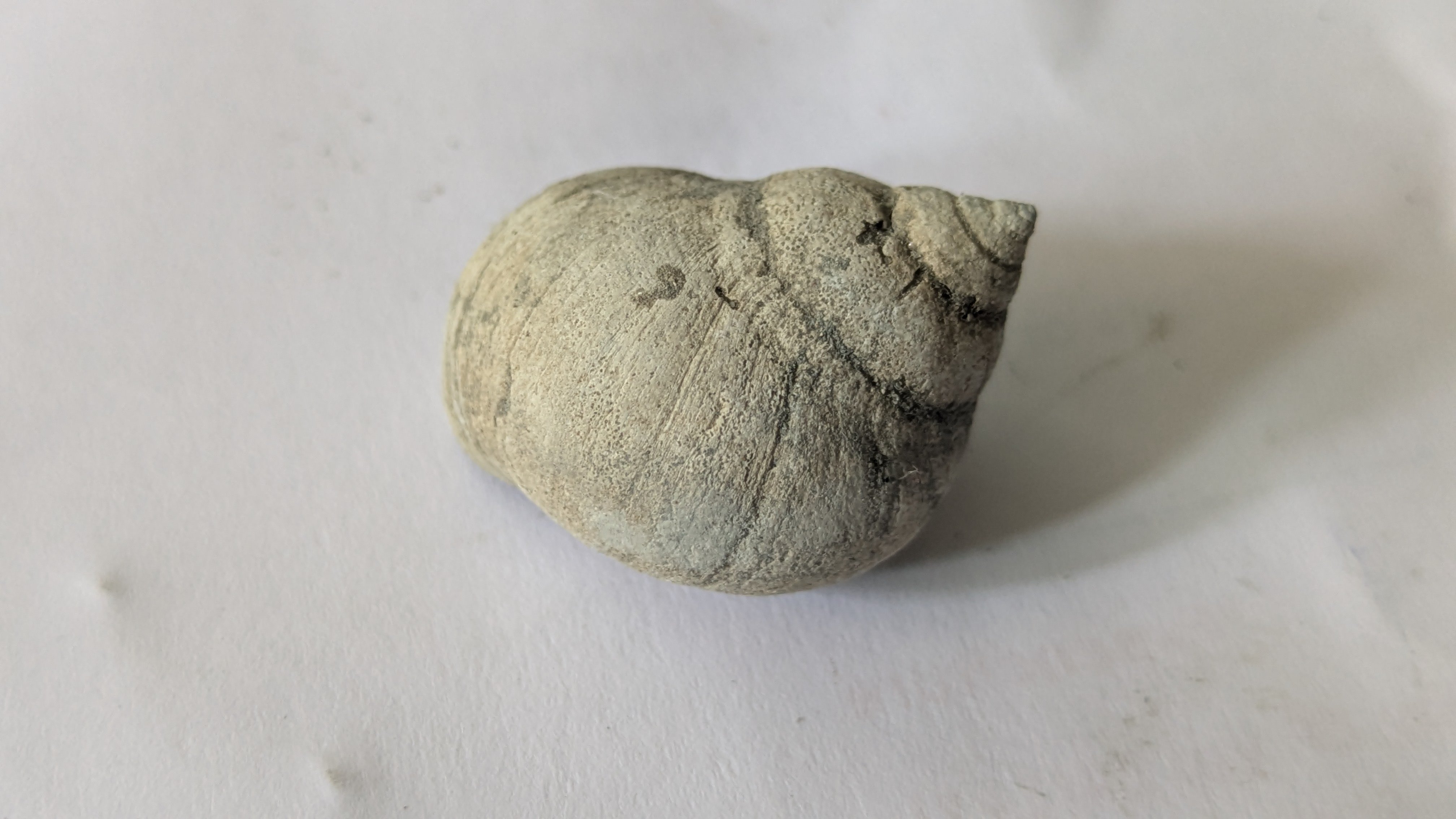
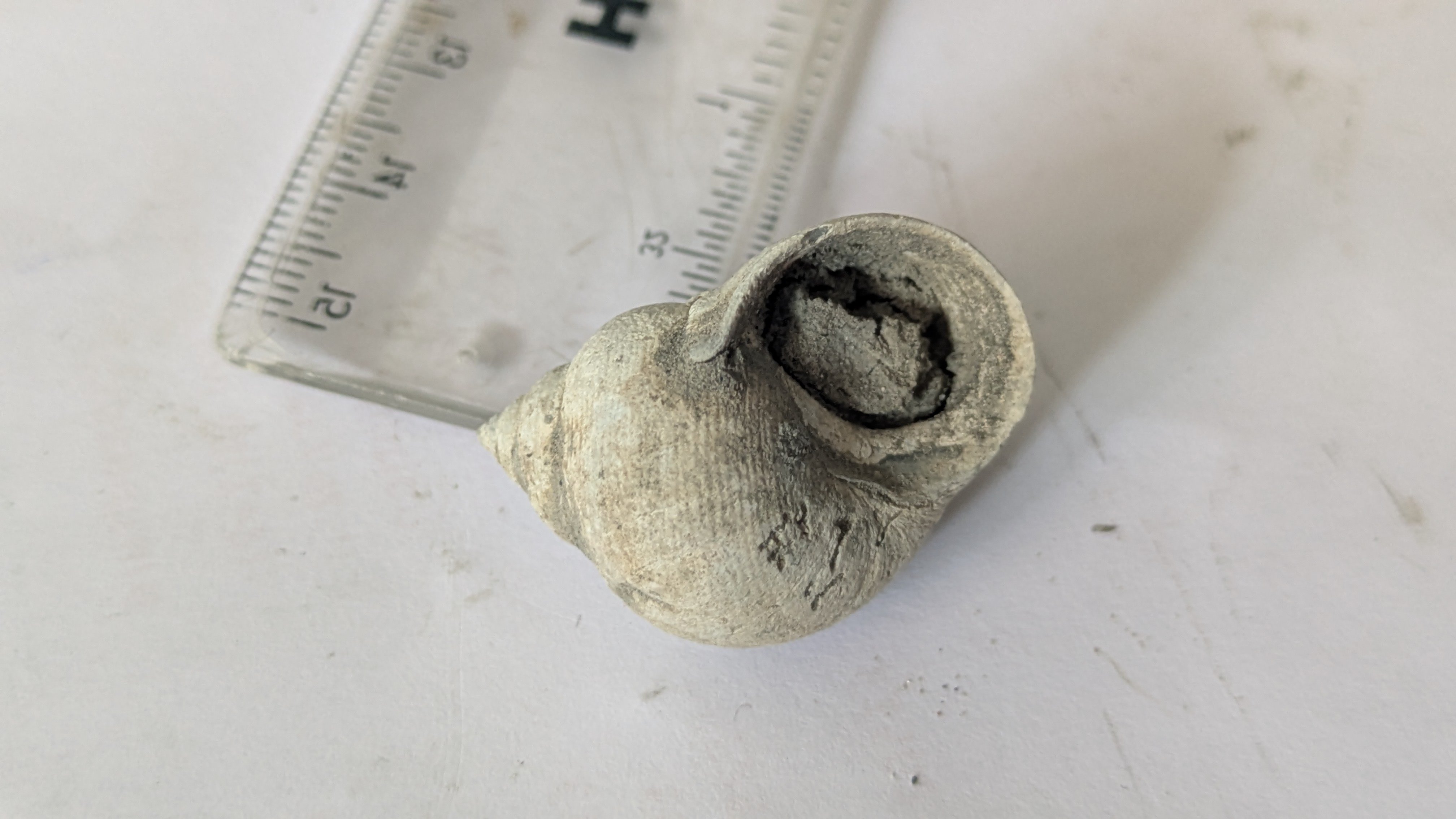
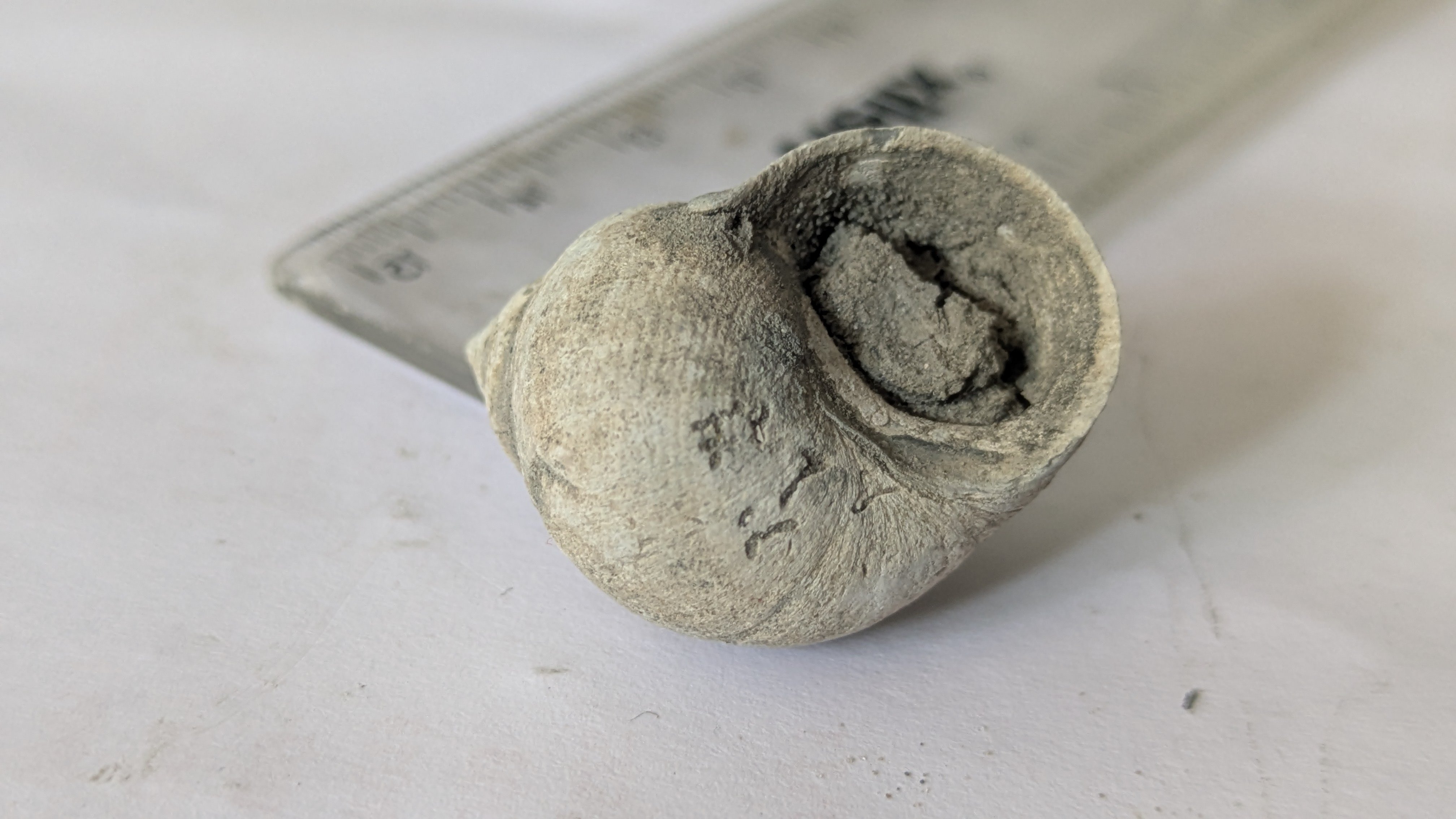
Gastropoda
1 specimen


Gastropoda
1 specimen
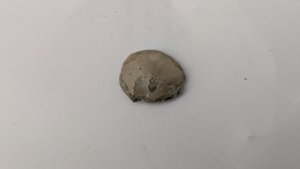
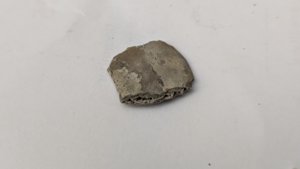
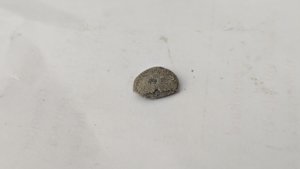
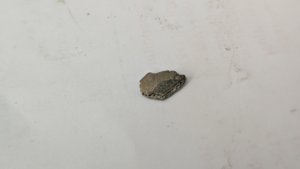
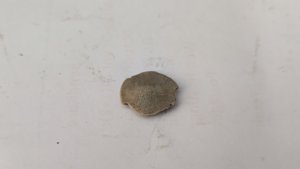
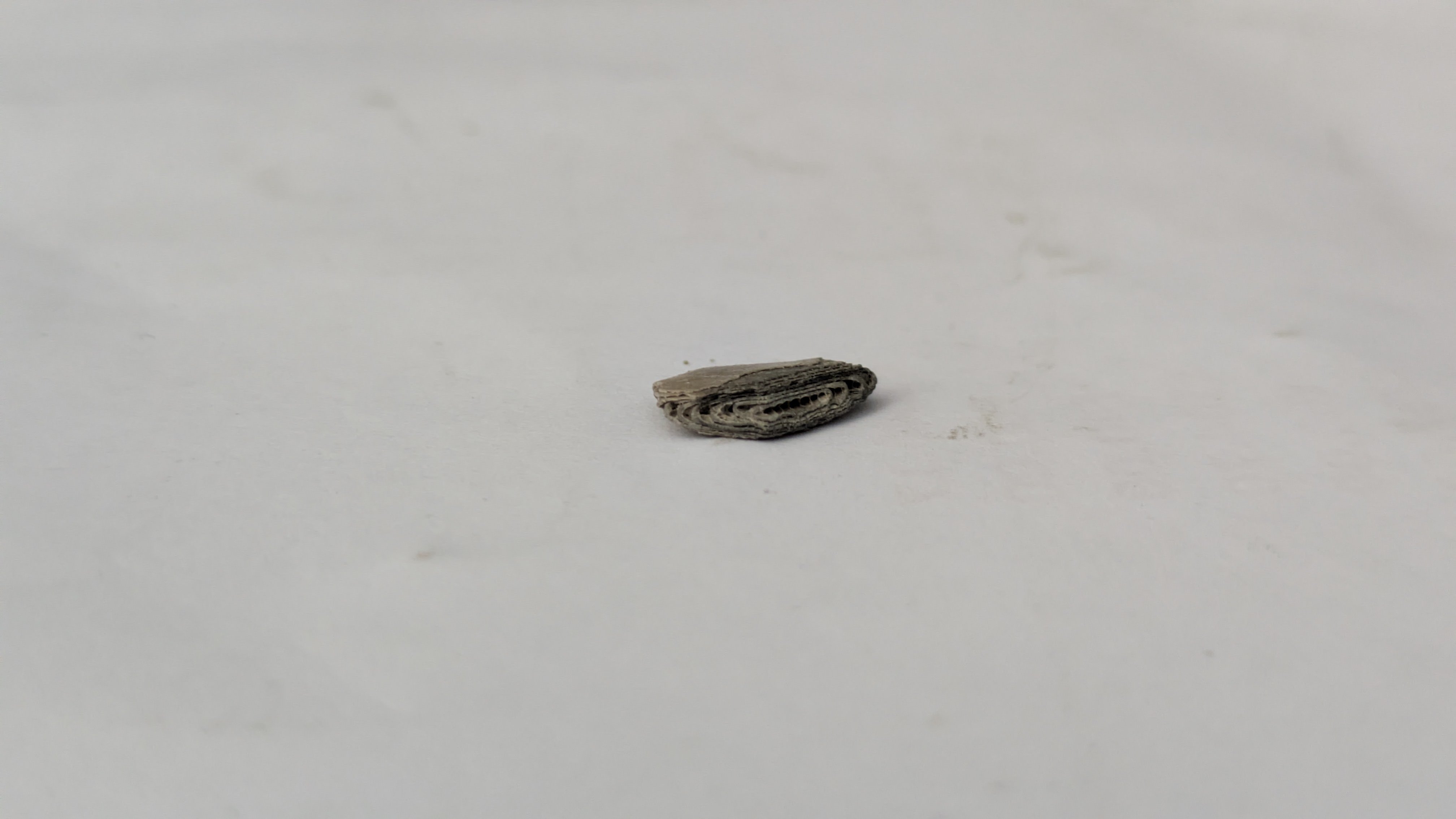
†Nummulites
6 specimens


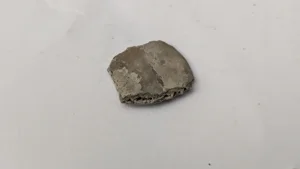


†Nummulites
6 specimens

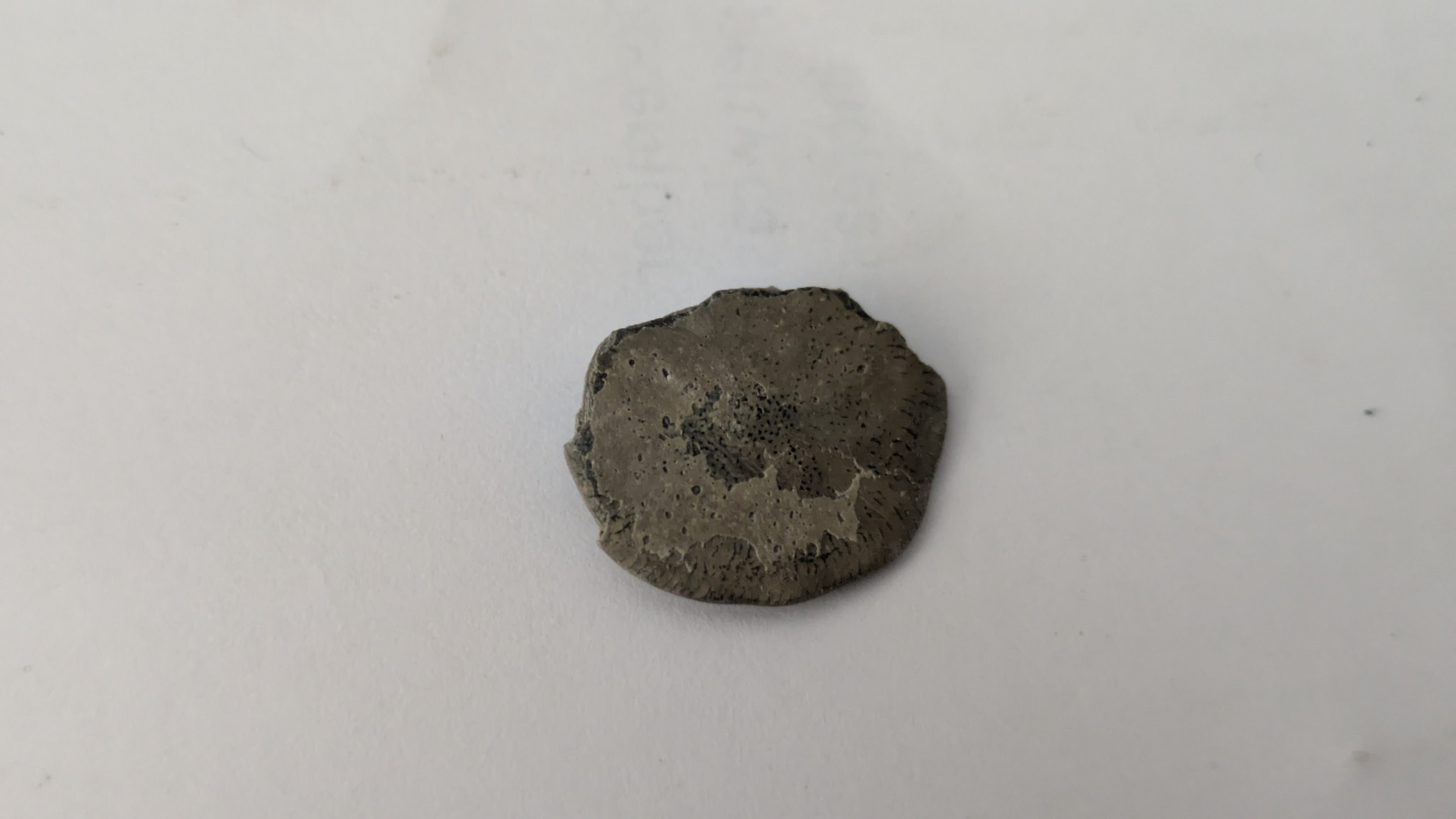
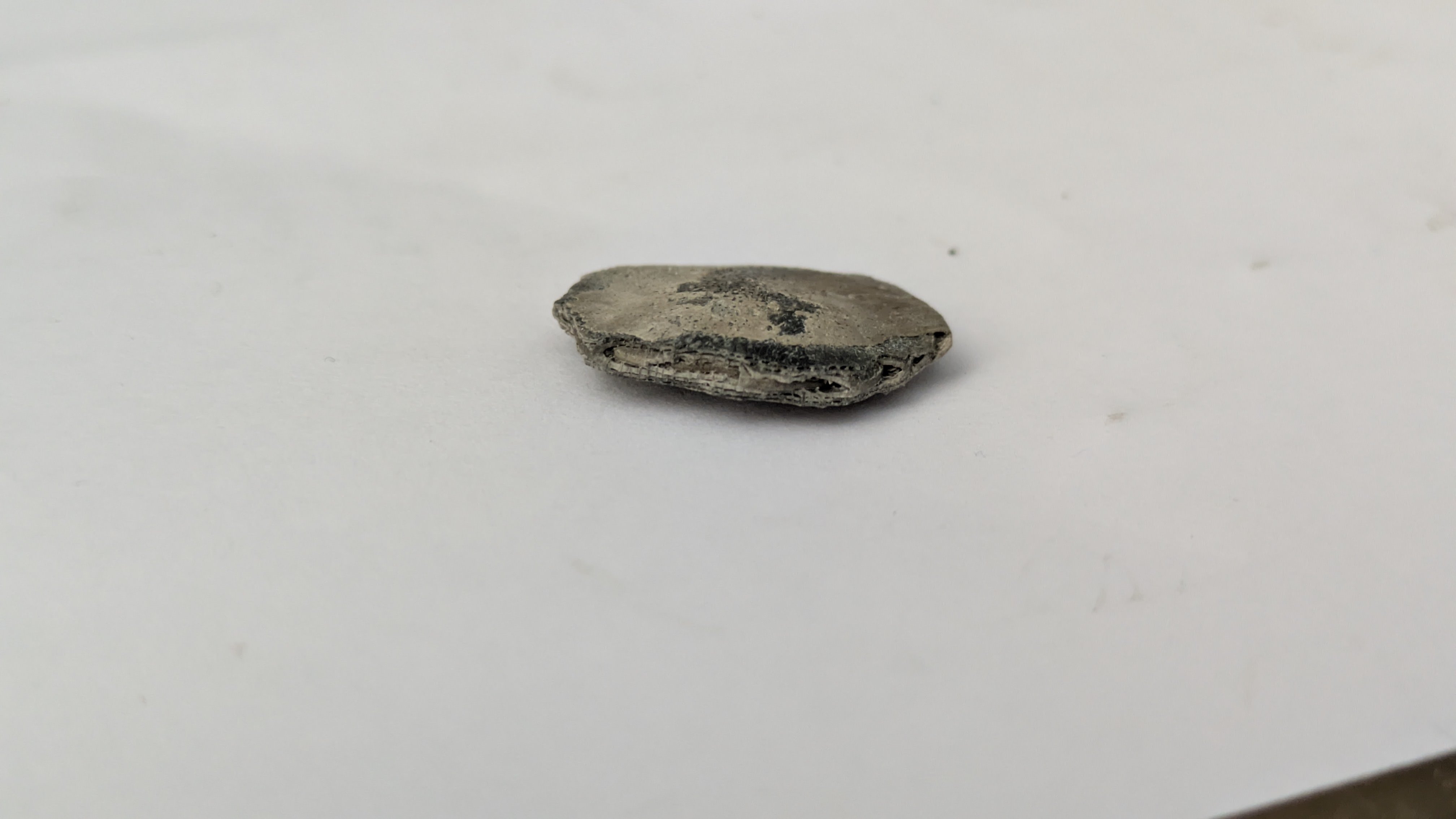
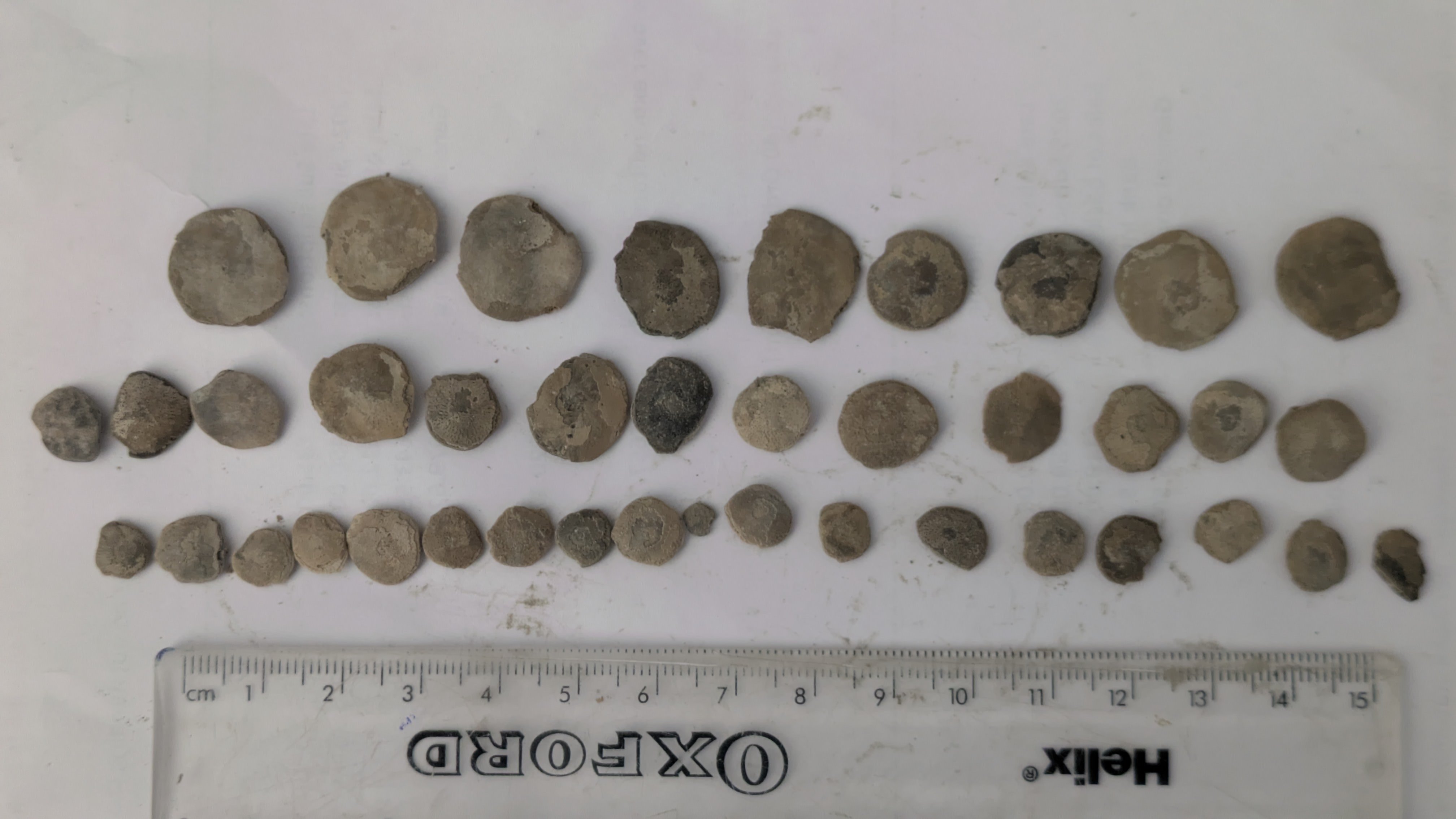

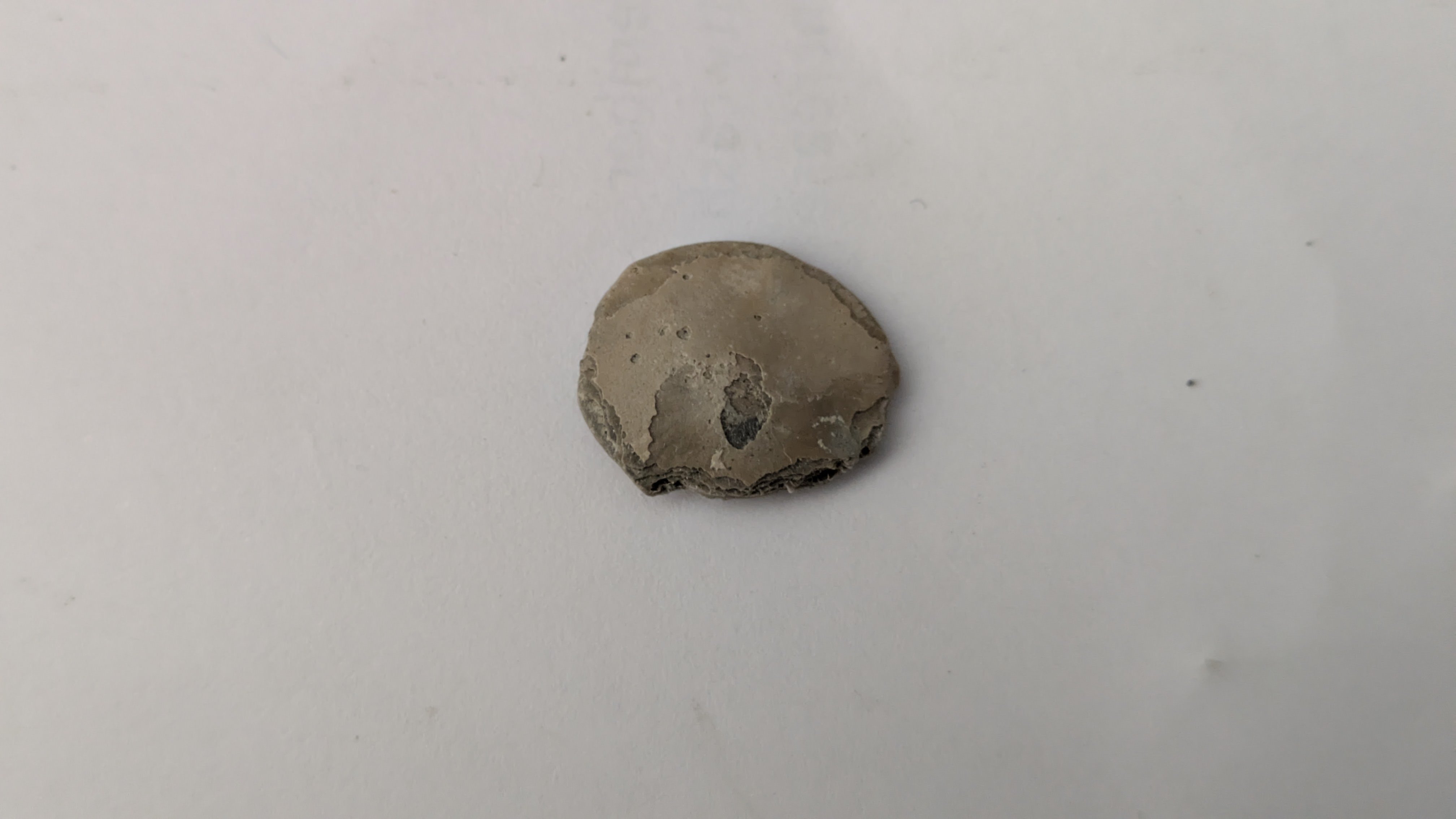
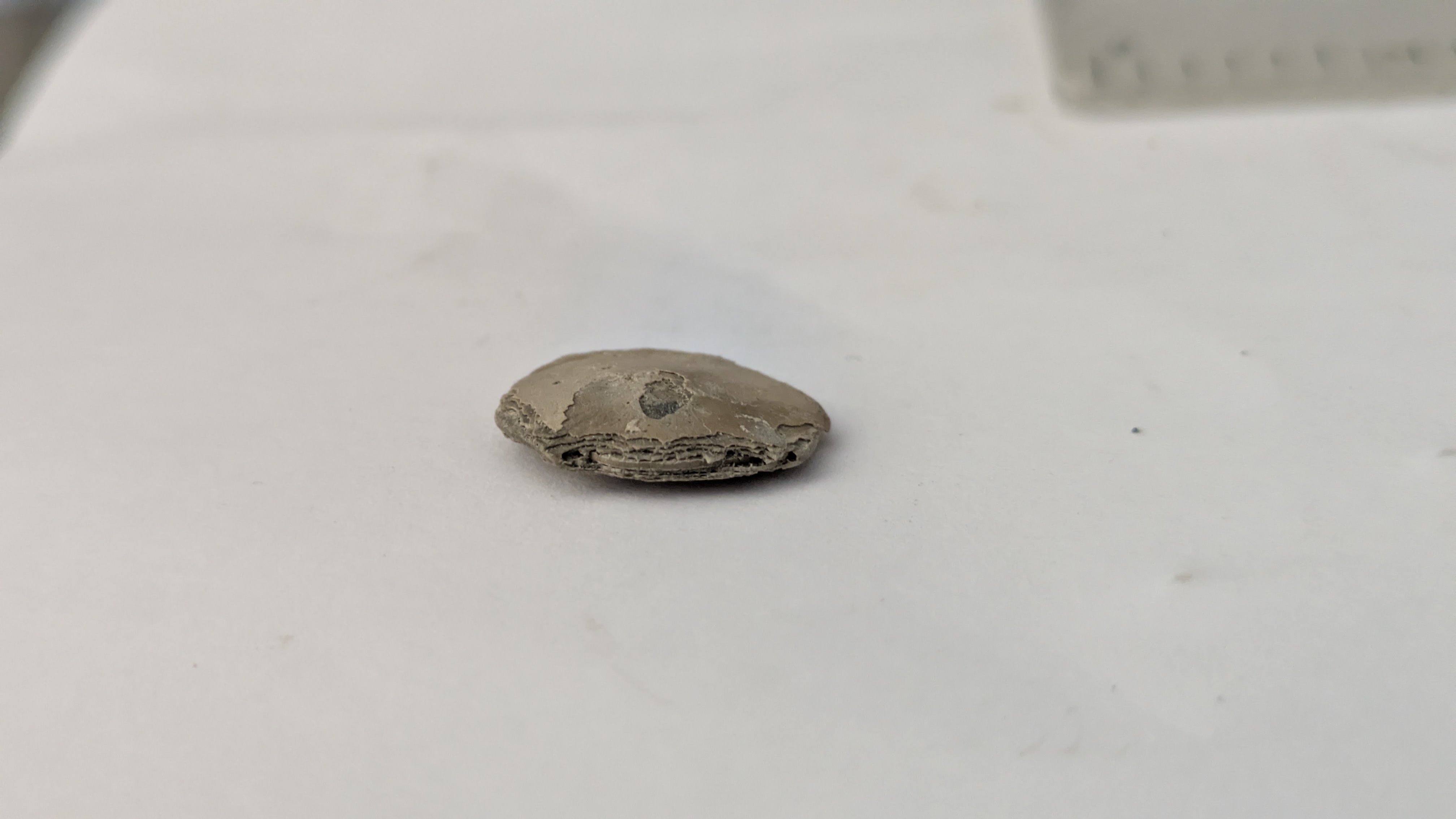

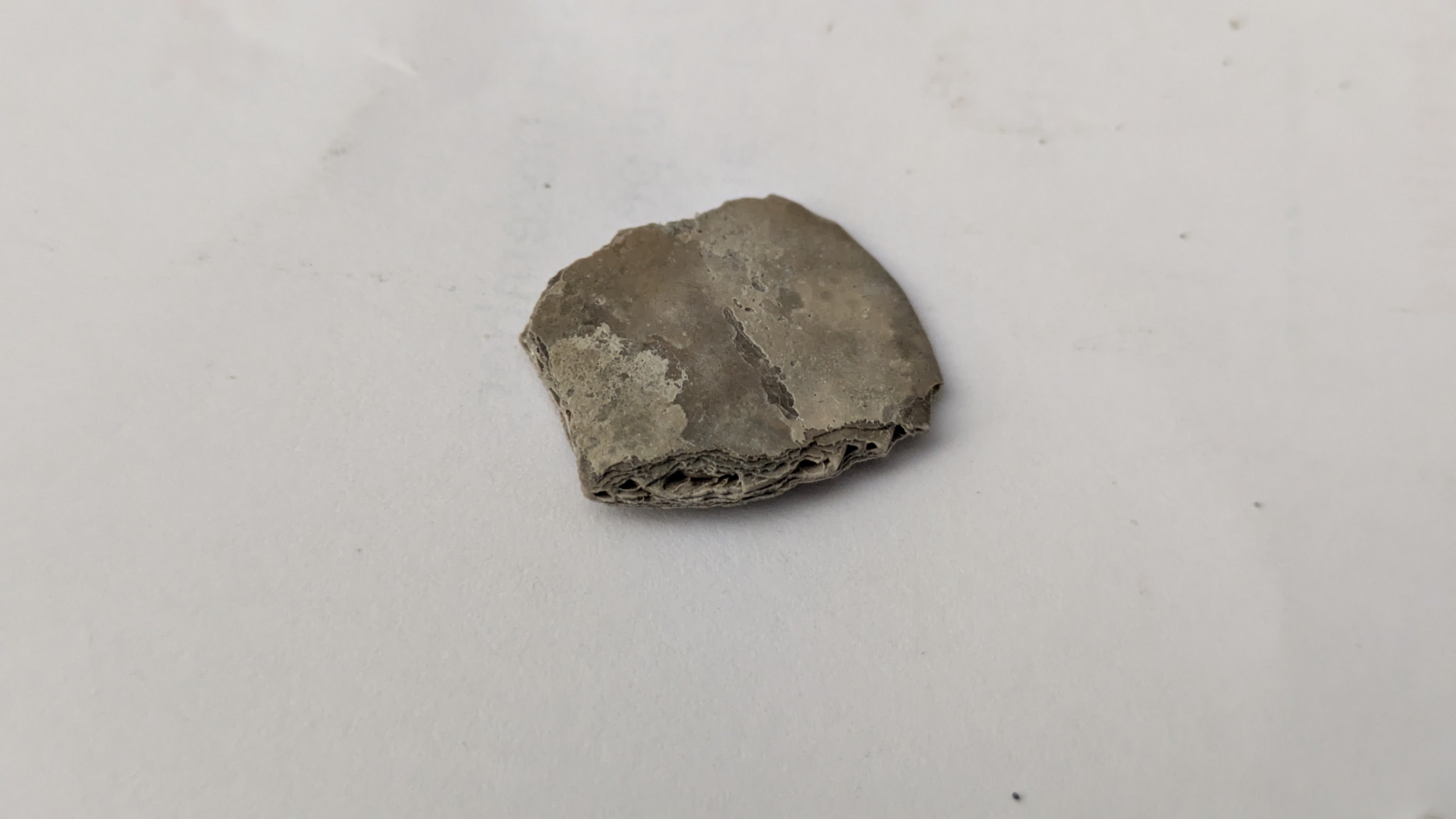
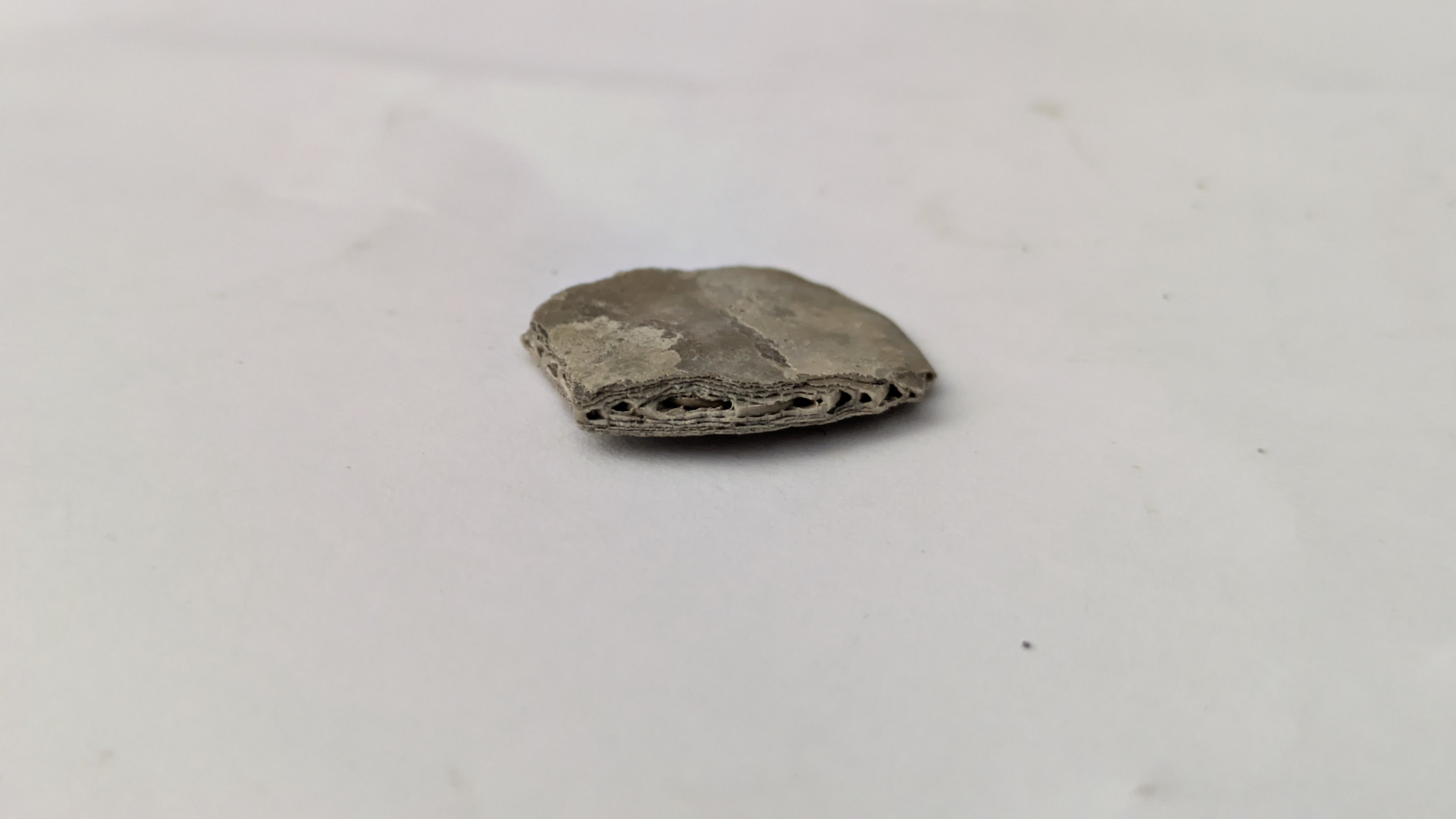

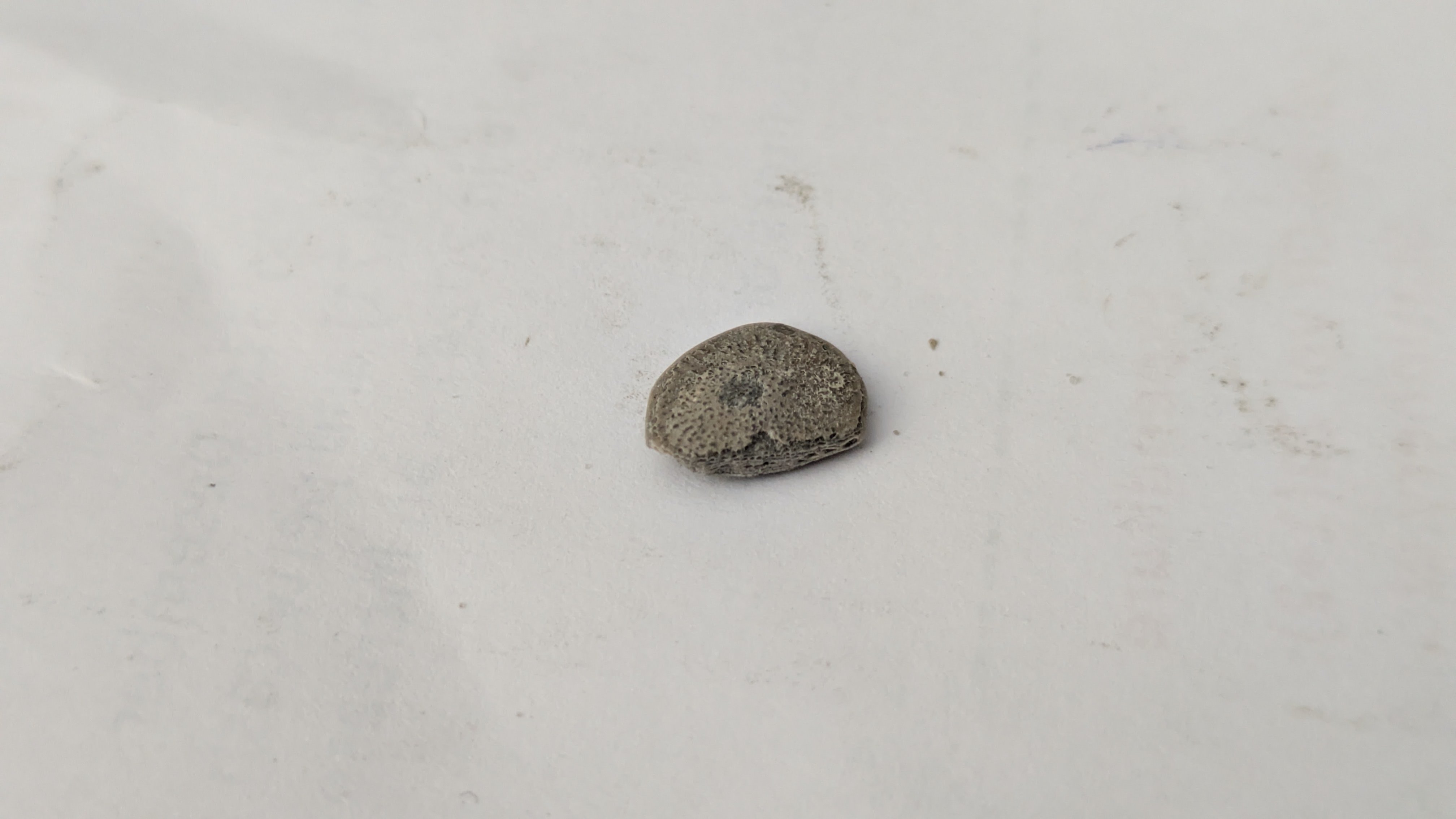
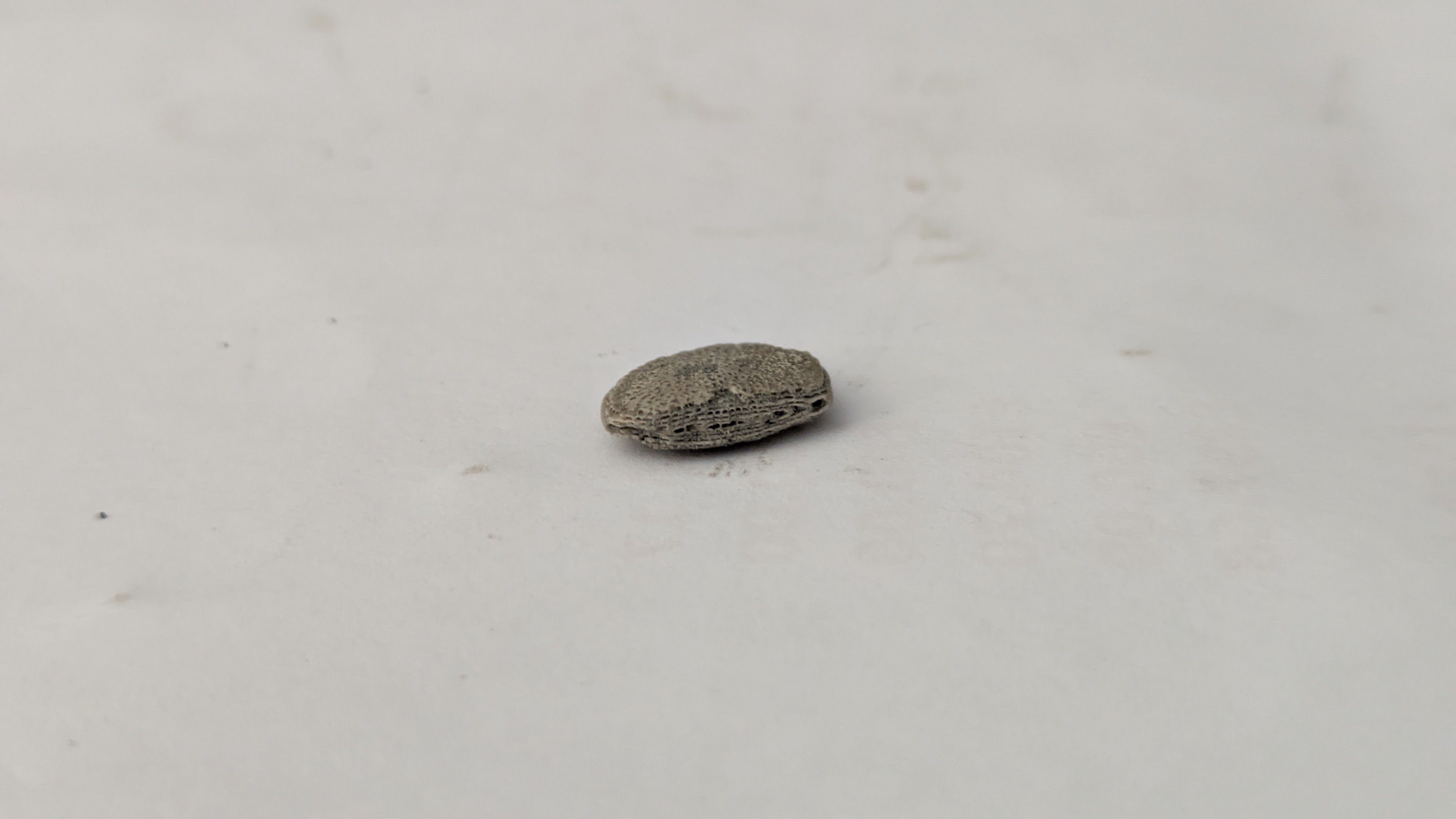

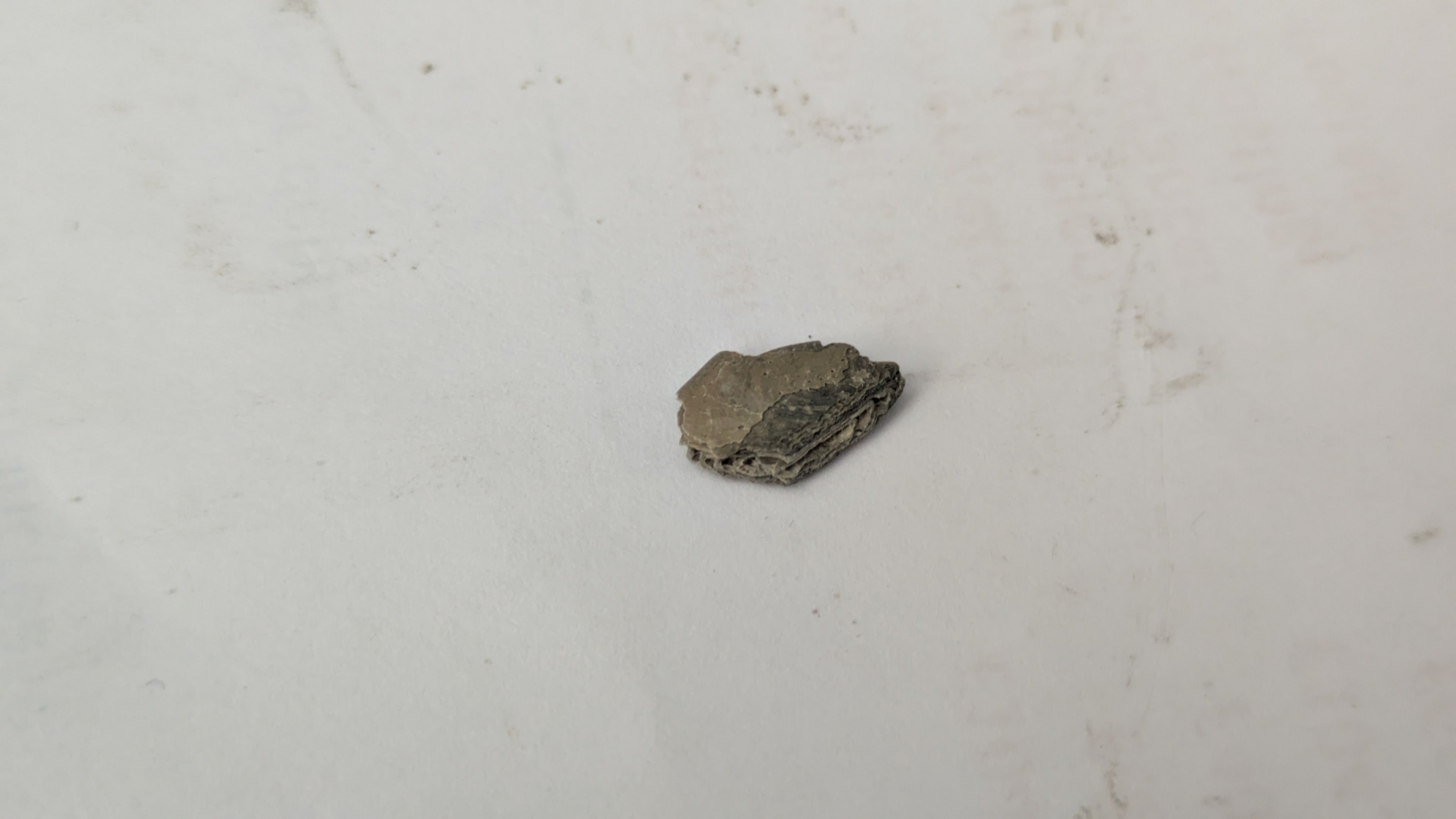

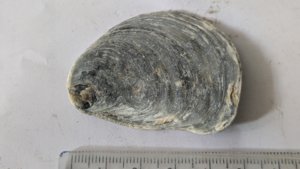
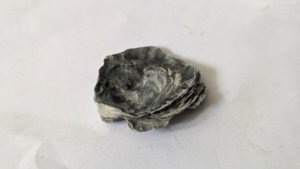
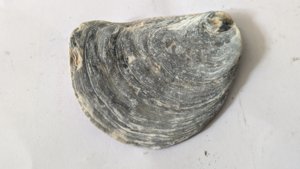
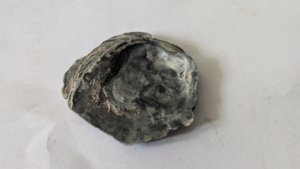
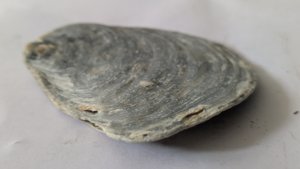
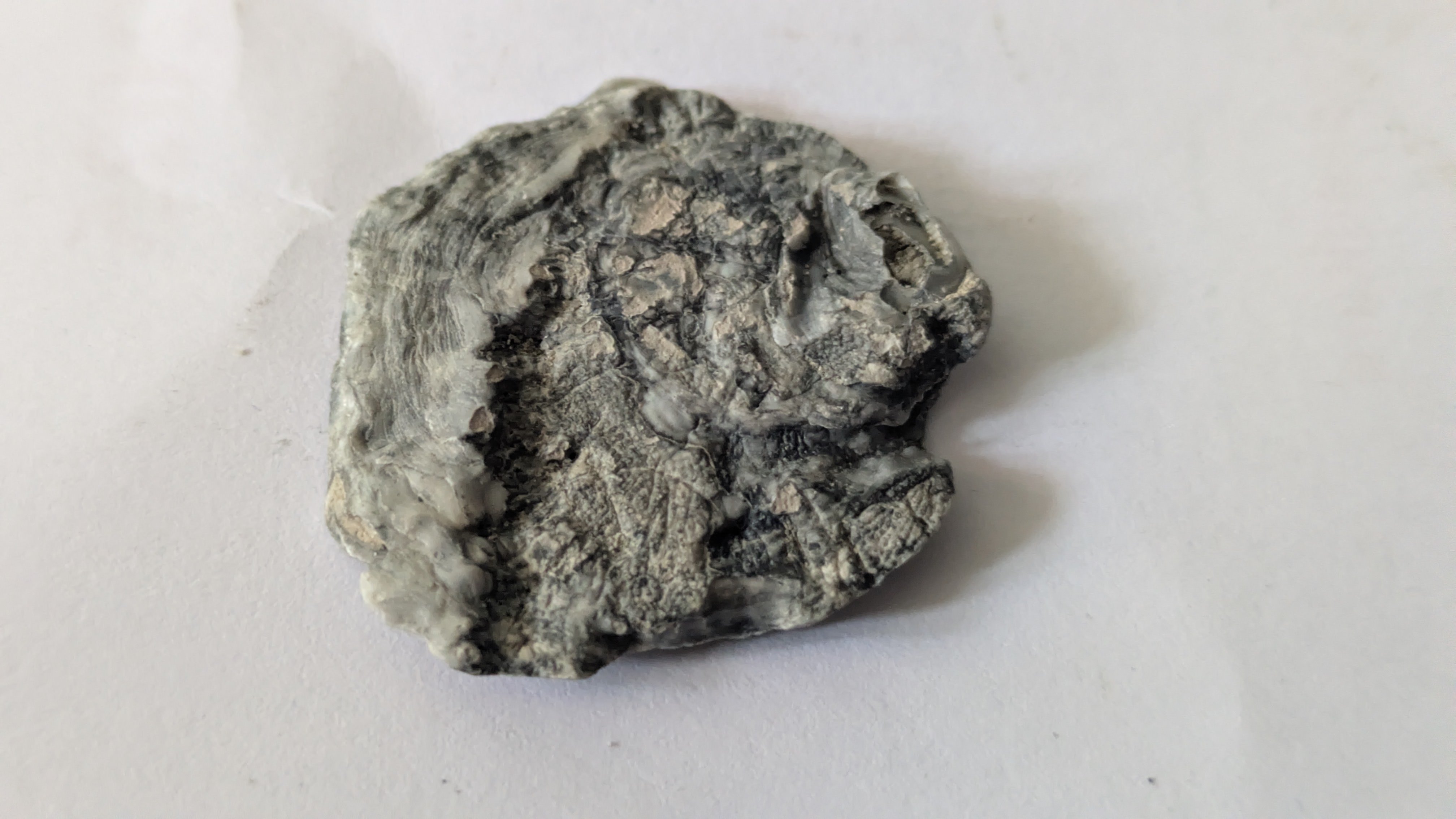
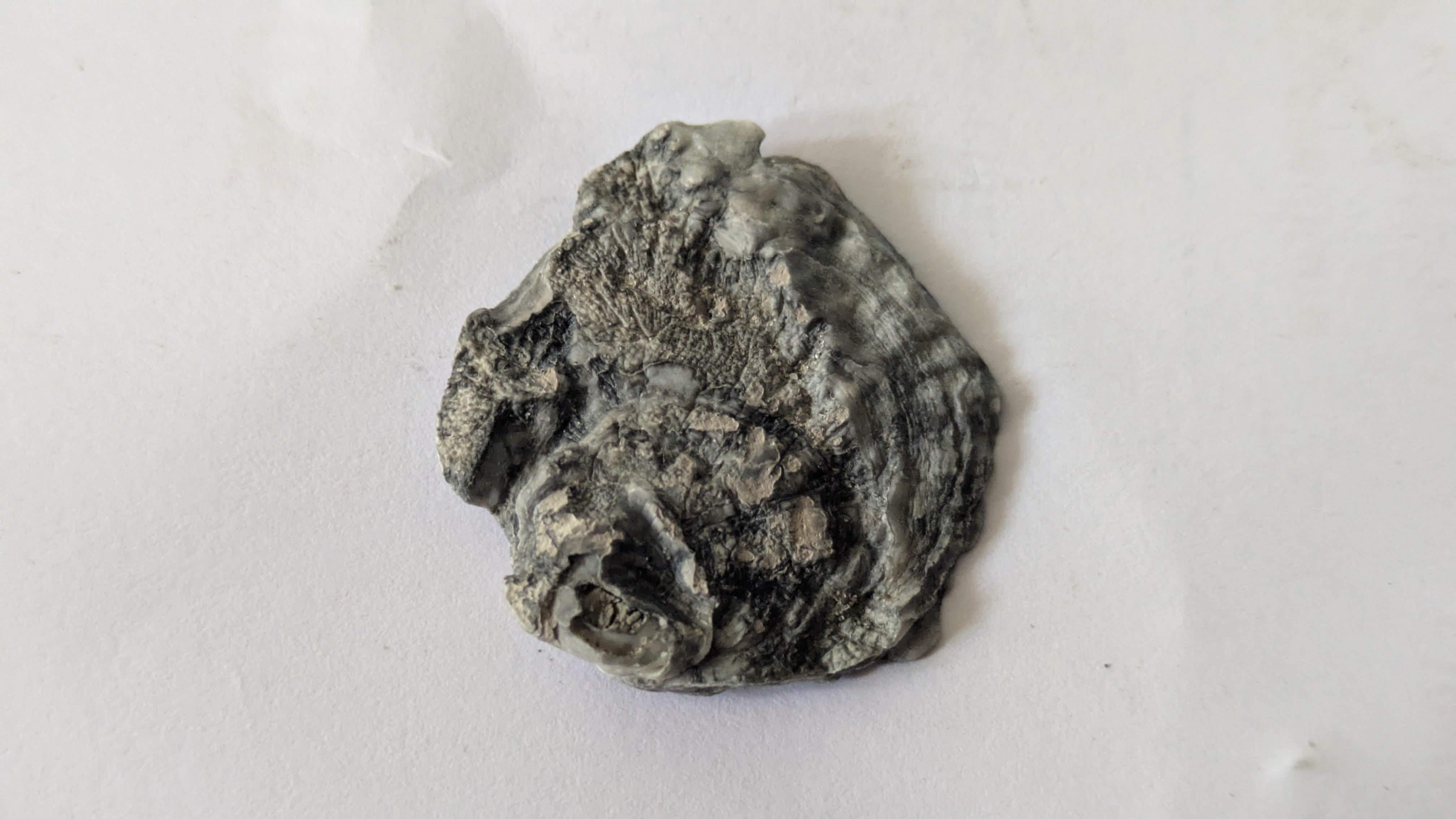
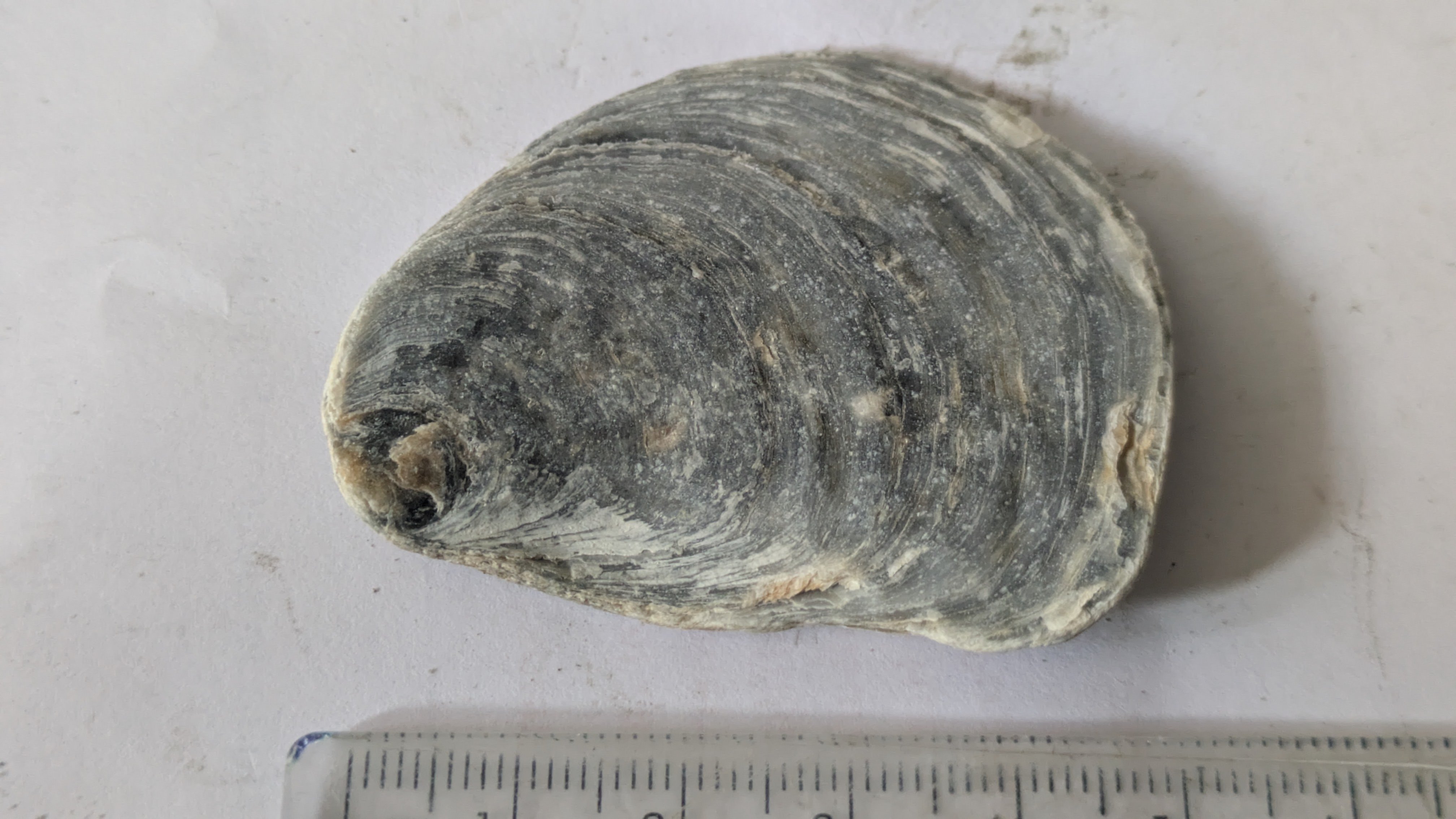
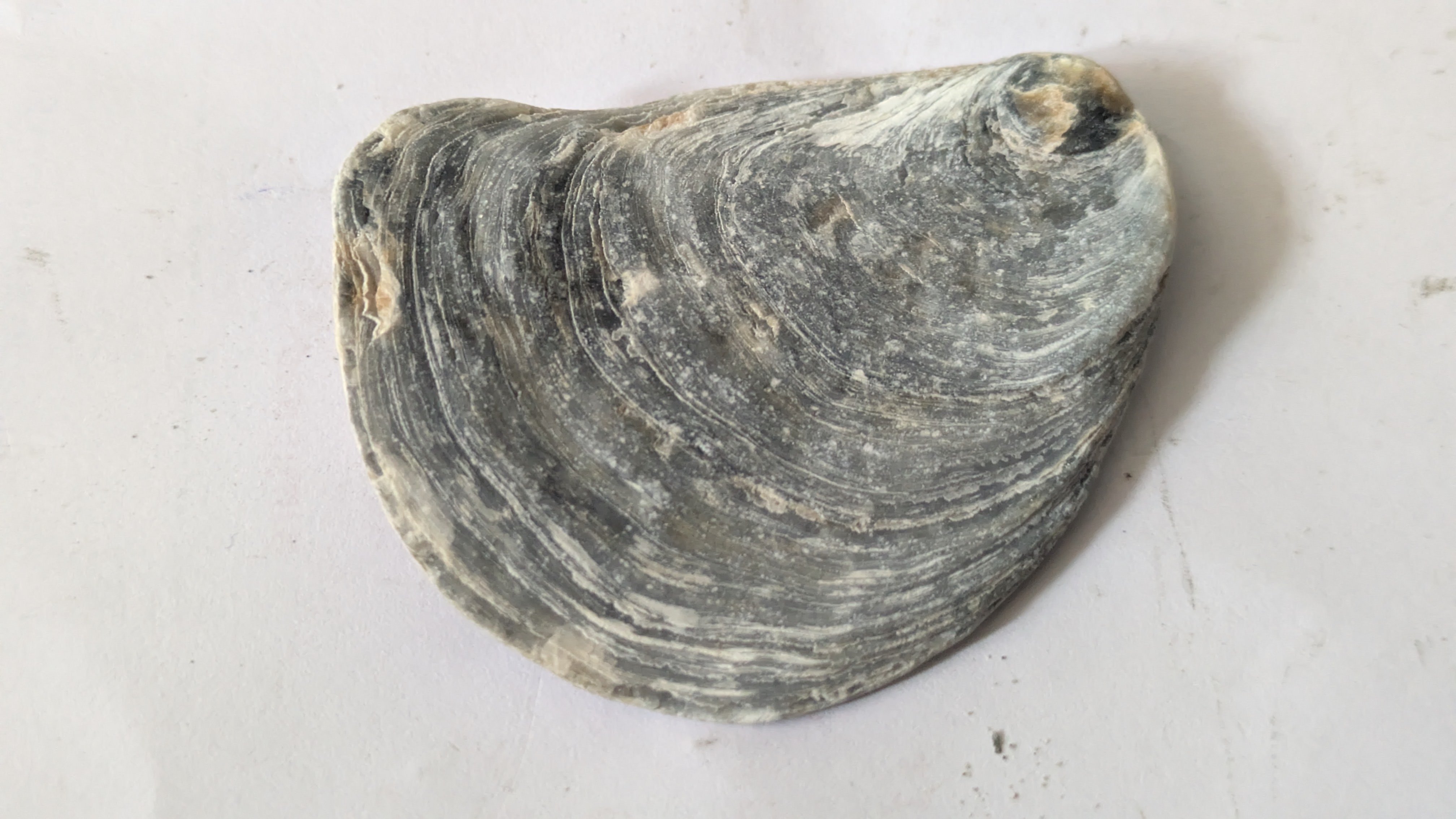
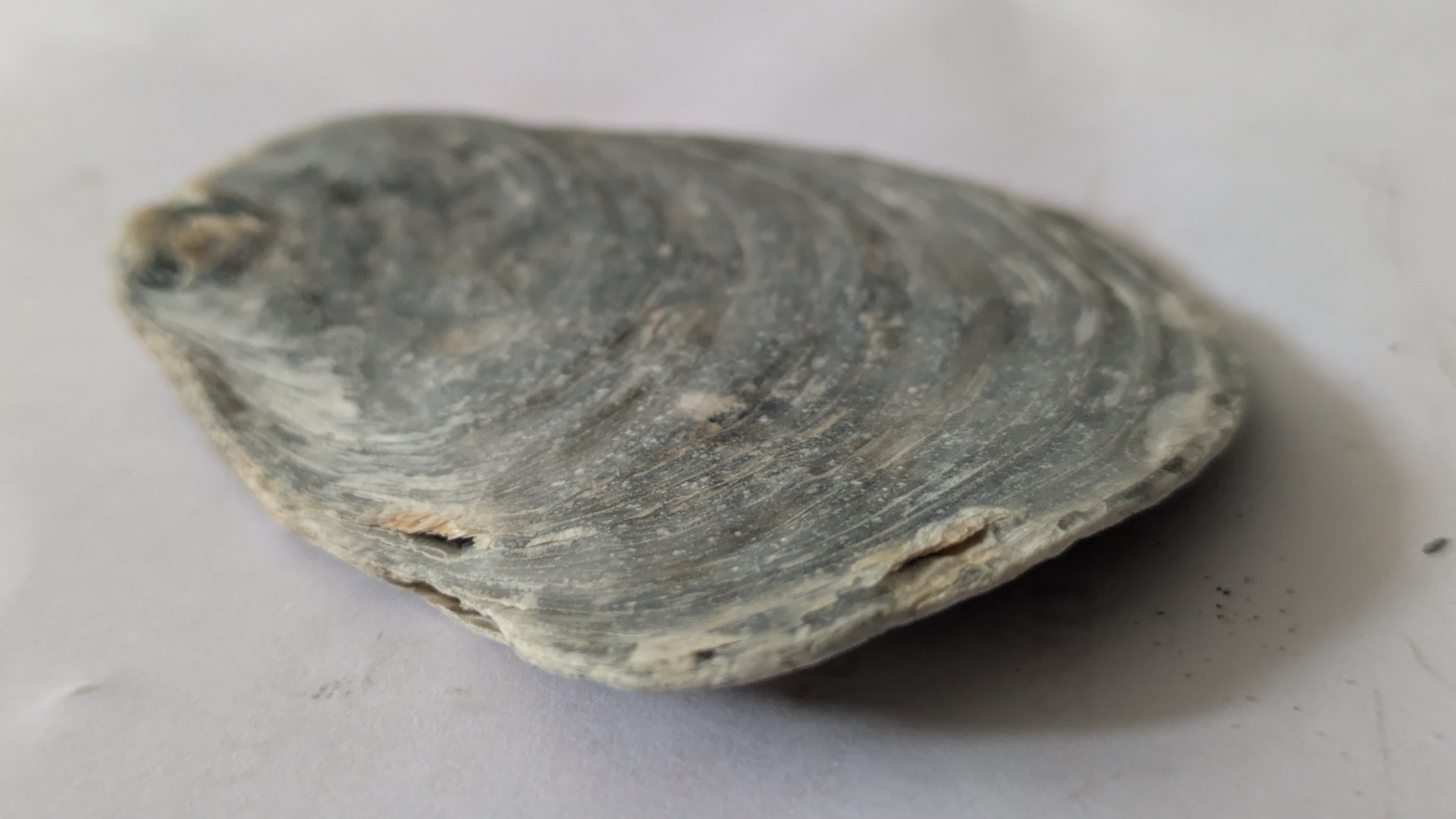
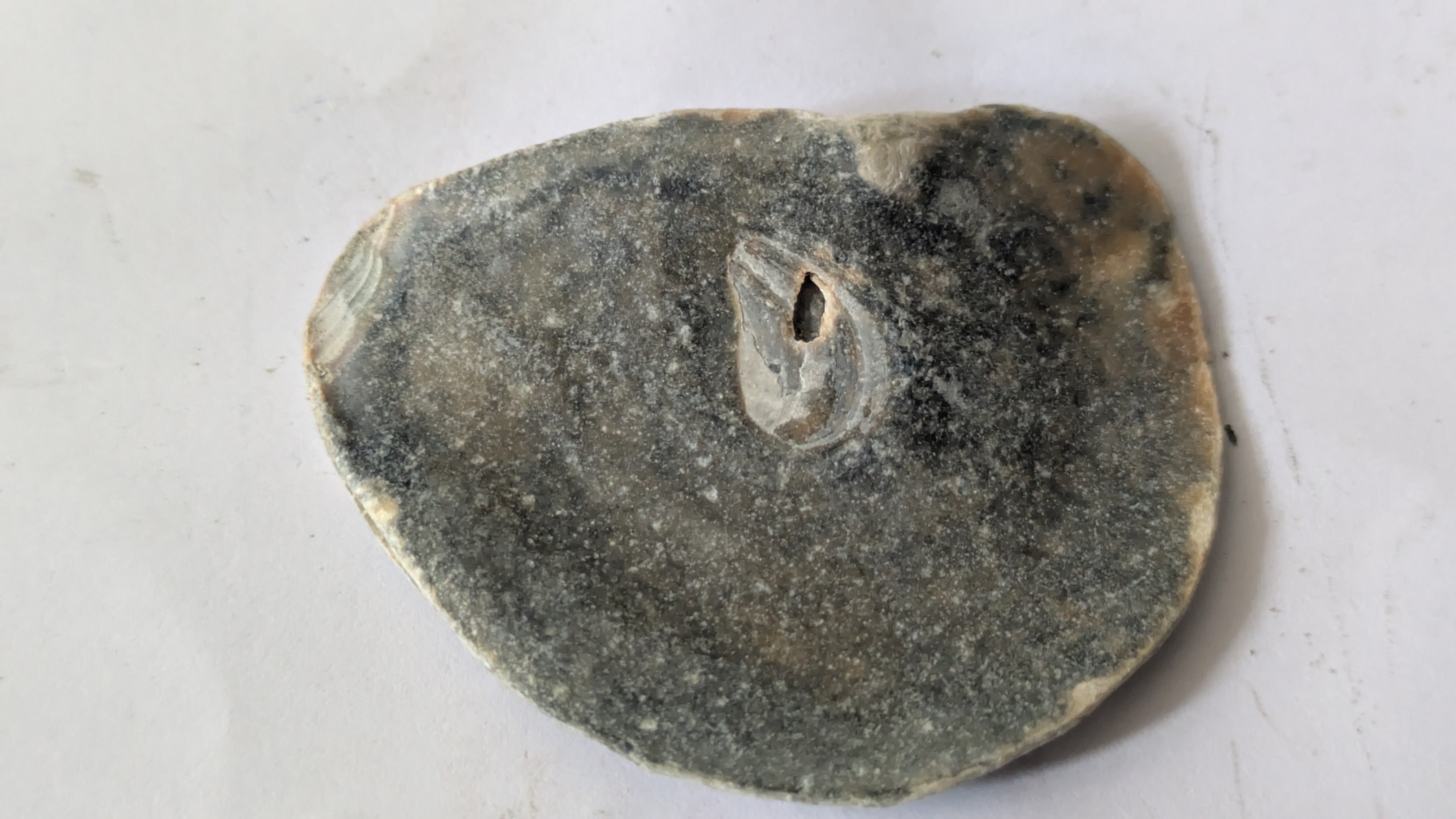
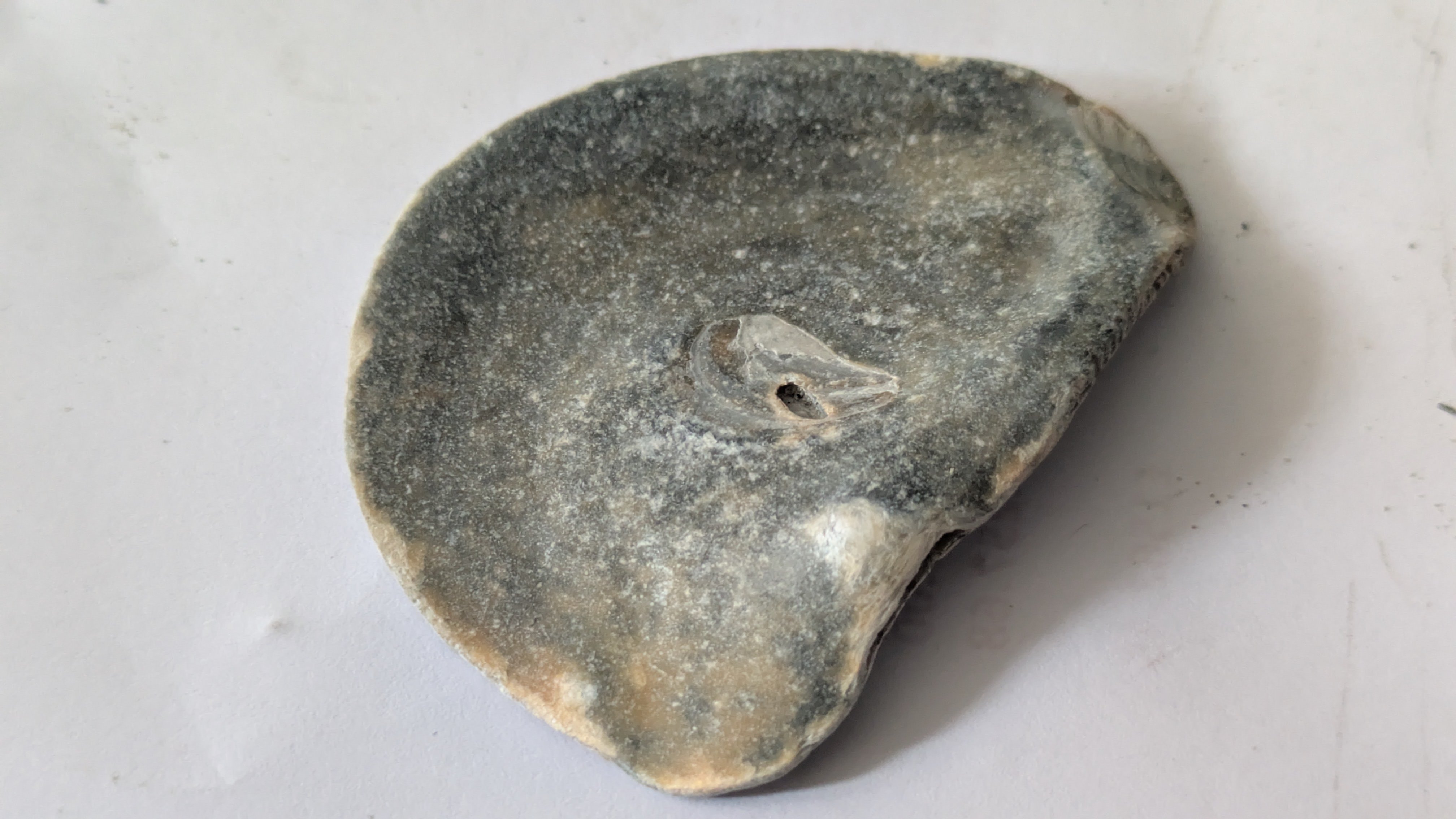
Ostreida
2 specimens


Ostreida
2 specimens
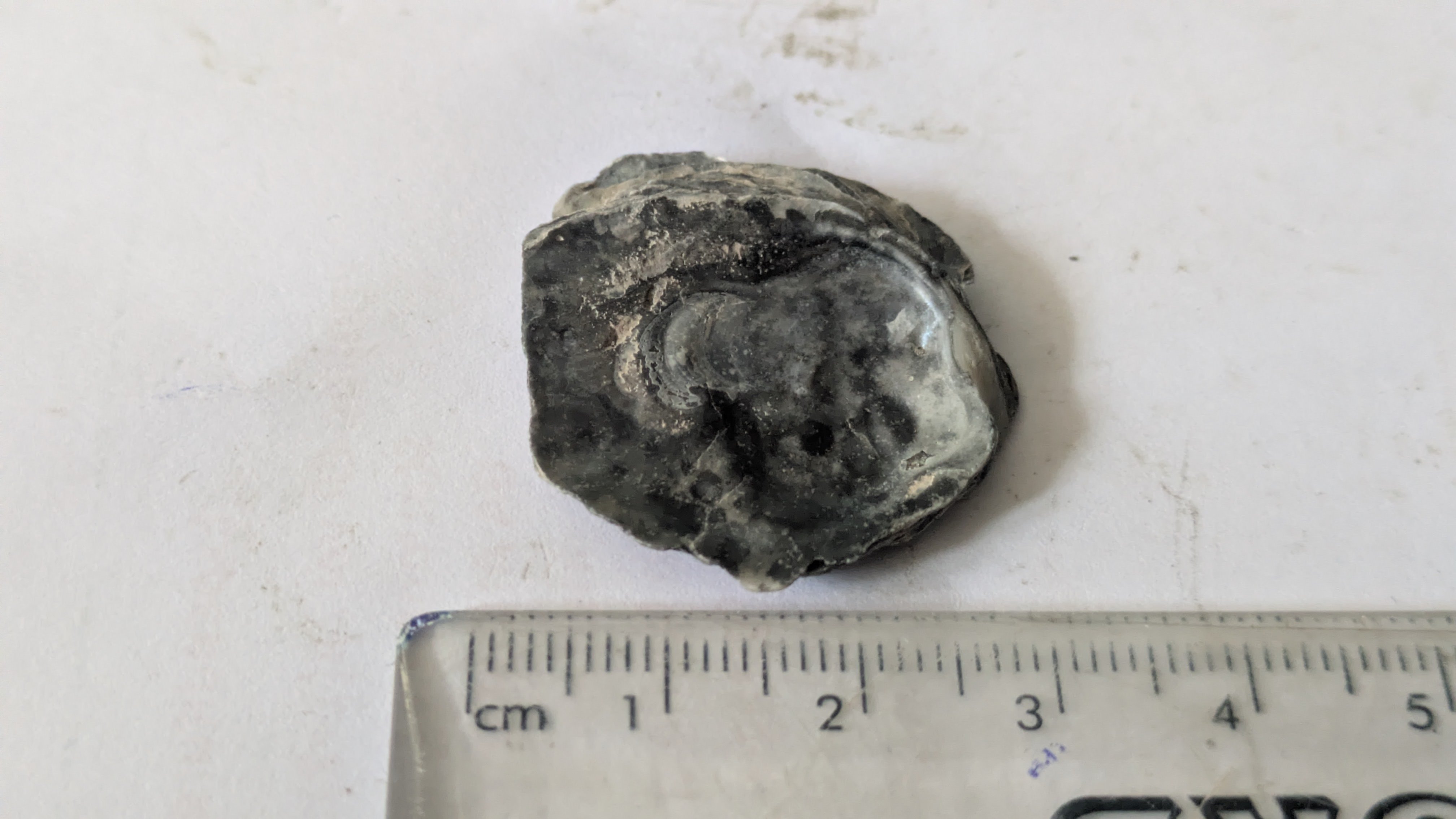
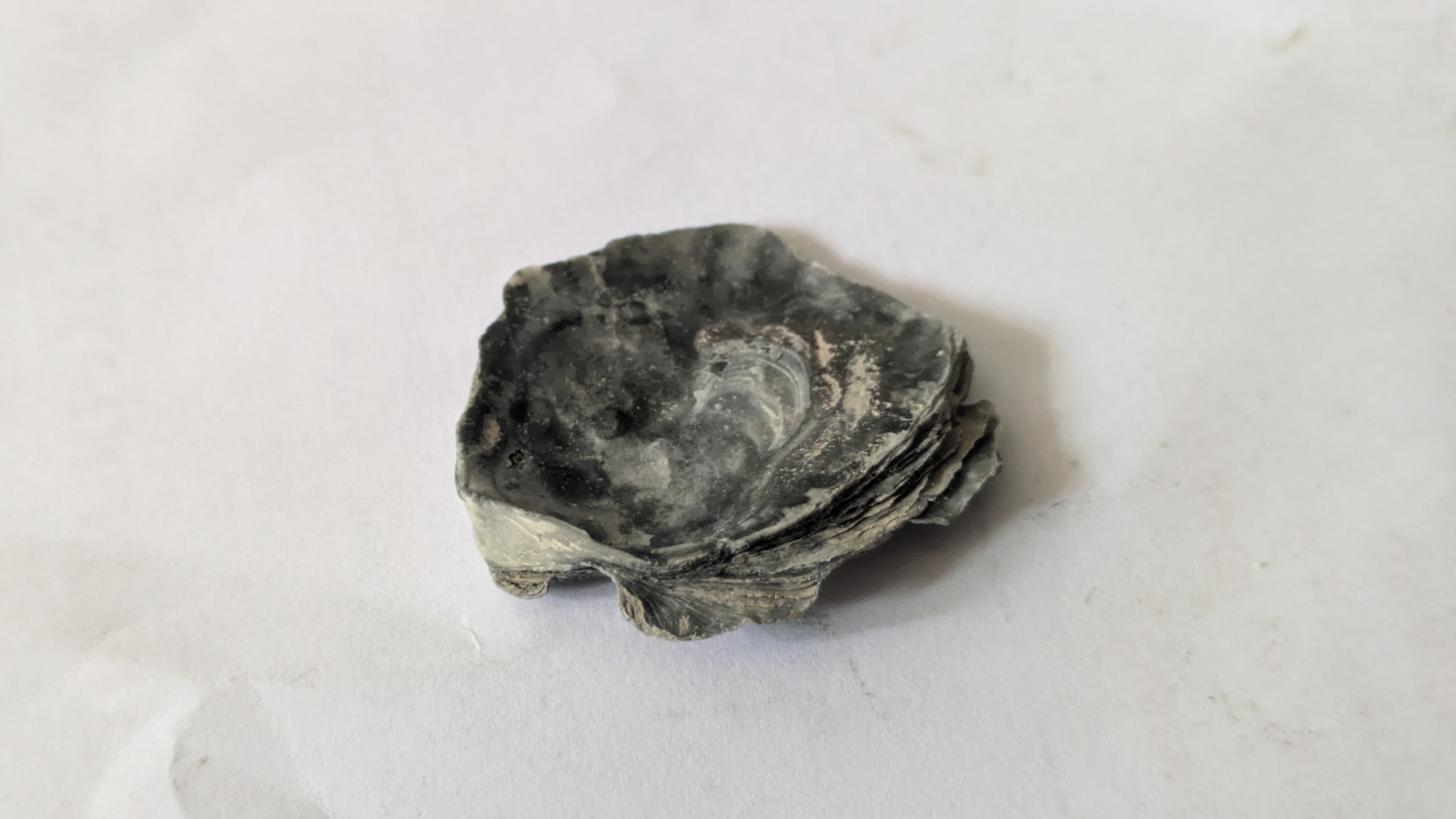
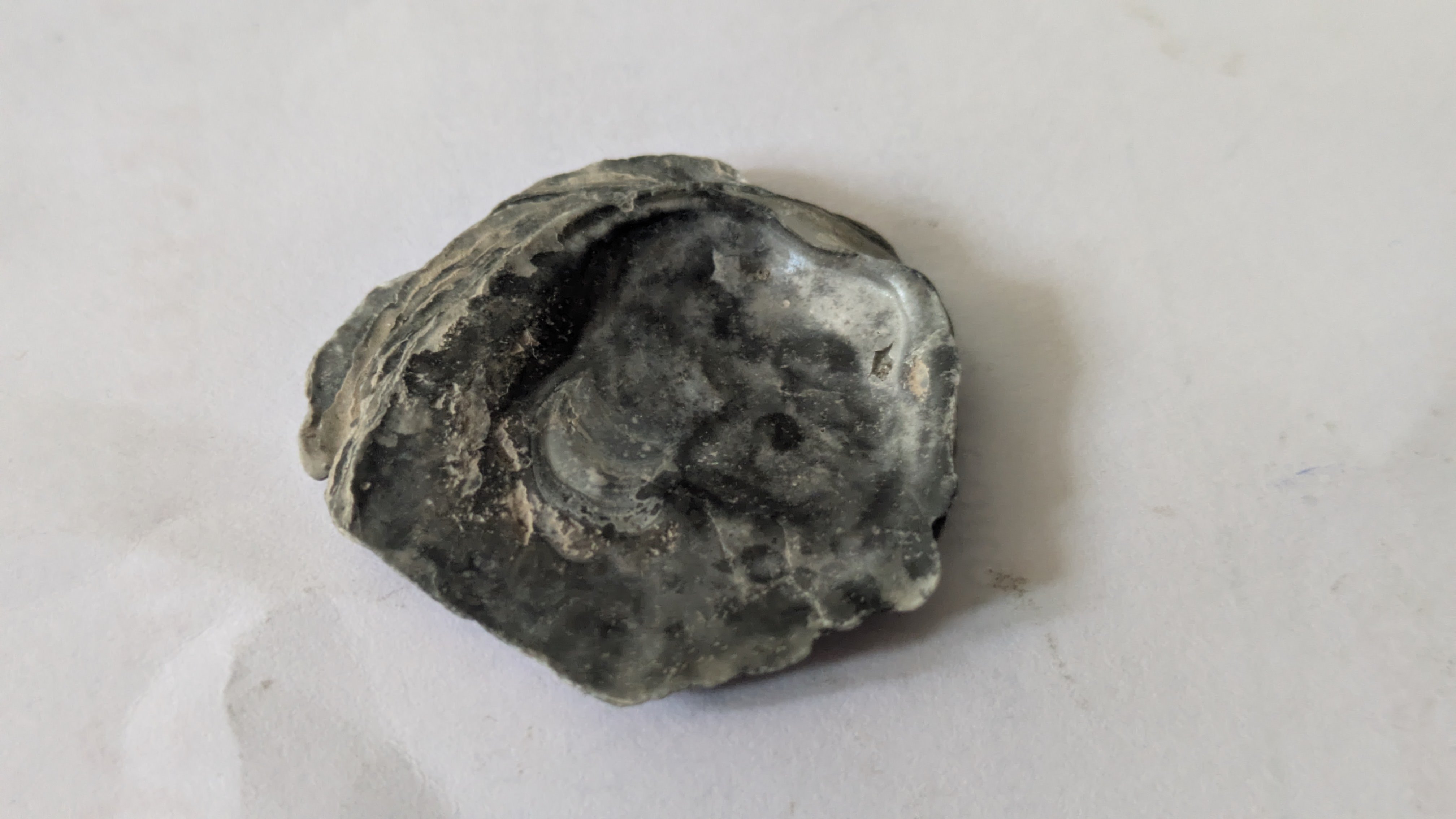
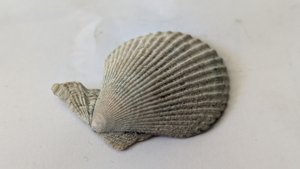
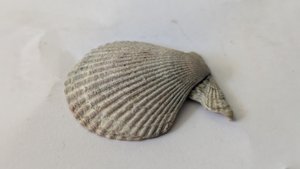
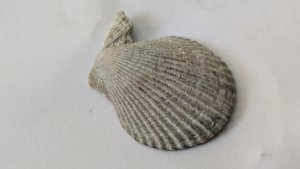
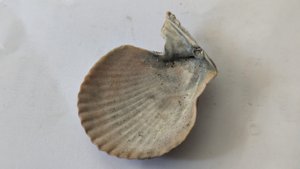
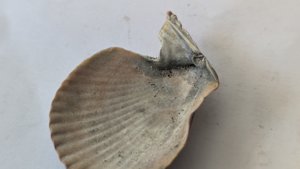
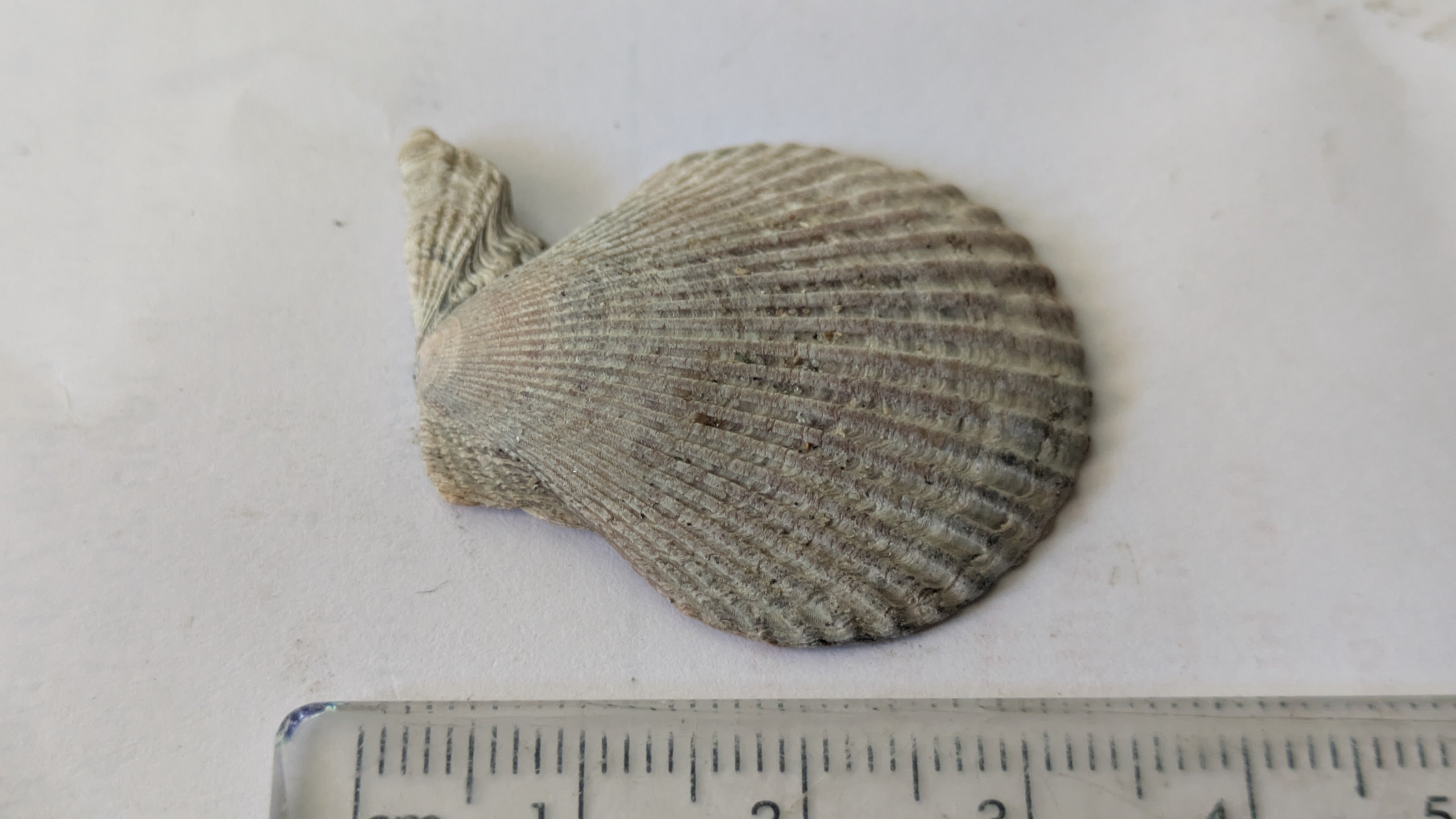
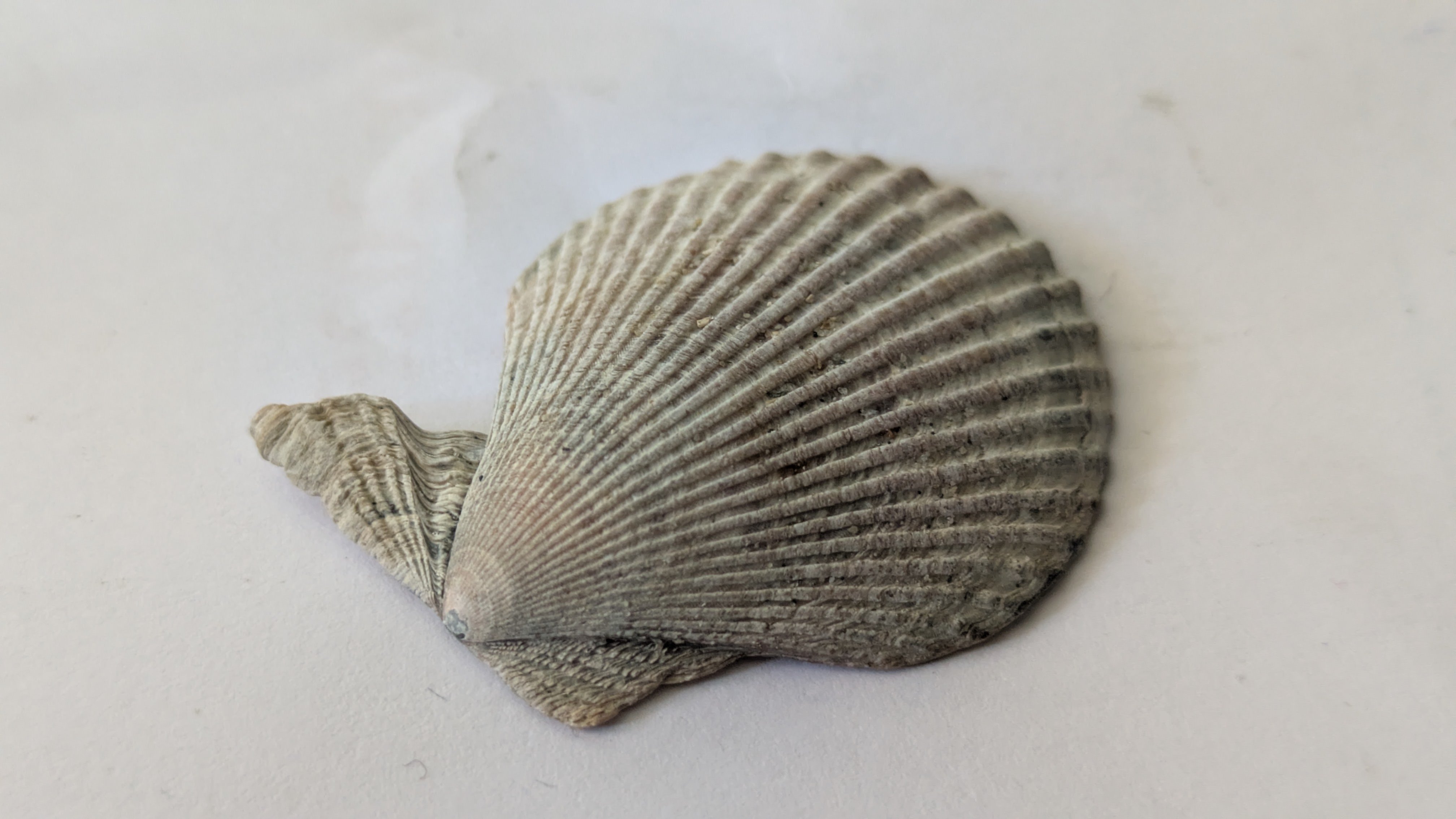
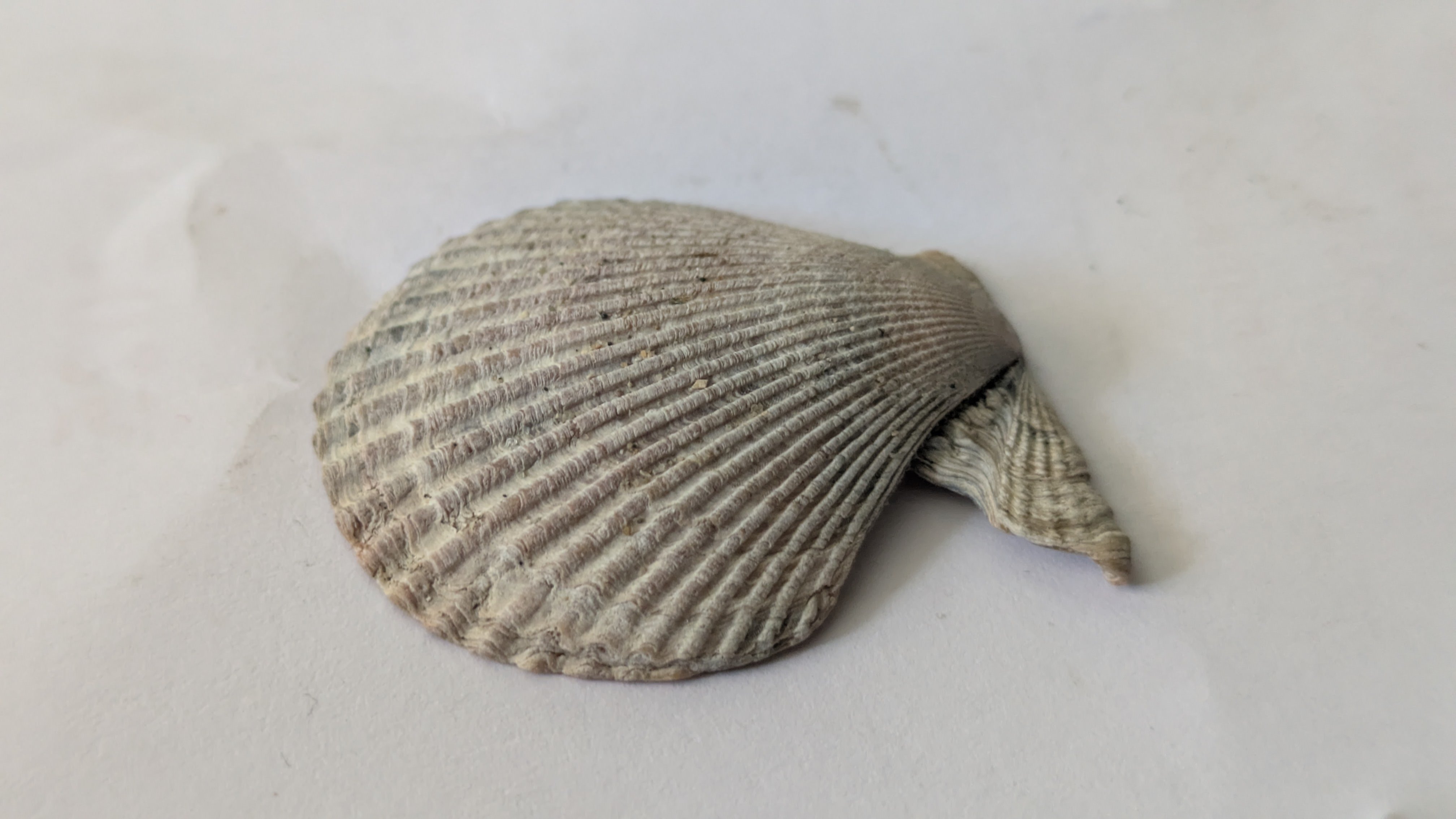
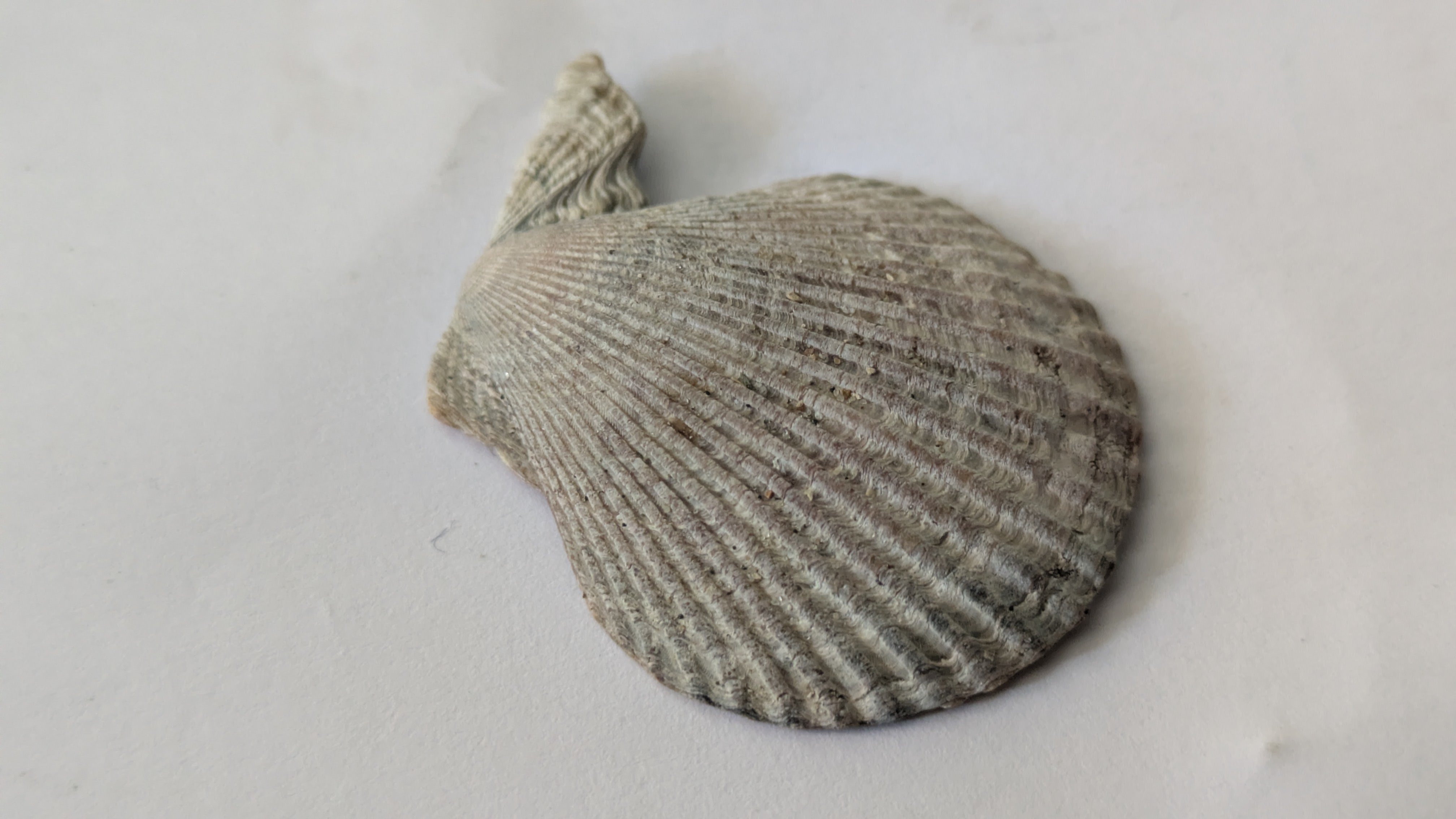
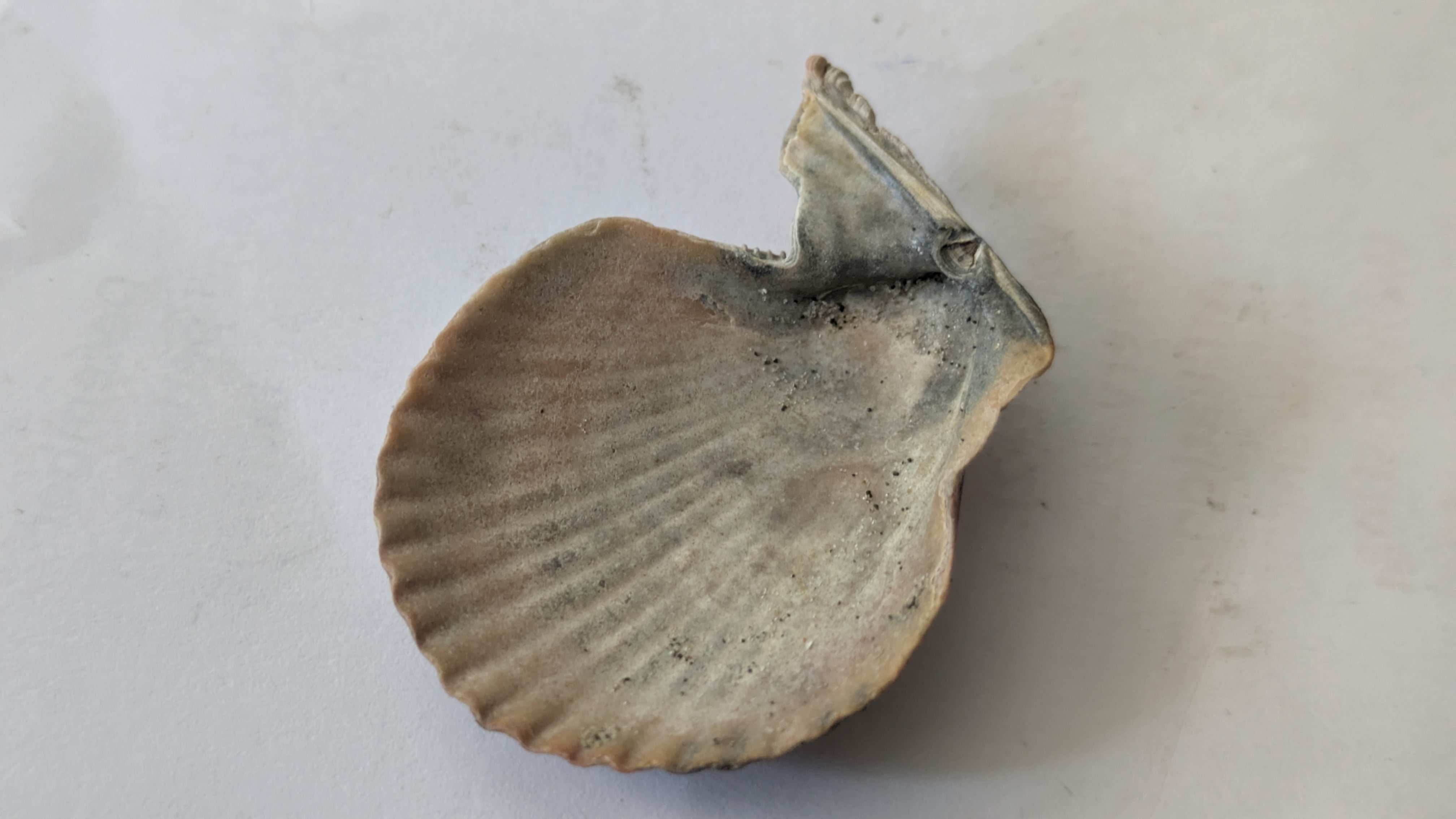
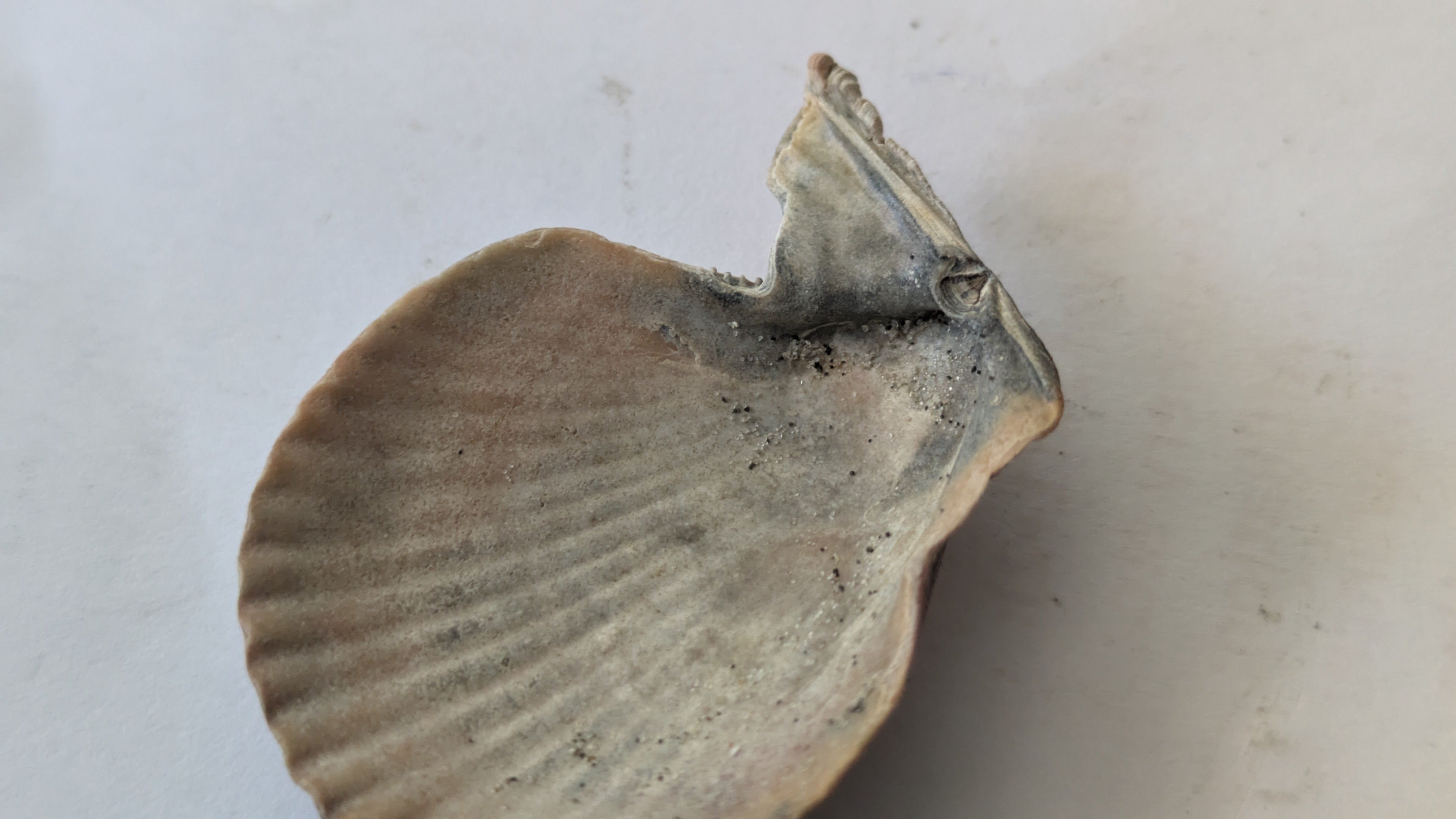
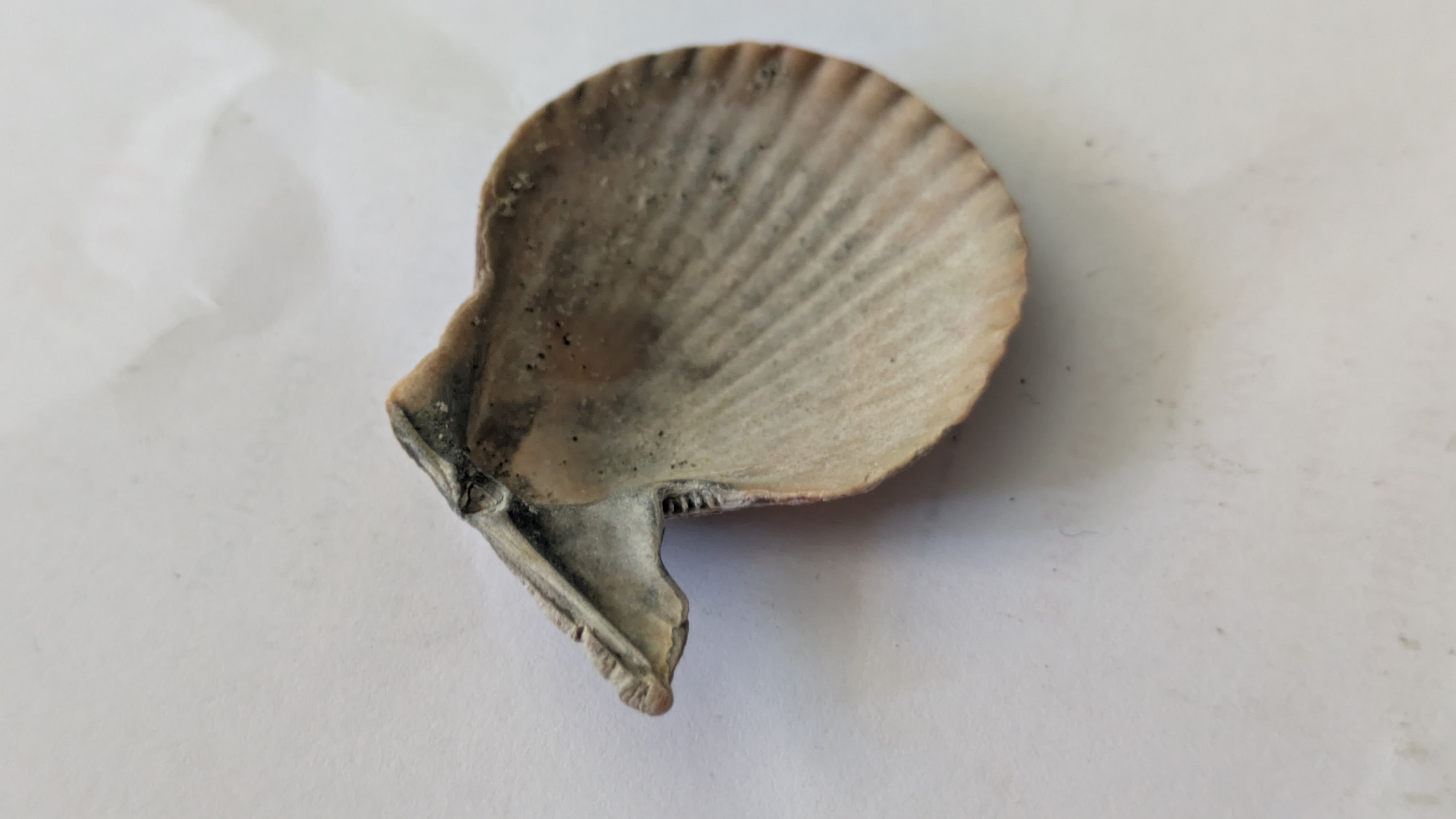
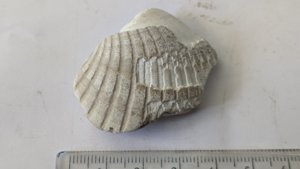
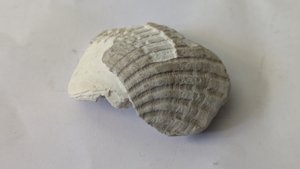
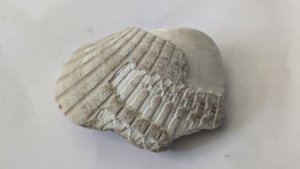
Pectinidae
1 specimen


Pectinidae
1 specimen
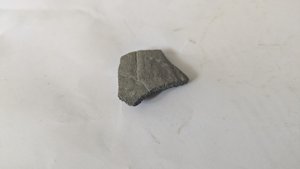
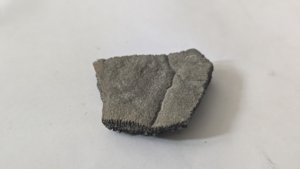
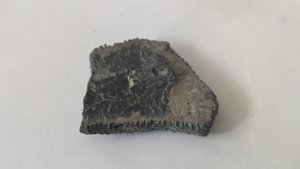
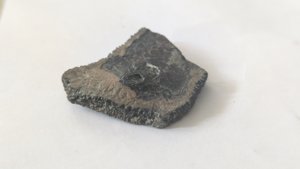
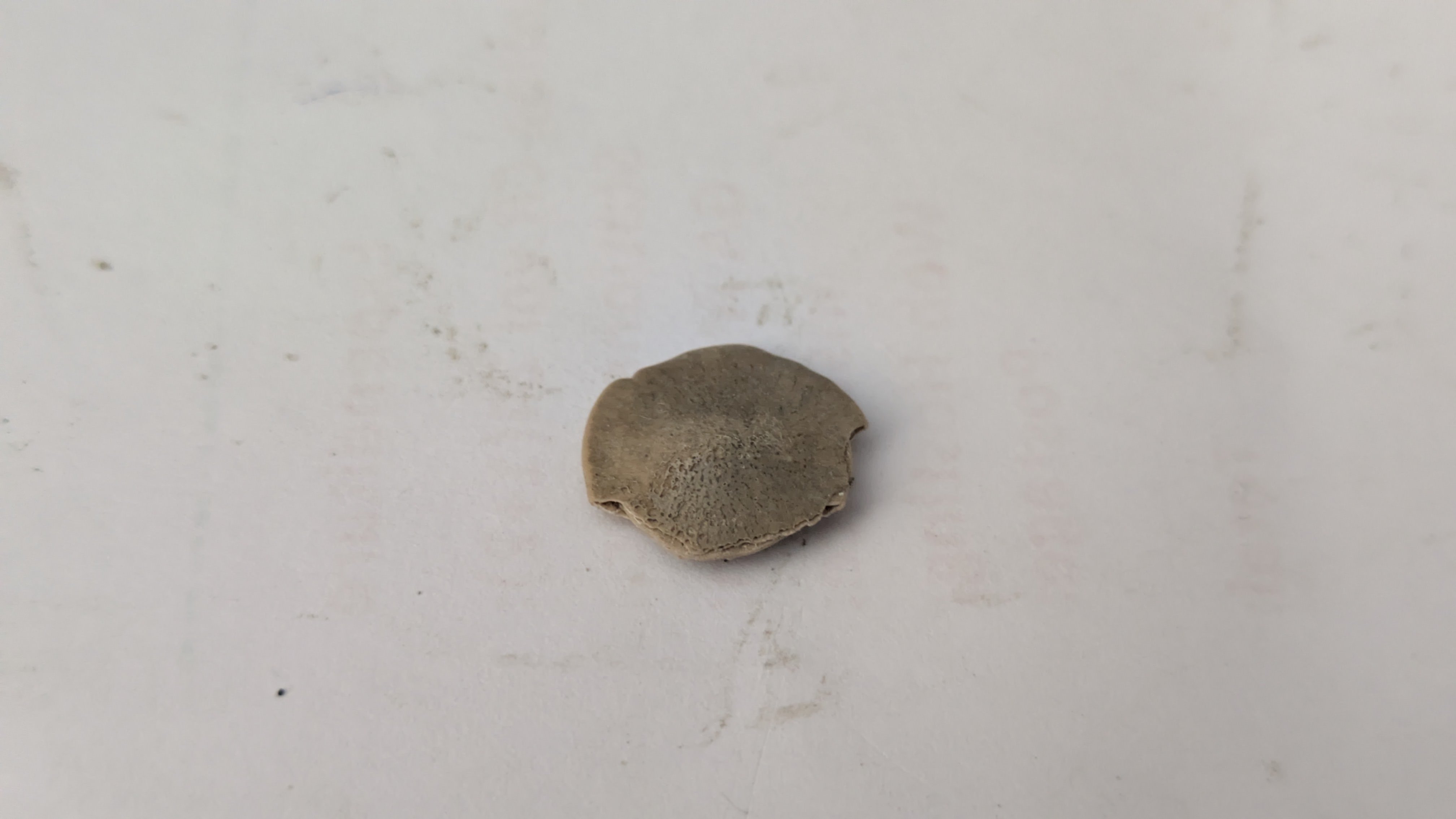
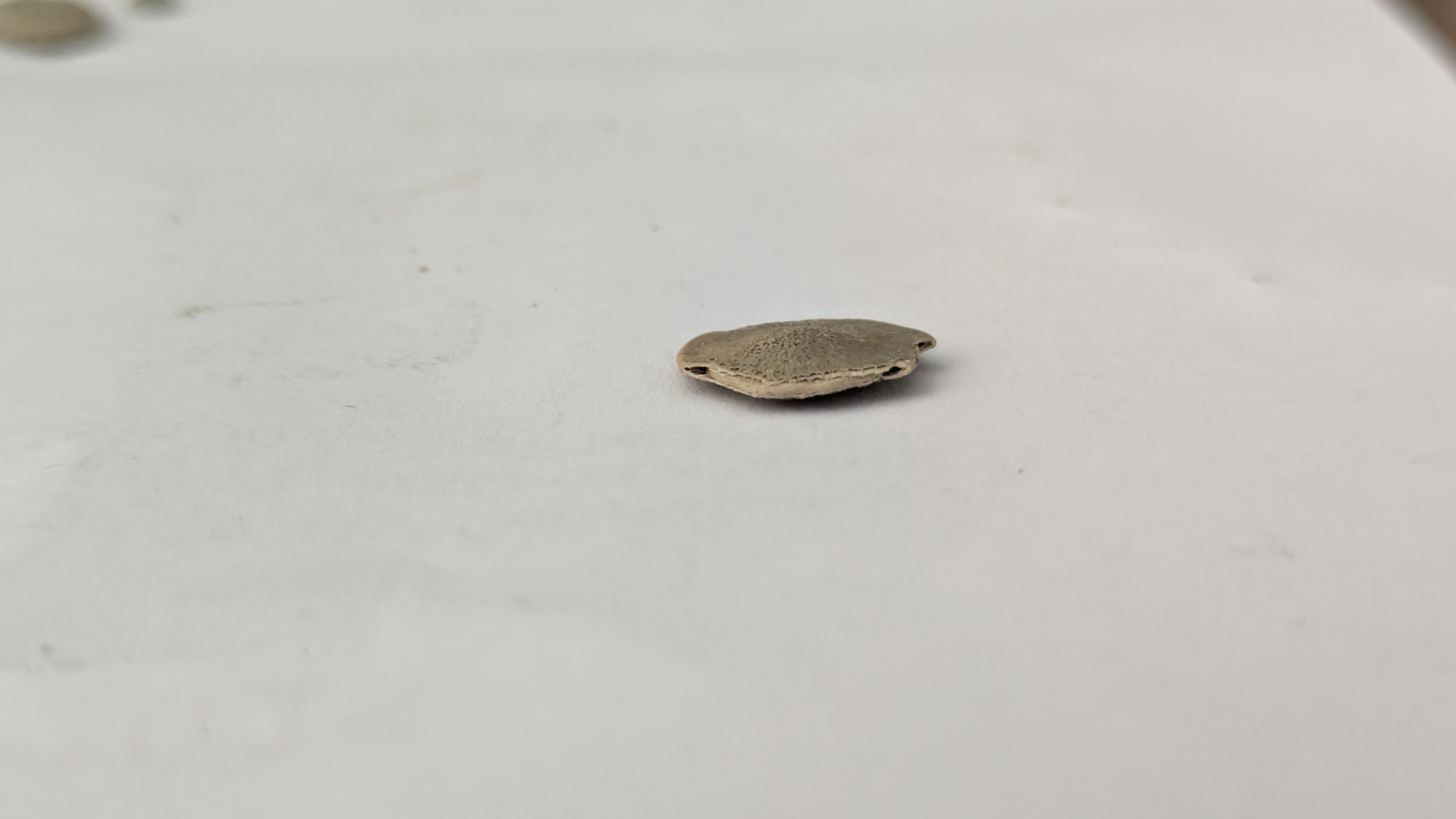
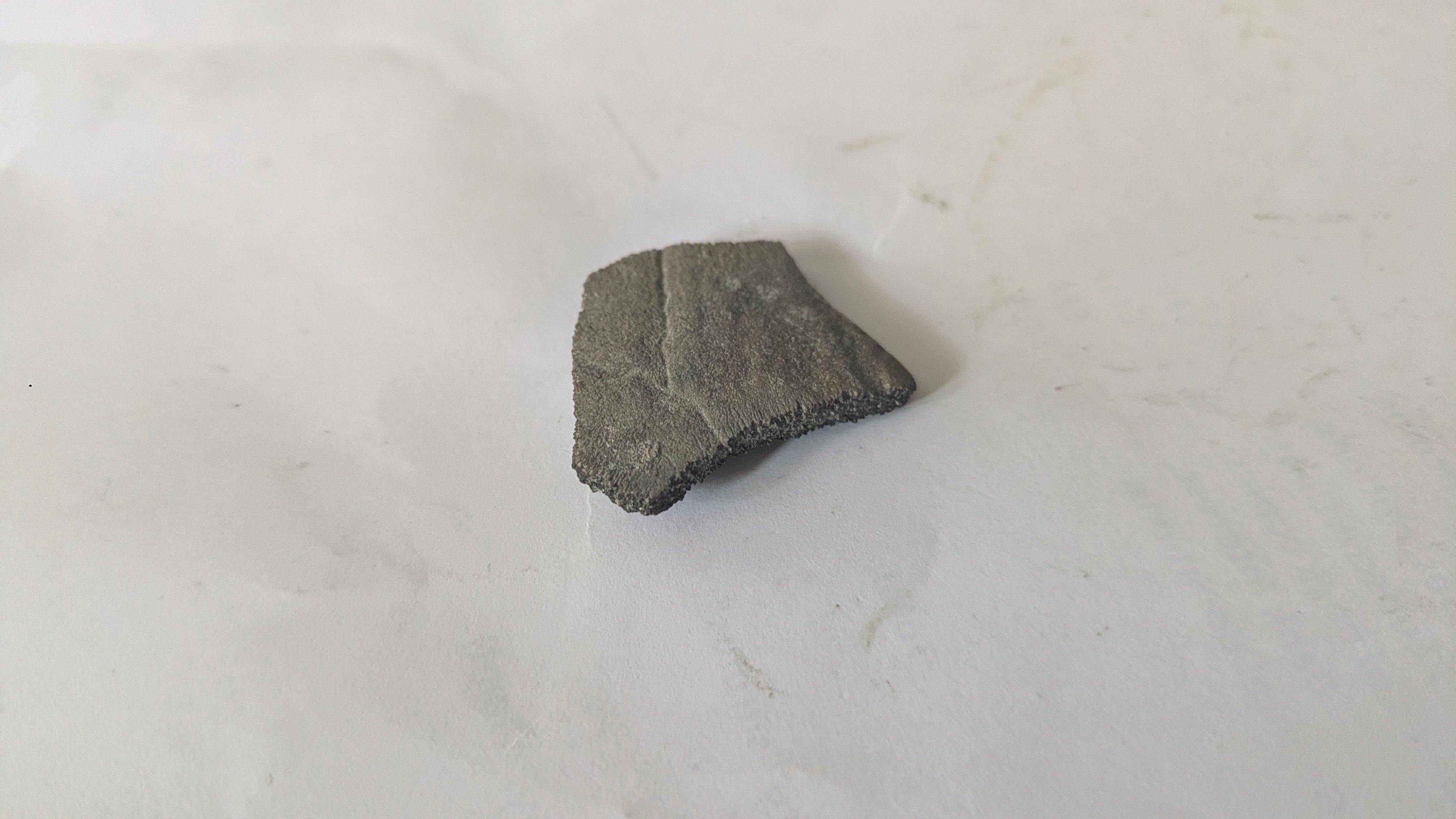
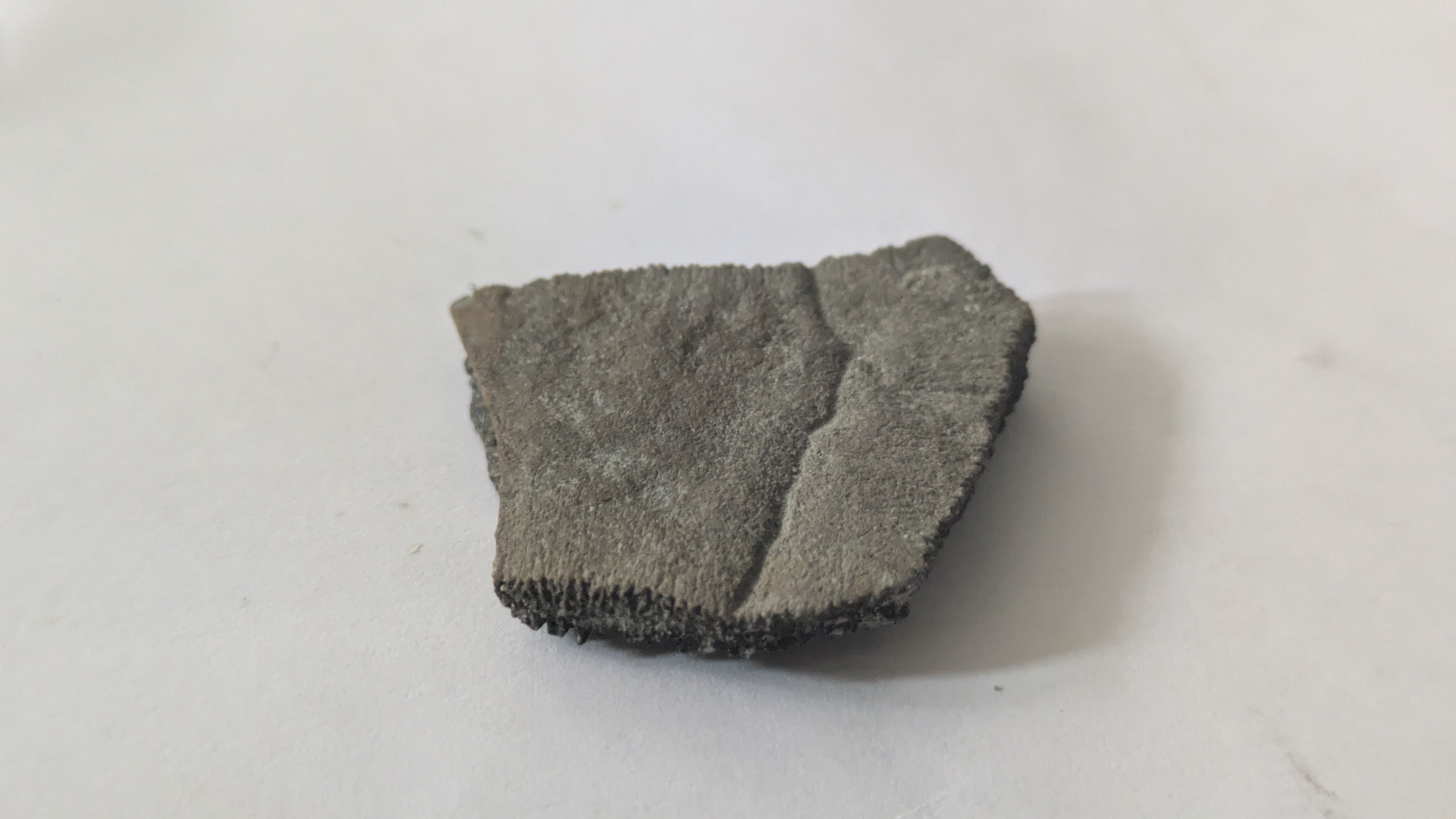
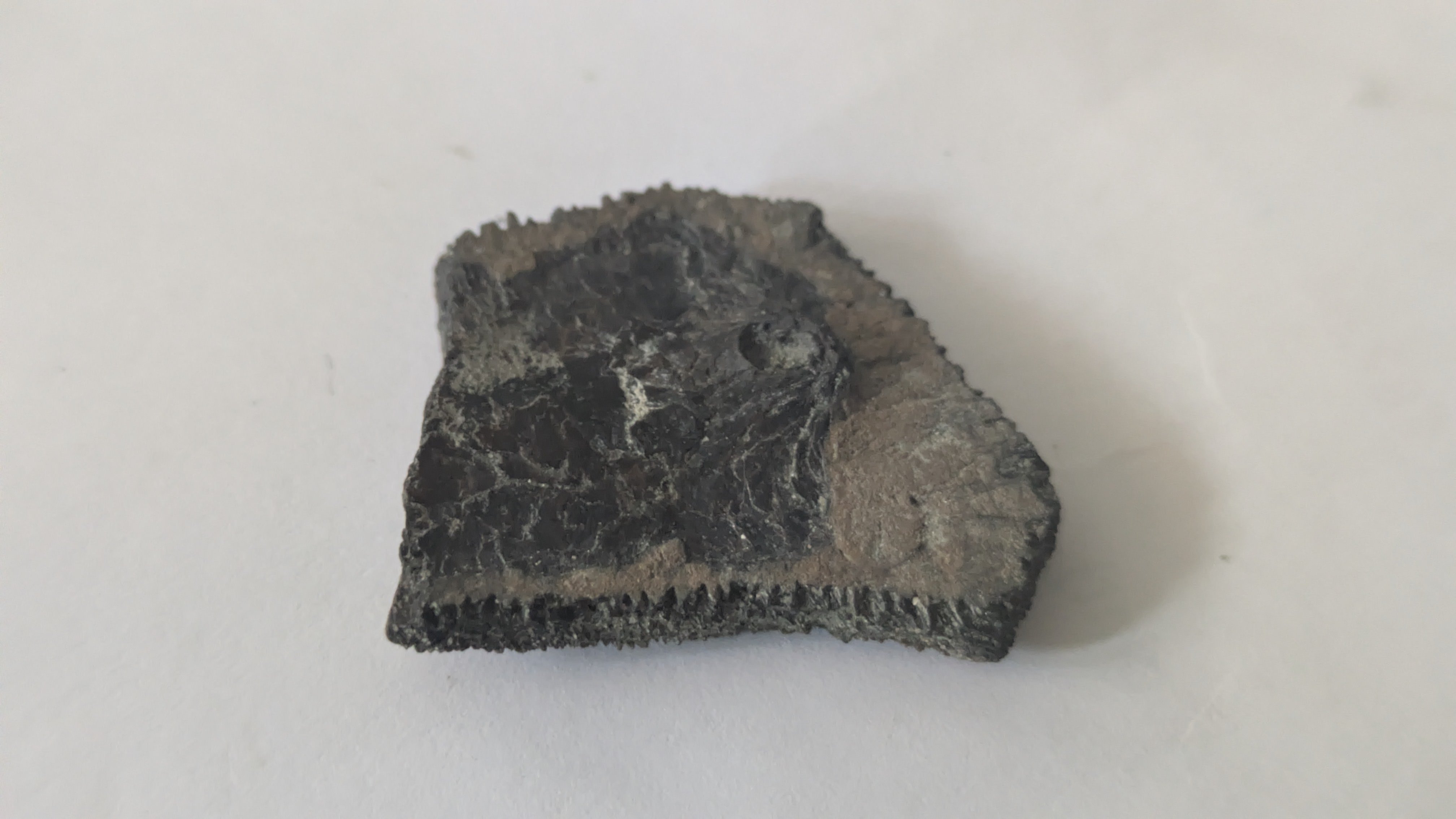
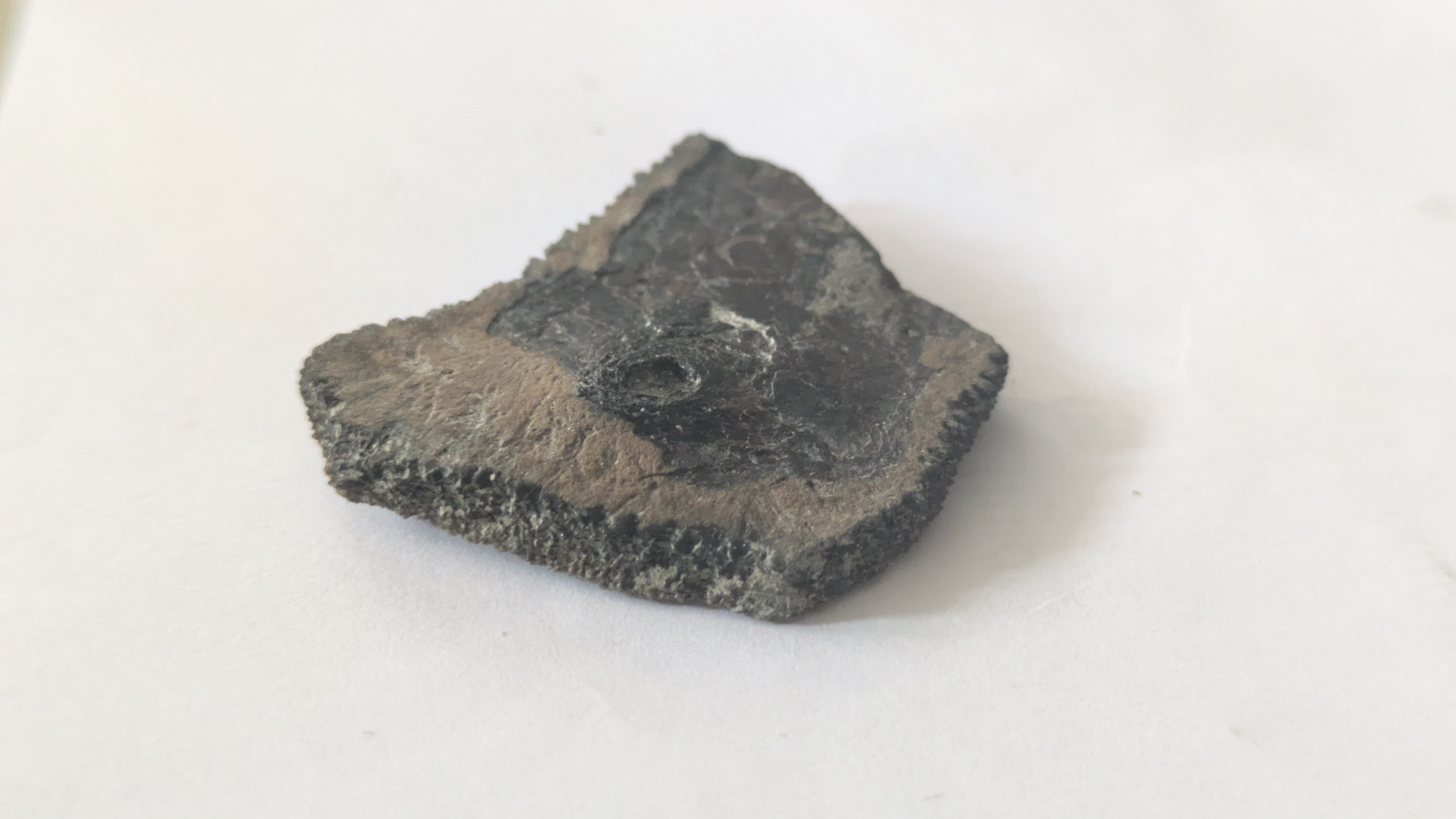
Testudines
1 specimen


Testudines
1 specimen
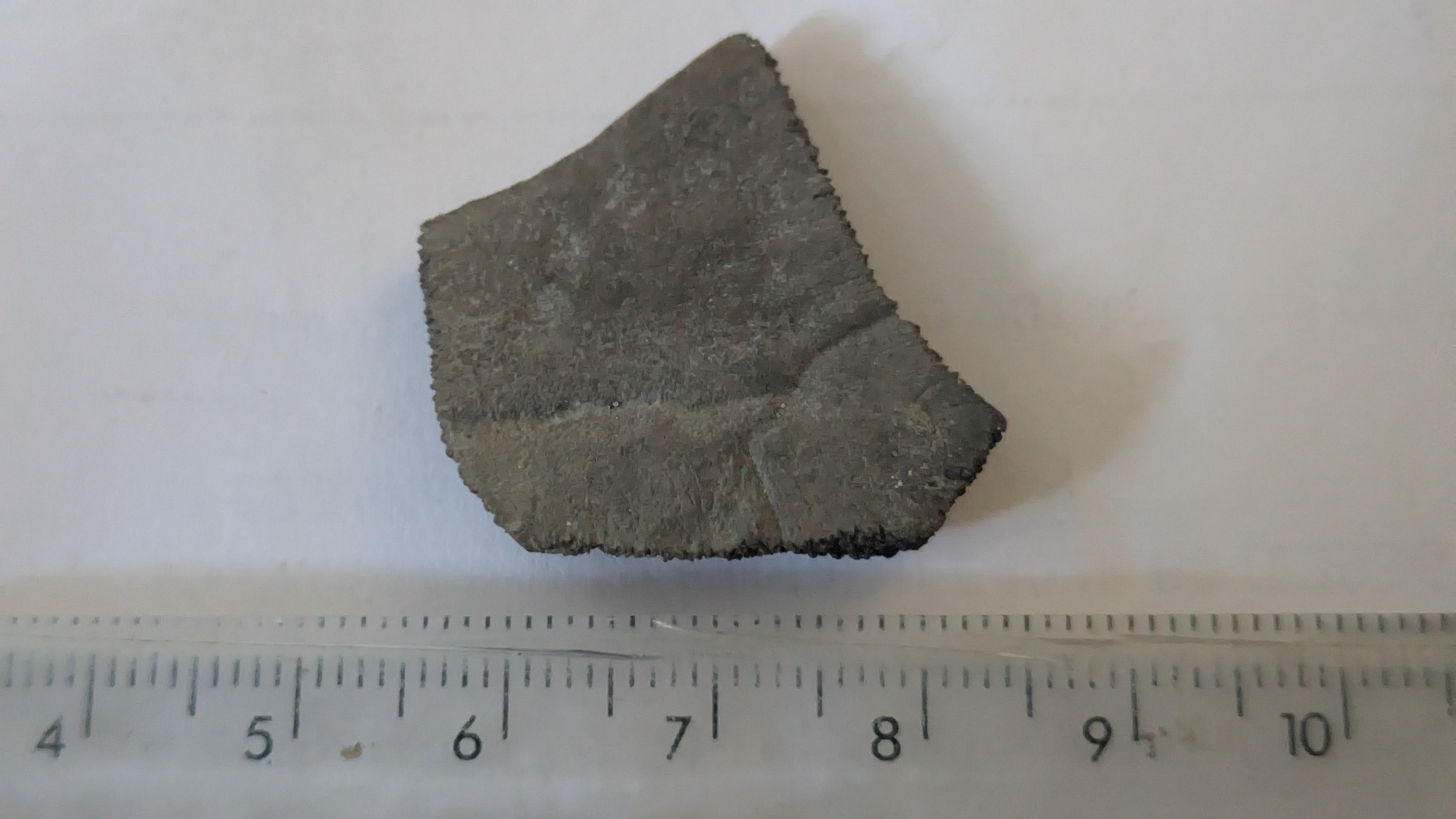
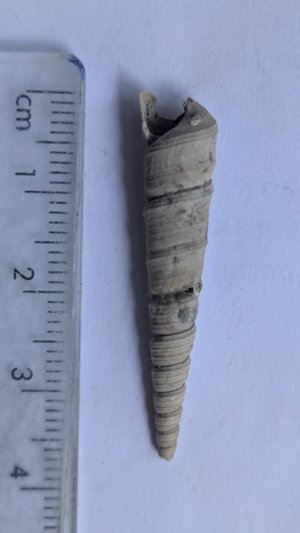
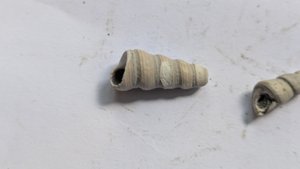
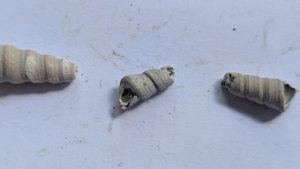
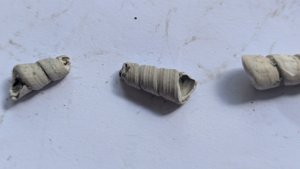
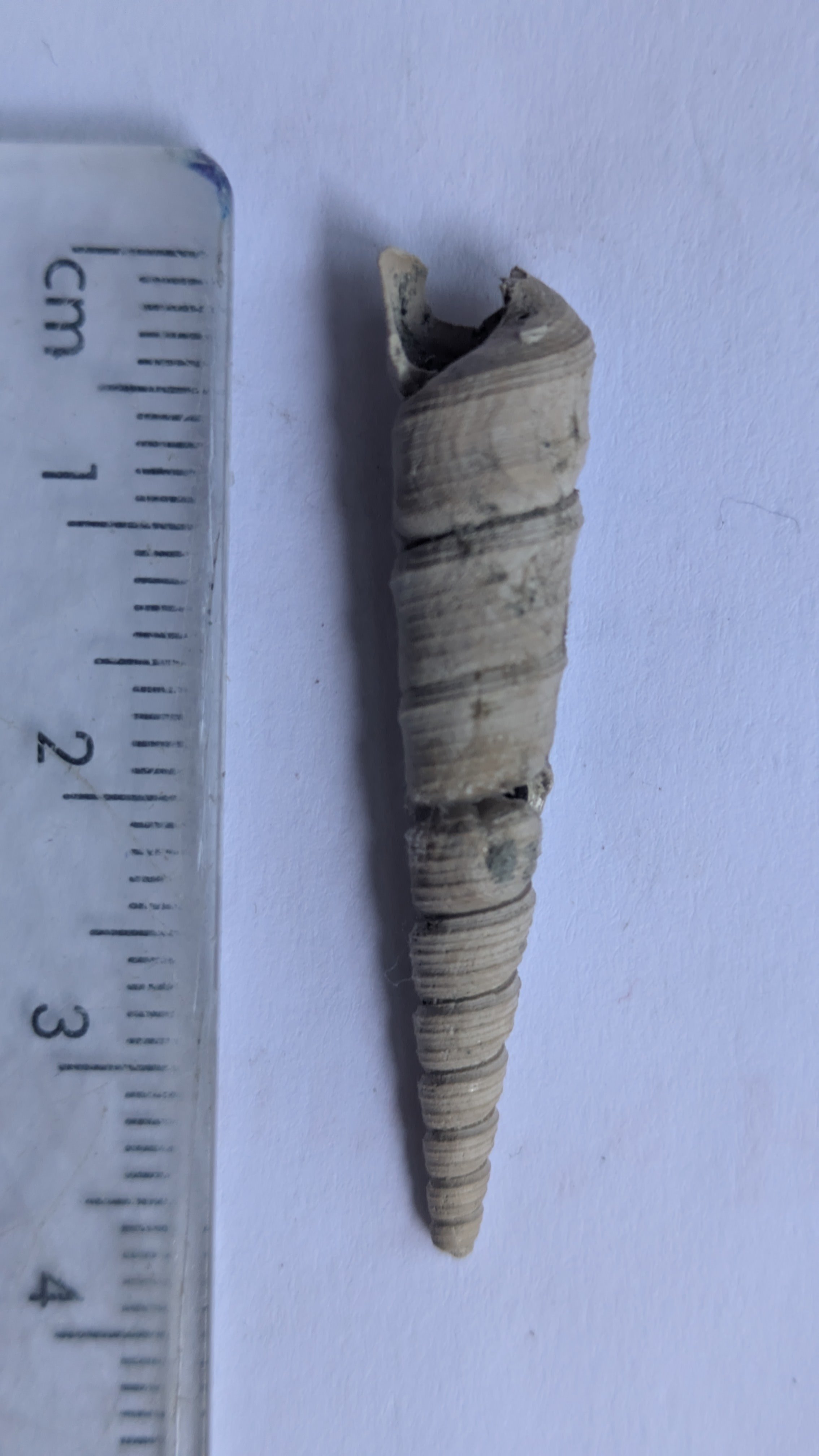
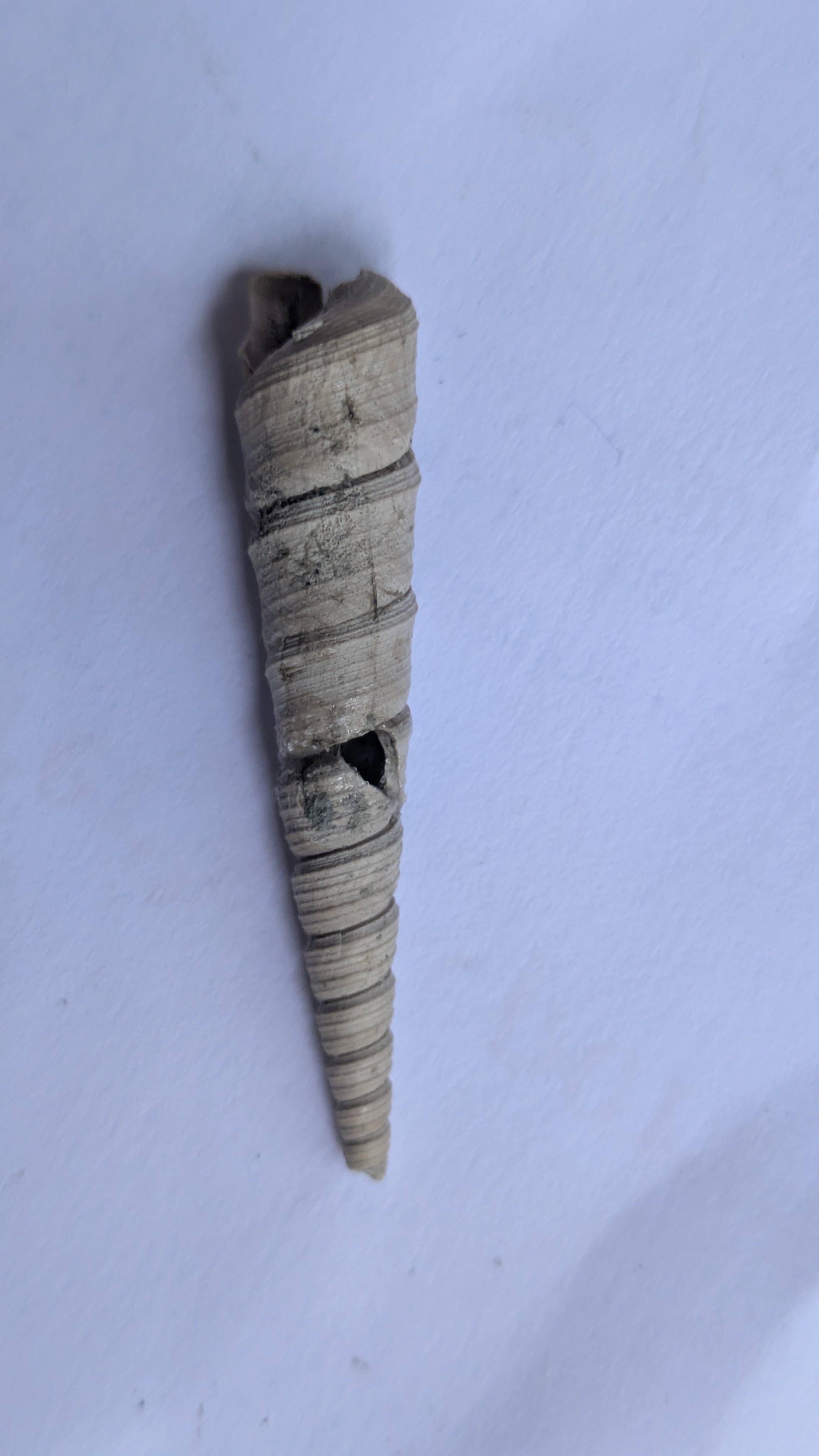
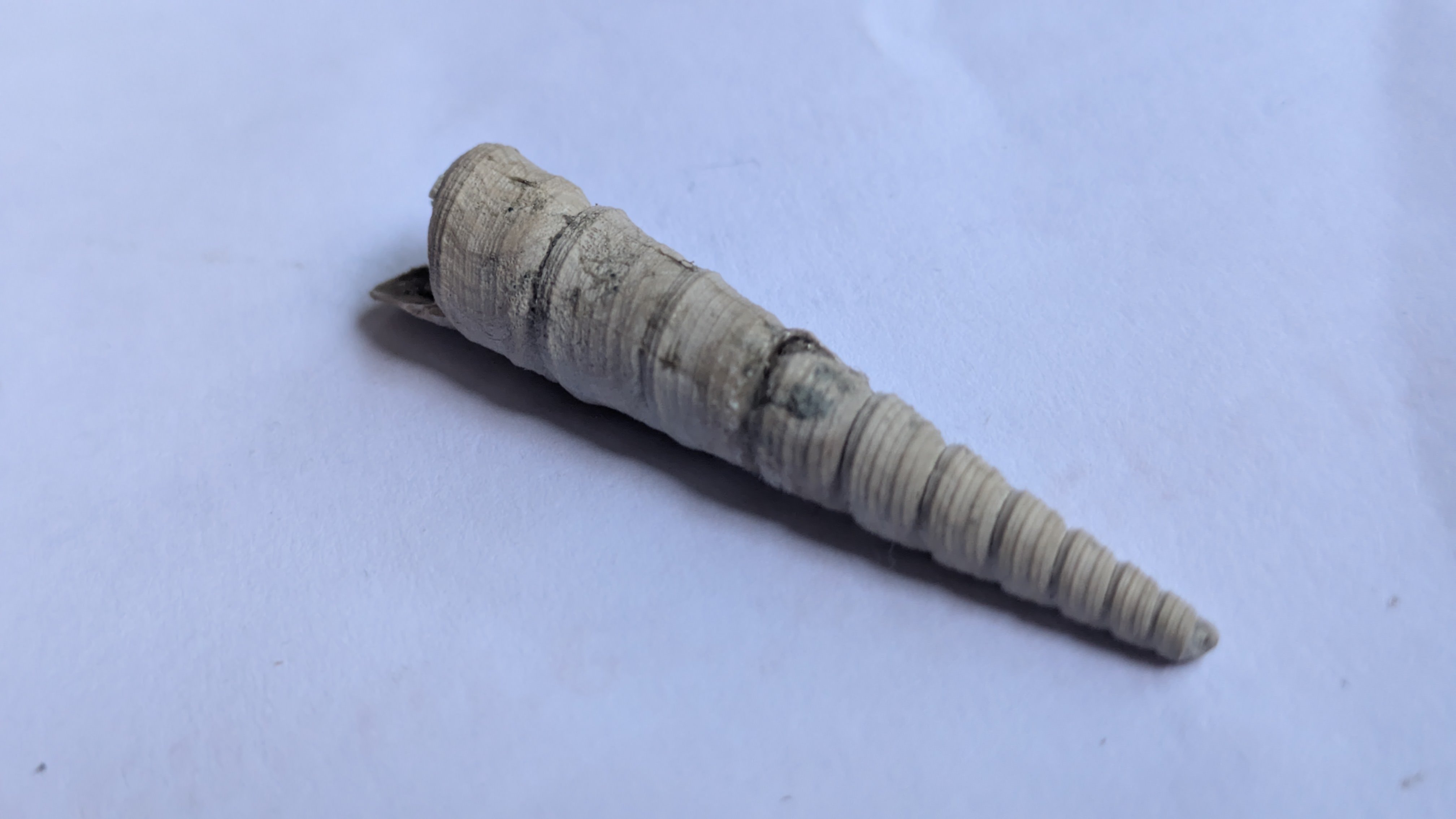
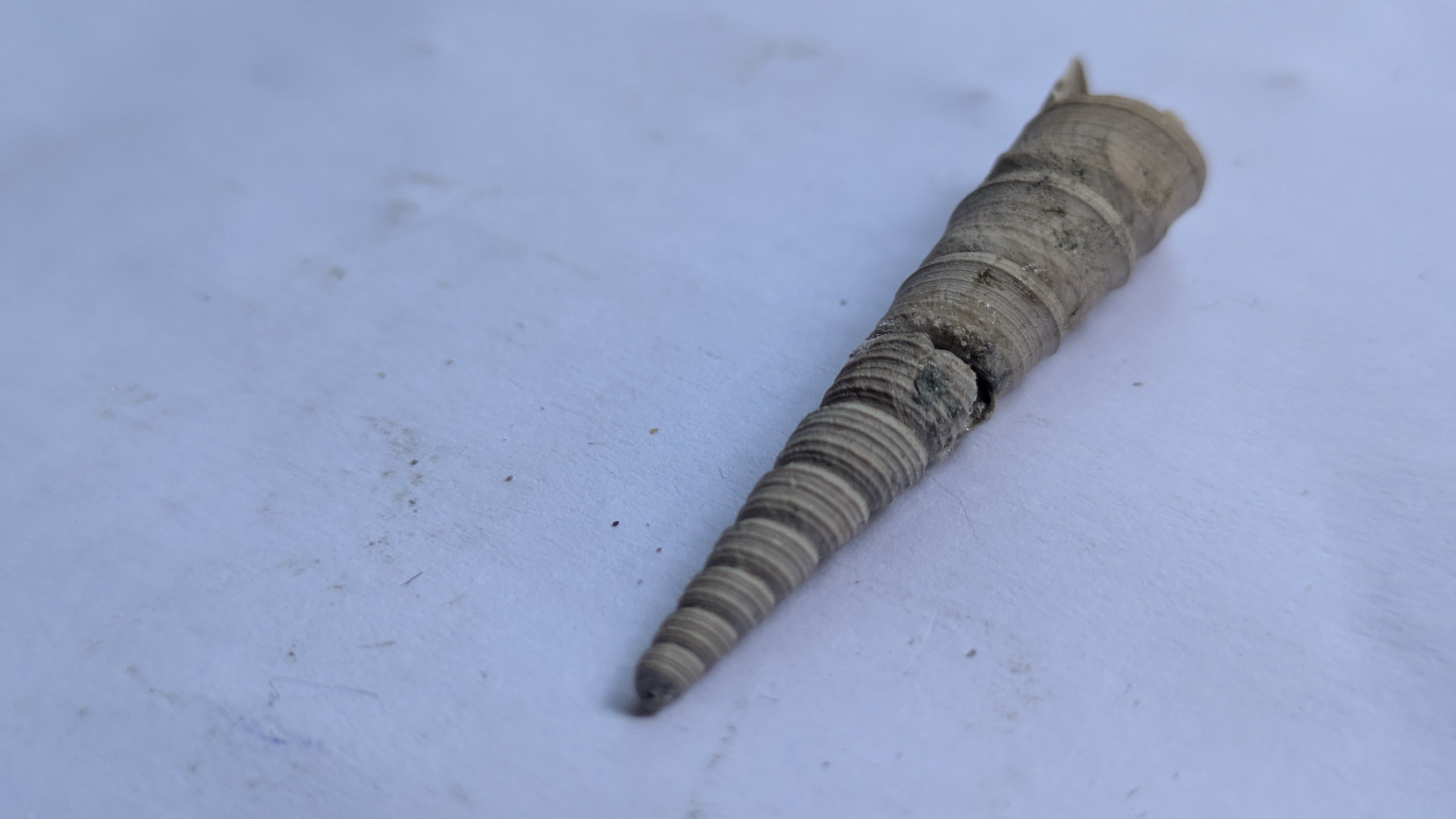
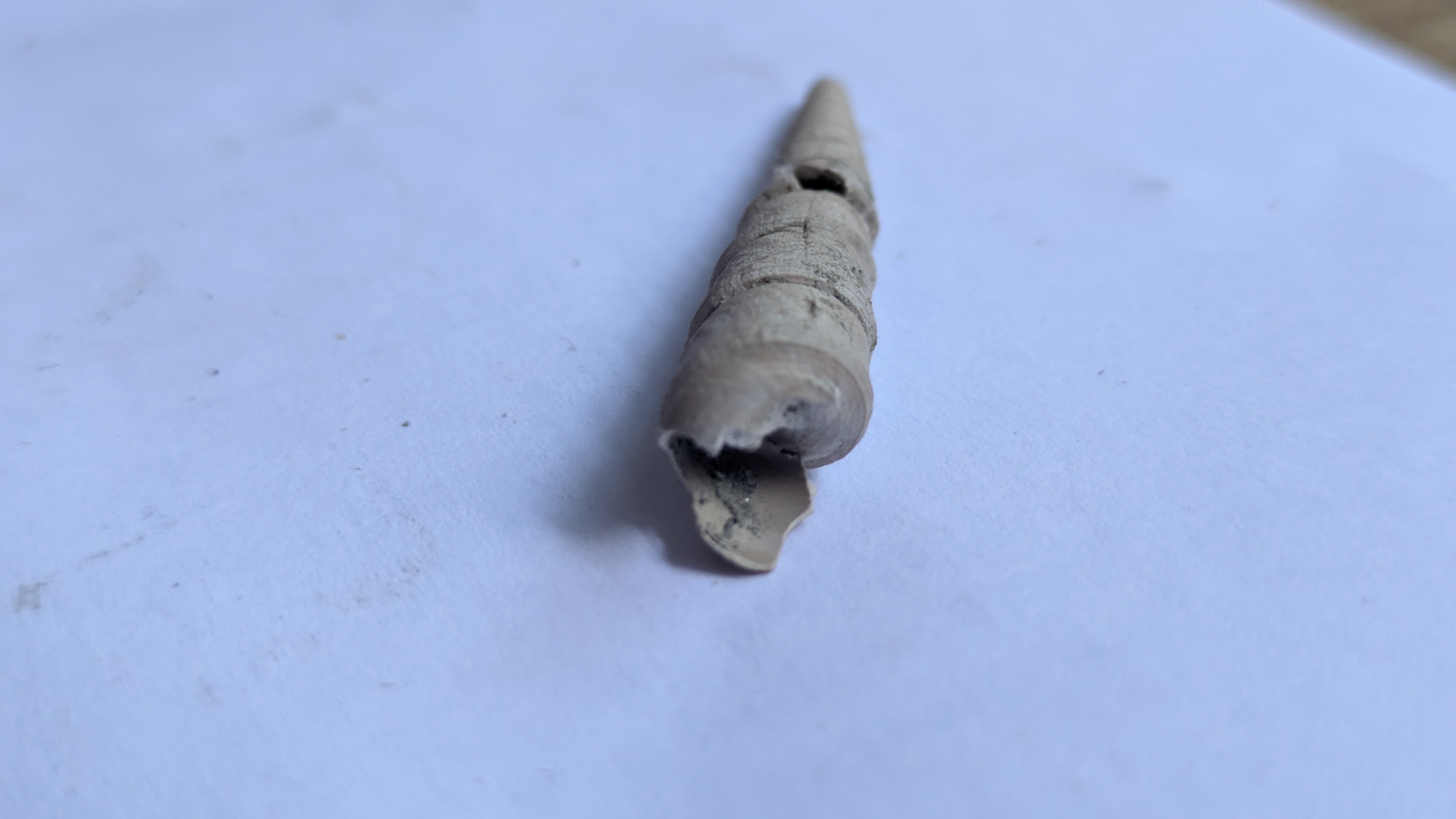
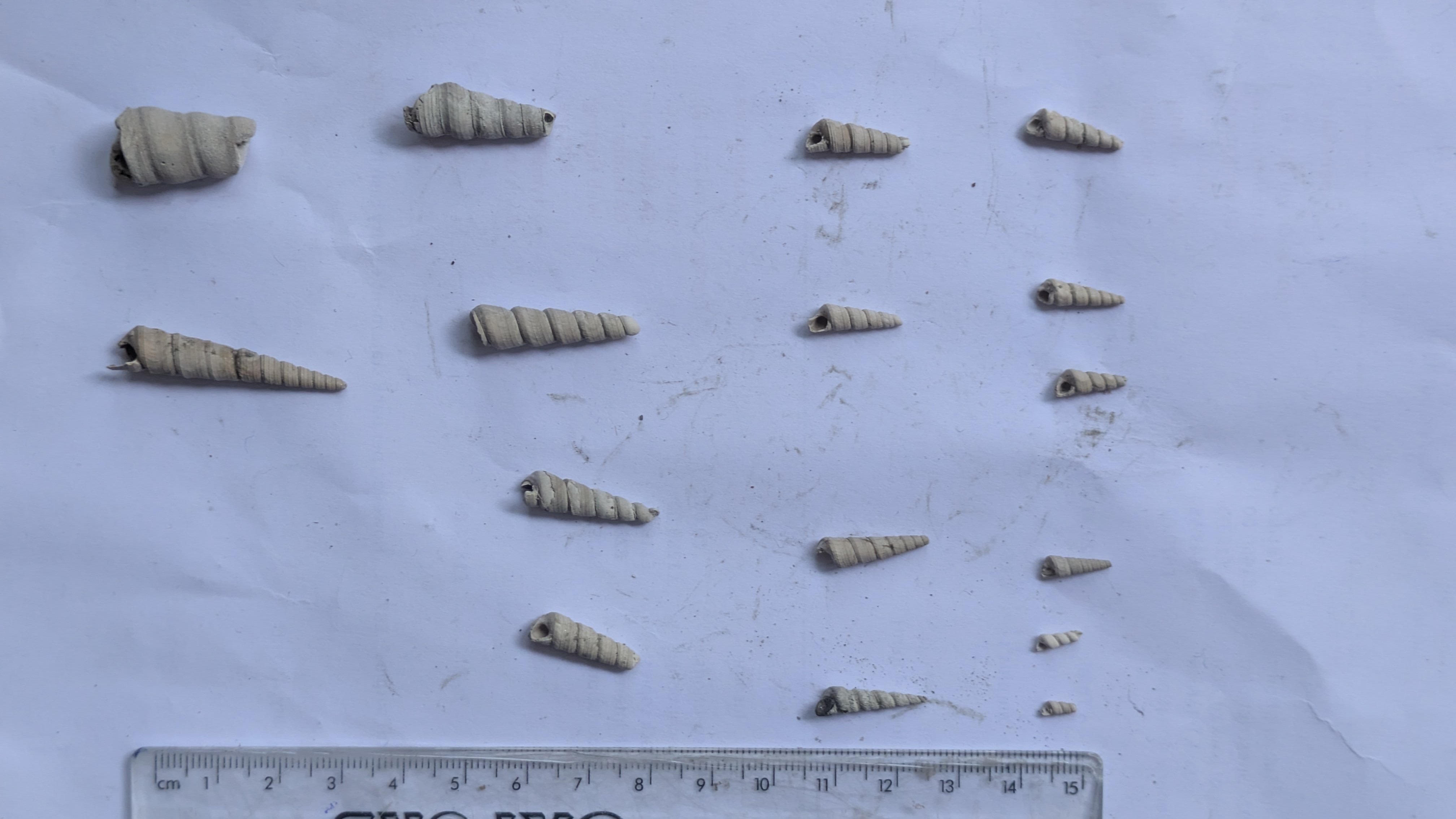
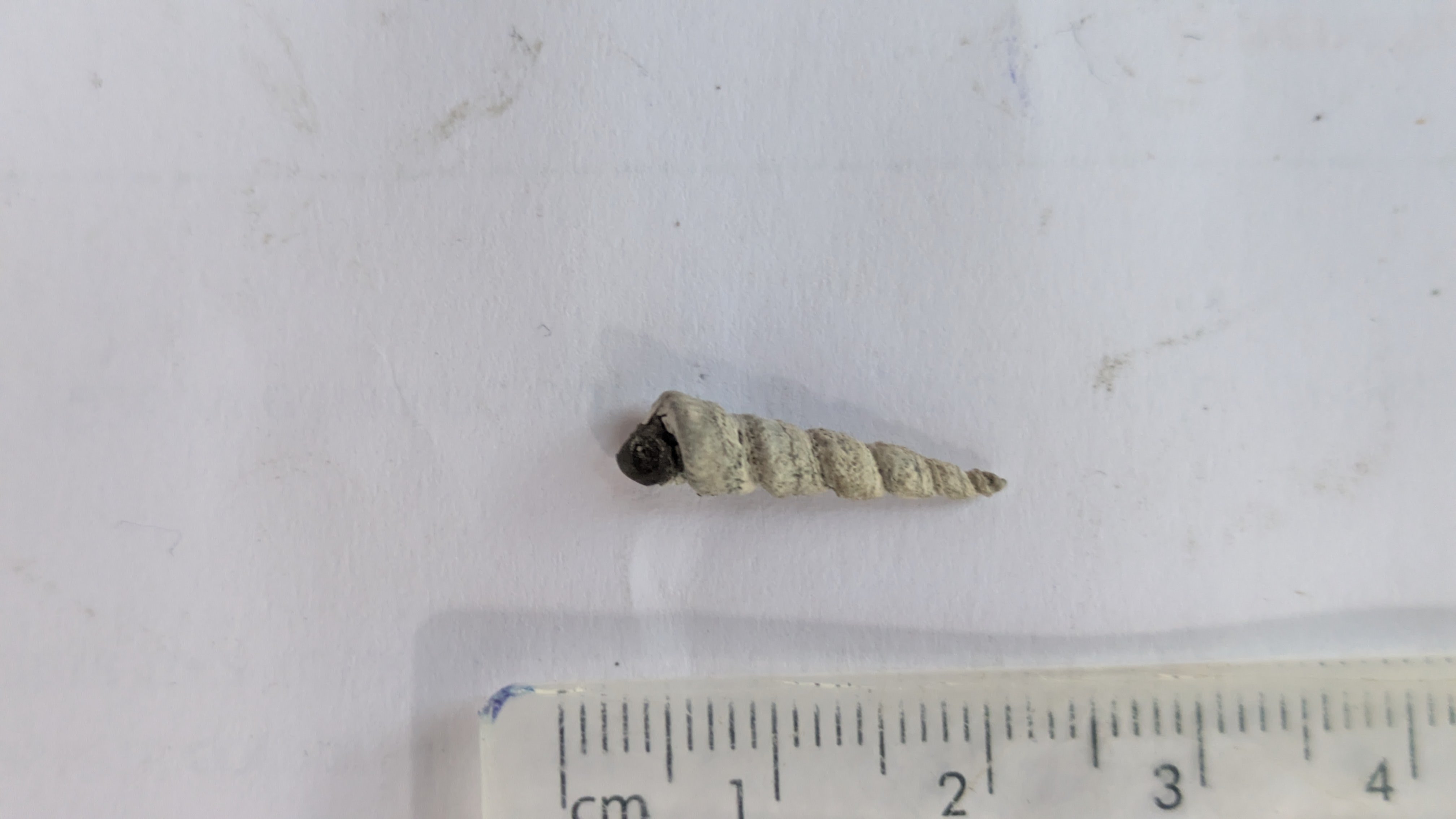
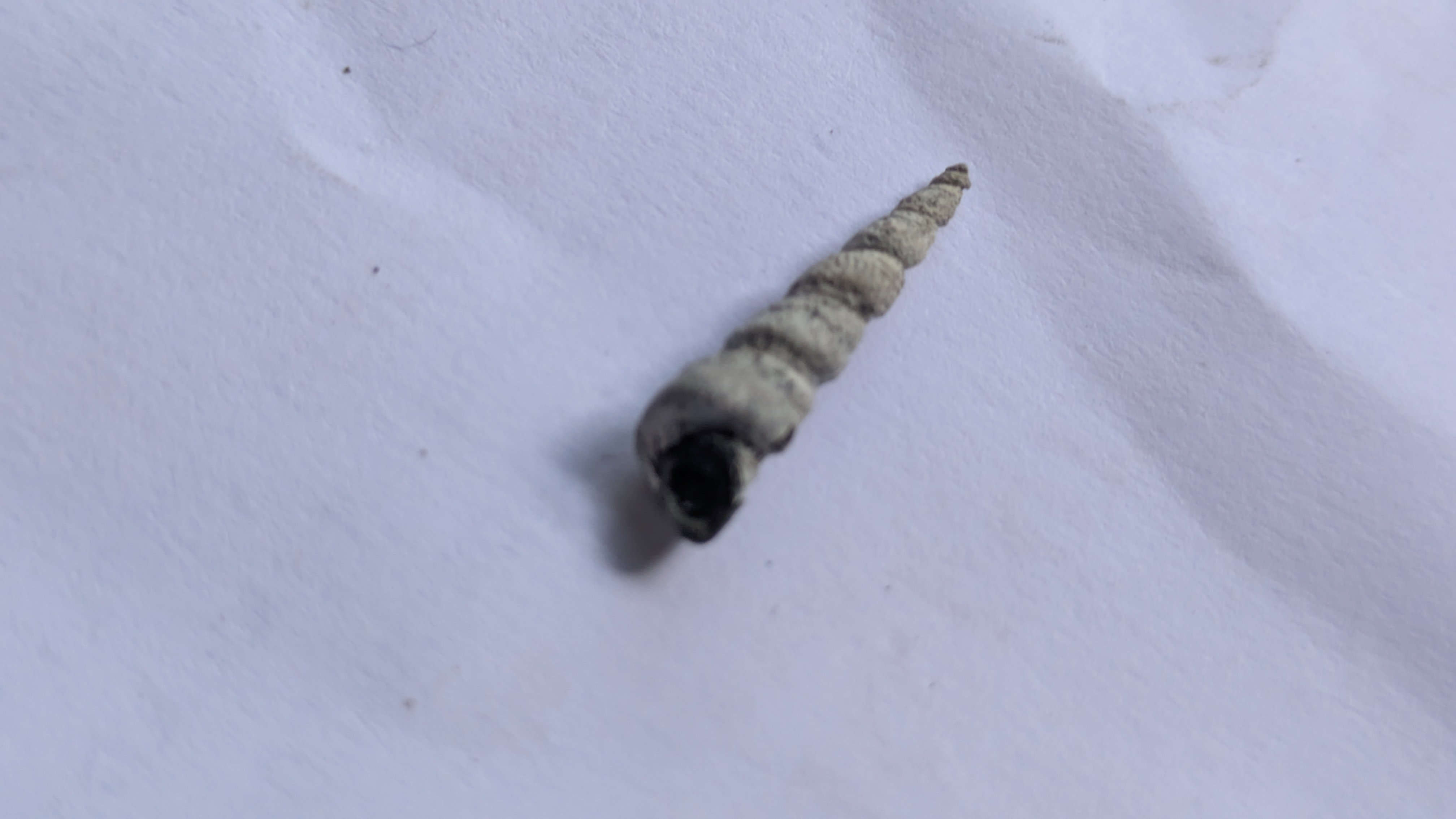
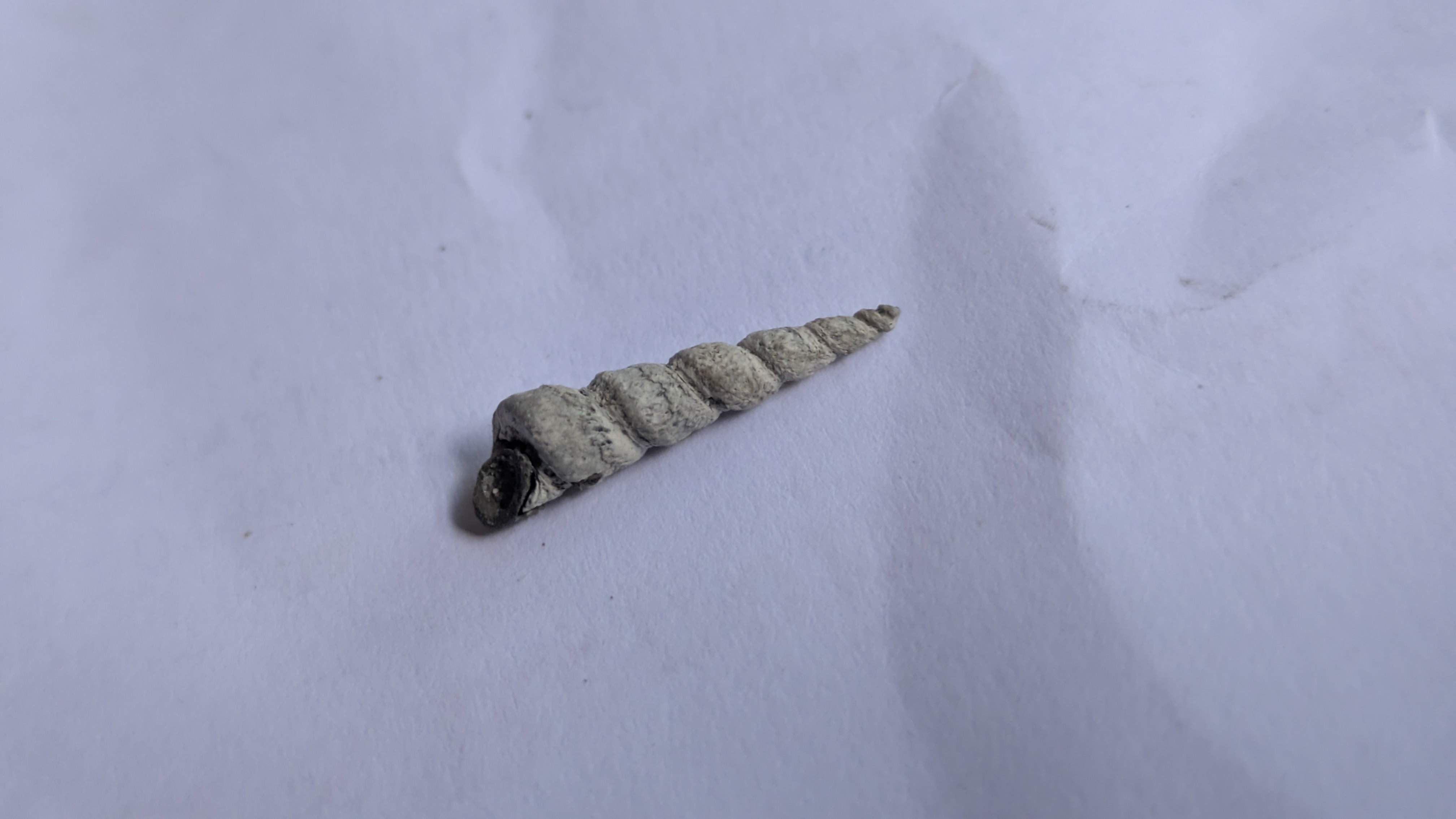
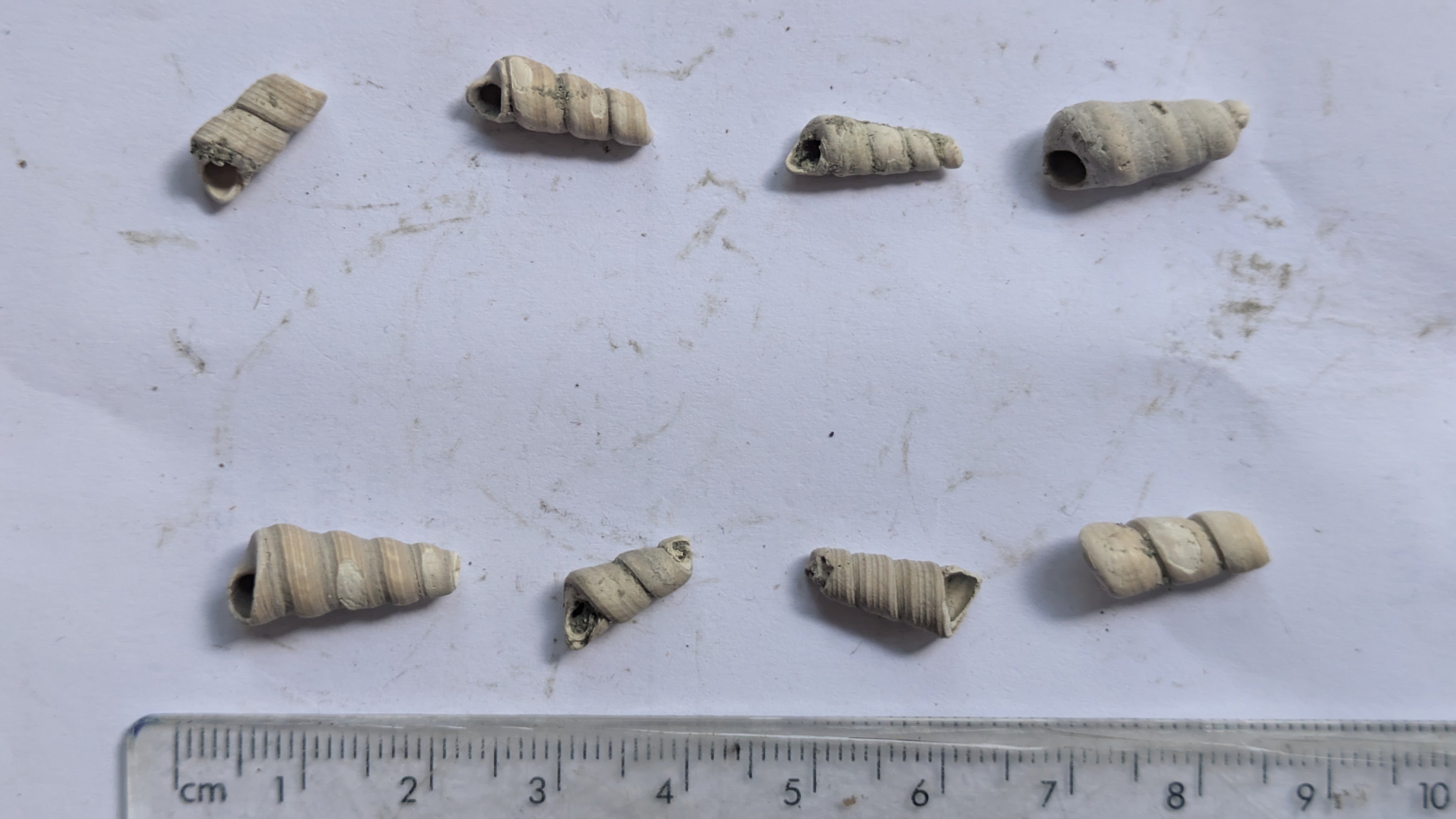
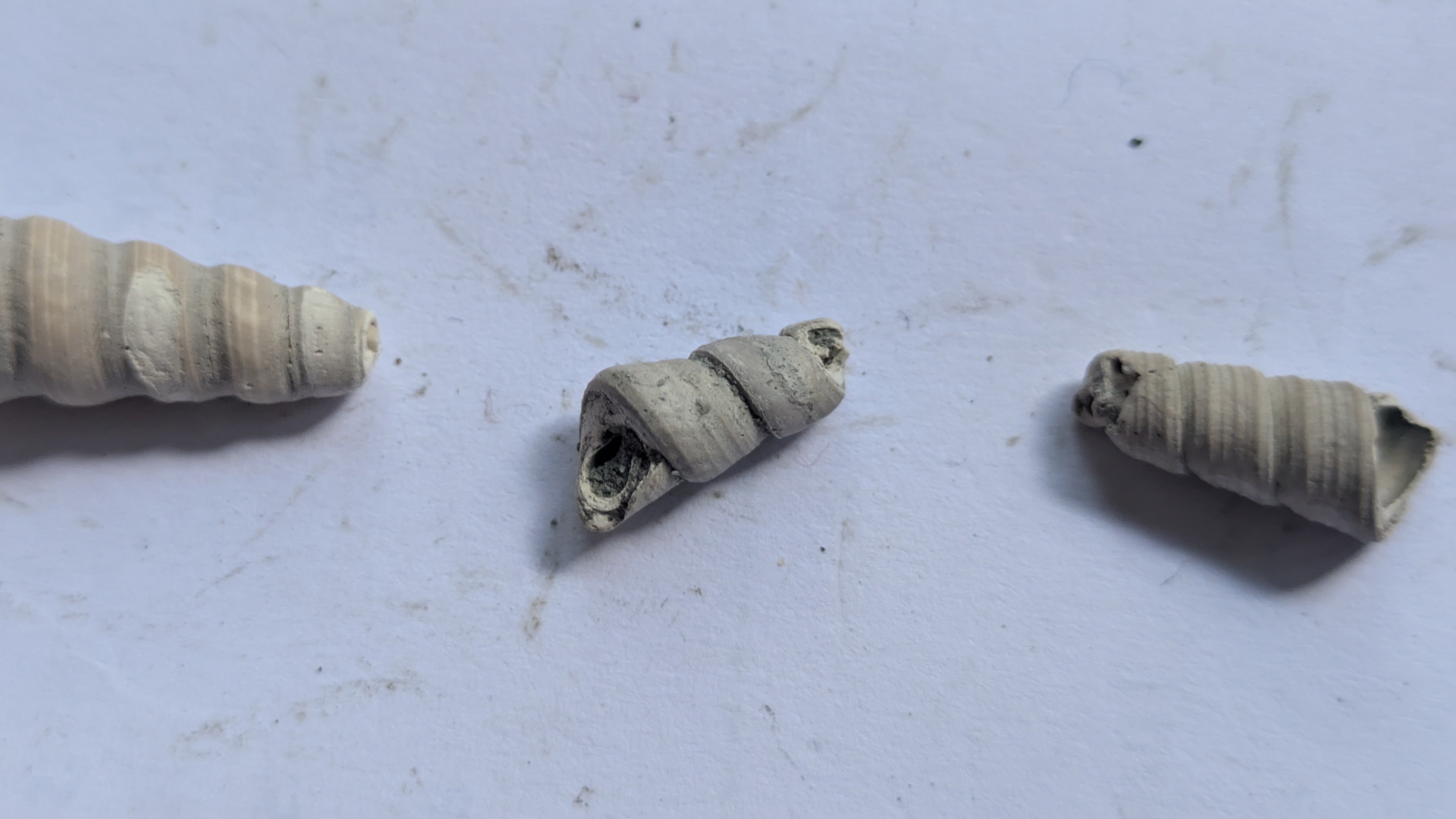
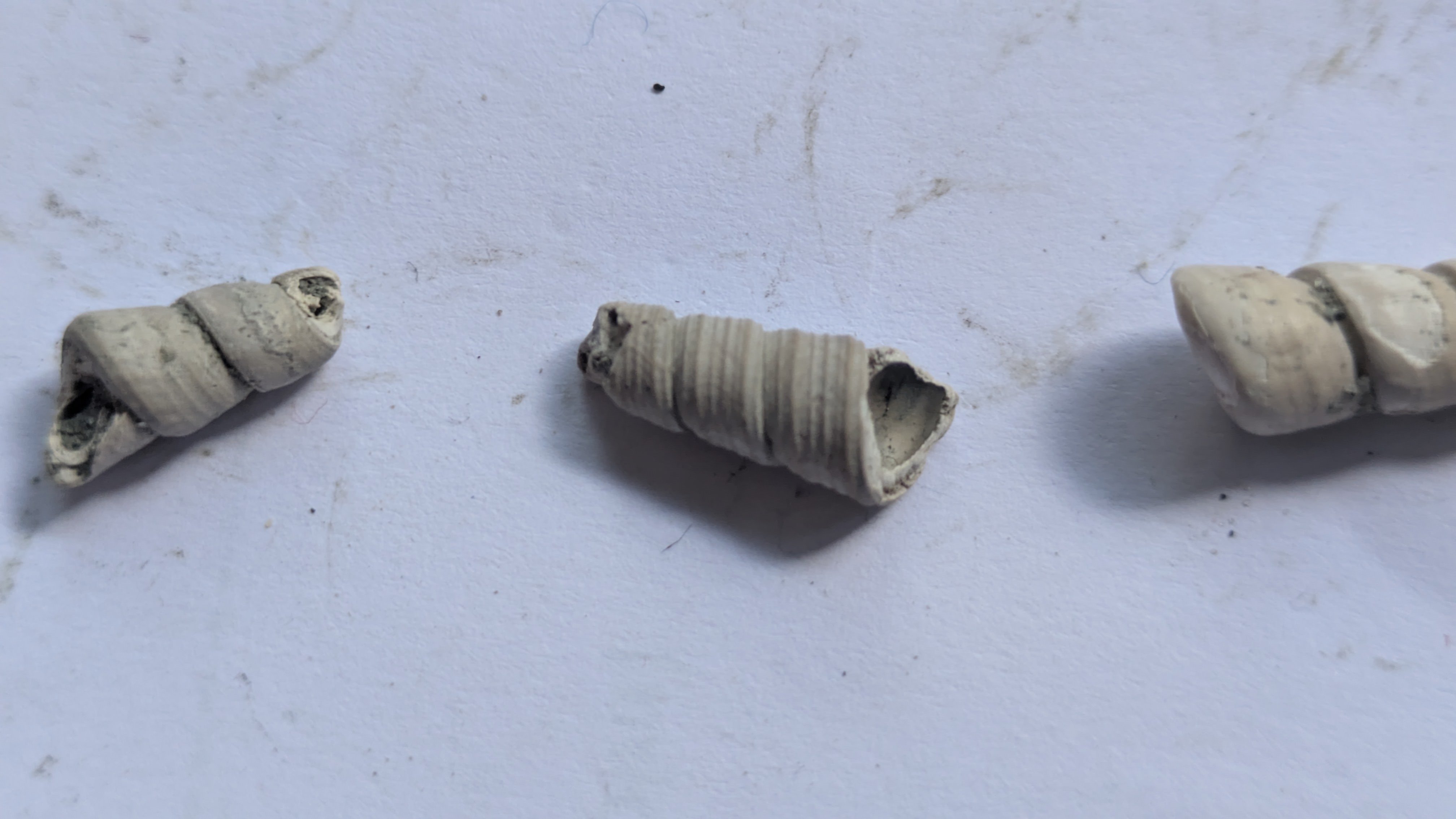
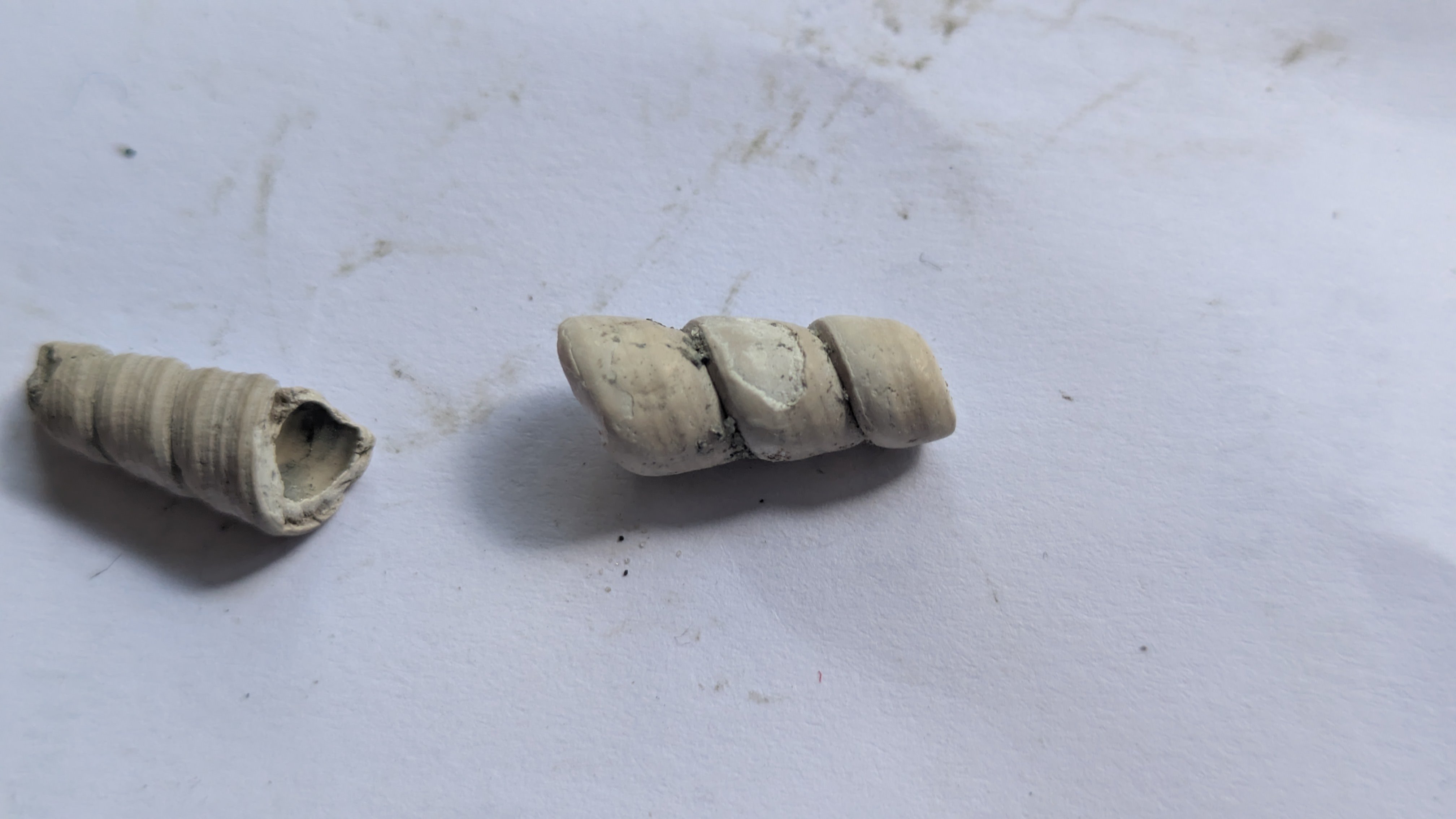
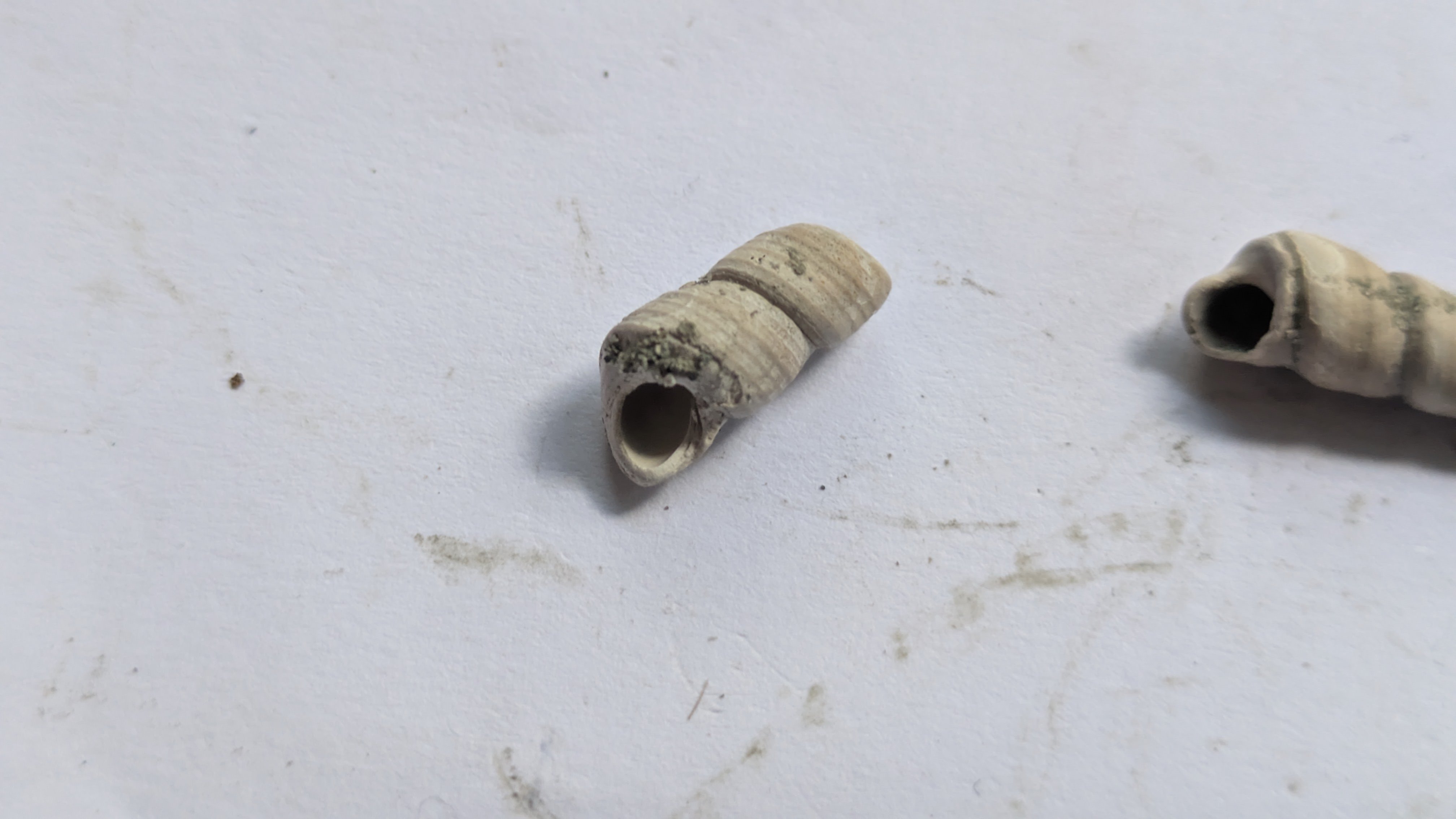
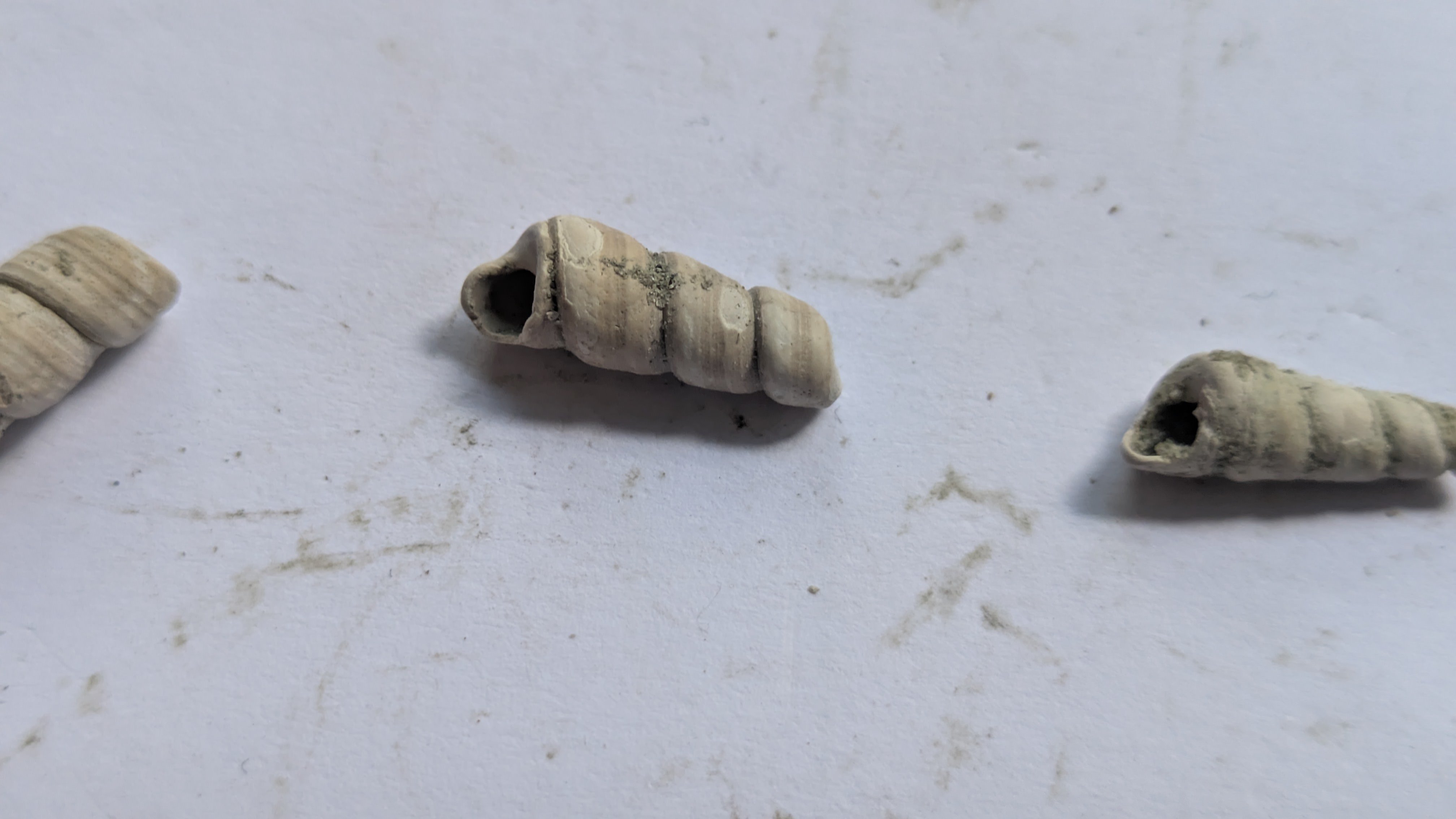
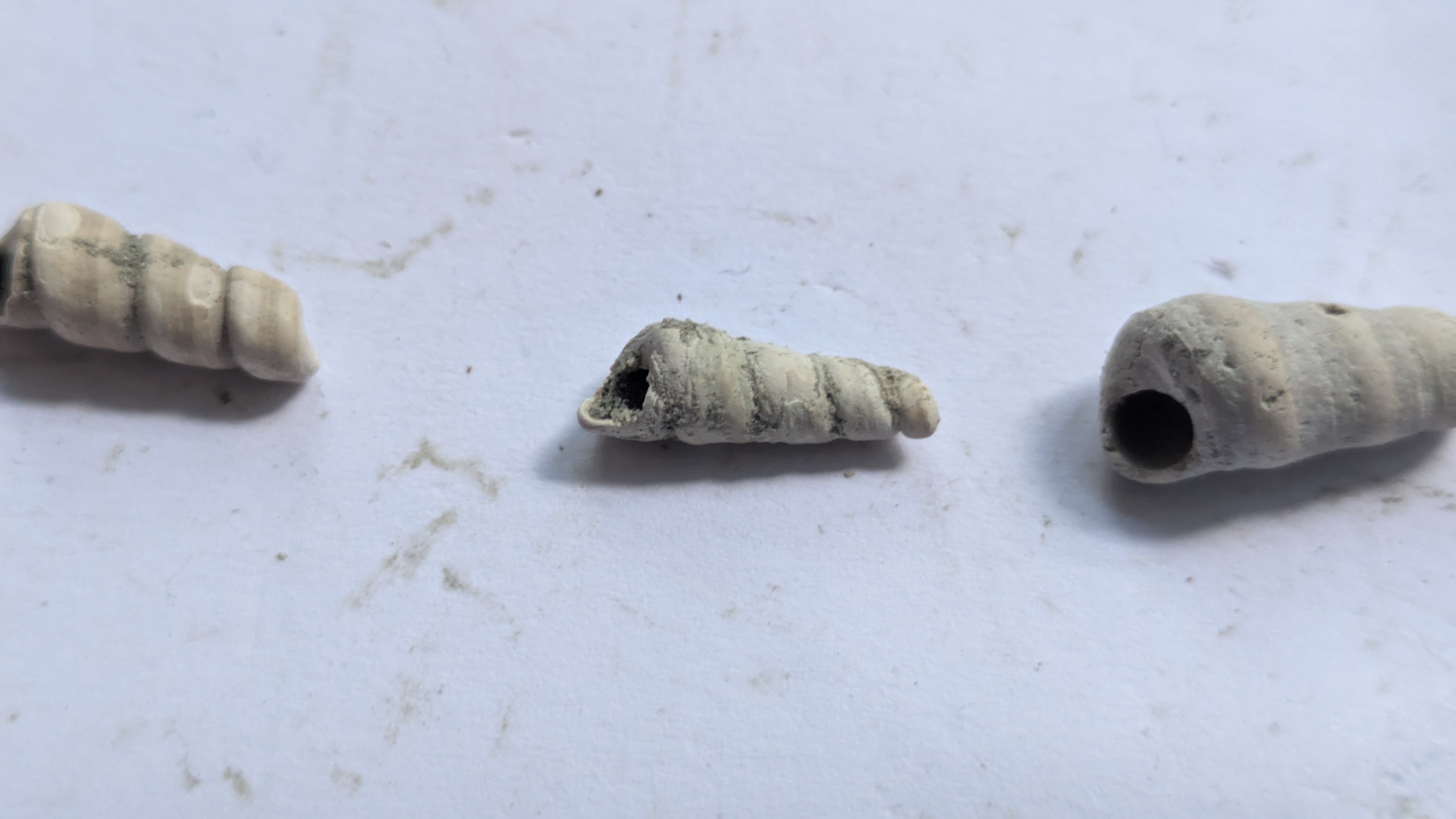
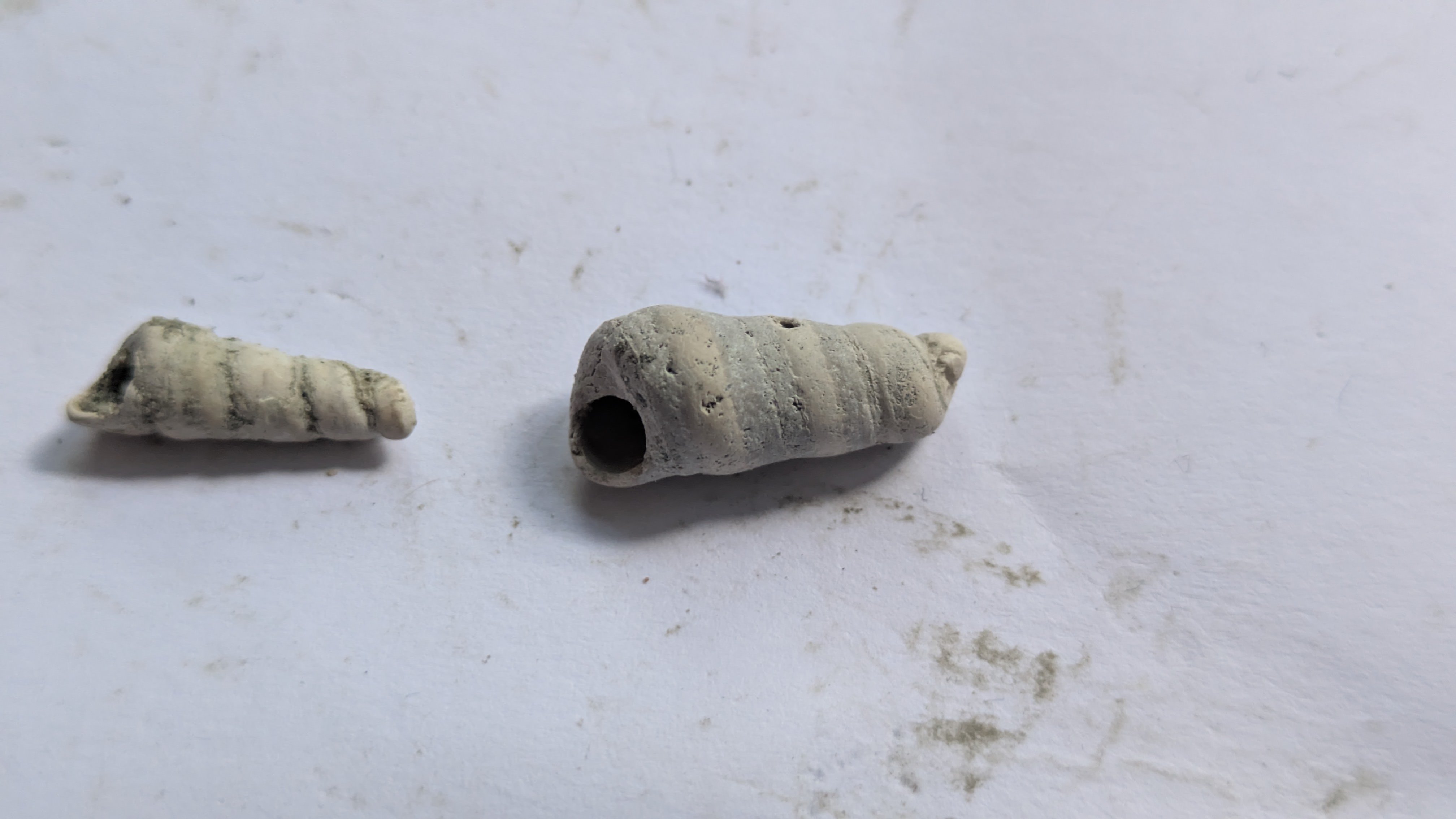
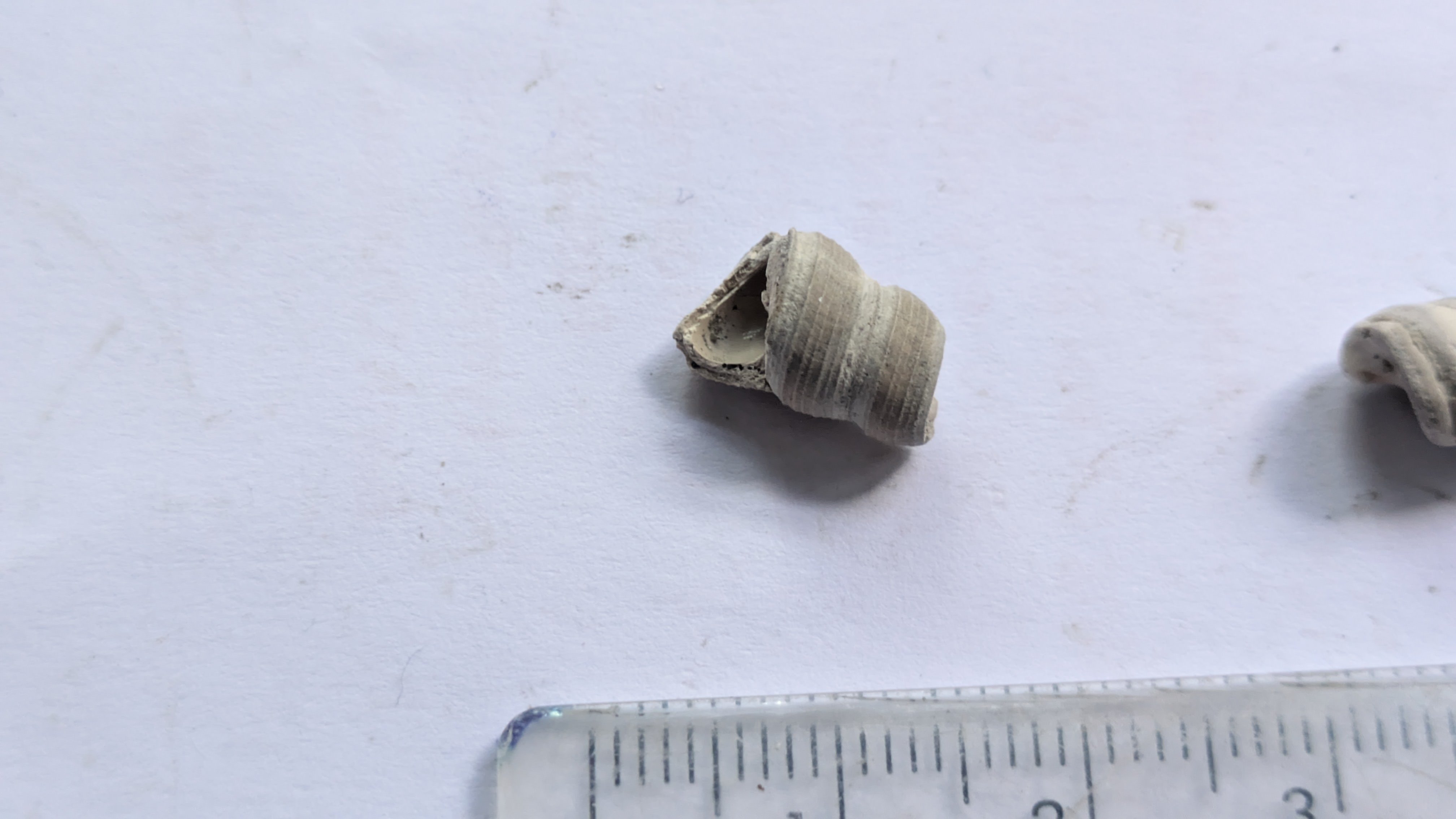
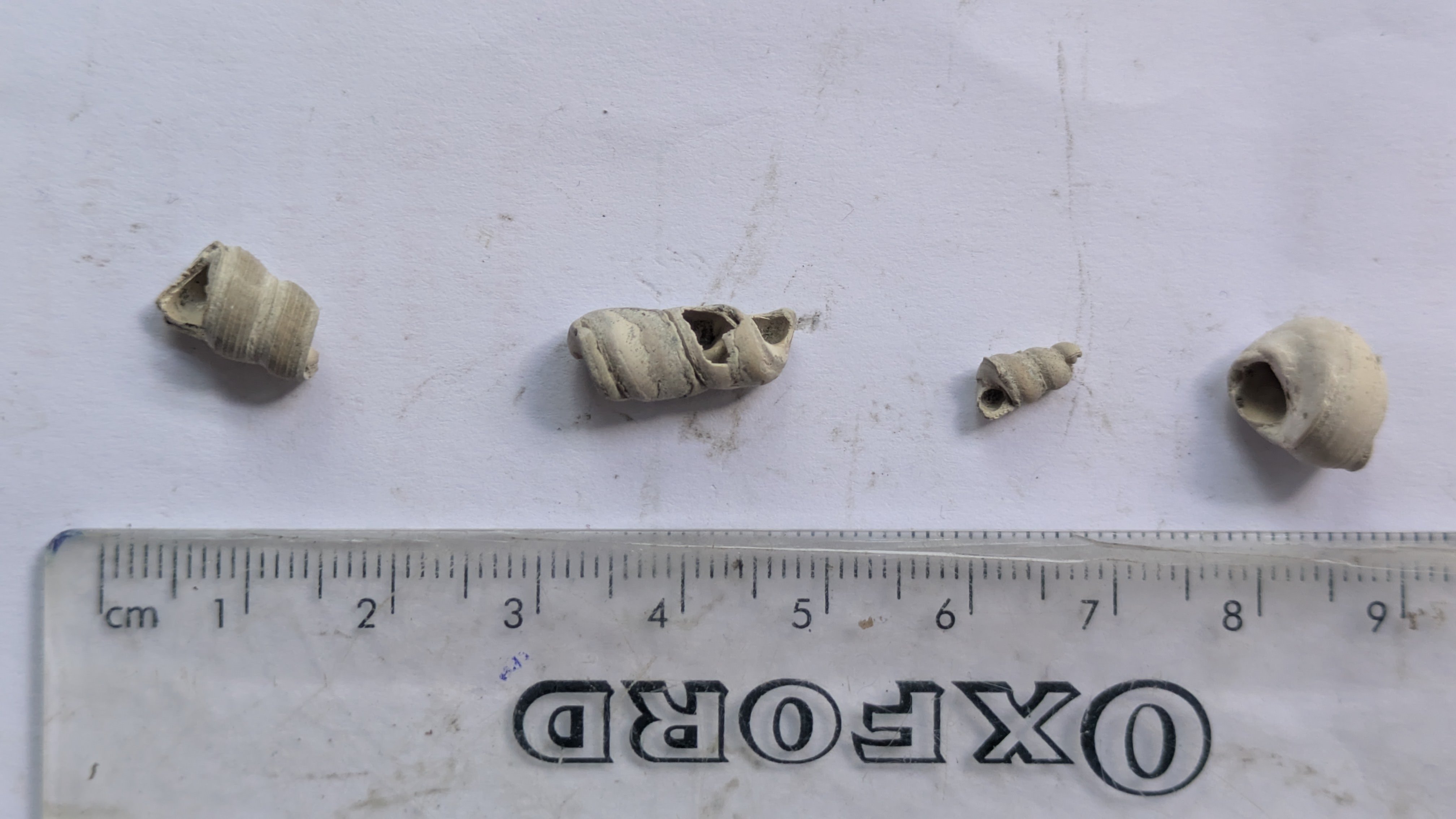
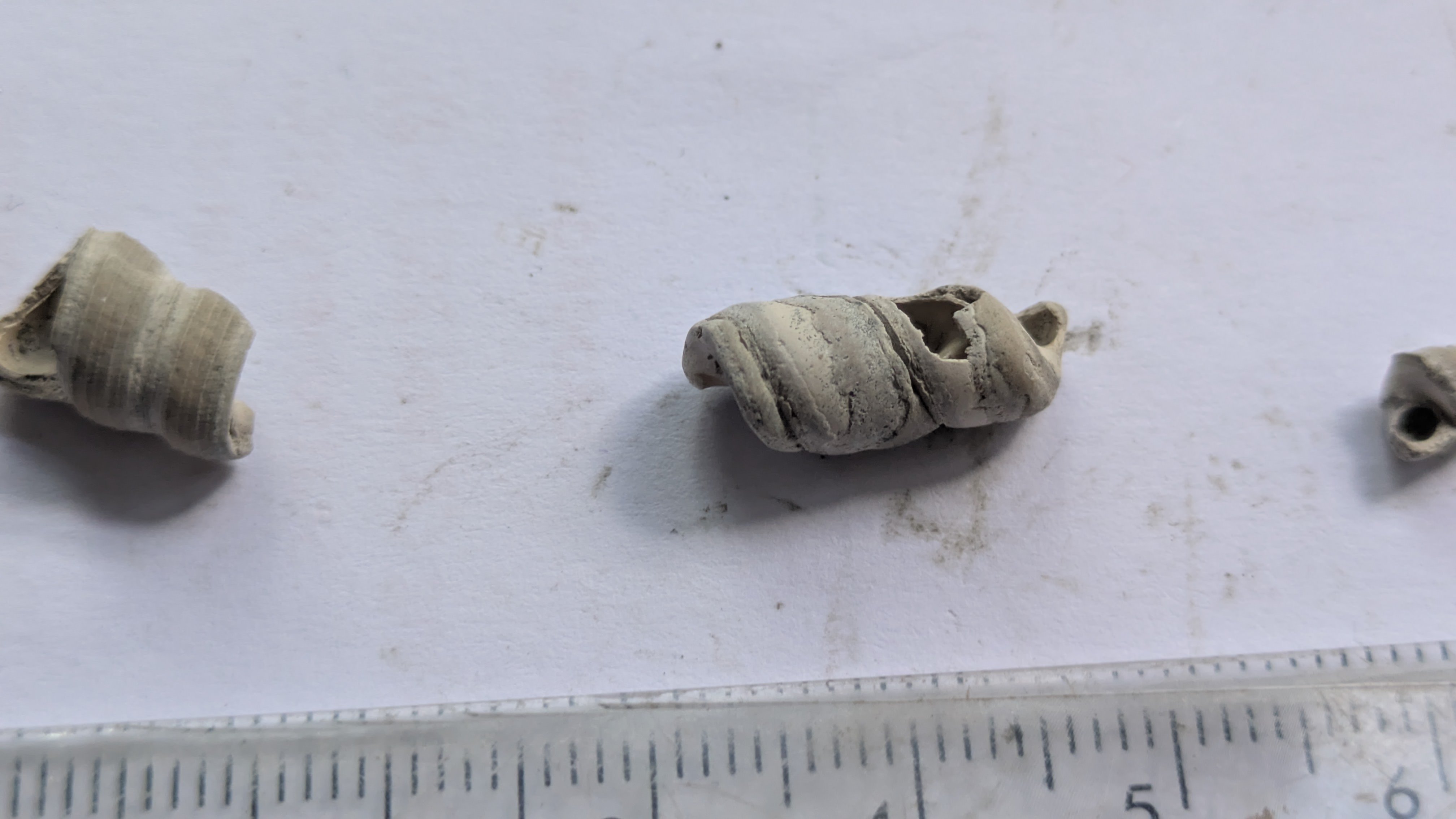
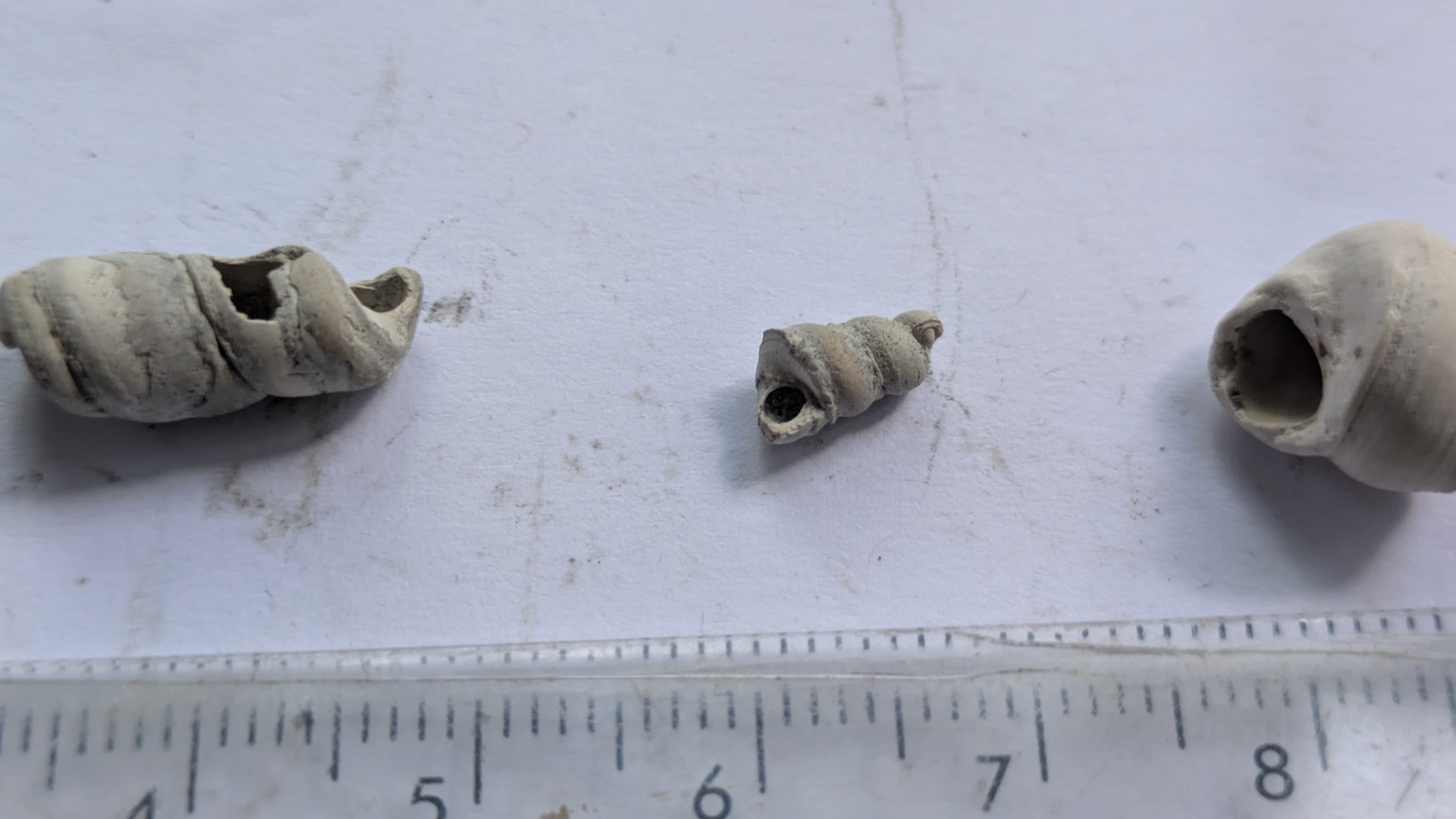
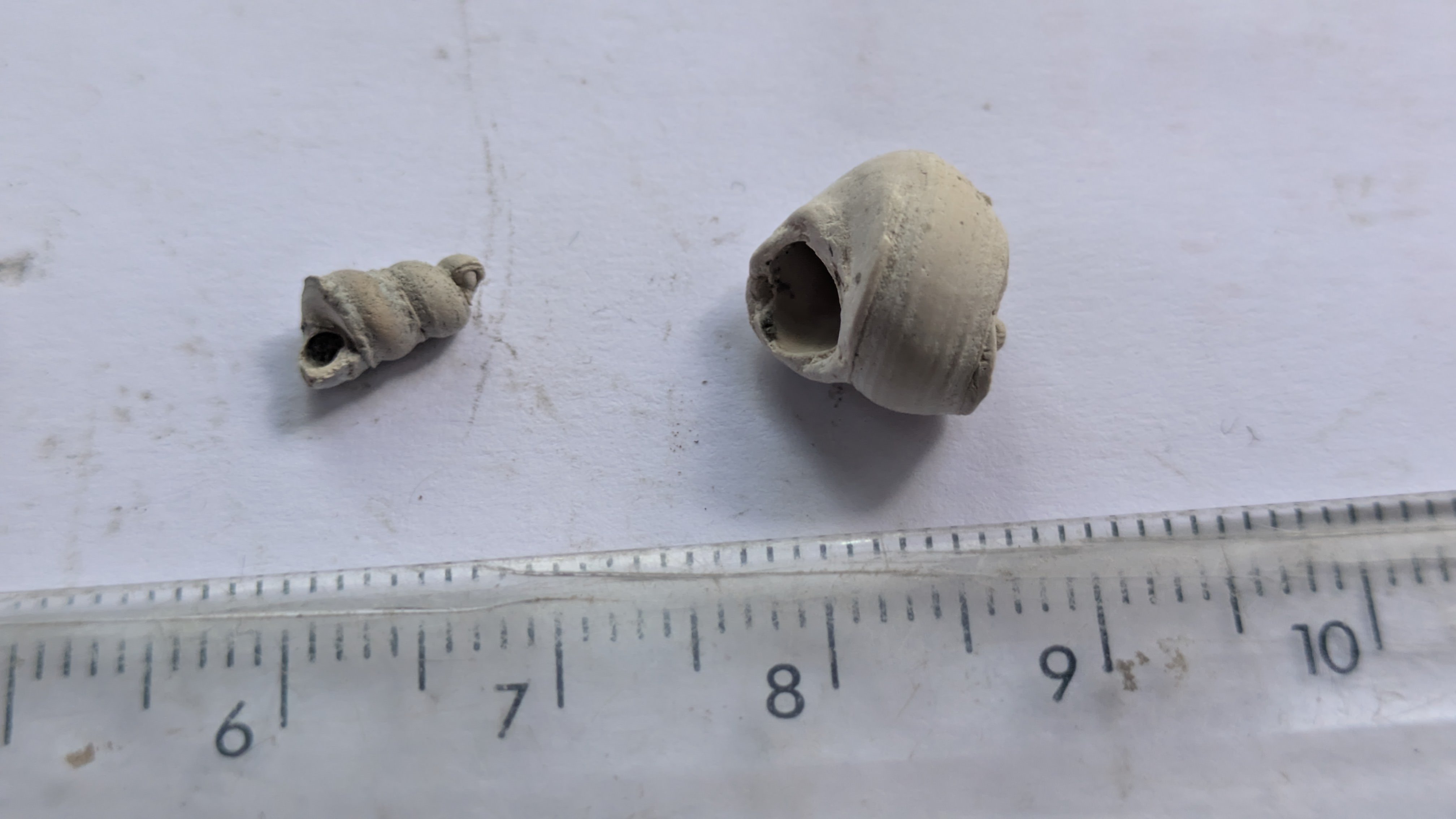
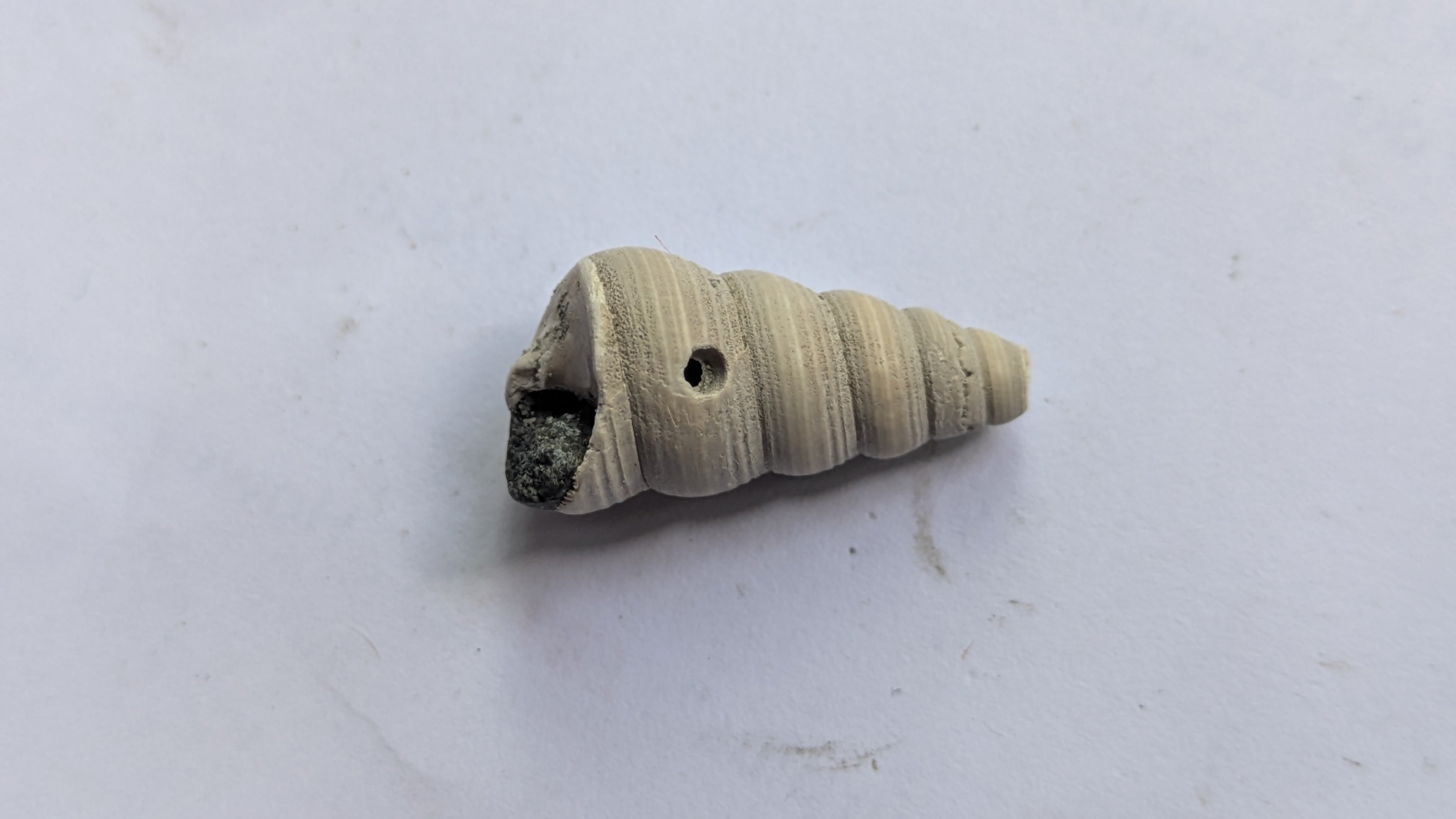
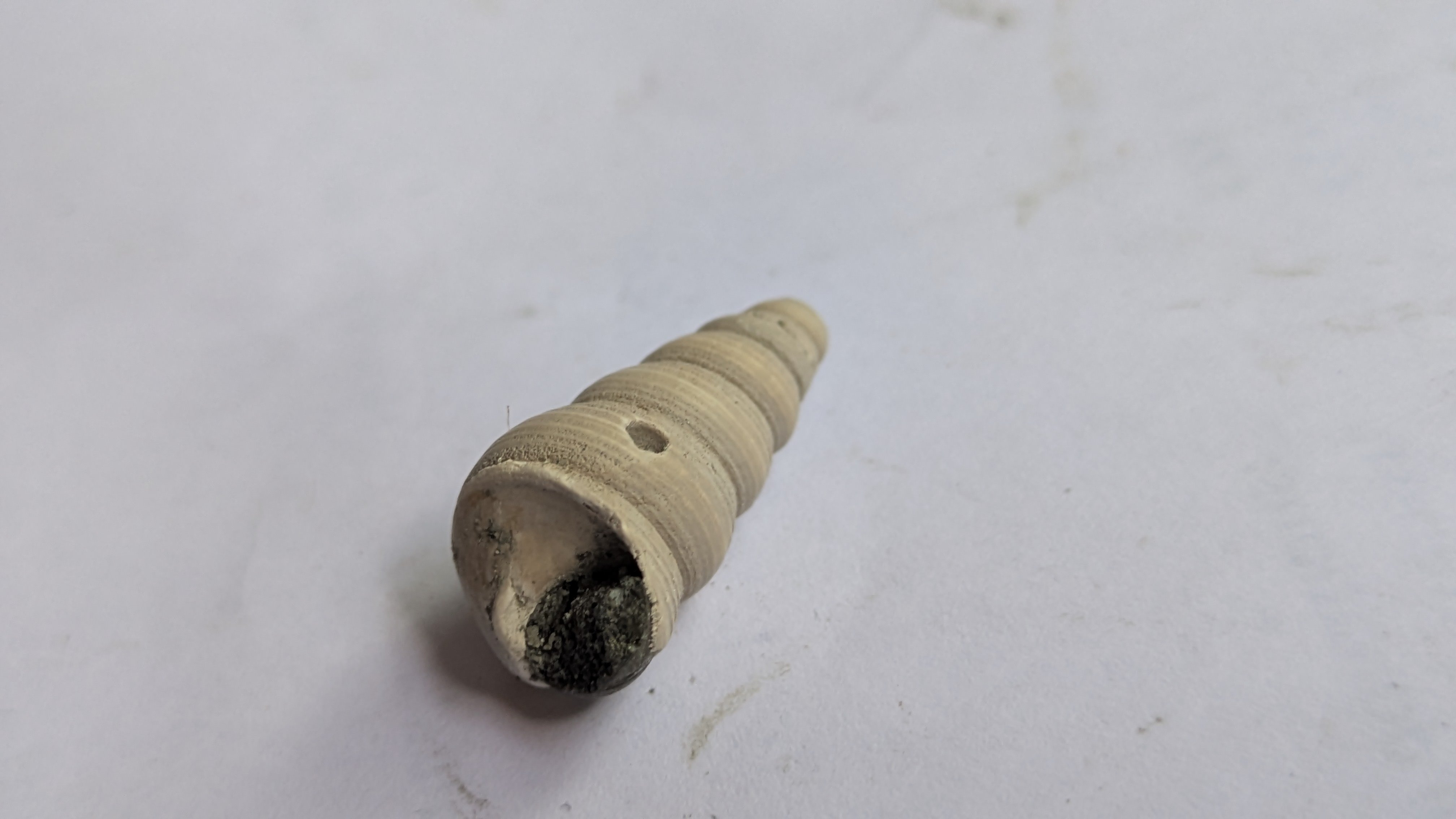
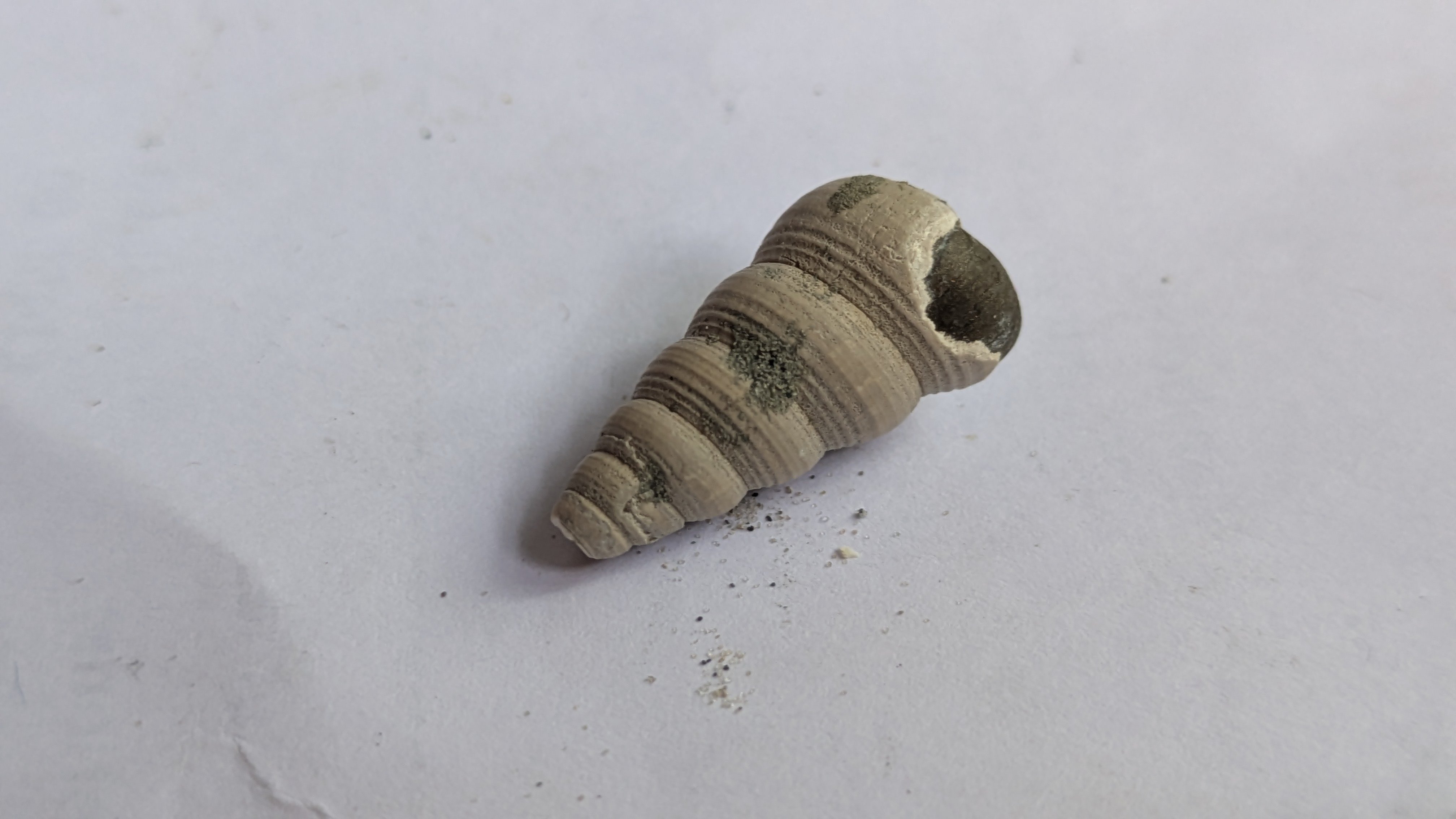
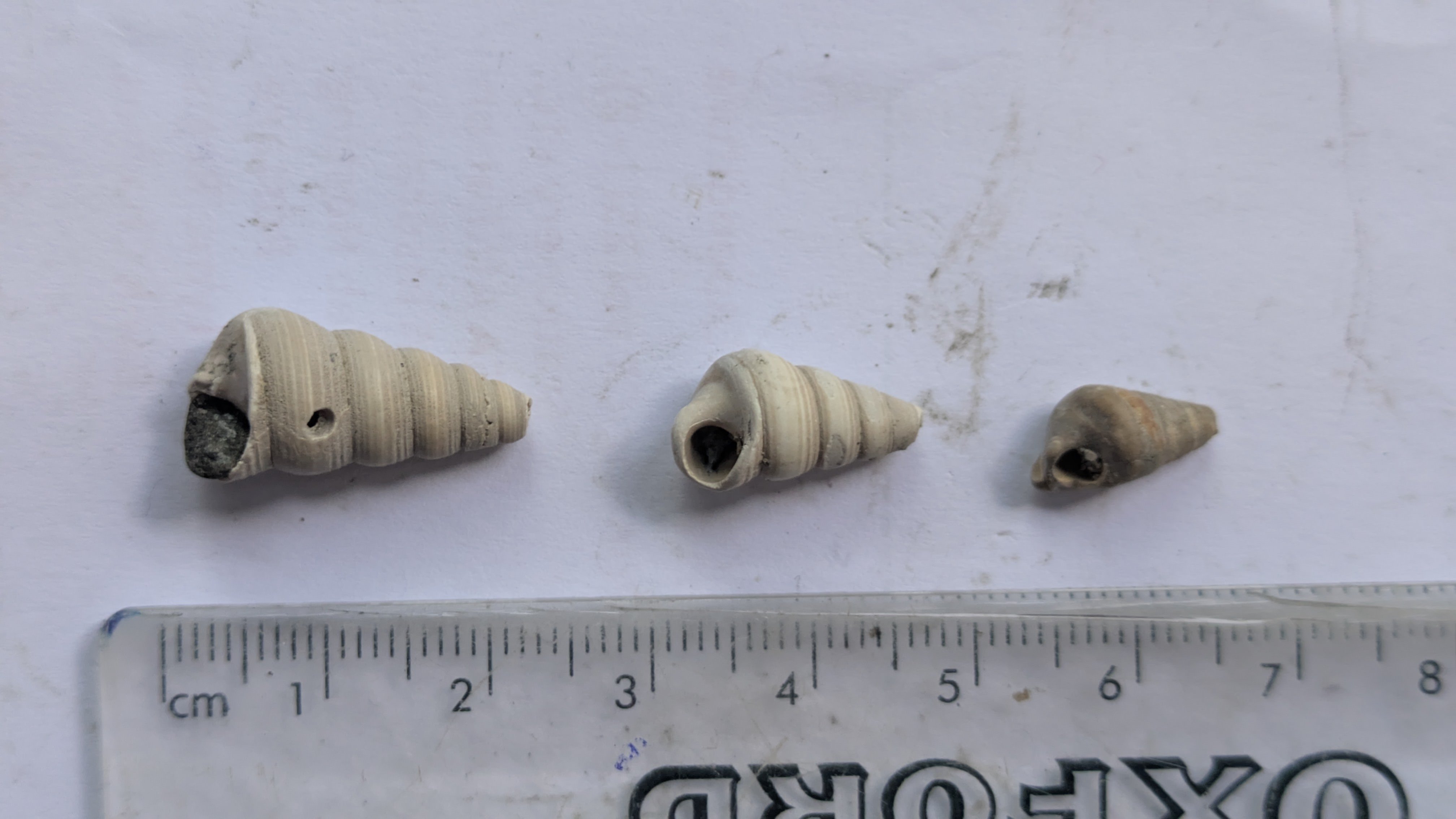
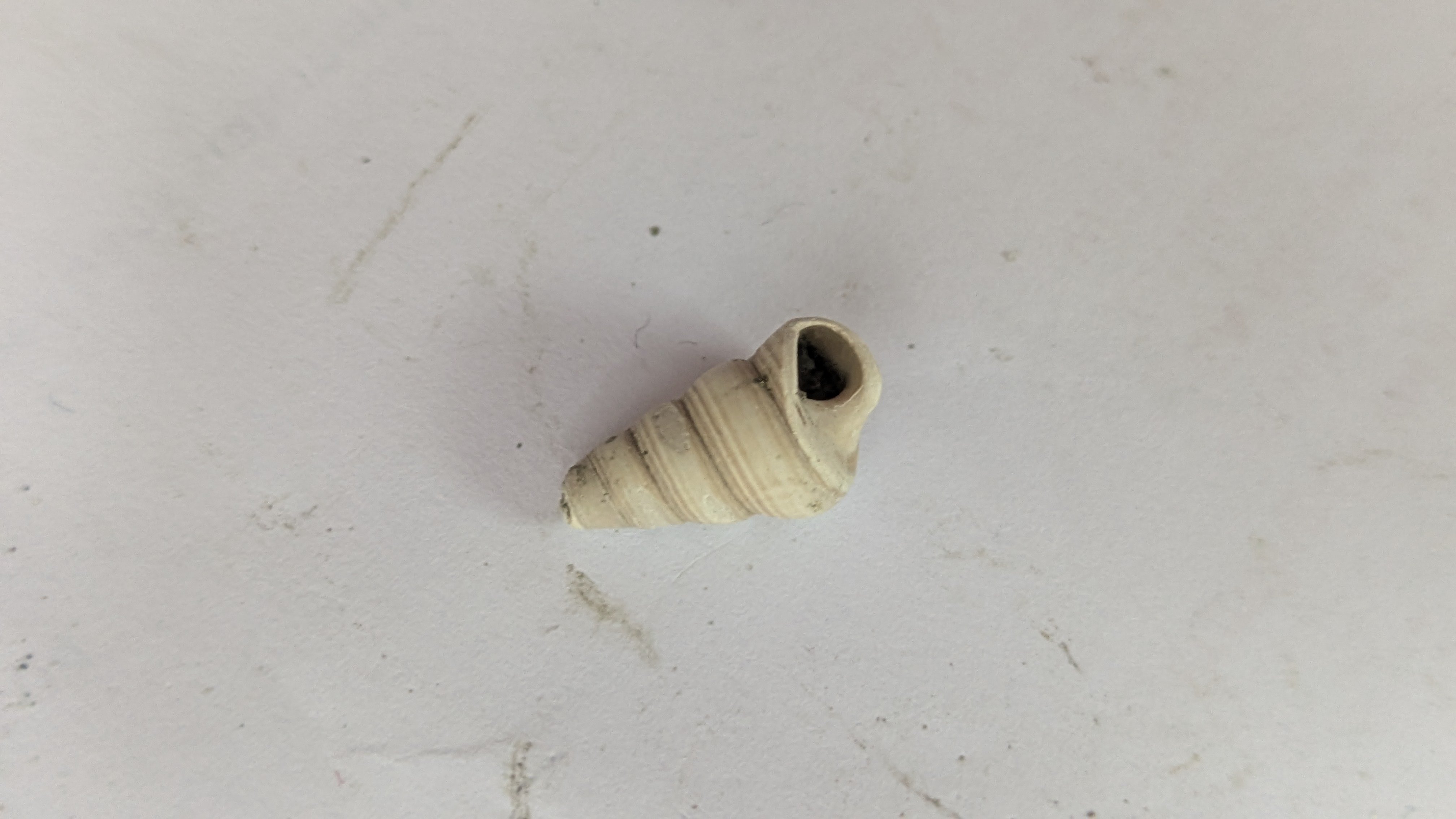
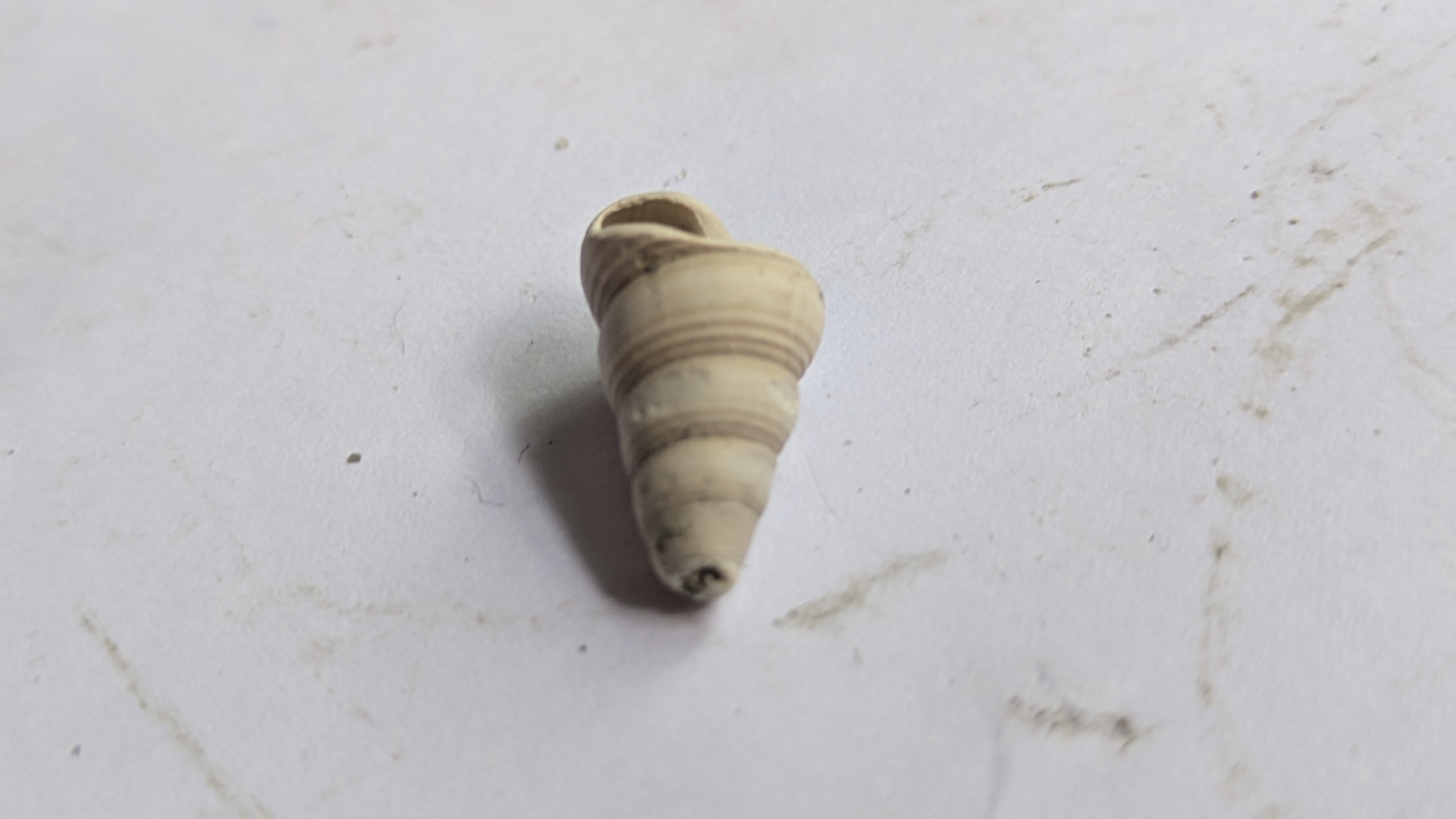
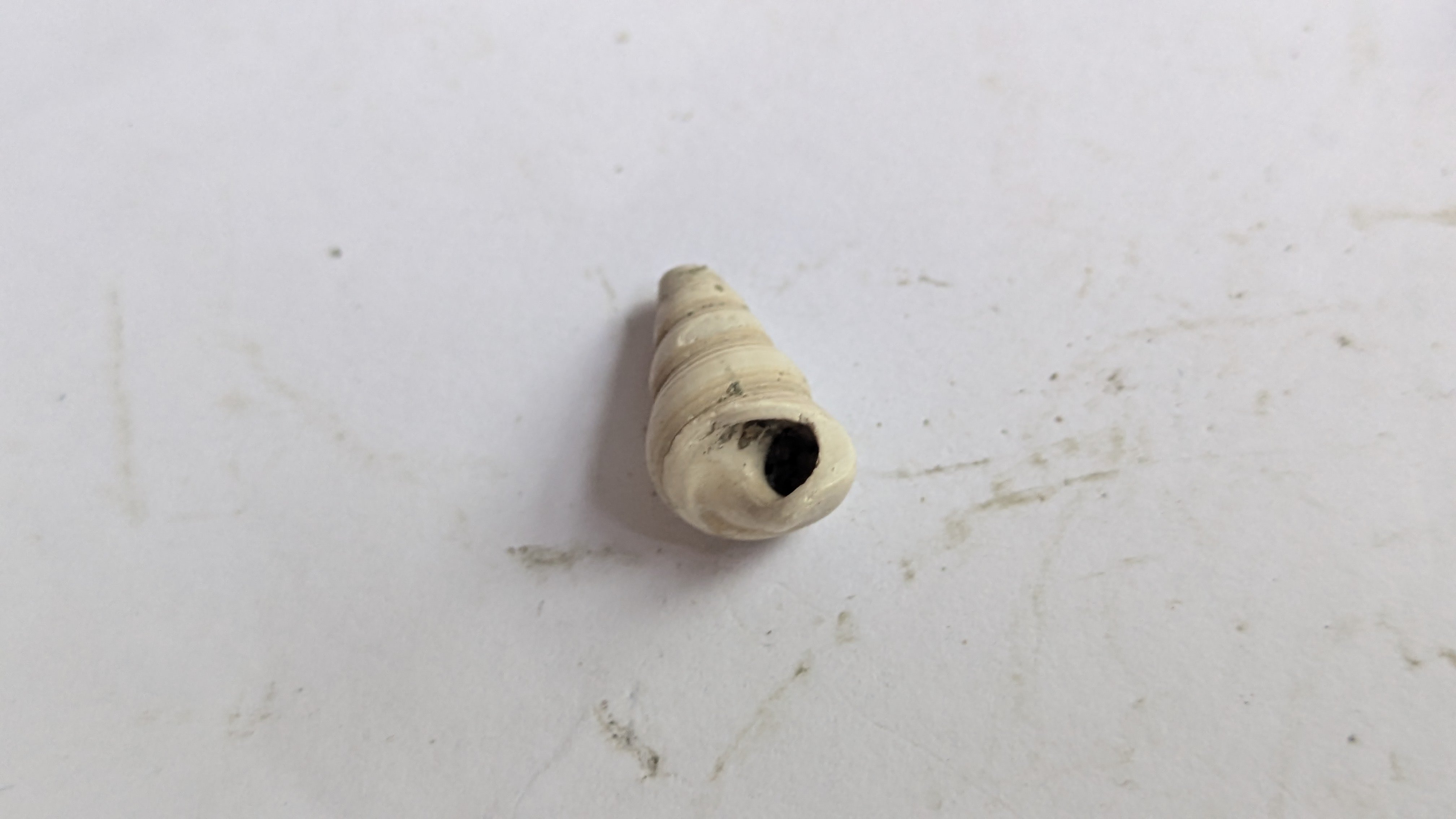
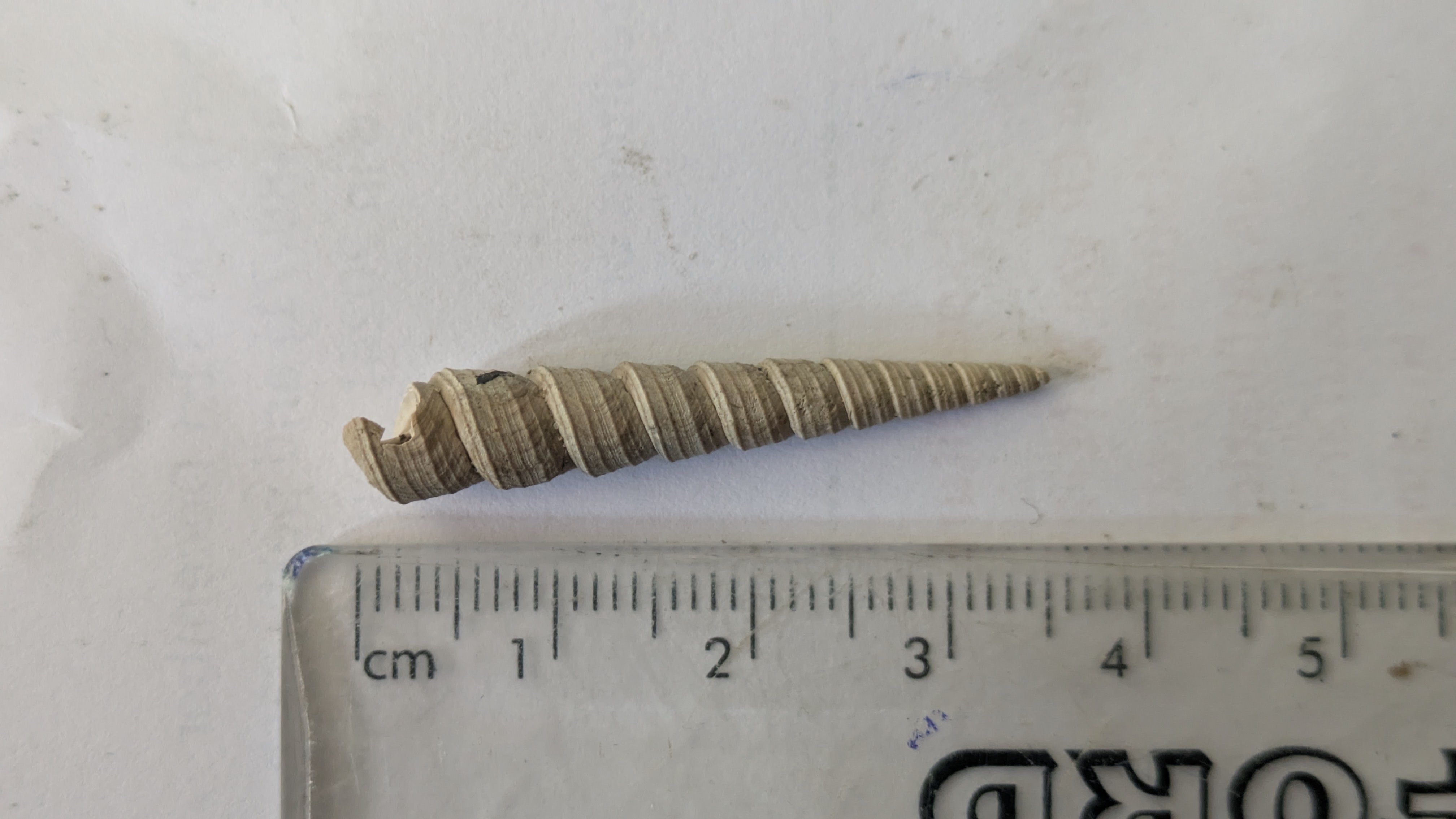
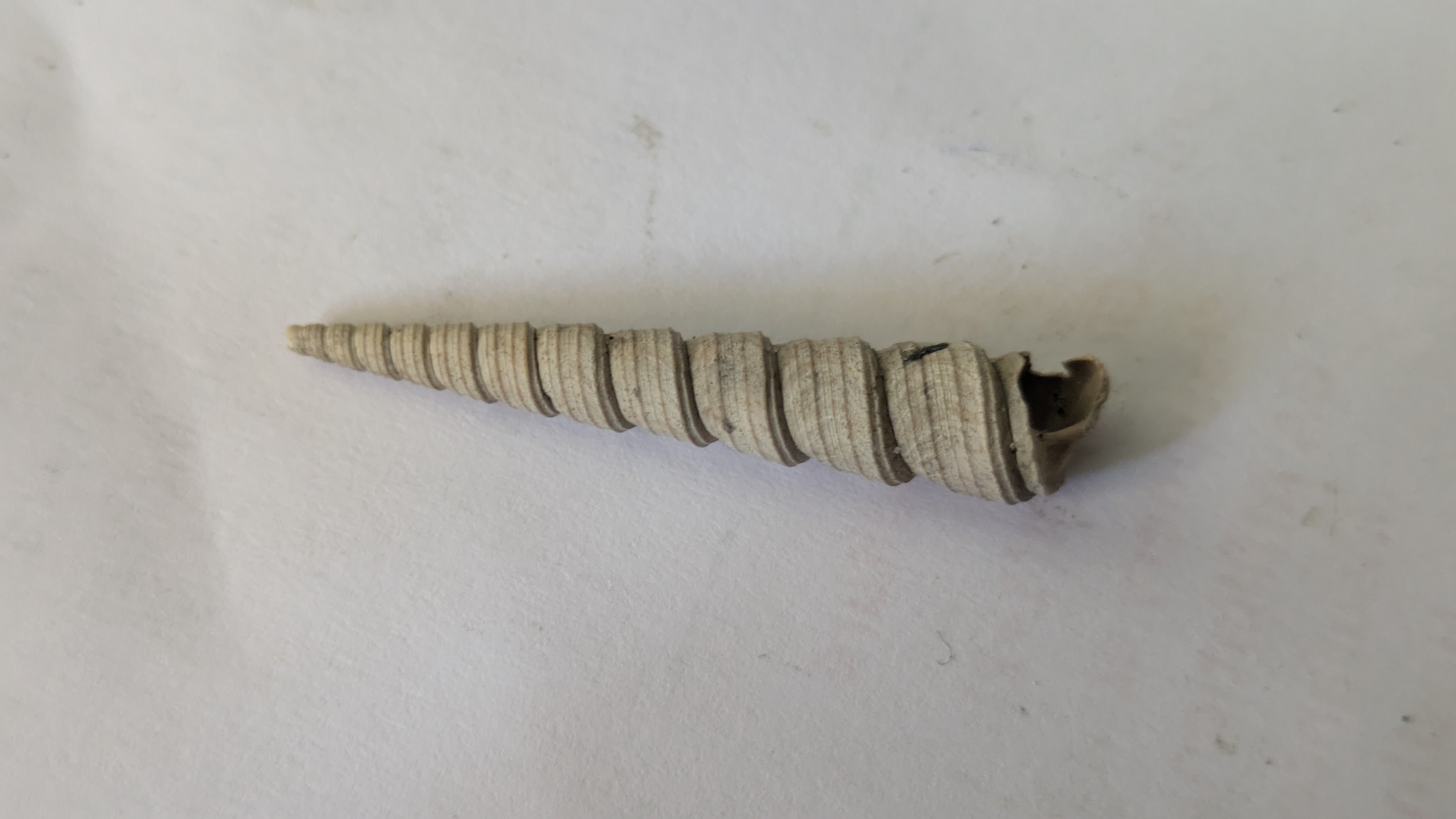
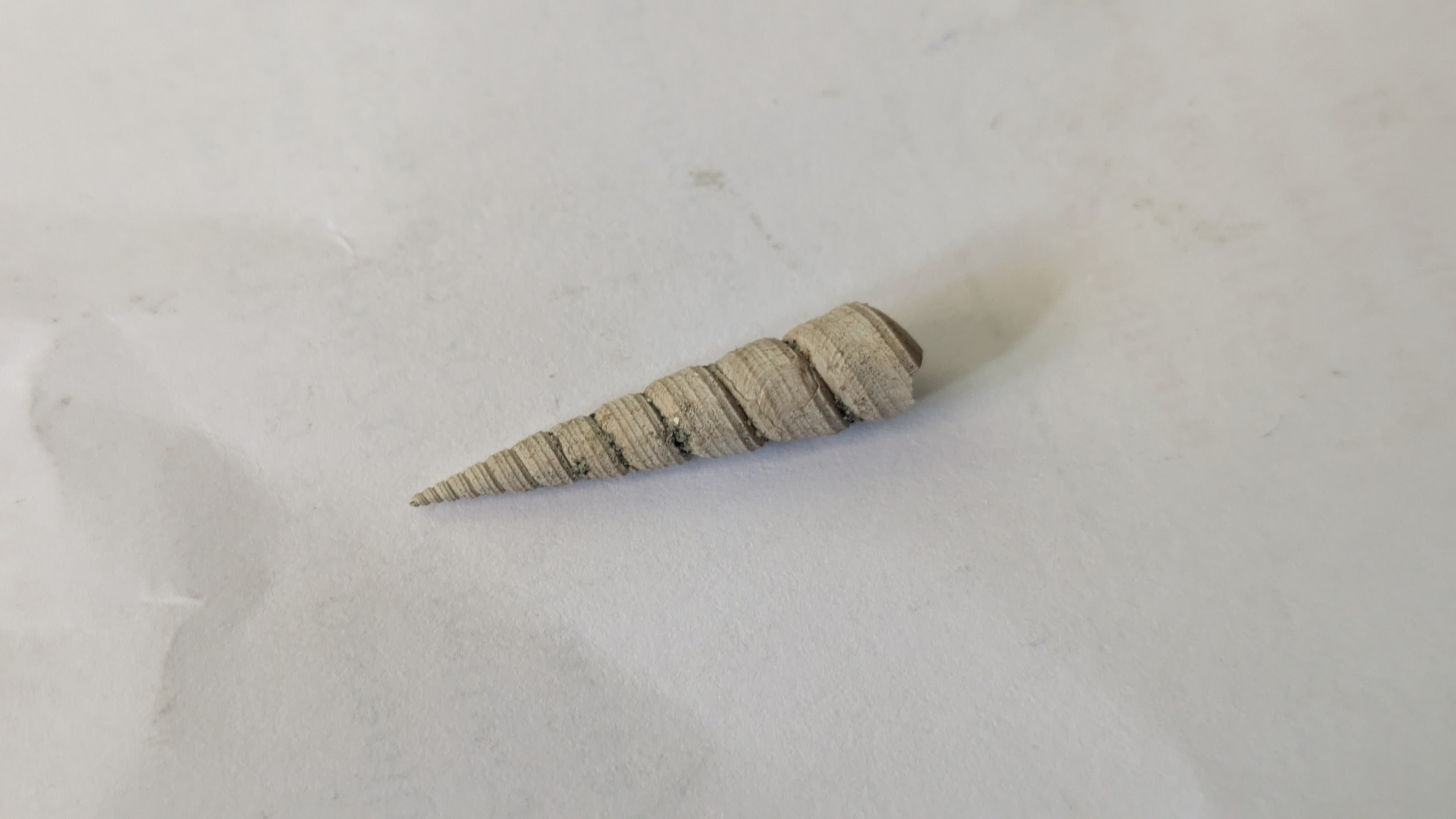
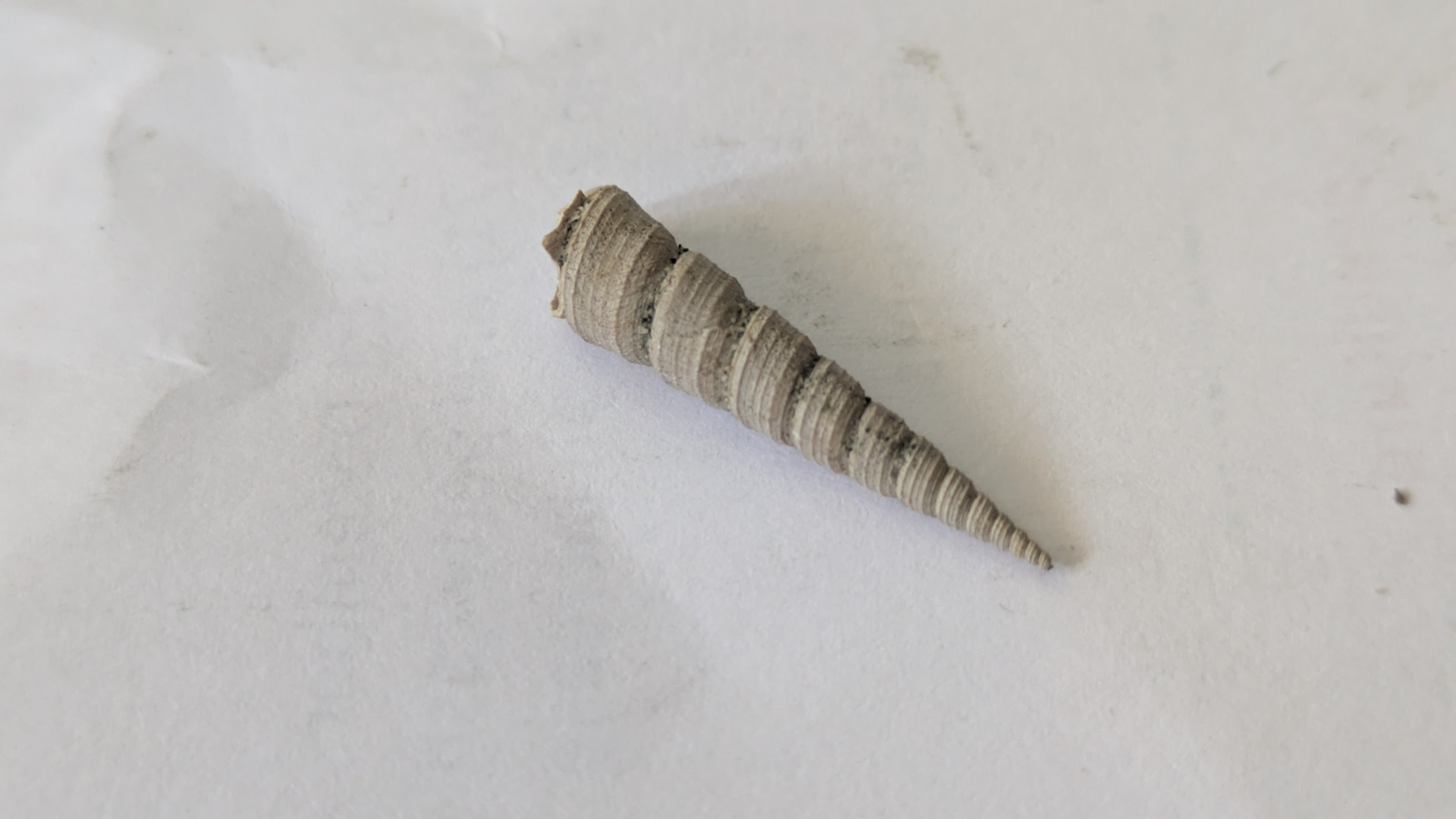
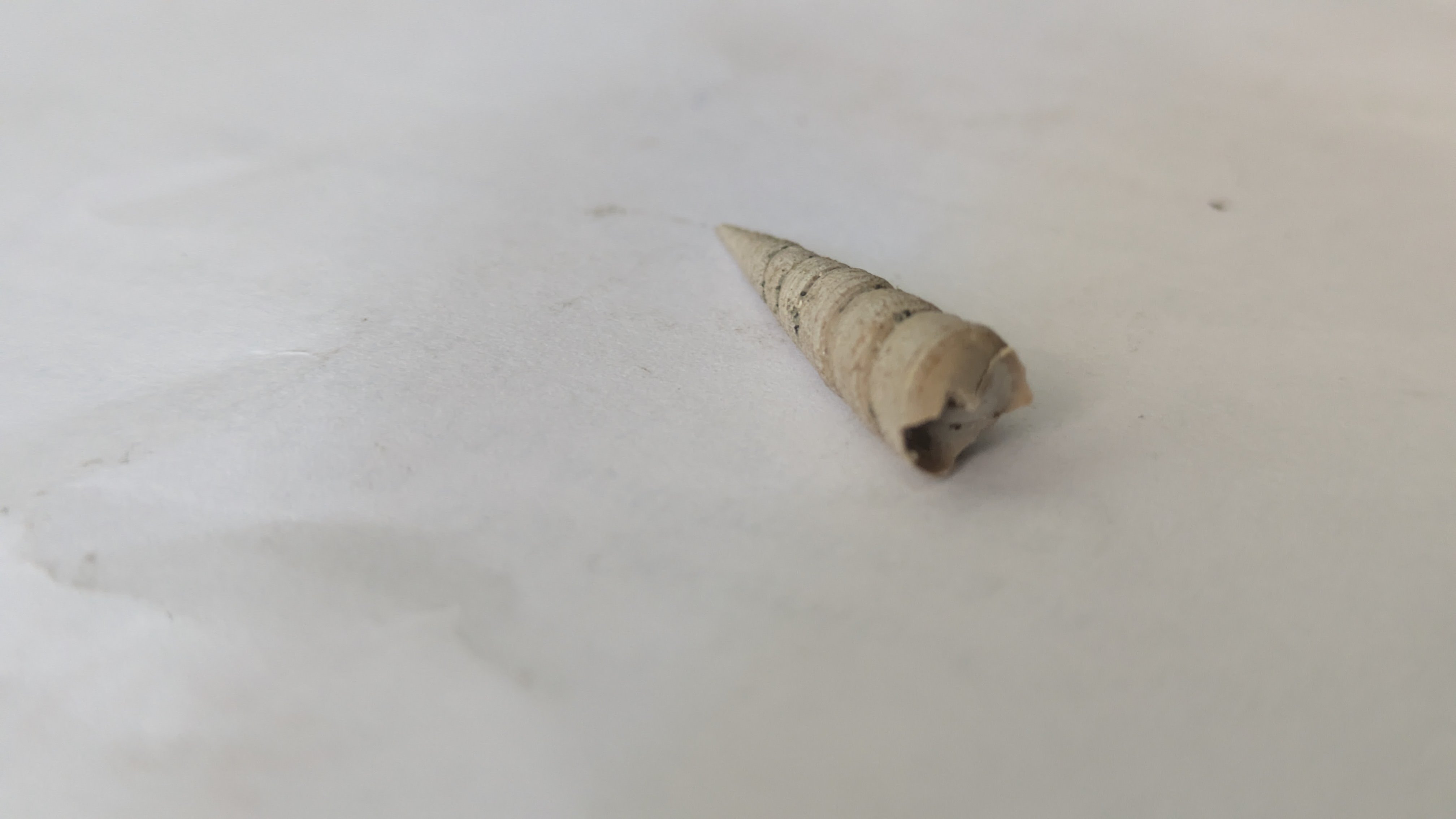
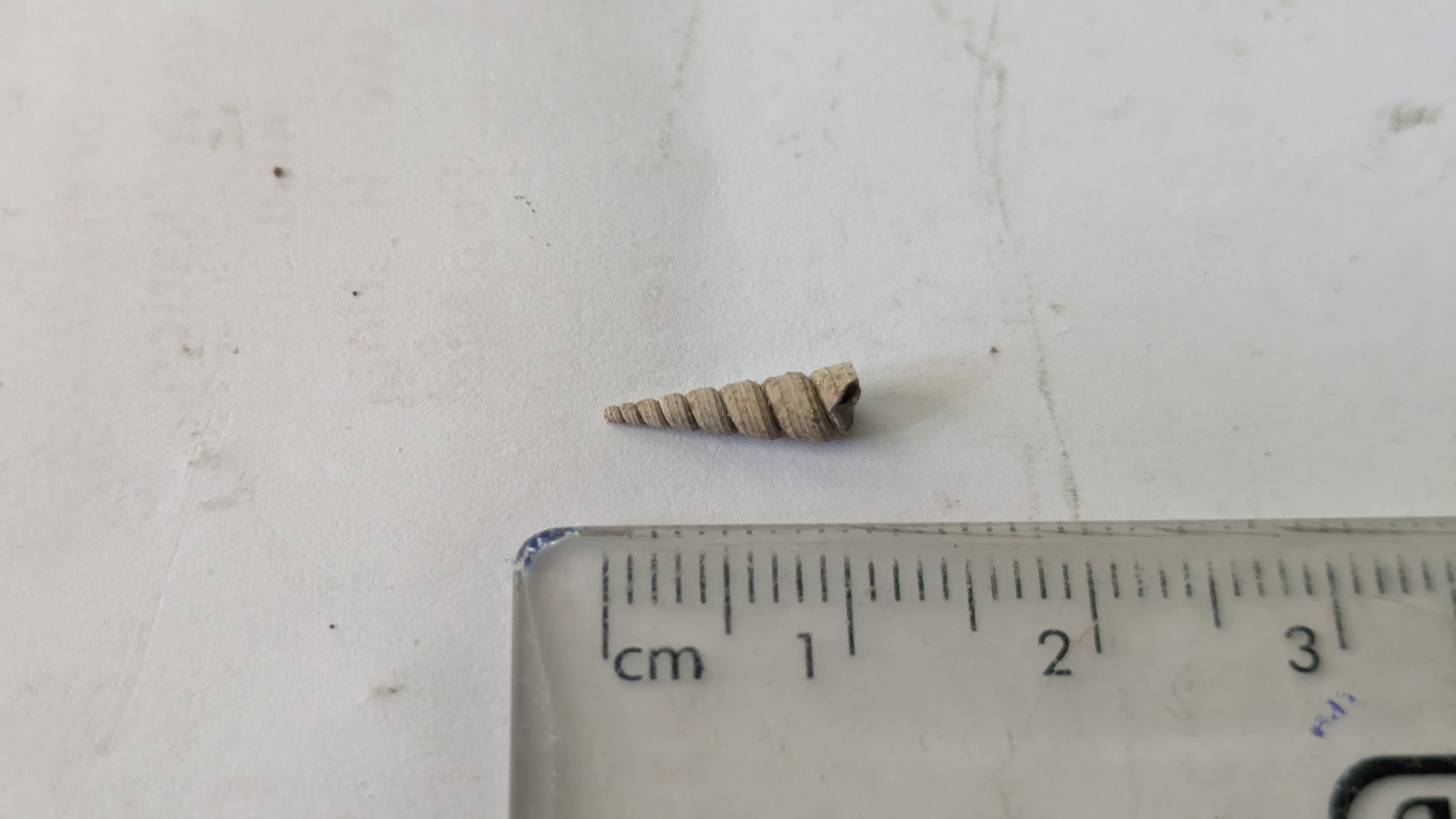
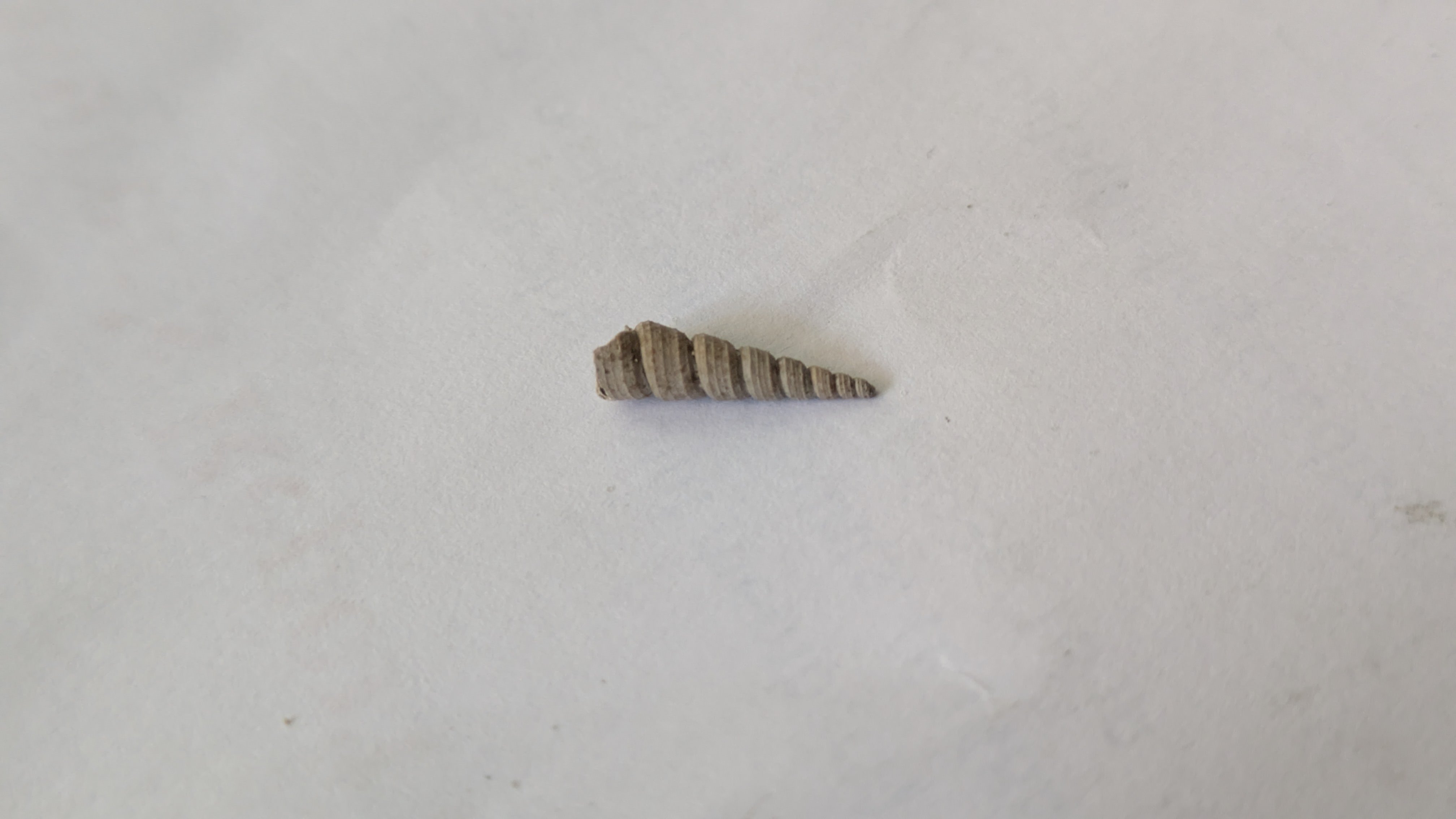
Turritellidae
21 specimens


Turritellidae
21 specimens



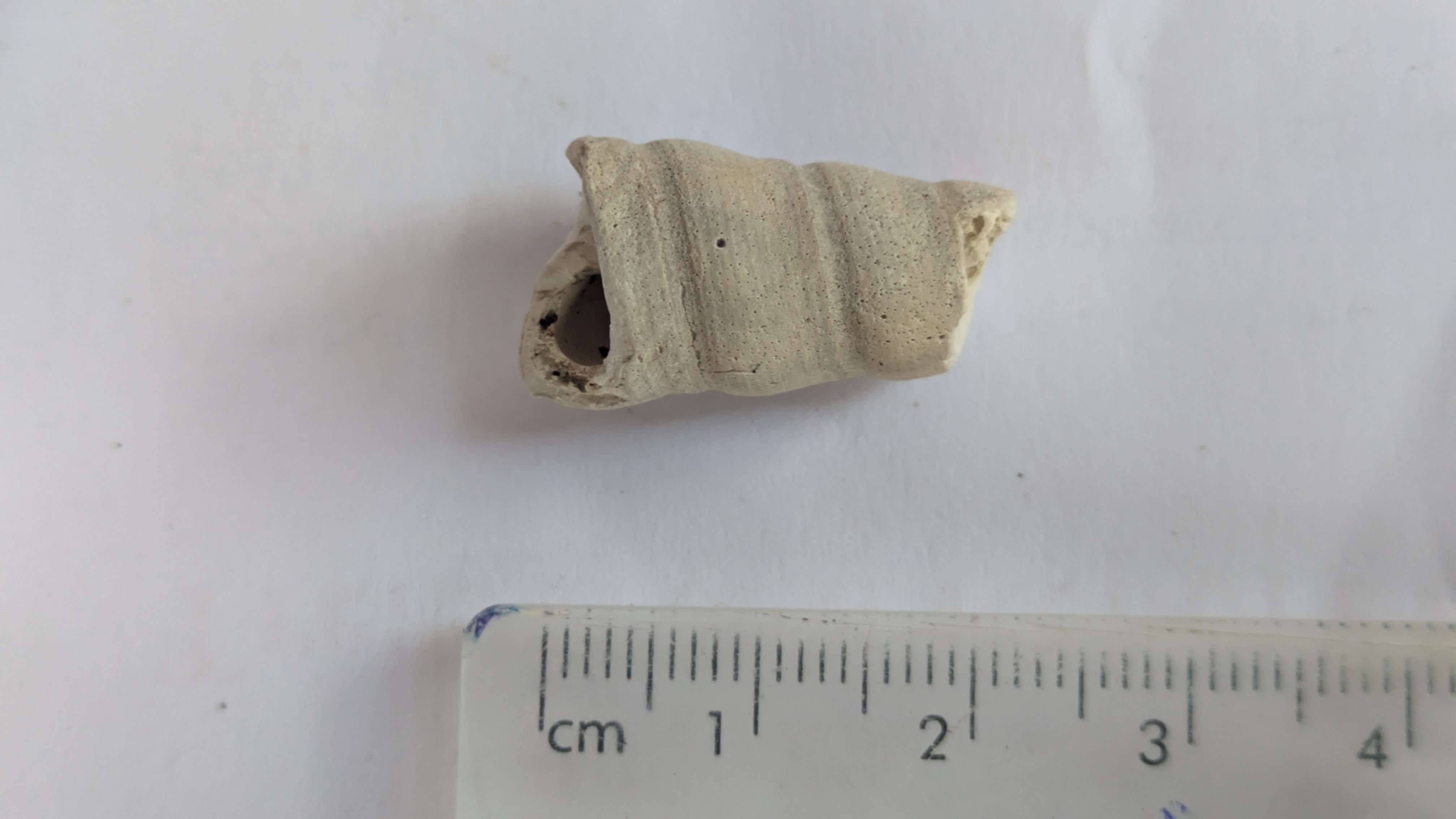
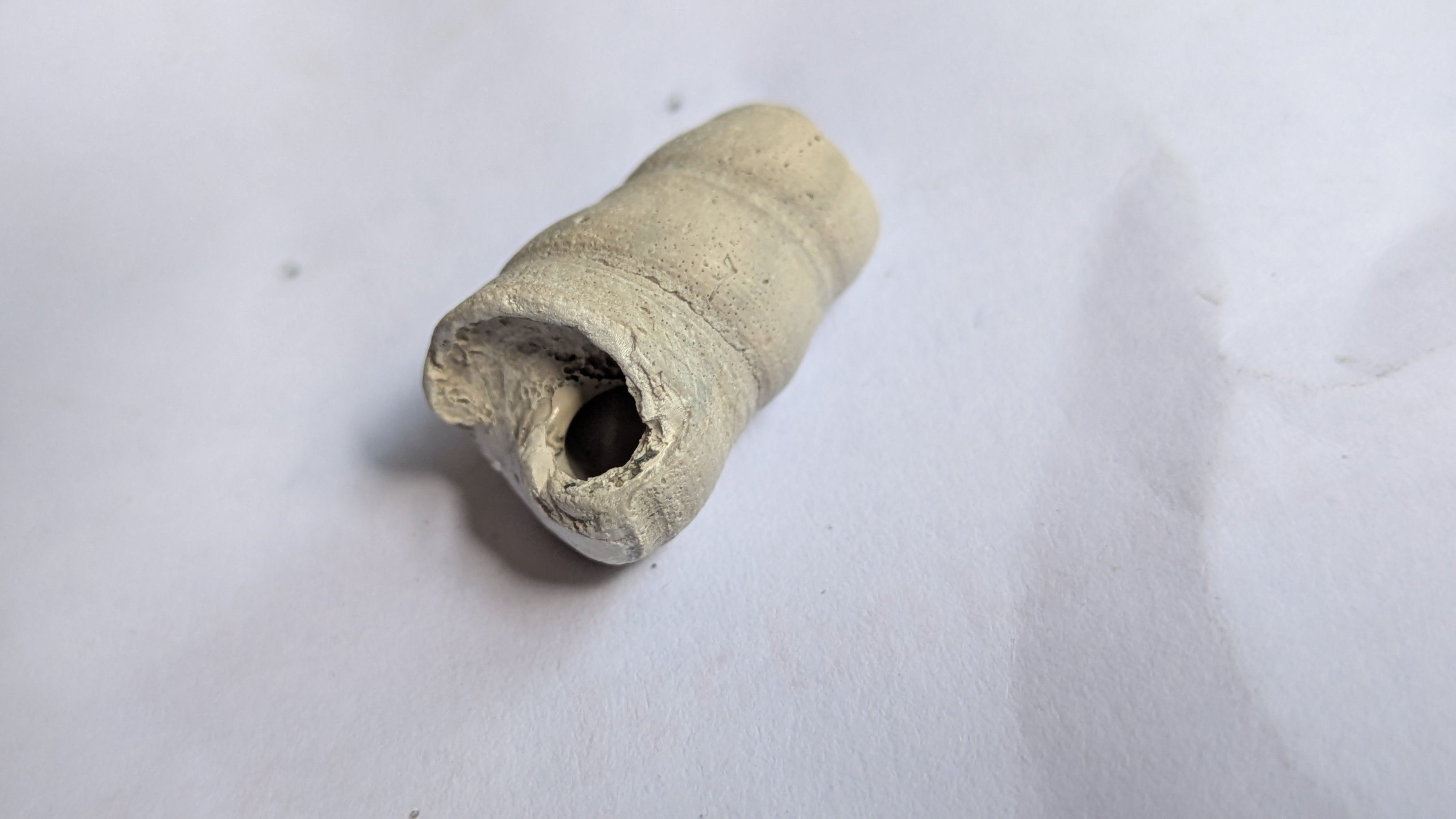
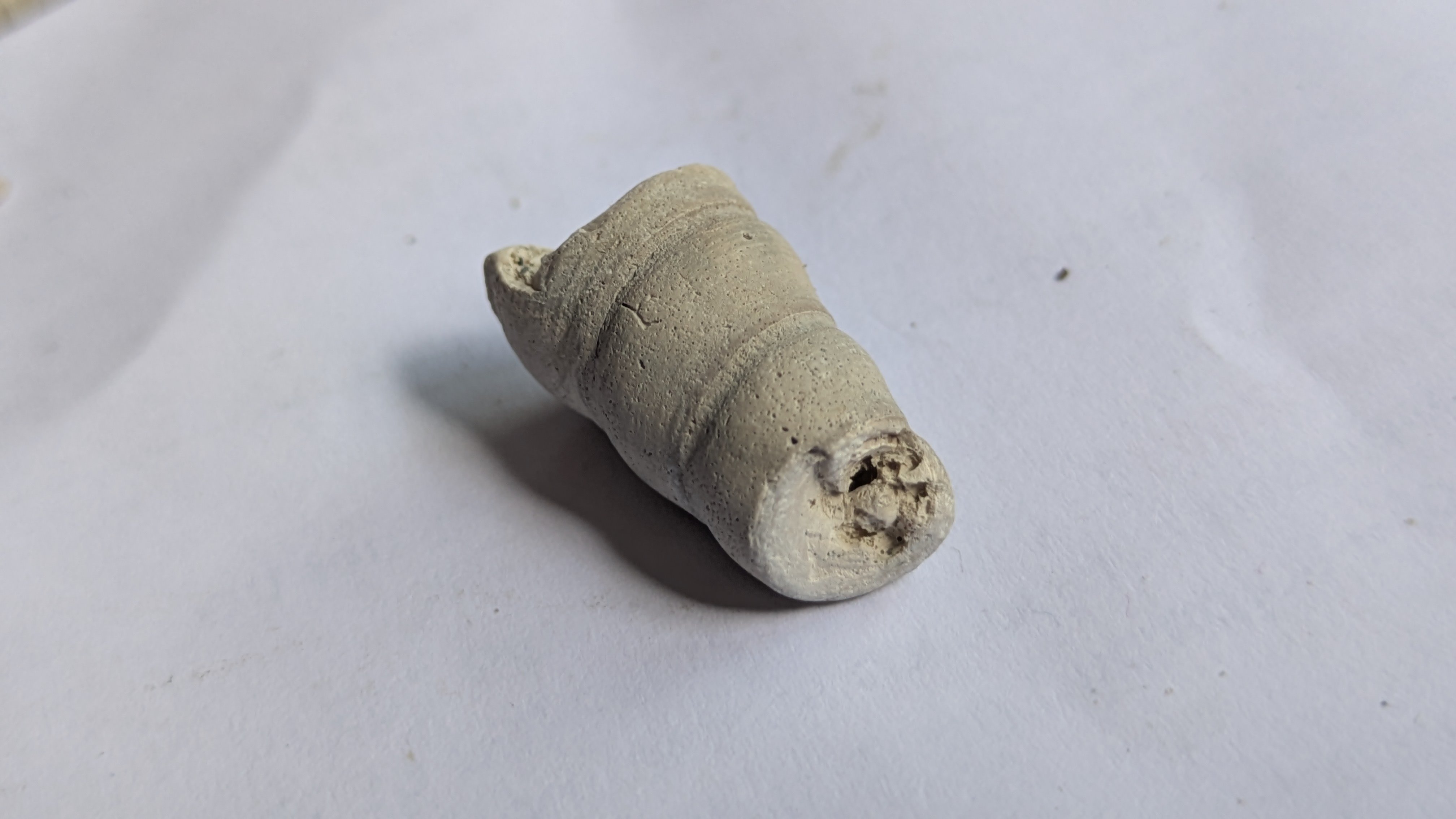
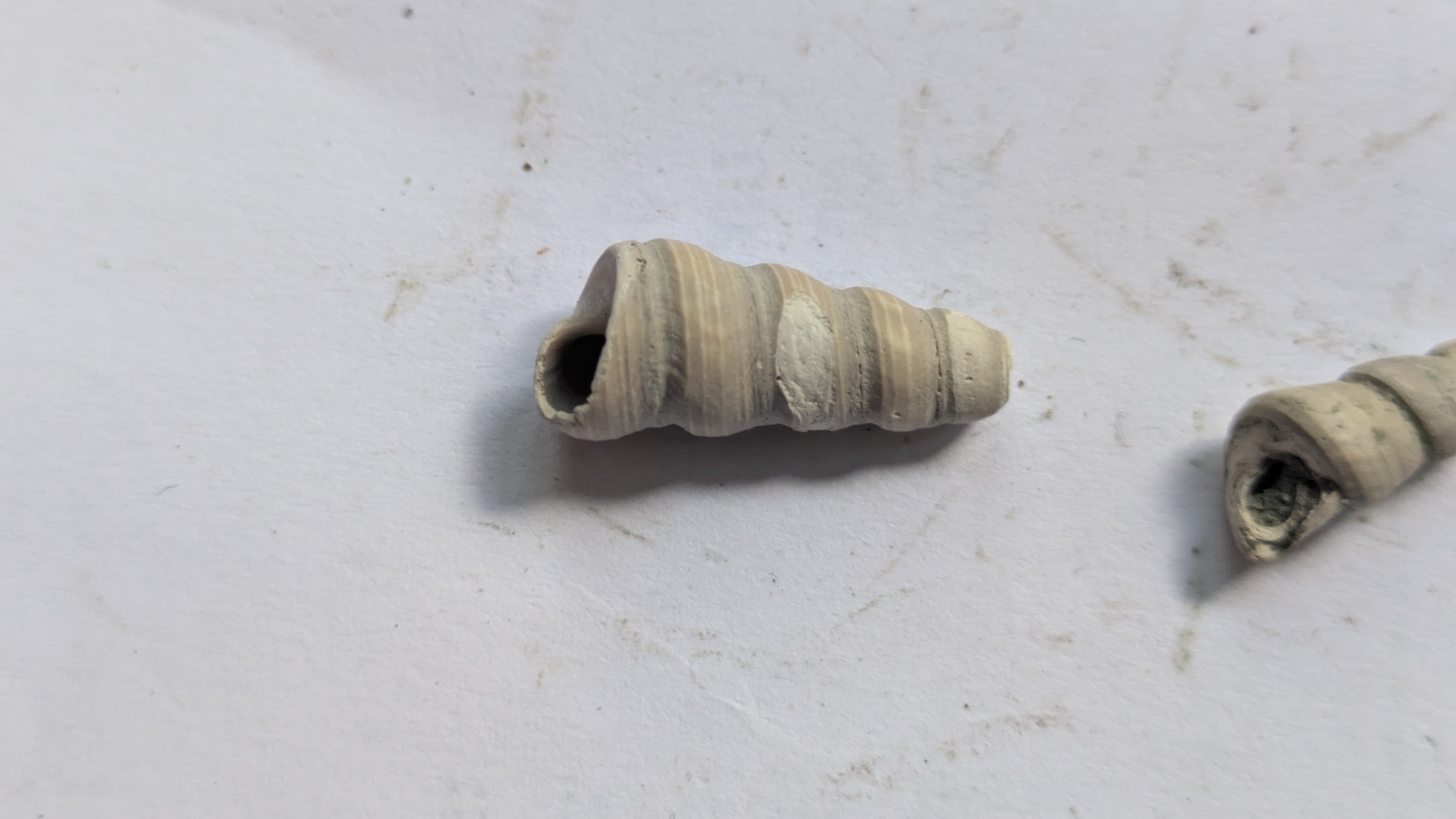















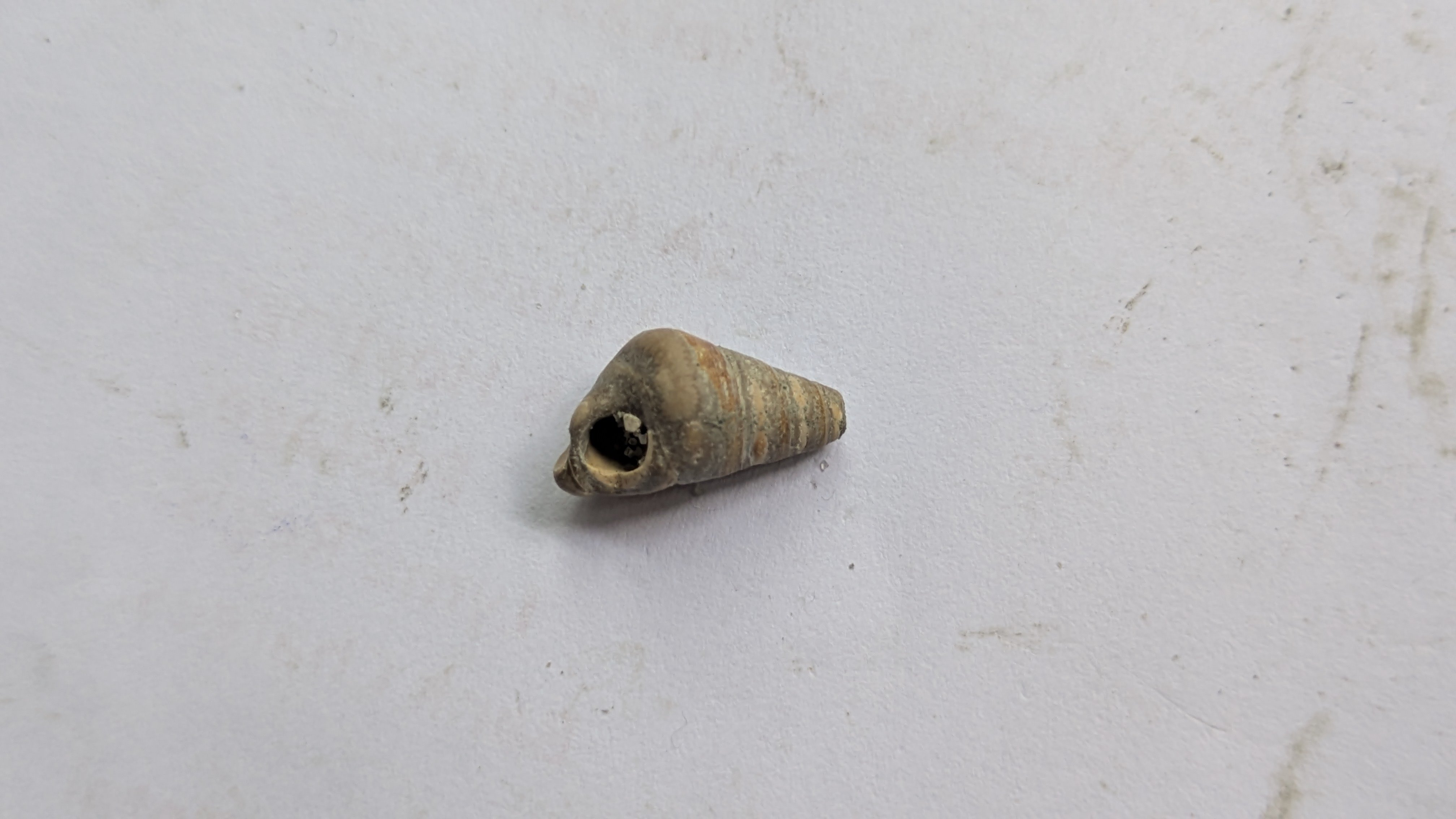
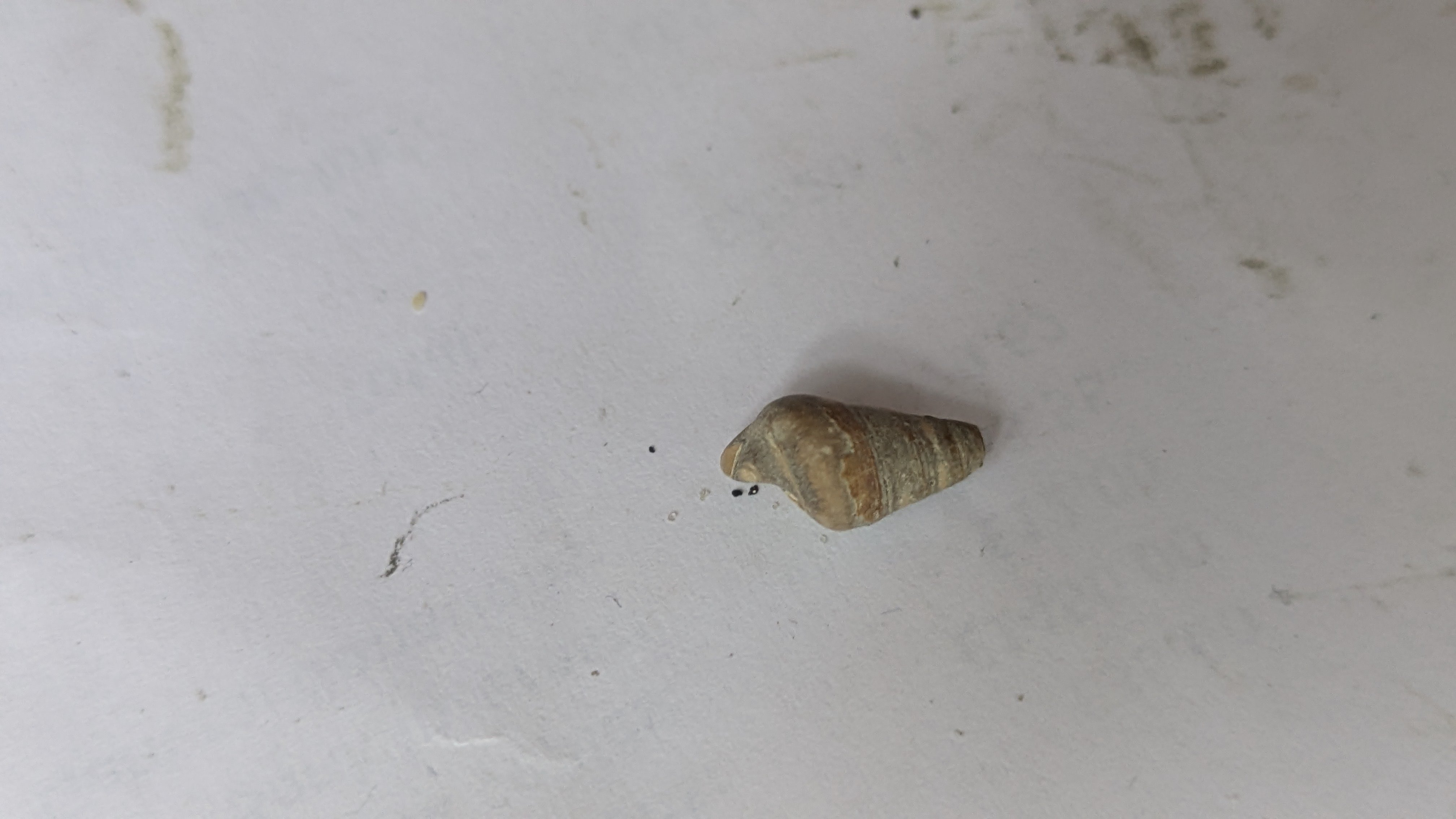


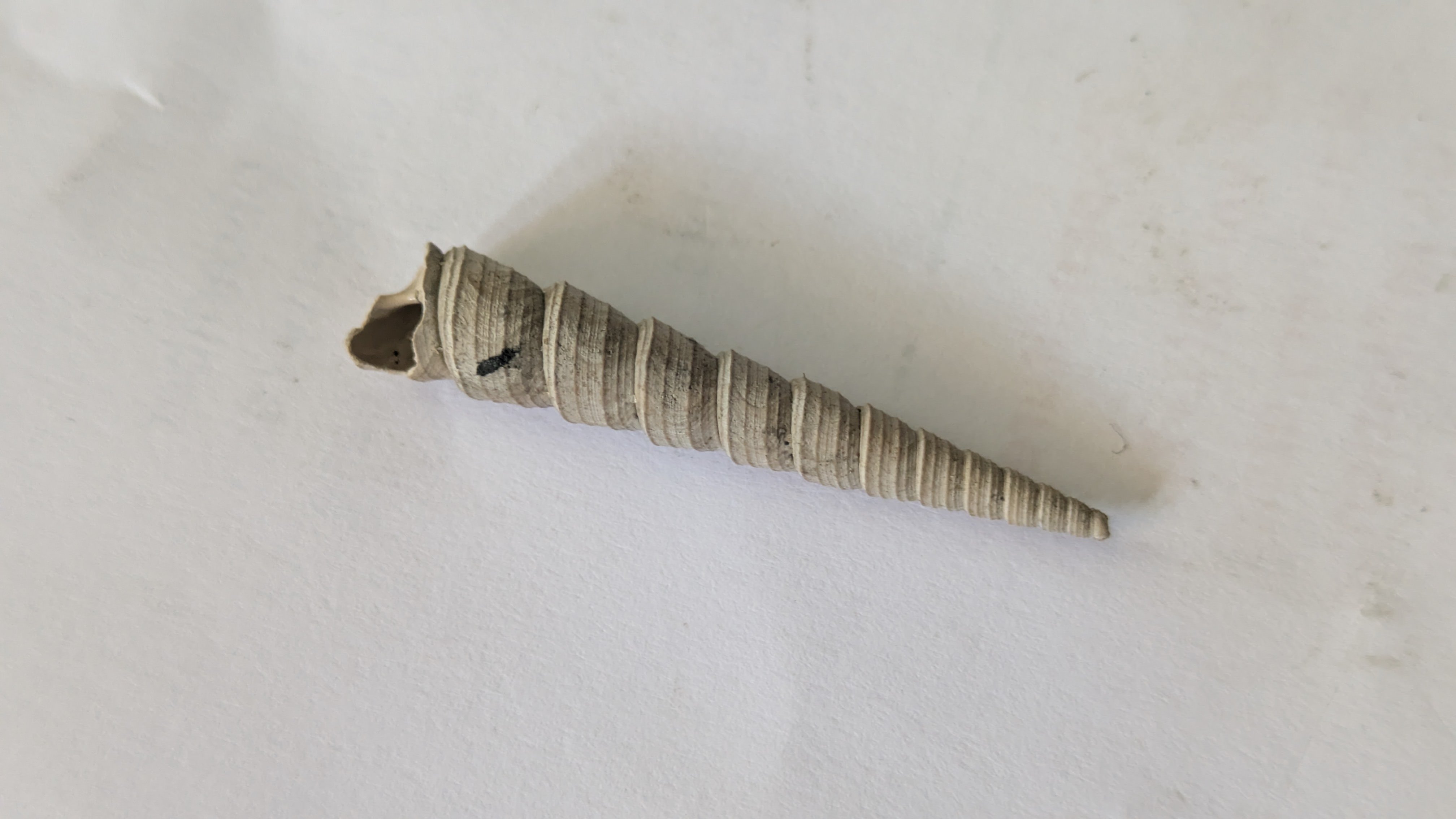
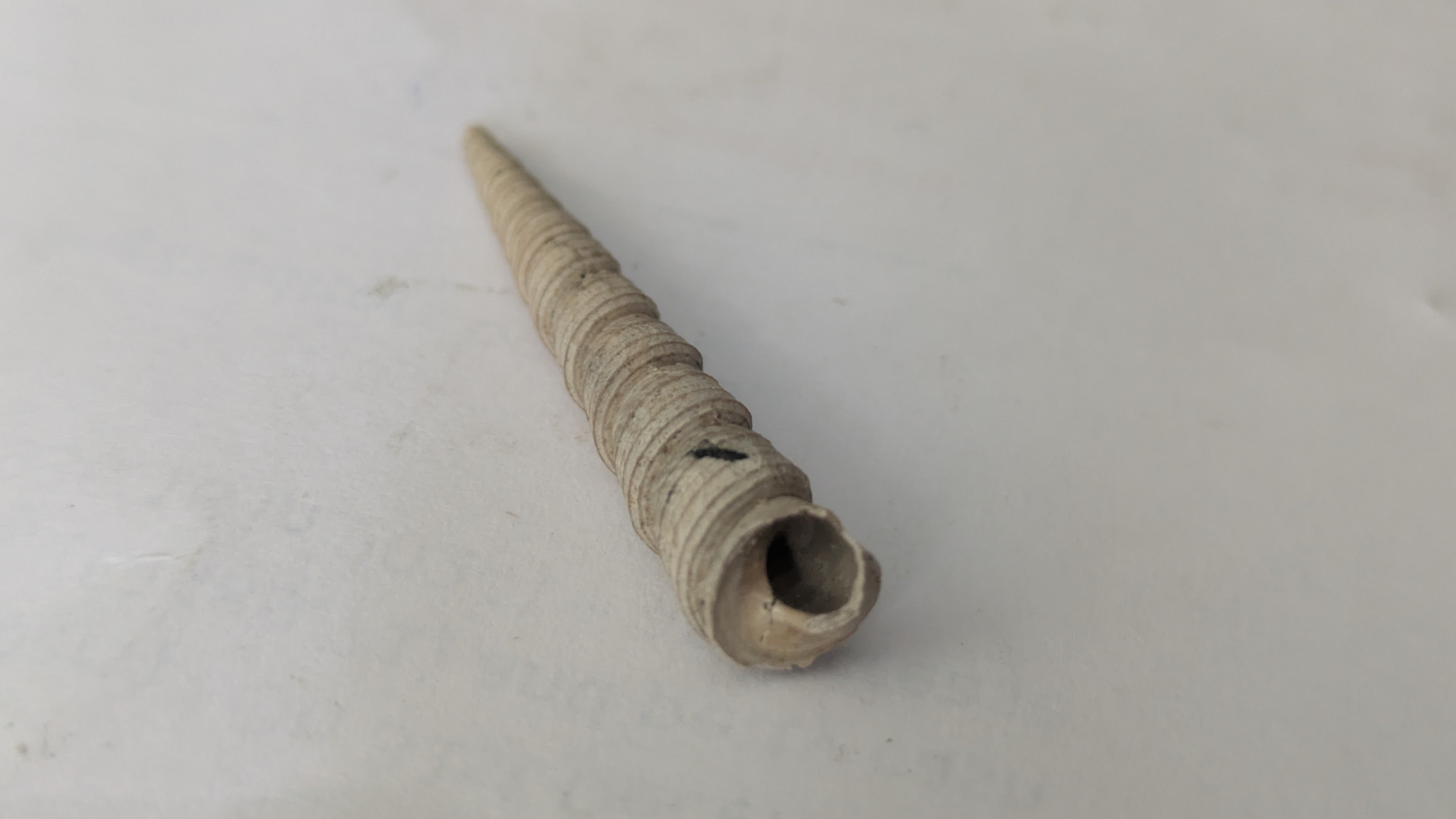
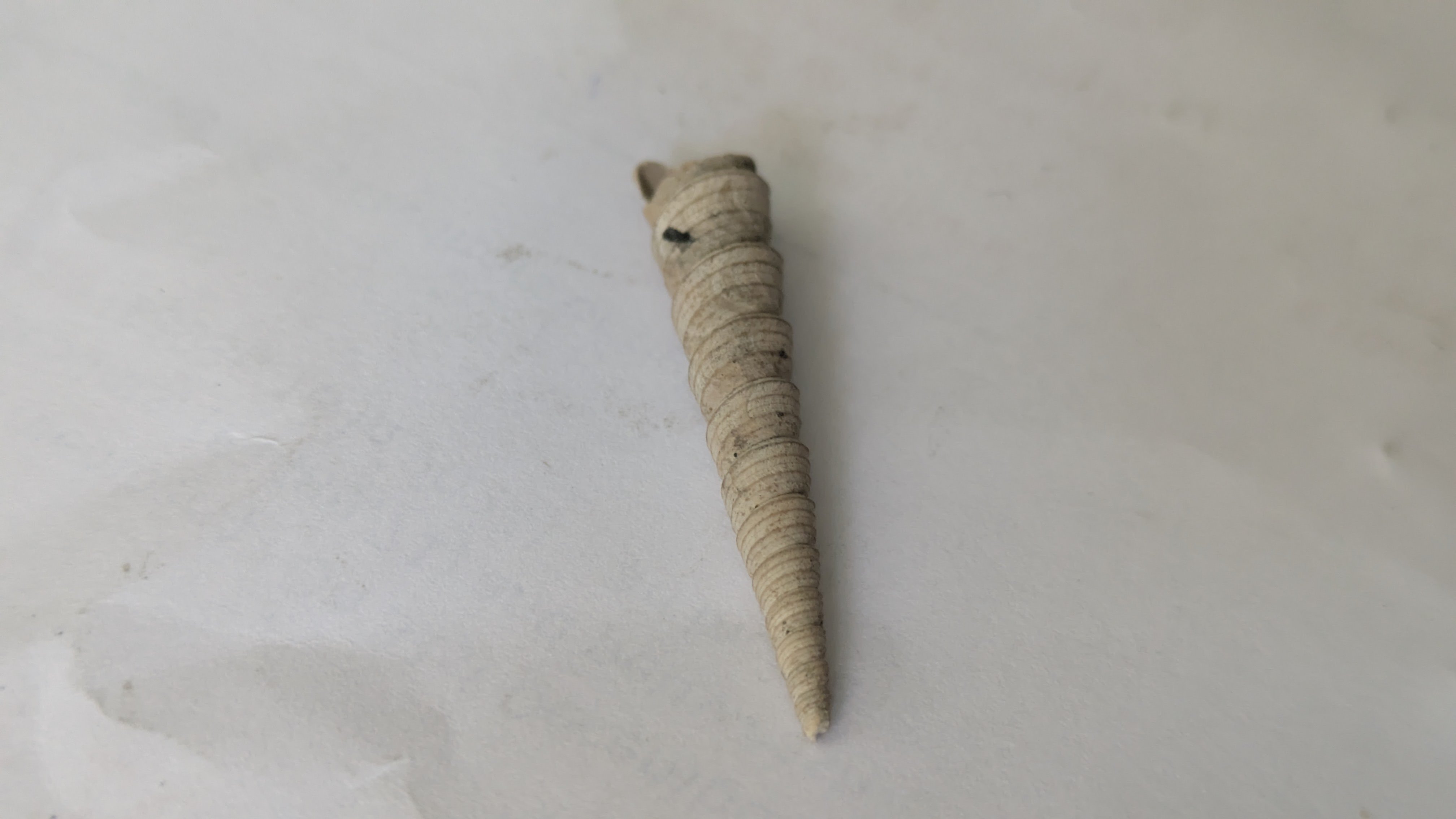


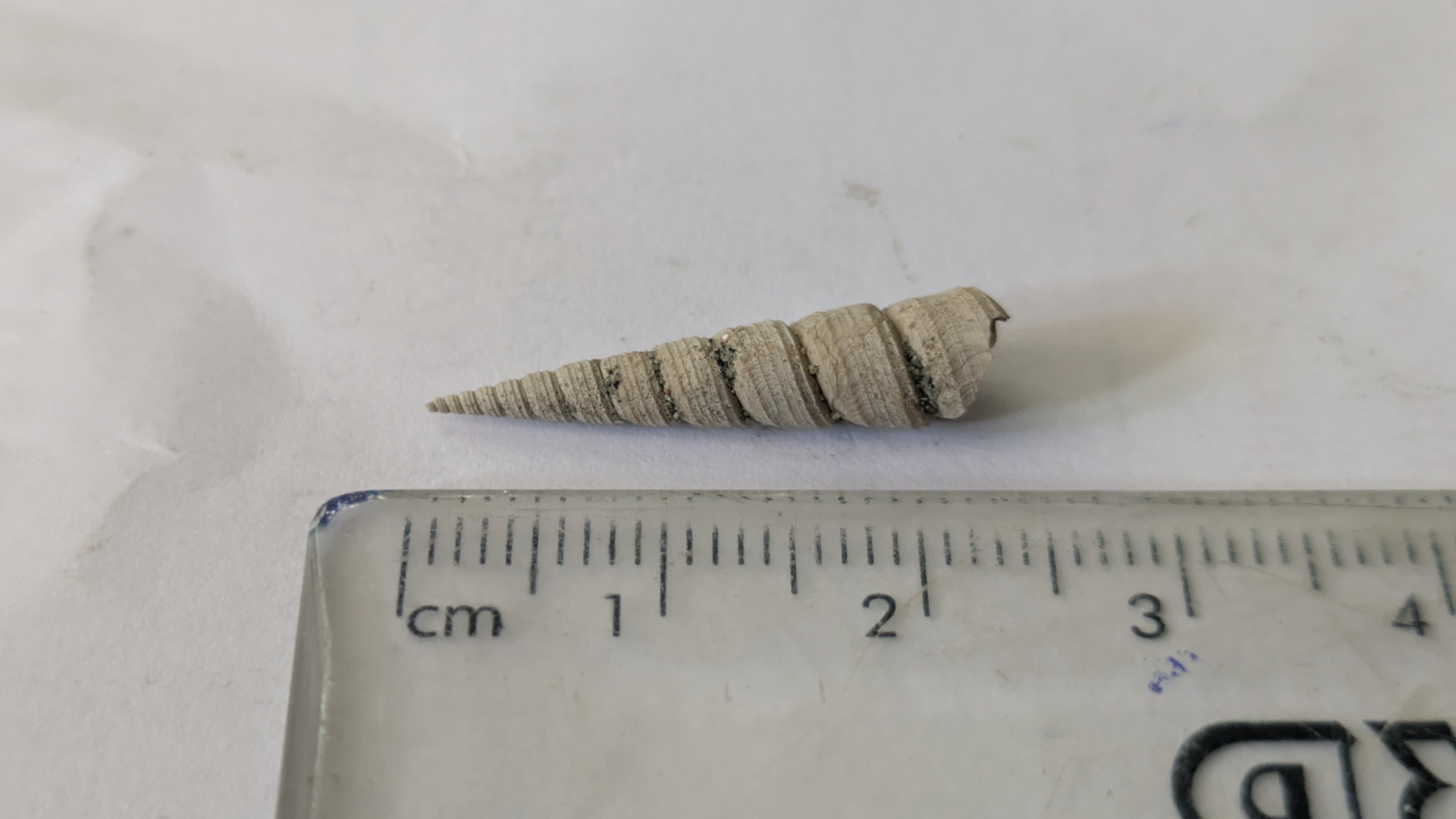


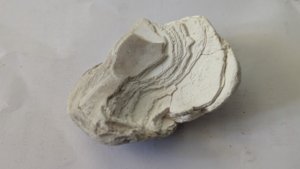
†Venericor planicosta
1 specimen


†Venericor planicosta
1 specimen
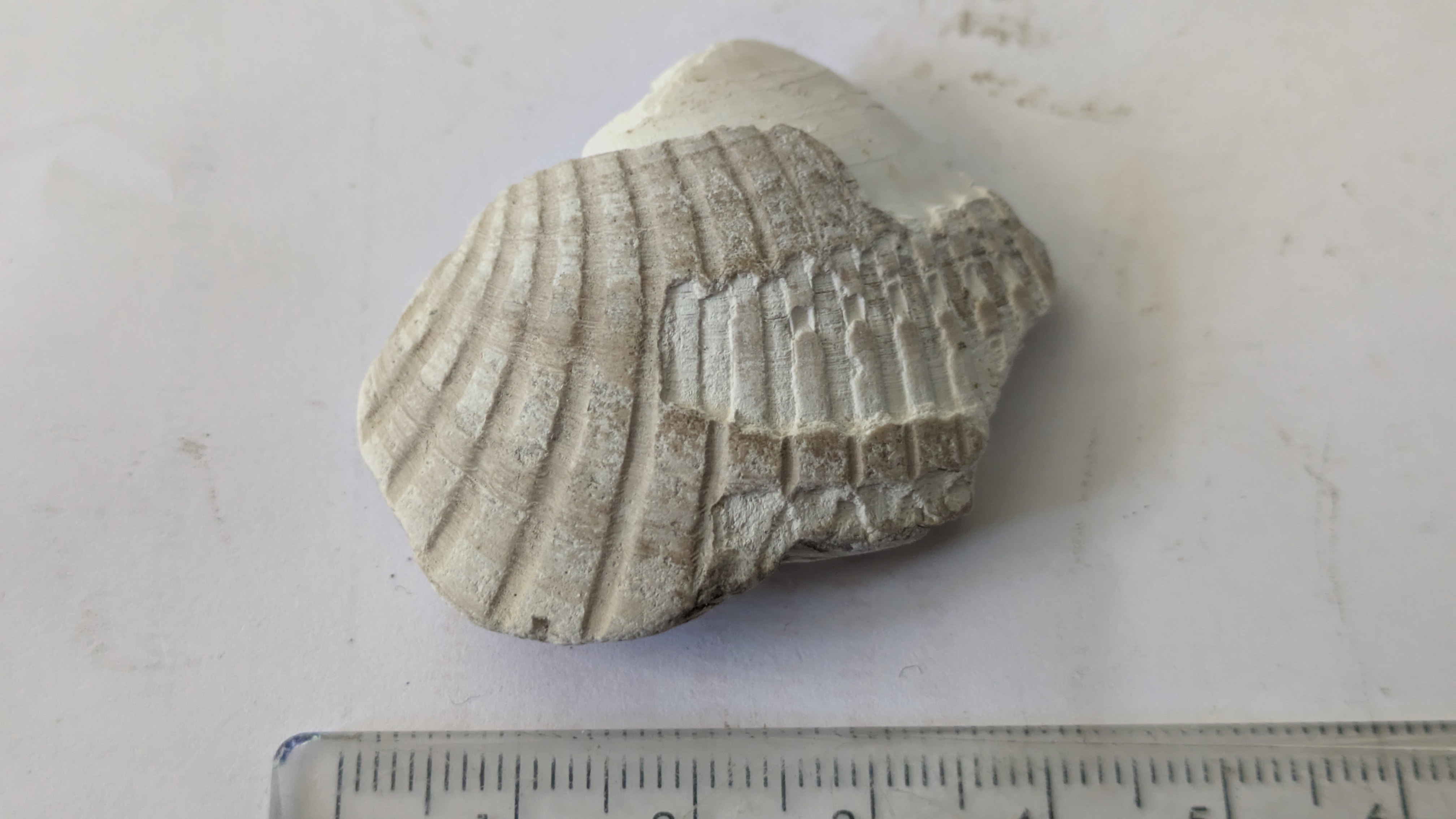
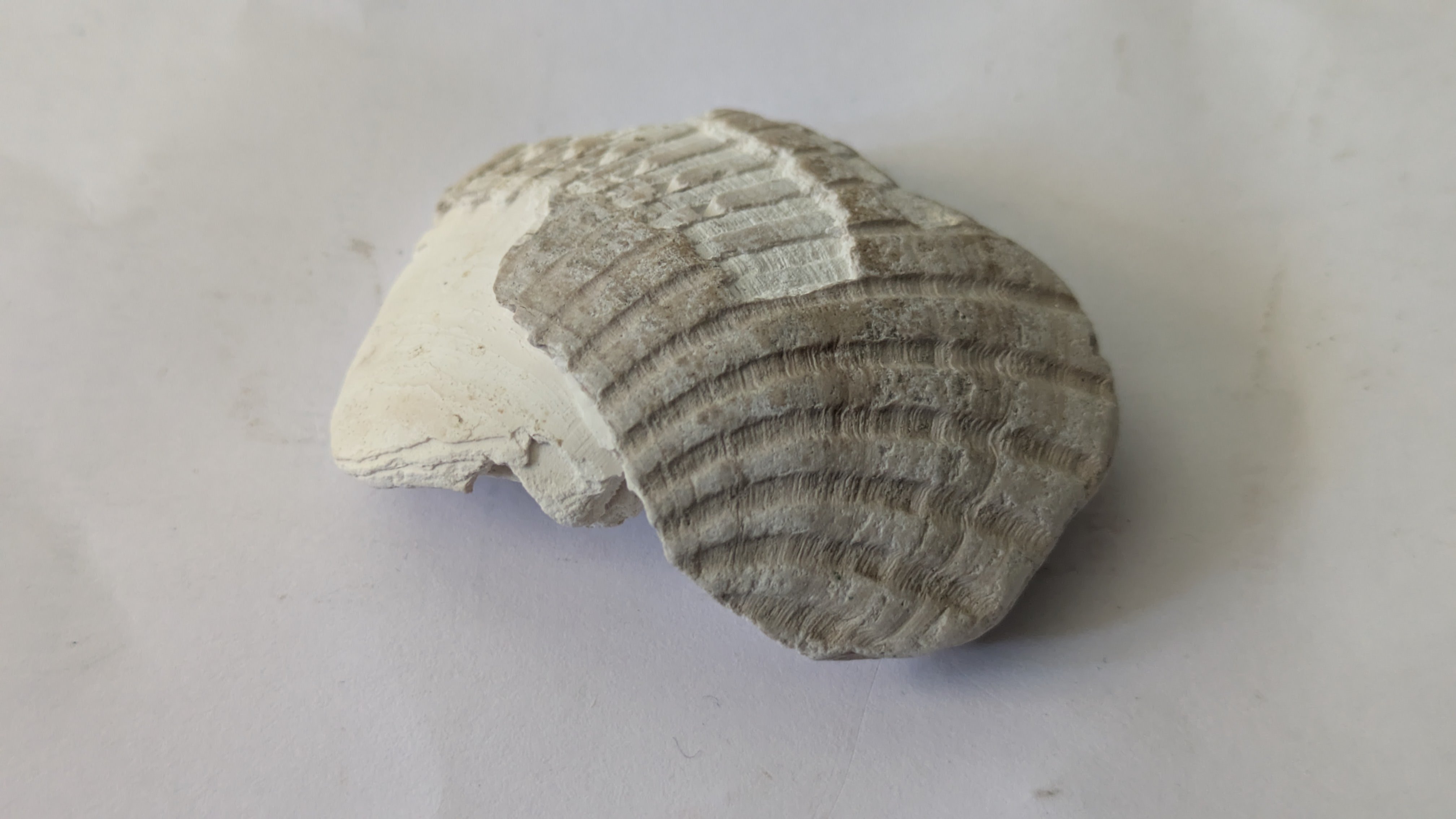
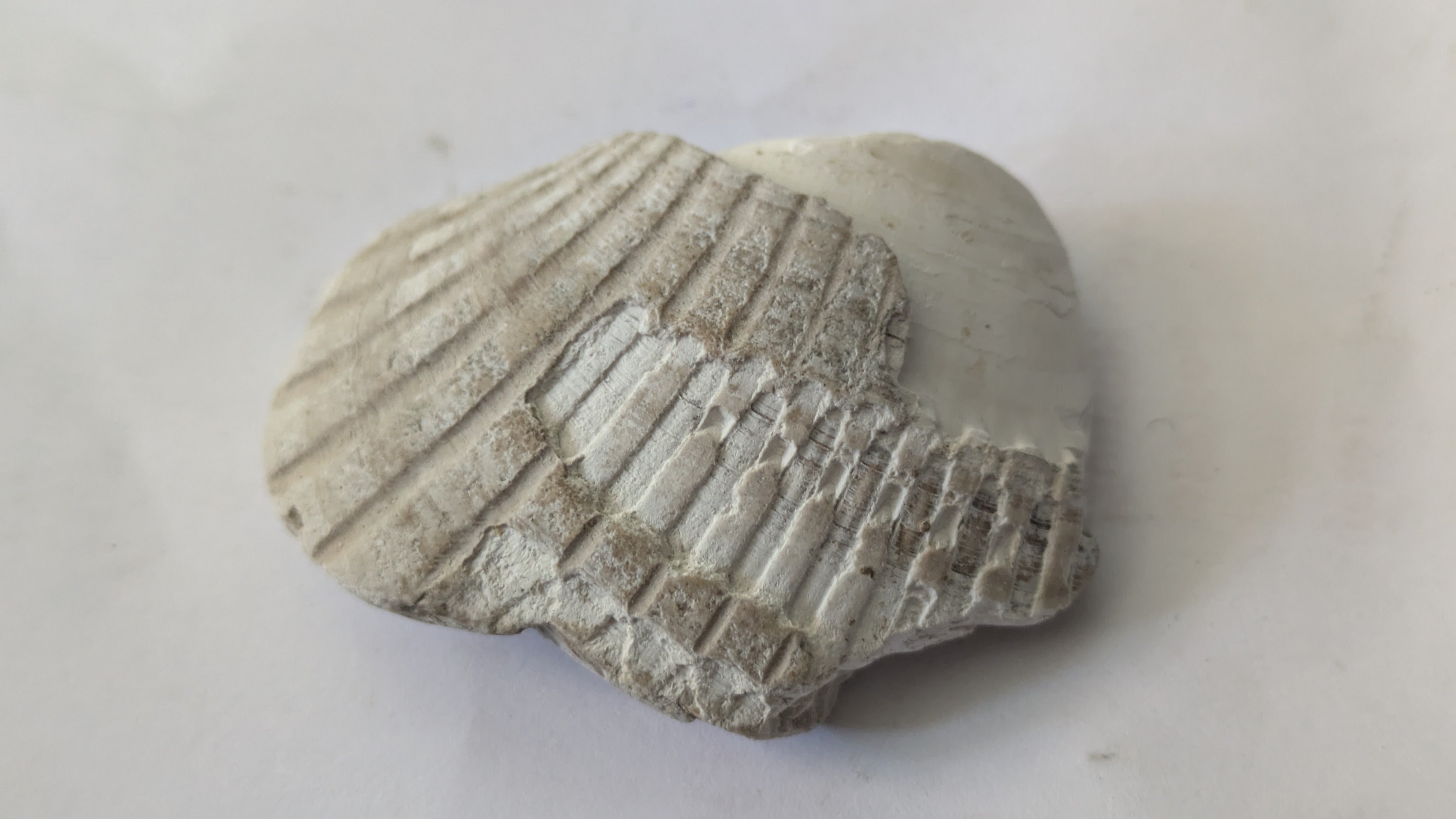
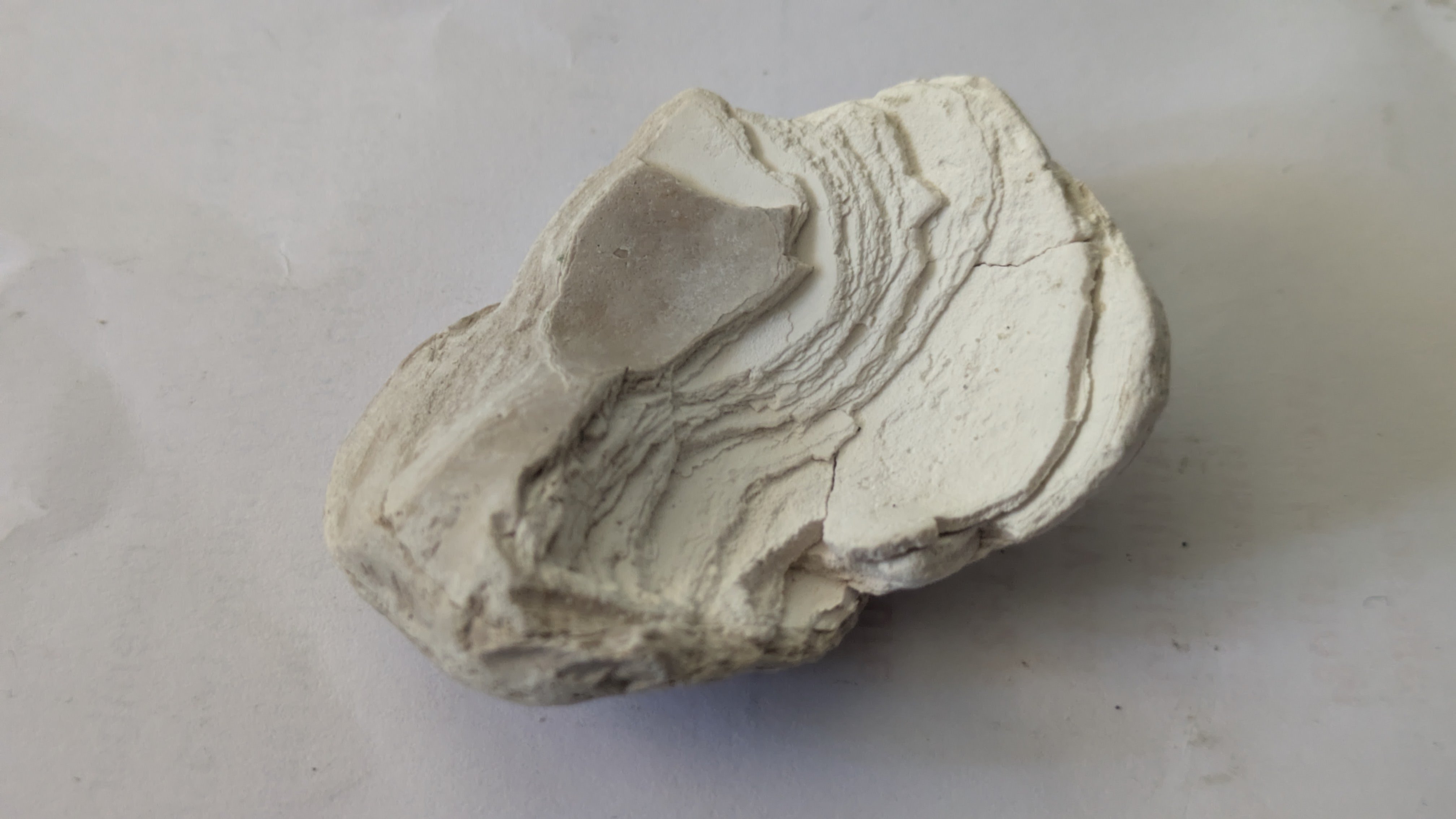
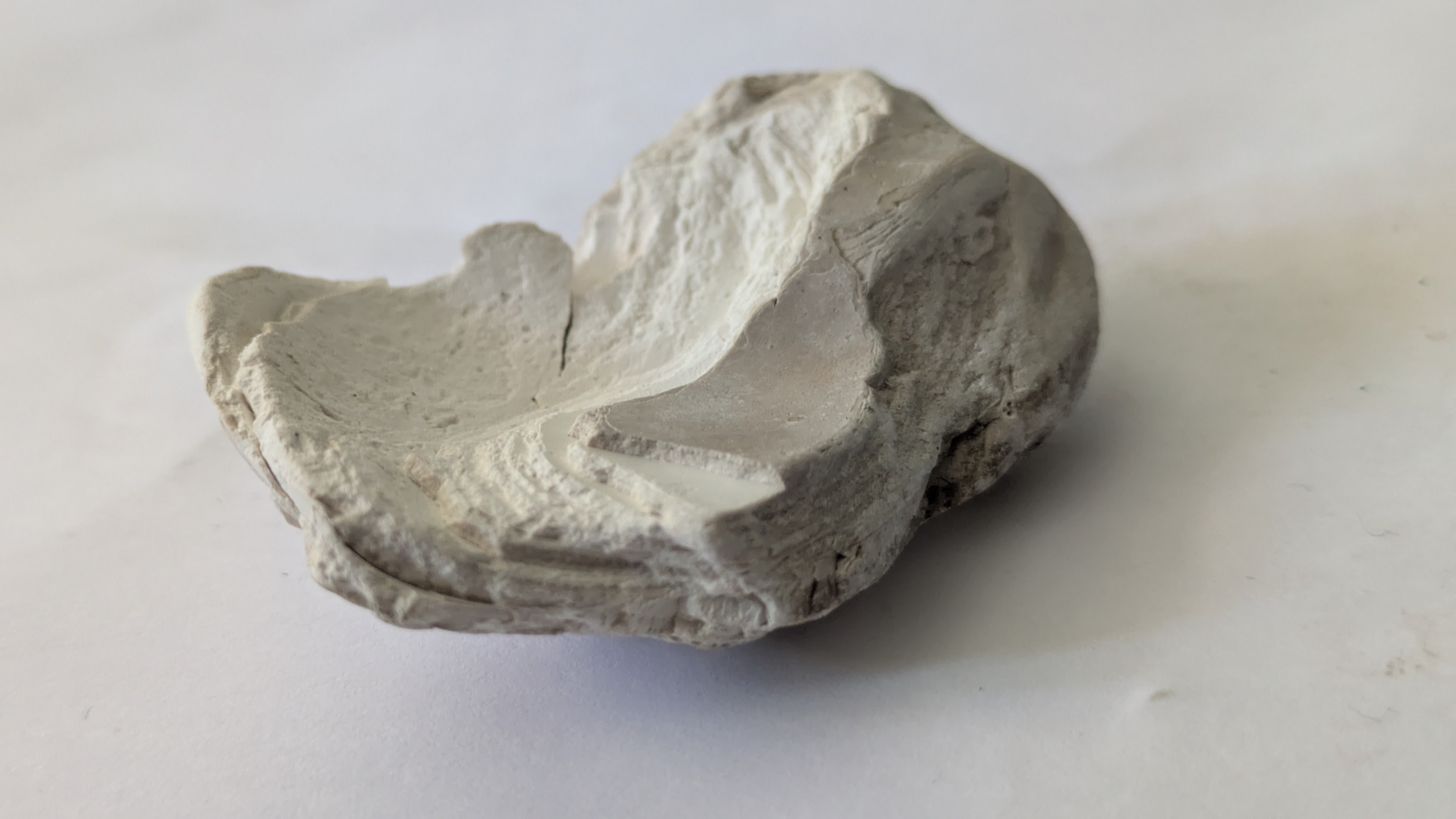
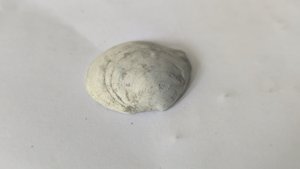
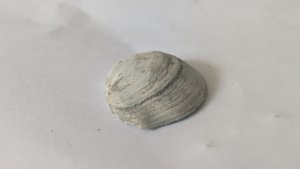
Veneridae
1 specimen


Veneridae
1 specimen