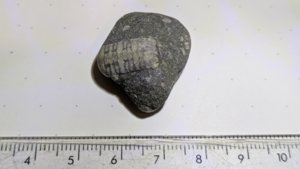
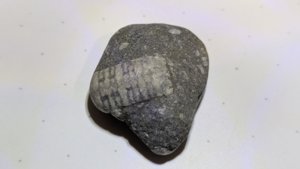
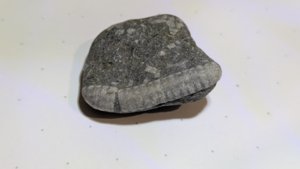
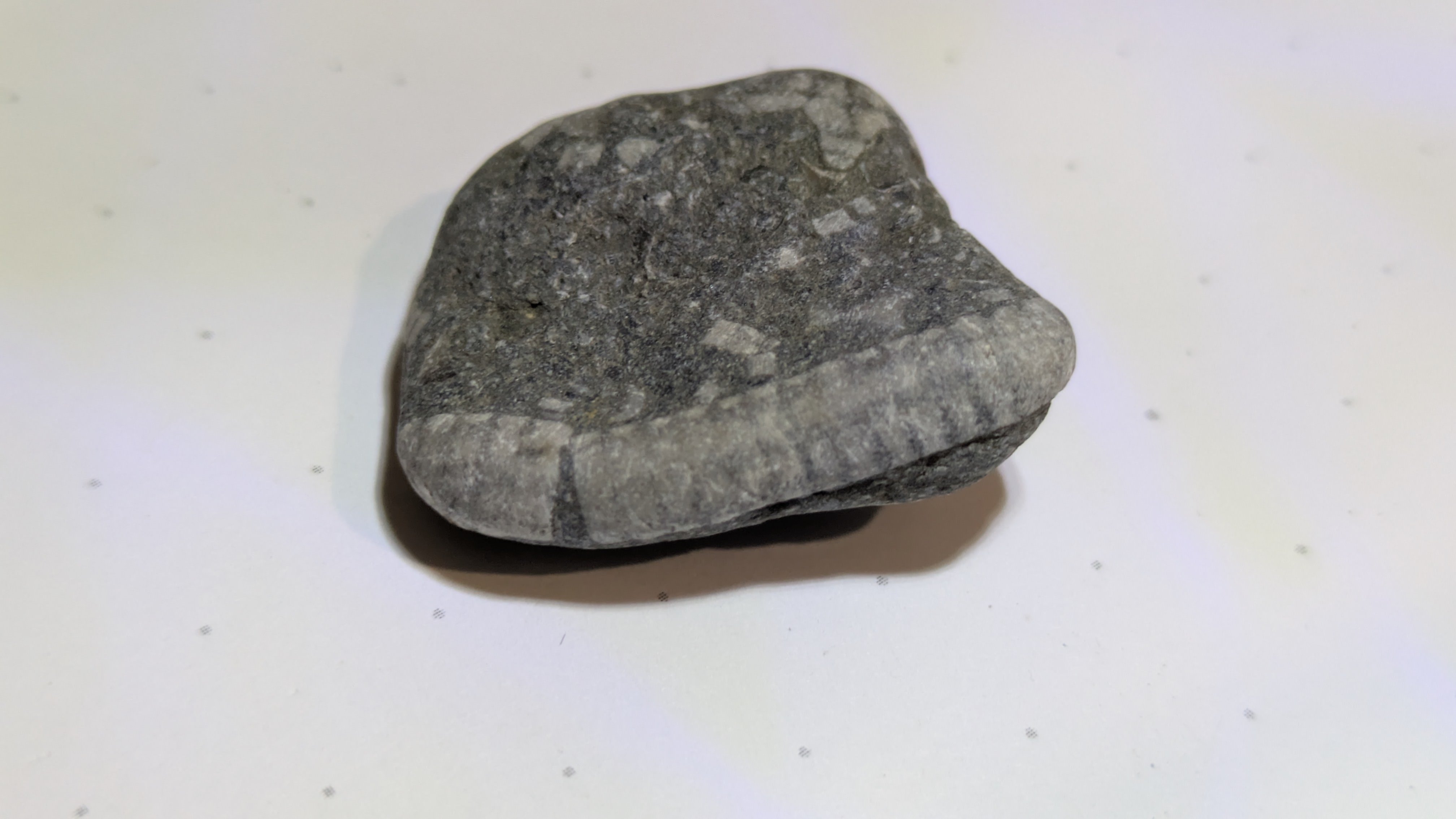
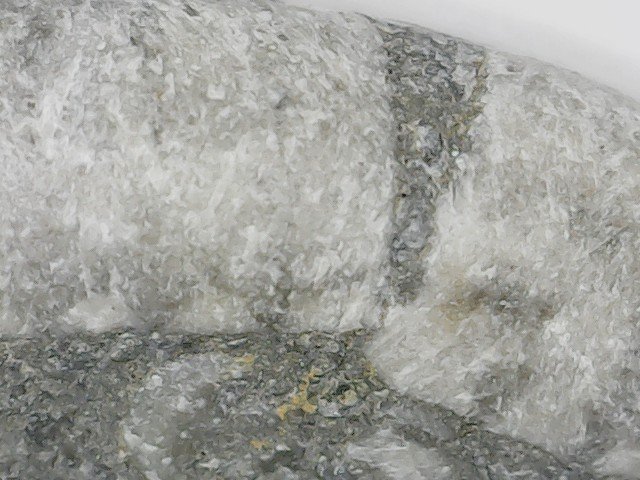
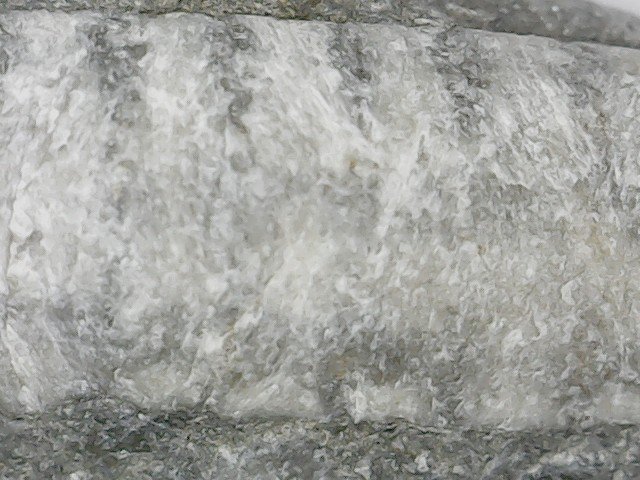
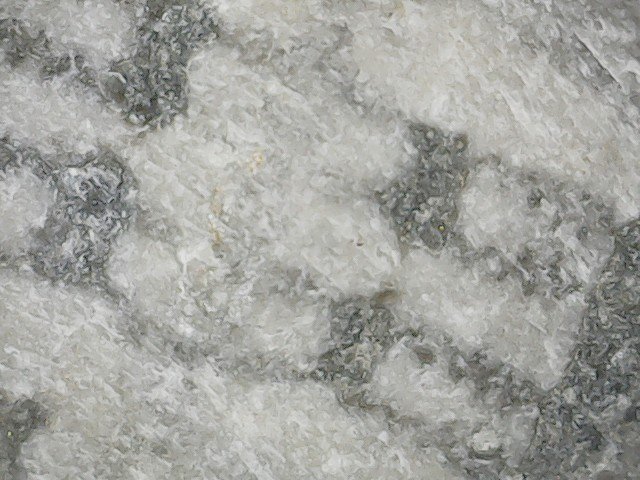
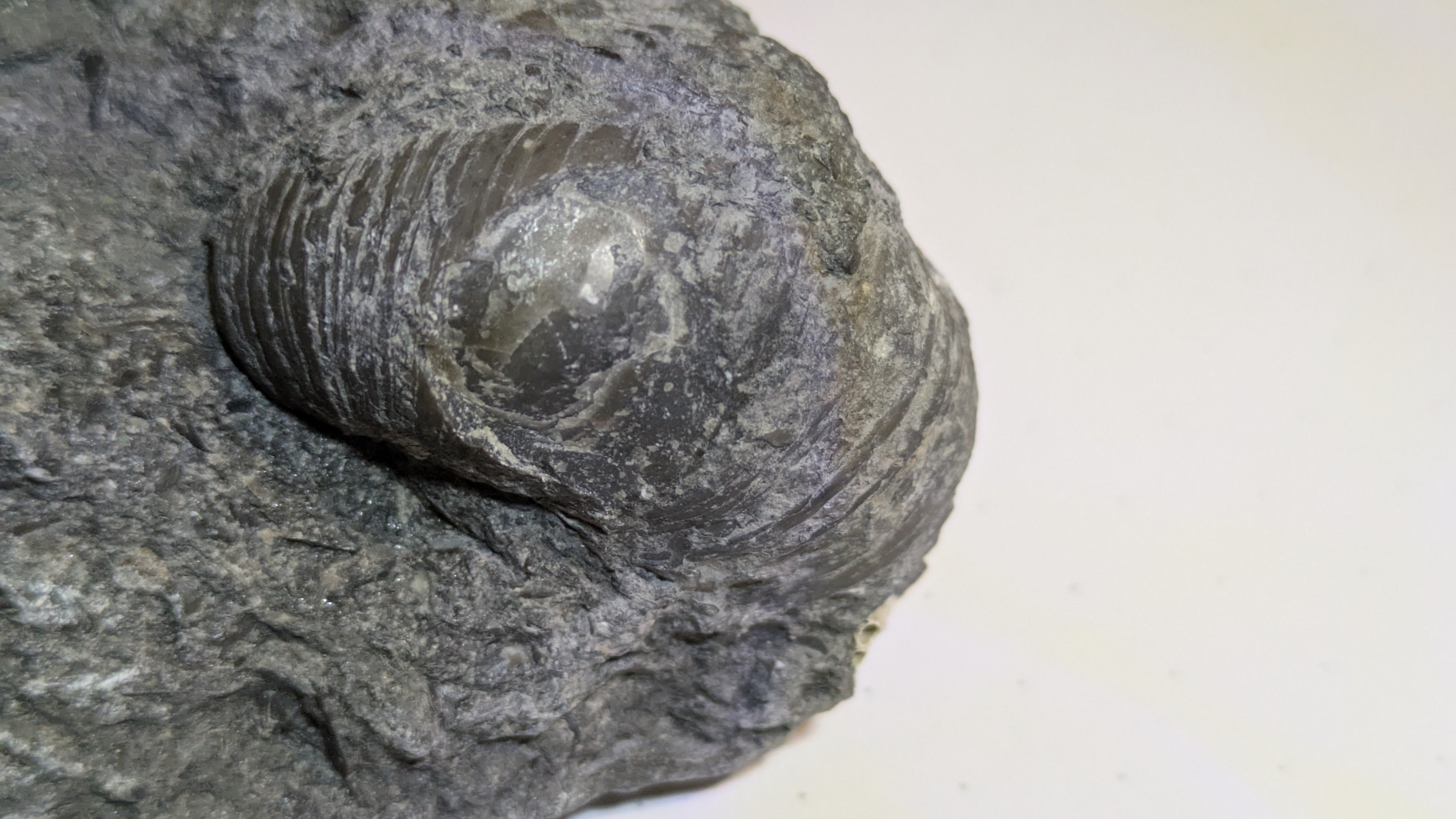
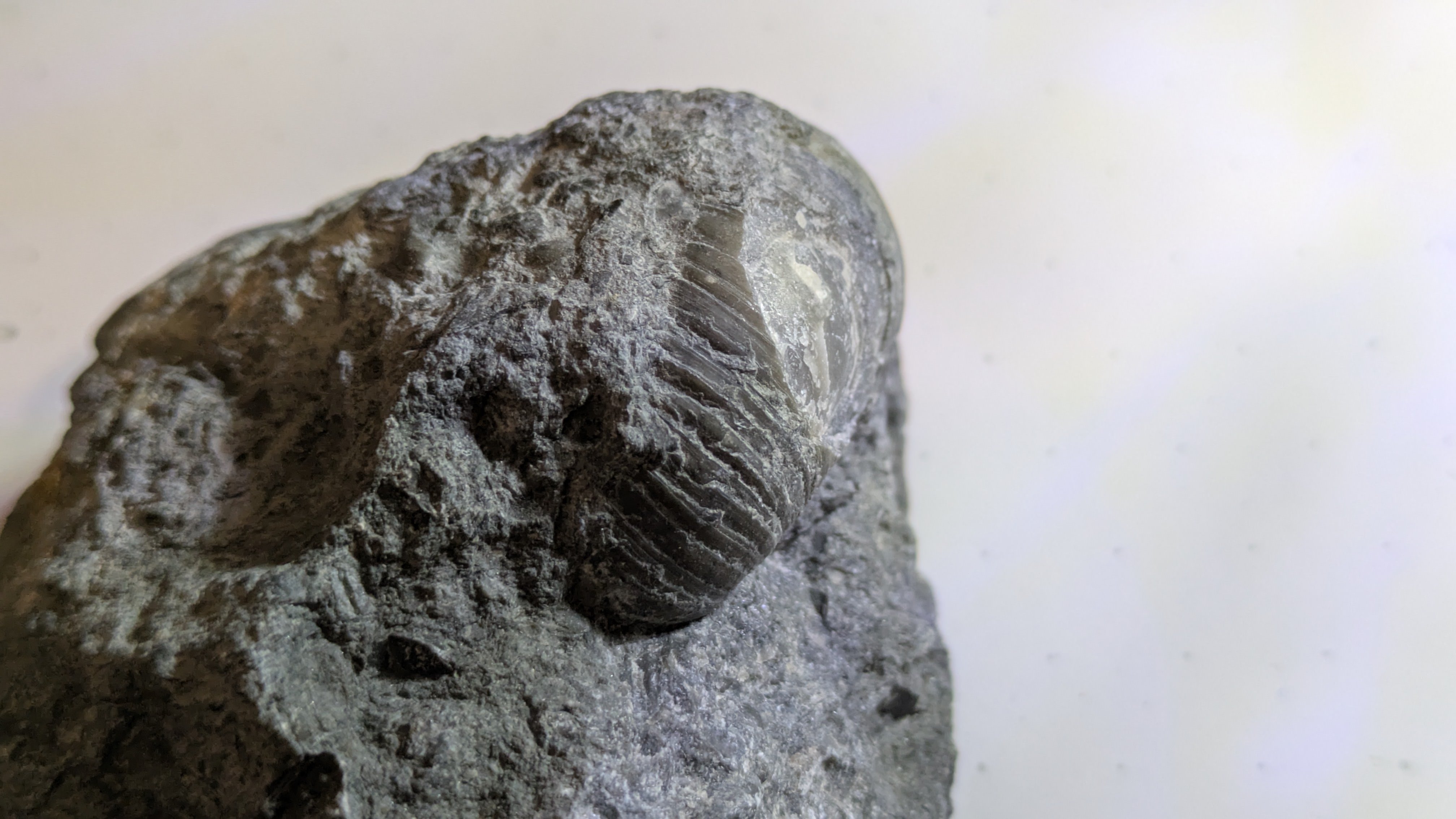
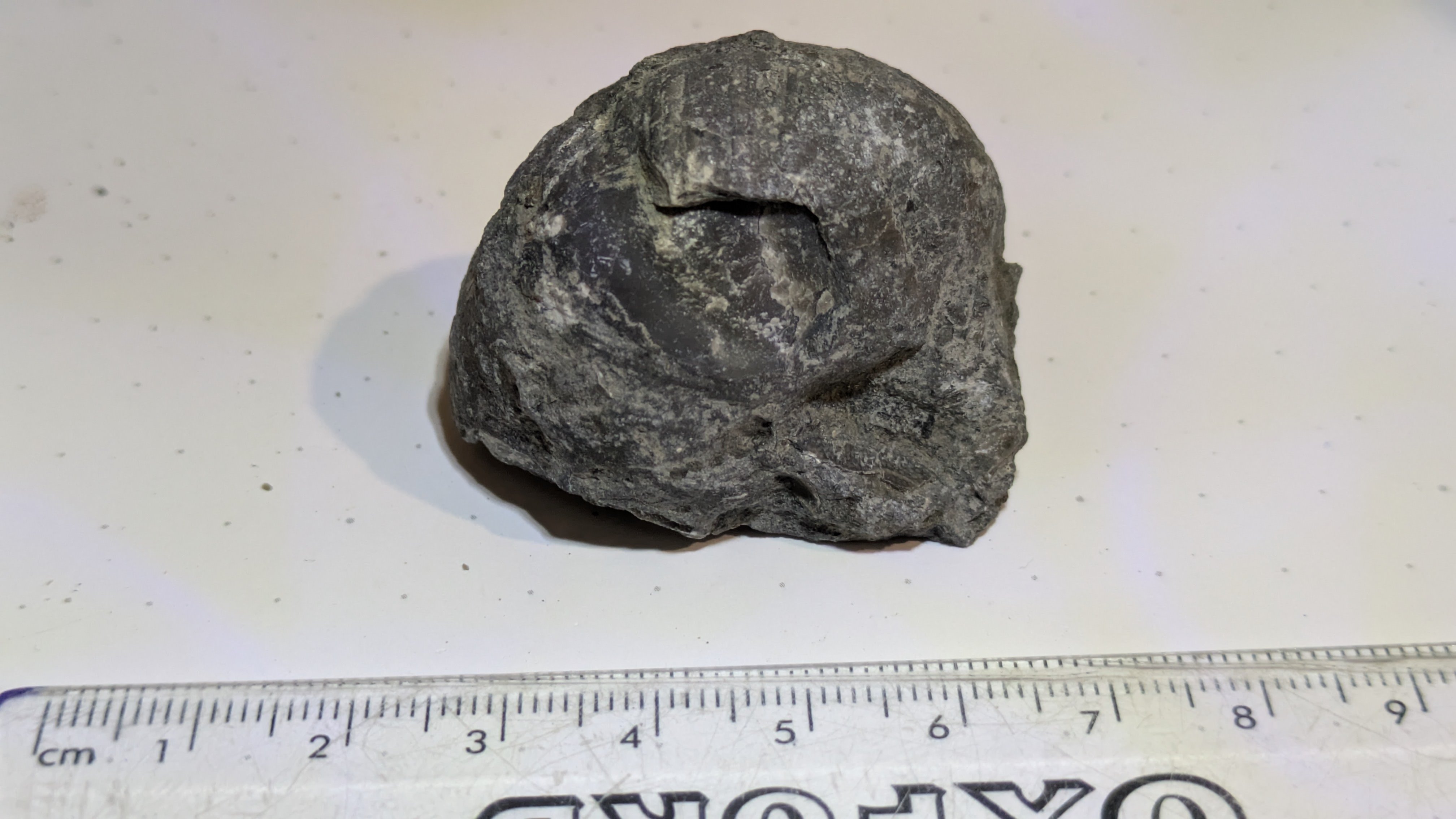
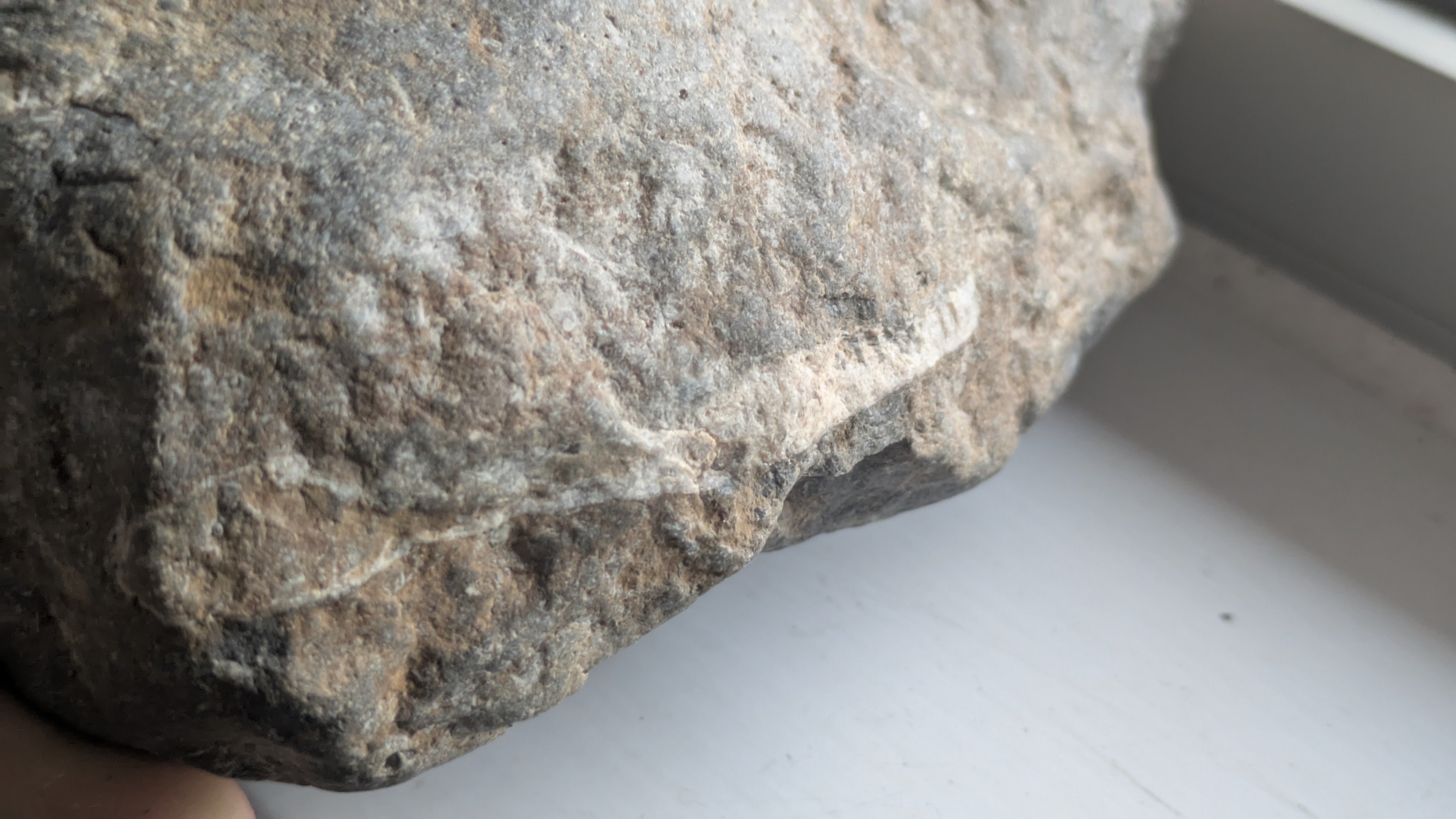
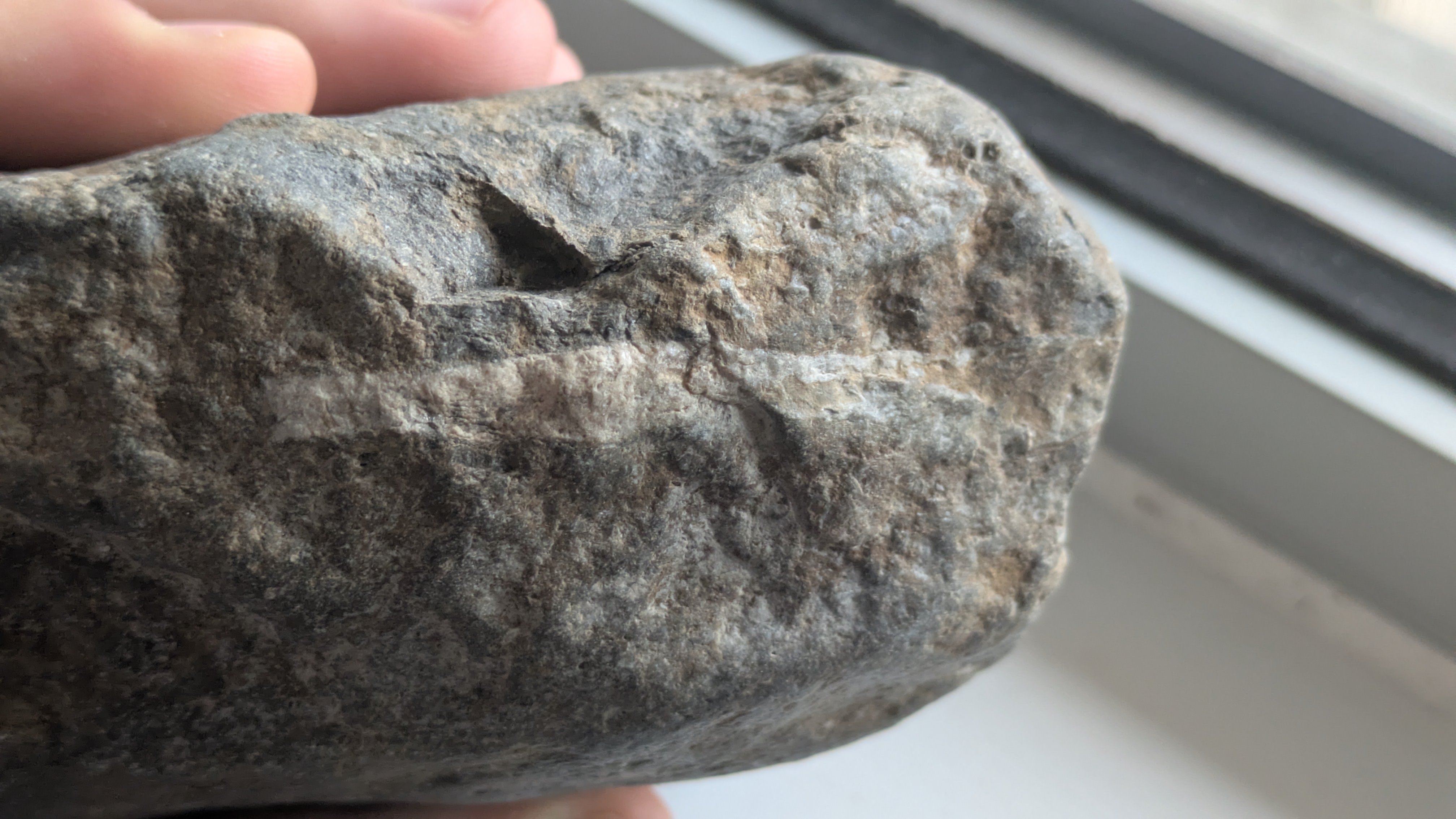
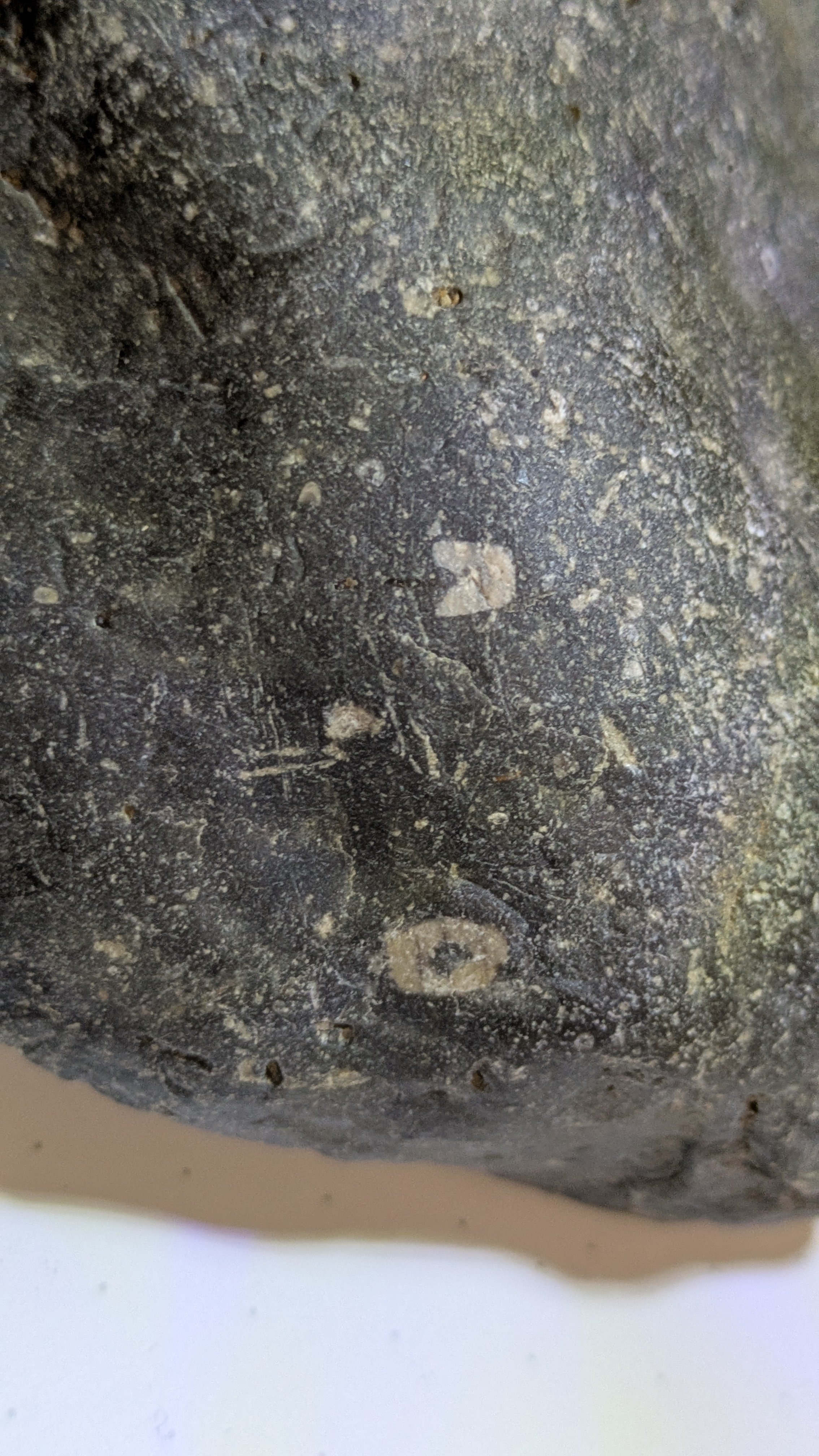
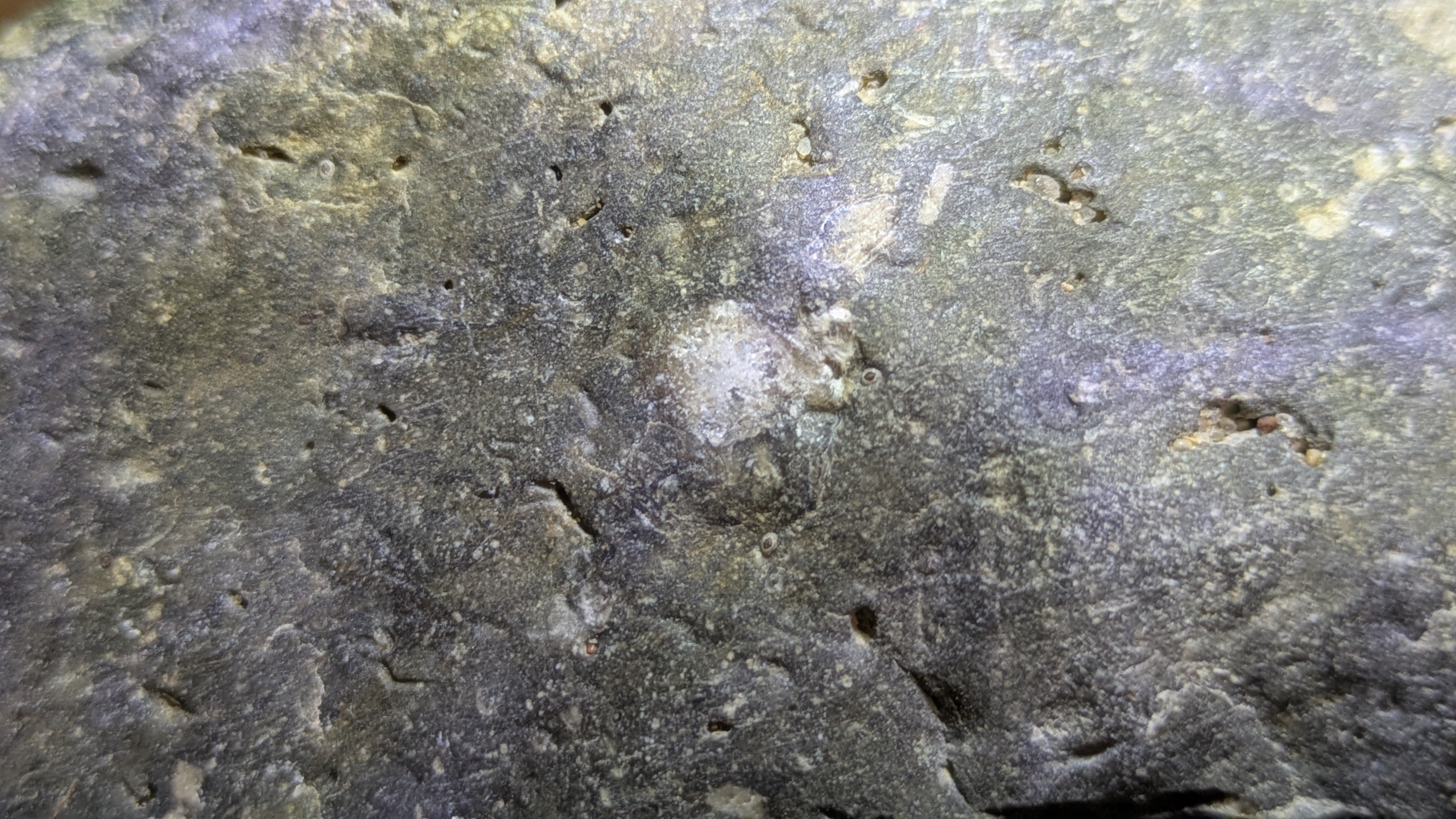
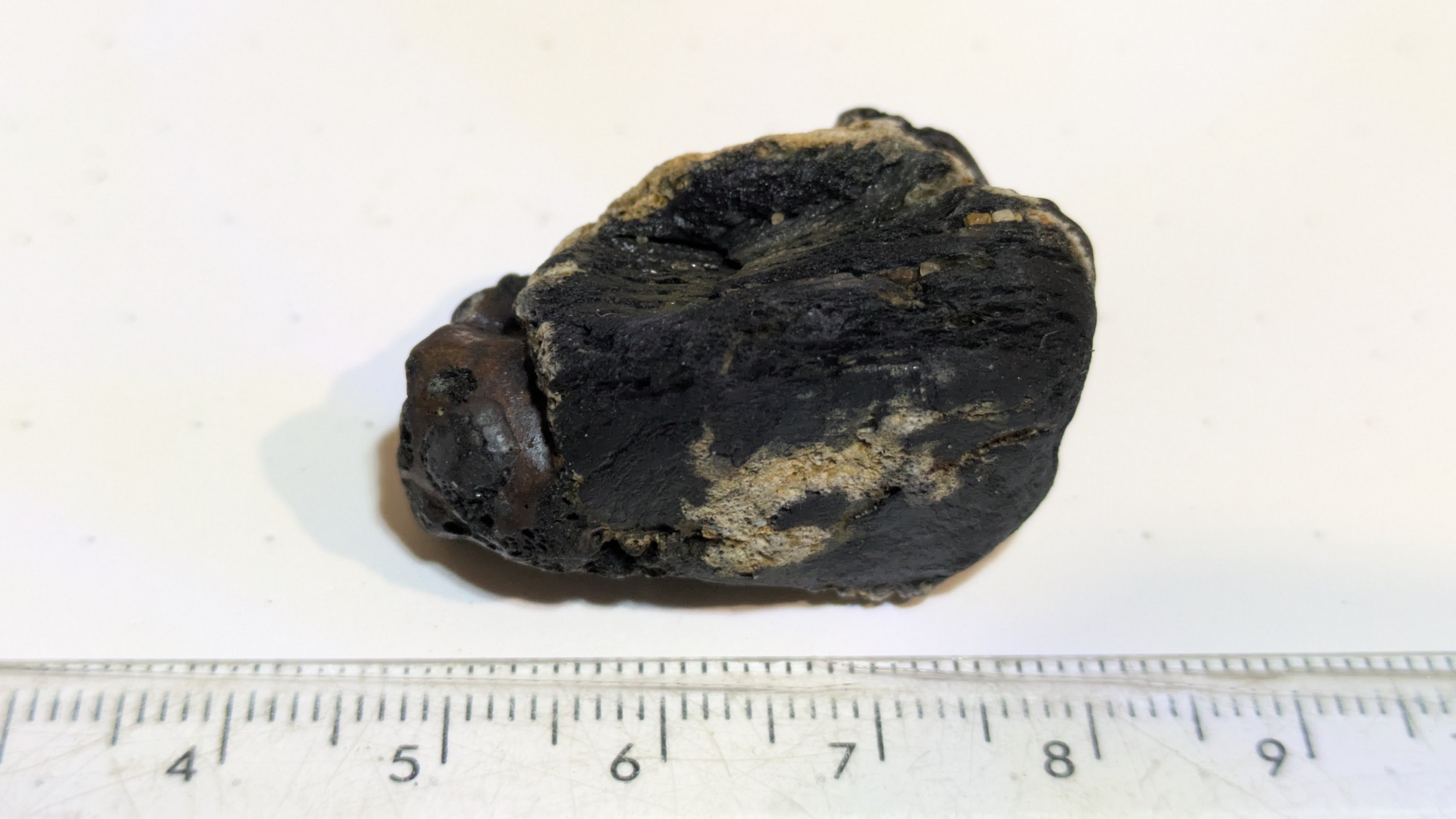
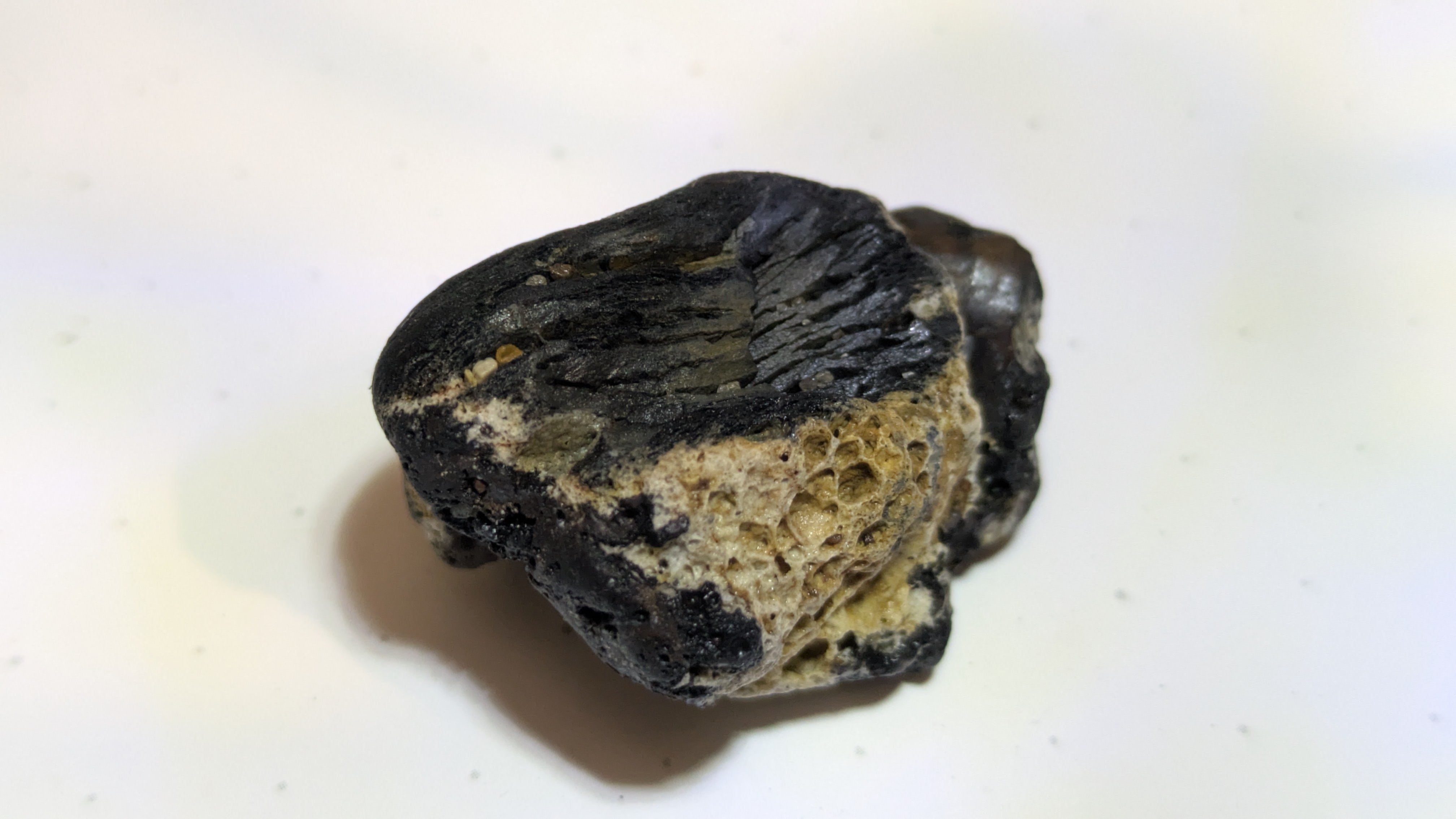
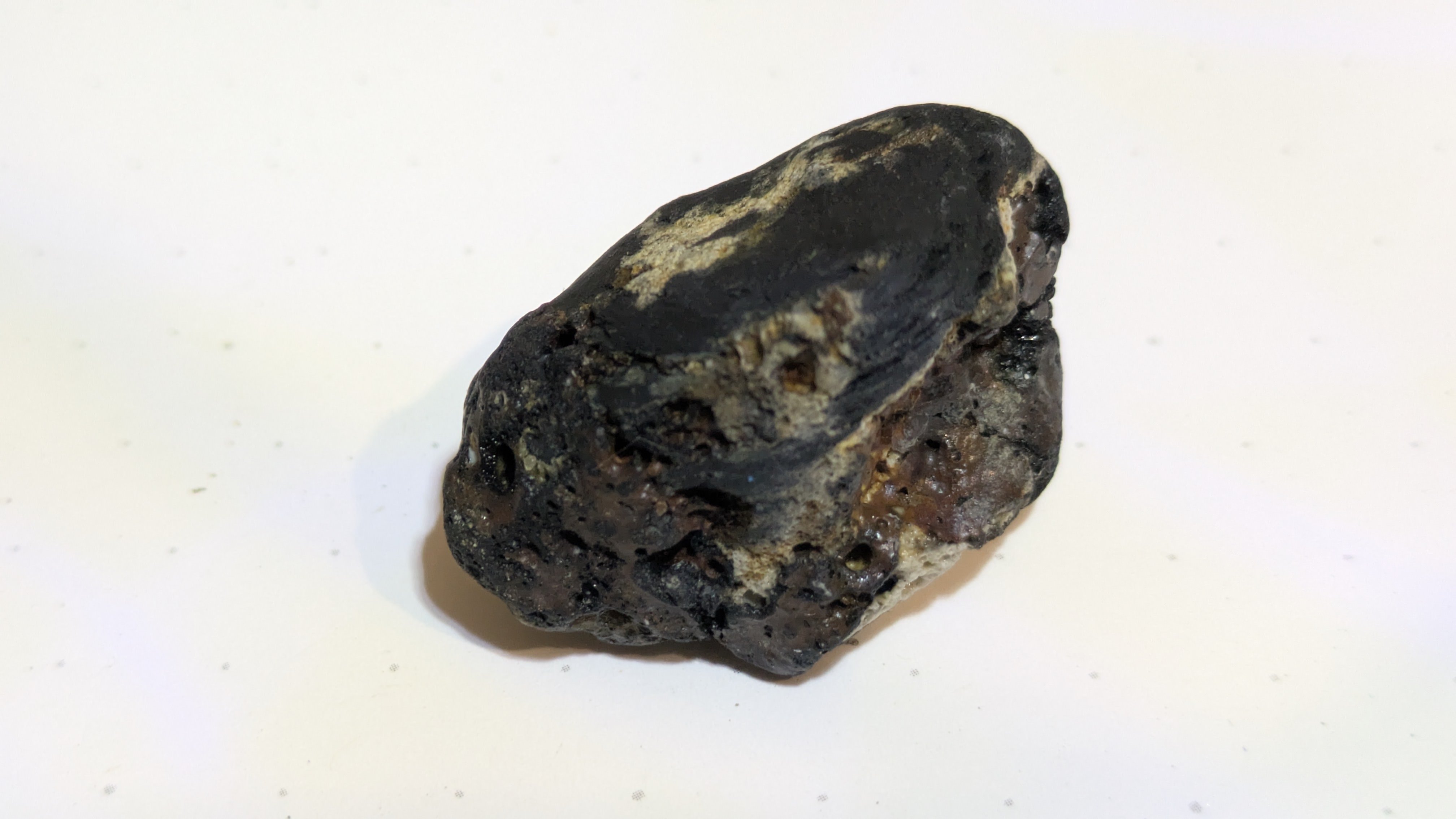
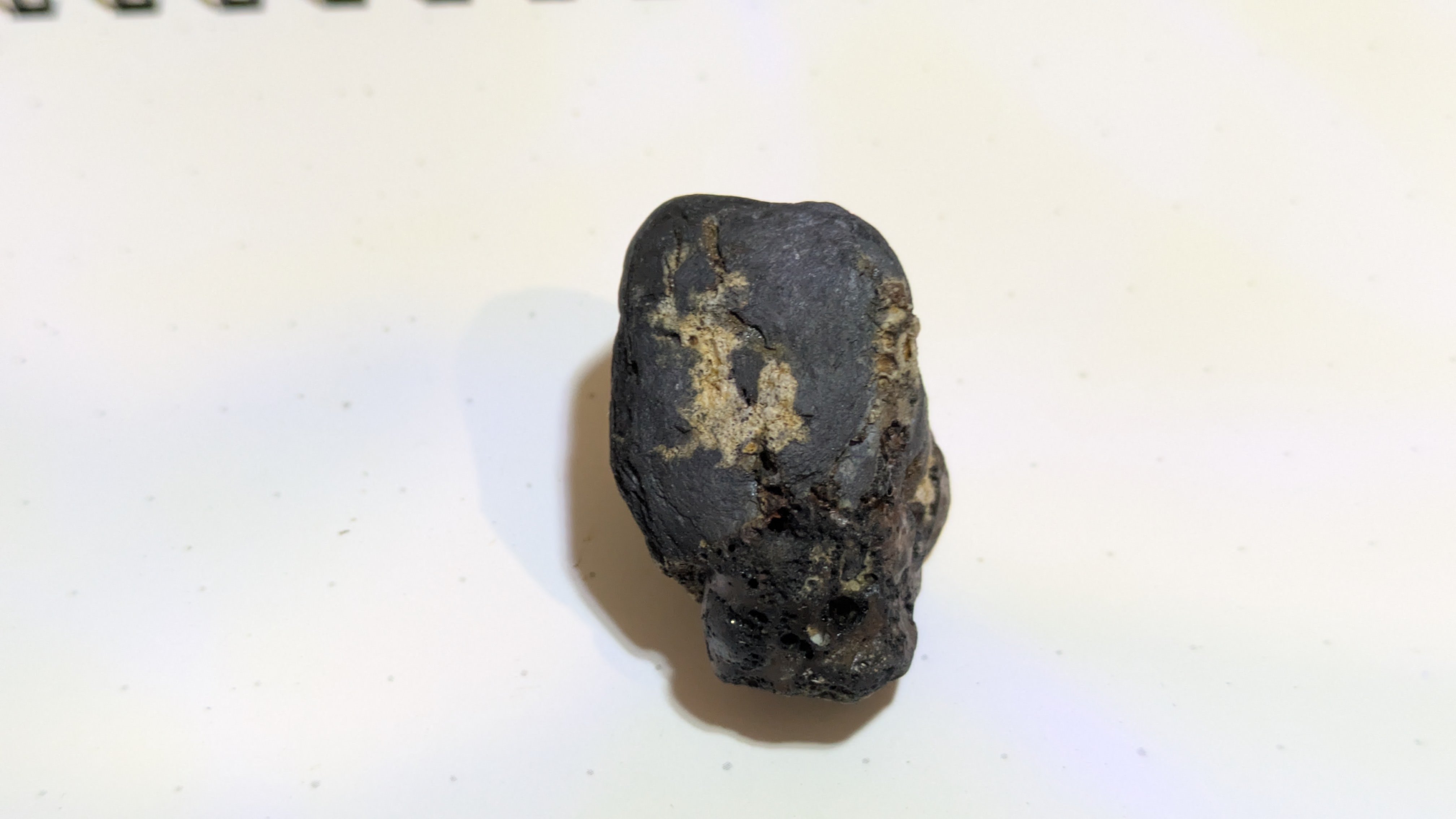
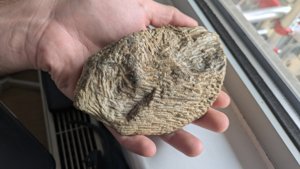
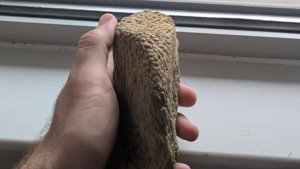
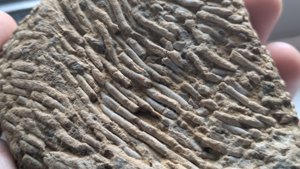
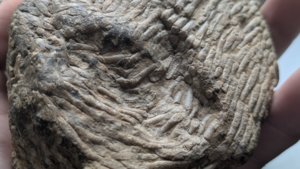
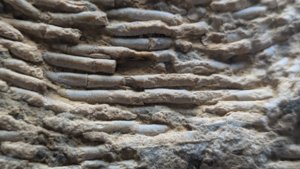
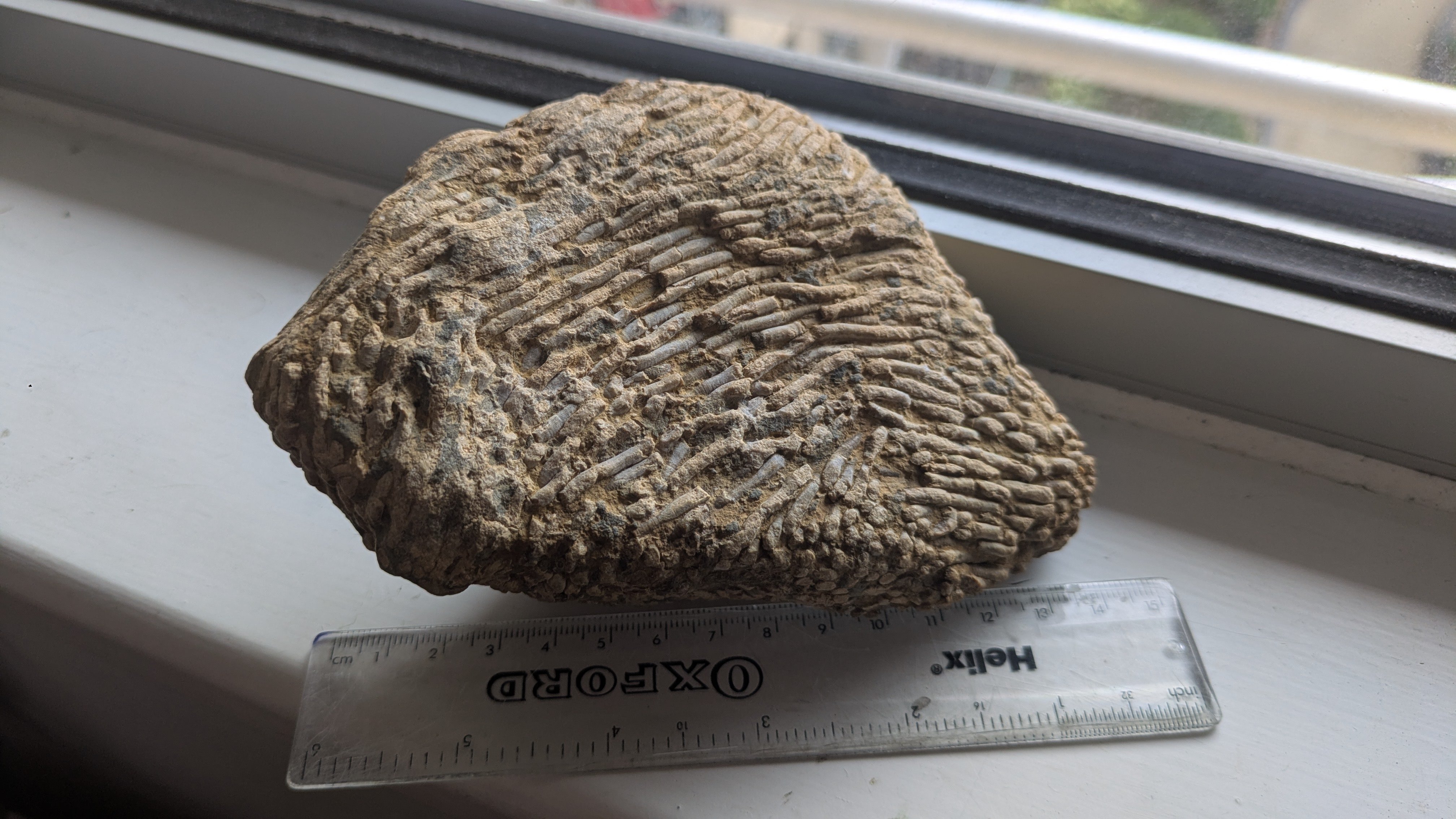
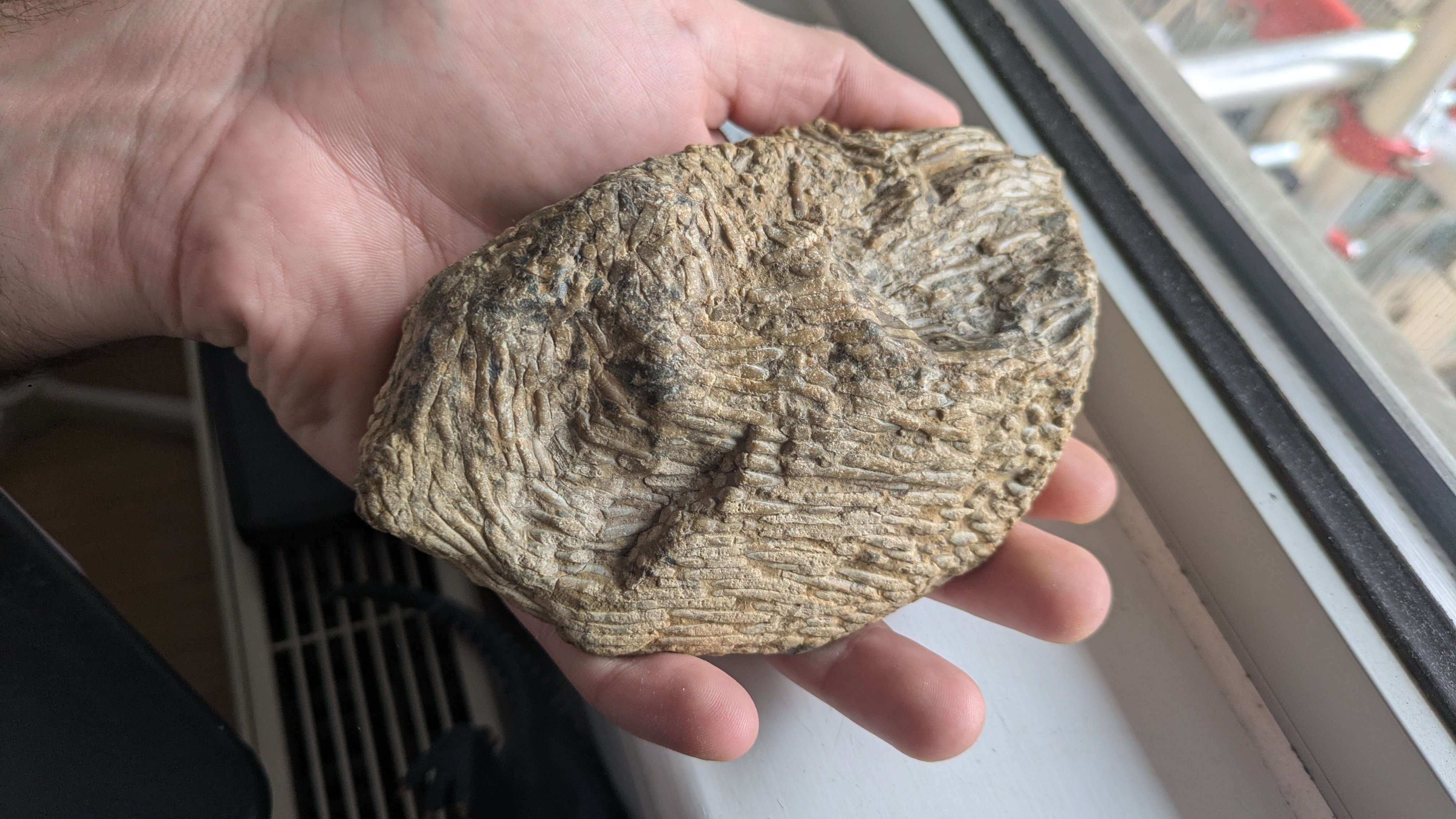
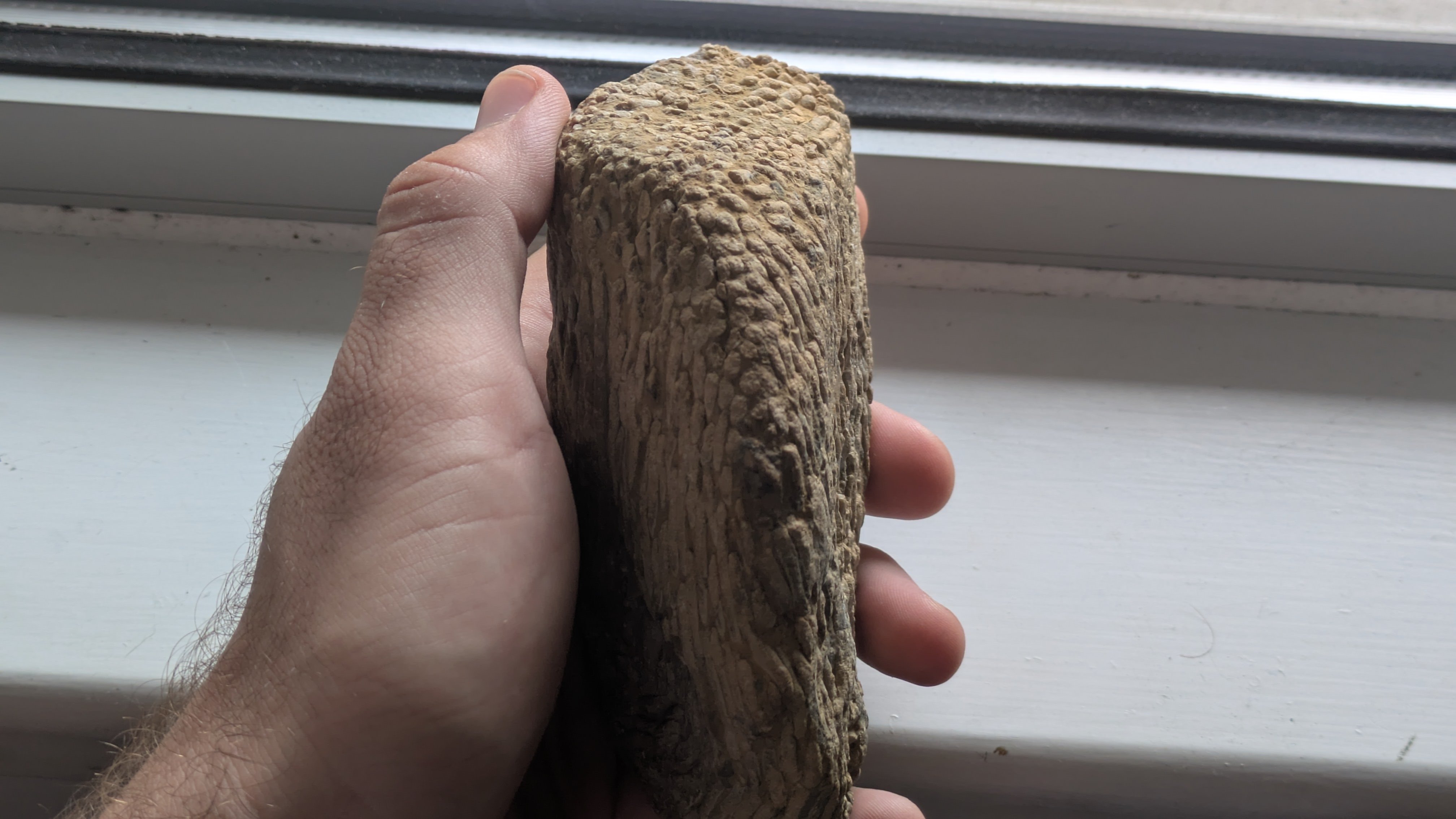
Shallow marine shelves and epicontinental seas (Jurassic to Cretaceous). Tropical reef or shallow marine environments (Carboniferous)
Fossil types
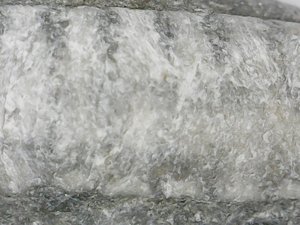
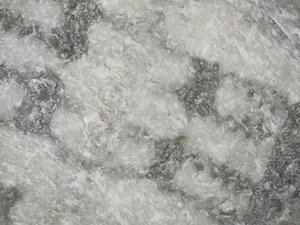
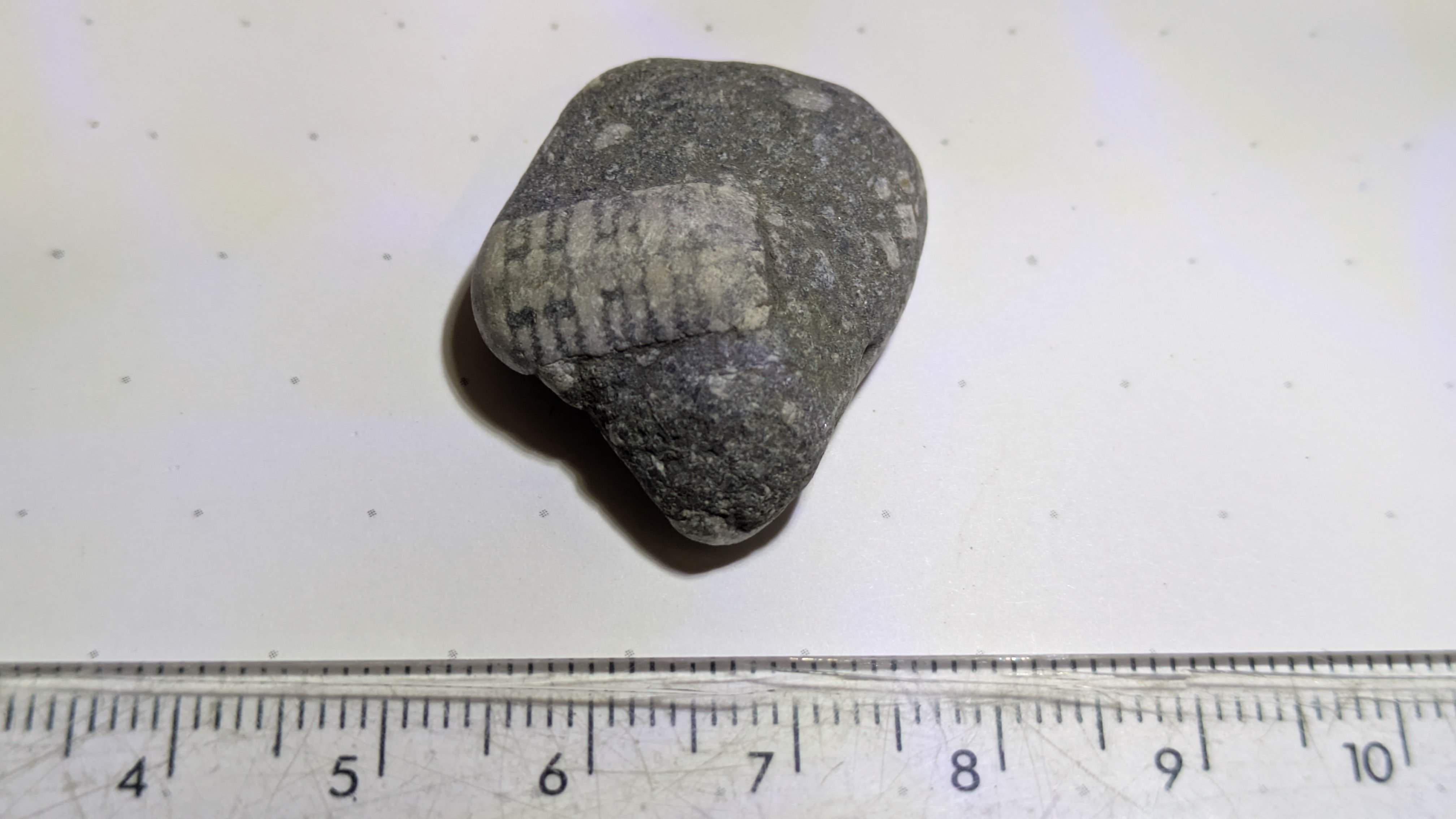
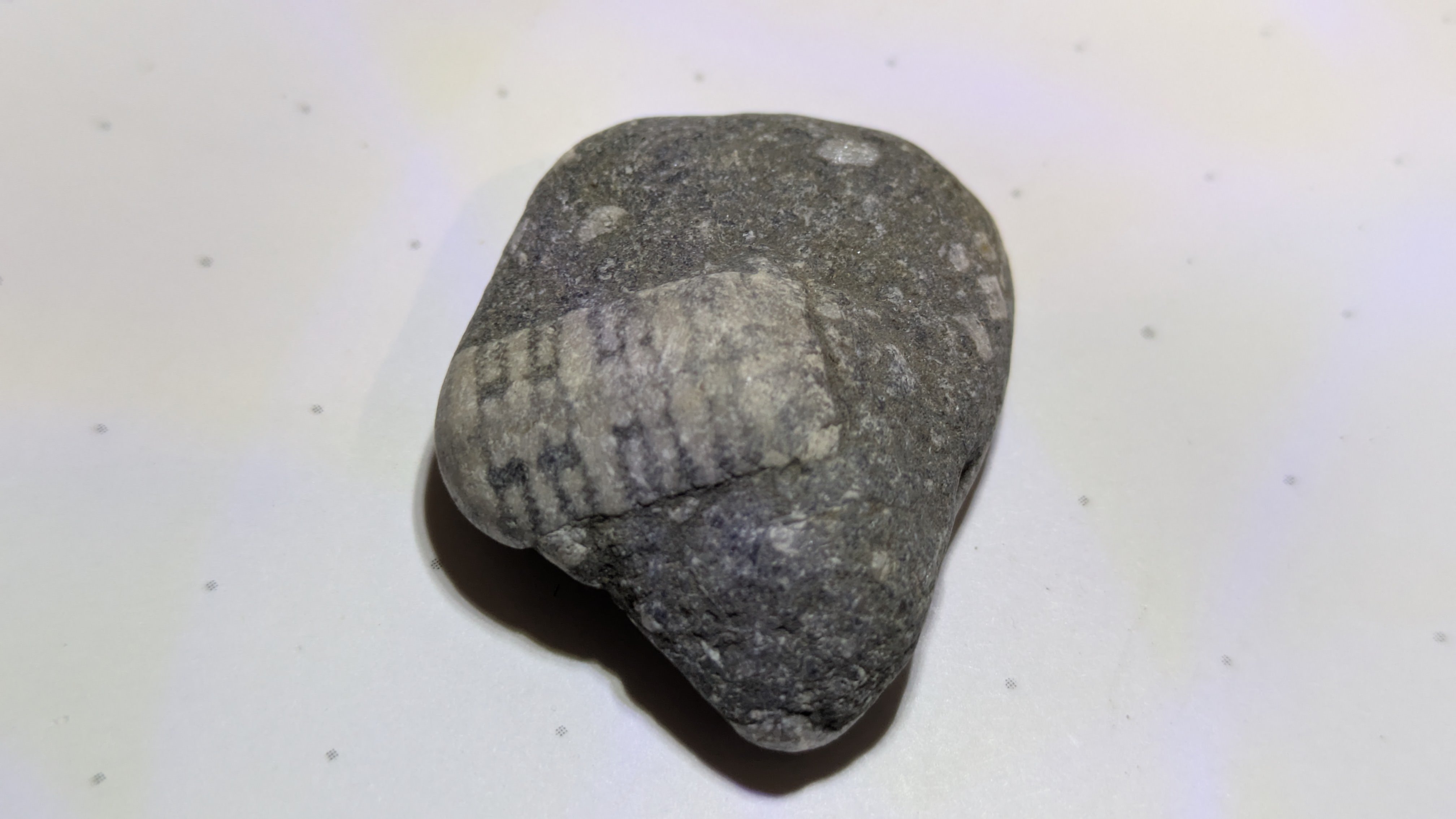
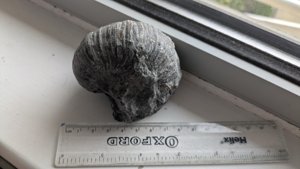
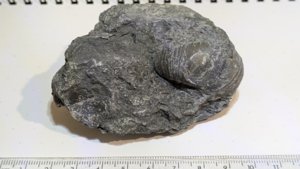
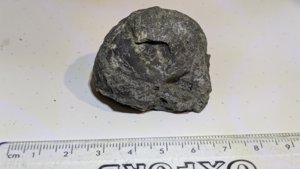
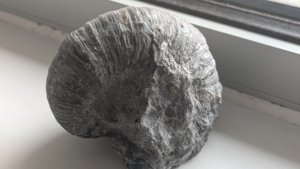
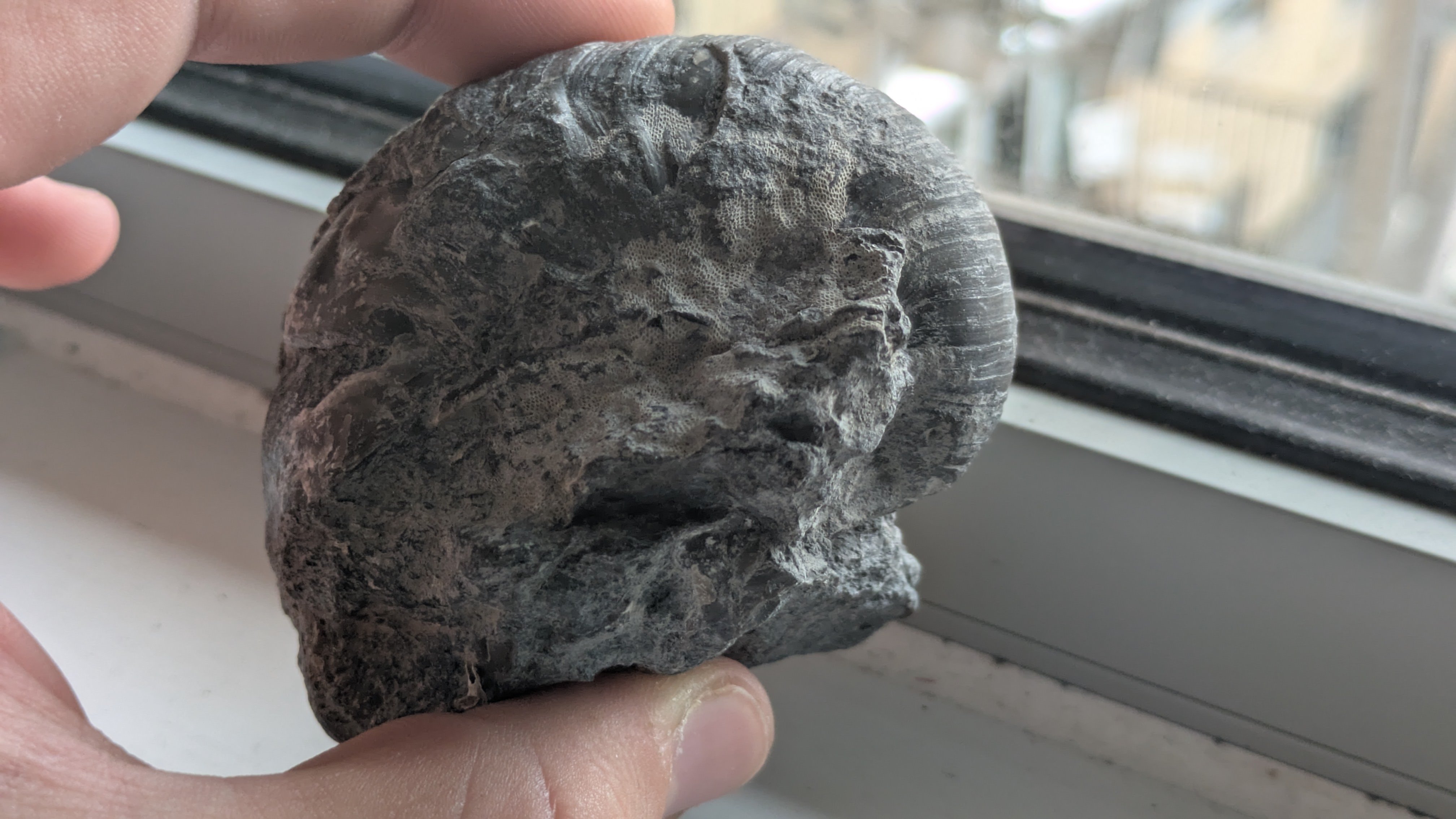
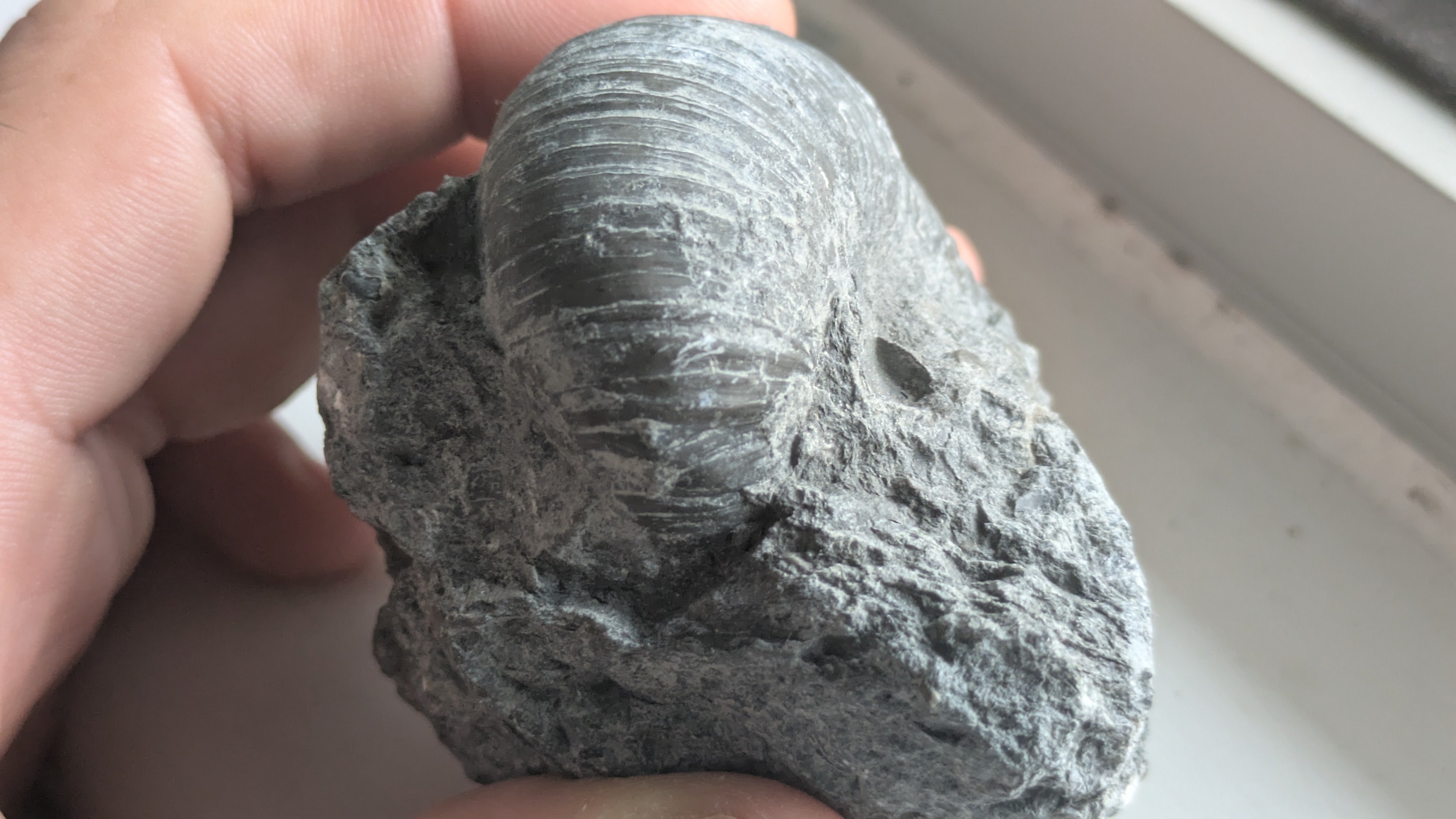
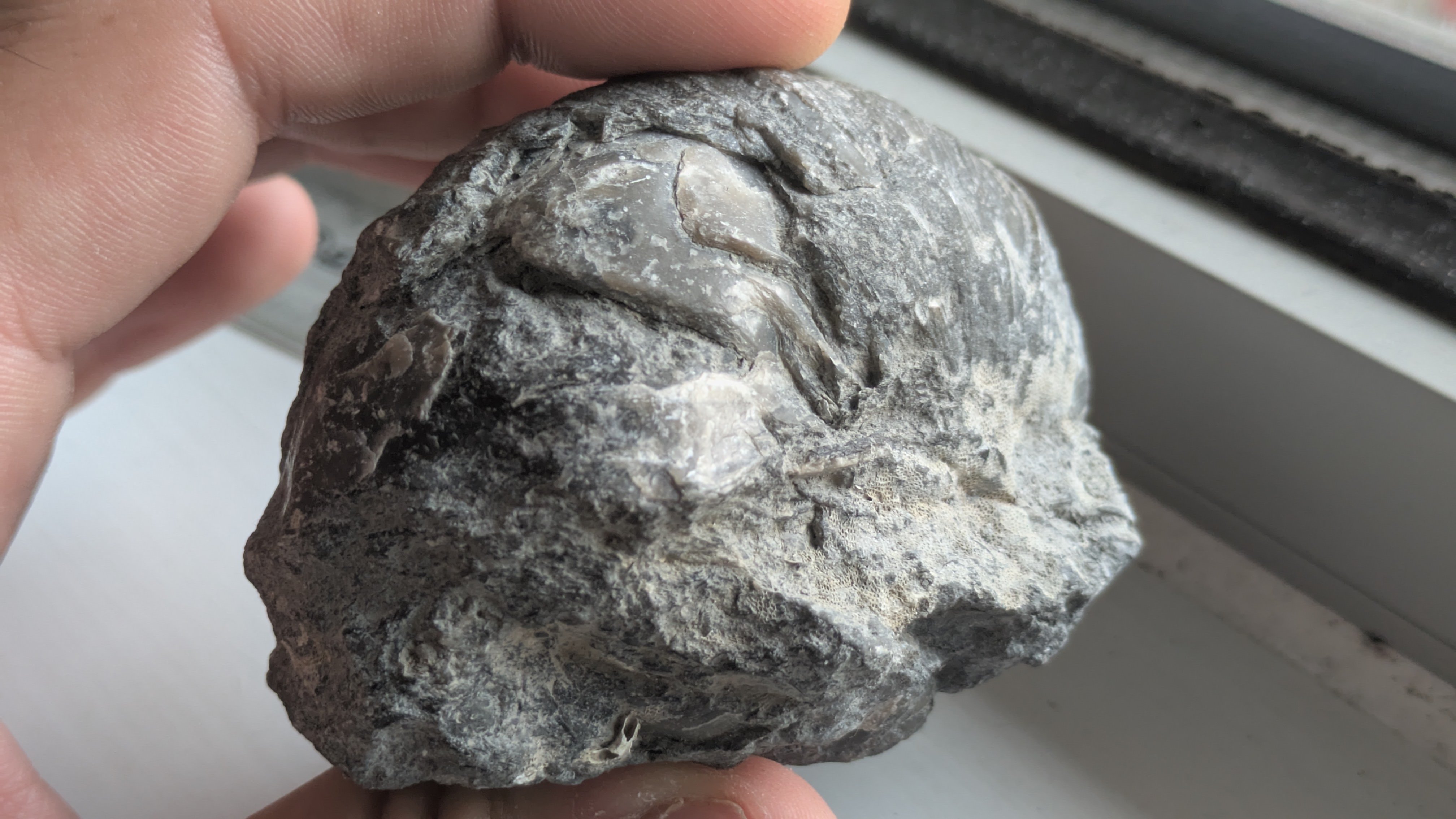
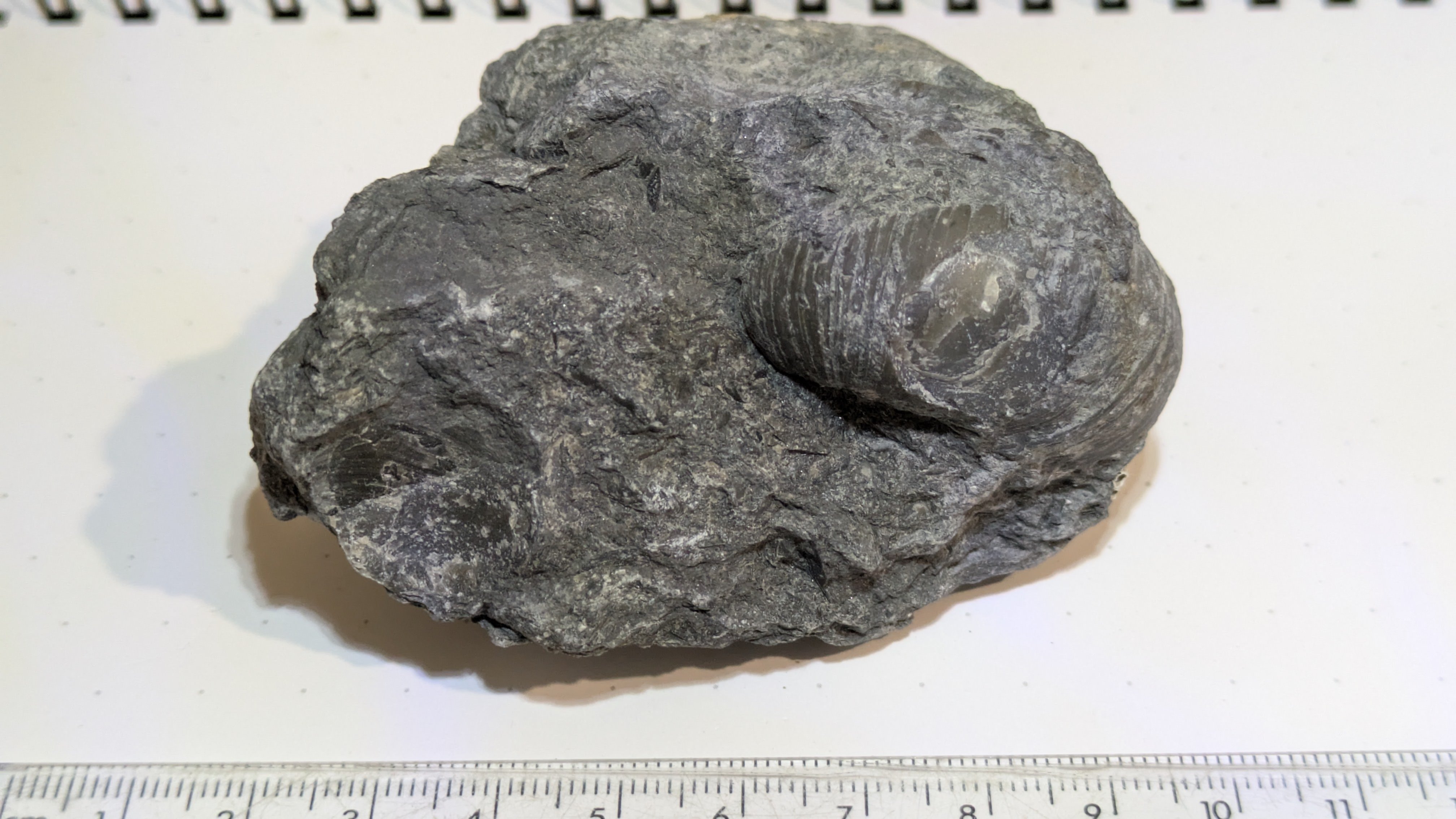
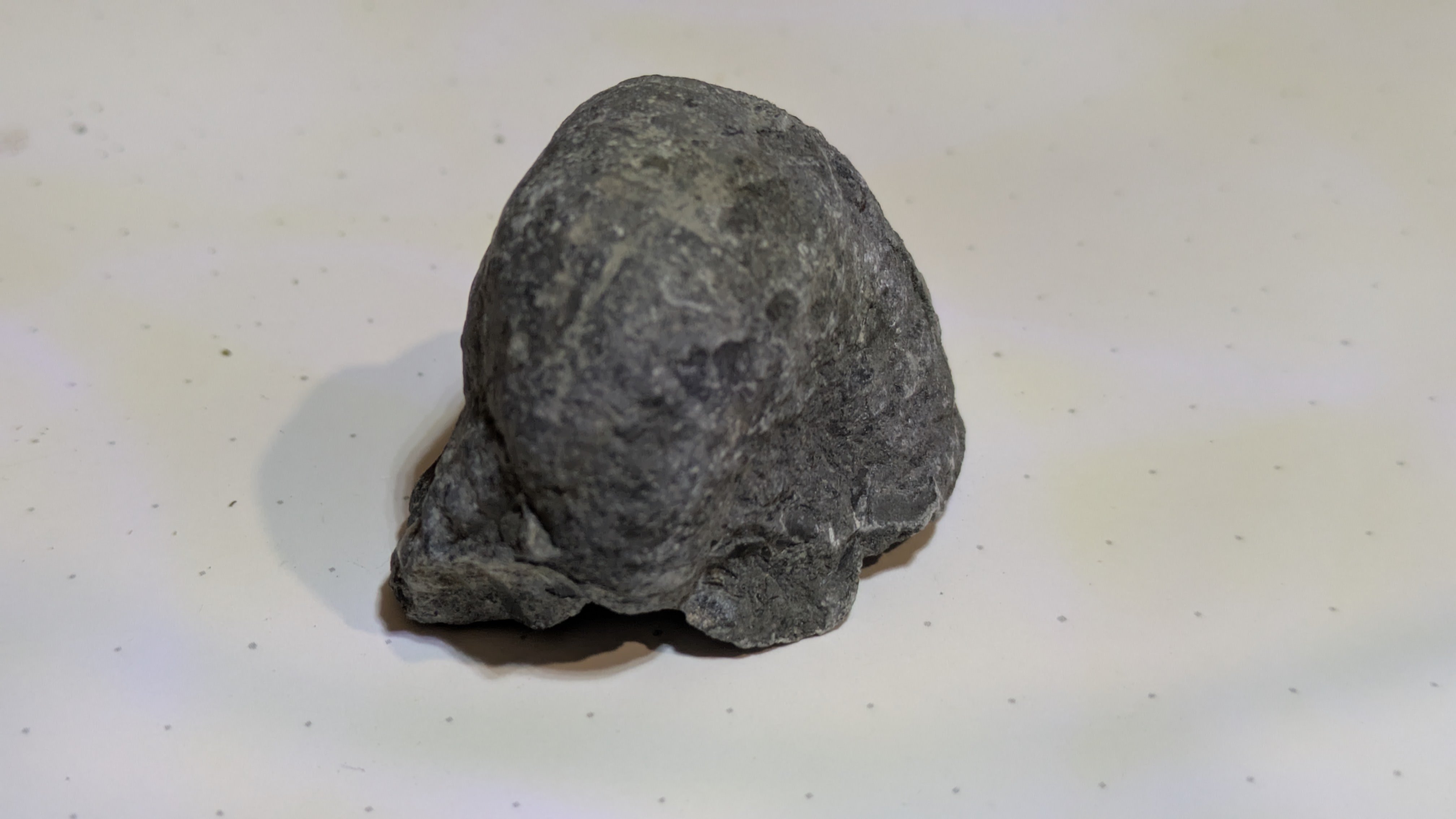
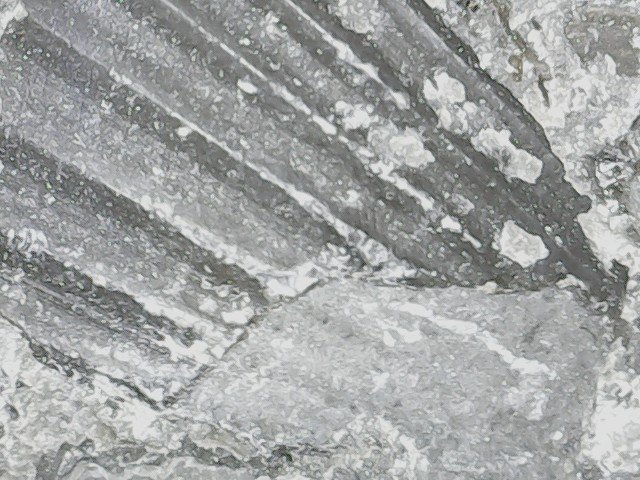
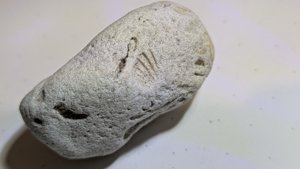
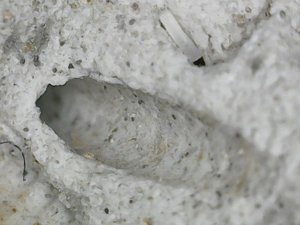
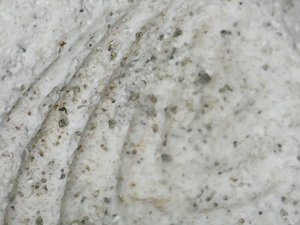
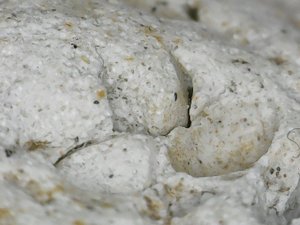
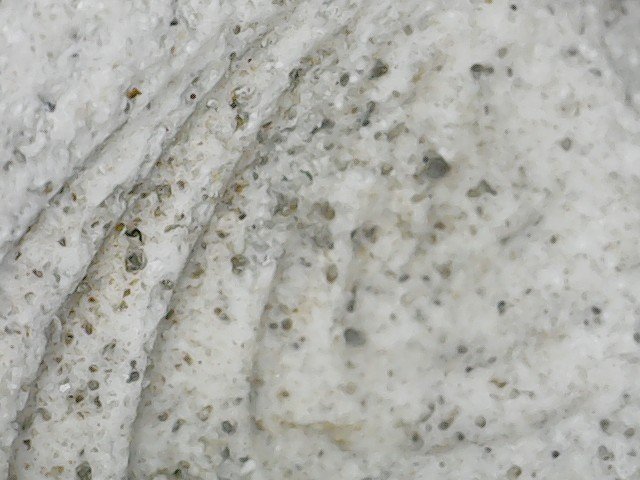
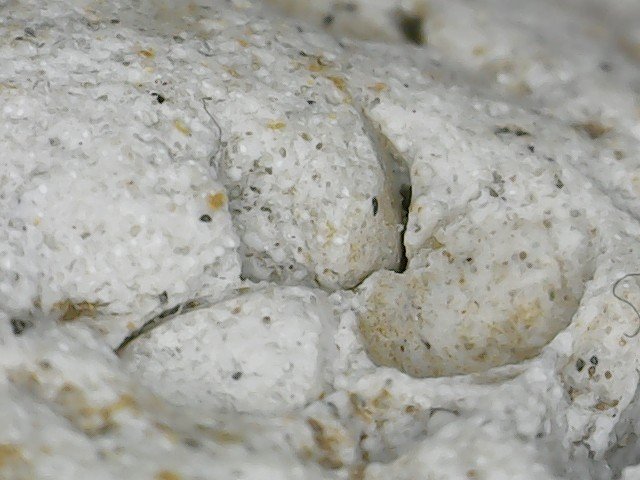
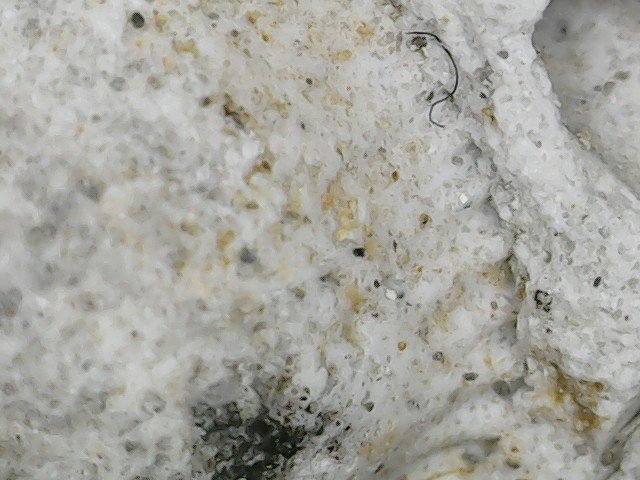
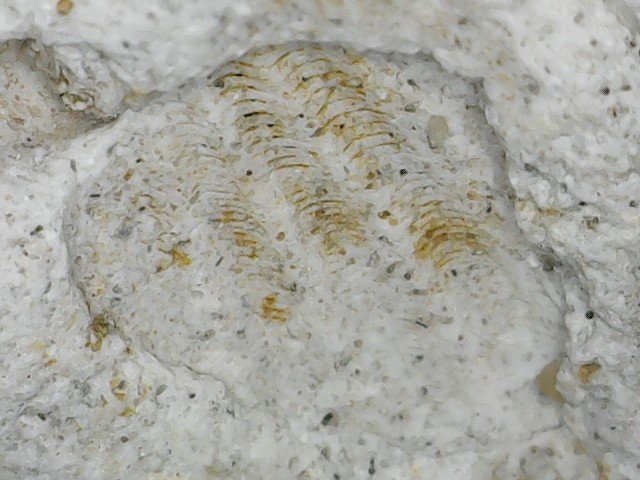
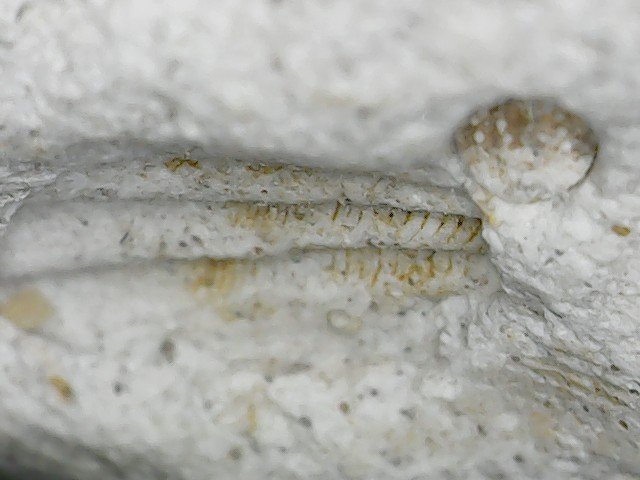
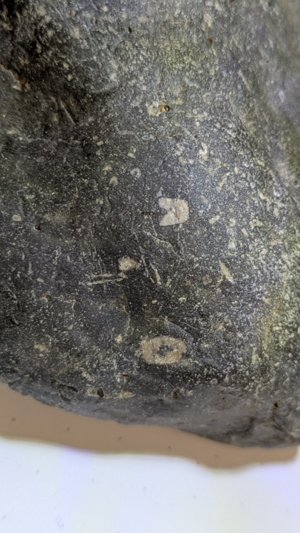
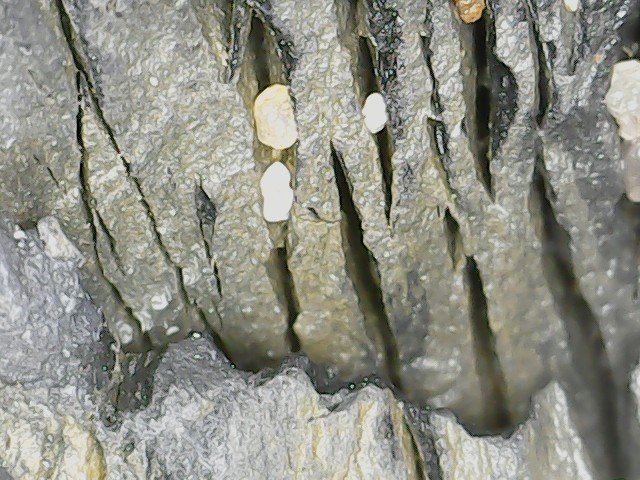
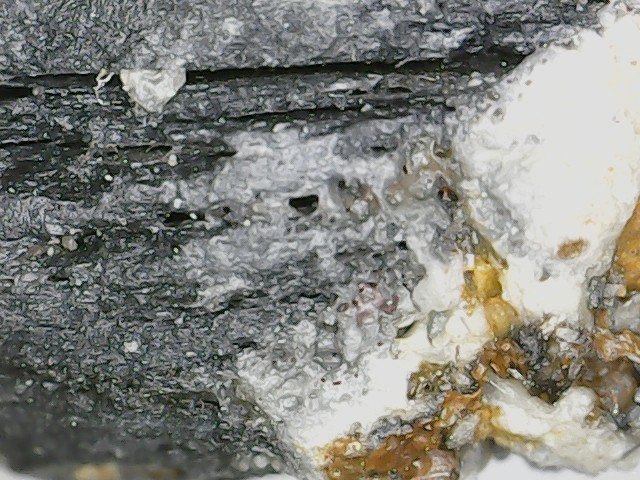
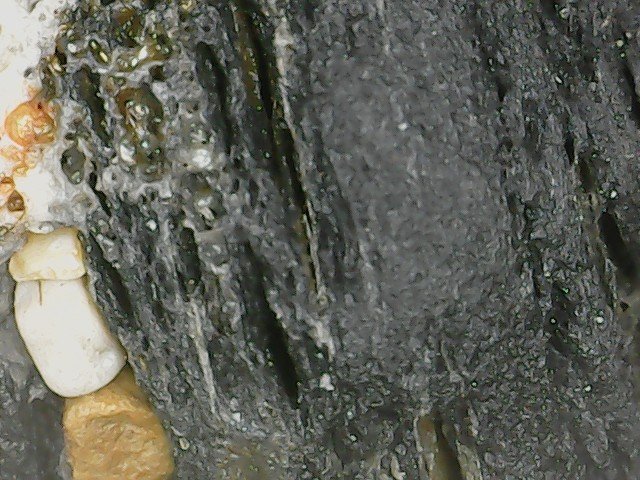
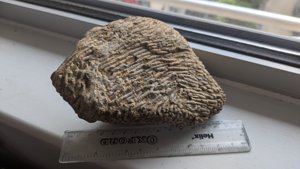
Ammonites, belemnites, corals, bivalves, echinoids and others
Paleoecology highlights
The fossils reflect a variety of environments, from reef builders like corals to fast-swimming predators like ammonites, offering a time-averaged window into ancient life across multiple eras
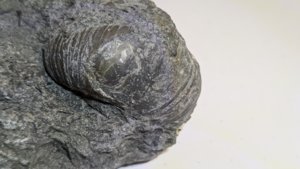
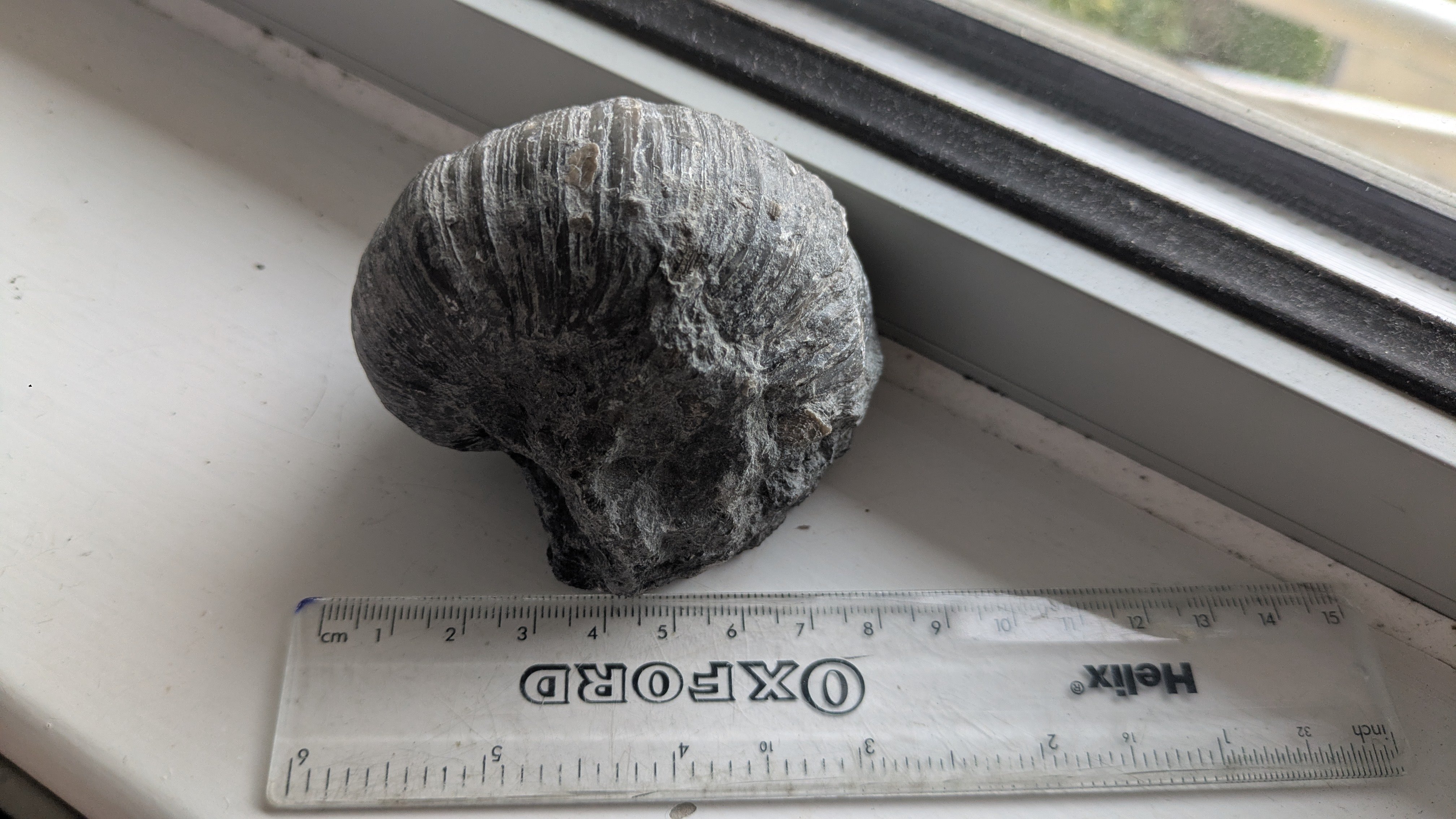
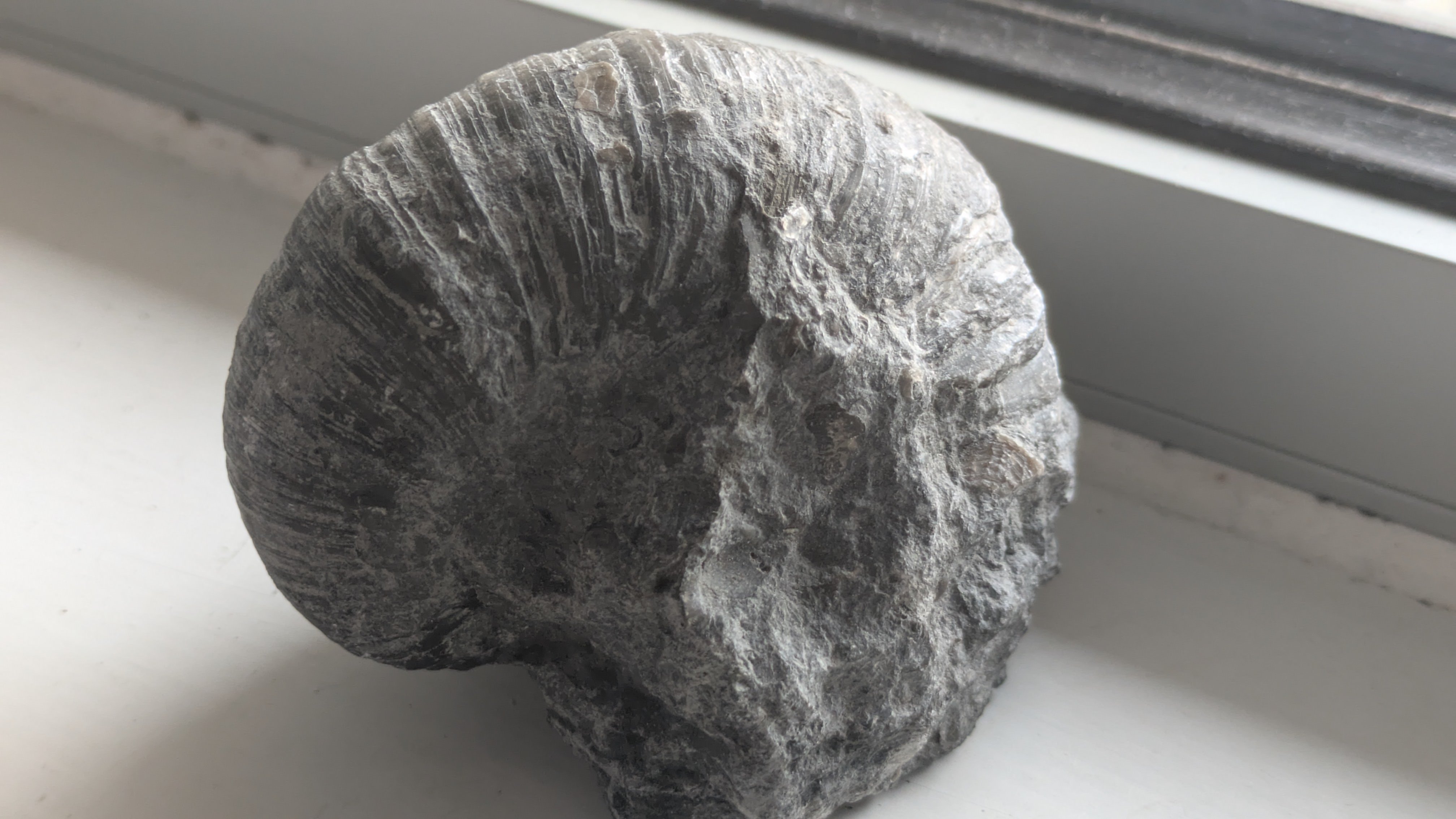
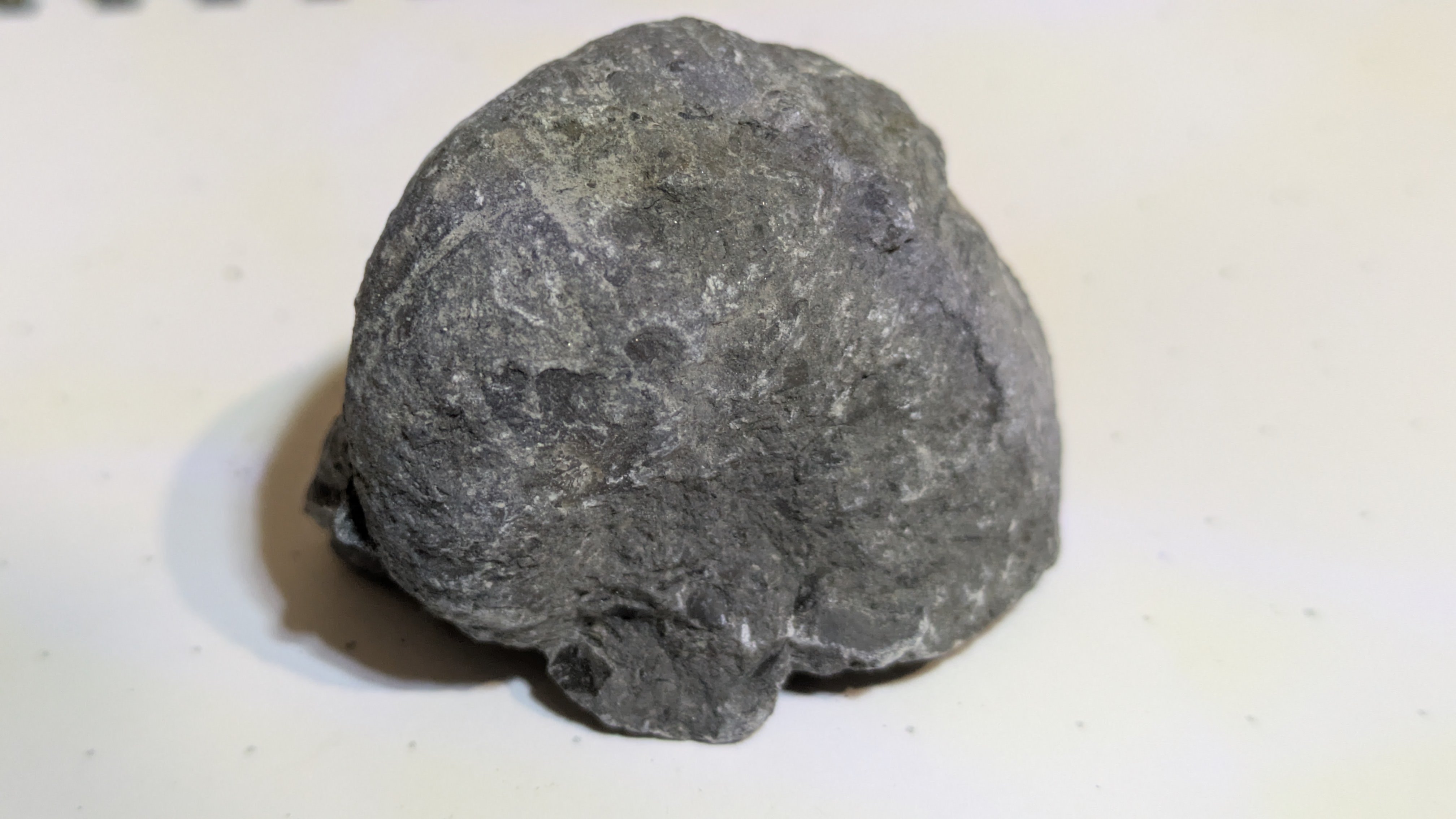
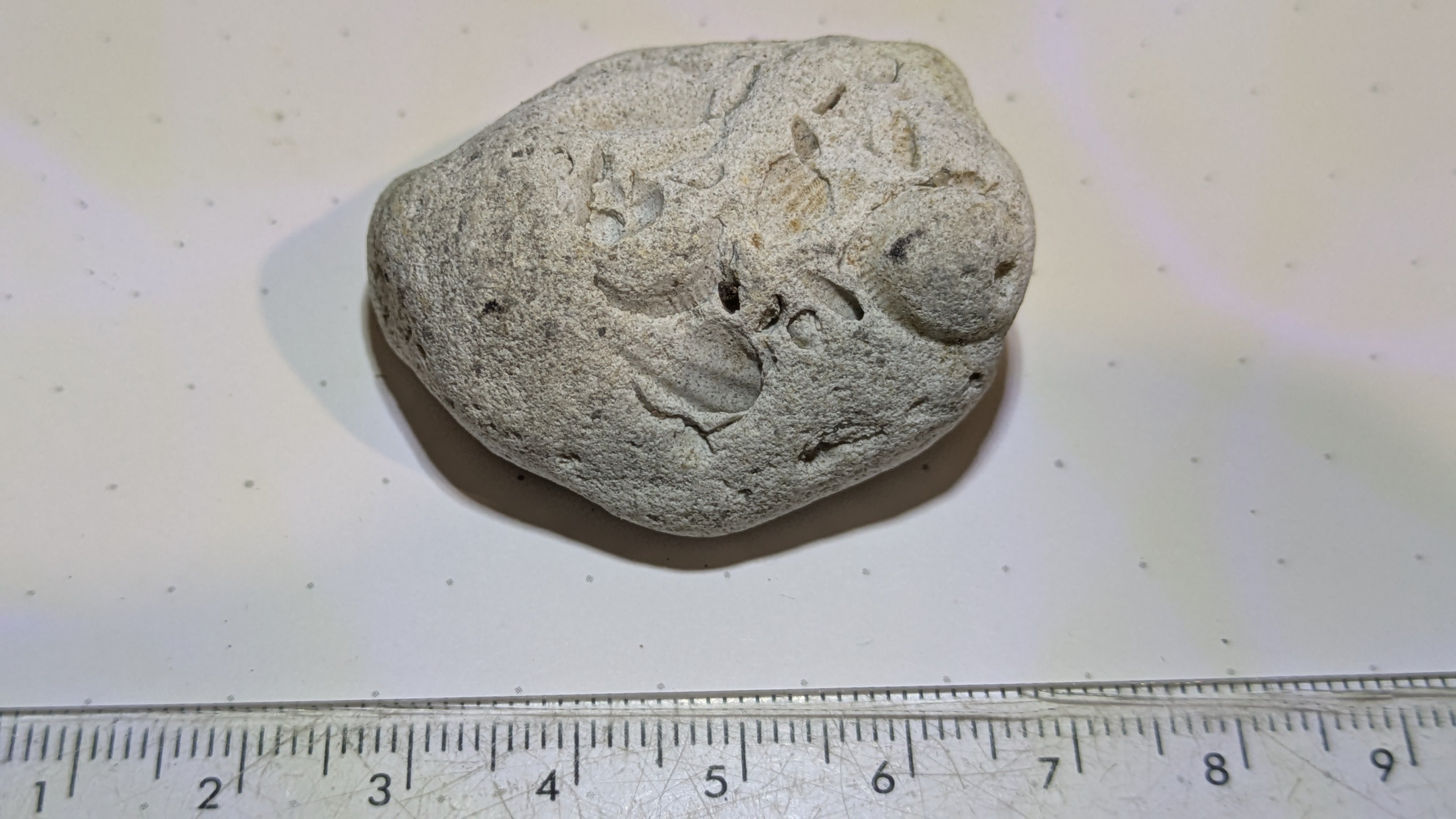
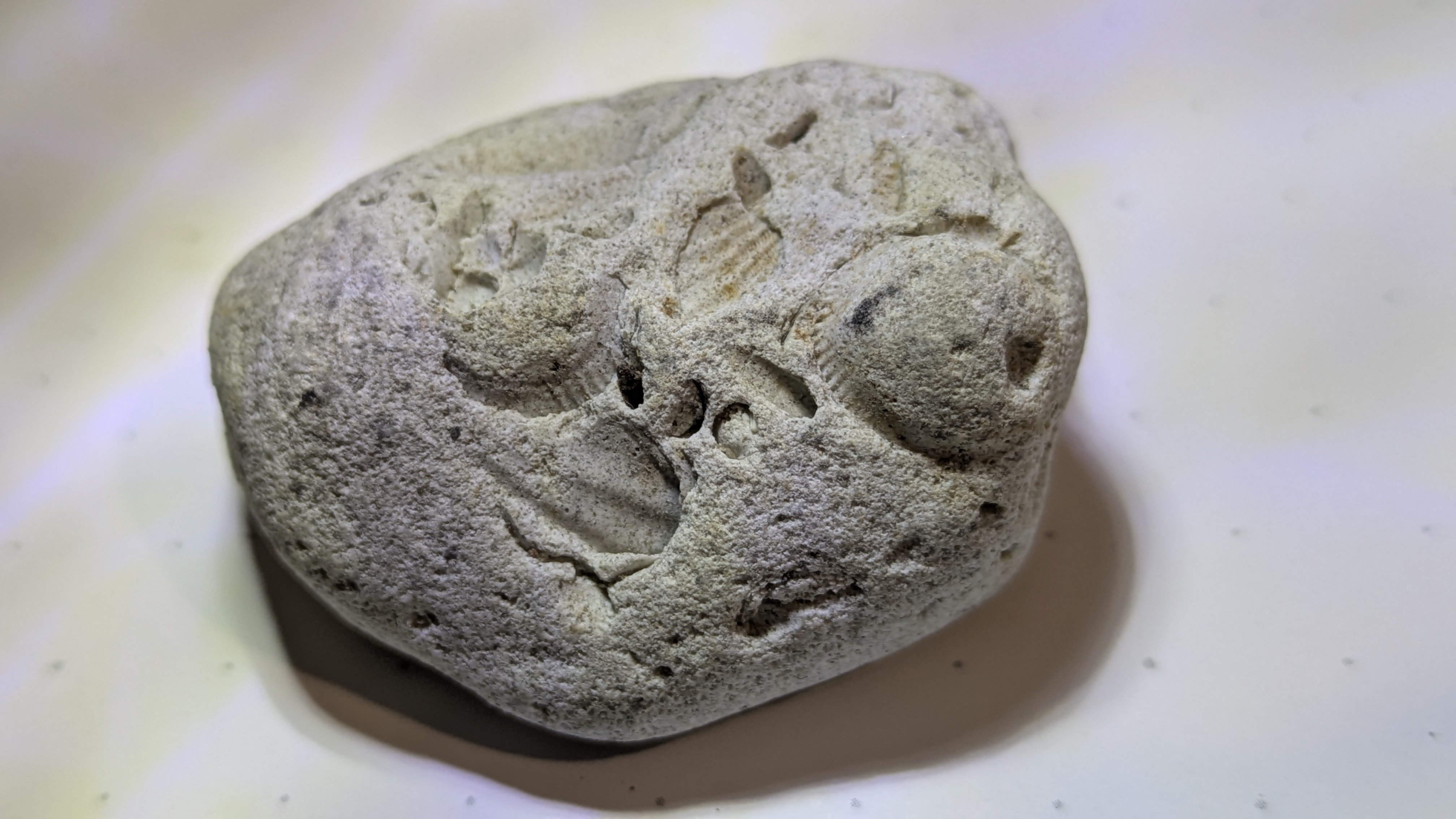
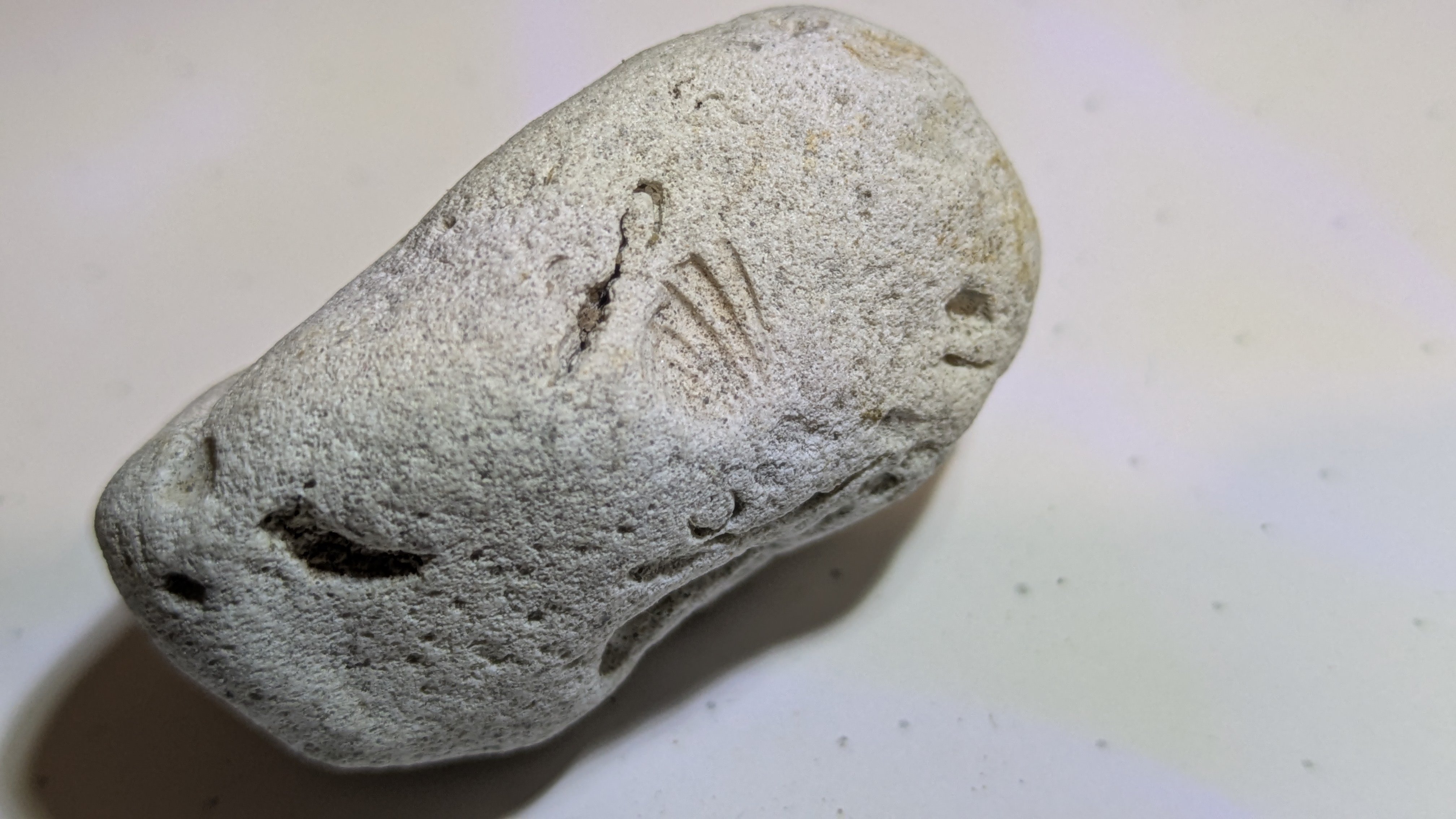
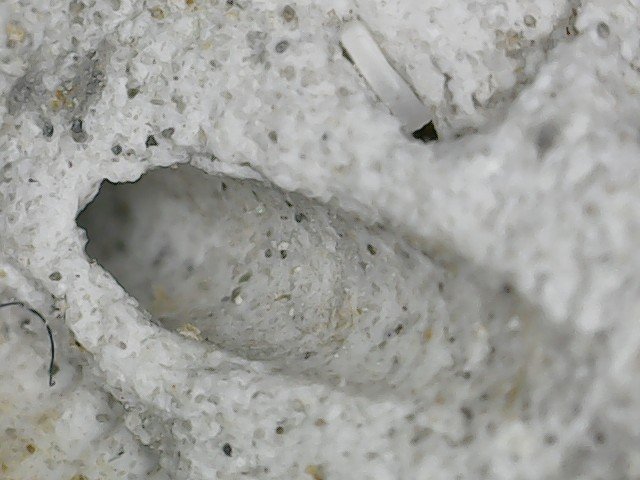
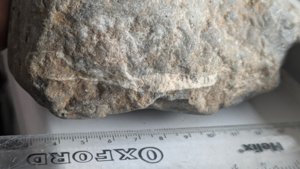
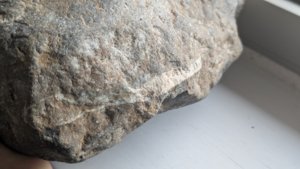
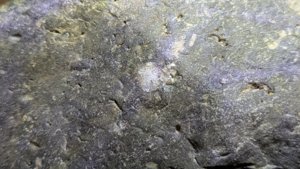
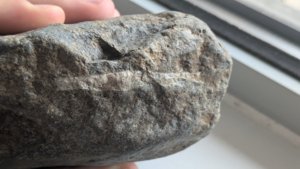
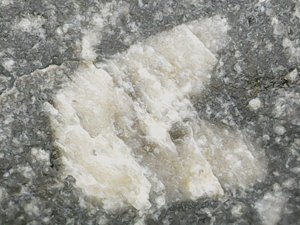
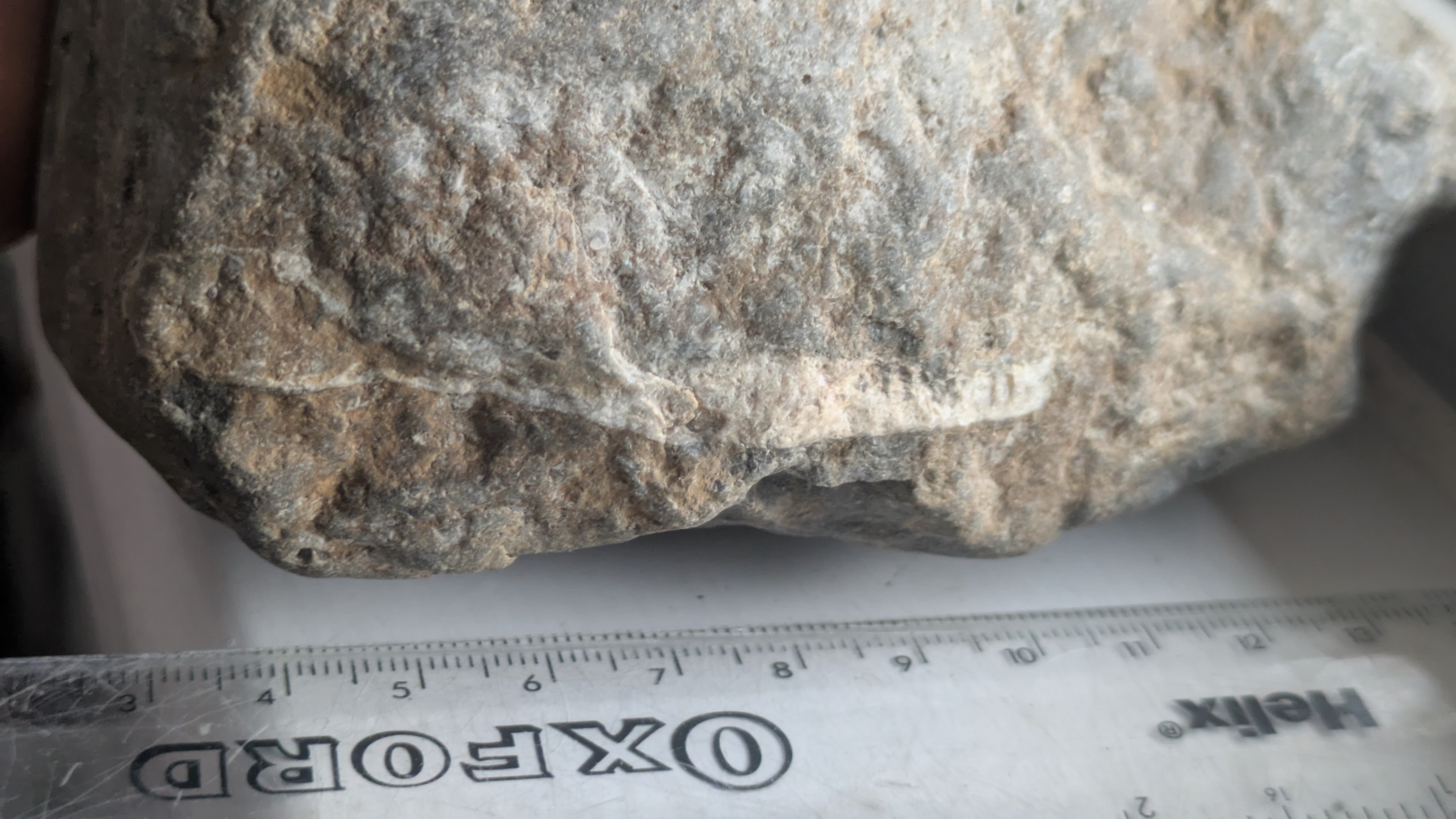
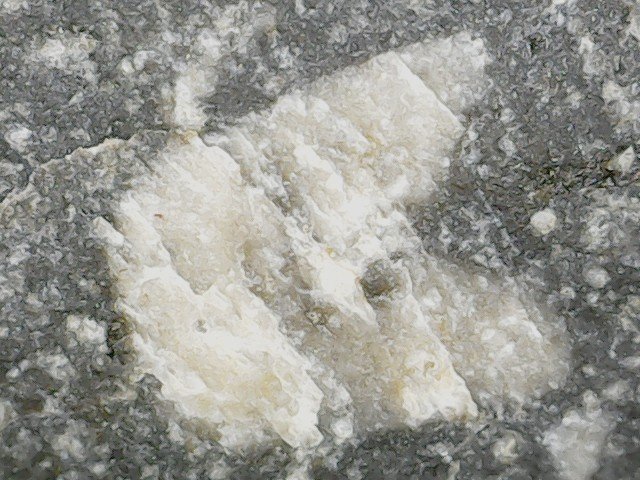
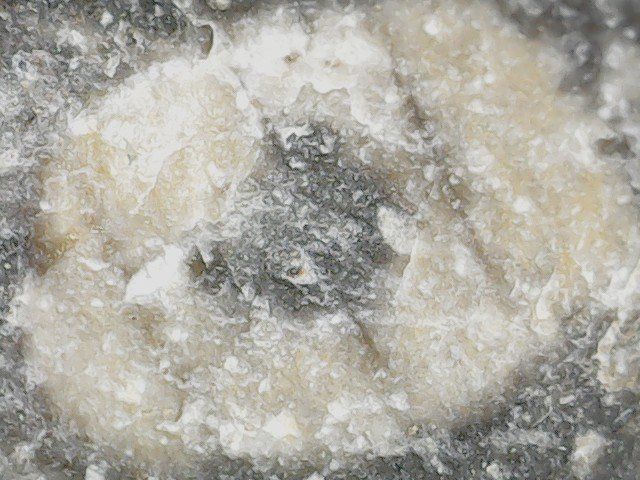
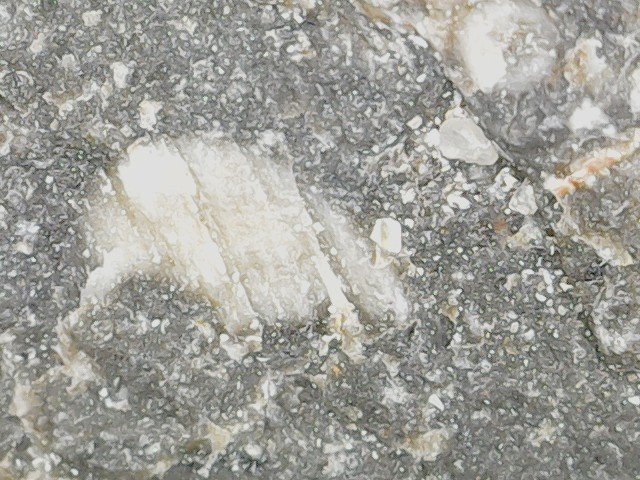
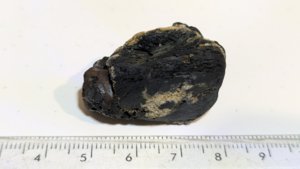
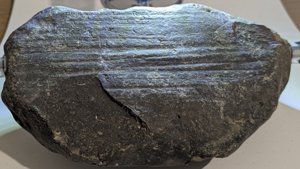
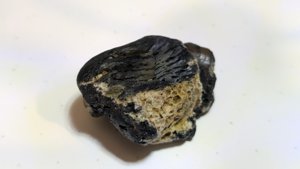
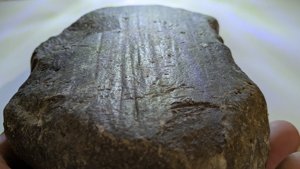
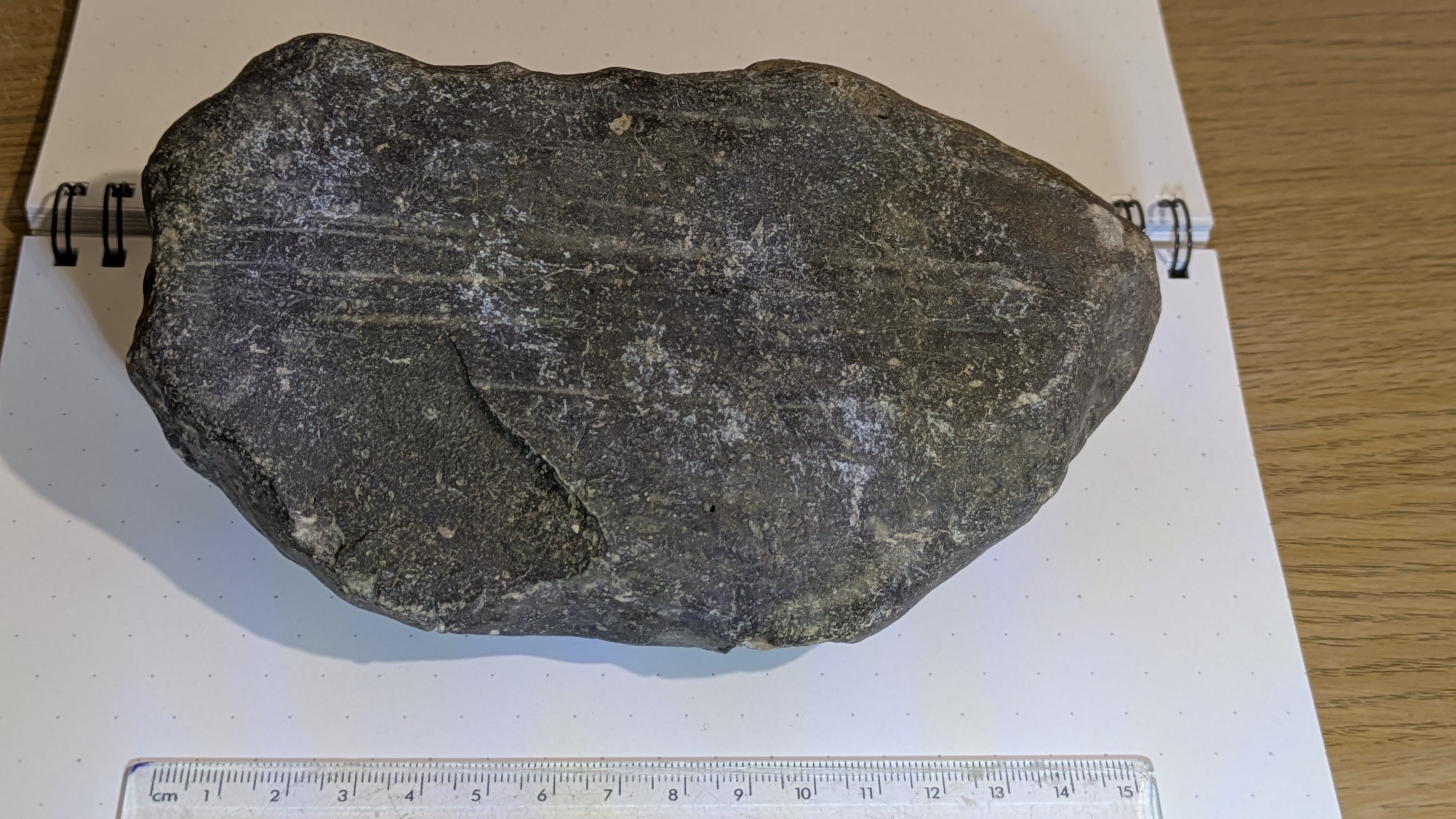
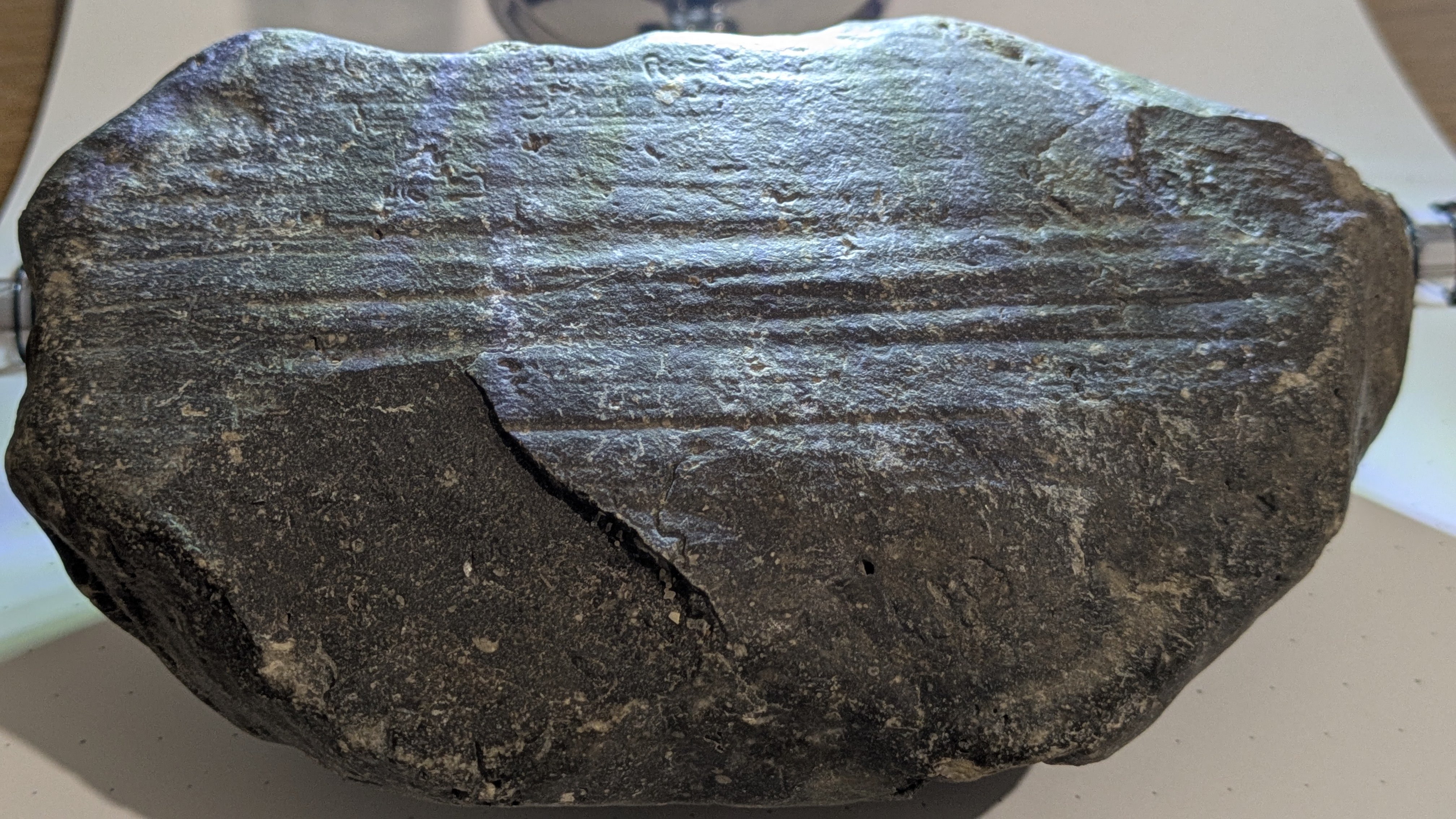
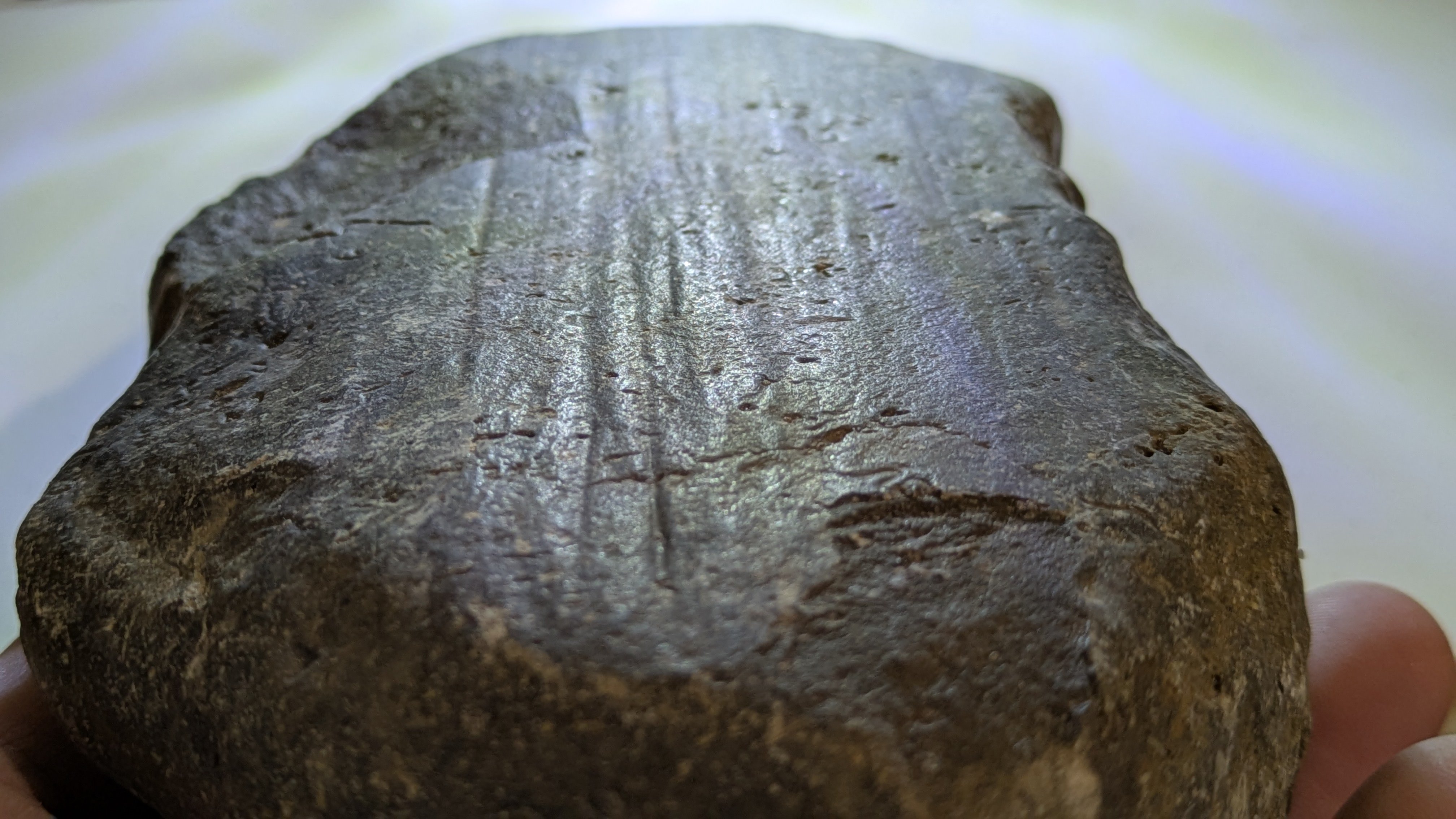
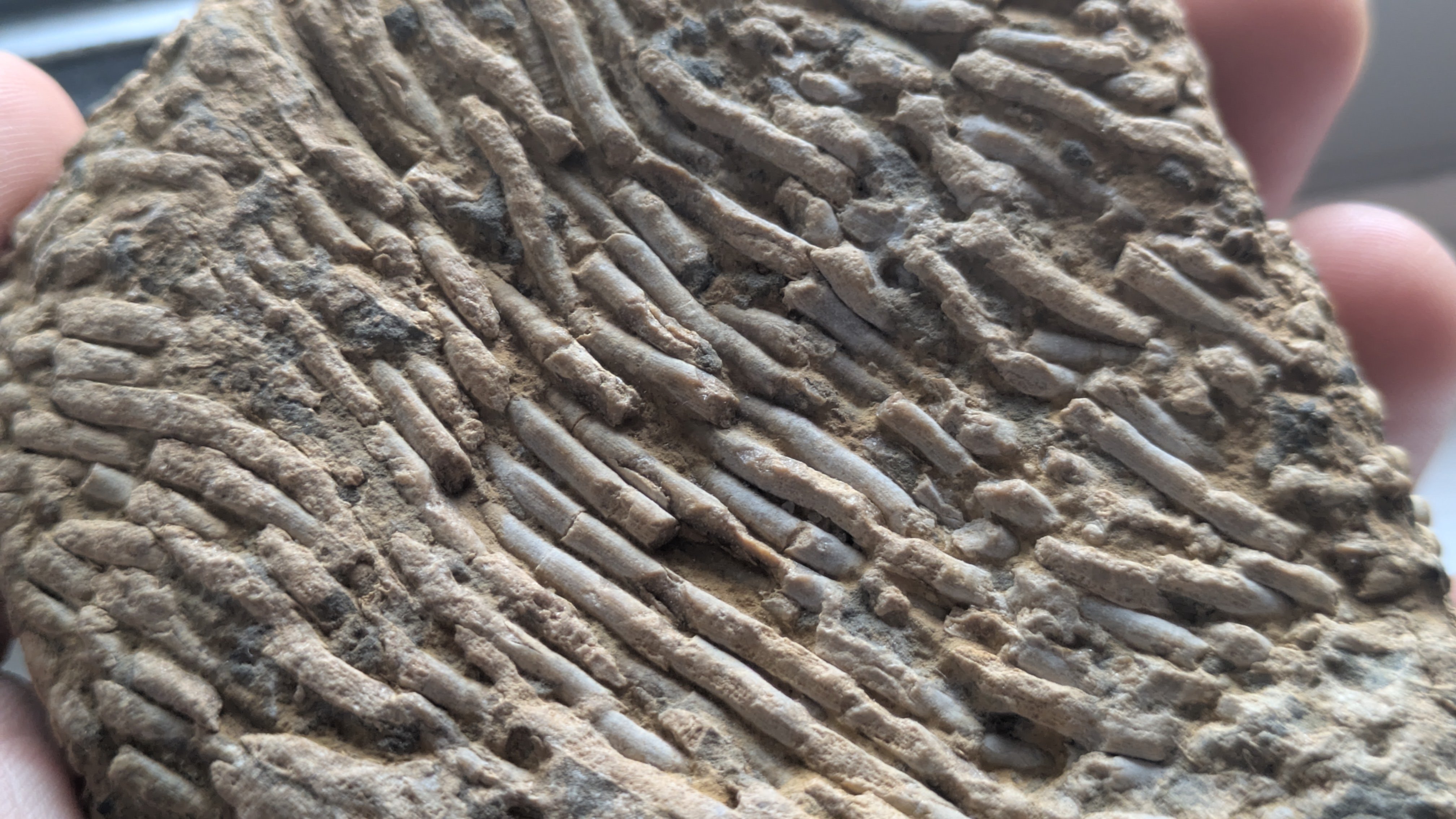
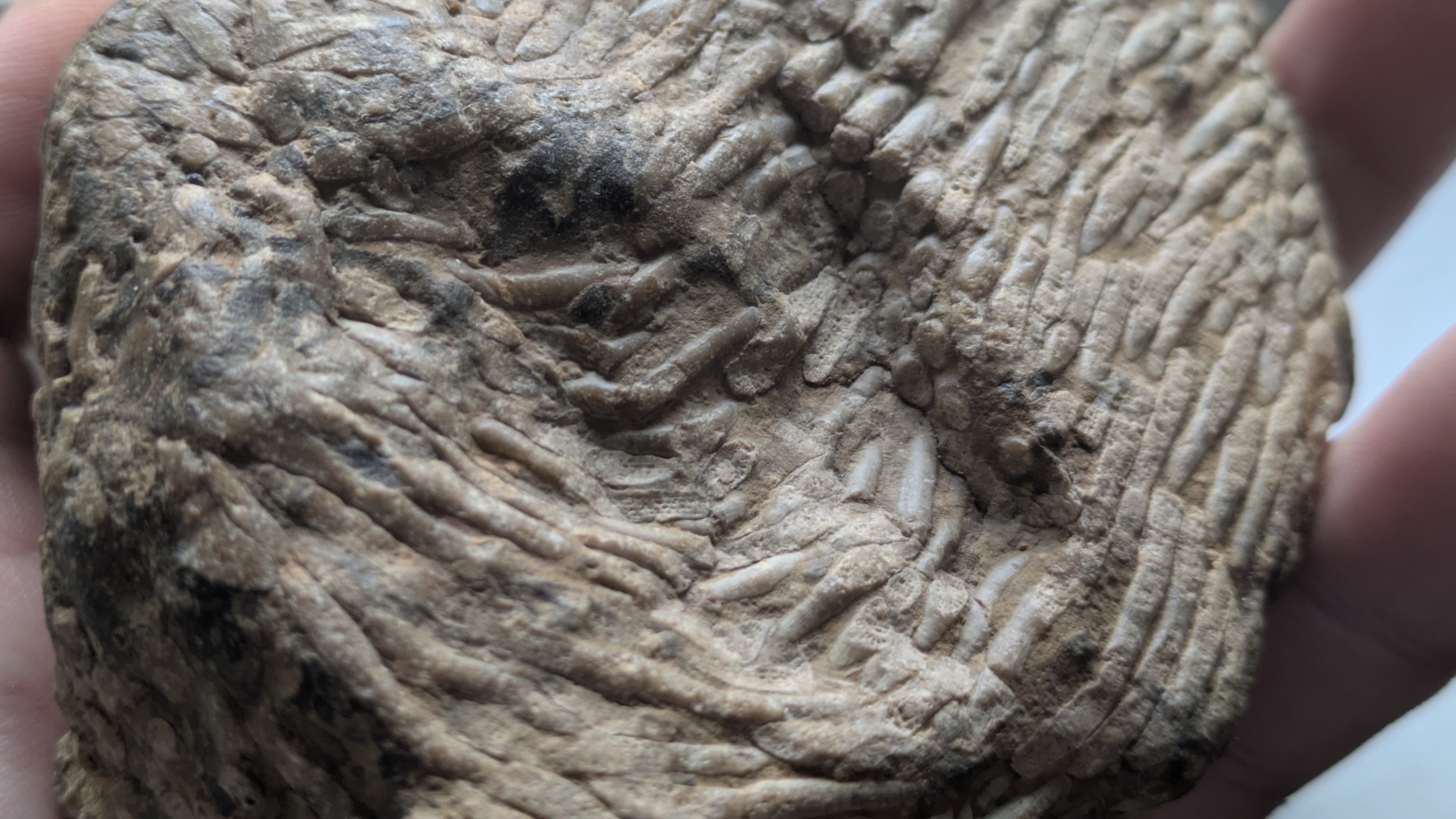
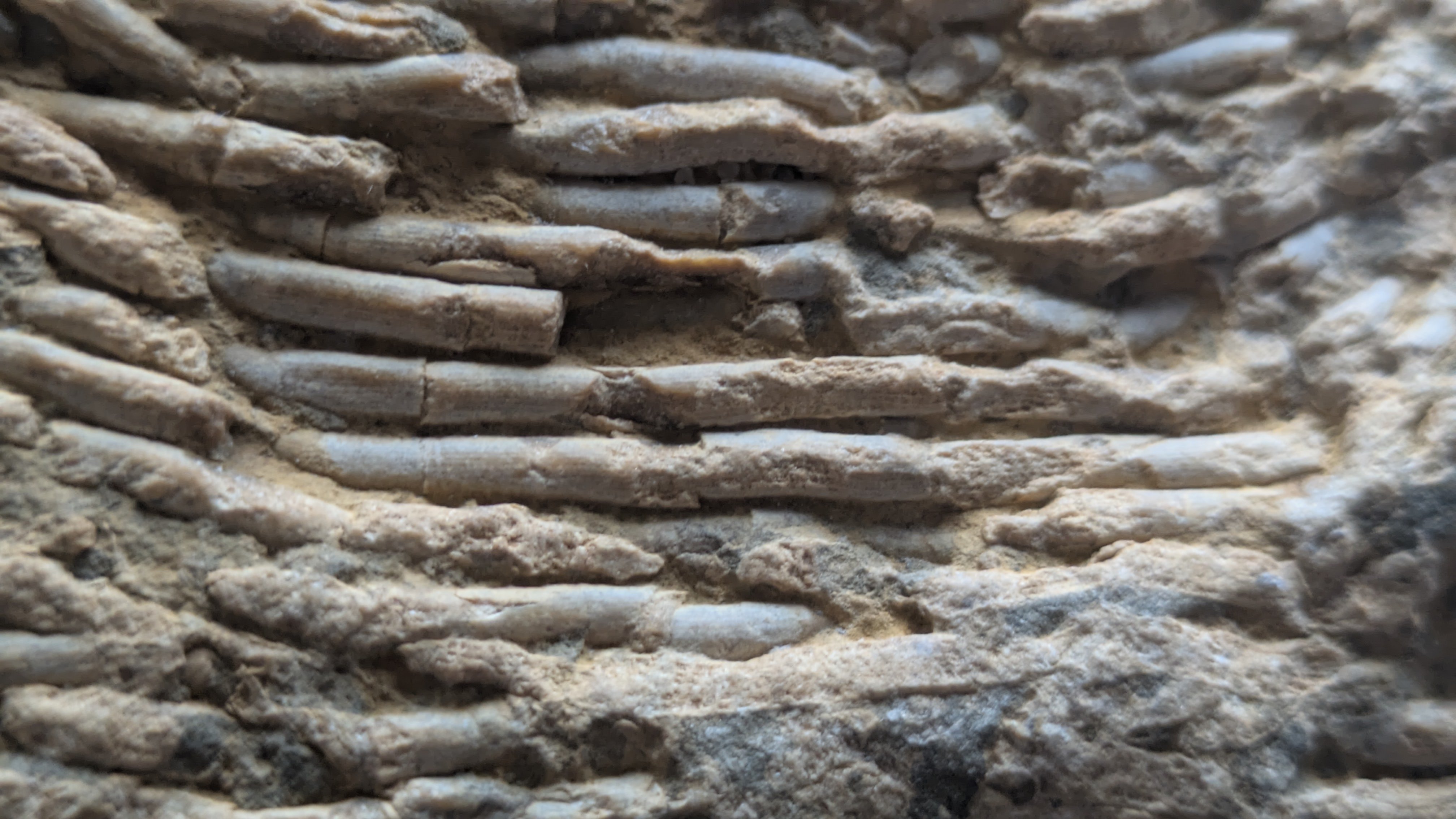
Chapel st Leonards beach has no fossil-bearing rock layers of its own, yet fossils are commonly found here. That's because they've been transported from elsewhere, carried first by Ice Age glaciers, then moved south by longshore drift from the rapidly eroding Holderness coast.
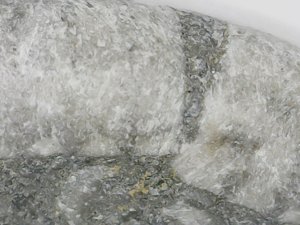
The fossils, embedded in glacial erratics, originate from ancient marine rocks, mostly Jurassic and Cretaceous, and sometimes Carboniferous. Since they come from mixed sources, their exact origin and age is often uncertain.
It may not have cliffs or fossil beds, but Chapel St Leonards is a great beach, wide, clean and family-friendly; and for fossil hunters, it is like a grab-bag of geological history washed up in one place. Every tide brings the chance to find something ancient and unexpected.
Α: Holderness' fossiliferous strata have been eroded by glaciers during the Ice Age. Β: Erosion is continued by the sea, whose waves and currents relocate the fossils southwards. C: Fossils end up on the beach and become visible with low tide.
 Ελληνικά
 English
 Ἑλληνική ἀρχαία
 Κυπριακά