Ελληνικά
 English
 Ἑλληνική ἀρχαία
 Κυπριακά
Potami village (Miocene)
- Age
- 11.61–5.33 million years ago
- Period
- Late Miocene
- Formation
- Pakhna formation (Koronia Member)
- Depositional environment
- Shallow marine reef. Clear, well-lit tropical-subtropical waters.
- Fossil types
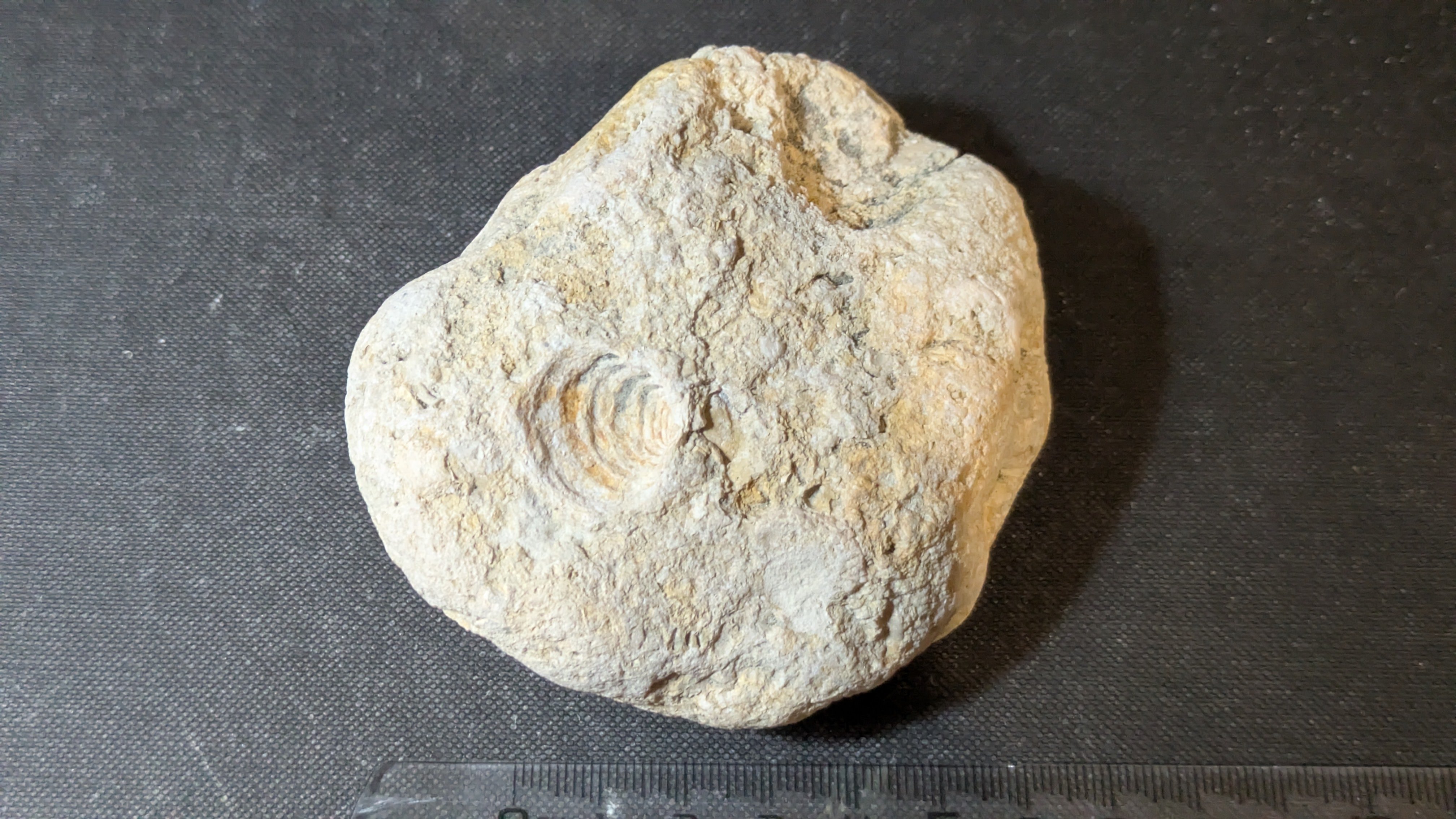
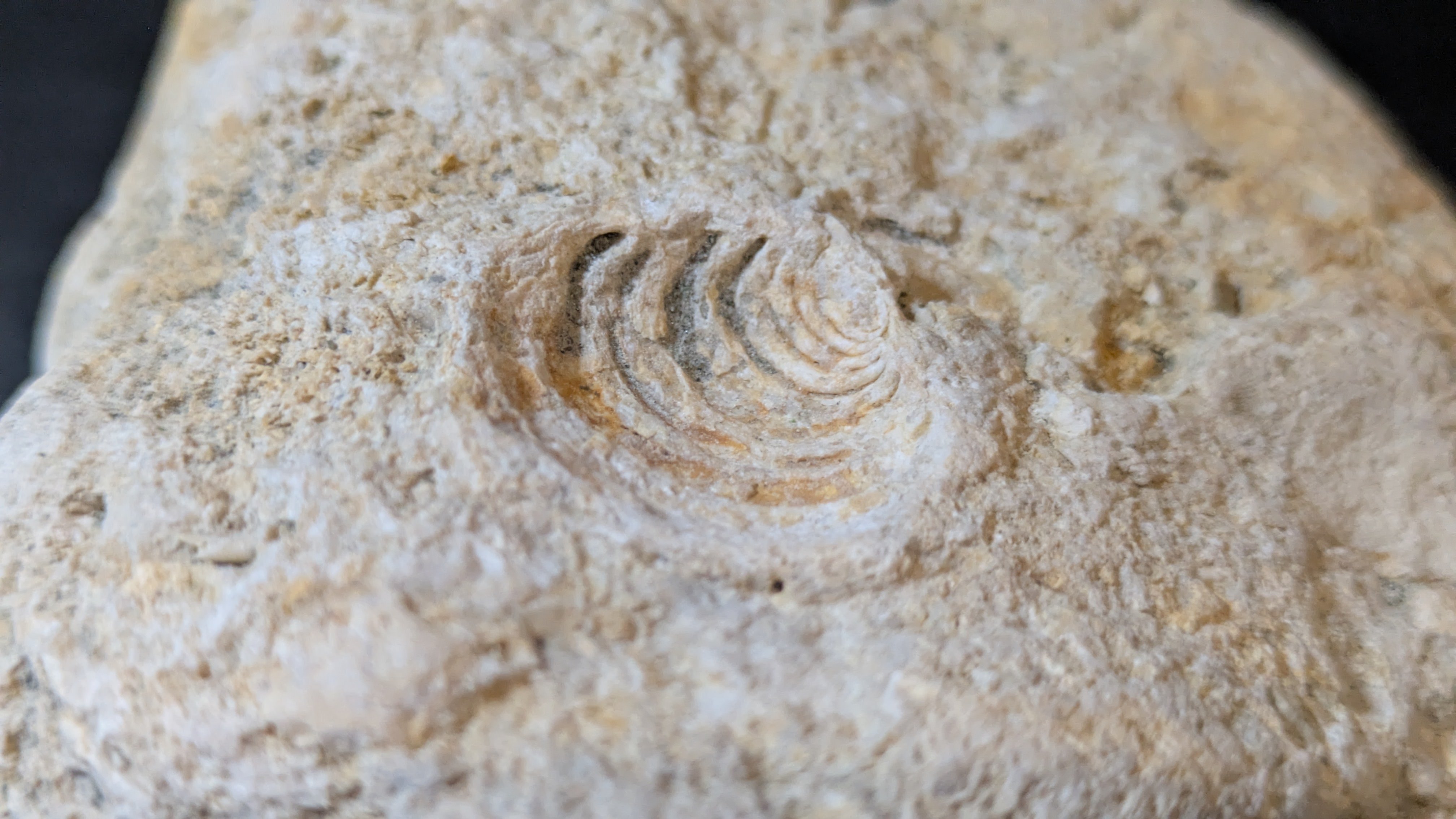
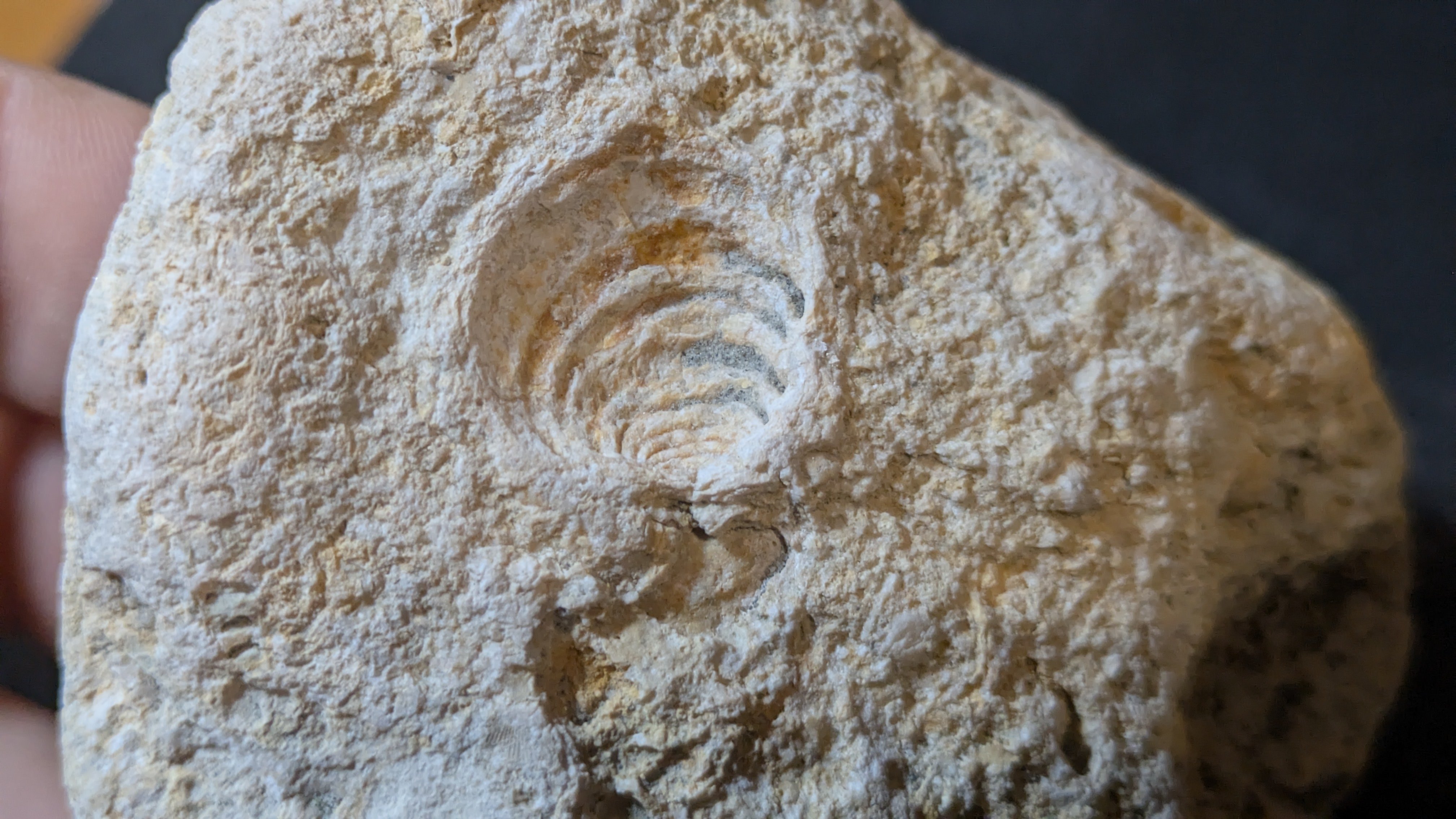
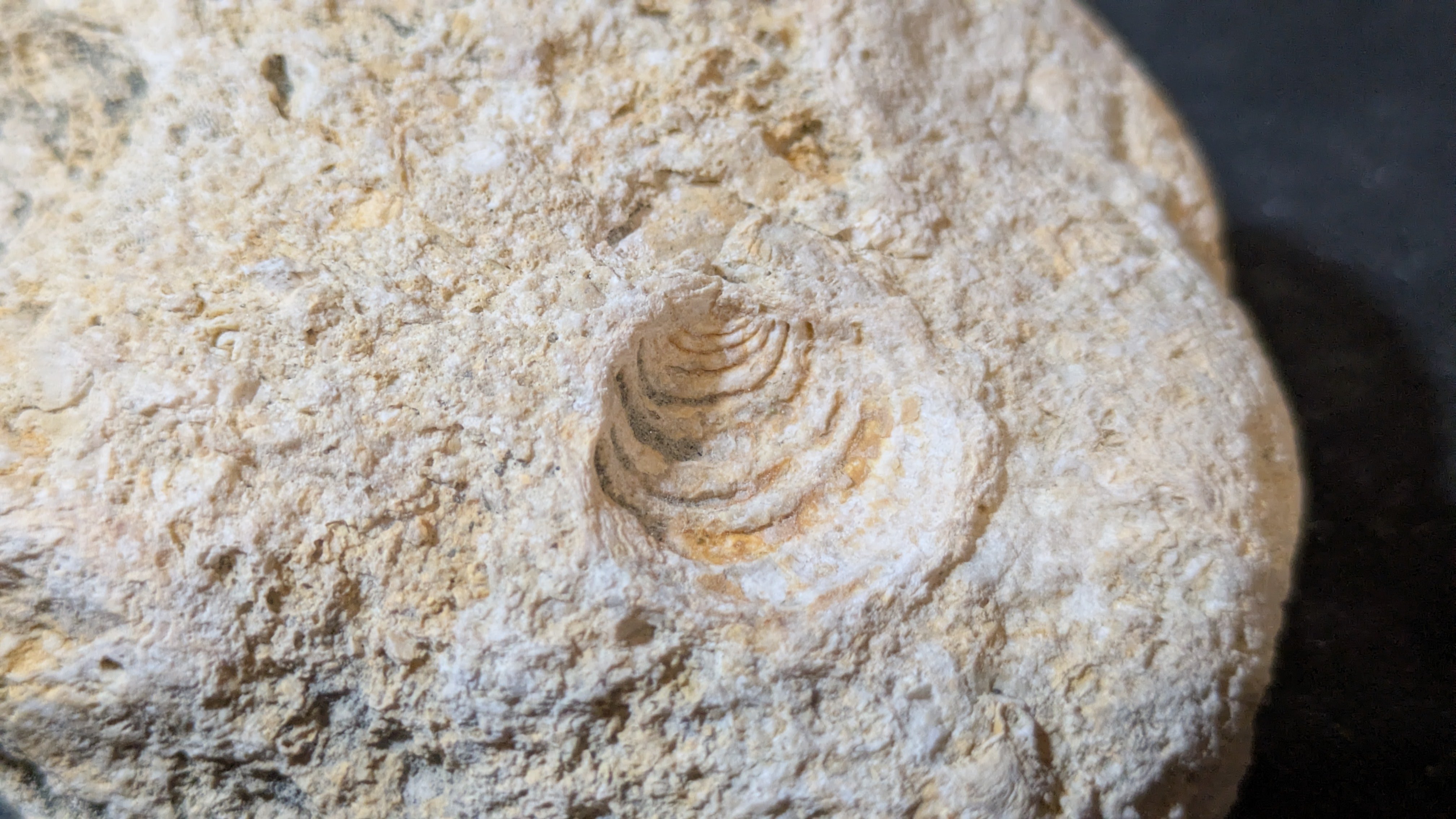
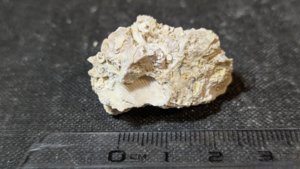
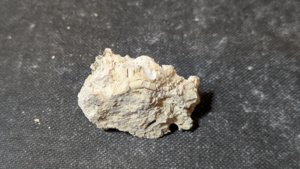
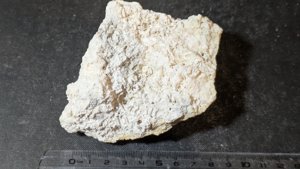
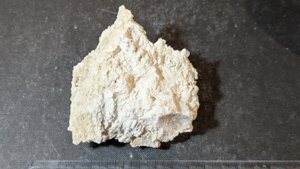
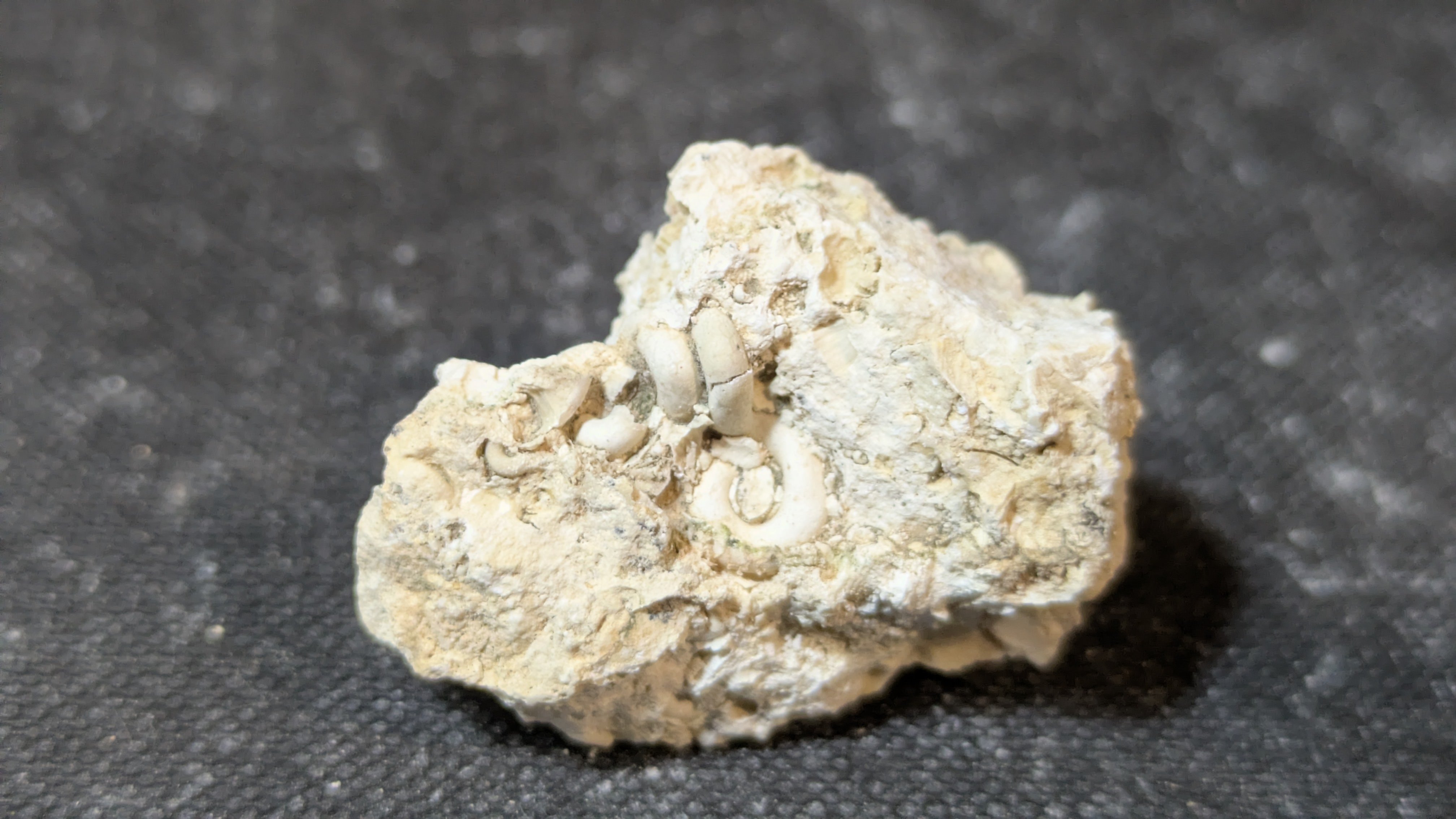
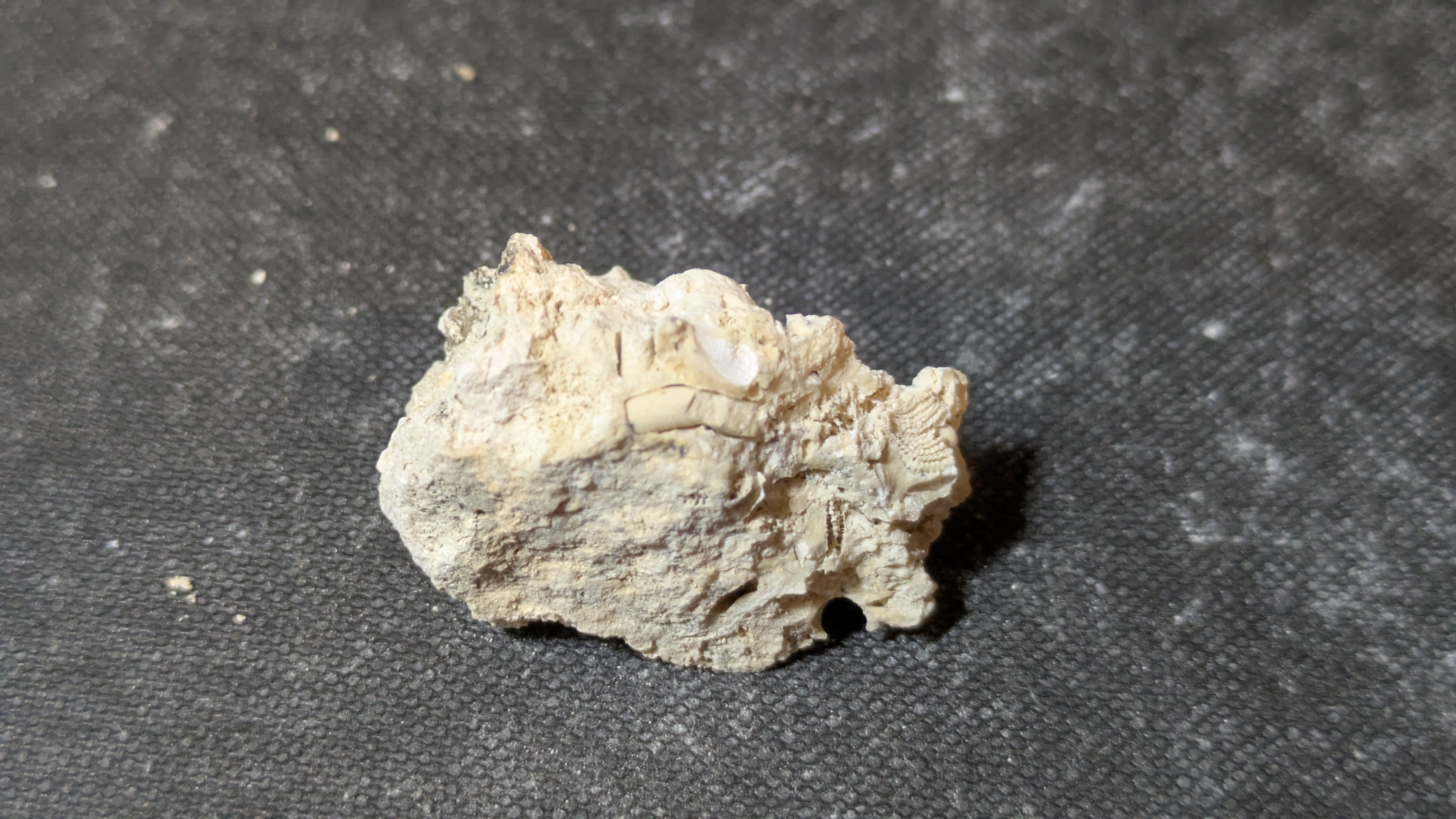
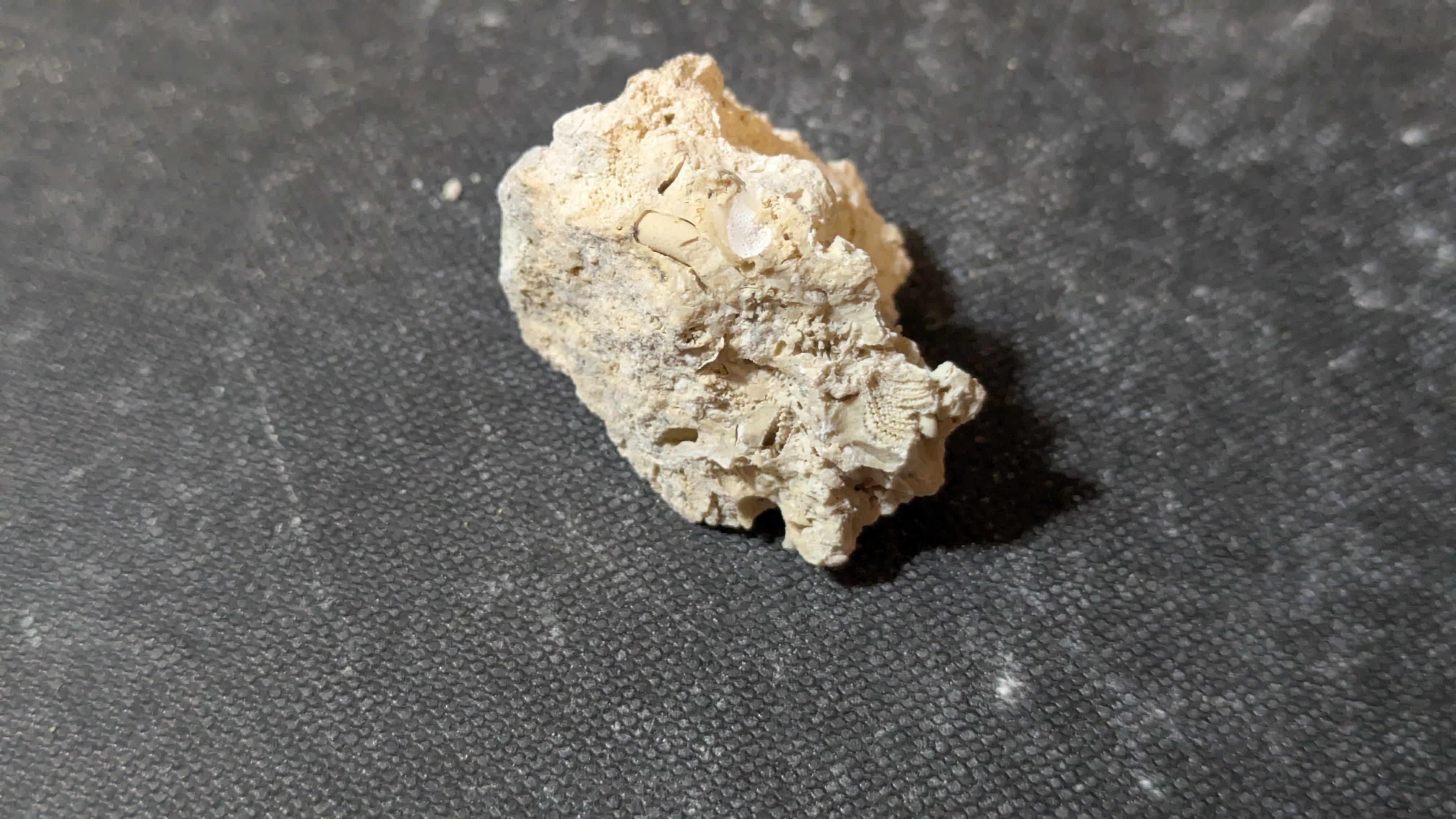
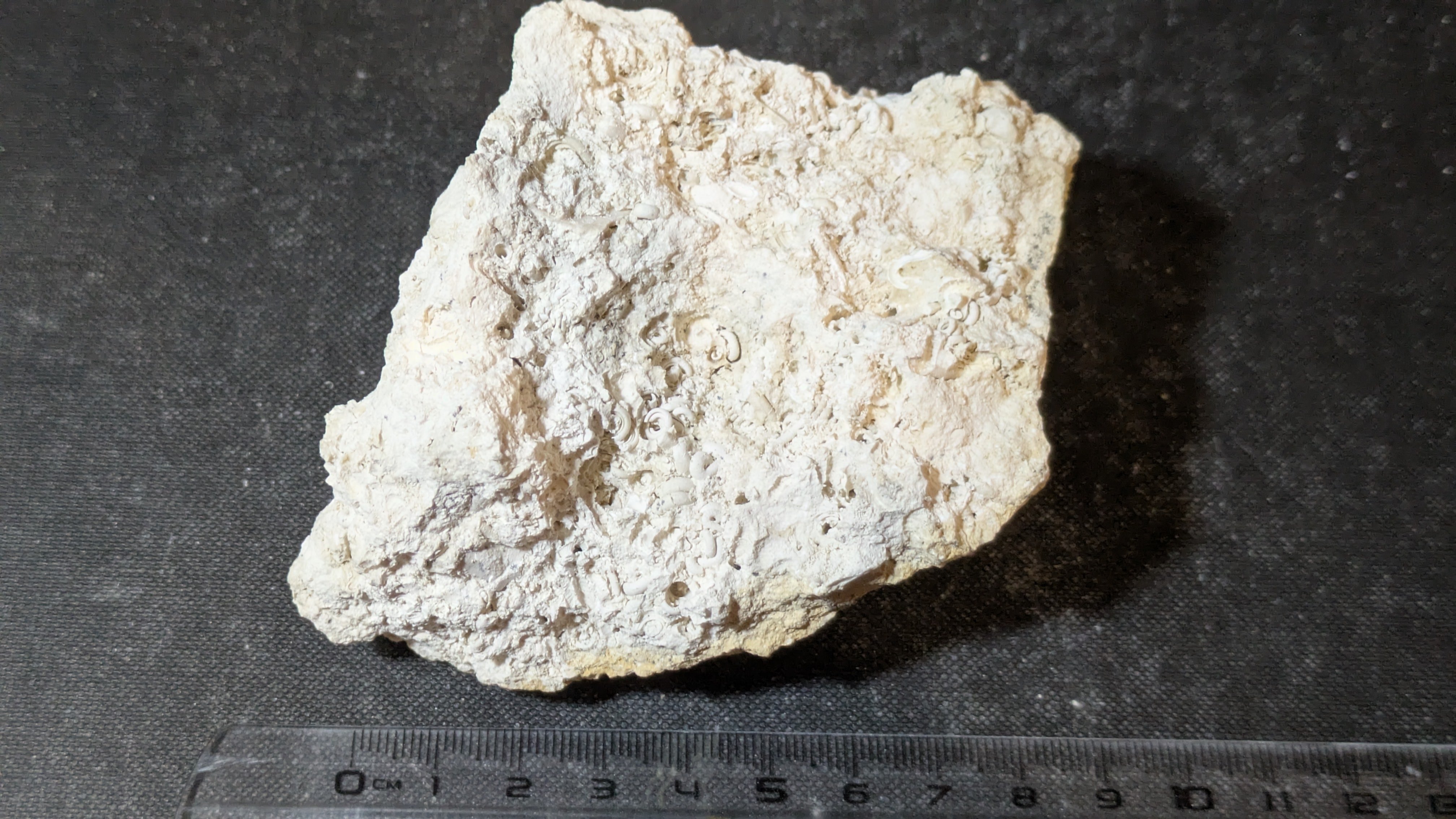
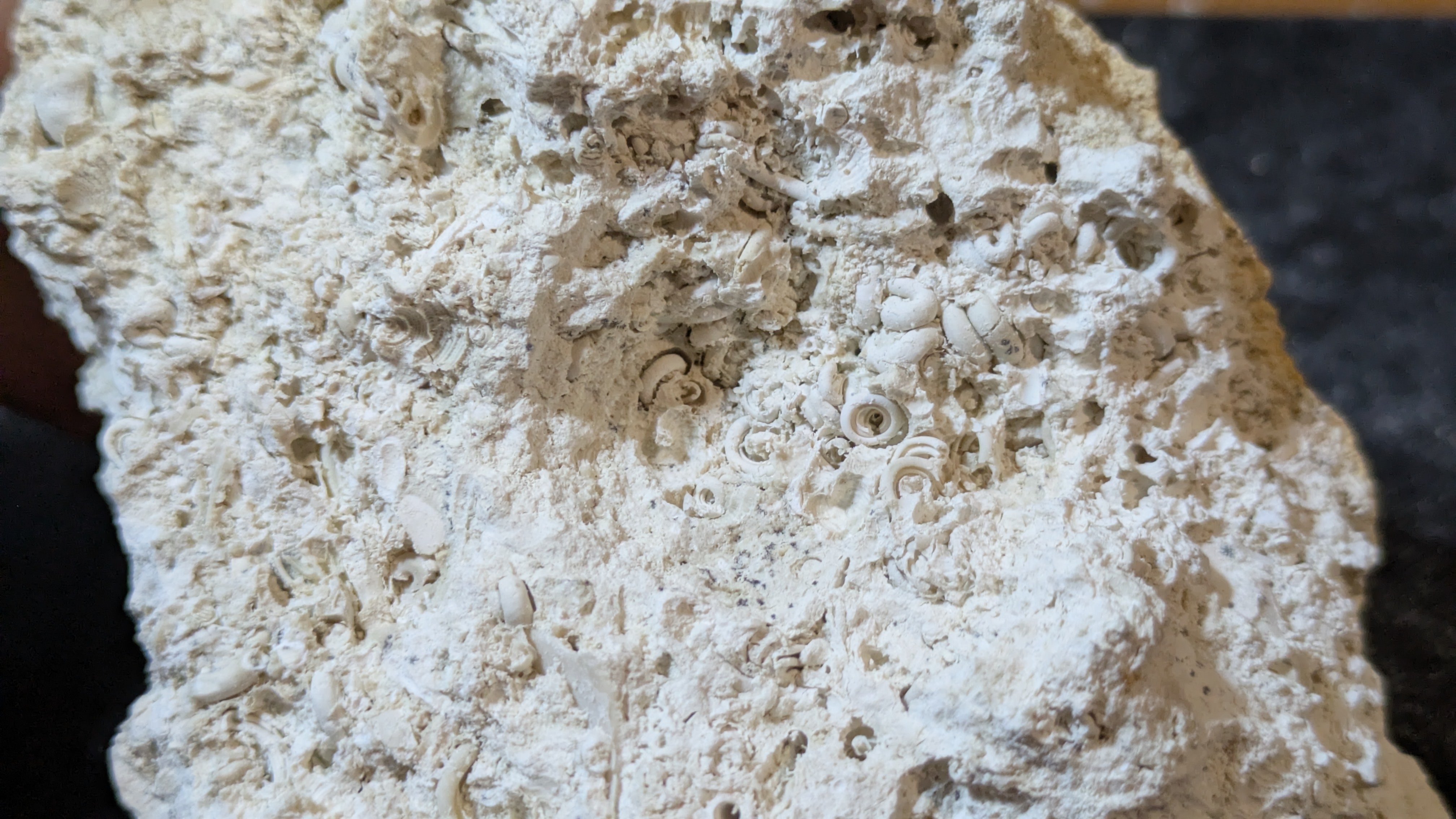
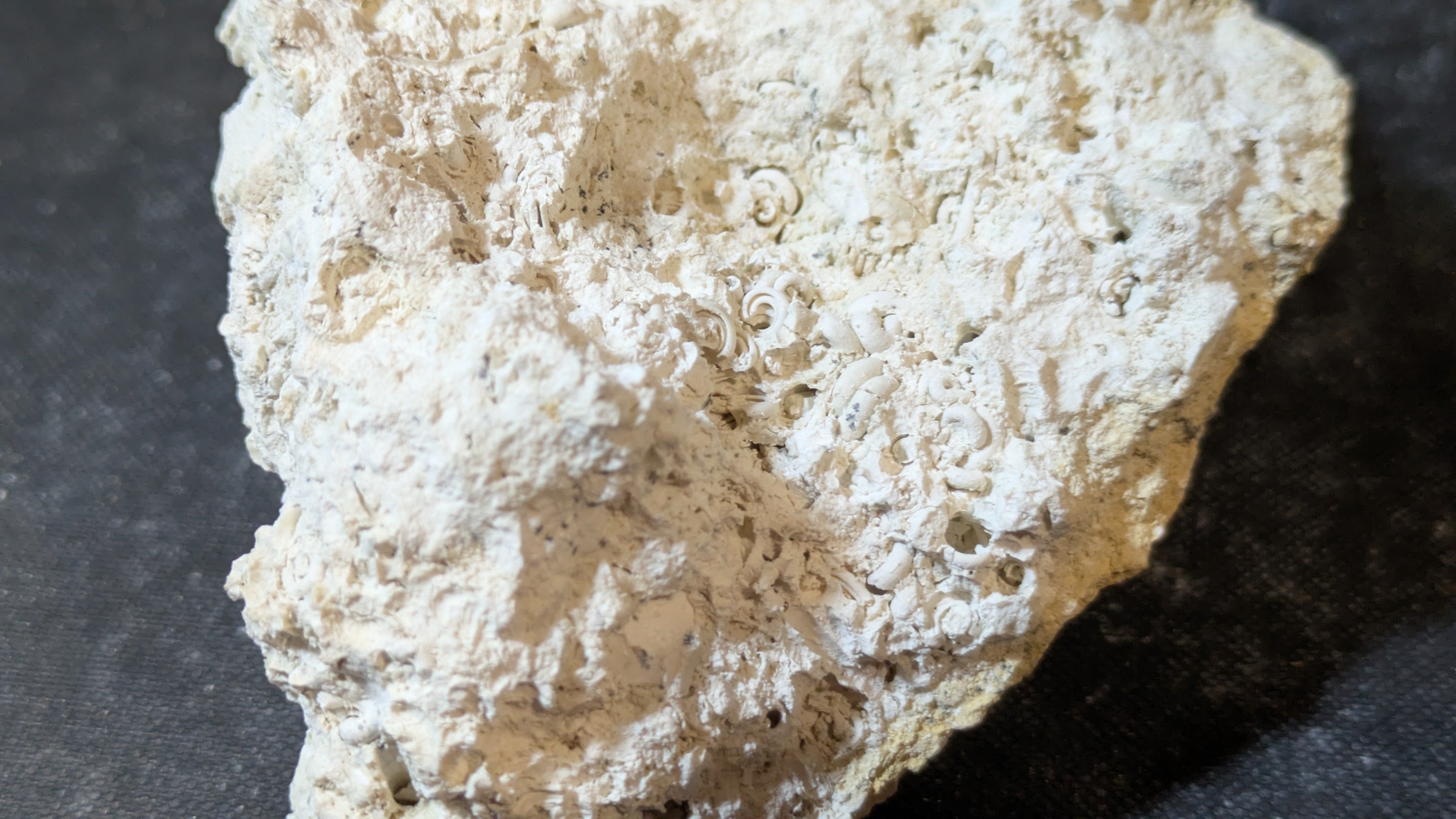
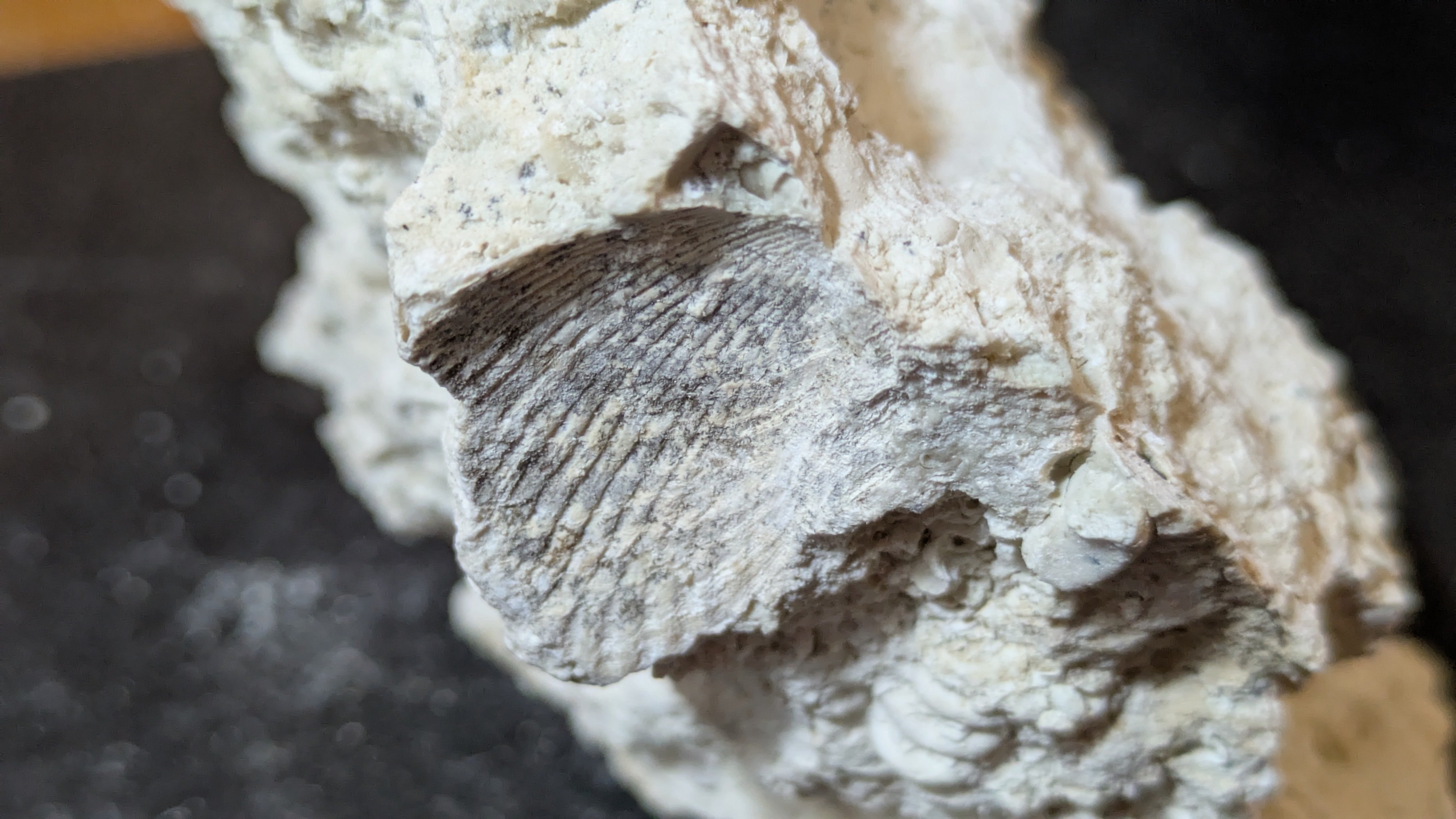
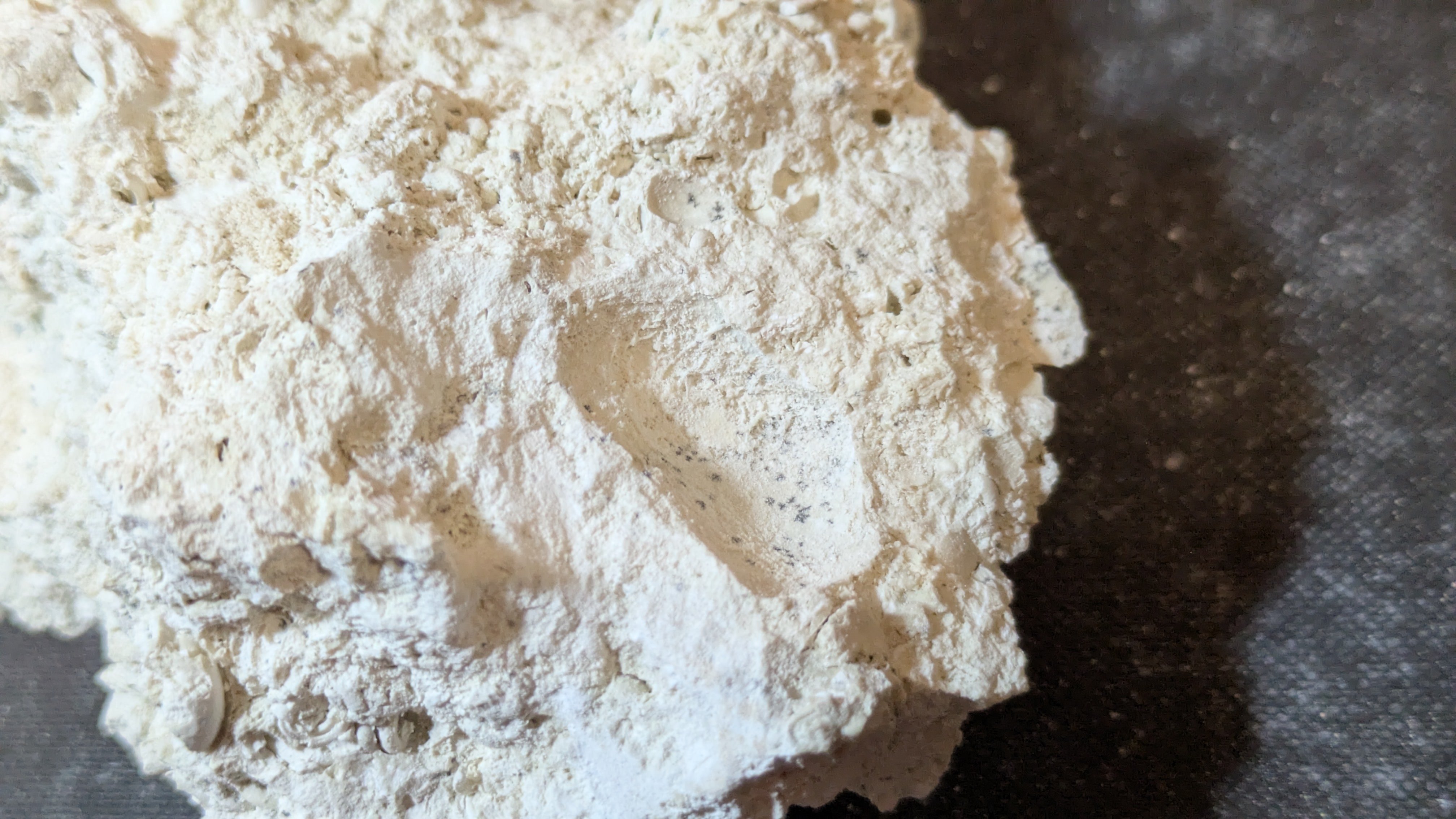
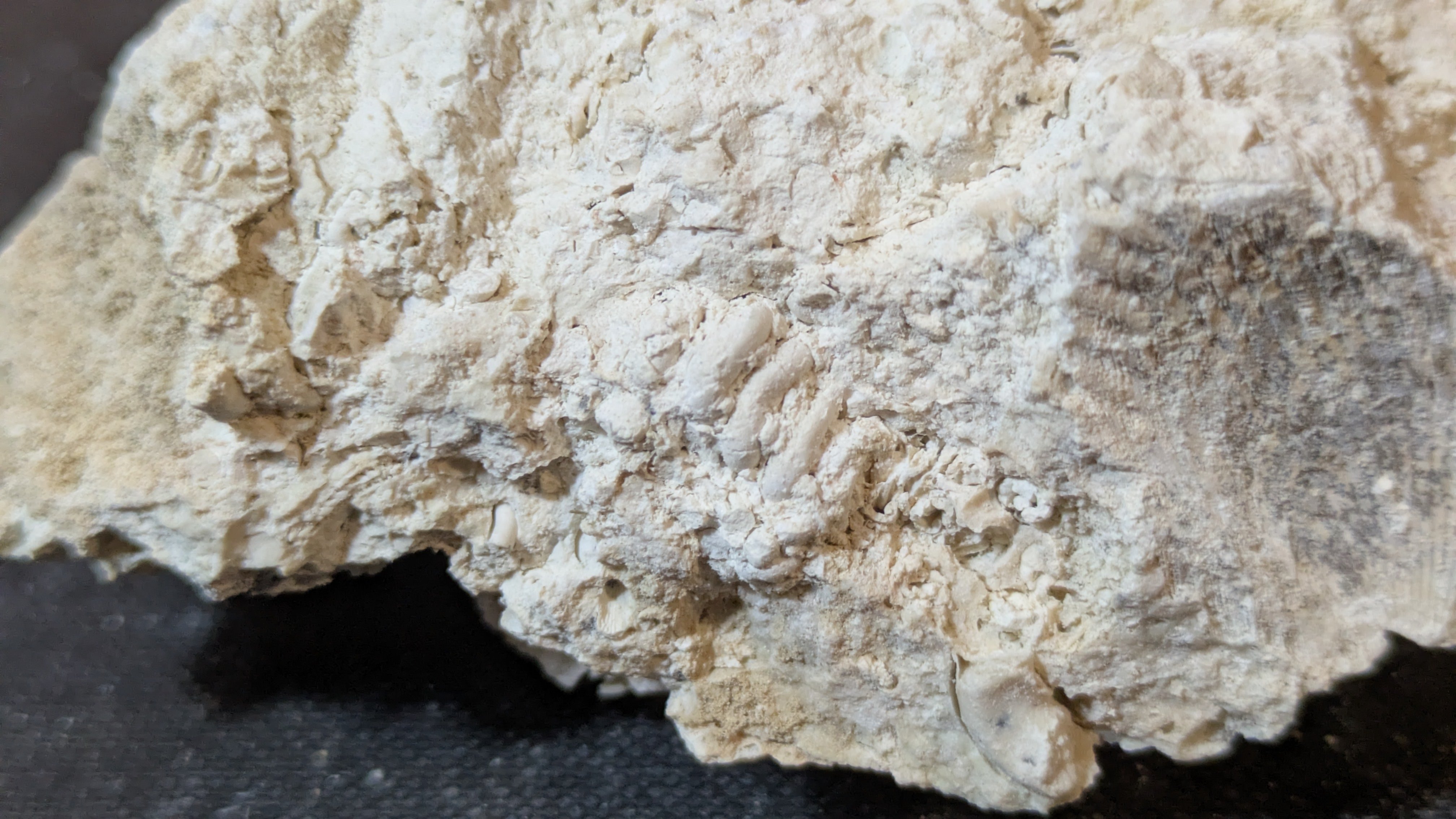
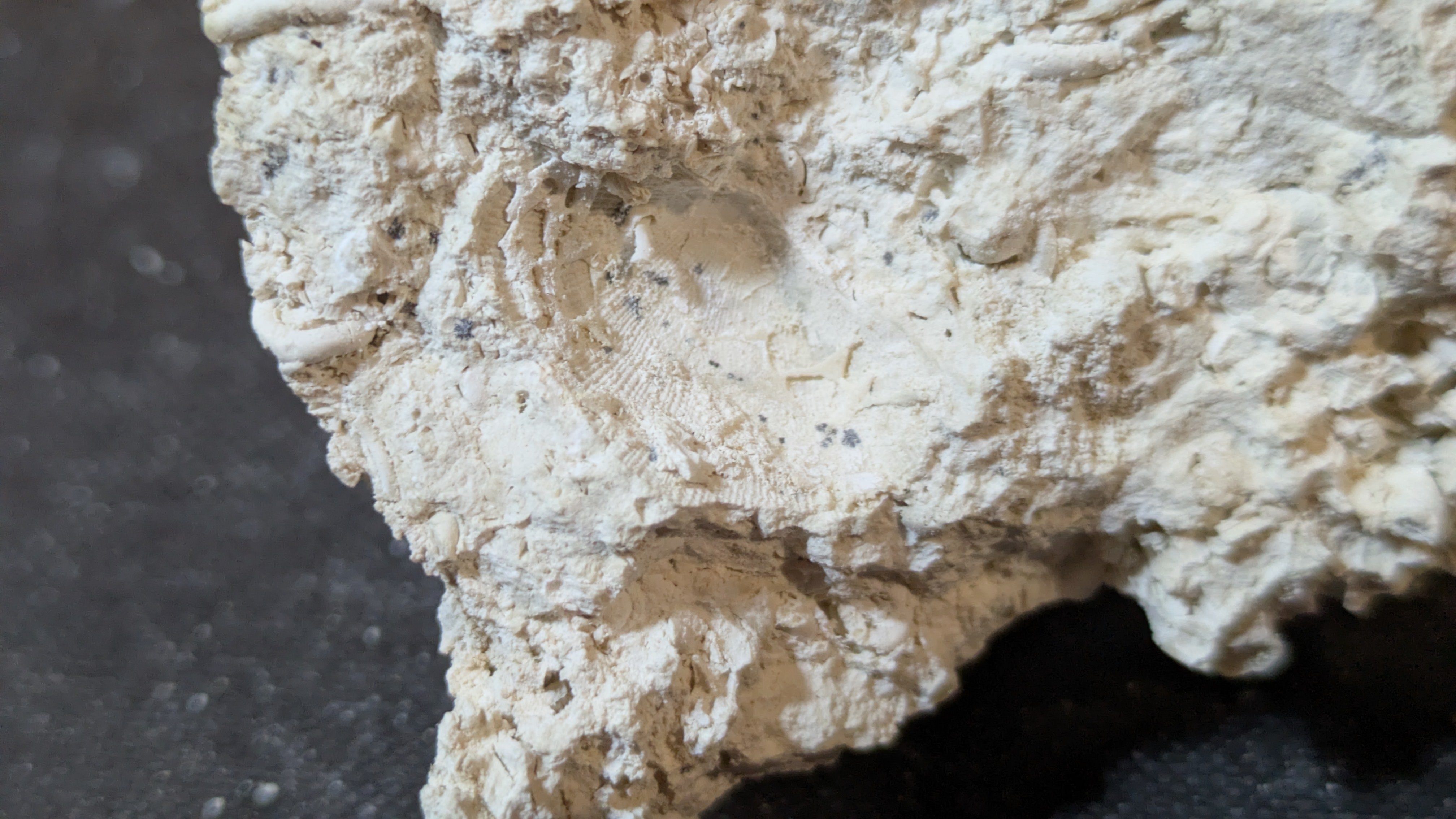
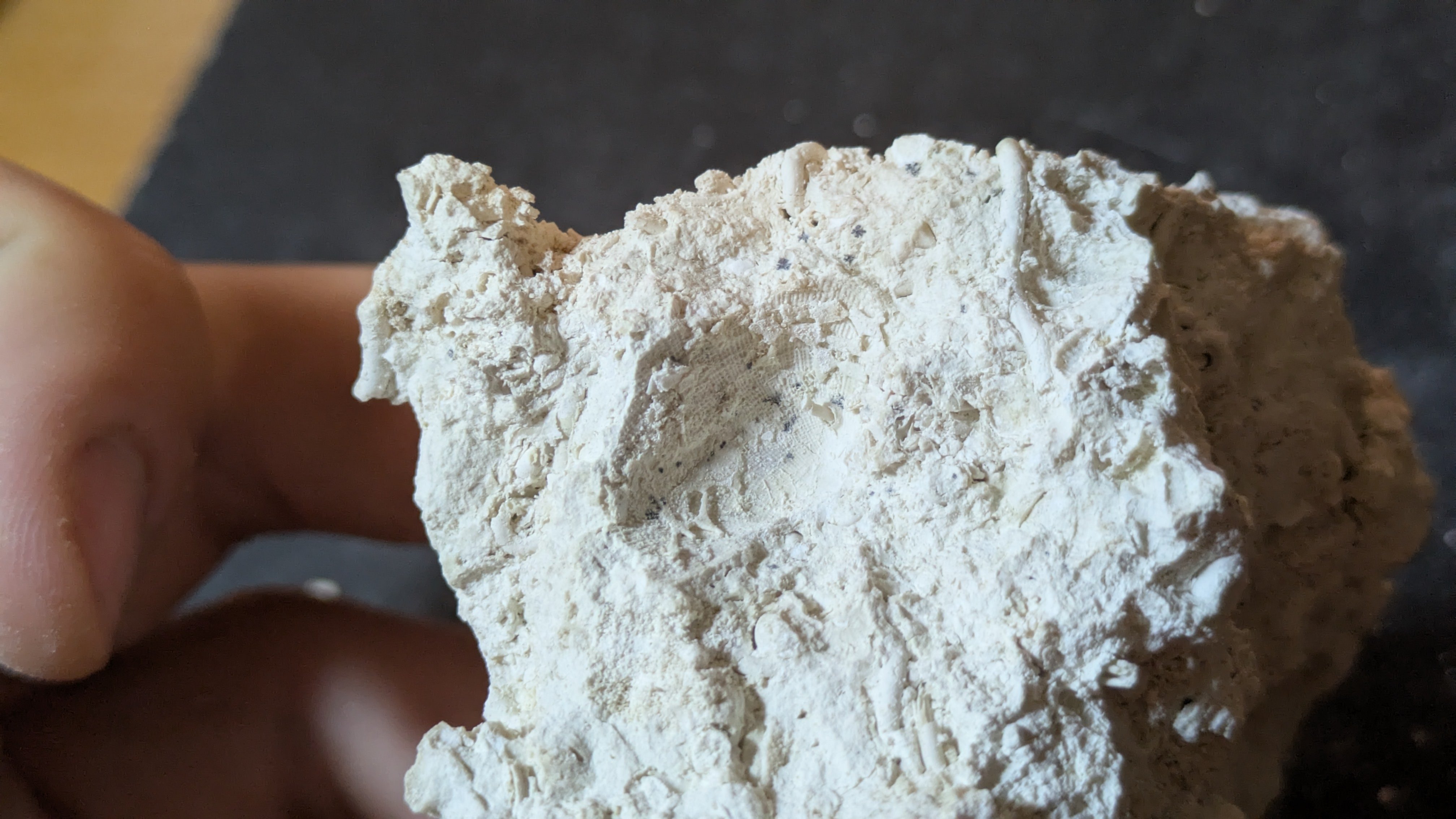
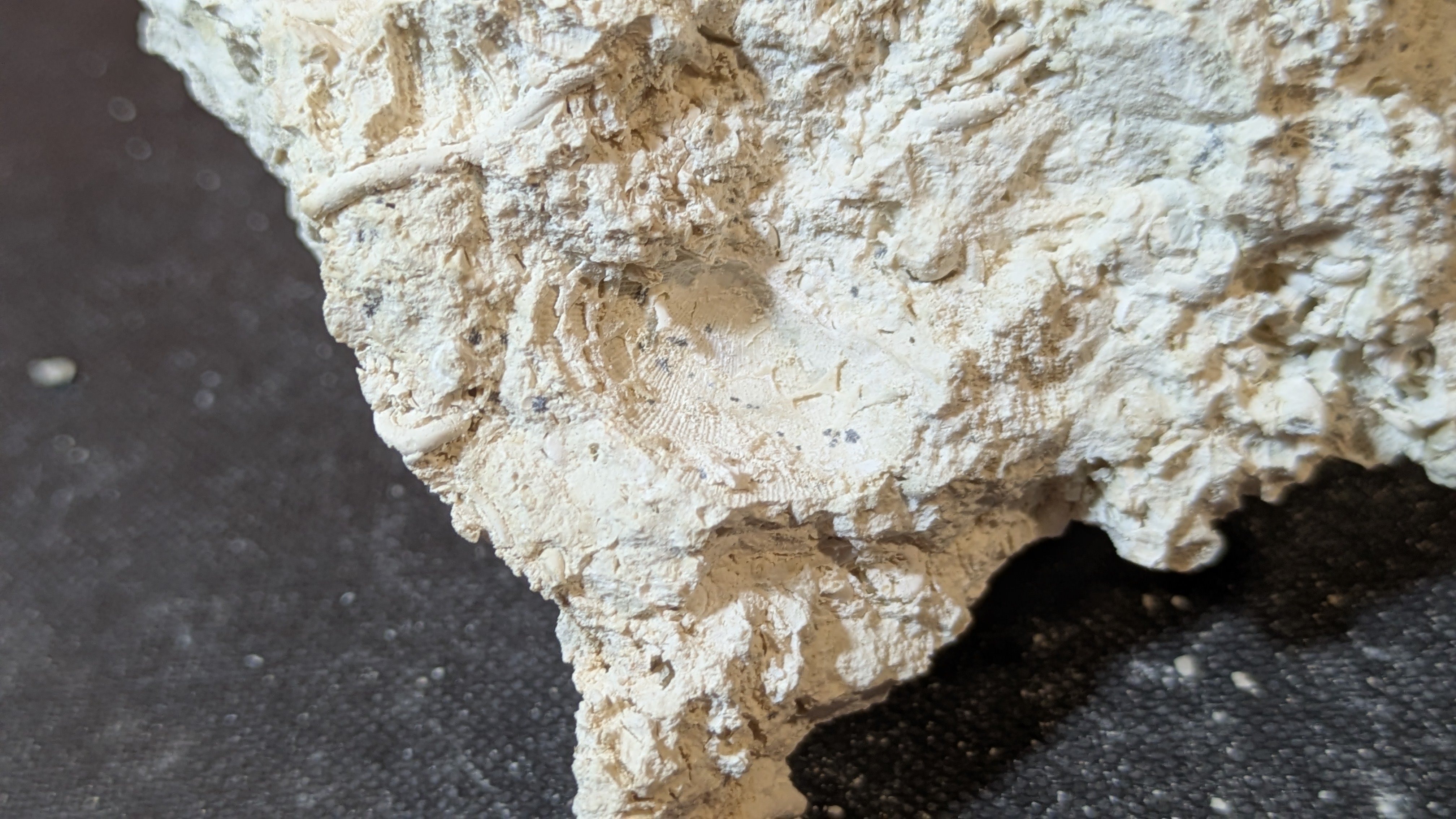
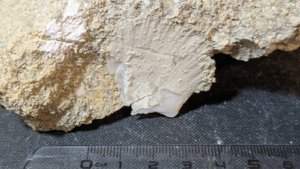
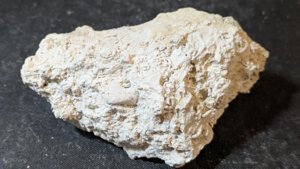
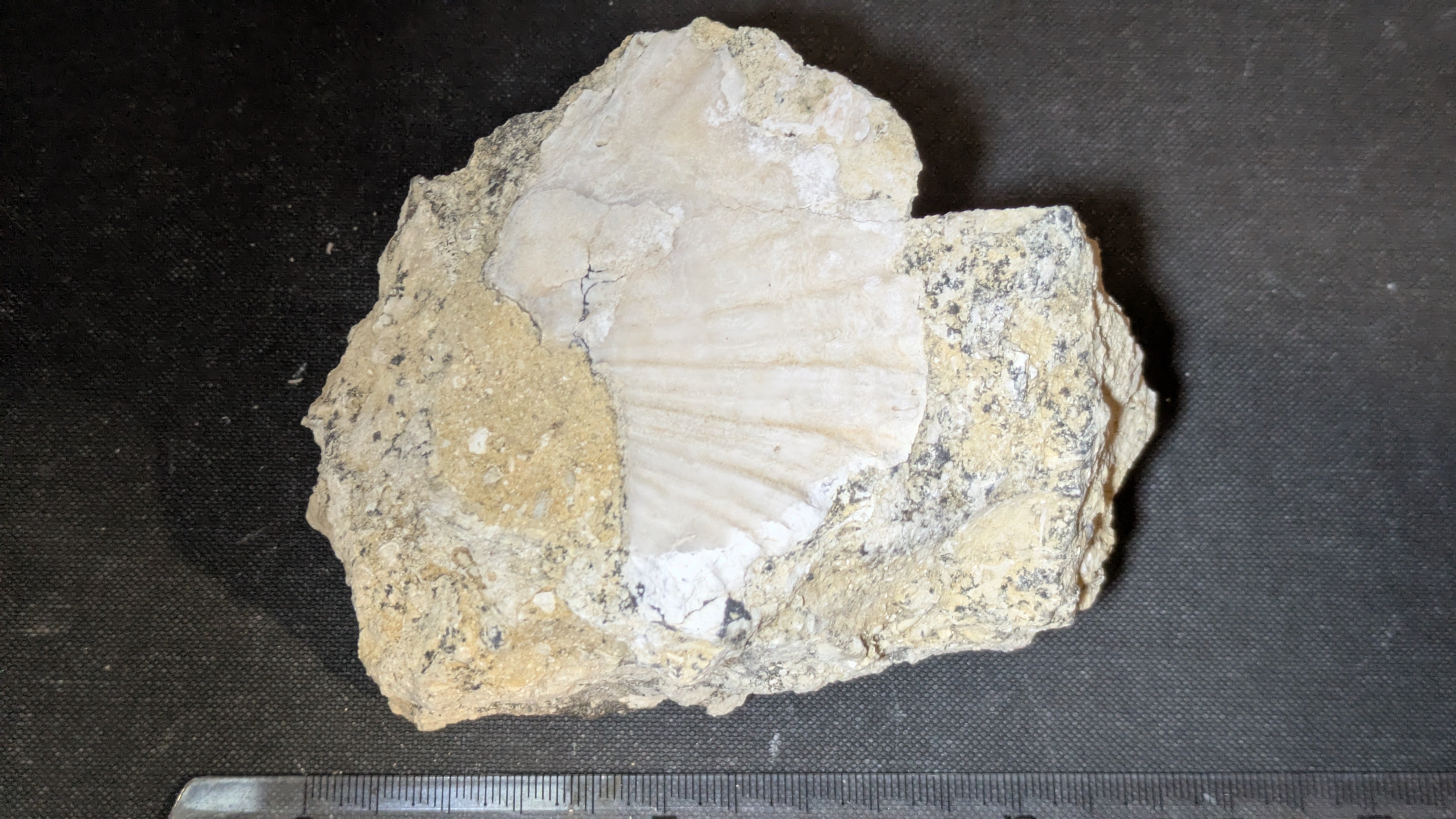
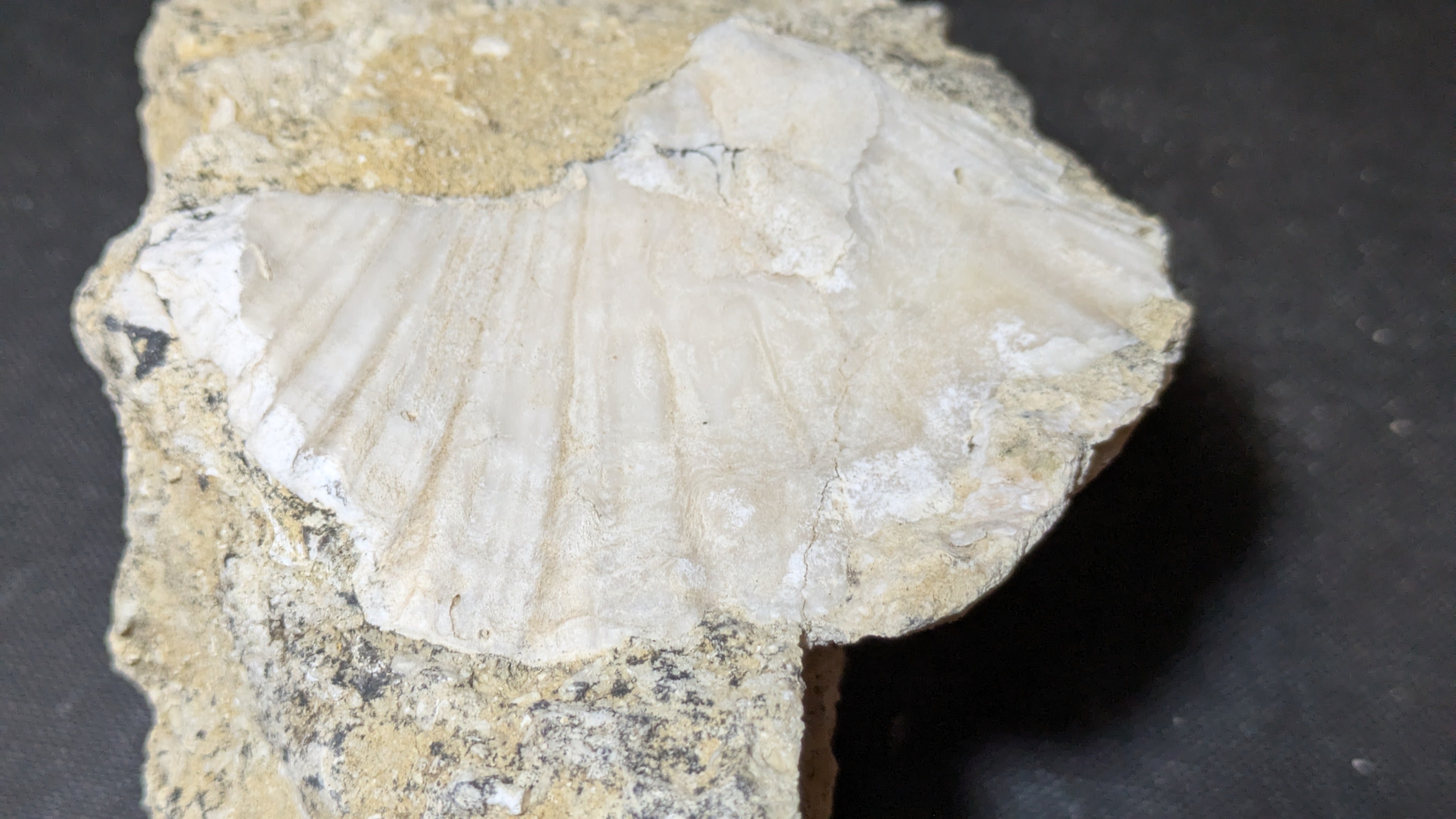
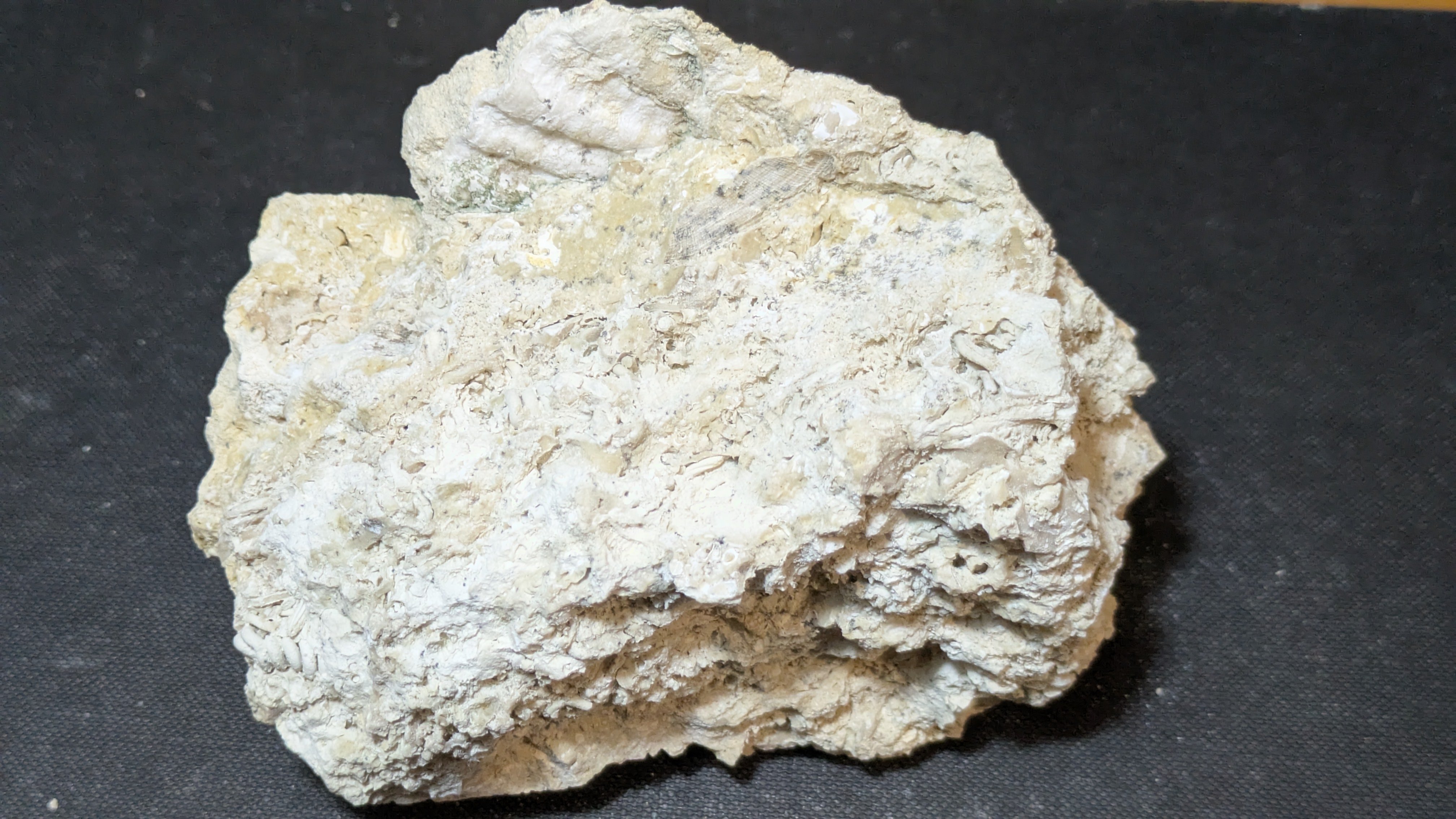
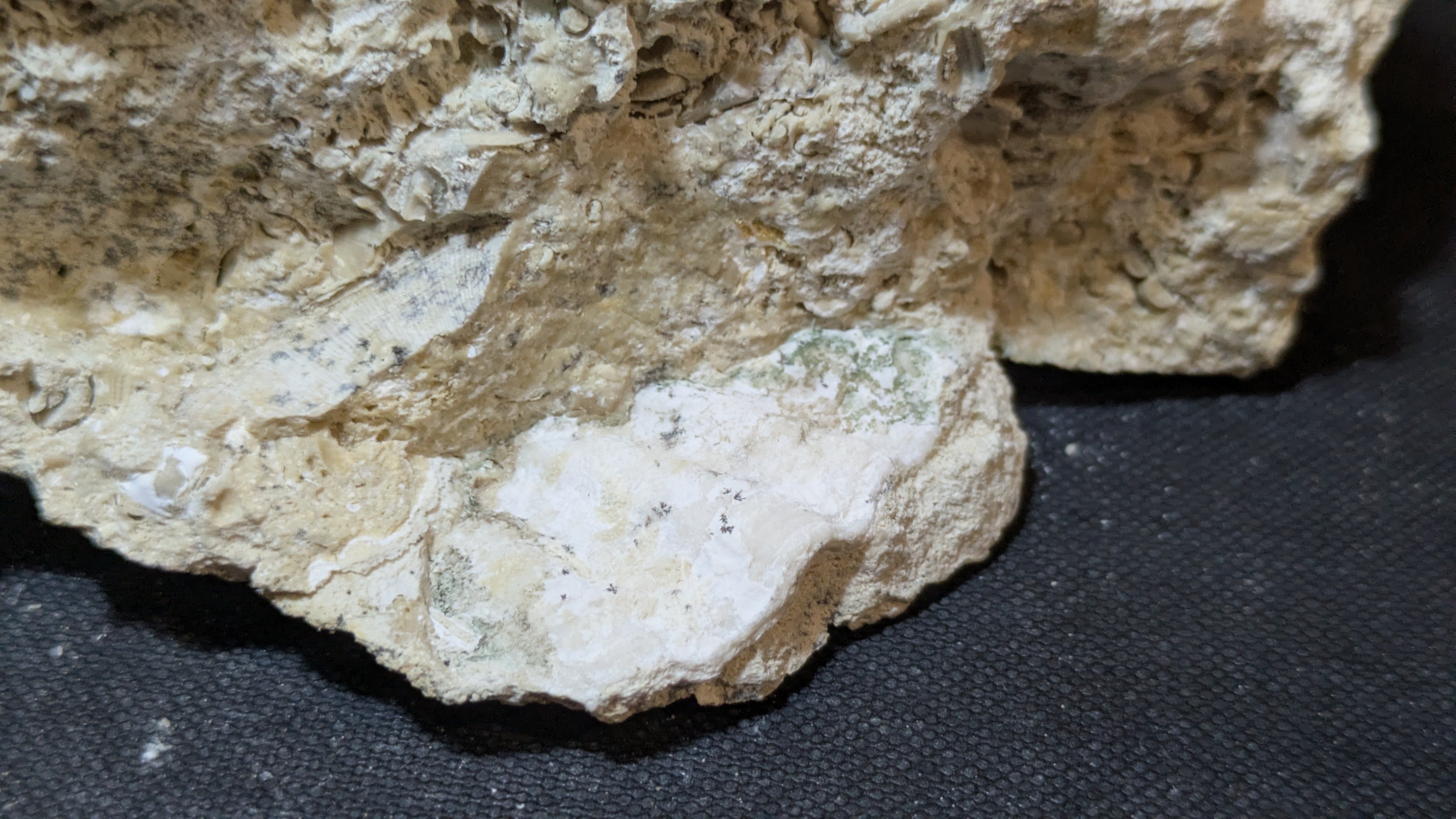
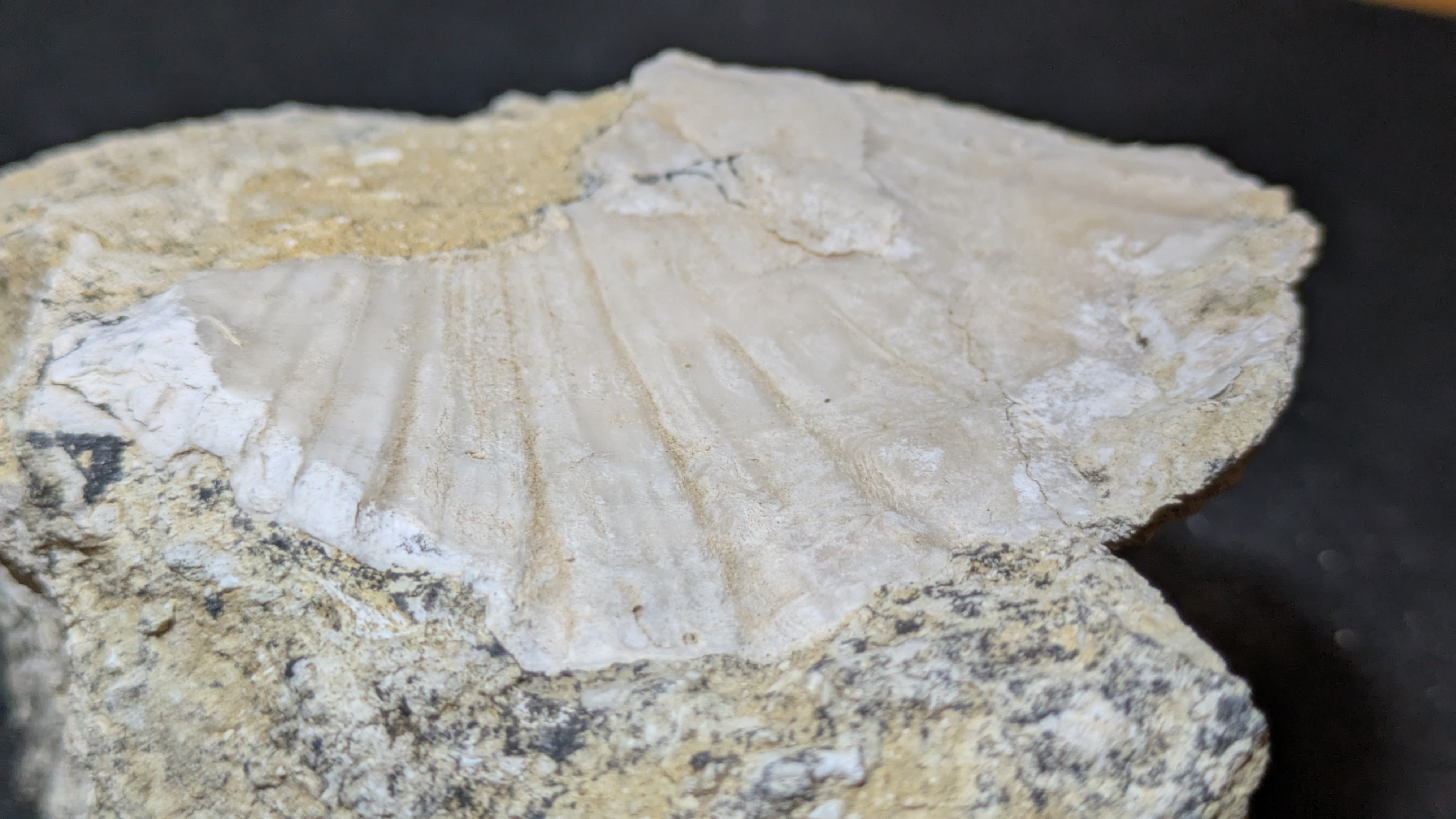
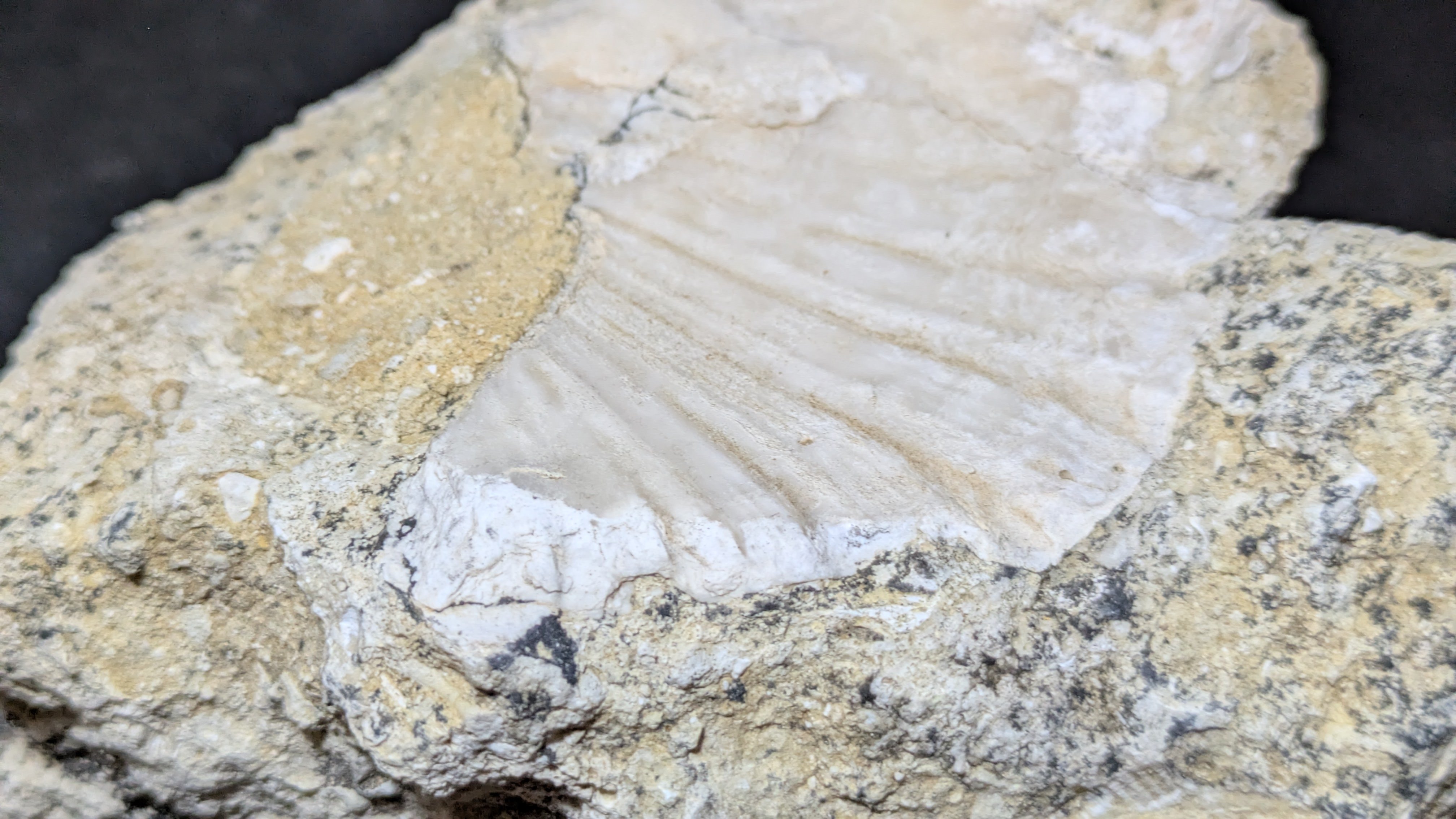
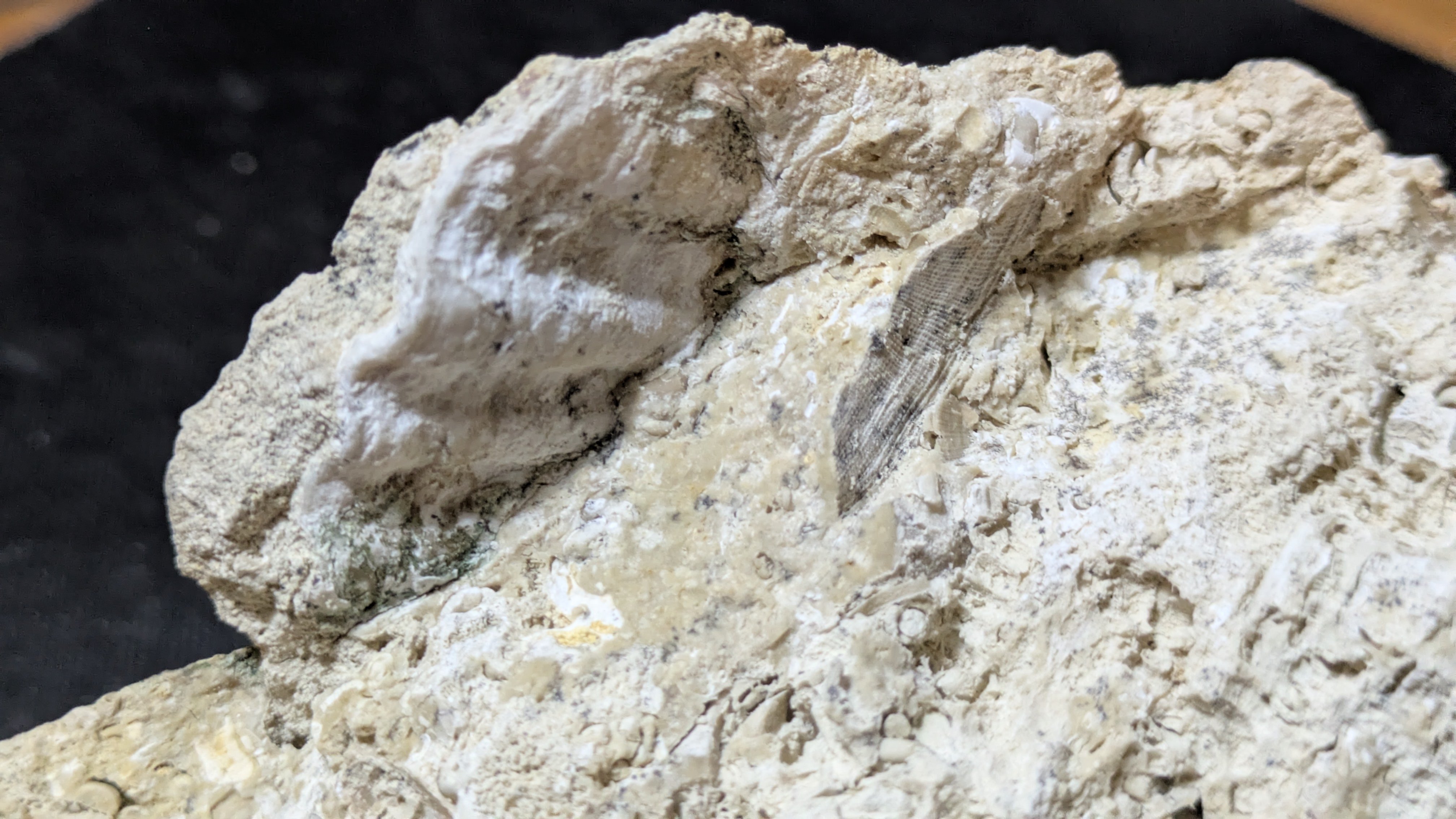
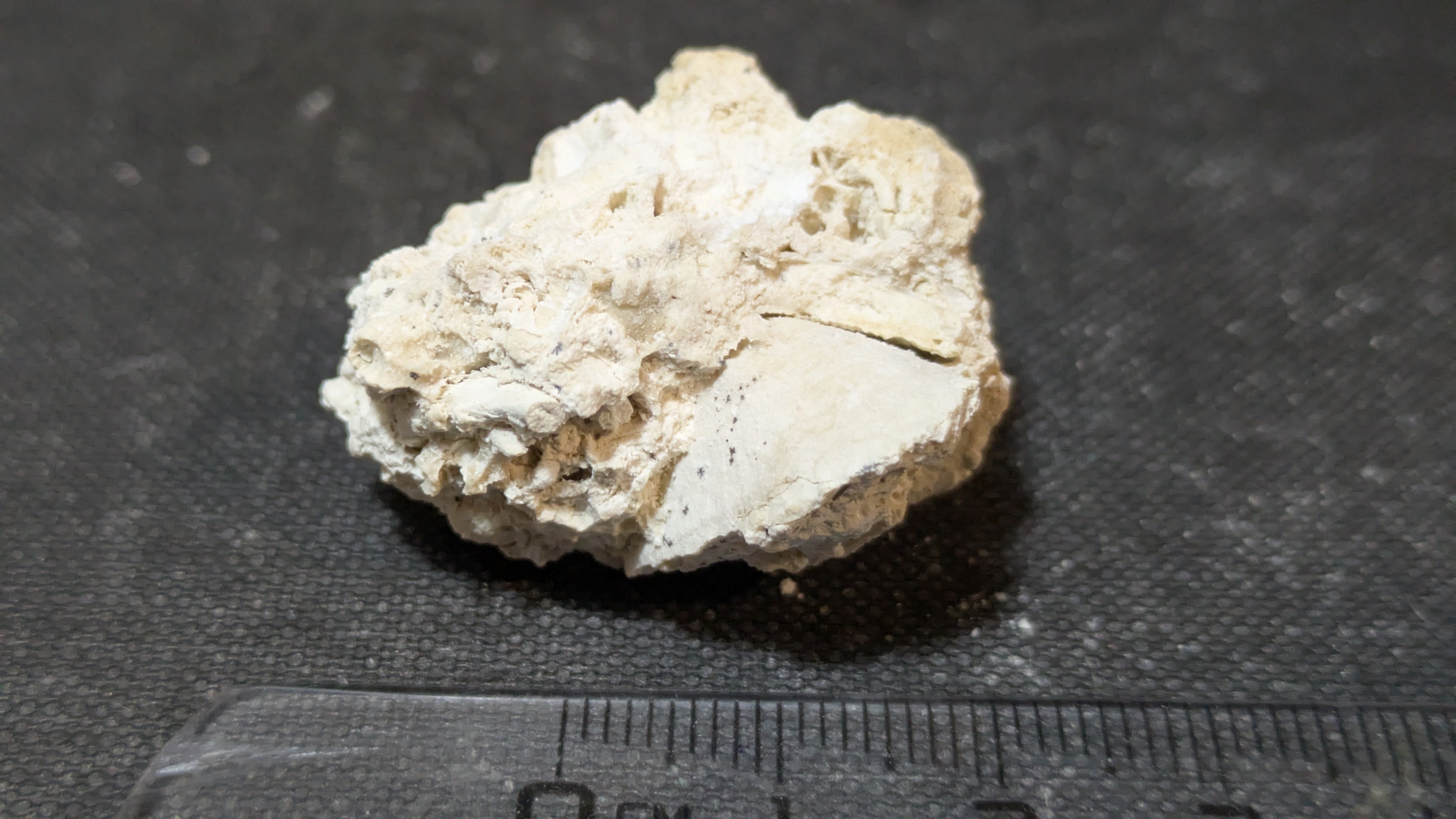
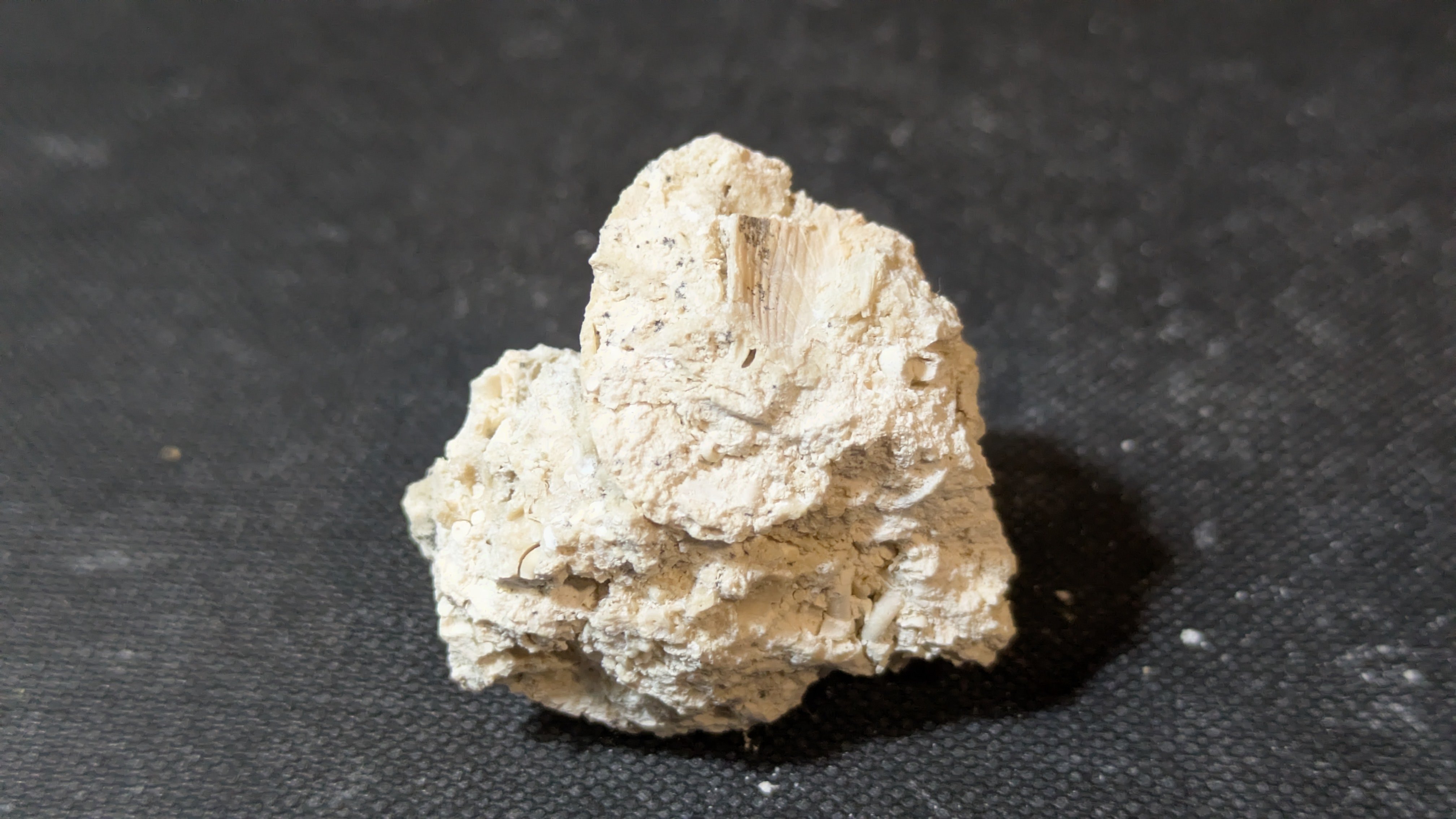
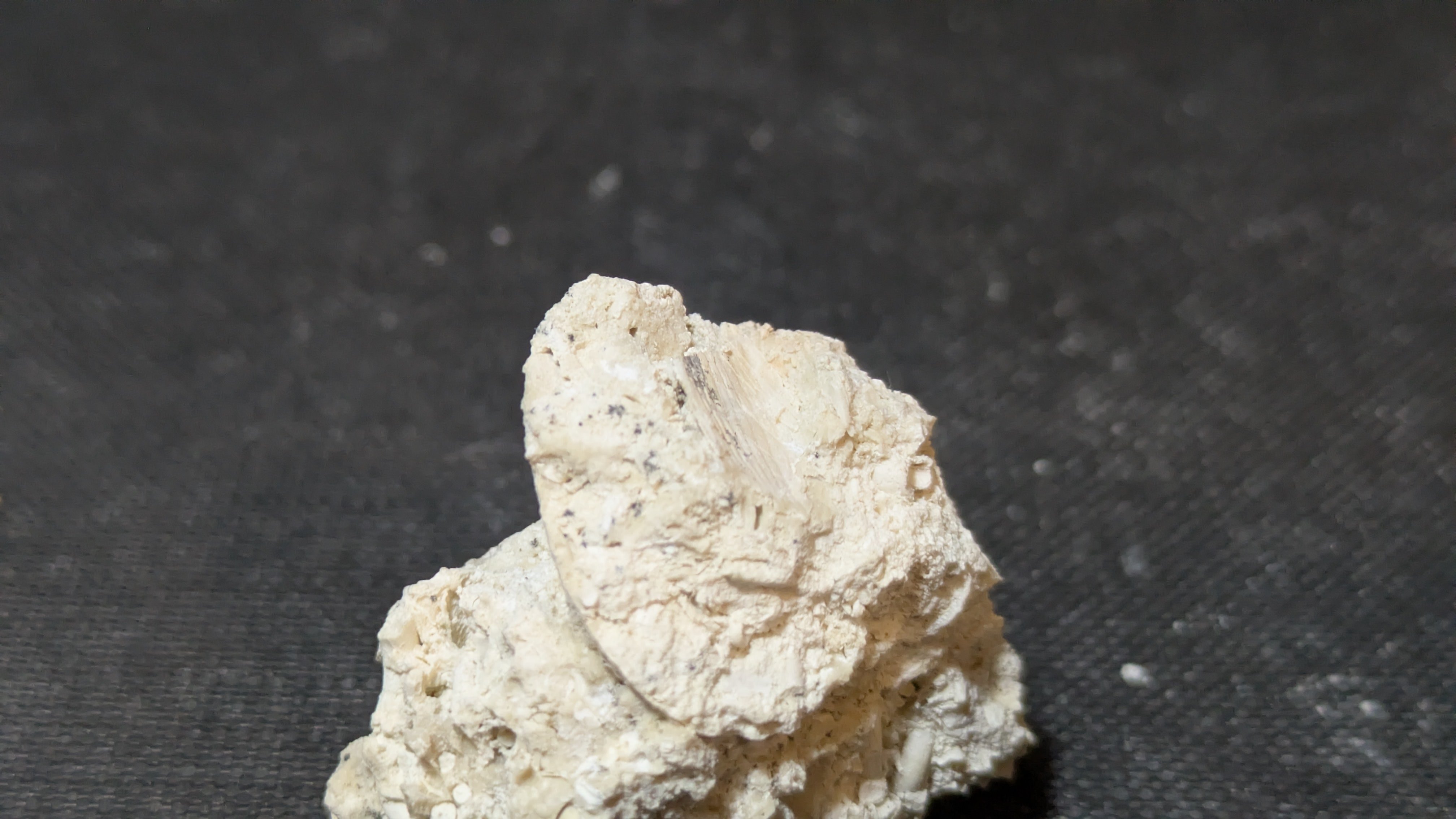
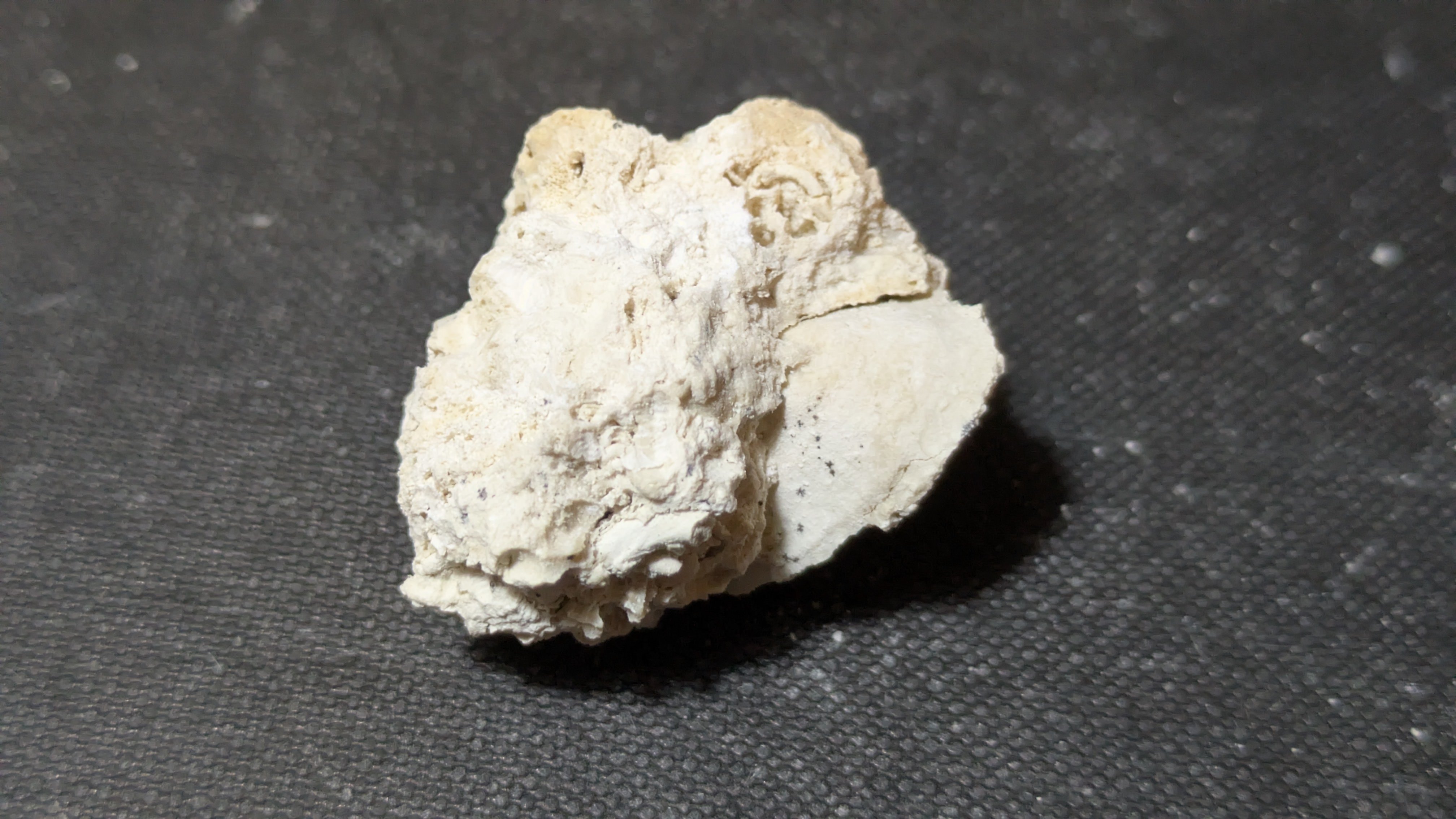
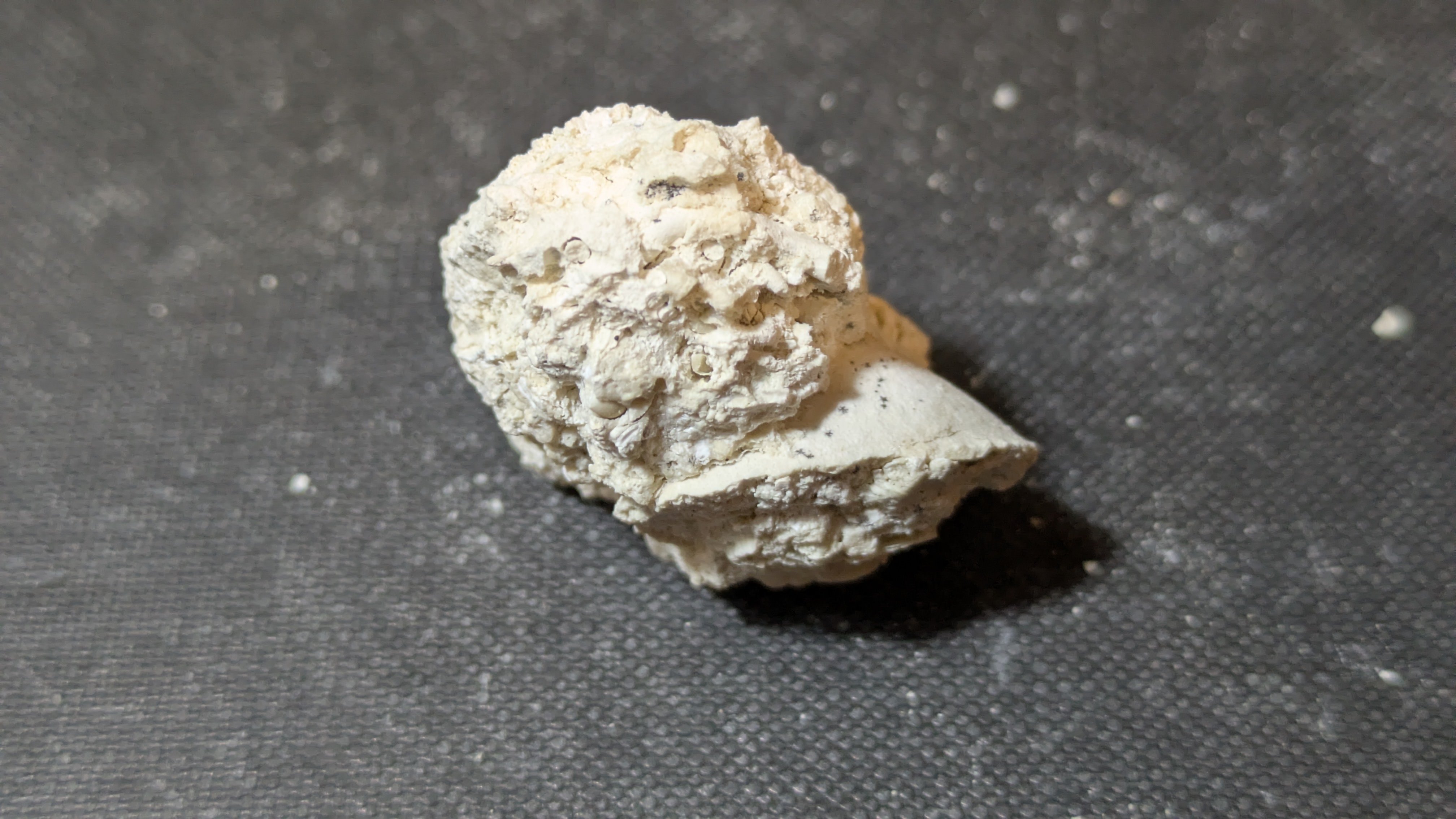
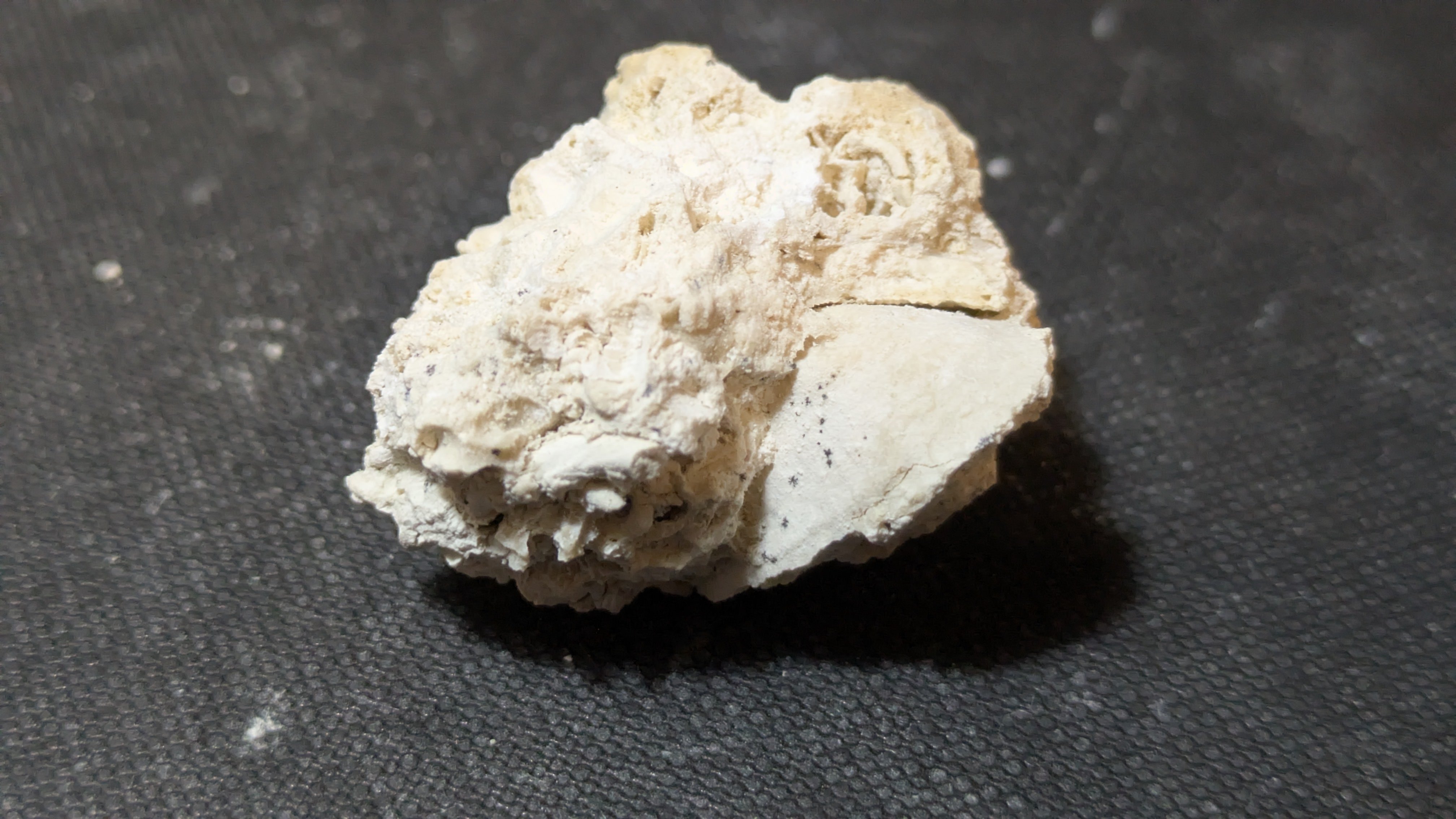
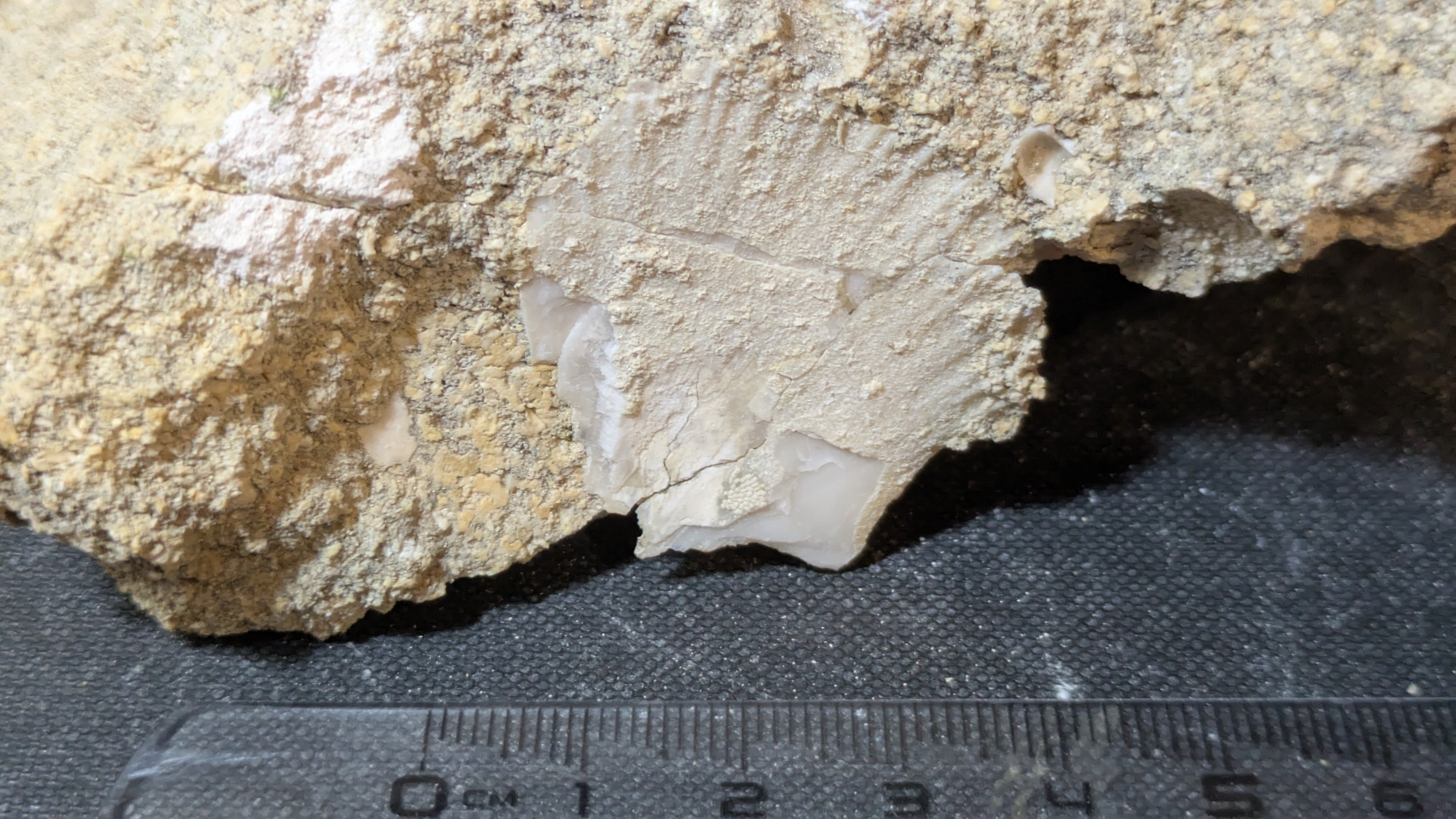
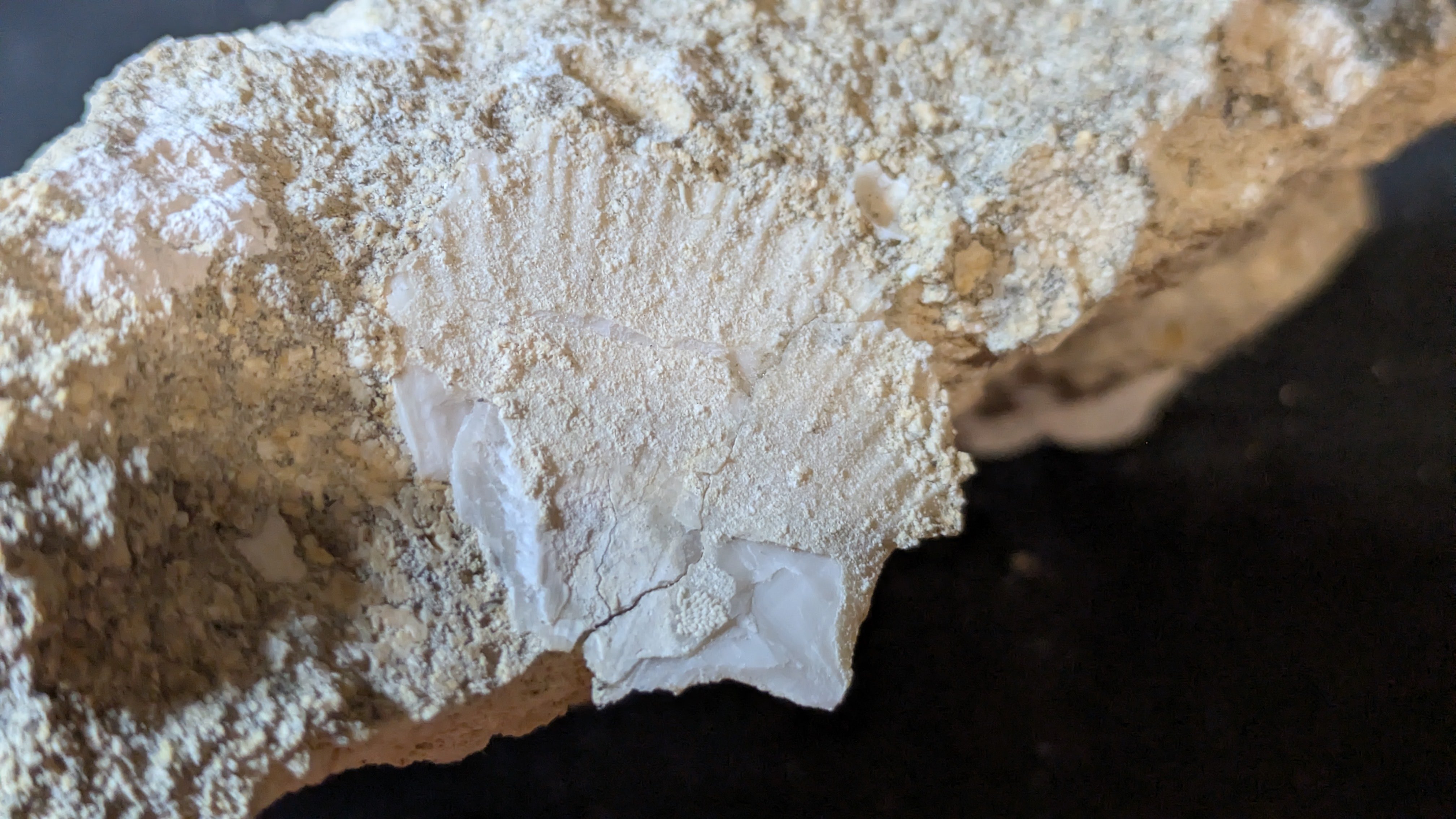
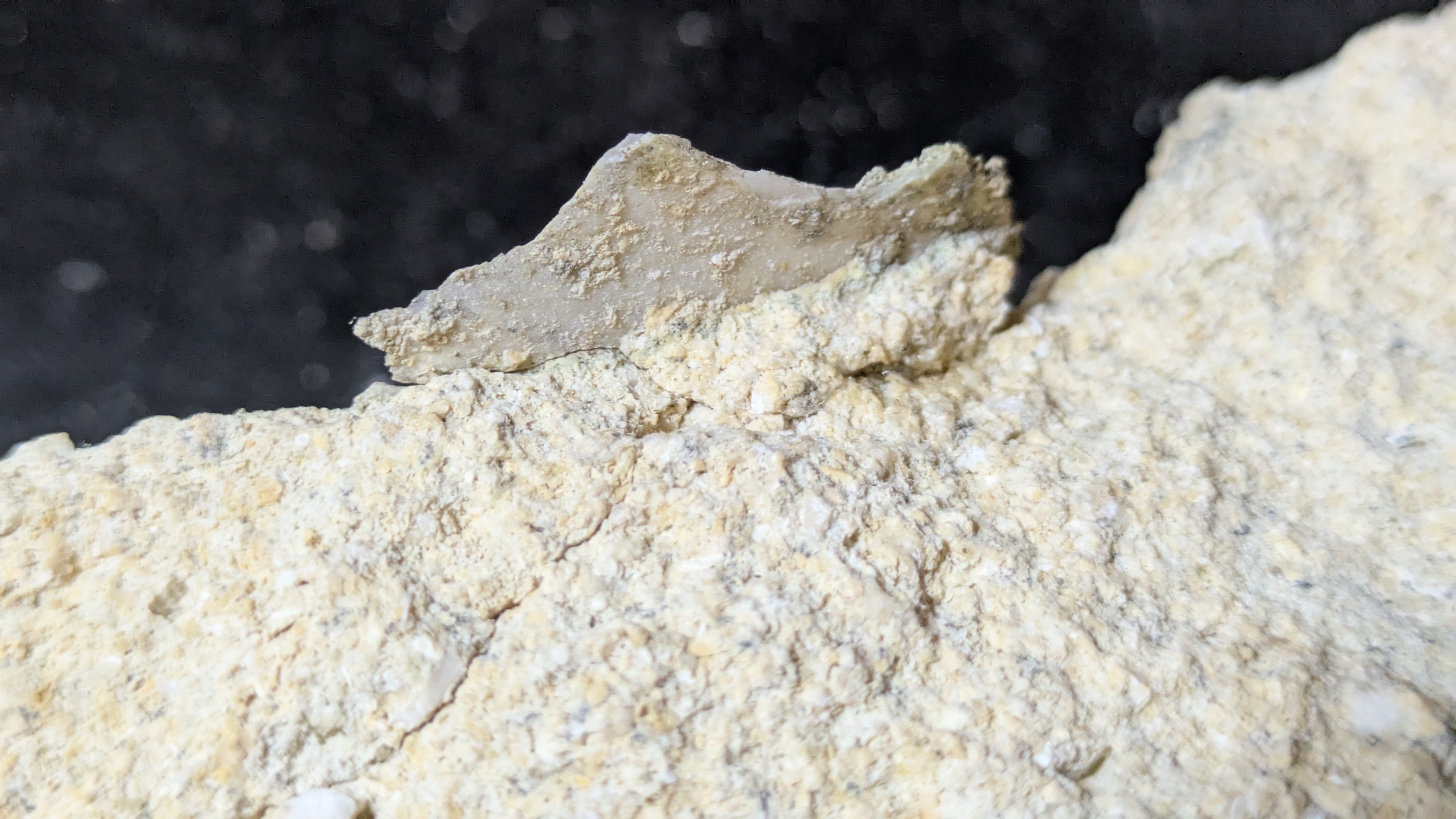
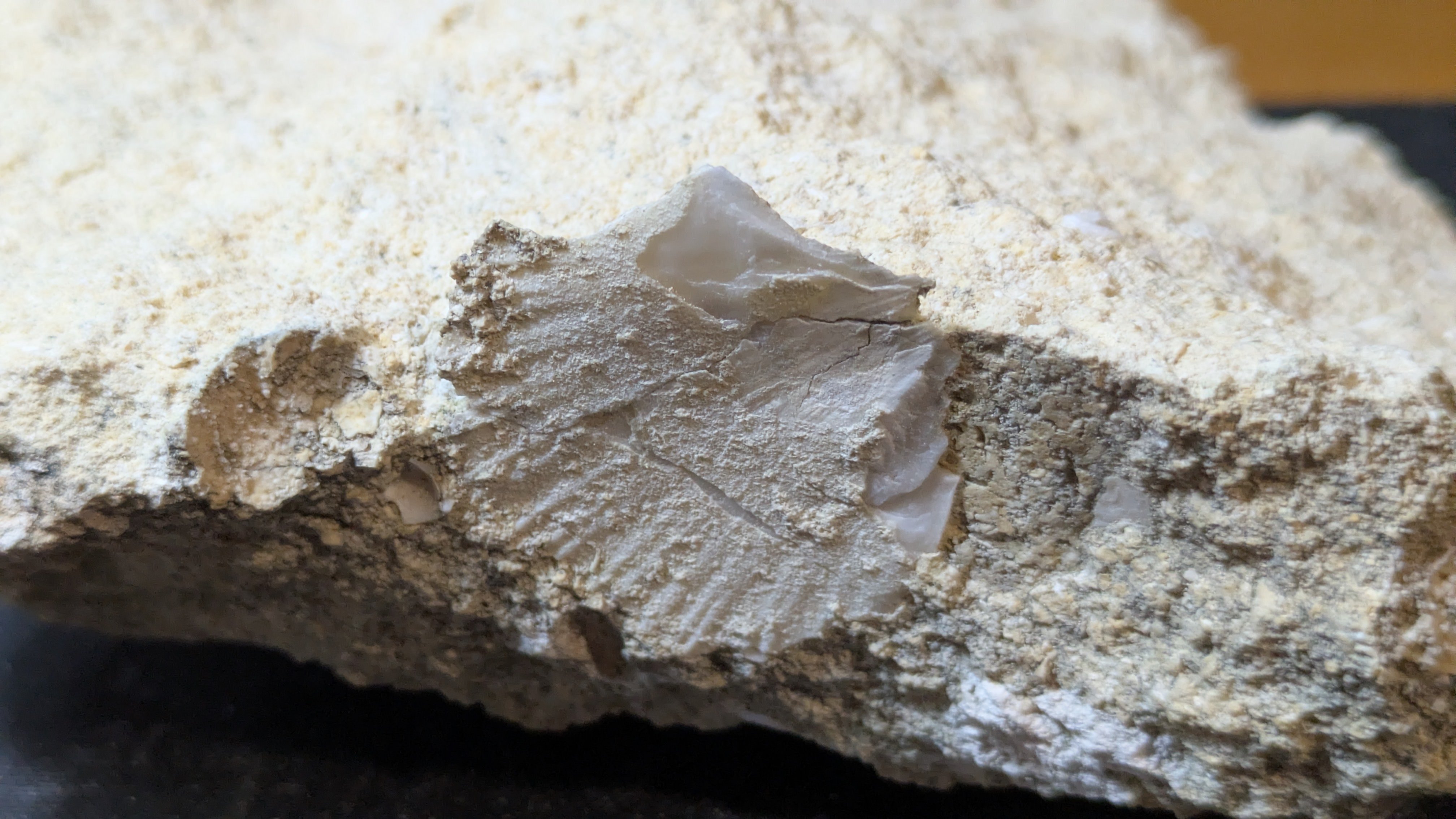
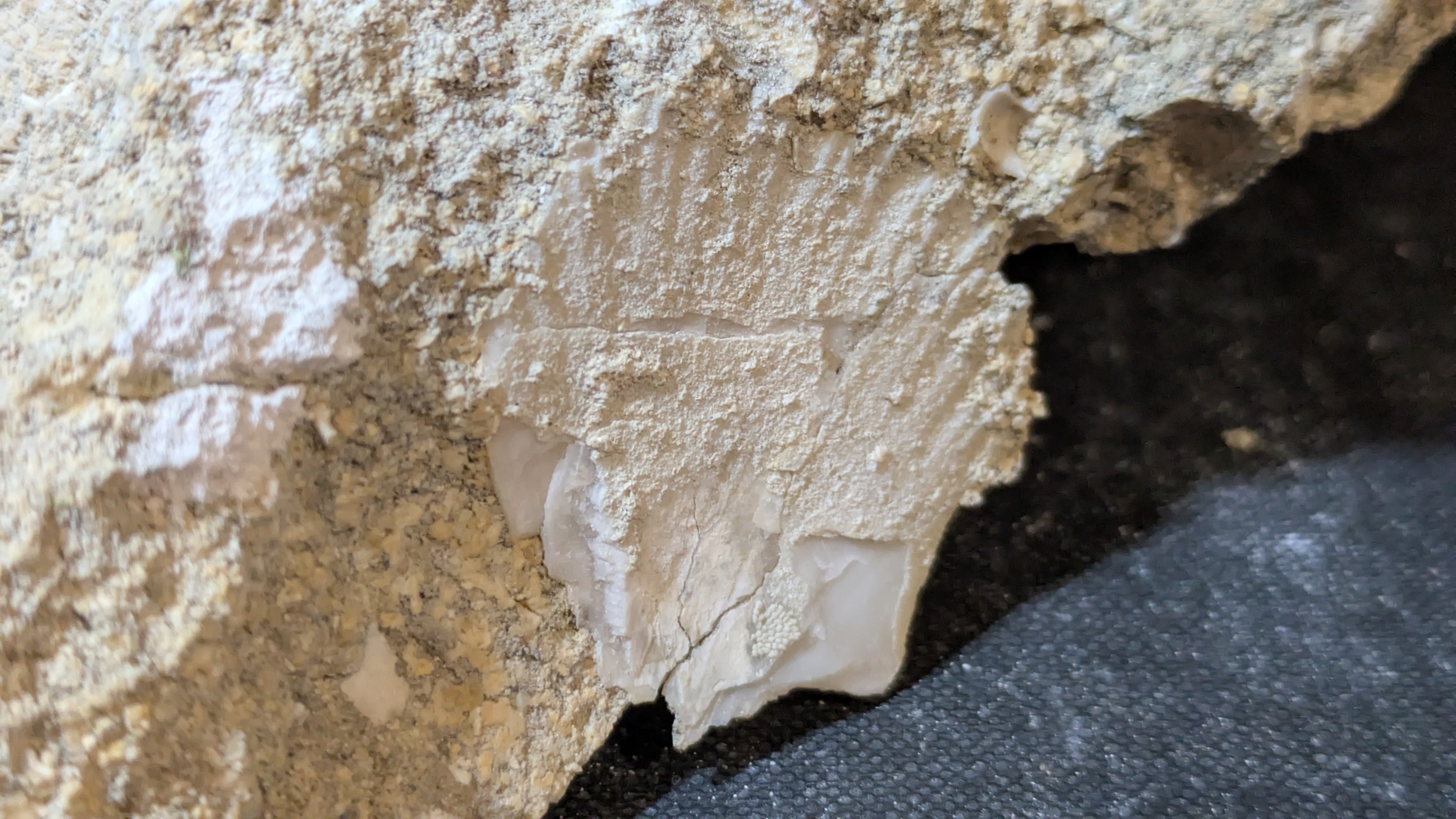
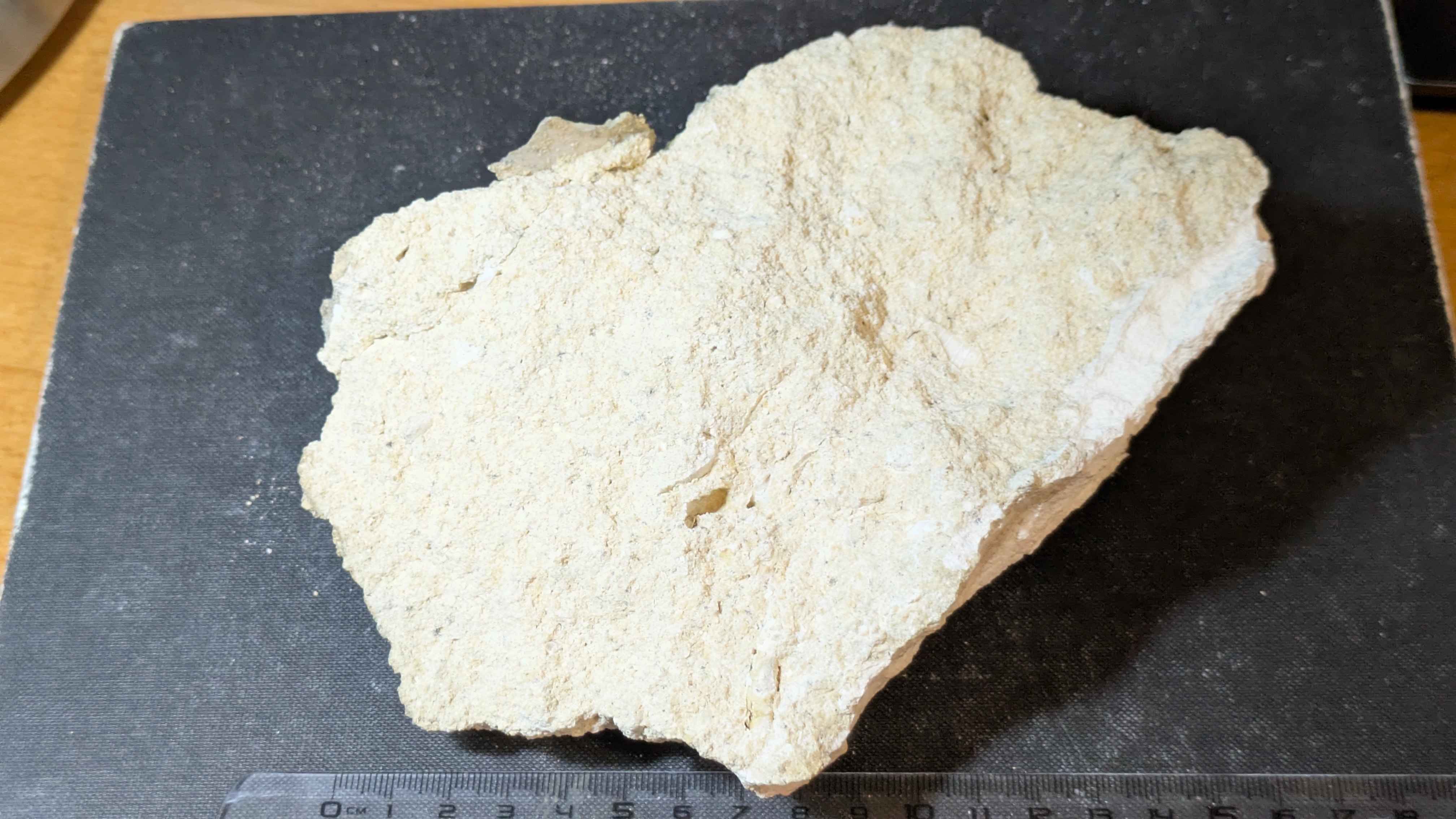
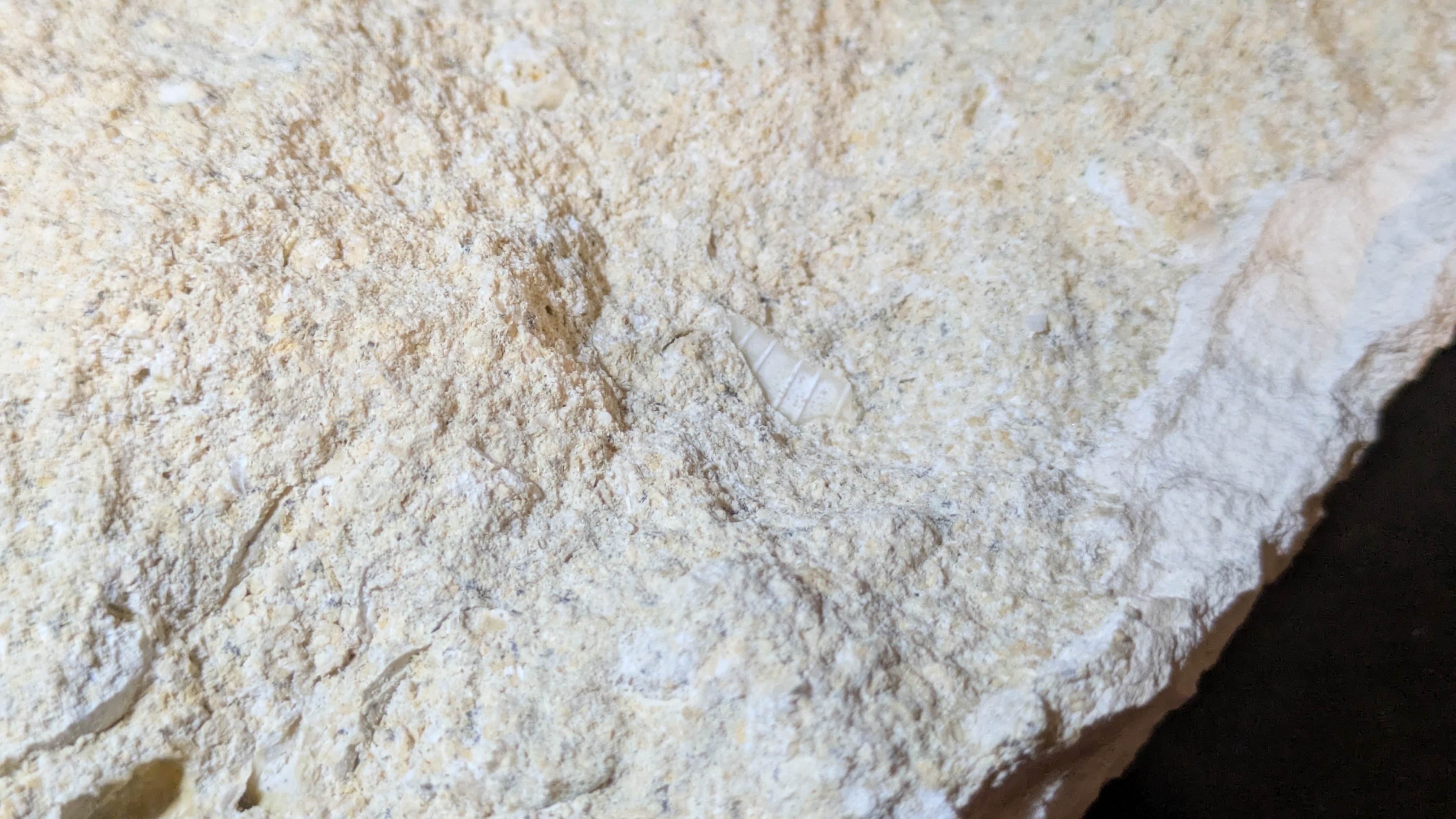
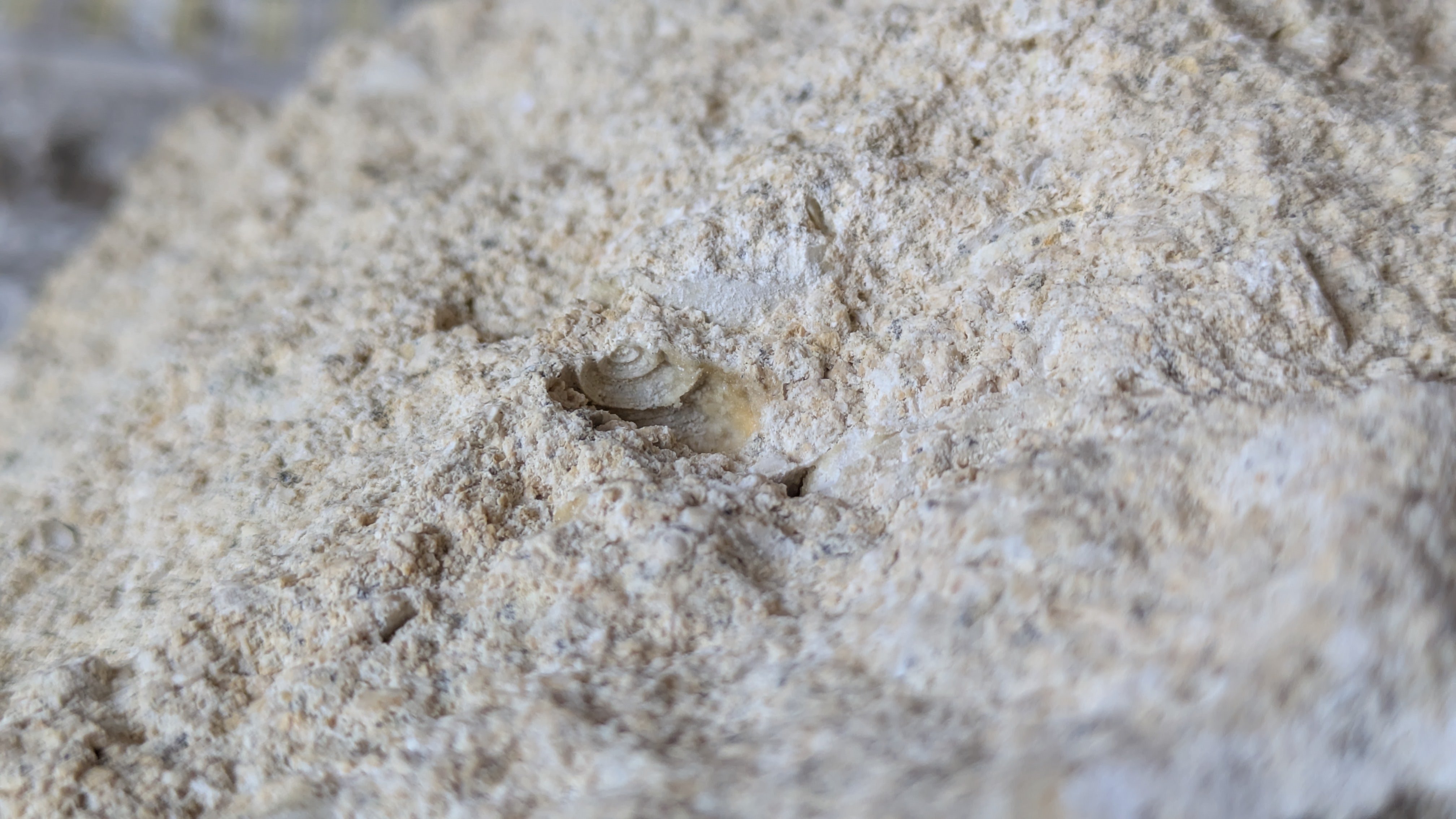
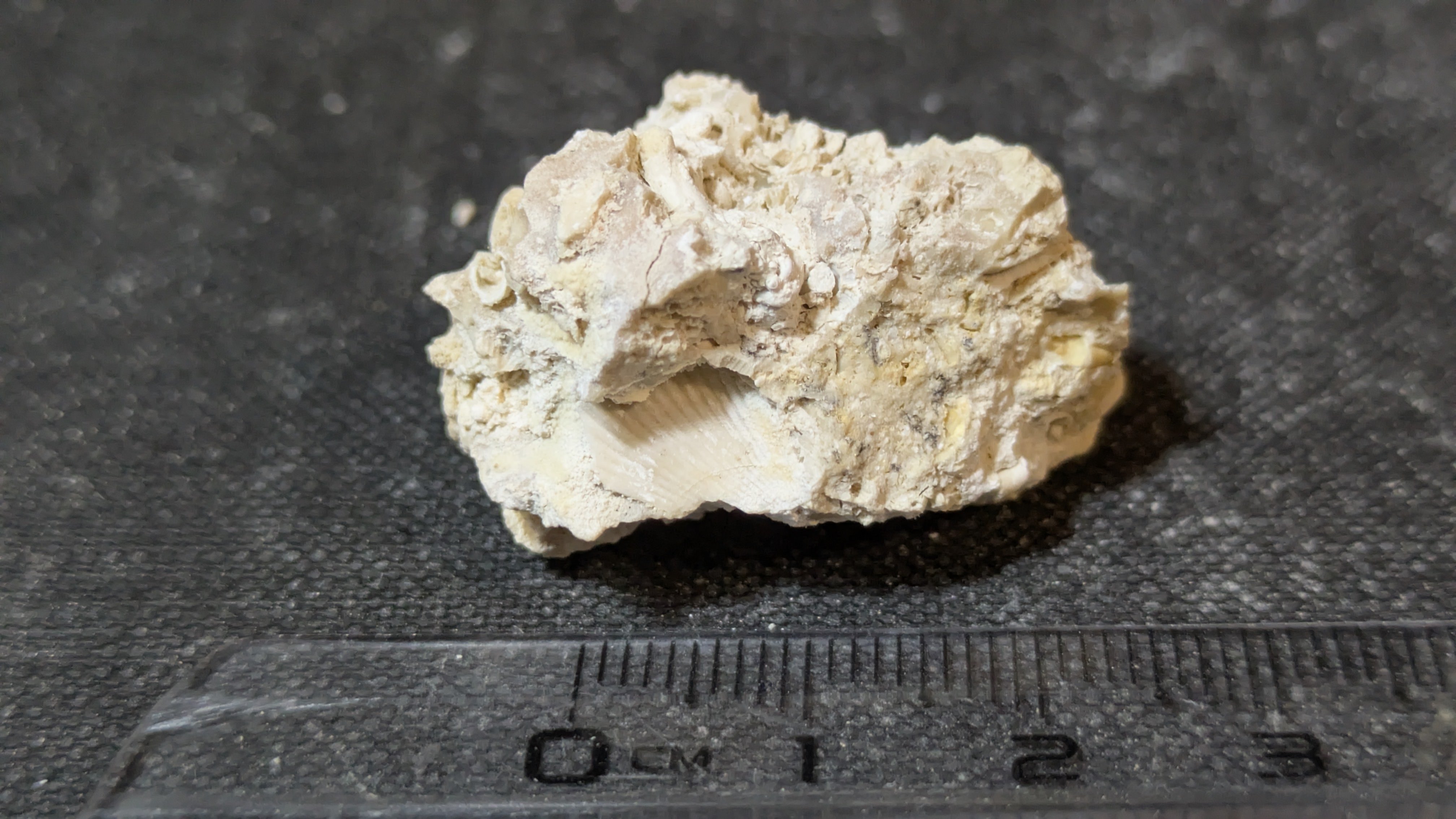
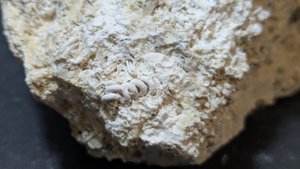
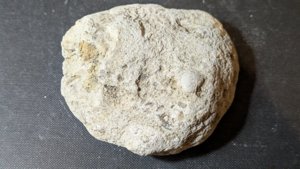
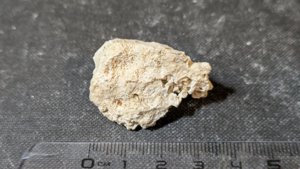
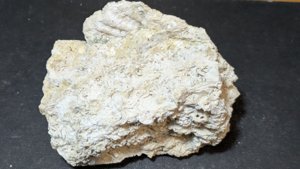
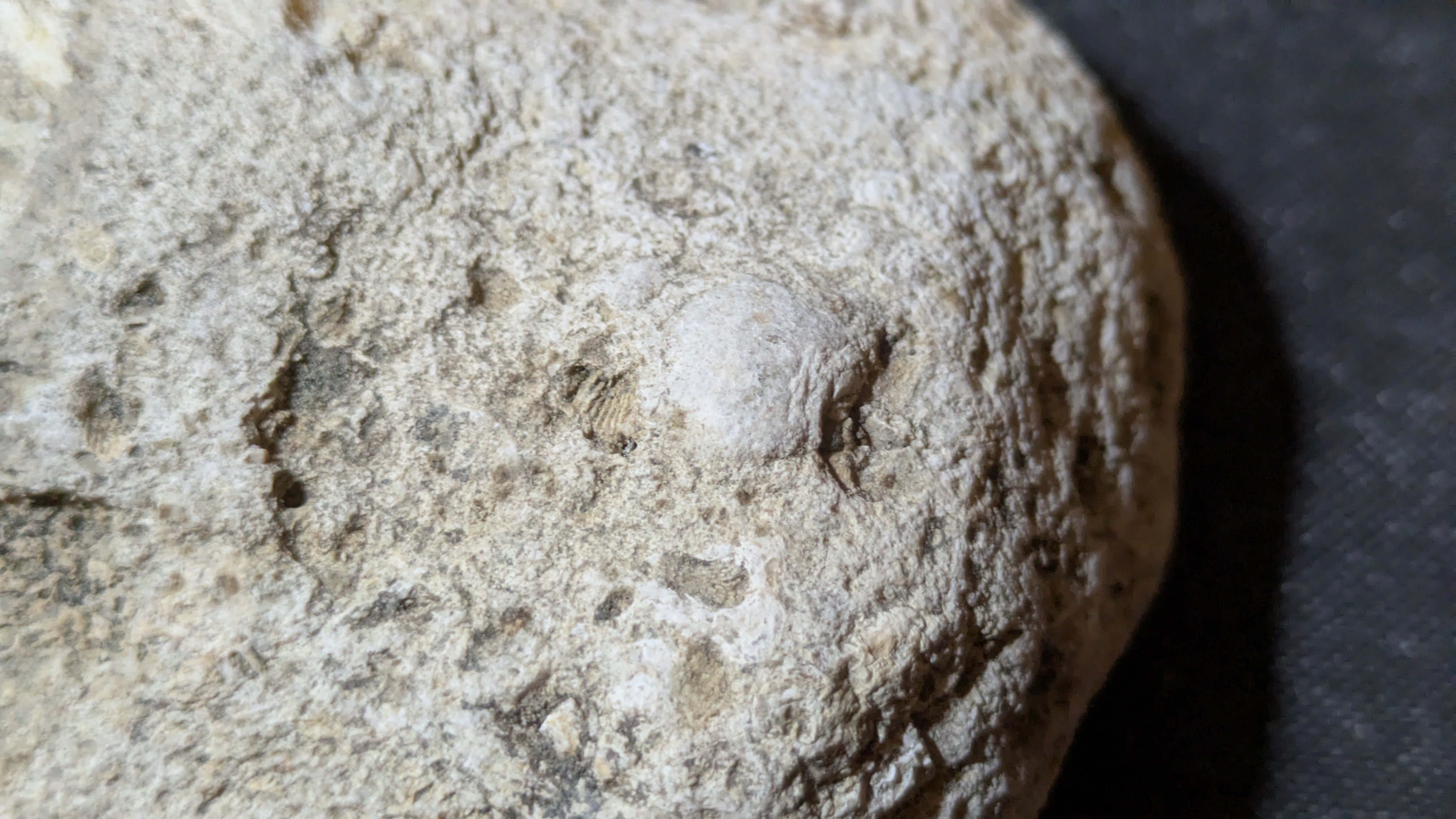
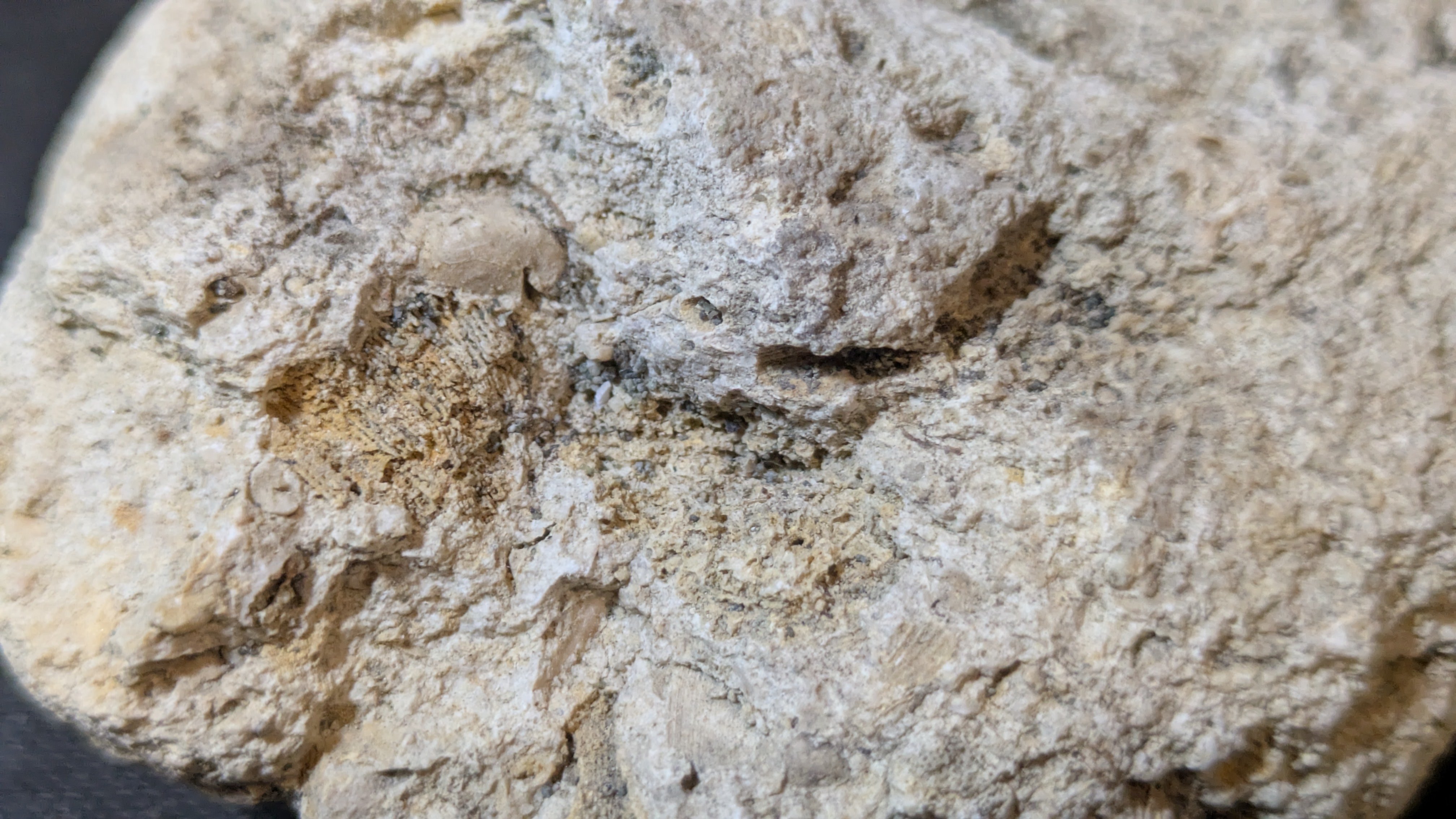
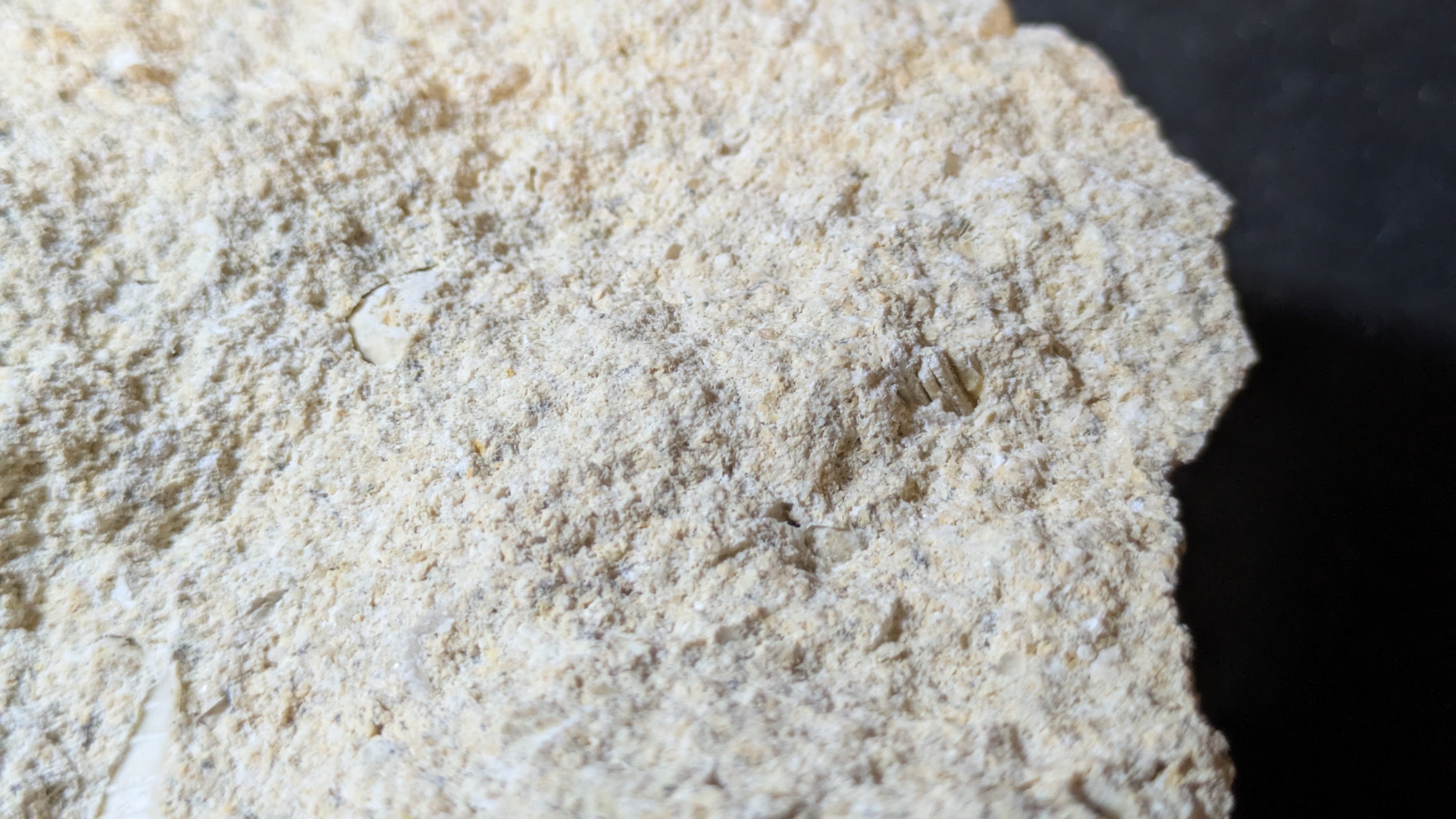
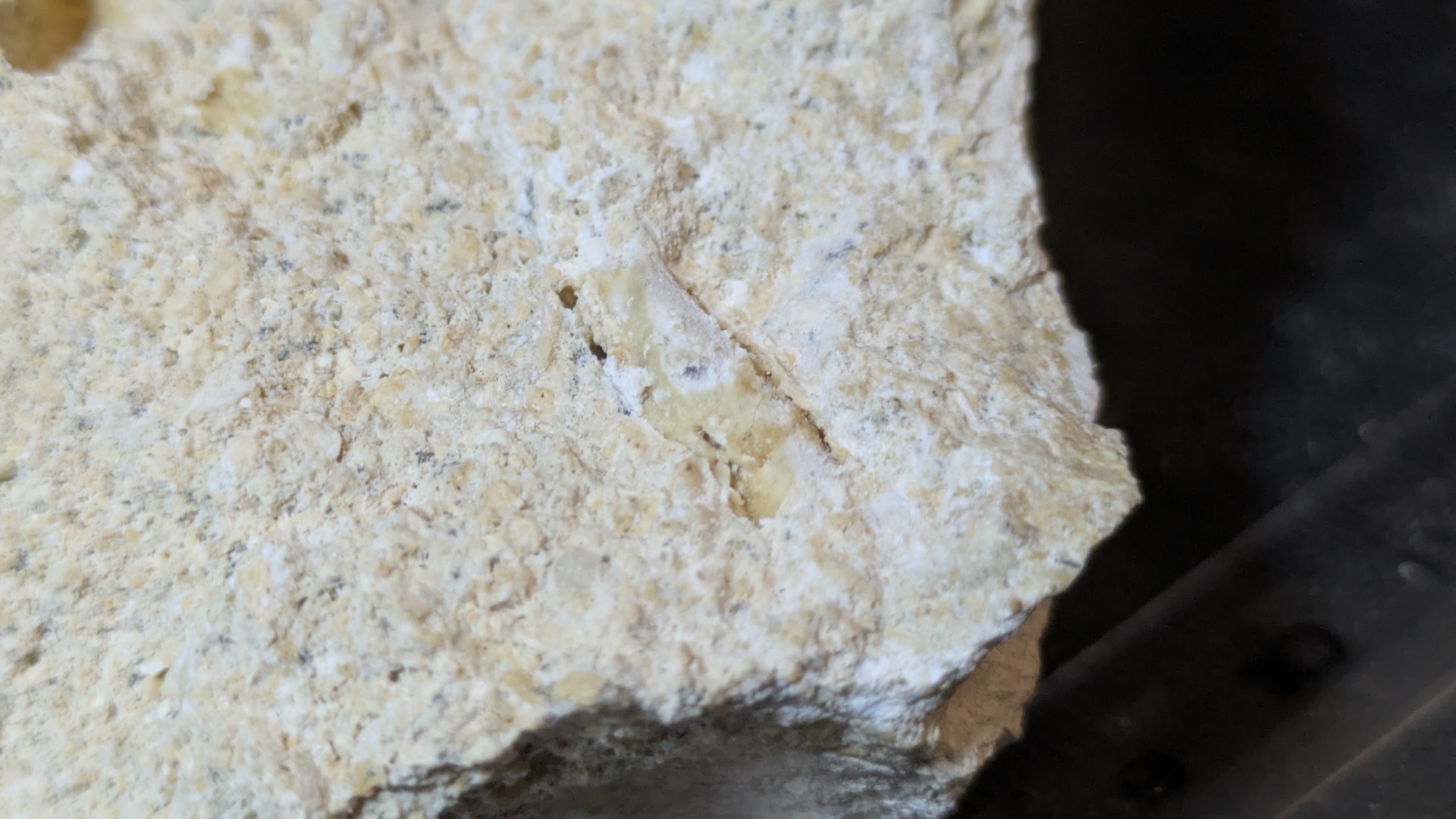
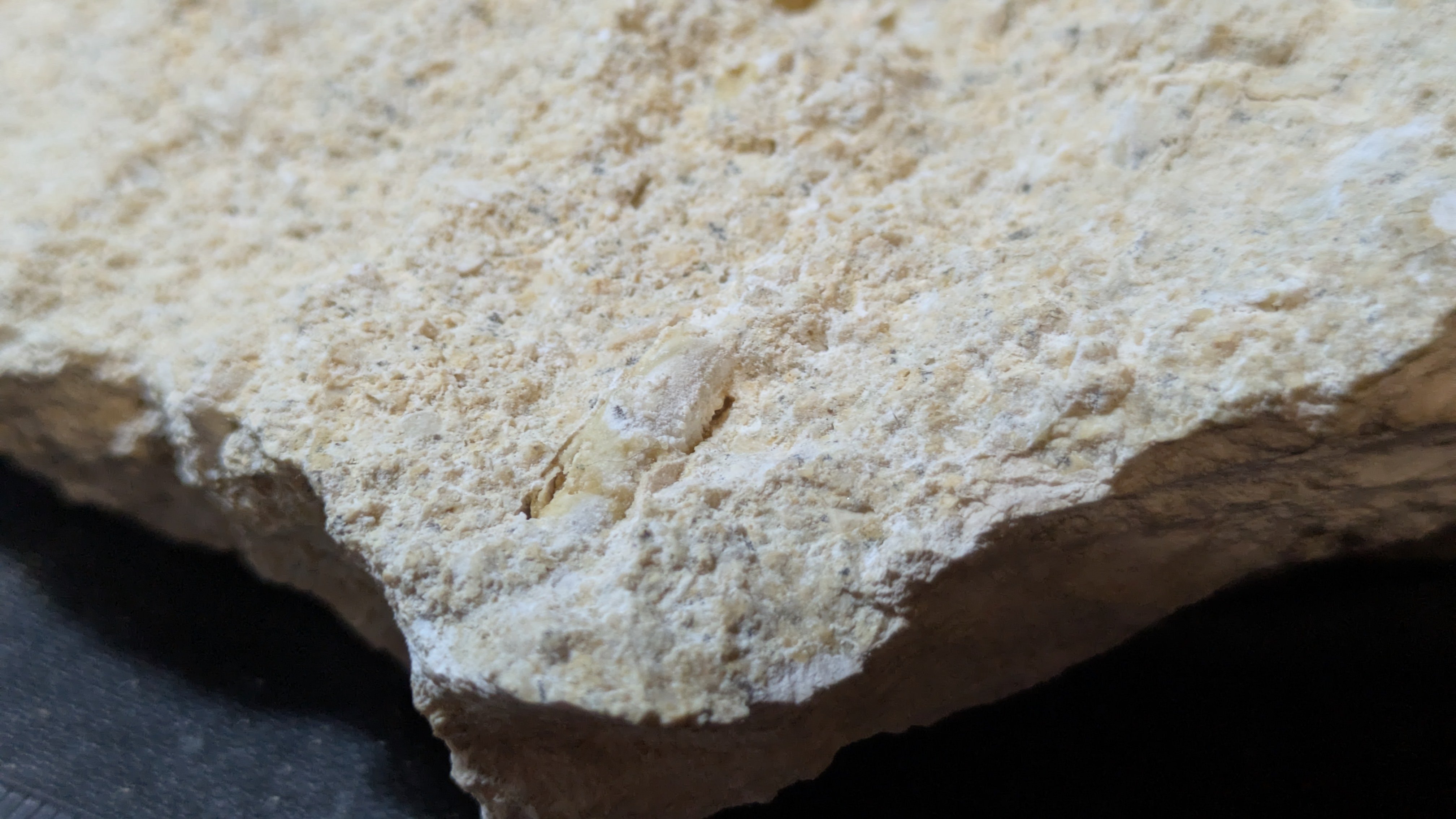
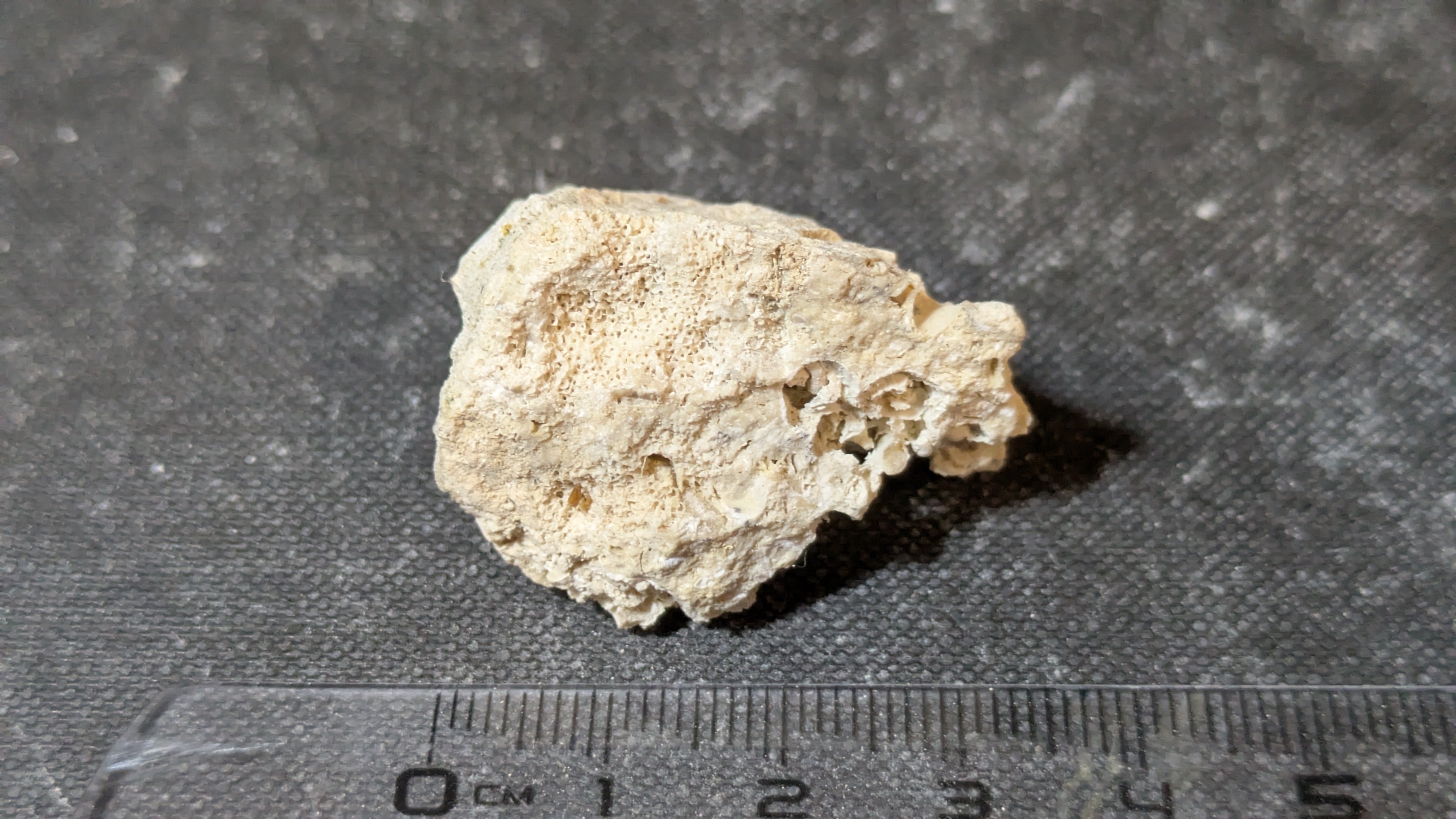
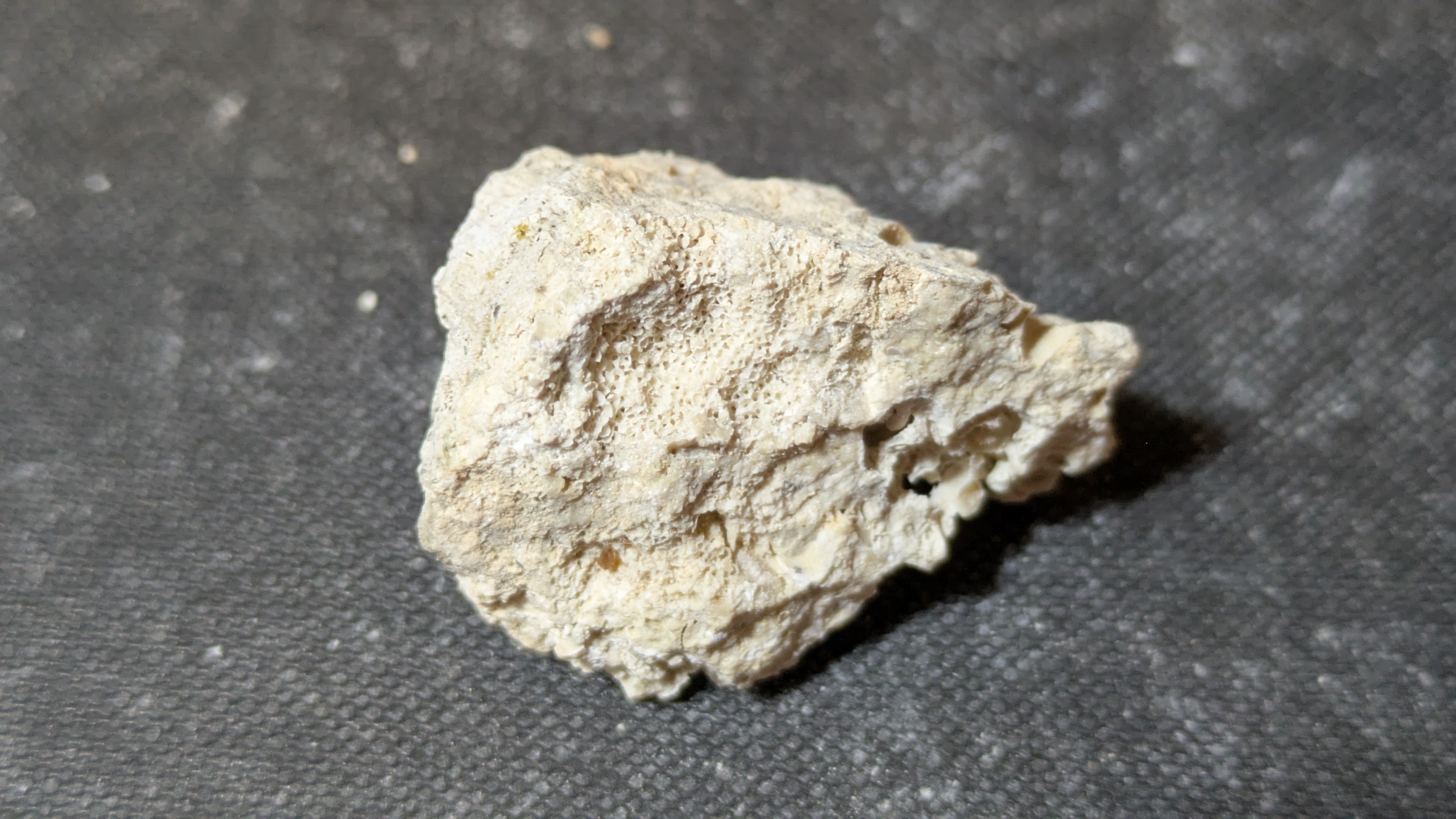
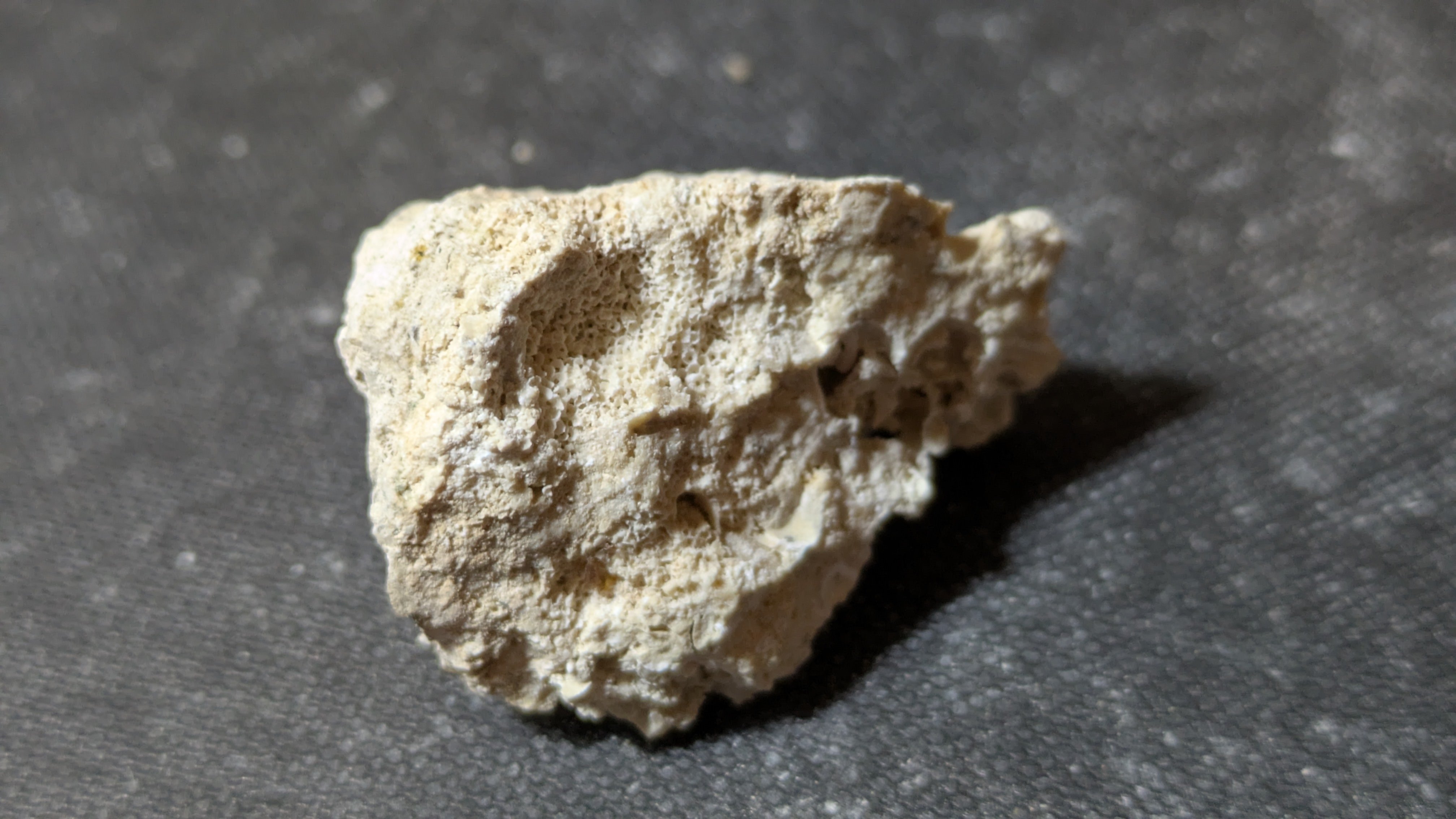
- Bivalves, gastropods, corals, echinoids and calcareous algae
- Paleoecology highlights
- Reef-associated shallow-marine community, with corals and calcareous algae buildups and abundant molluscs and echinoids living around them. The fragmented shells indicate at least some wave/current reworking
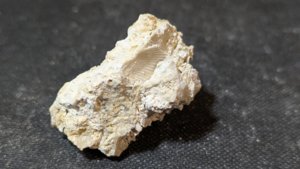
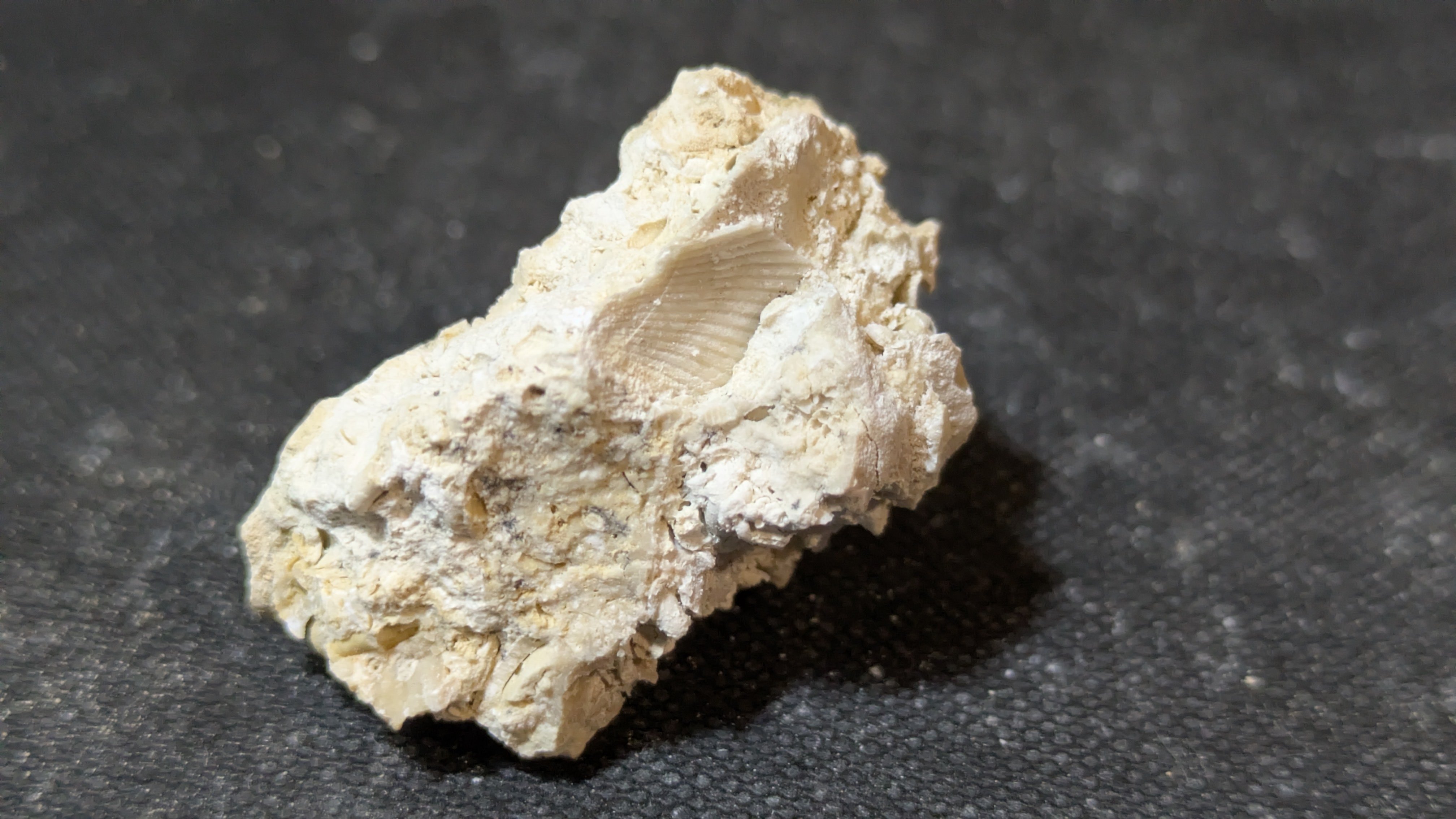
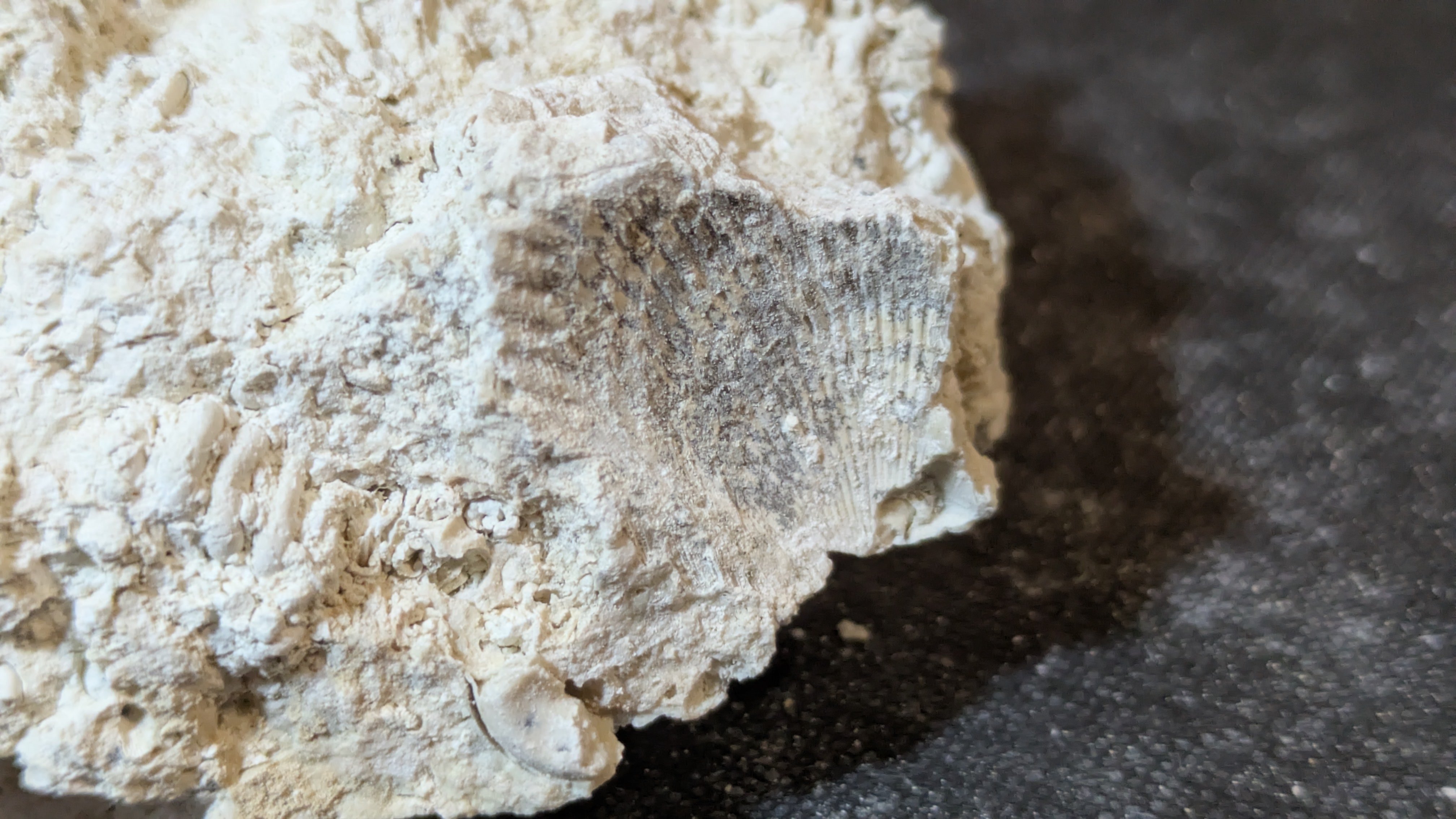
During the Miocene, the area near modern Potami lay beneath a warm, shallow sea, where carbonate-rich sediments accumulated in a reef-associated environment. Corals and calcareous algae formed reef-like buildups across the seafloor, providing habitat for abundant bivalves, gastropods, echinoids, and other marine organisms. Waves and currents periodically broke and reworked shells and other skeletal remains, producing the fossil-rich bioclastic limestone preserved today.

Animalia
4 specimens


Animalia
4 specimens


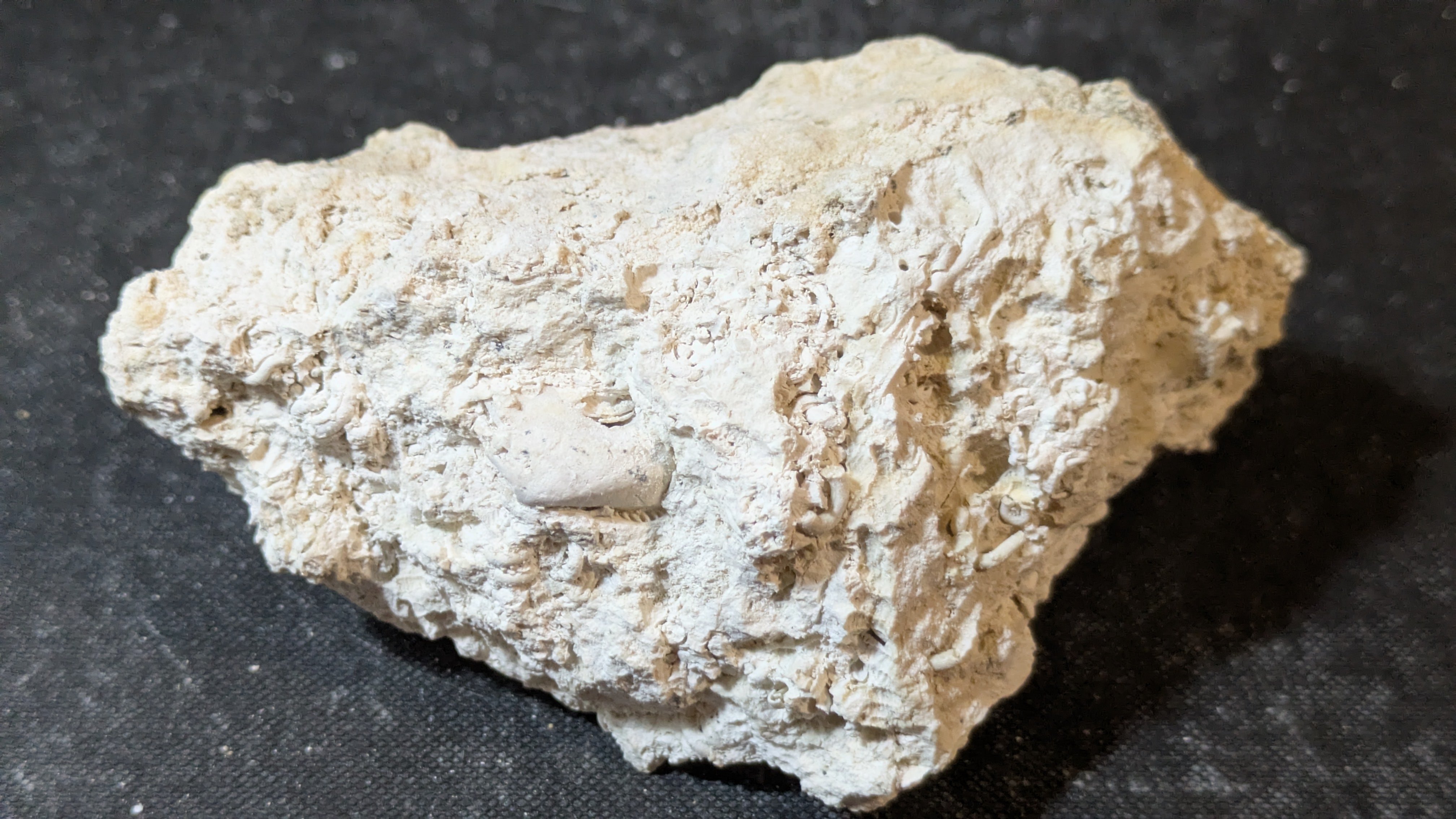
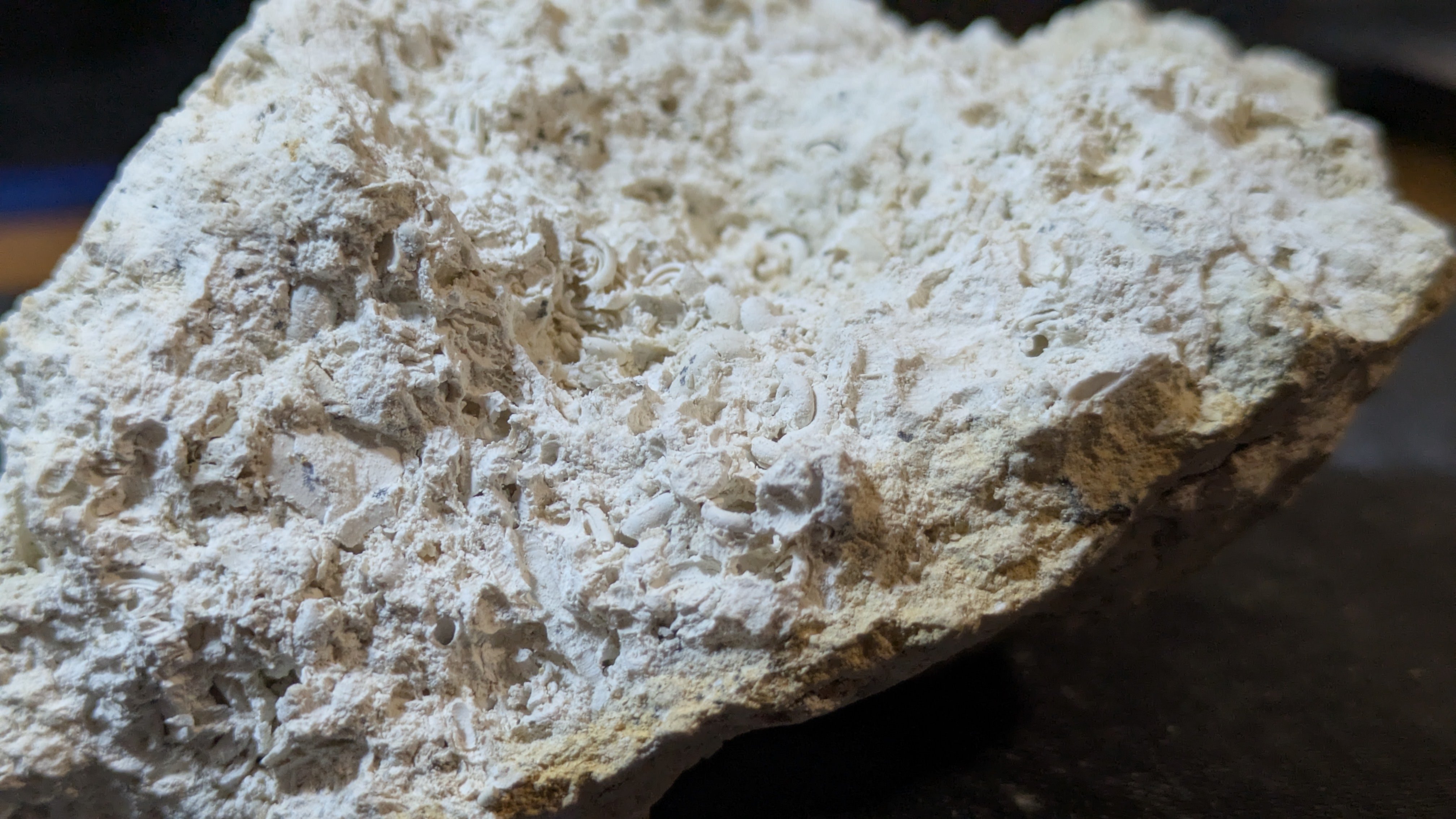

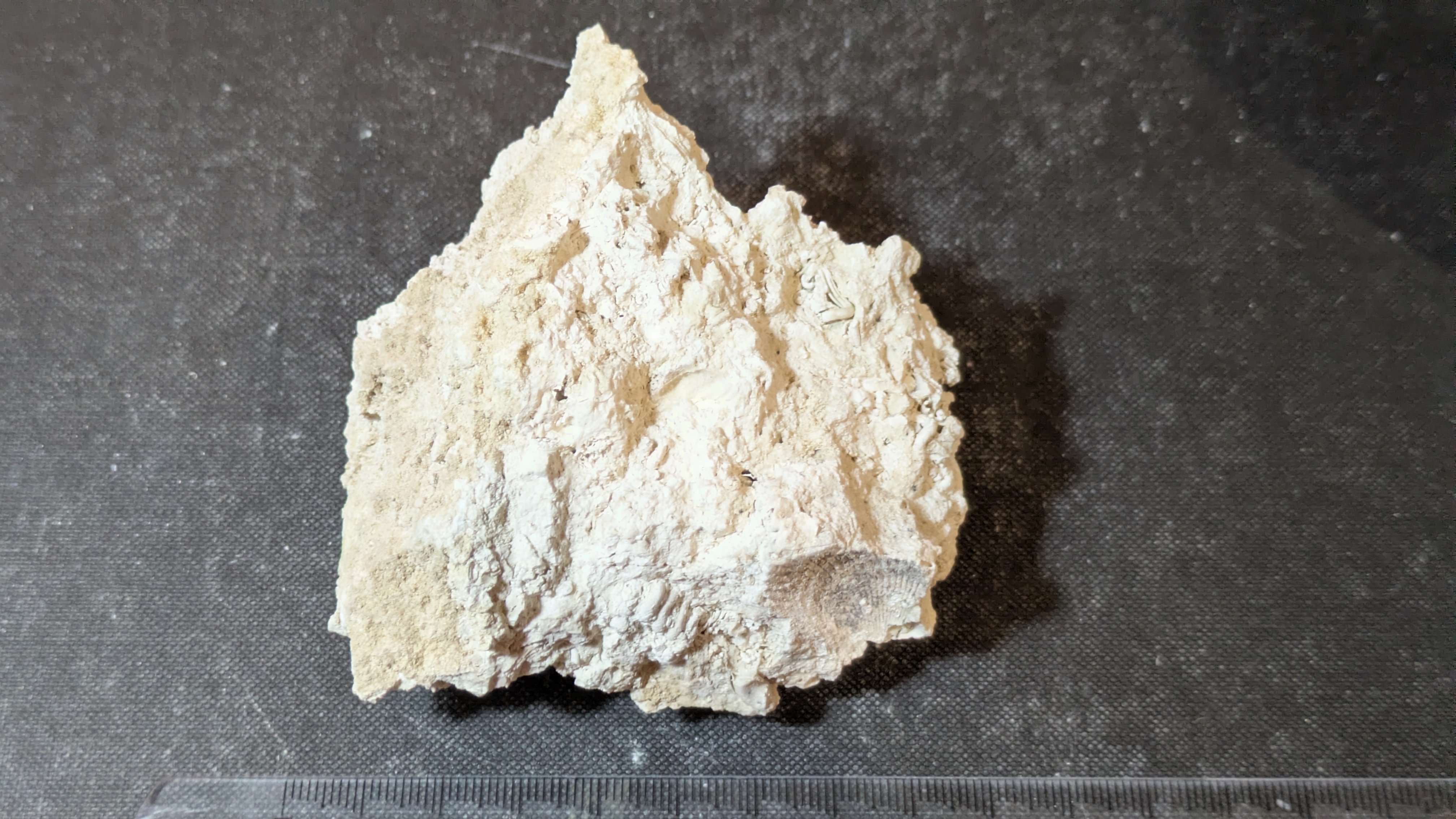
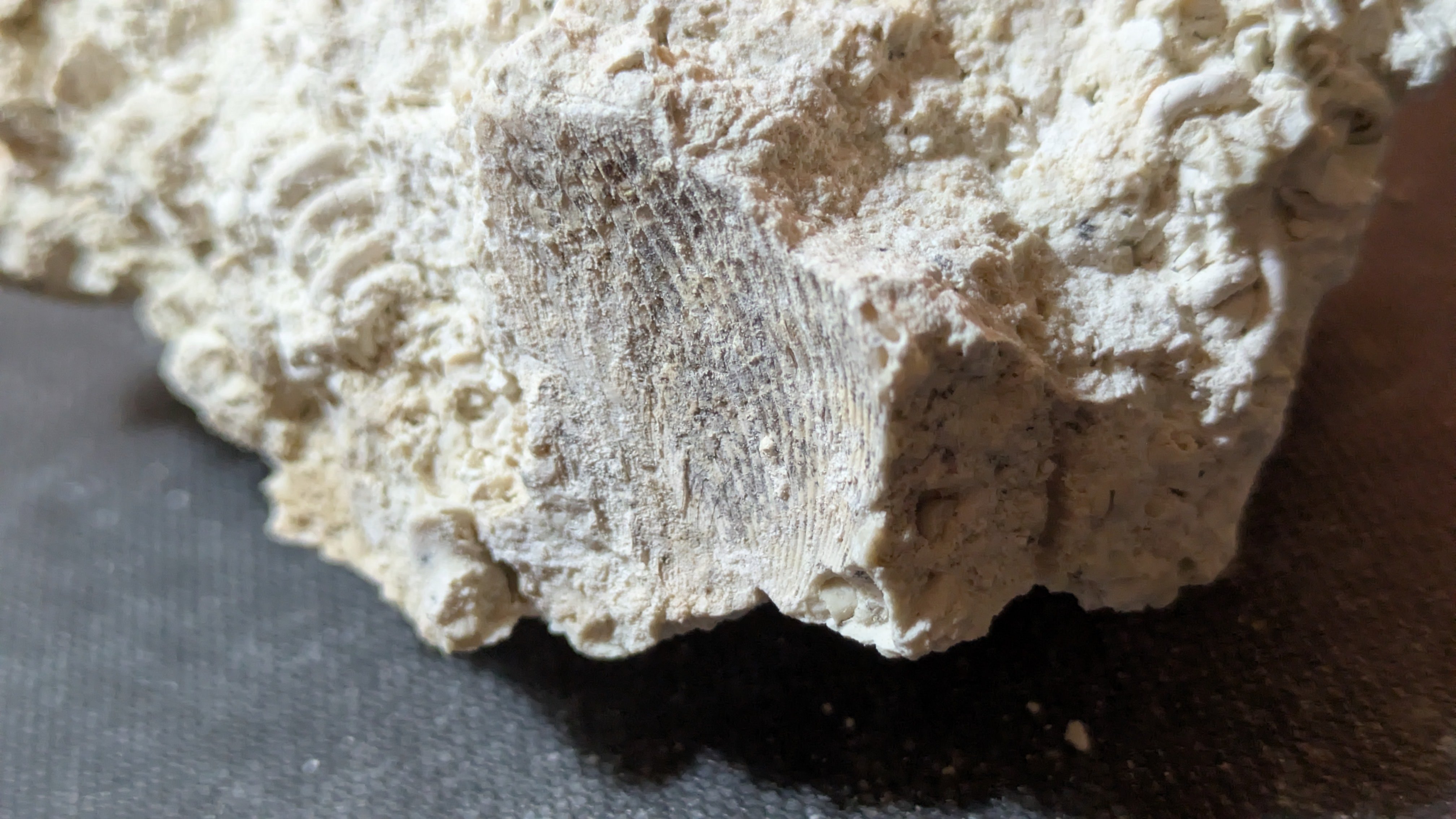
Bivalvia
6 specimens


Bivalvia
6 specimens




Gastropoda
1 specimen


Gastropoda
1 specimen
Unclassified
4 specimens


Unclassified
4 specimens
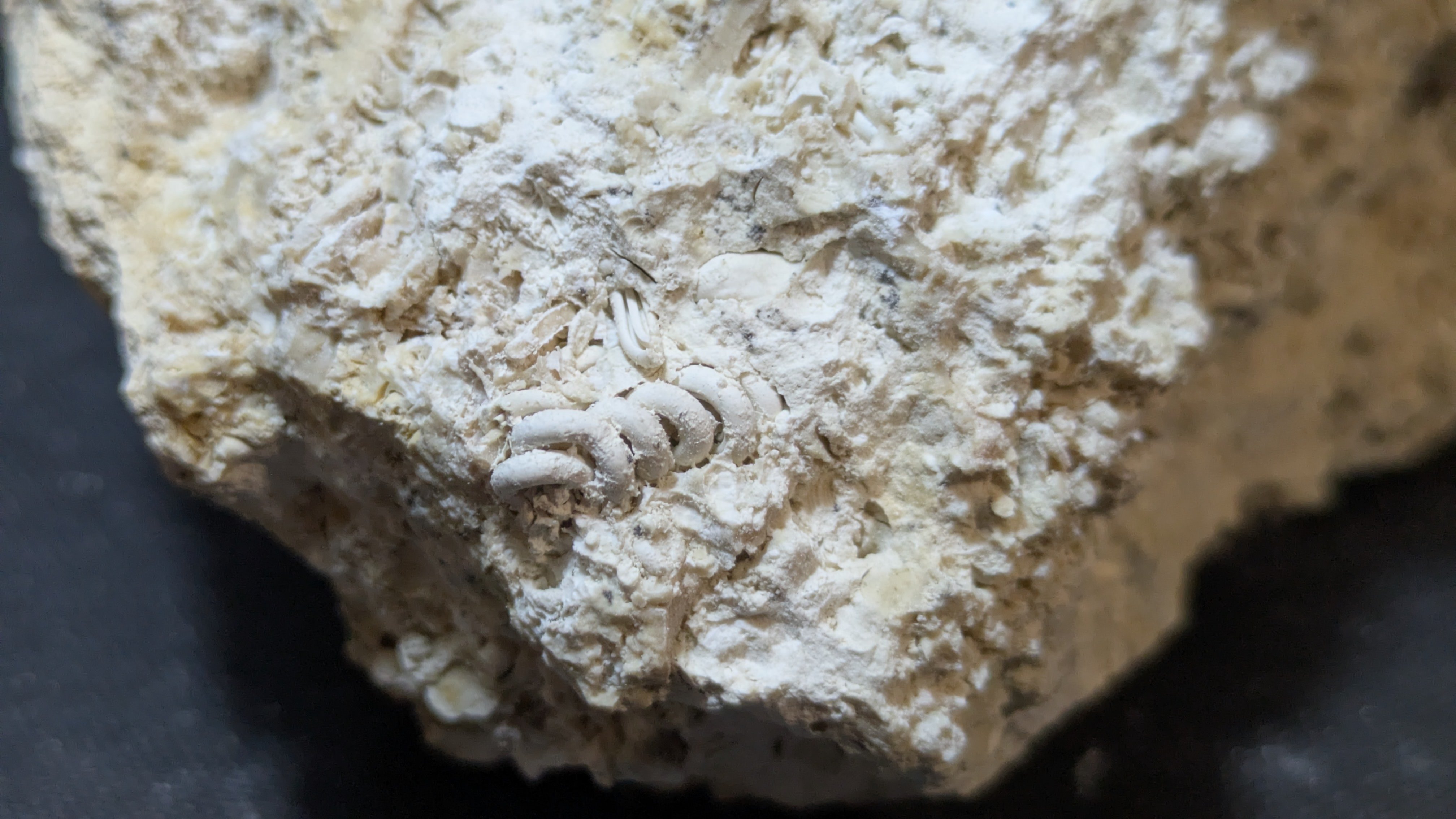
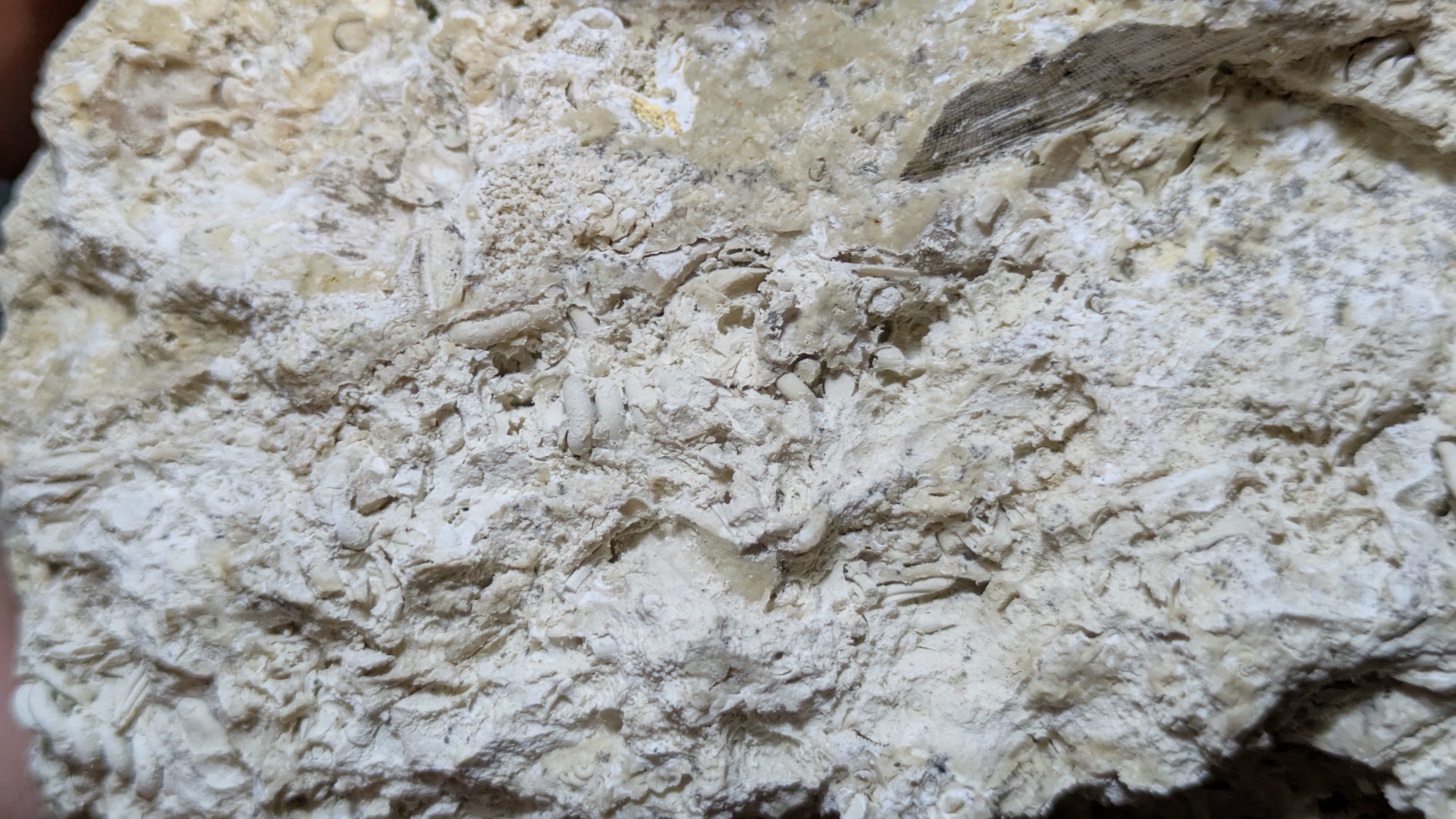
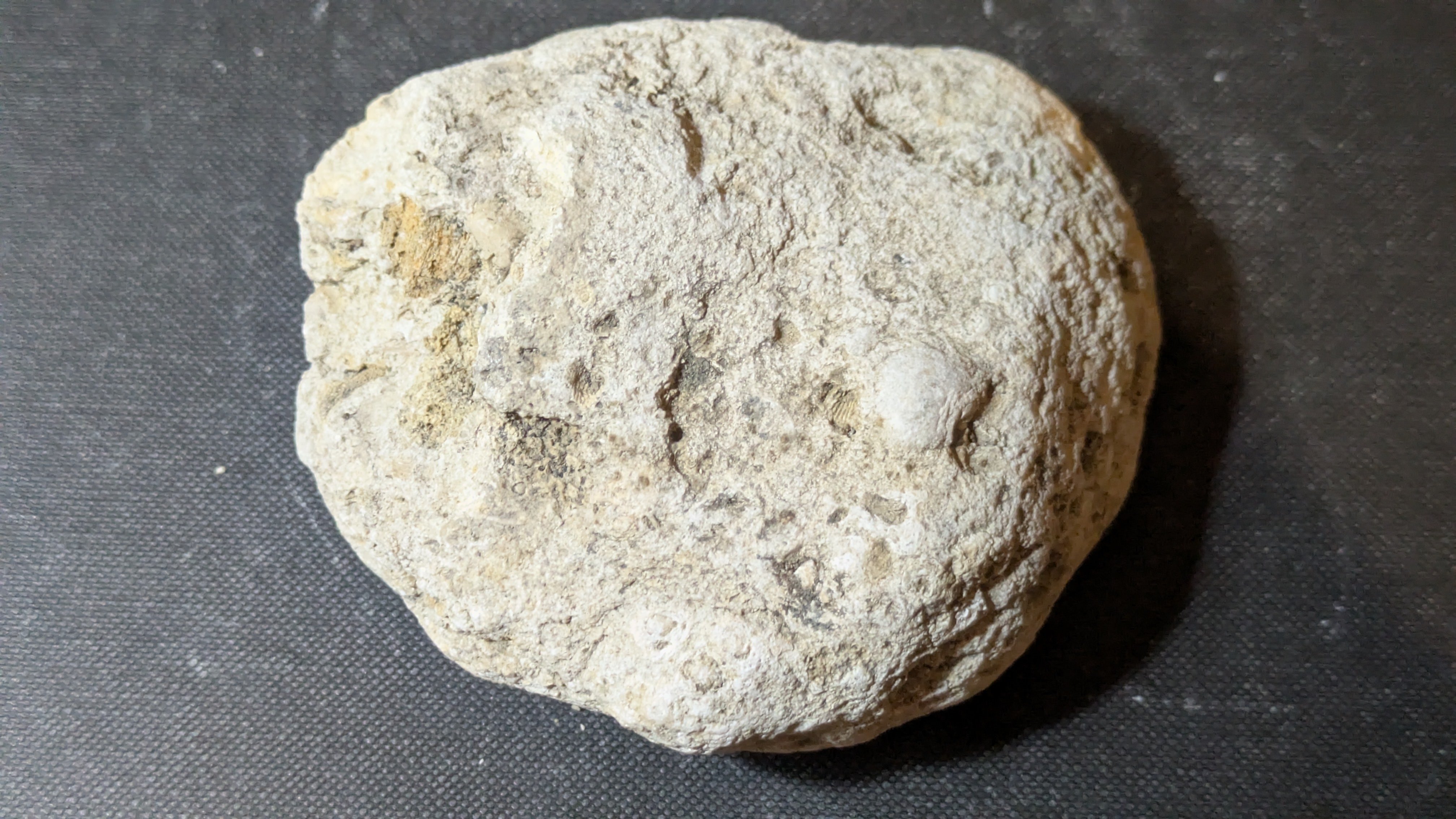


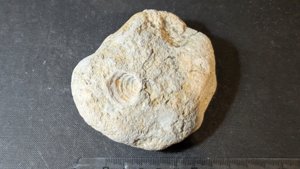
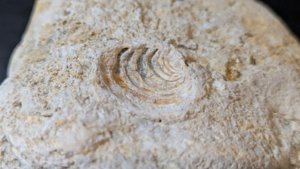
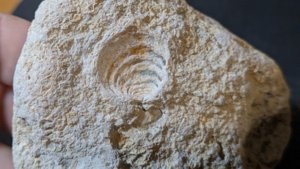
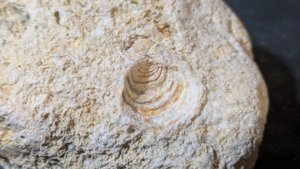
Venus
1 specimen


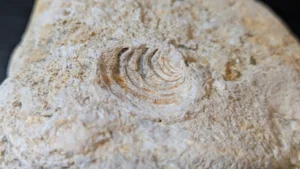


Venus
1 specimen