Ελληνικά
 English
 Ἑλληνική ἀρχαία
 Κυπριακά
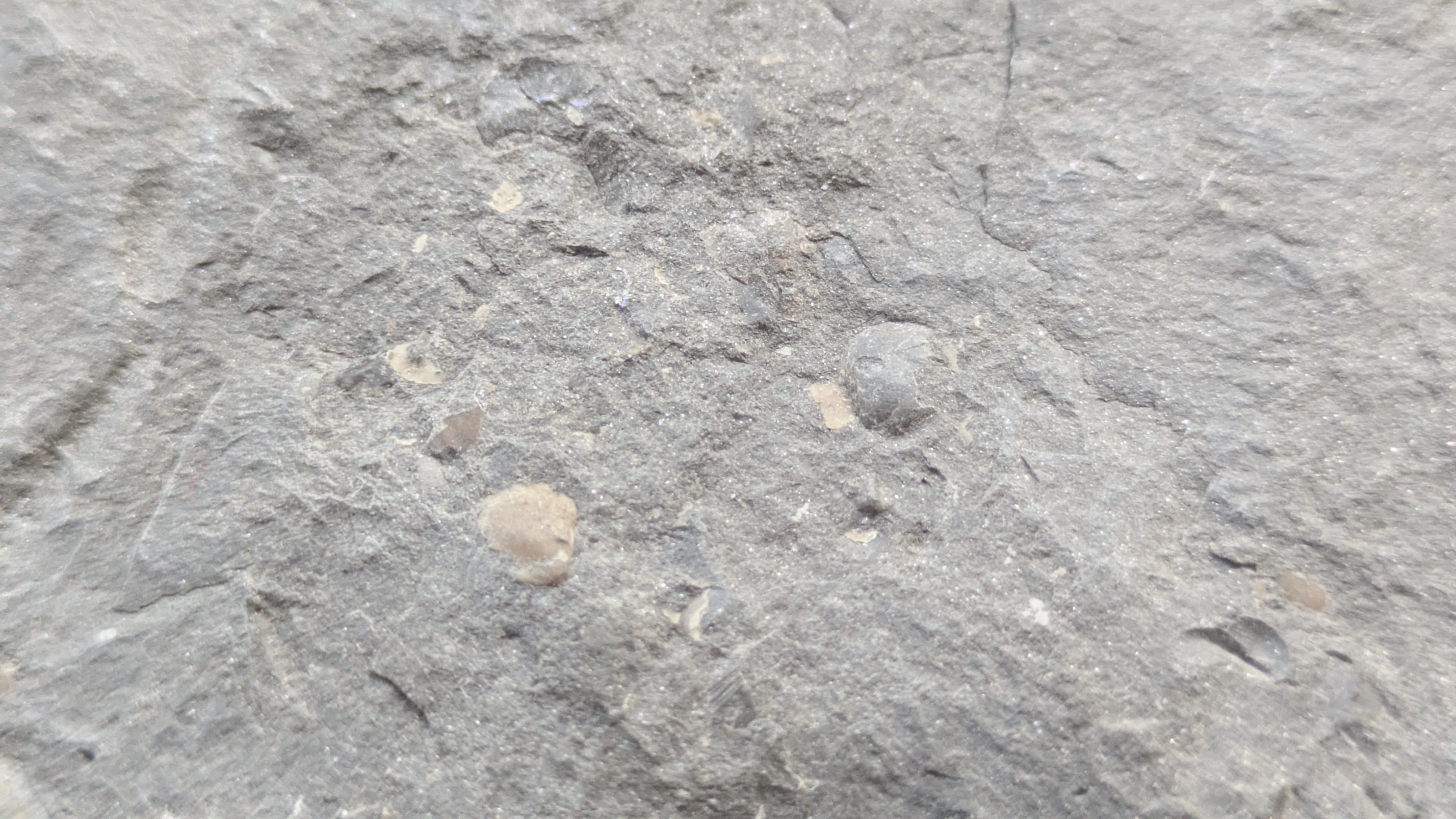
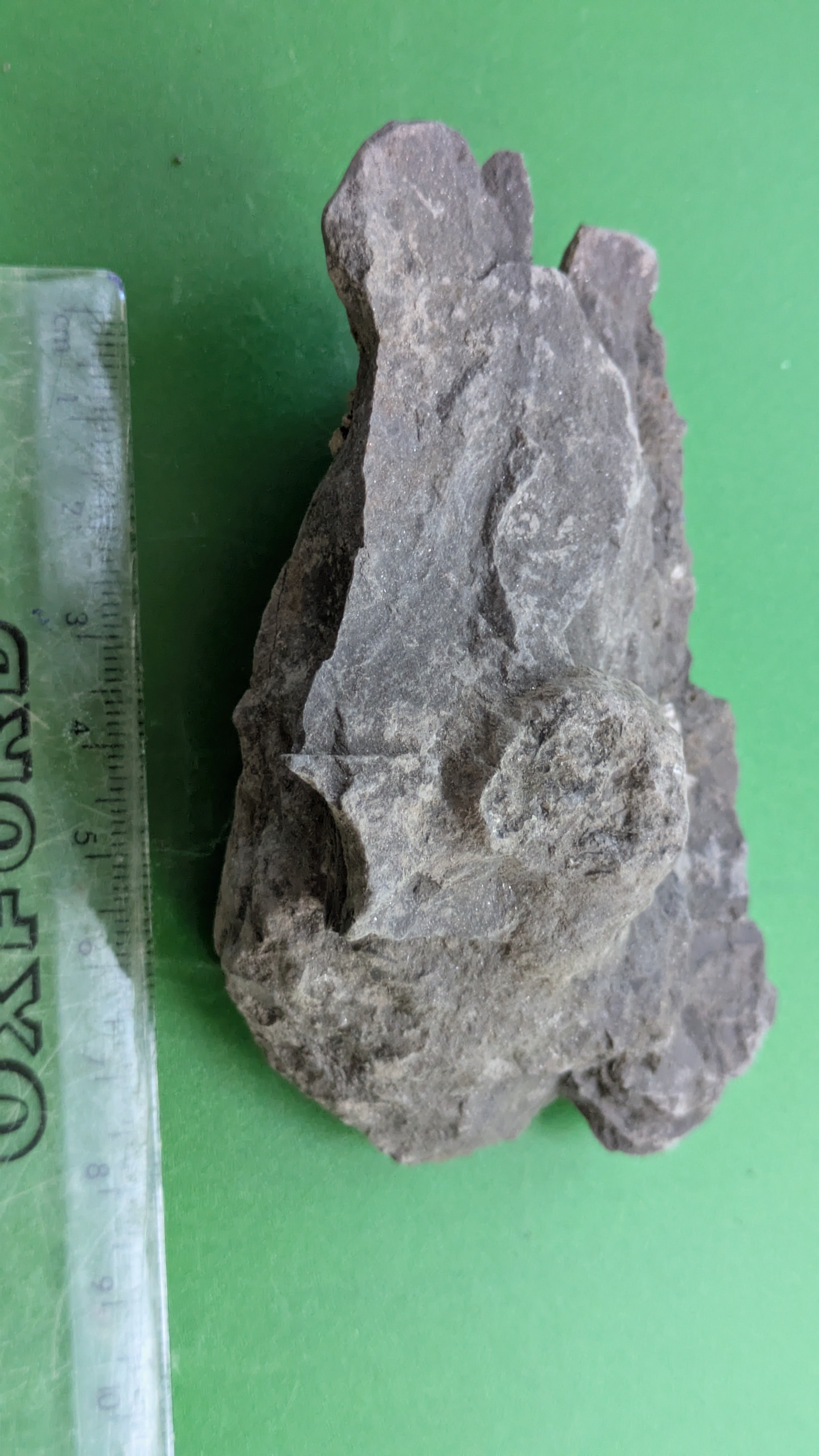
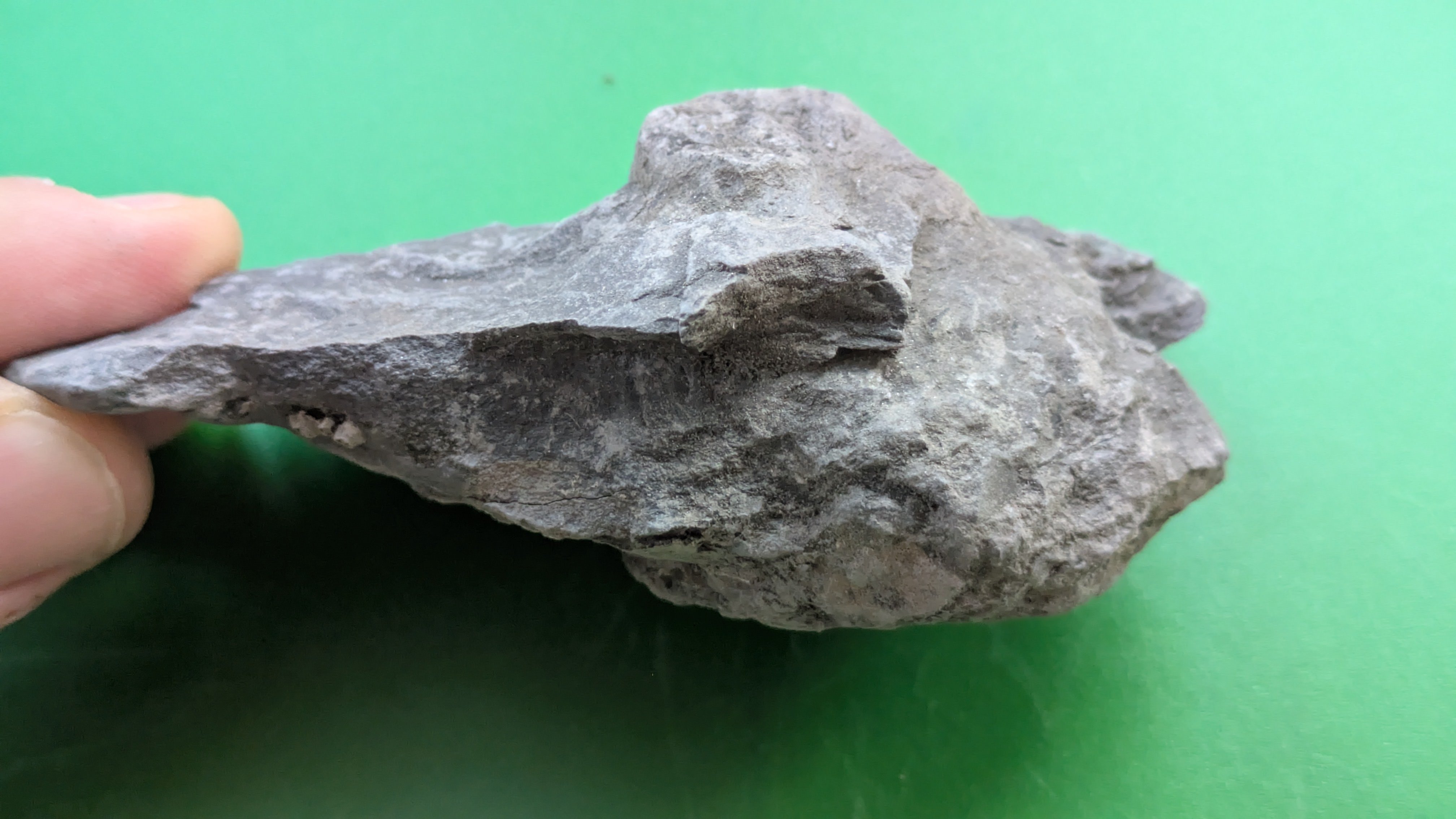
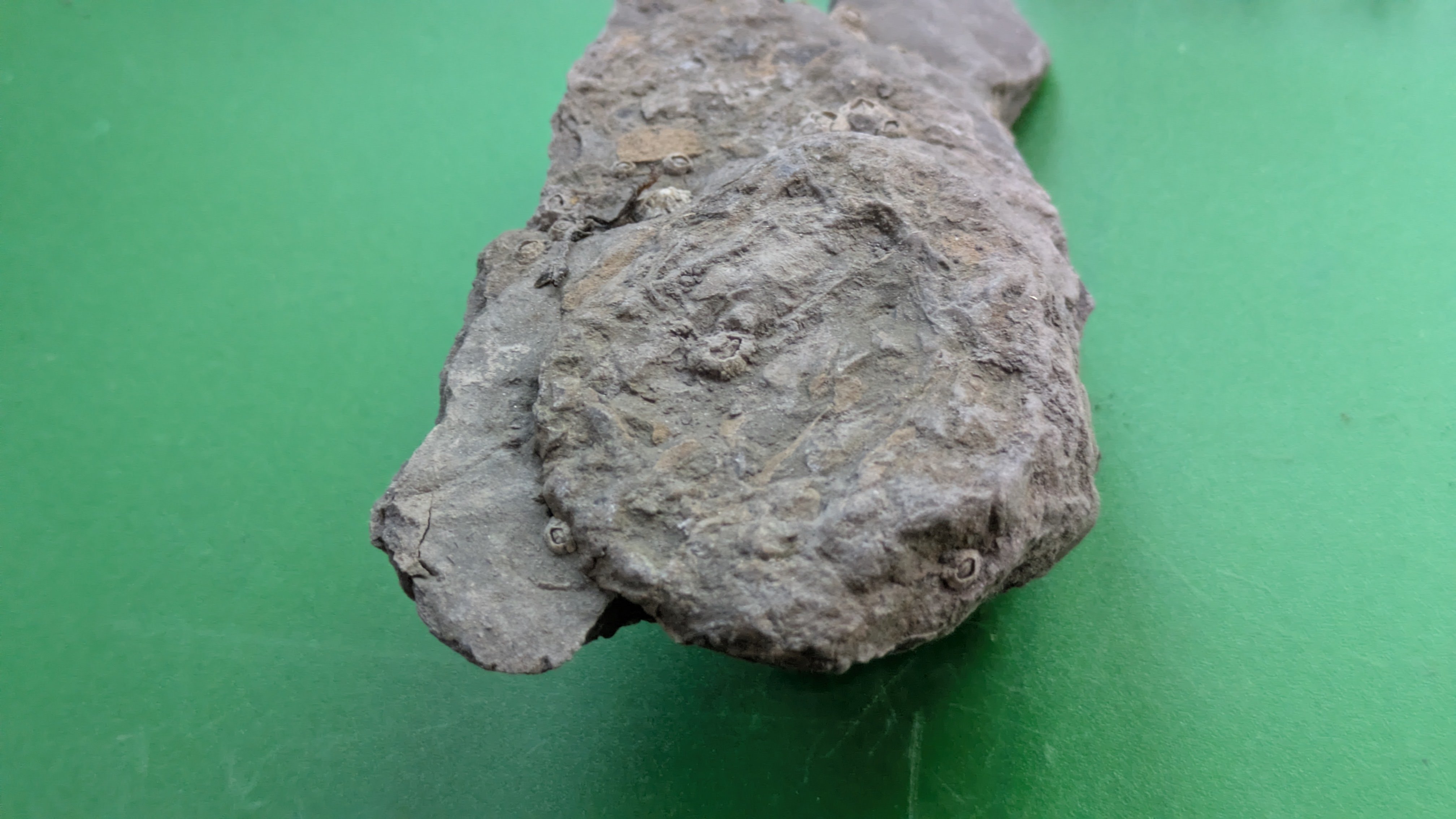
Robin Hood's Bay, Yorkshire
- Age
- 195–180 million years ago
- Period
- Lower Jurassic (Pliensbachian-Toarcian)
- Formation
- Cleveland Basin (Whitby Mudstone Formation and Staithes Sandstone Formation)
- Depositional environment
- Shallow epicontinental sea with alternating offshore mud deposition and nearshore sandy environments
- Fossil types
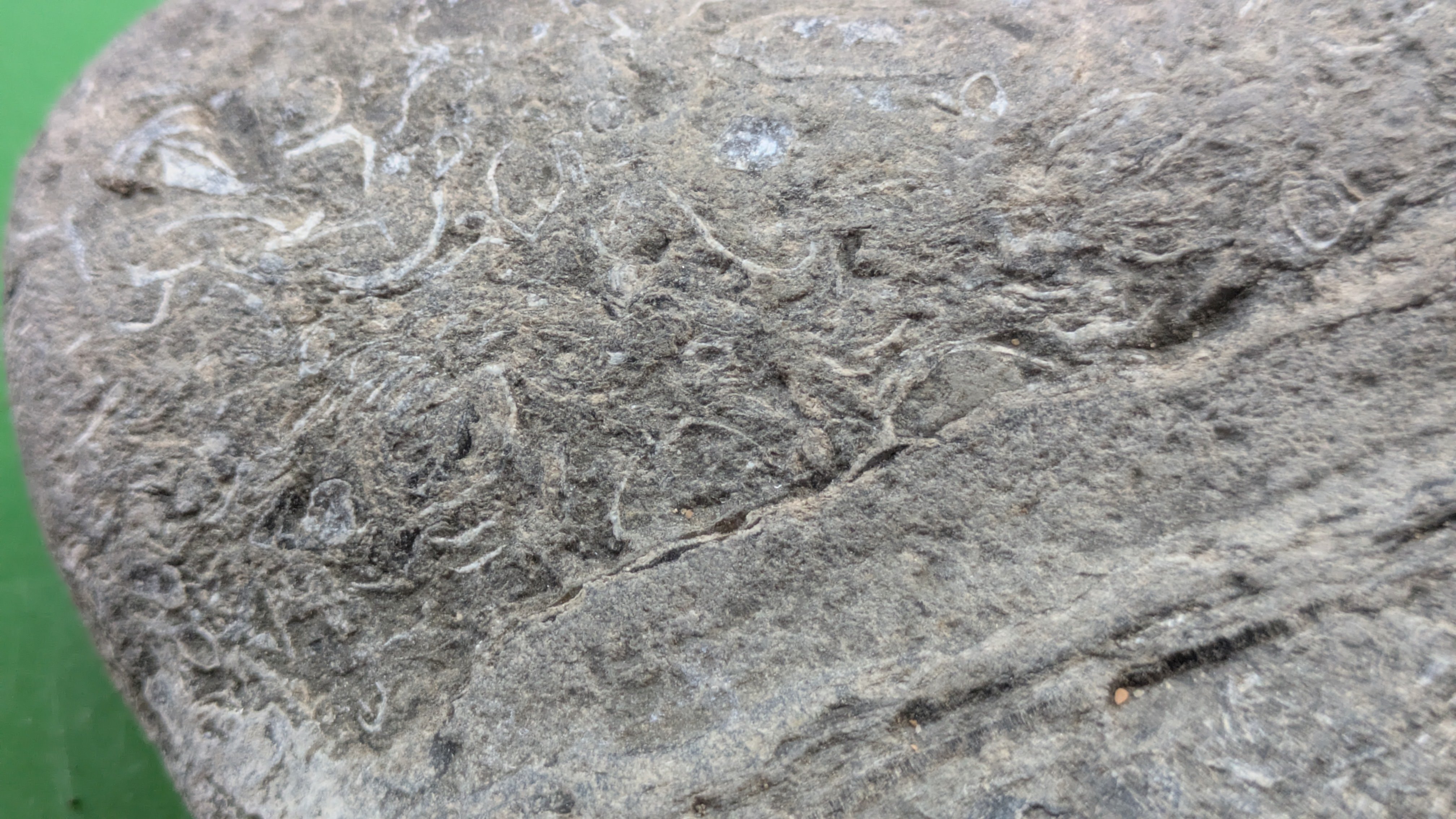
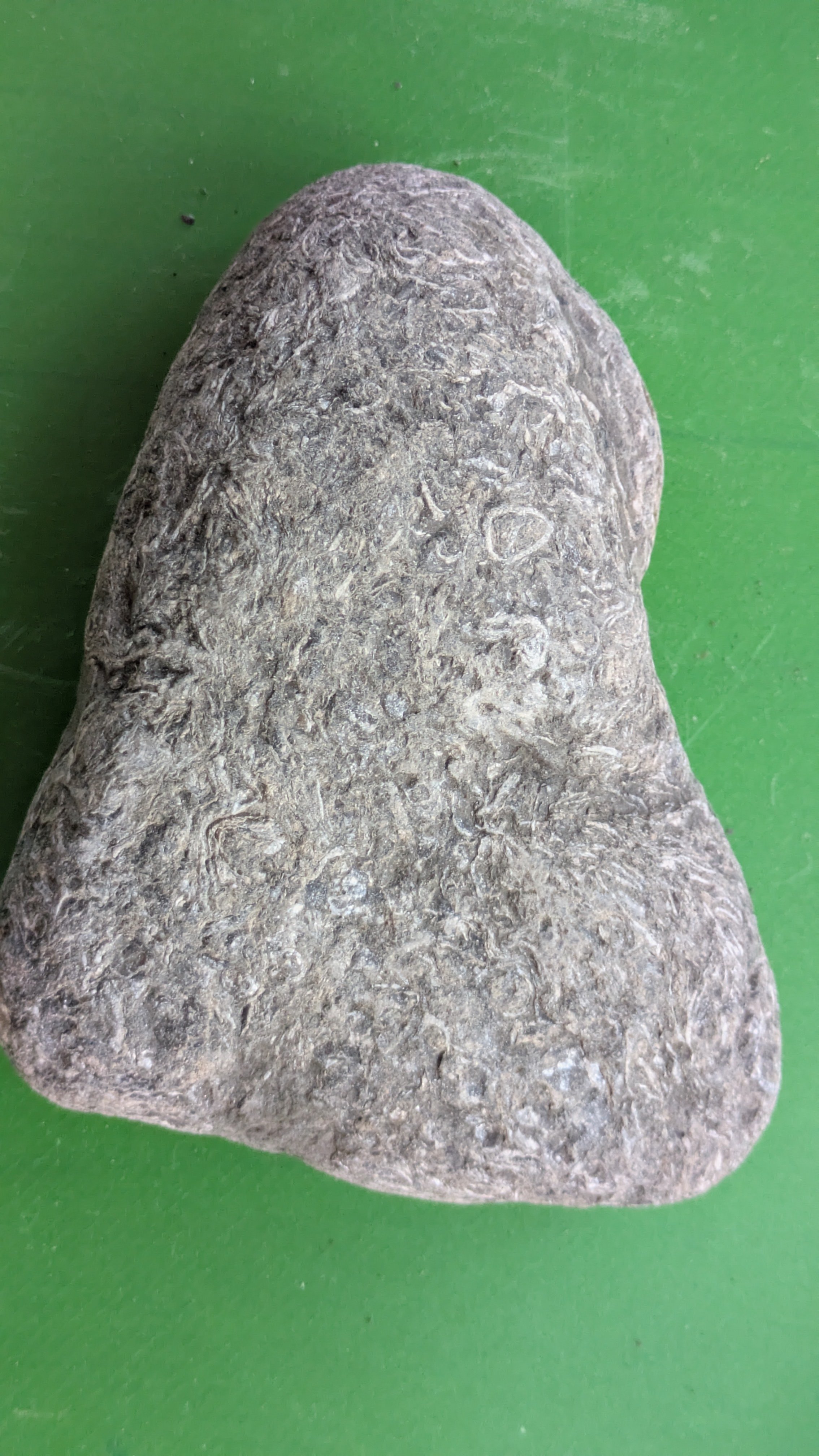
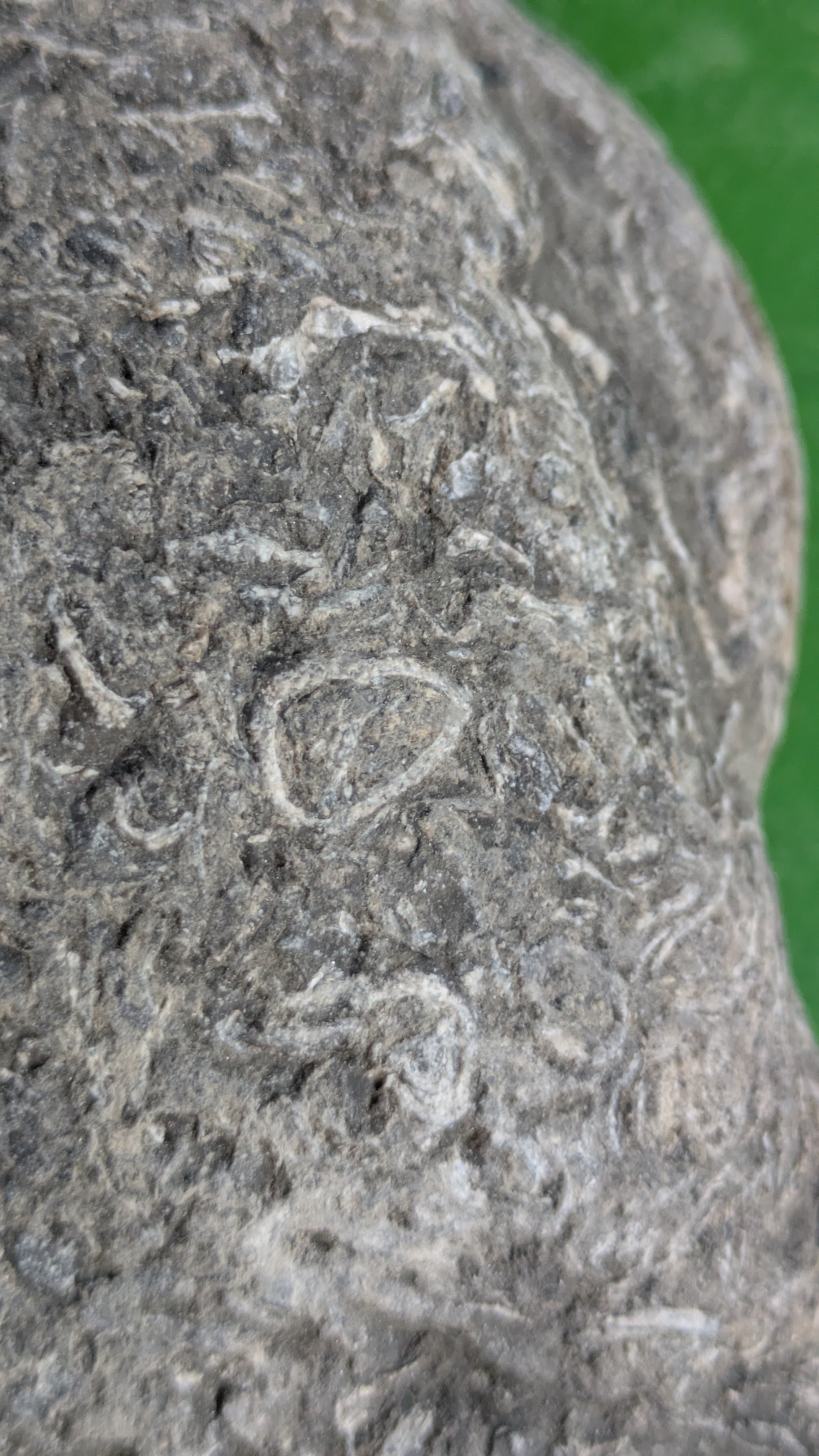
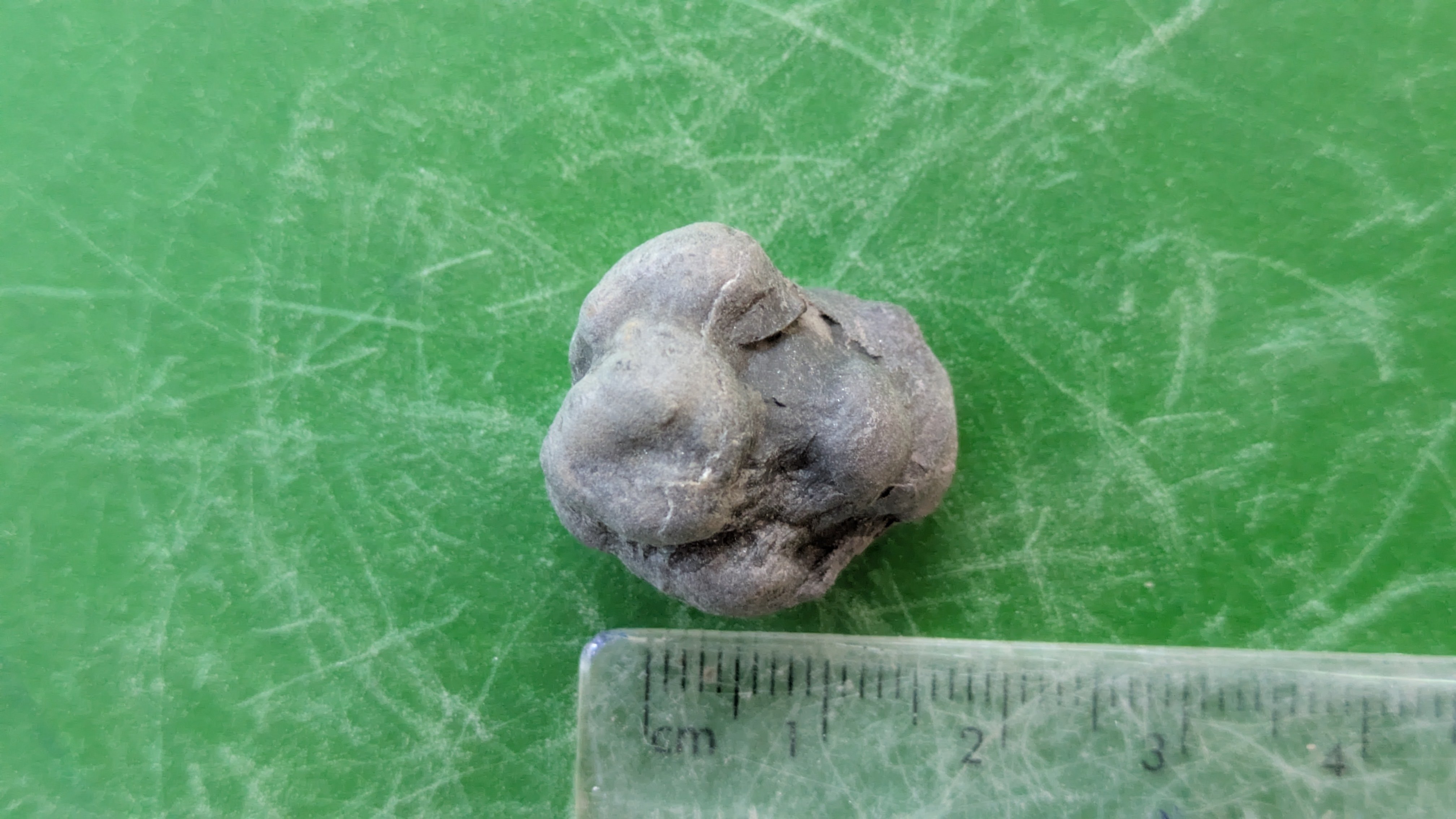
- Ammonites, belemnites, bivalves, marine reptiles, crustaceans, trace fossils, driftwood, and occasional plant debris
- Paleoecology highlights
- A dynamic shallow sea influenced by fluctuating sea levels, with quiet muddy seabeds interrupted by storm-driven sand influxes, oxygen-poor intervals in deeper settings, and periodic input of terrestrial material from nearby landmasses
Picture a broad, shallow sea stretching across what is now northern England, its grey-blue waters gently rippling under a hazy Jurassic sky. The seafloor is a mosaic of soft, dark mud and rippled sand, shaped by shifting currents and occasional storms.
Closer to the ancient shoreline, the water grows slightly shallower and more energetic. Here, sandy bars and patches of firmer ground interrupt the muddy expanse, while fragments of driftwood and plant debris occasionally settle from distant river systems draining nearby land.
The landscape is ever-changing, shaped by cycles of rising and falling sea levels, storms periodically disturbing the seabed, and periods of calm.

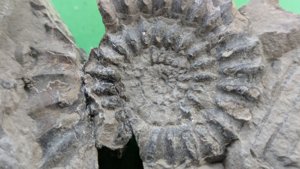
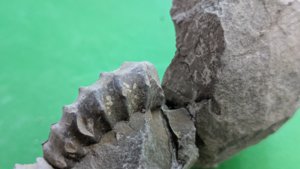
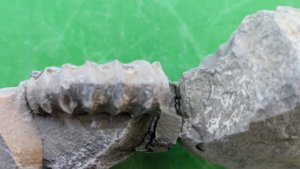
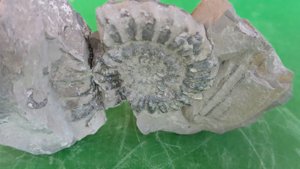
†Ammonitida
1 specimen


†Ammonitida
1 specimen
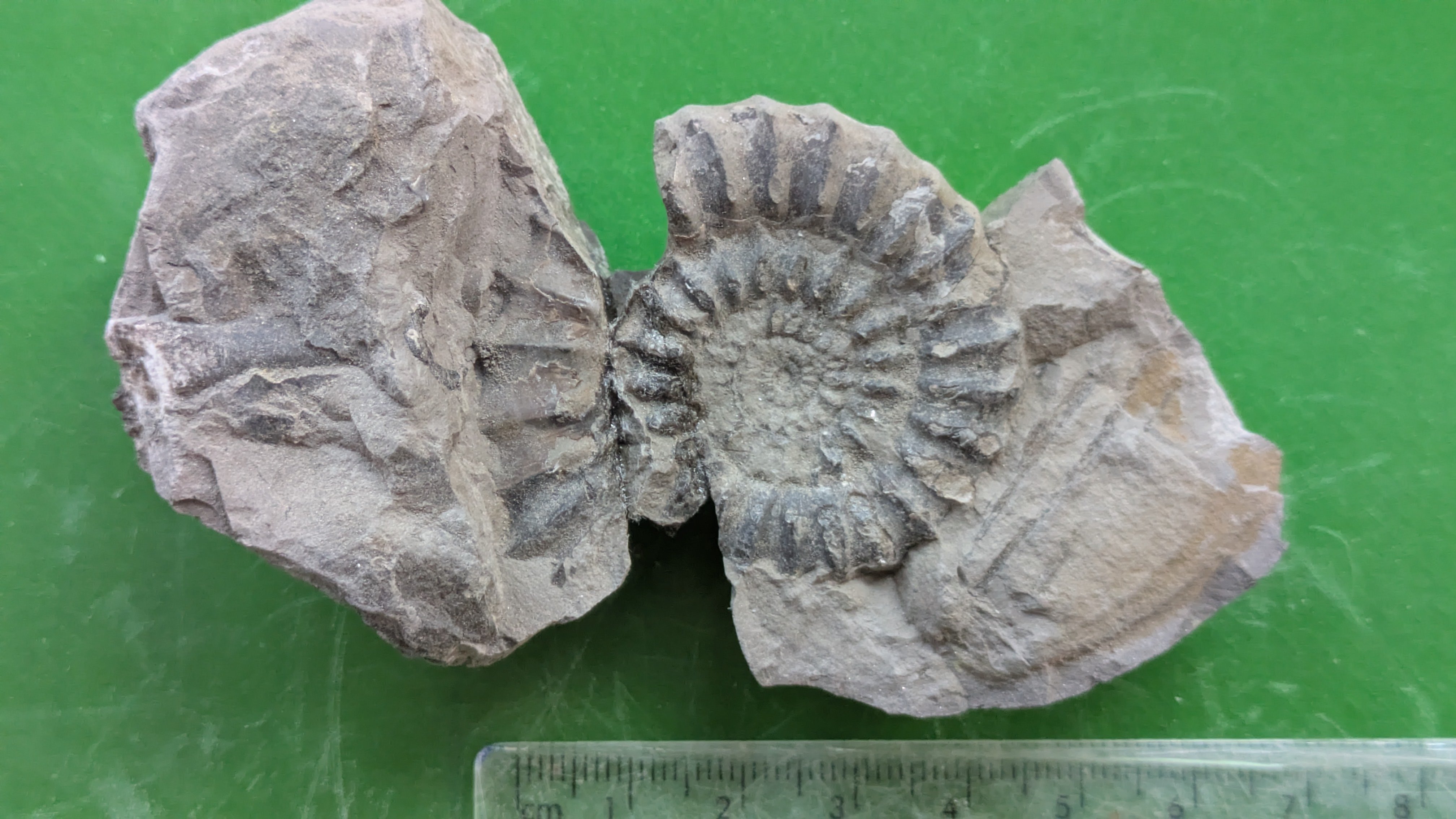
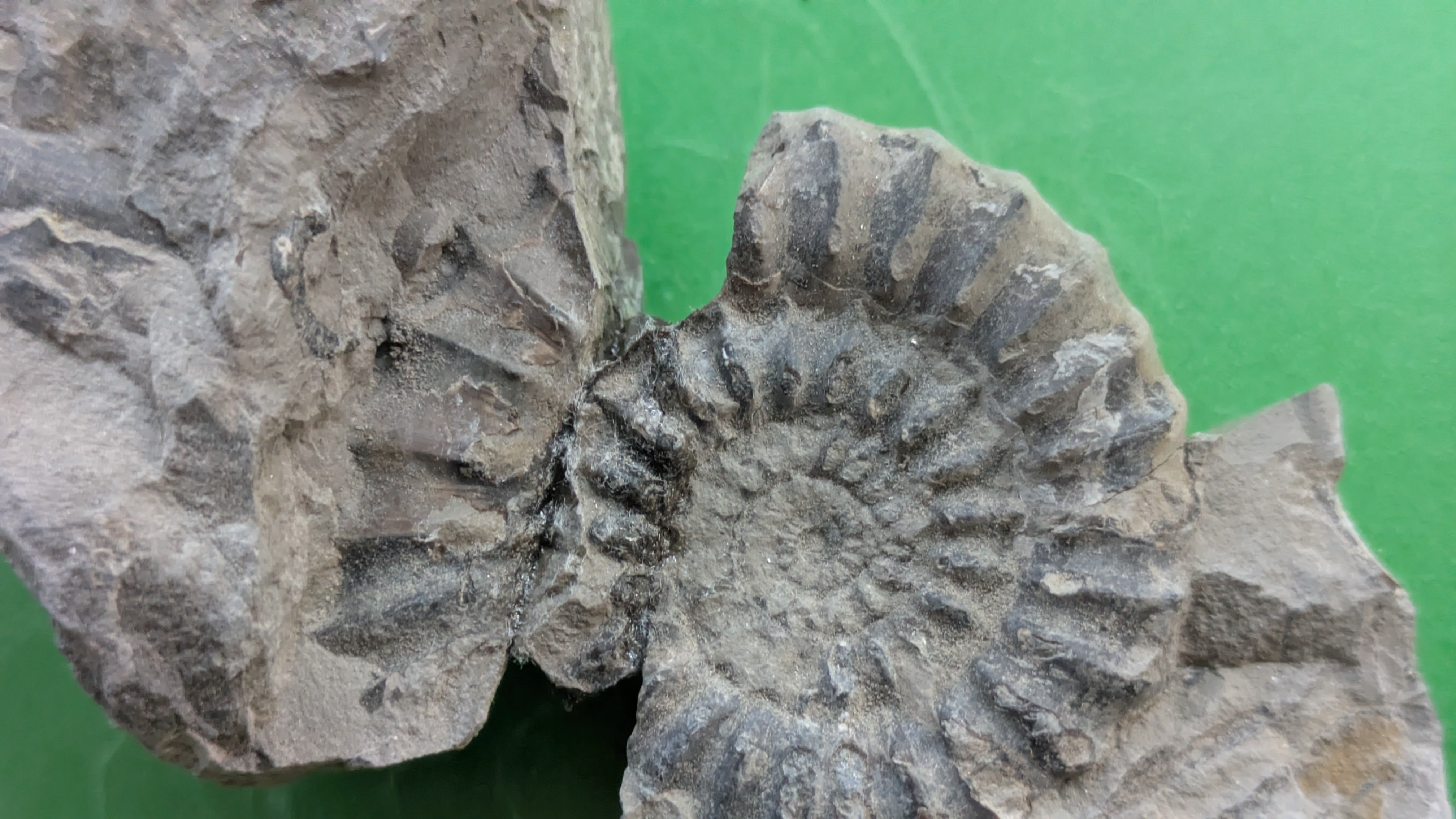
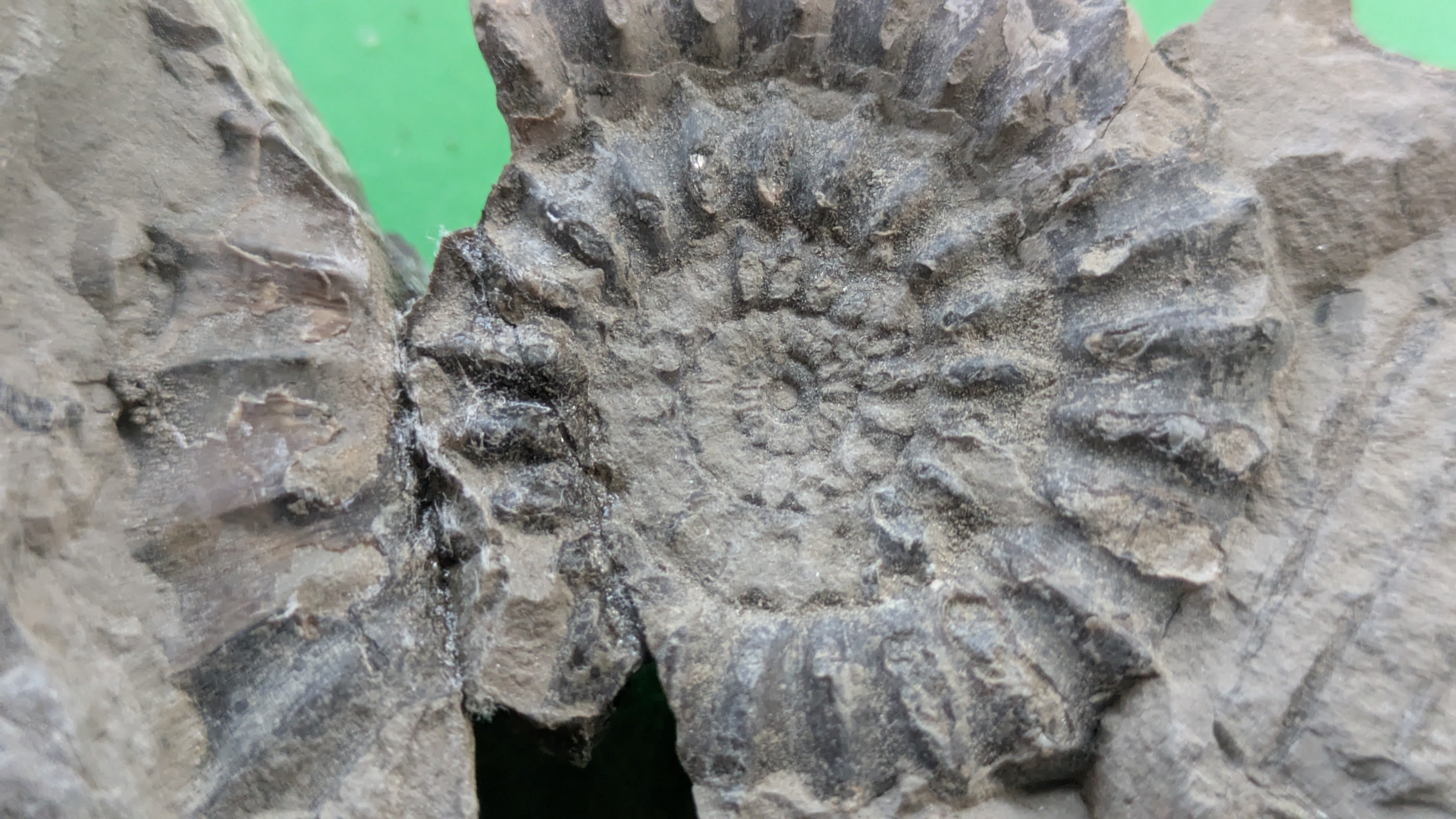
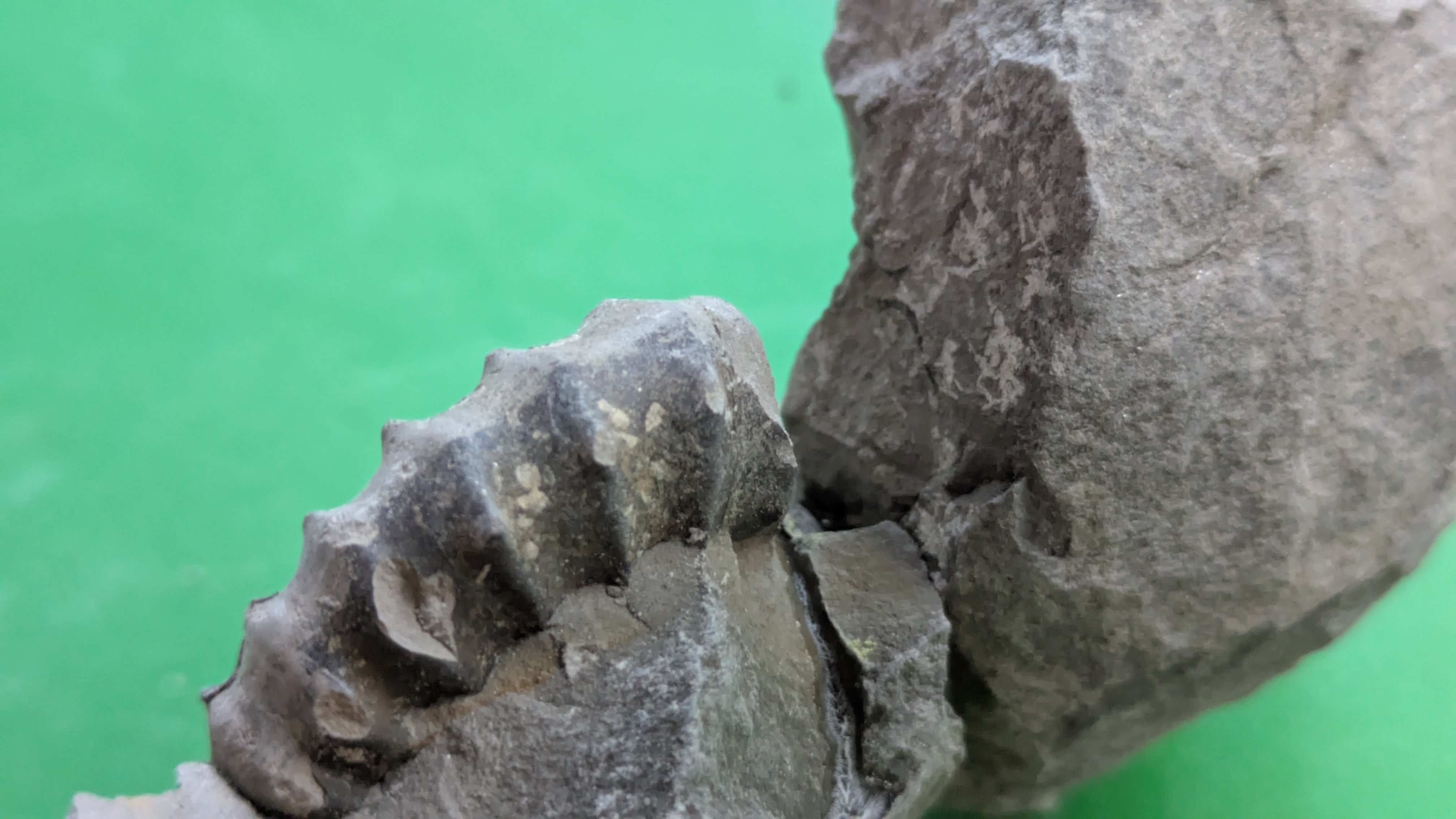
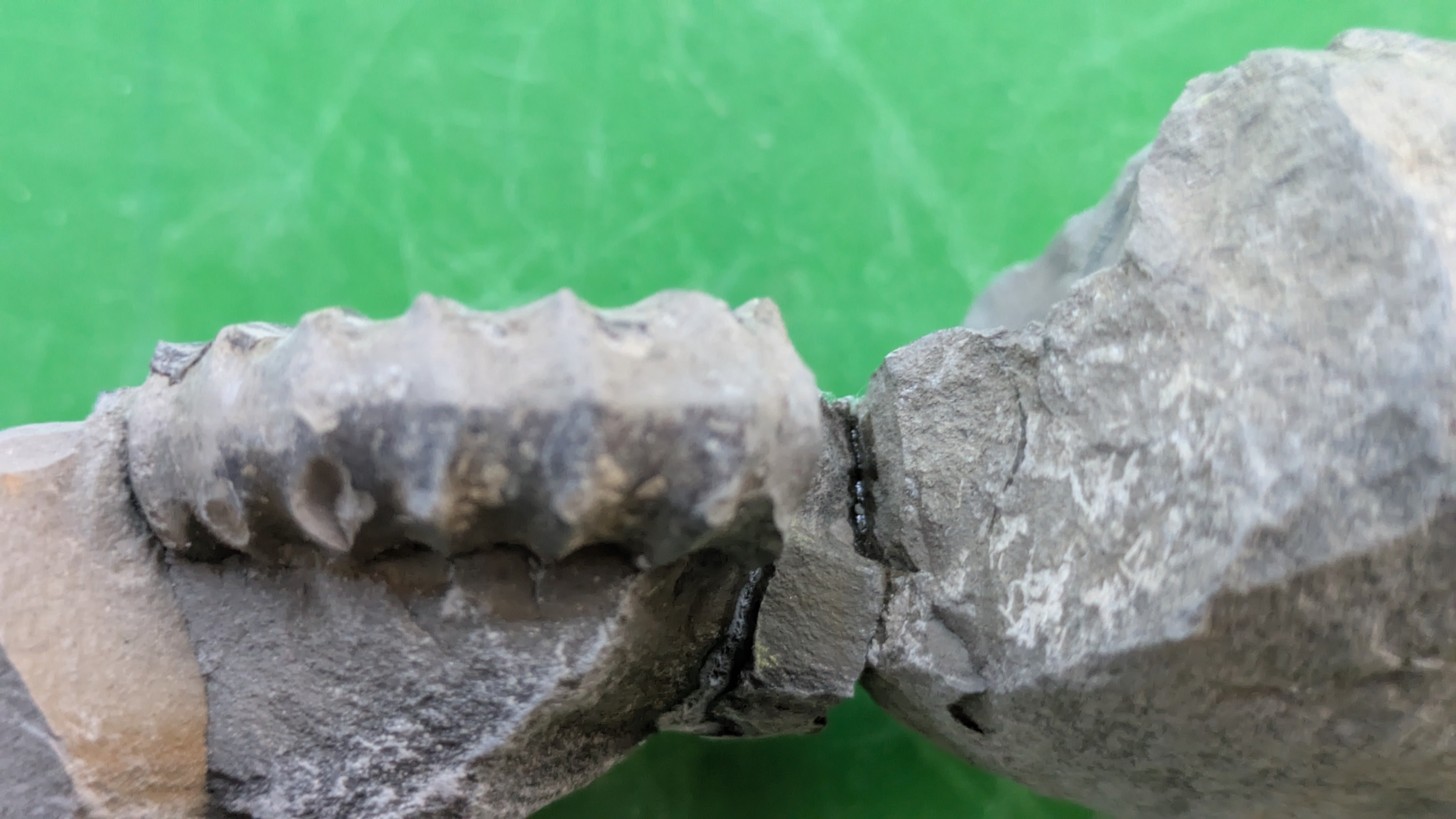
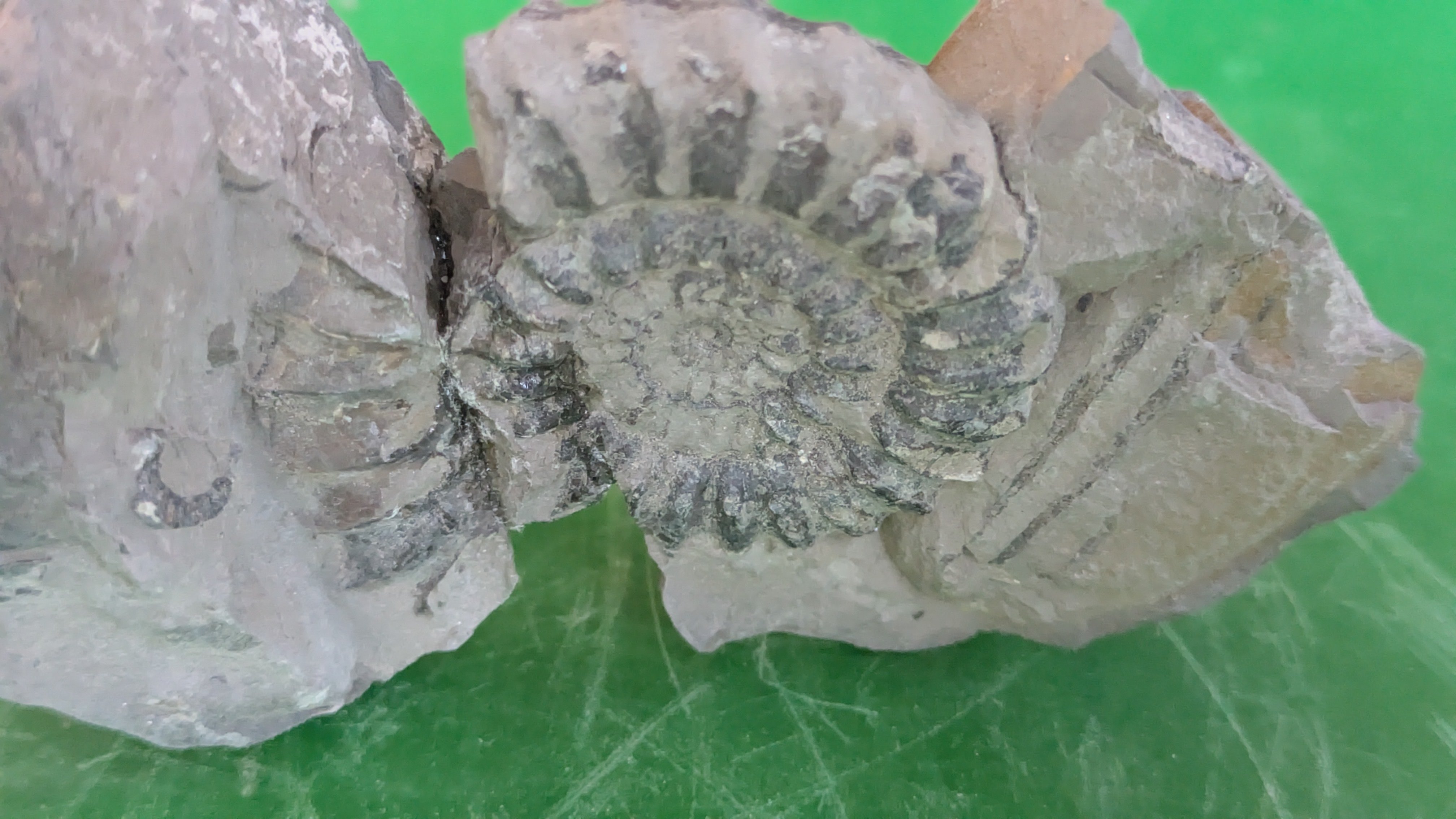
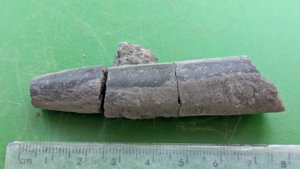
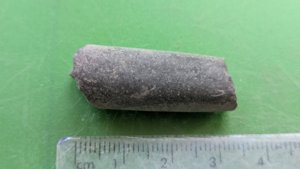
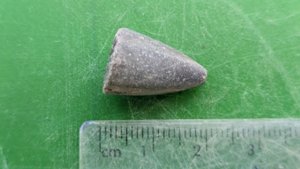
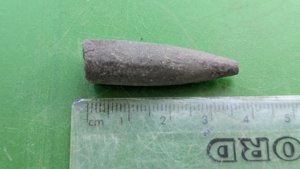
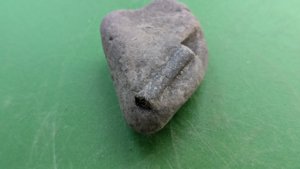
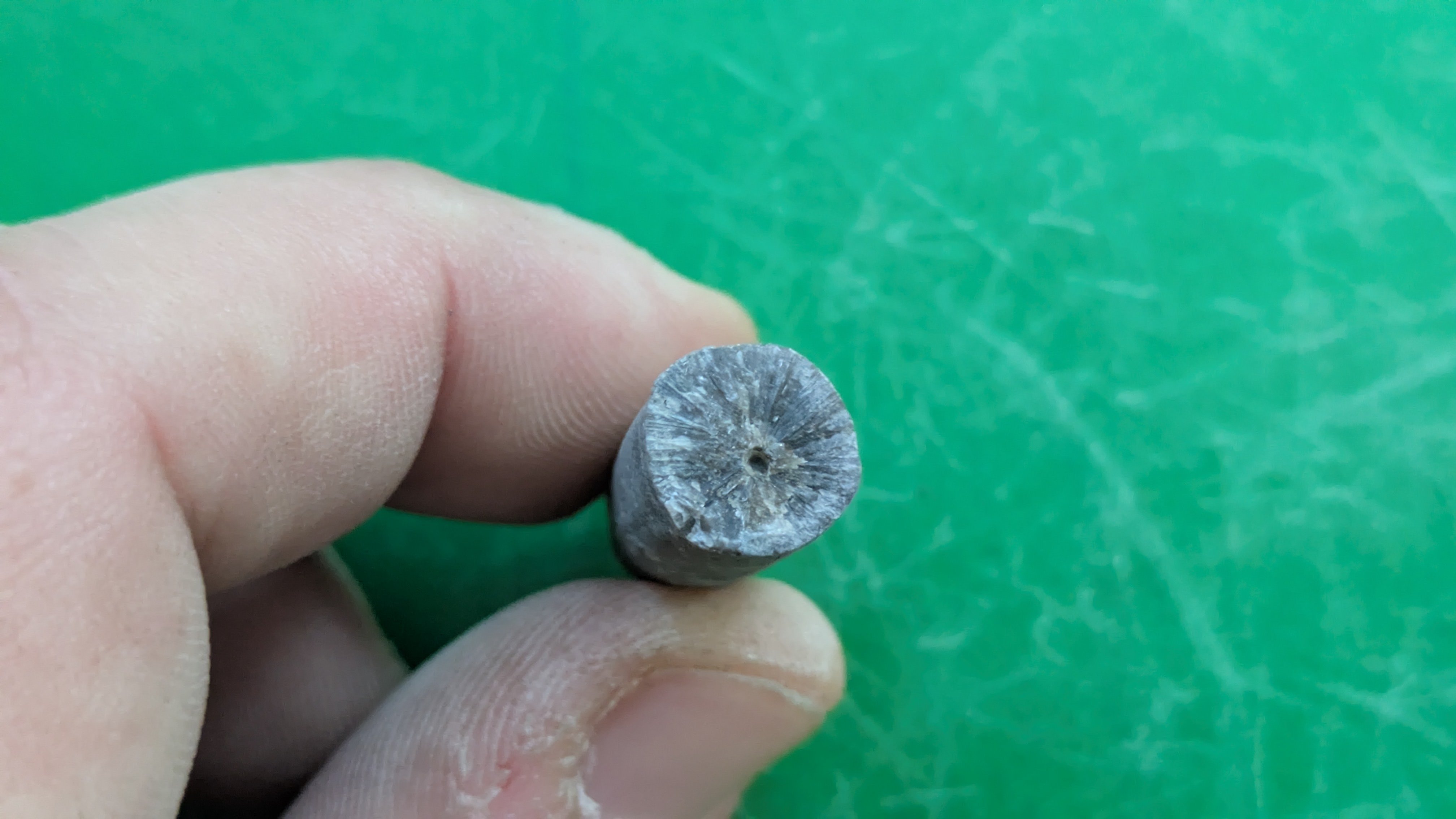
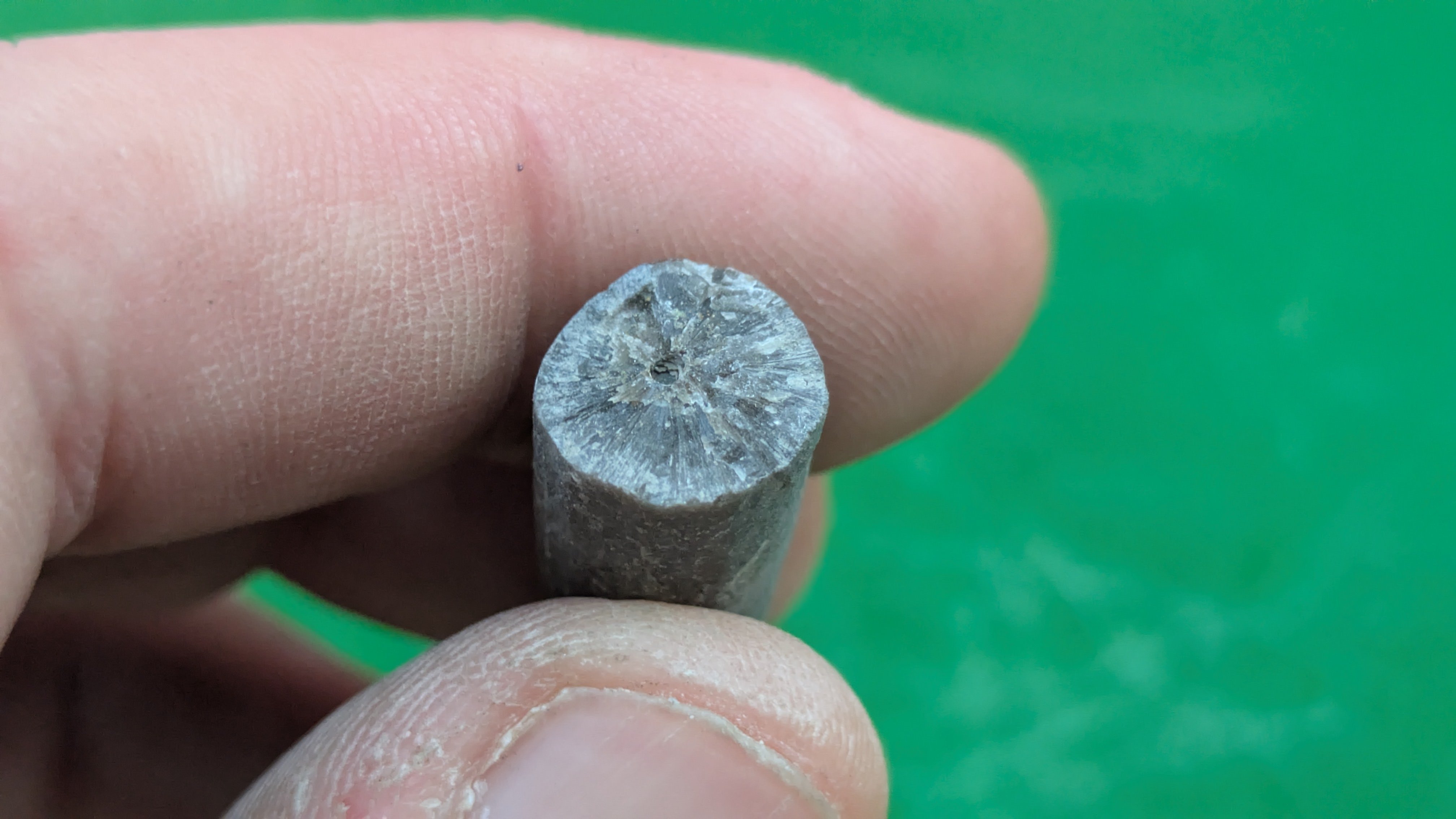
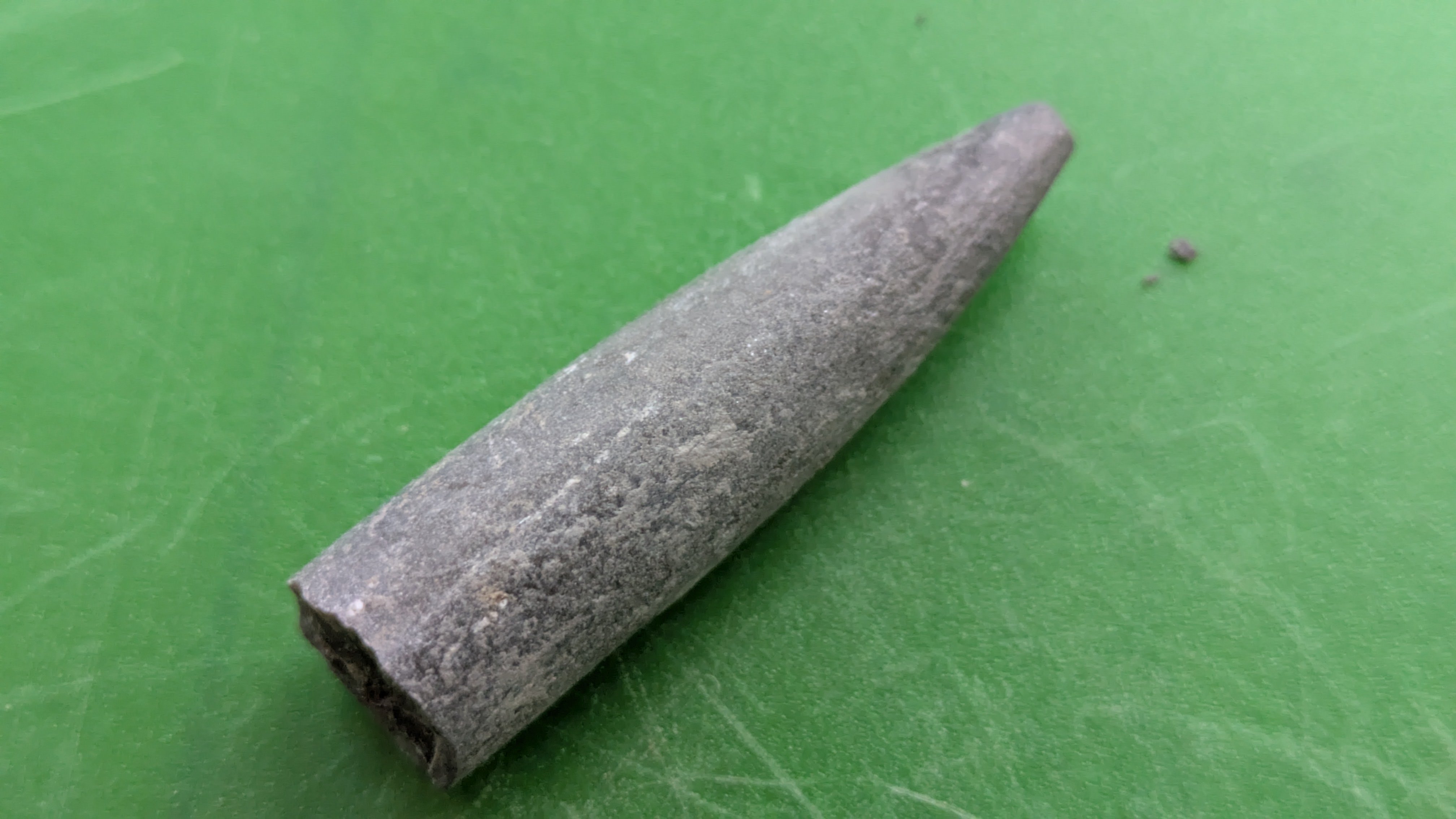
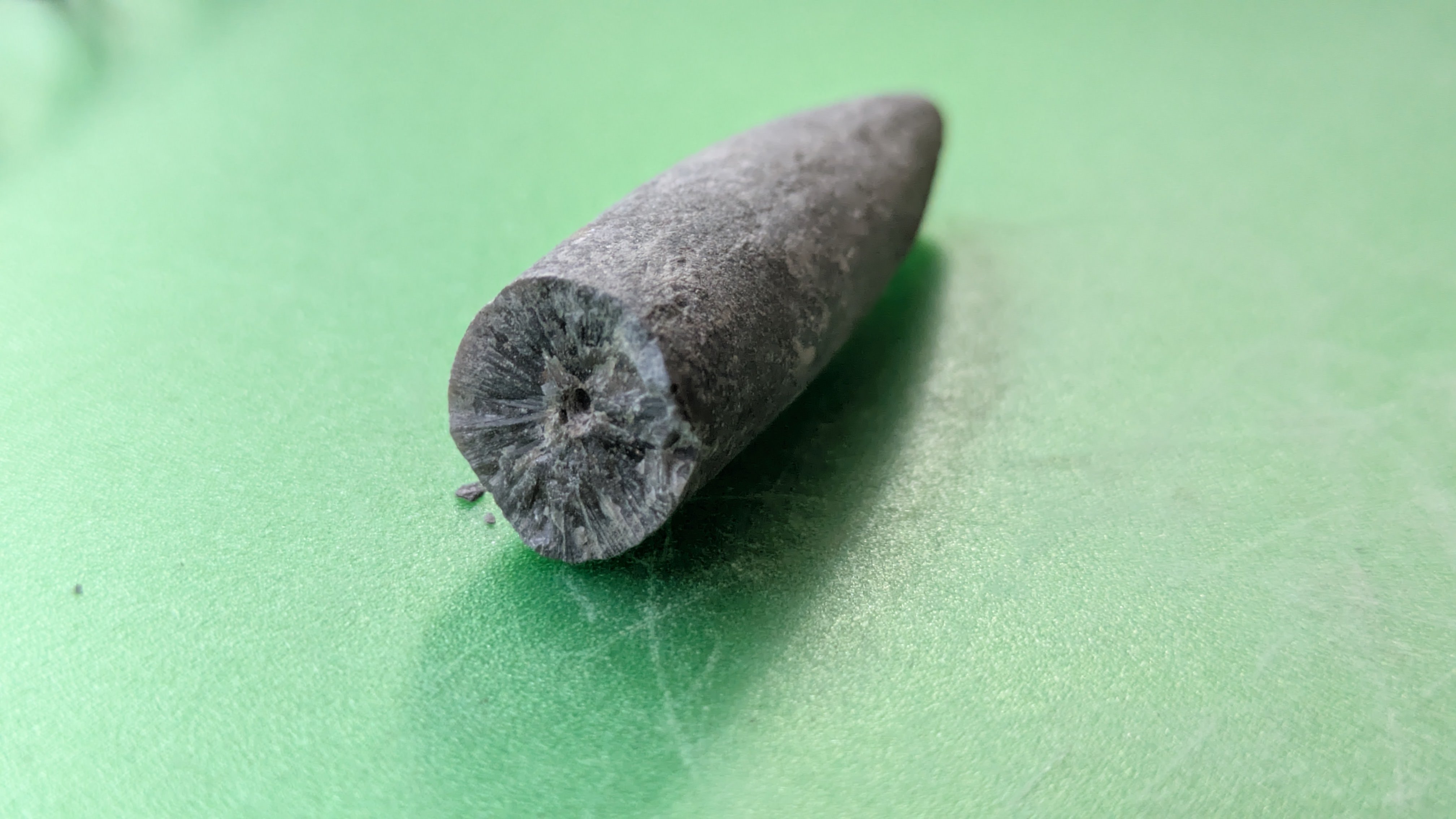
†Belemnitida
5 specimens


†Belemnitida
5 specimens
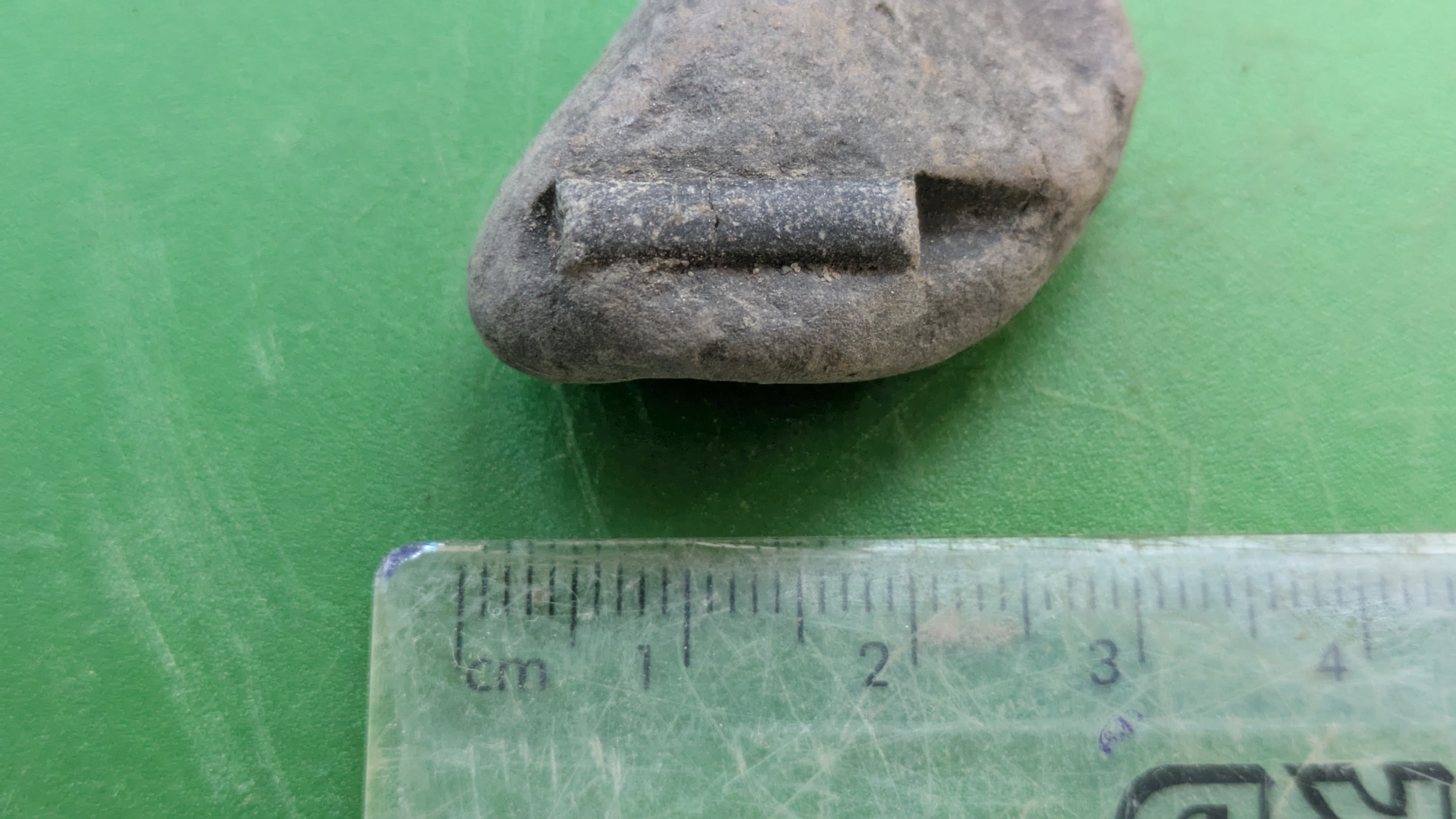
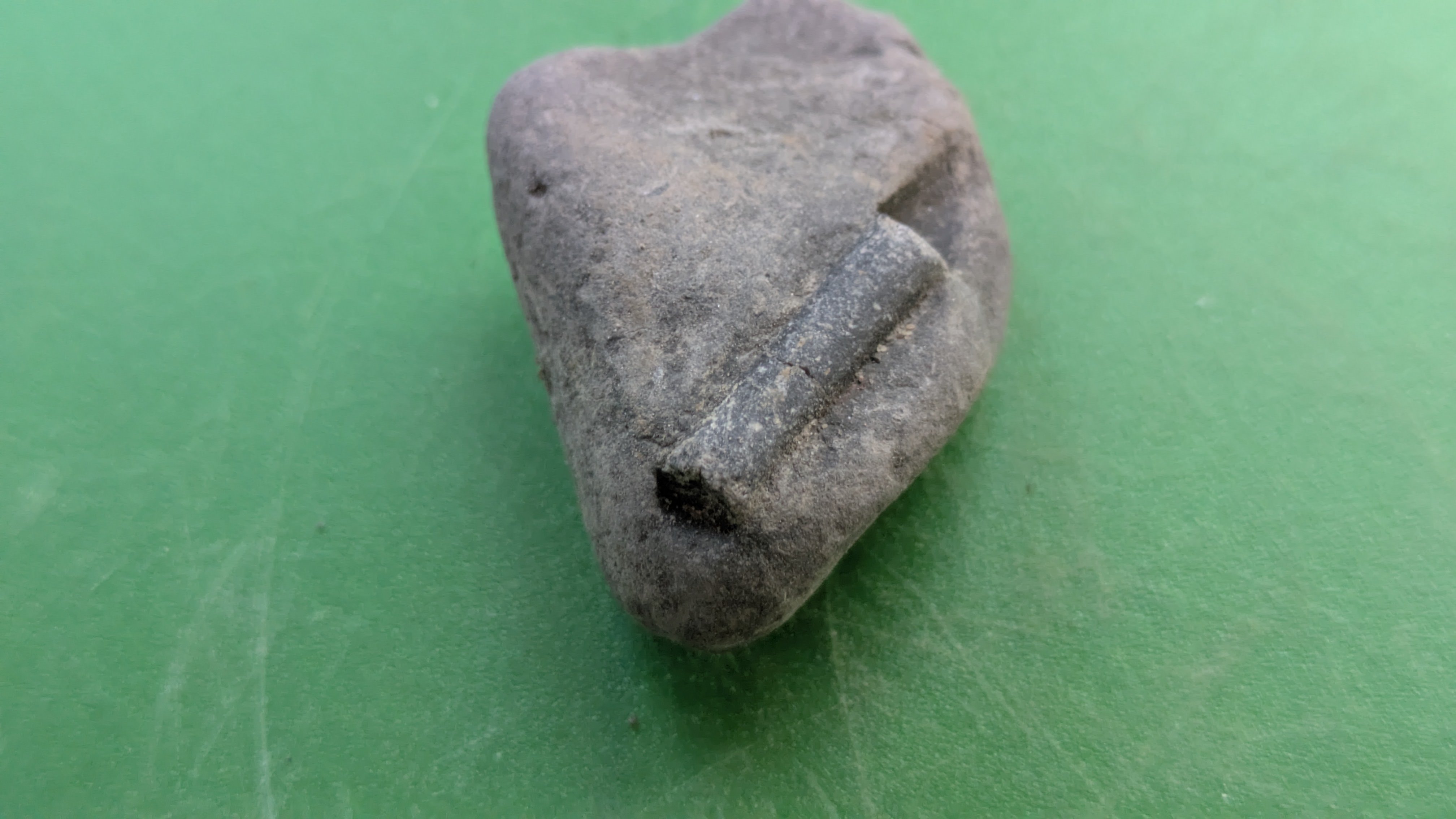
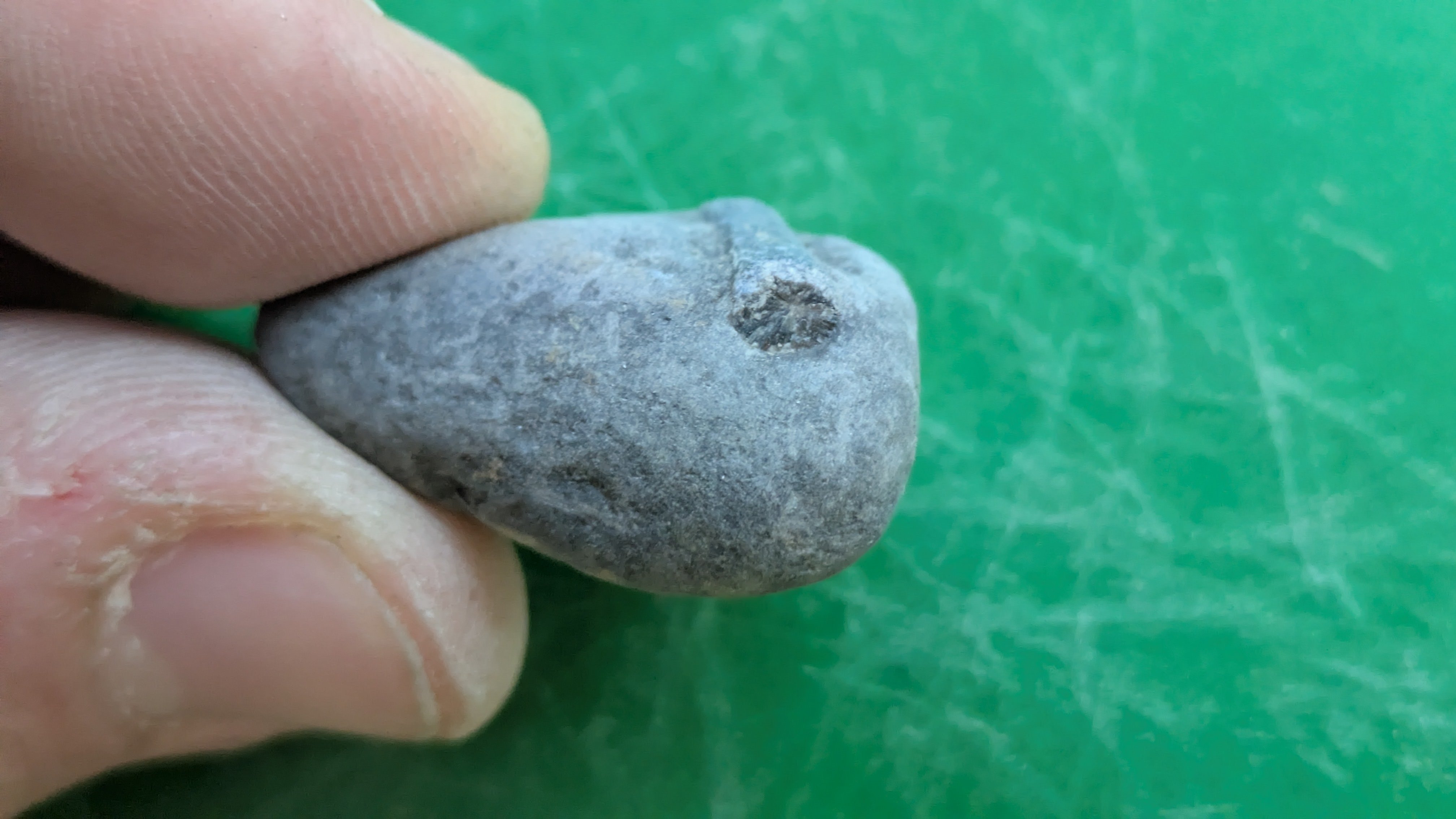
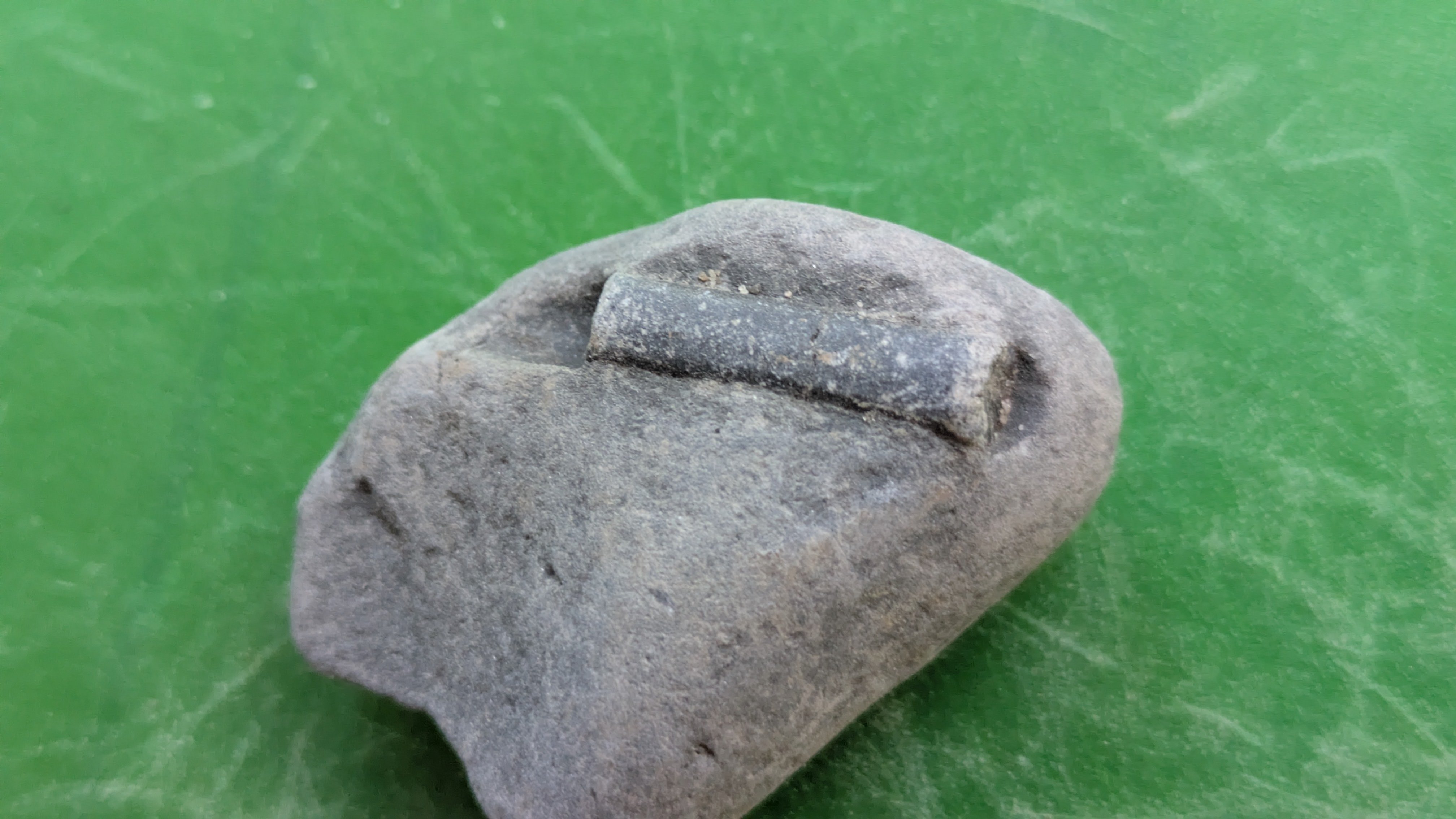

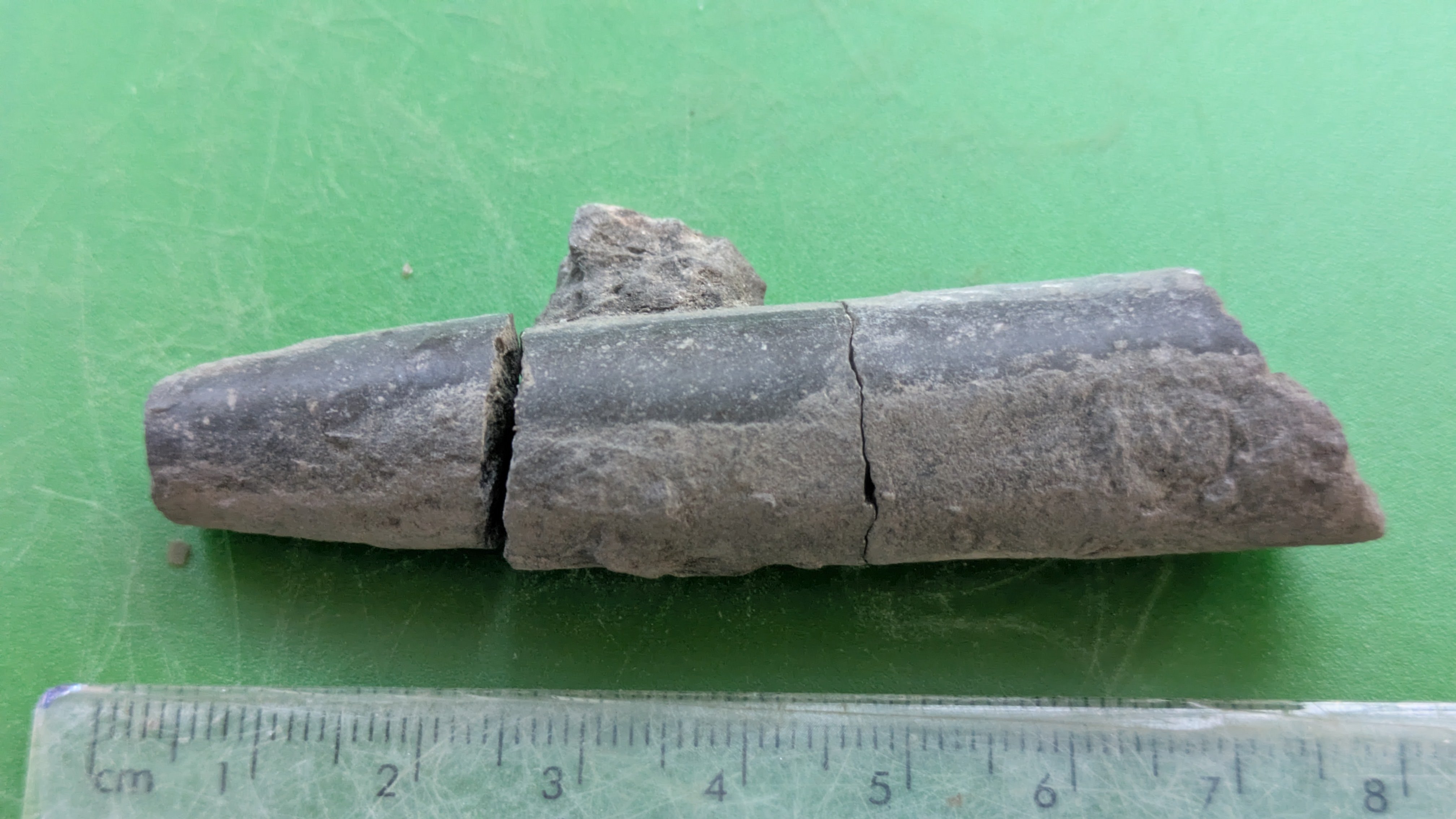
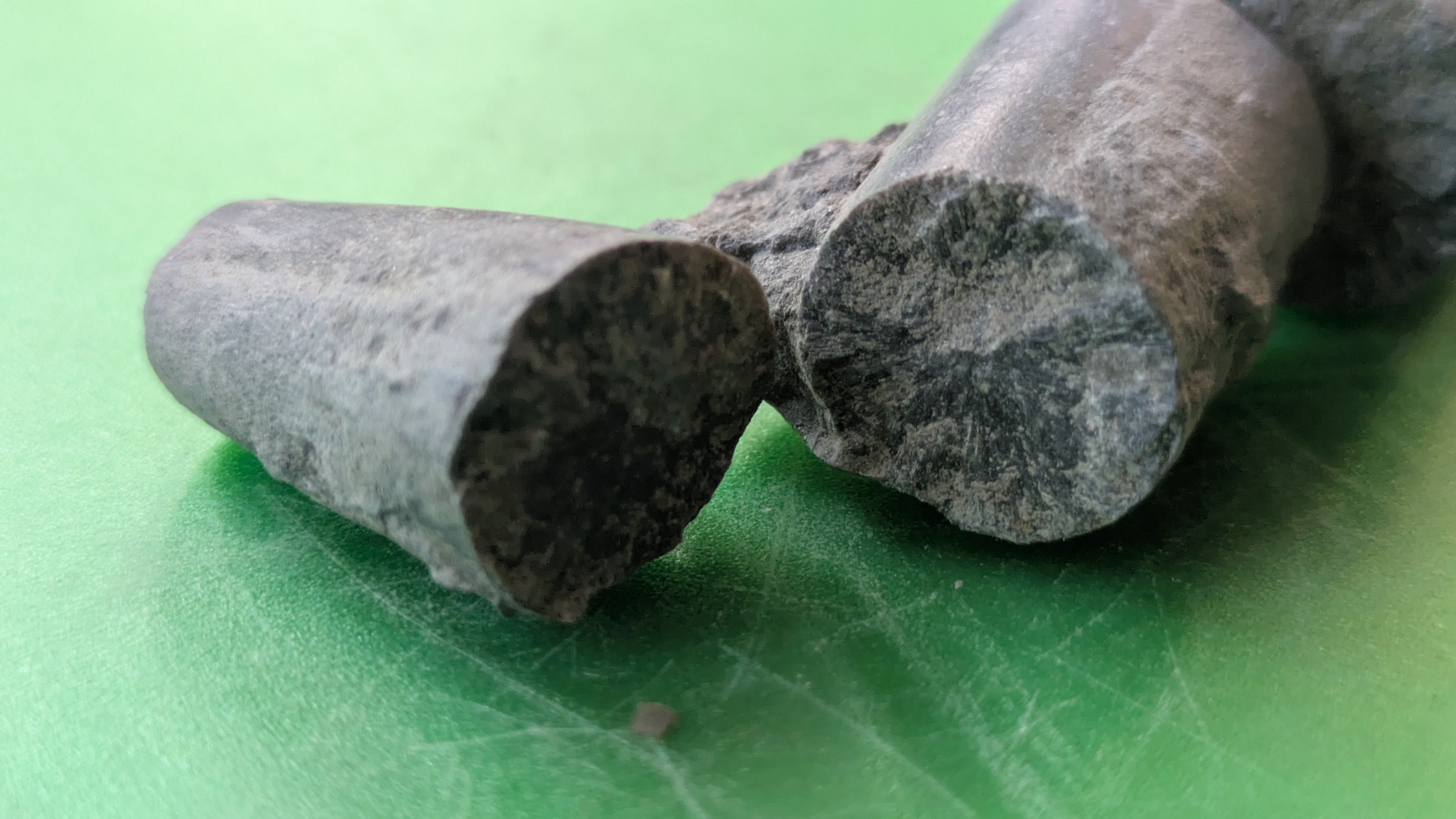
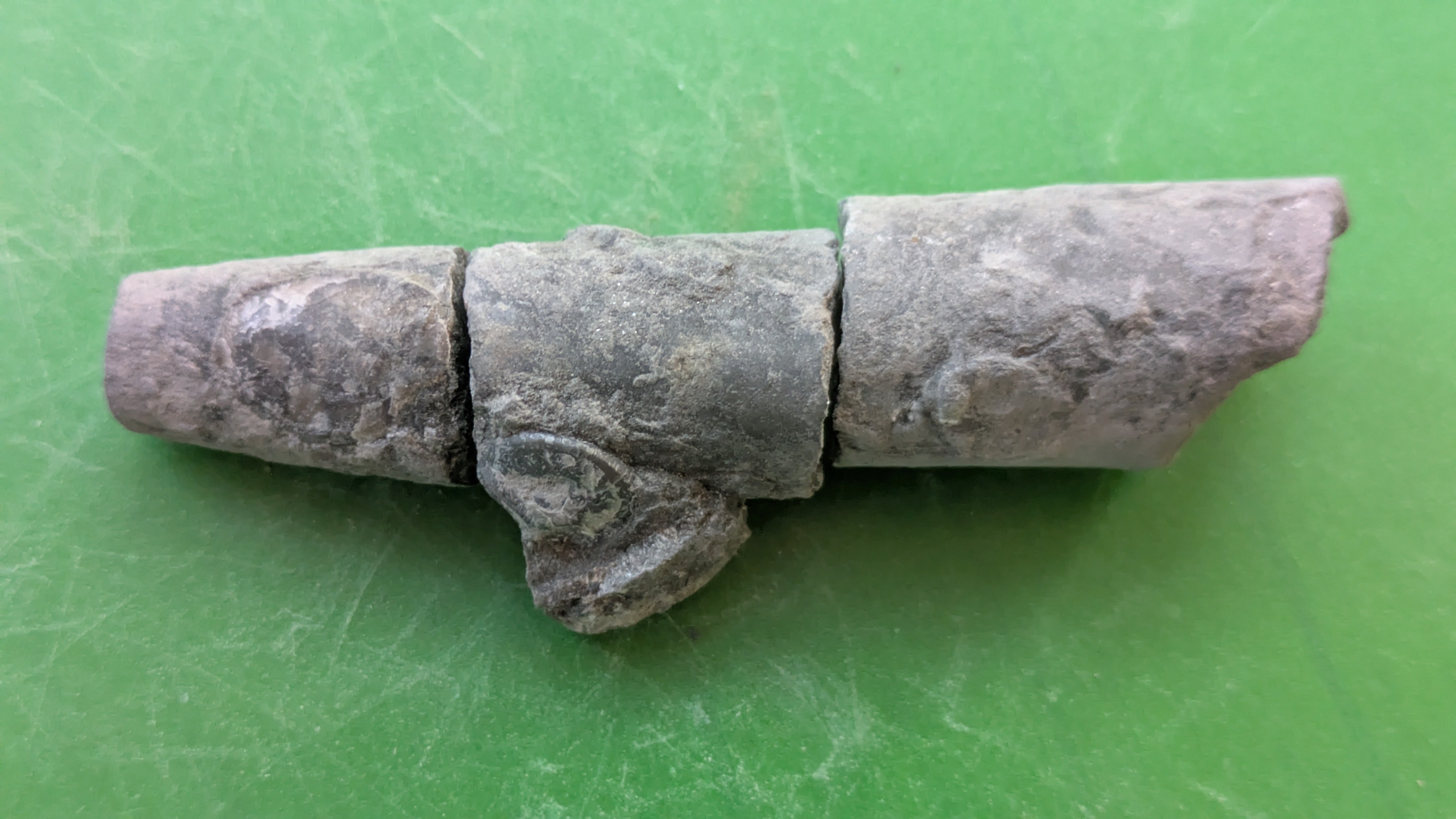
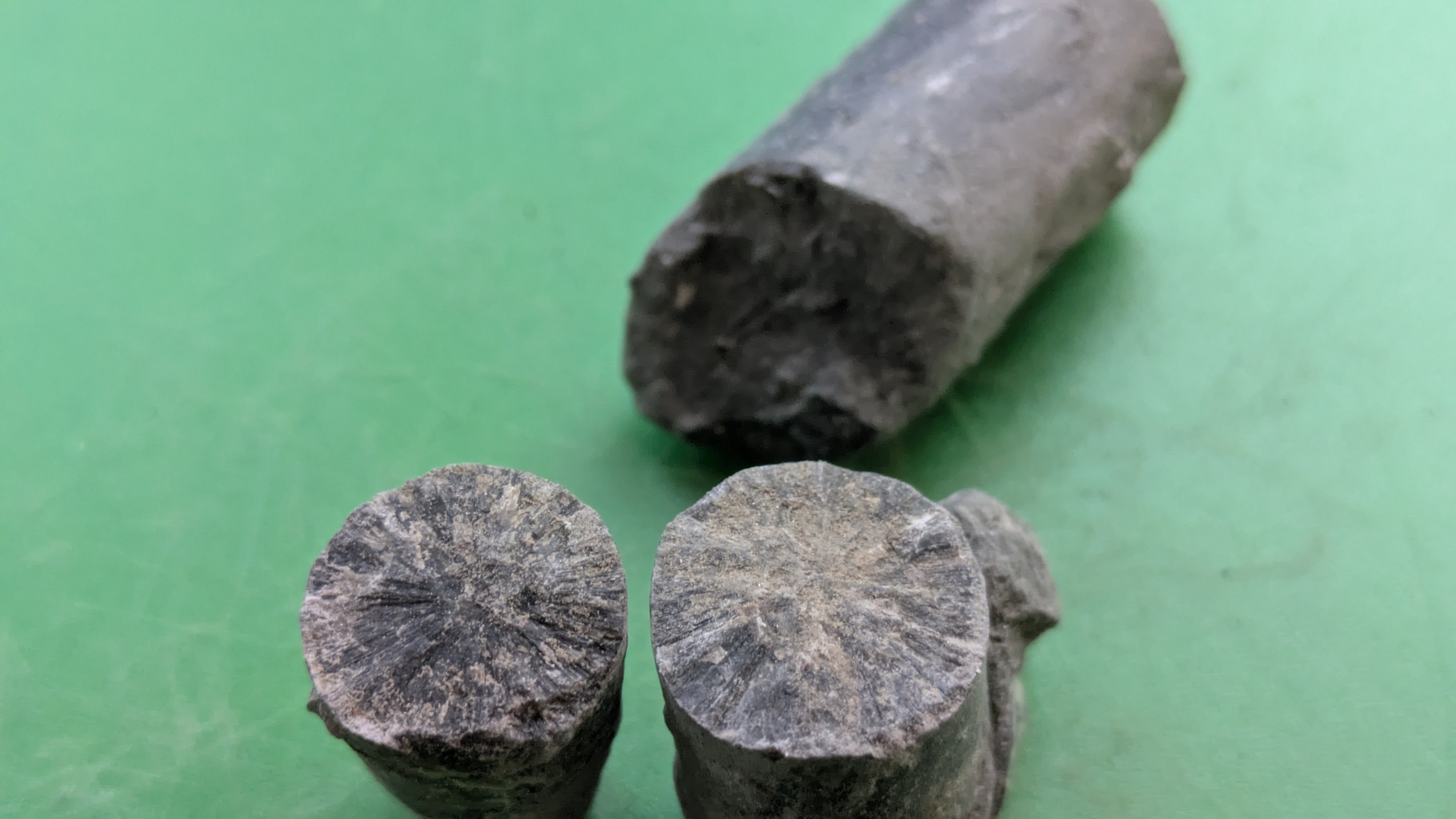

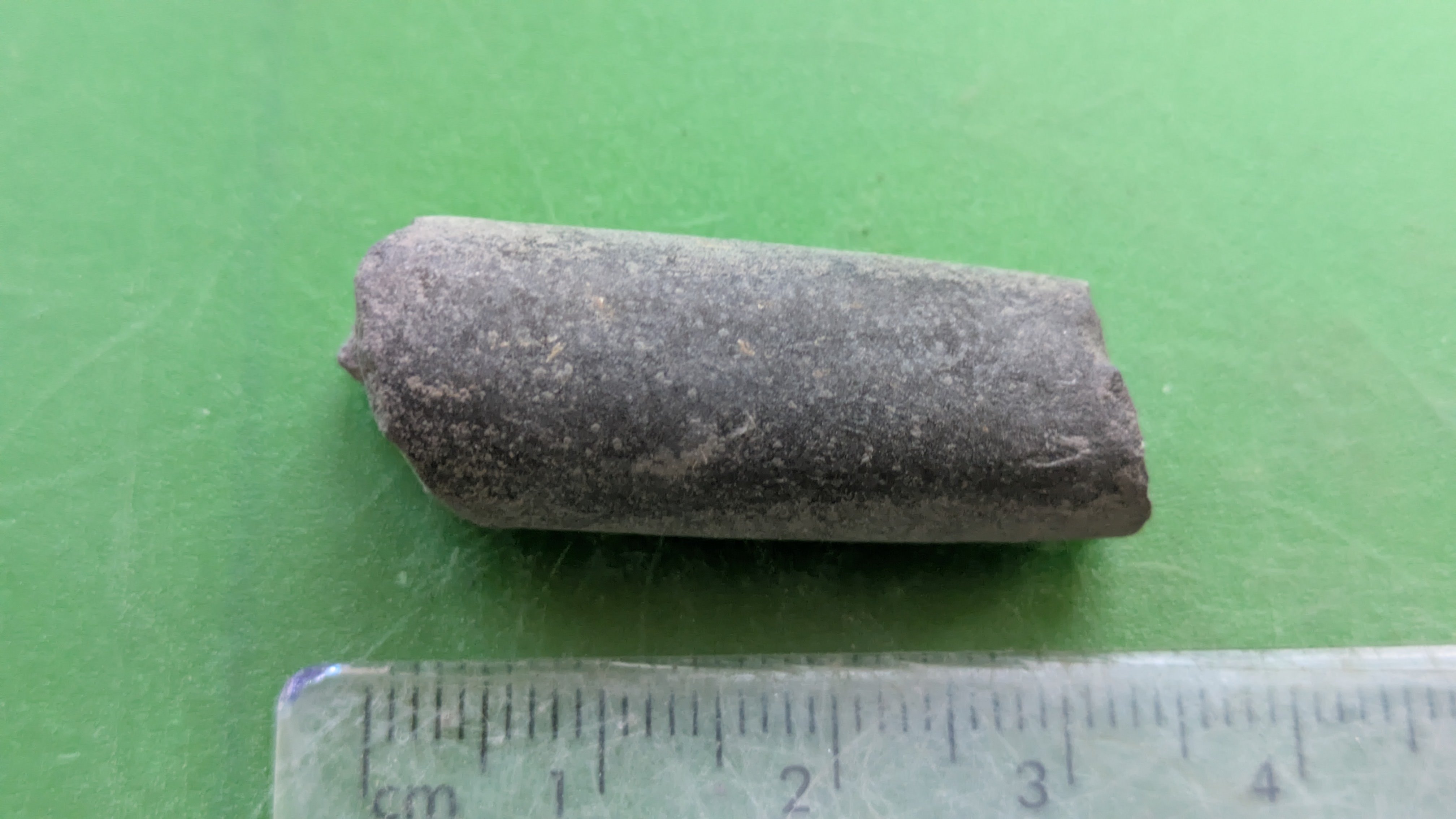
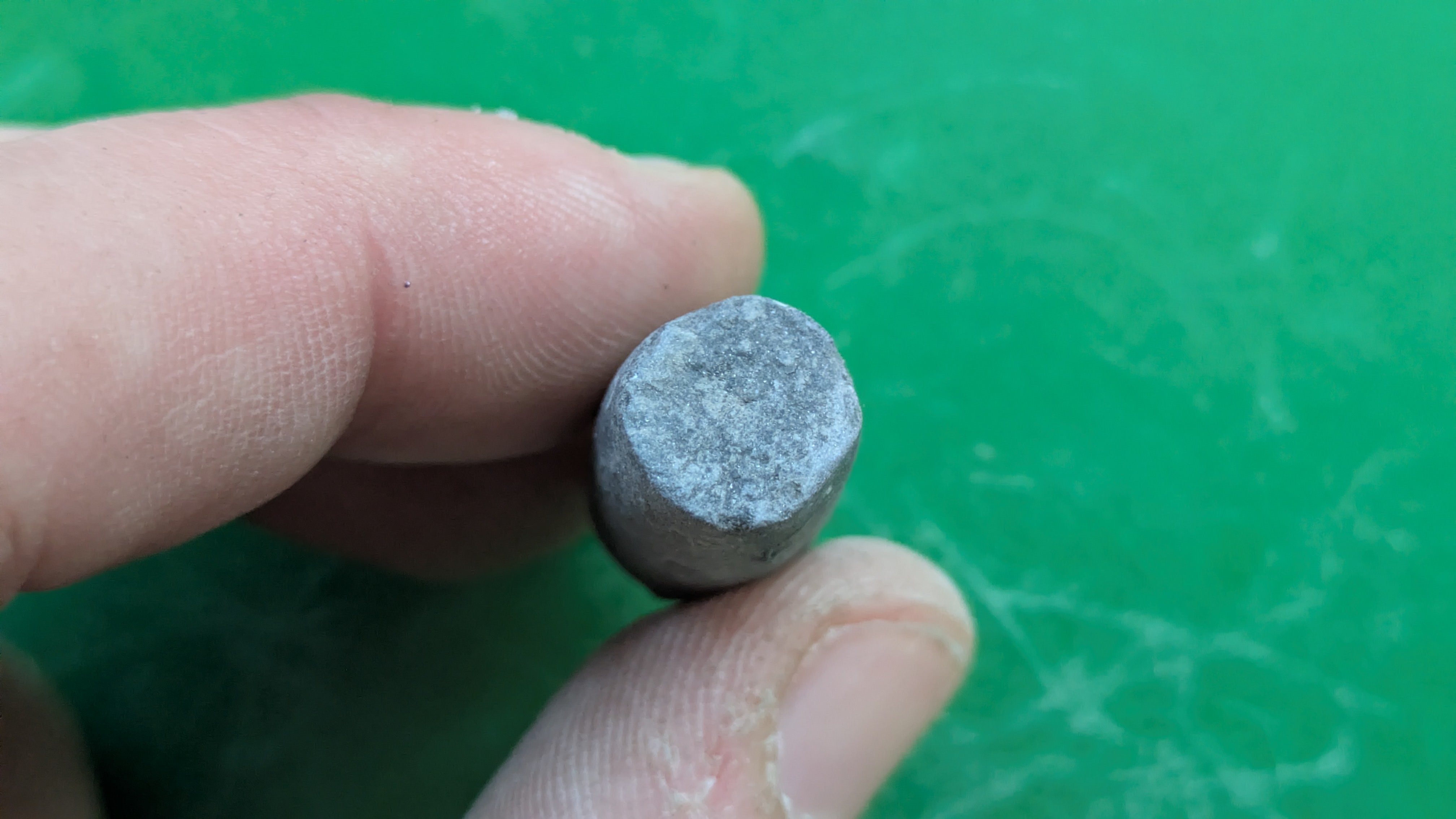

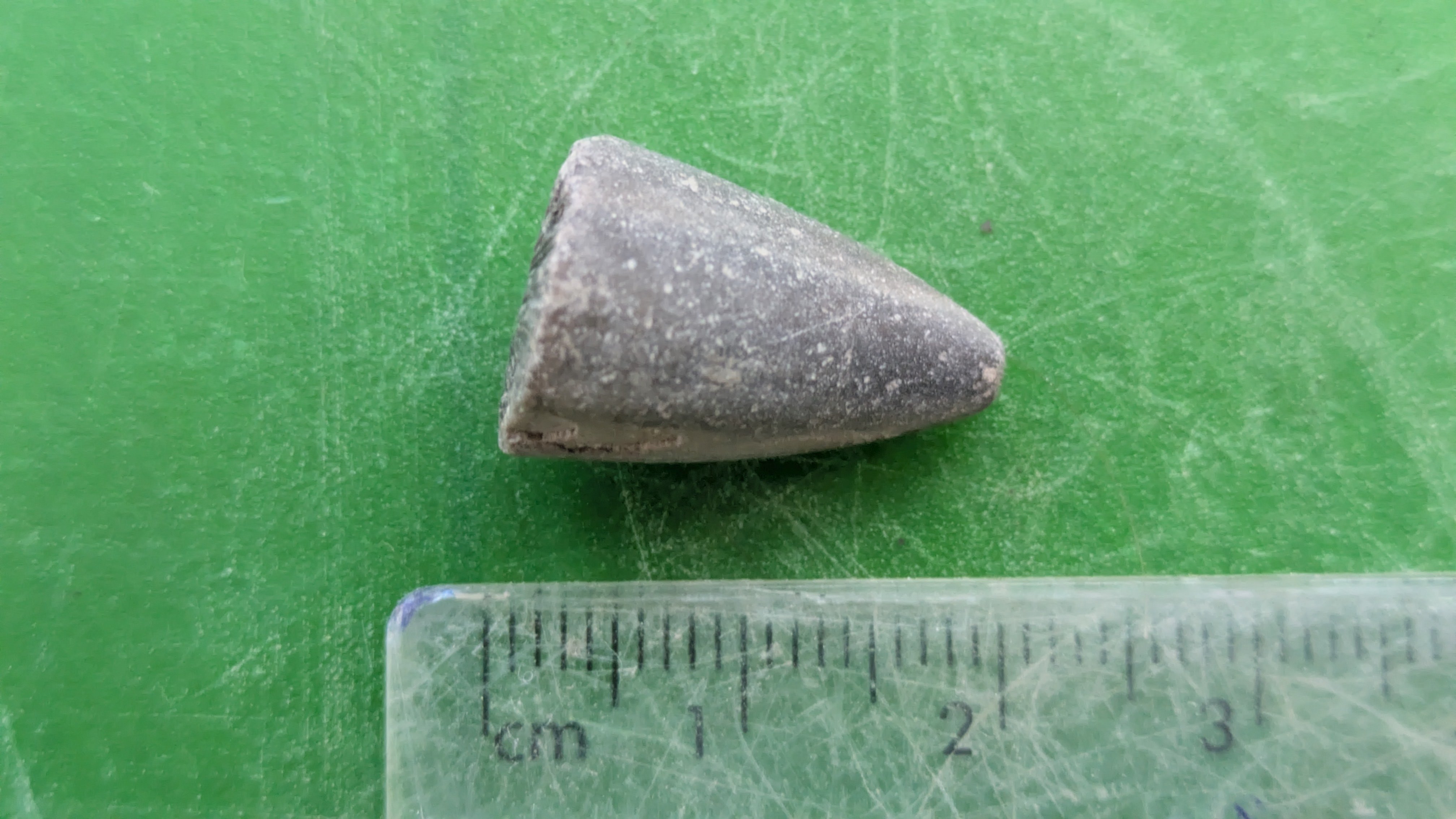
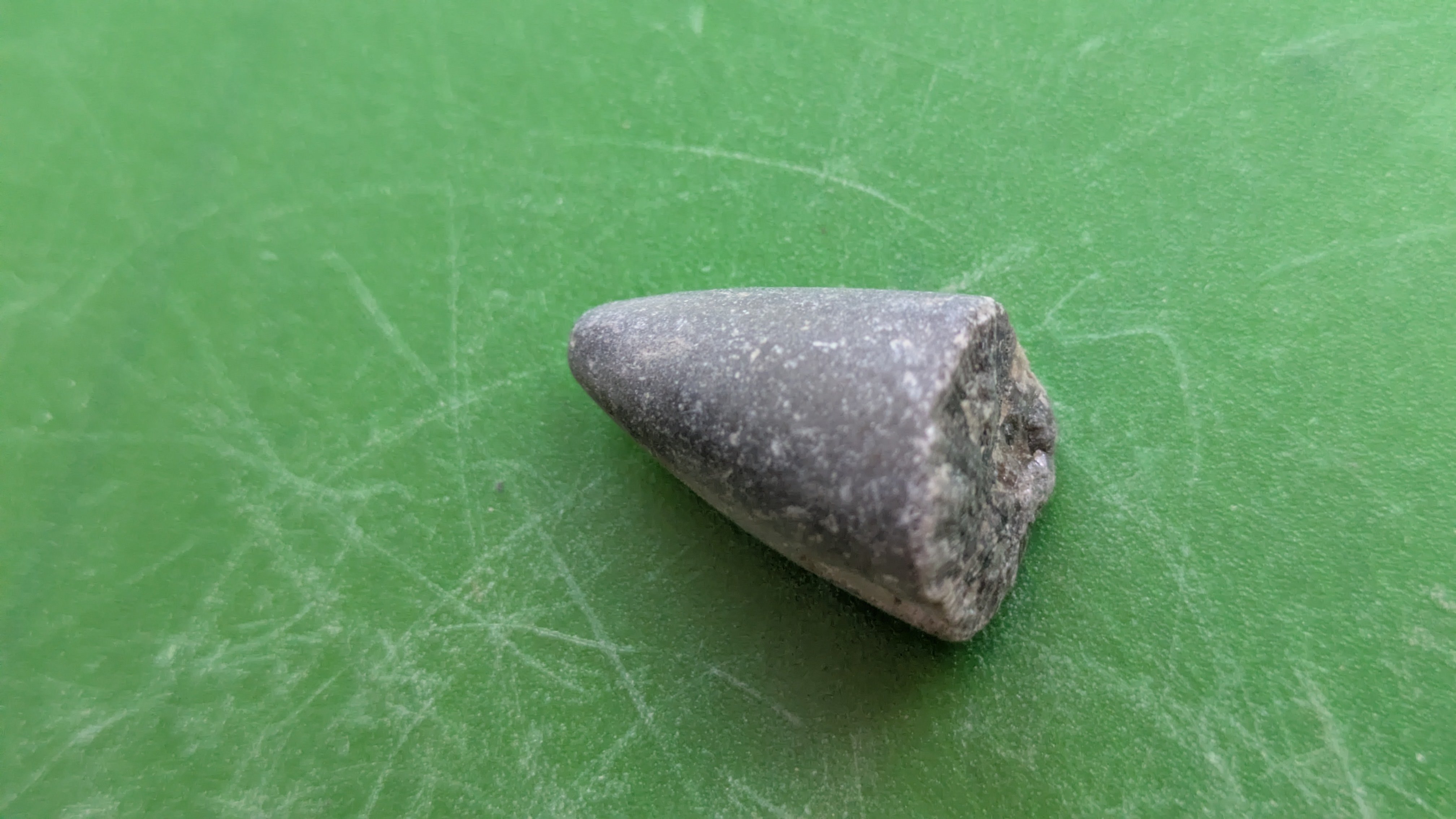
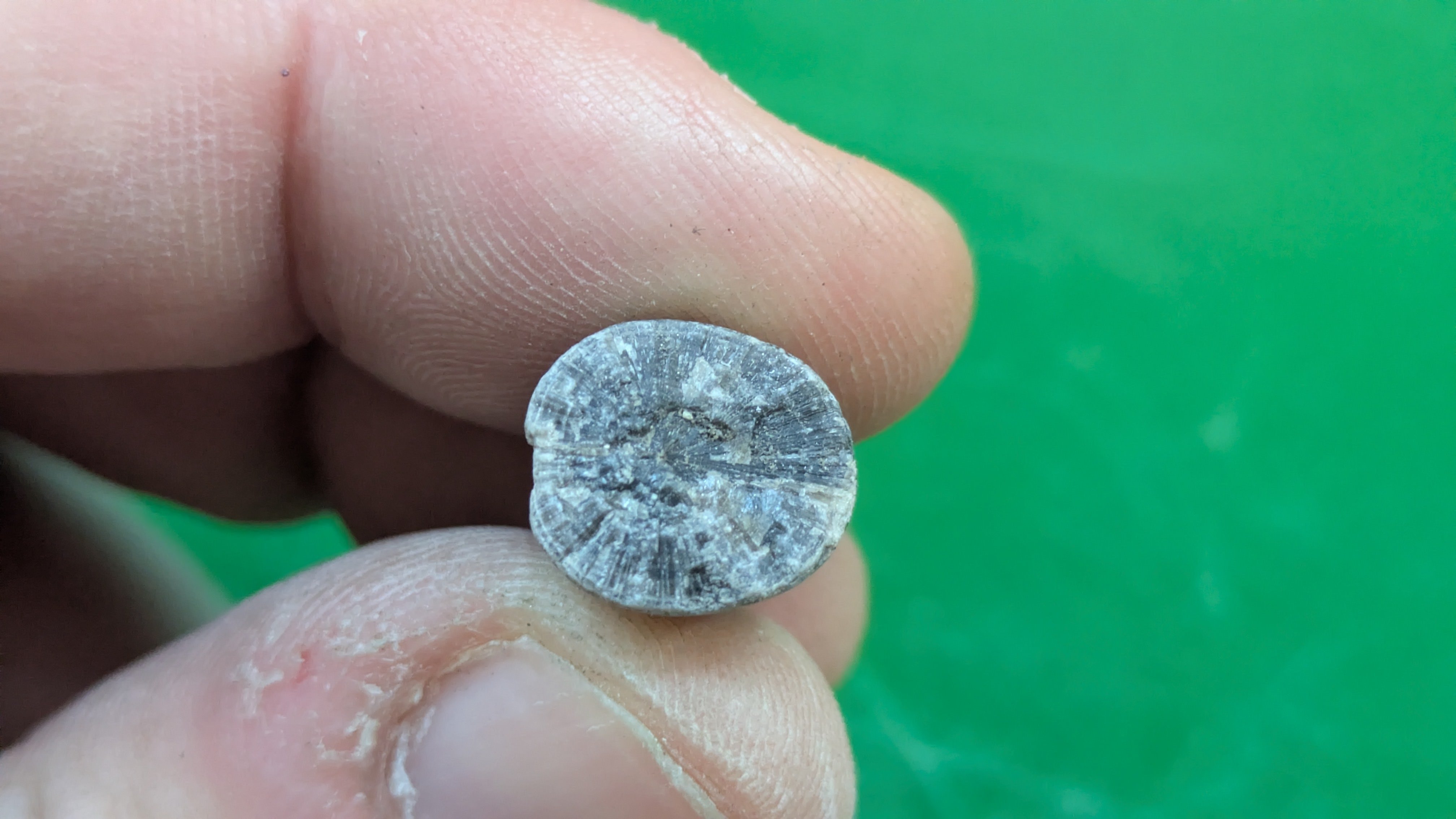
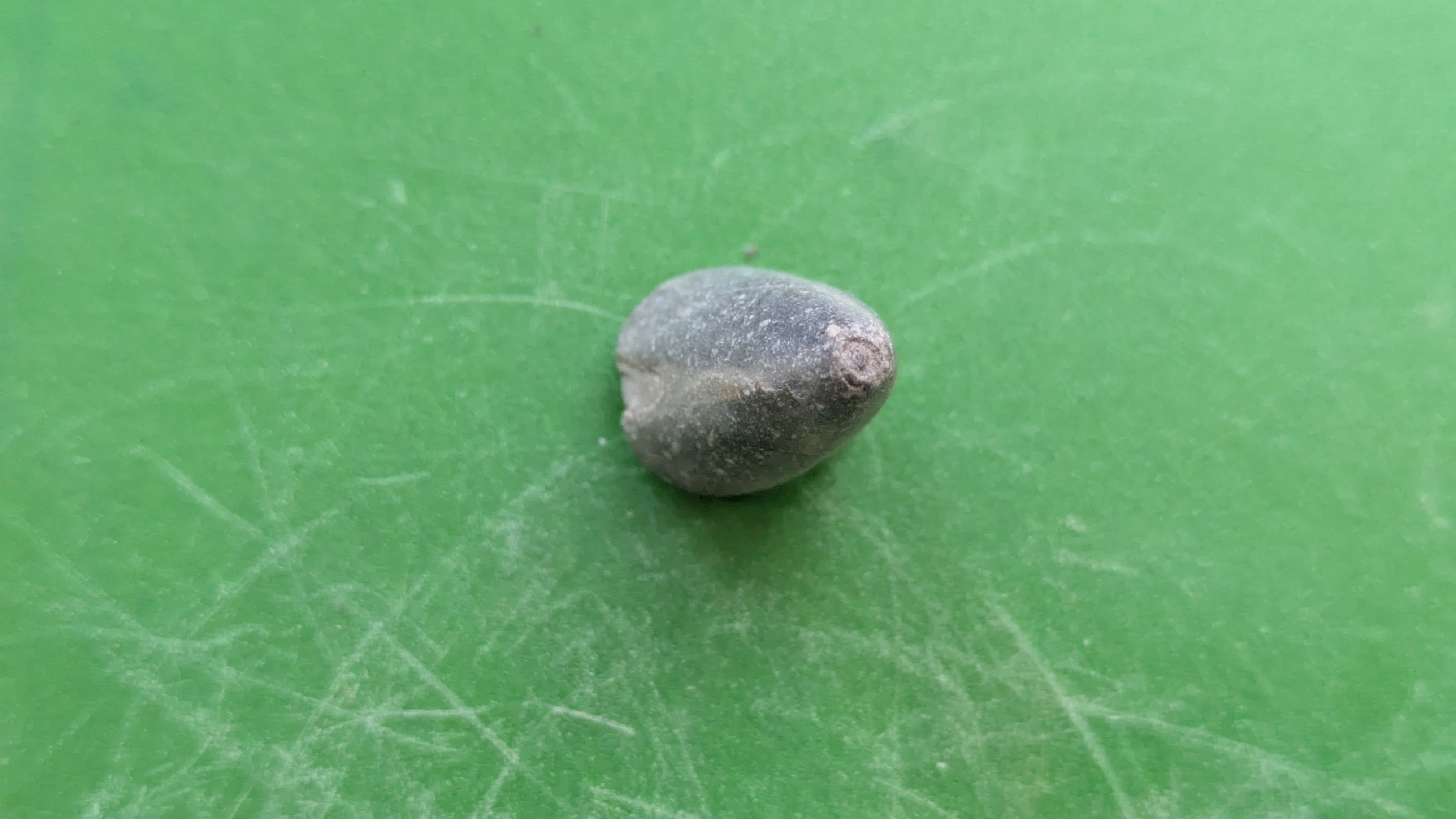

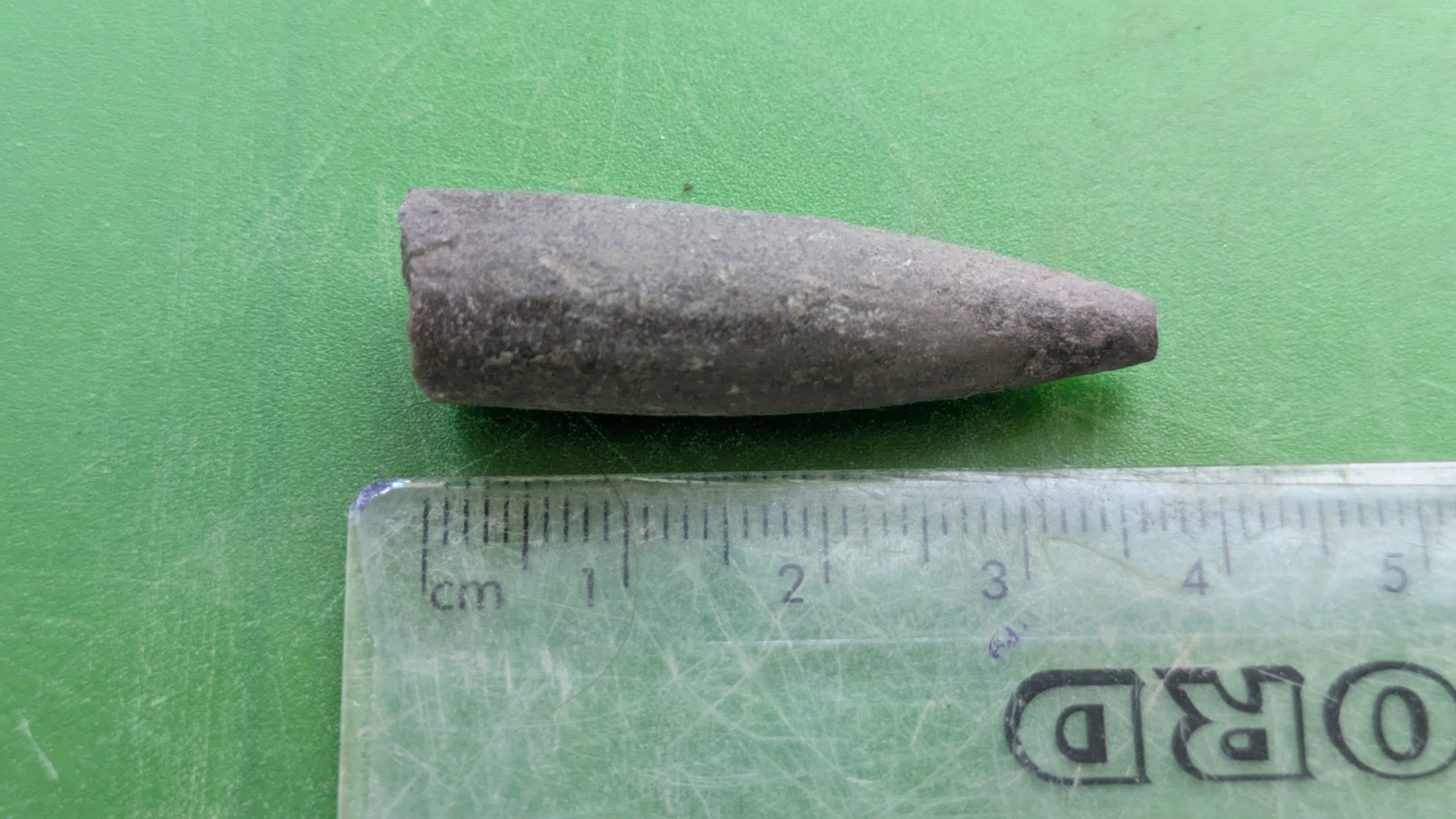
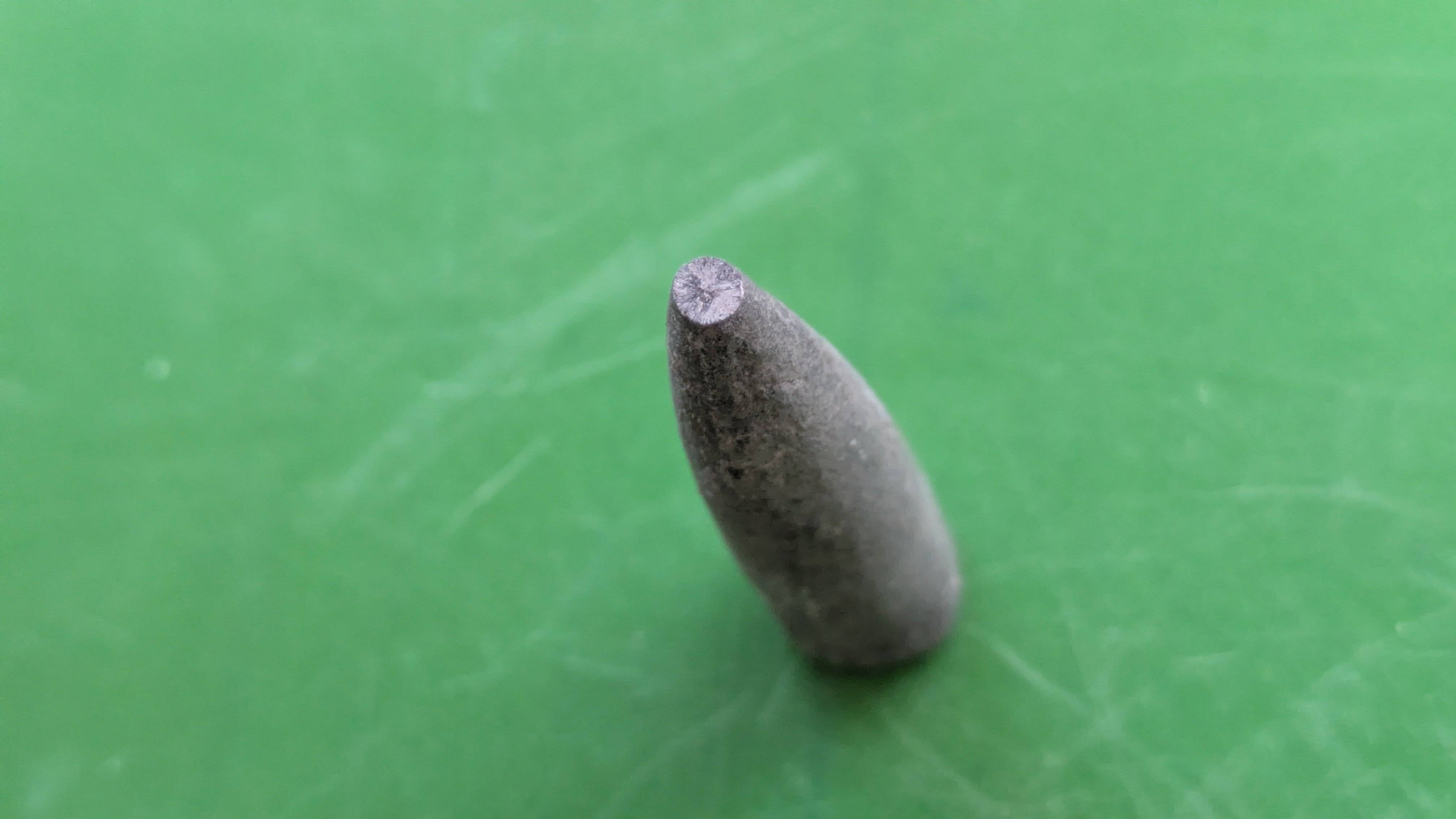
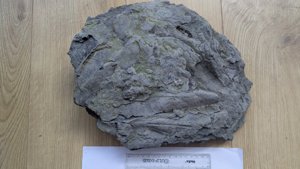
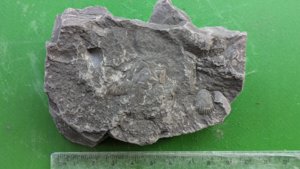
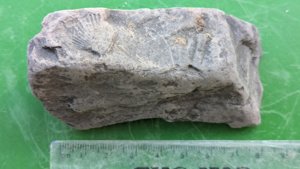
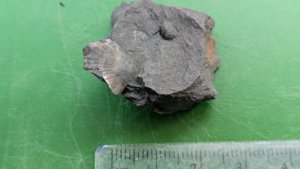
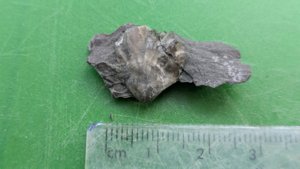
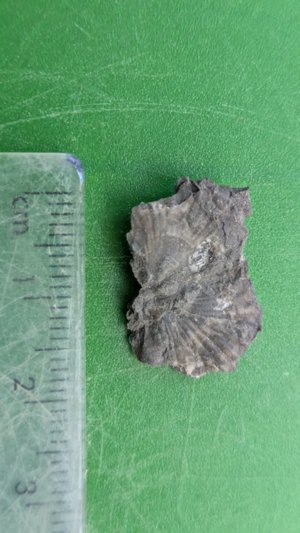
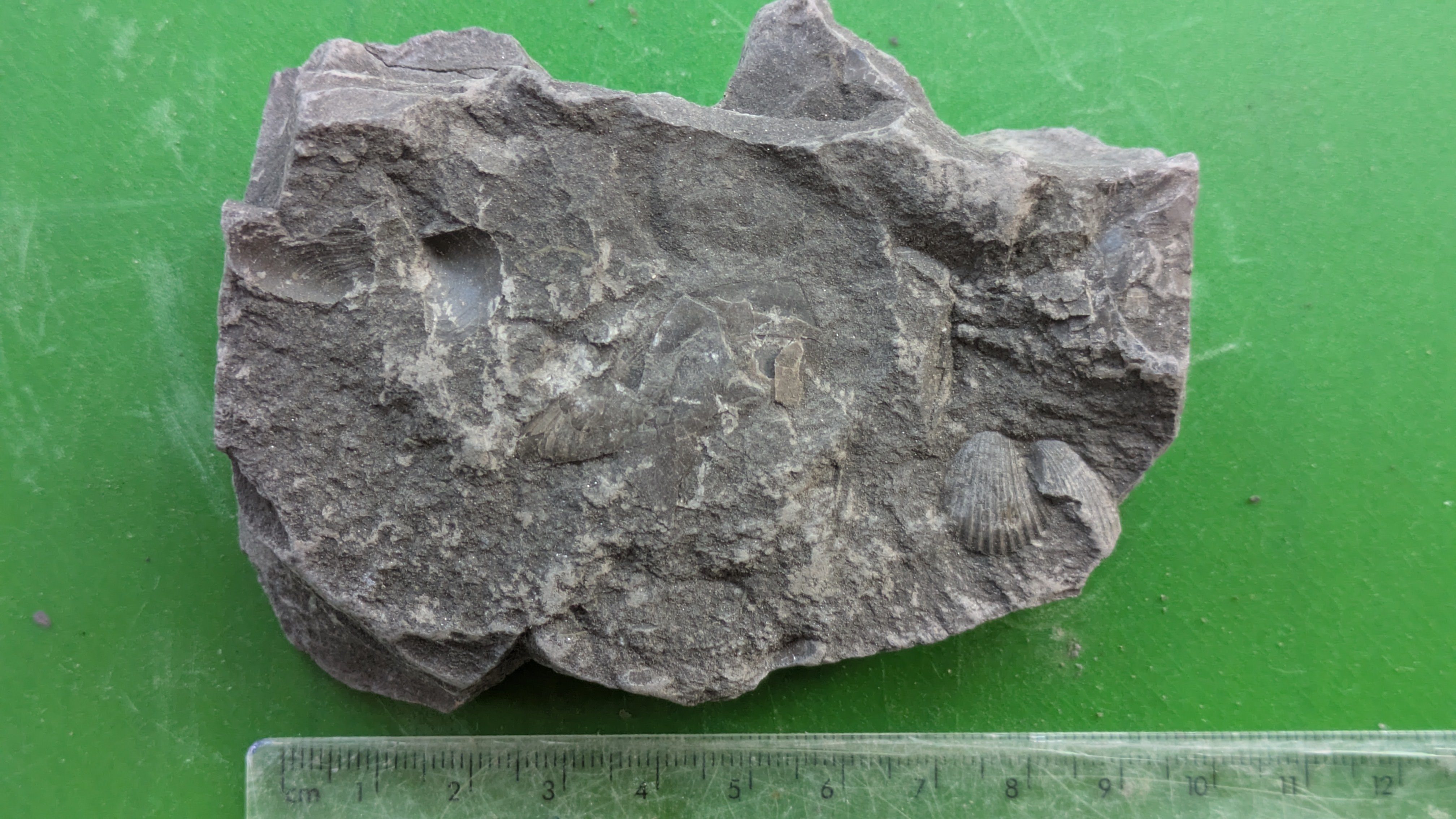
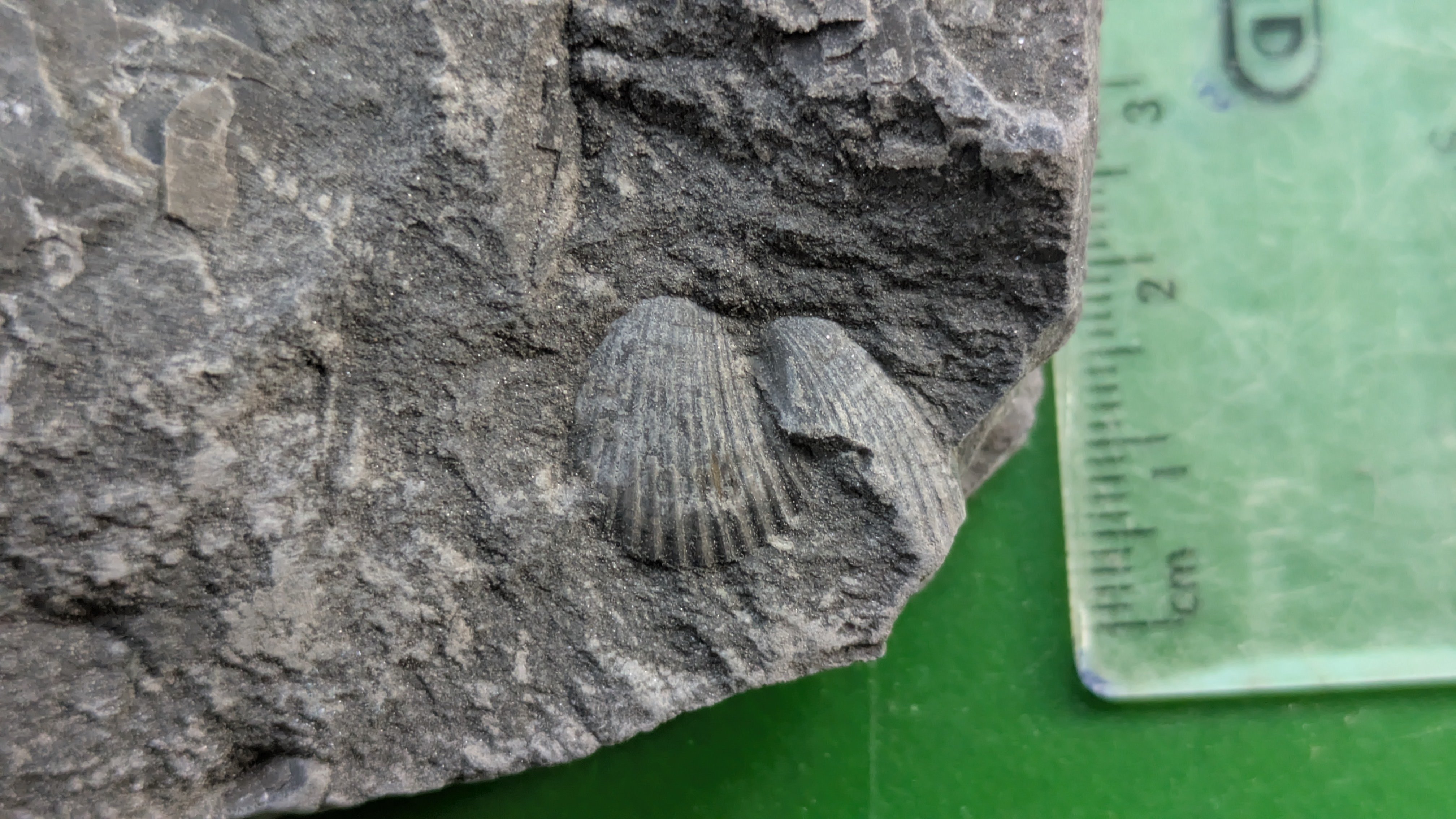
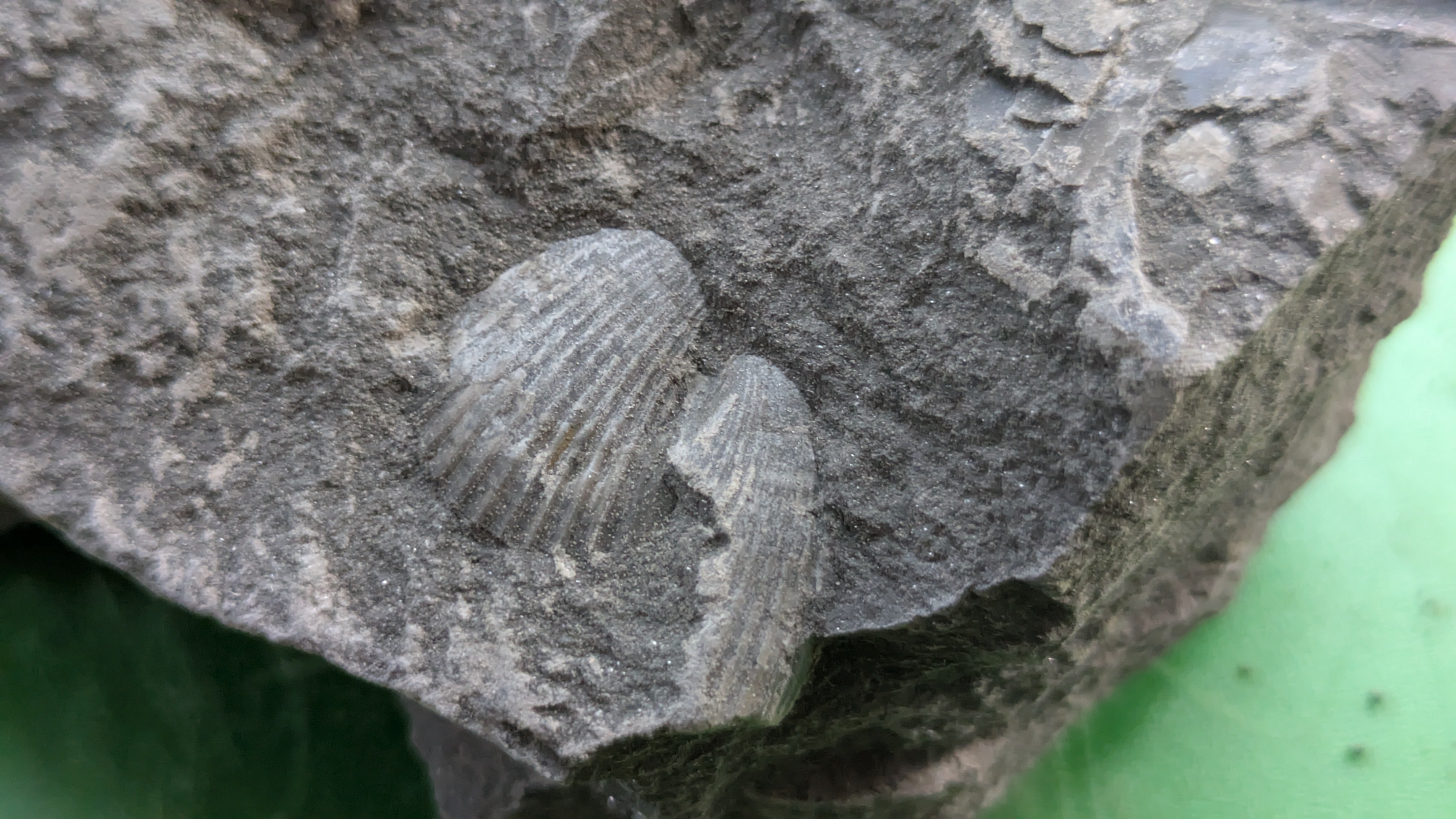
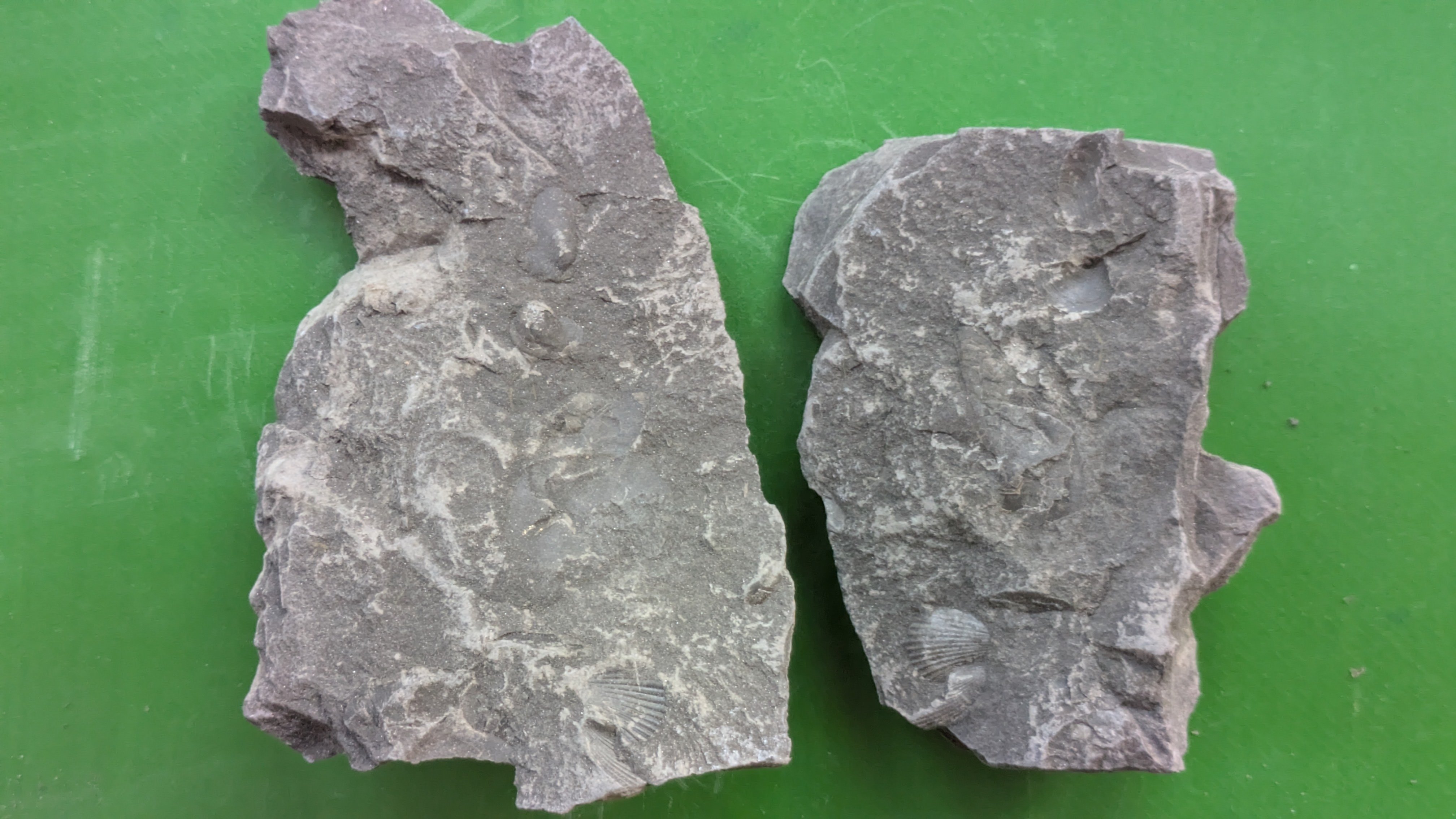
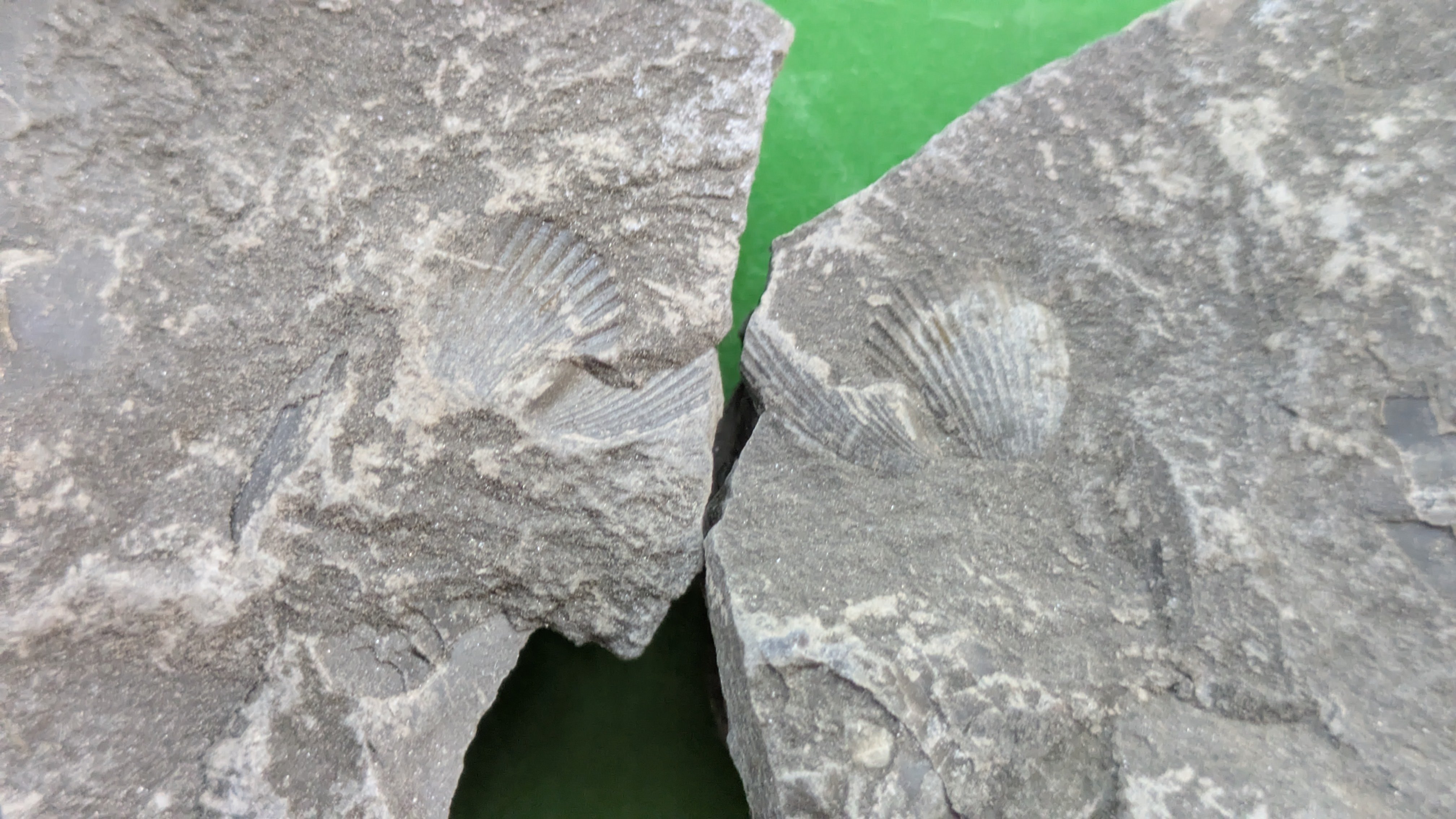
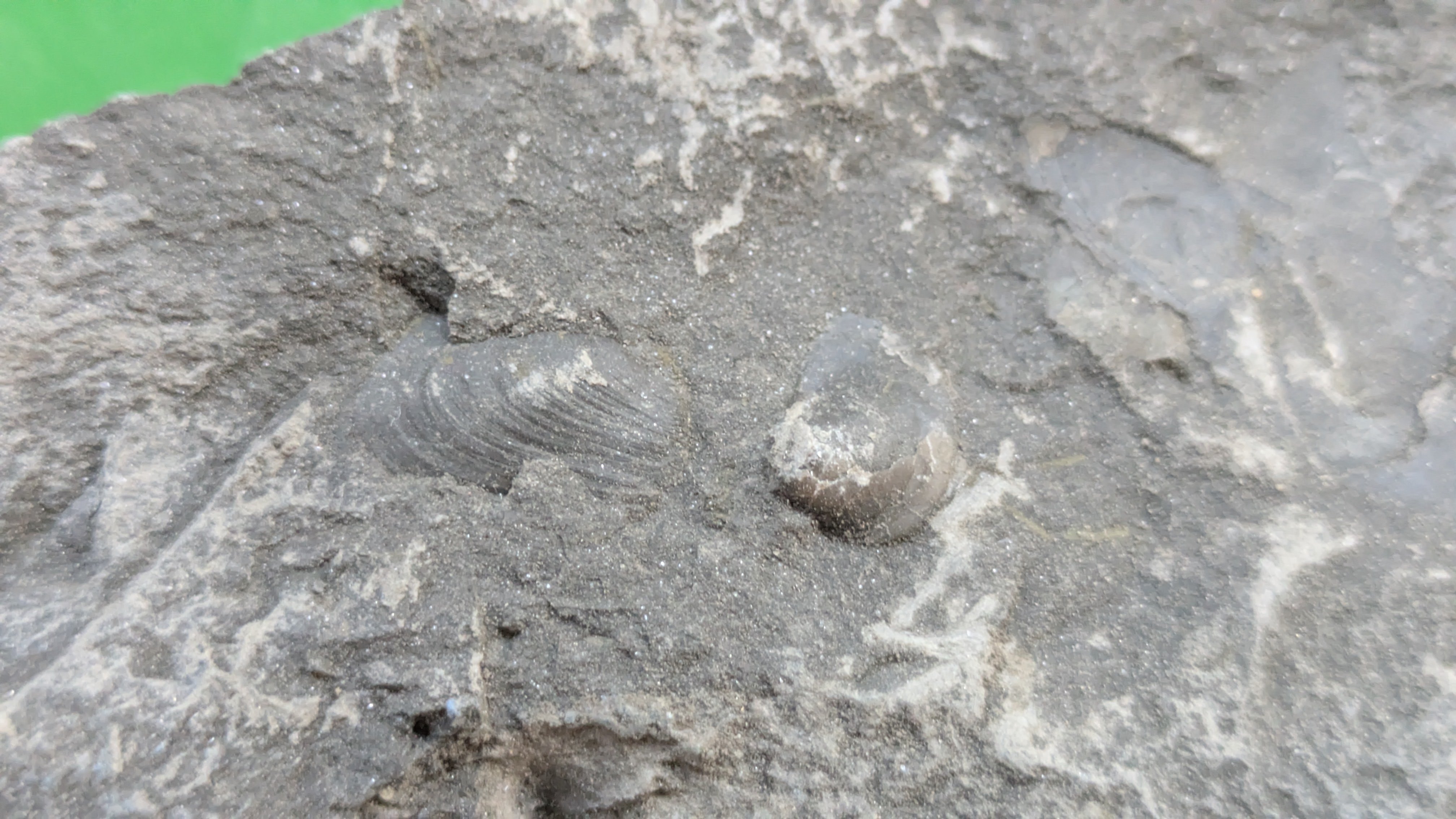
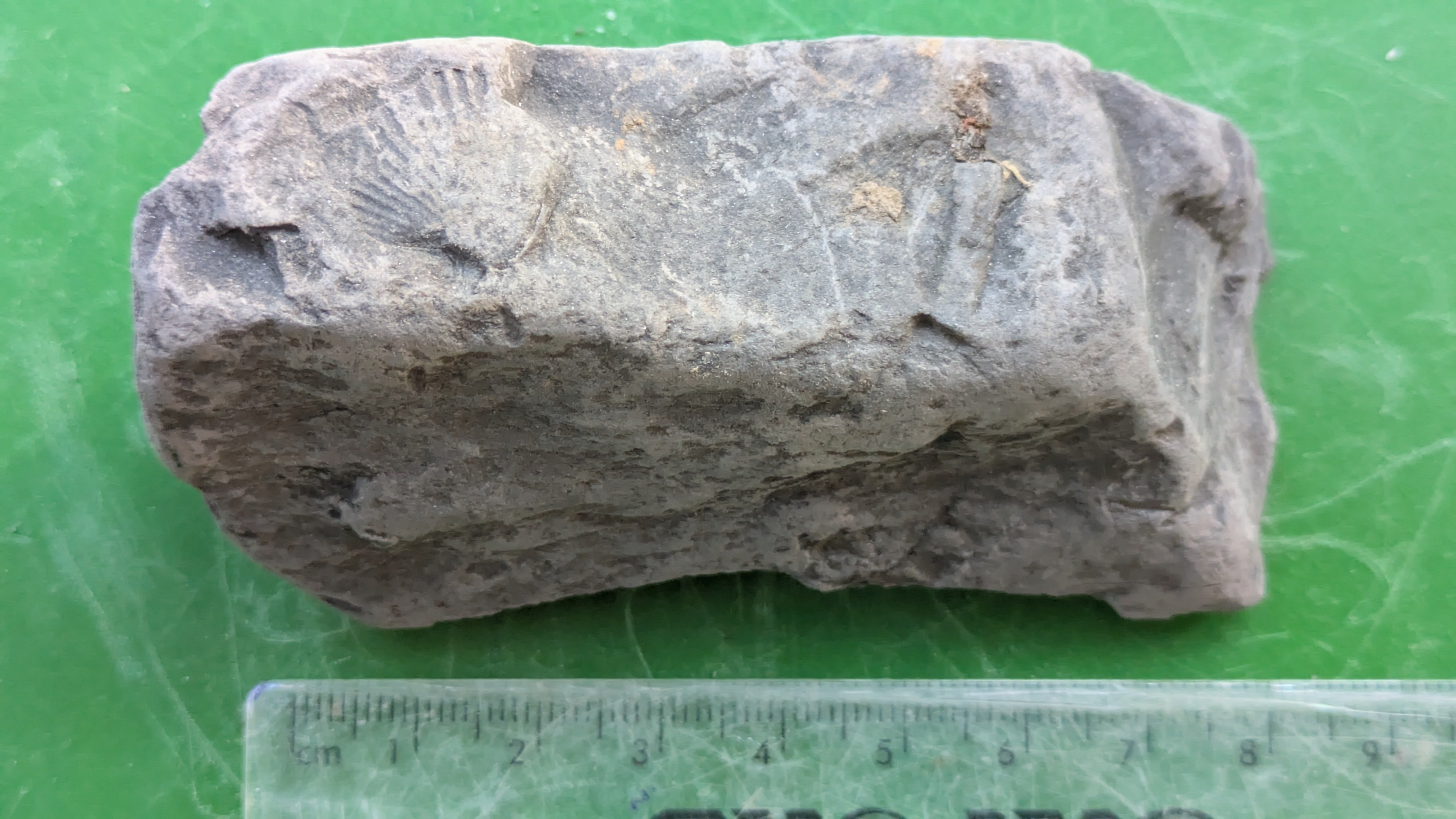
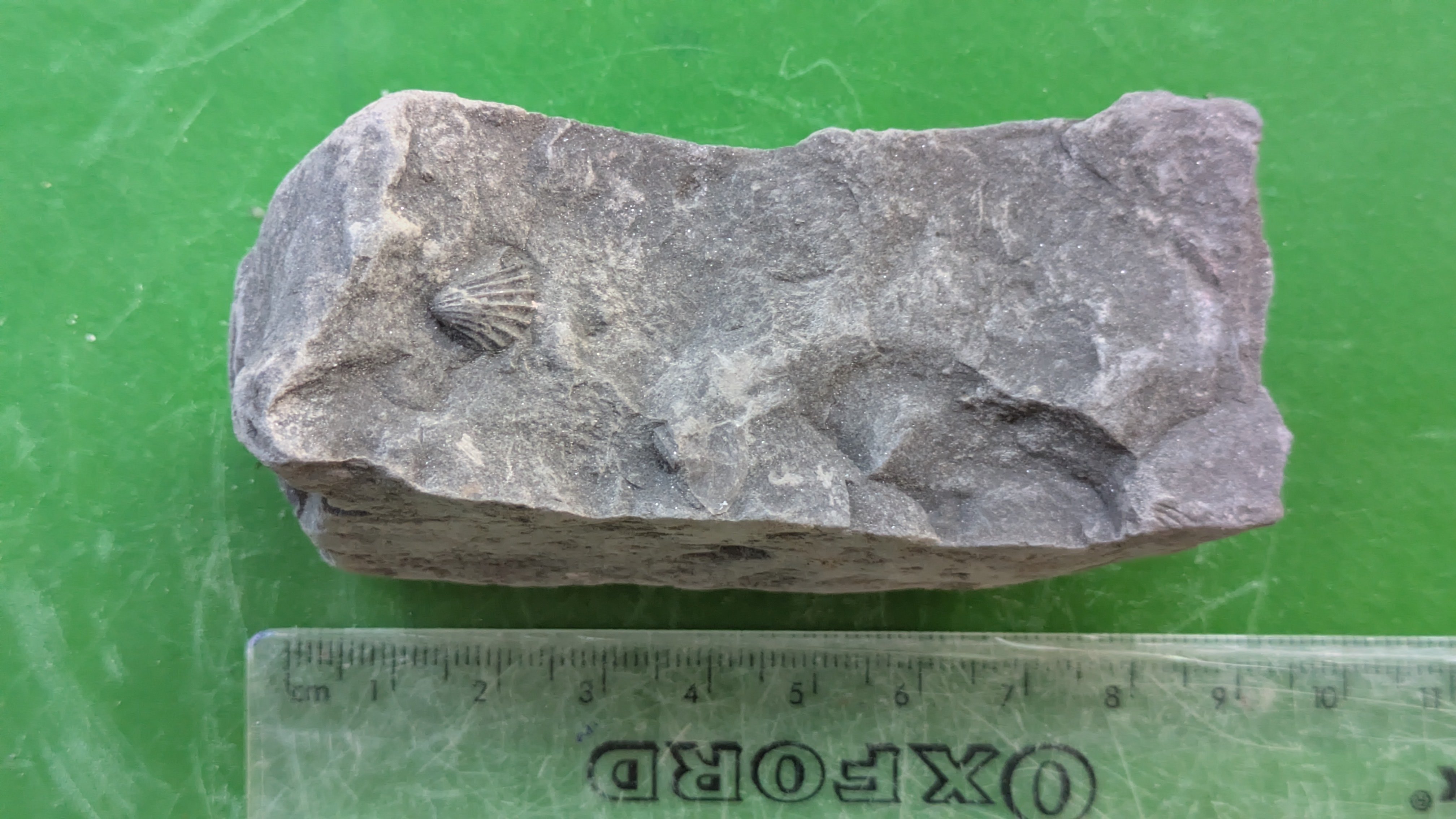
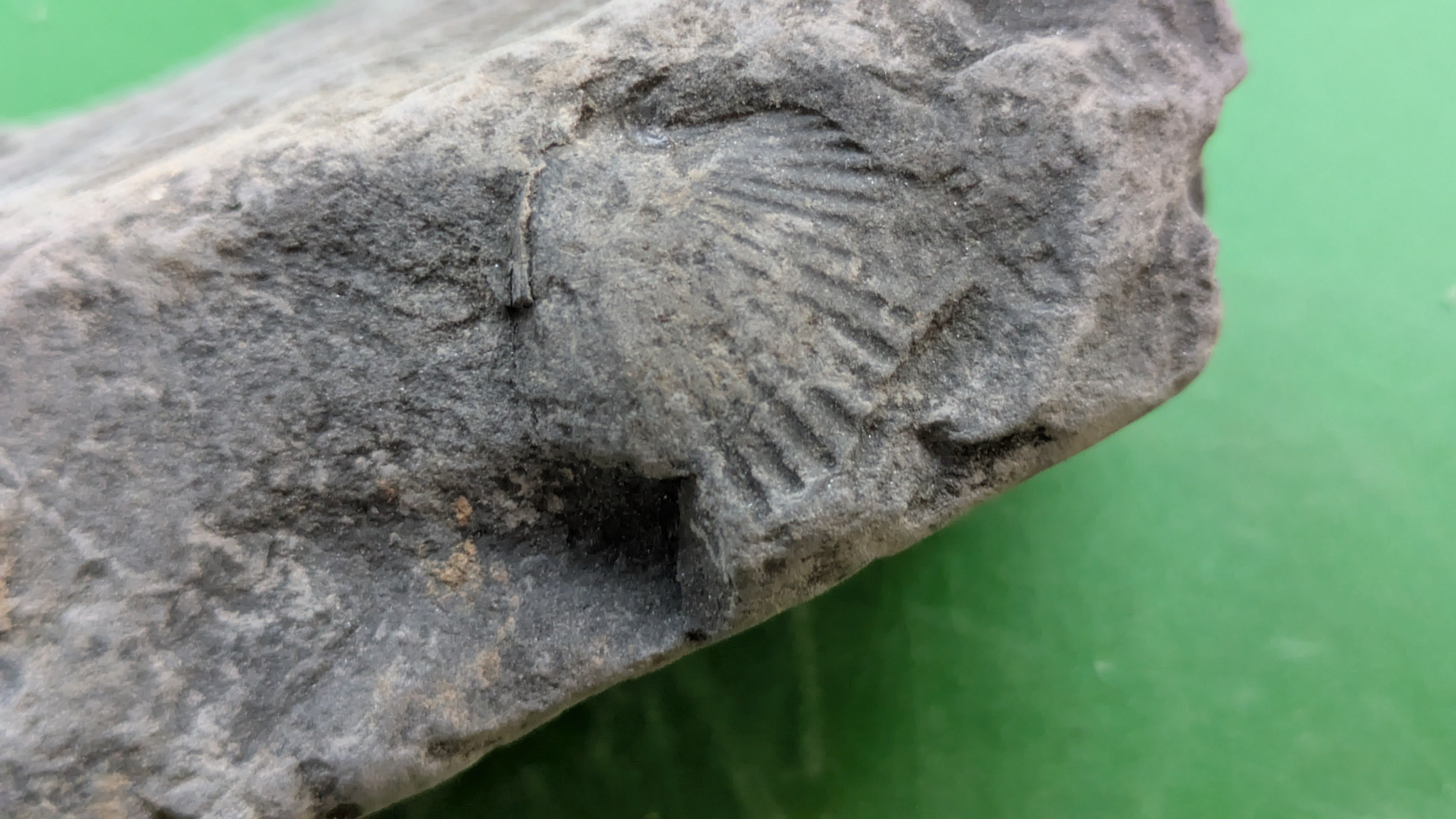
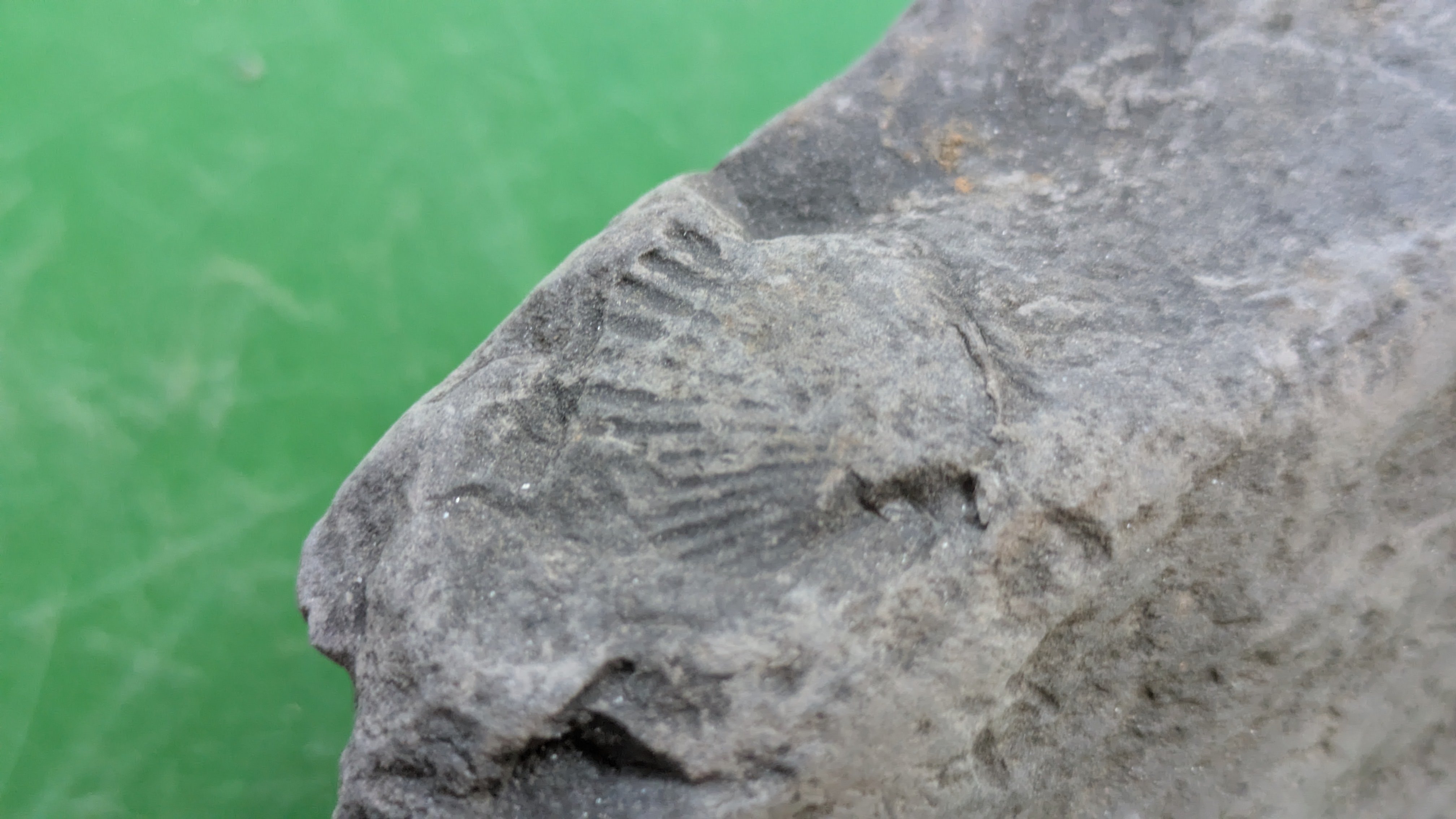
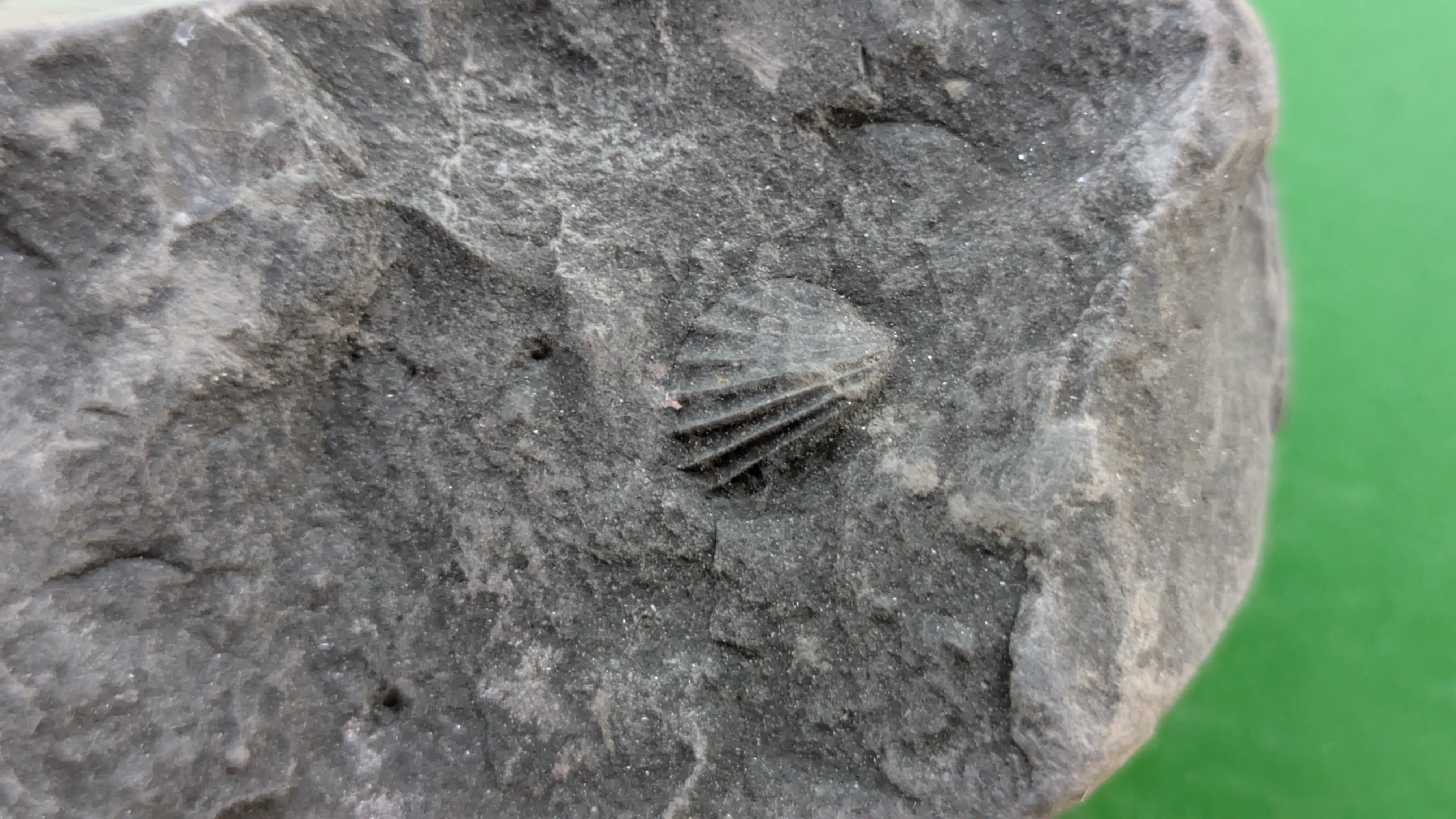
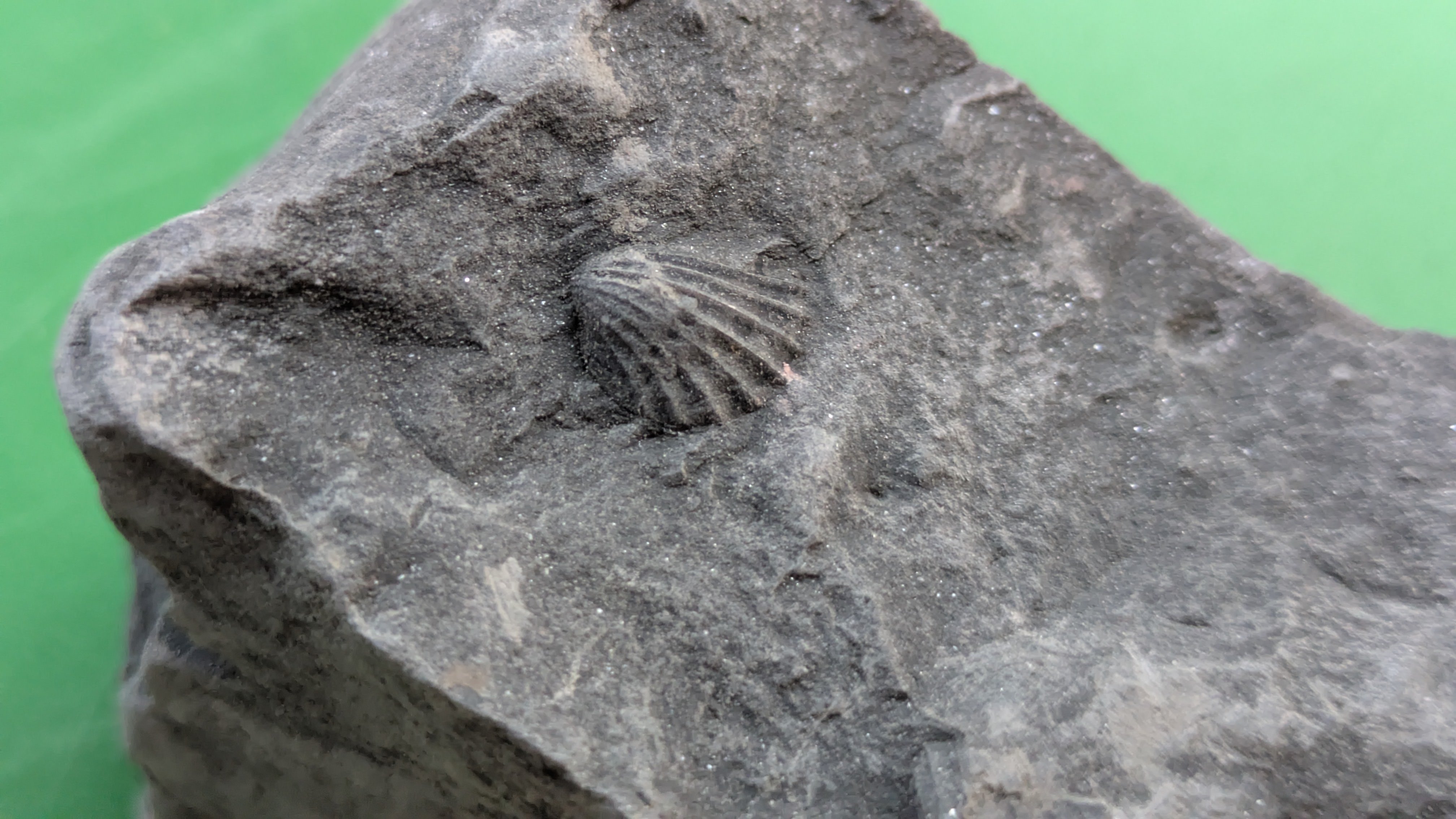
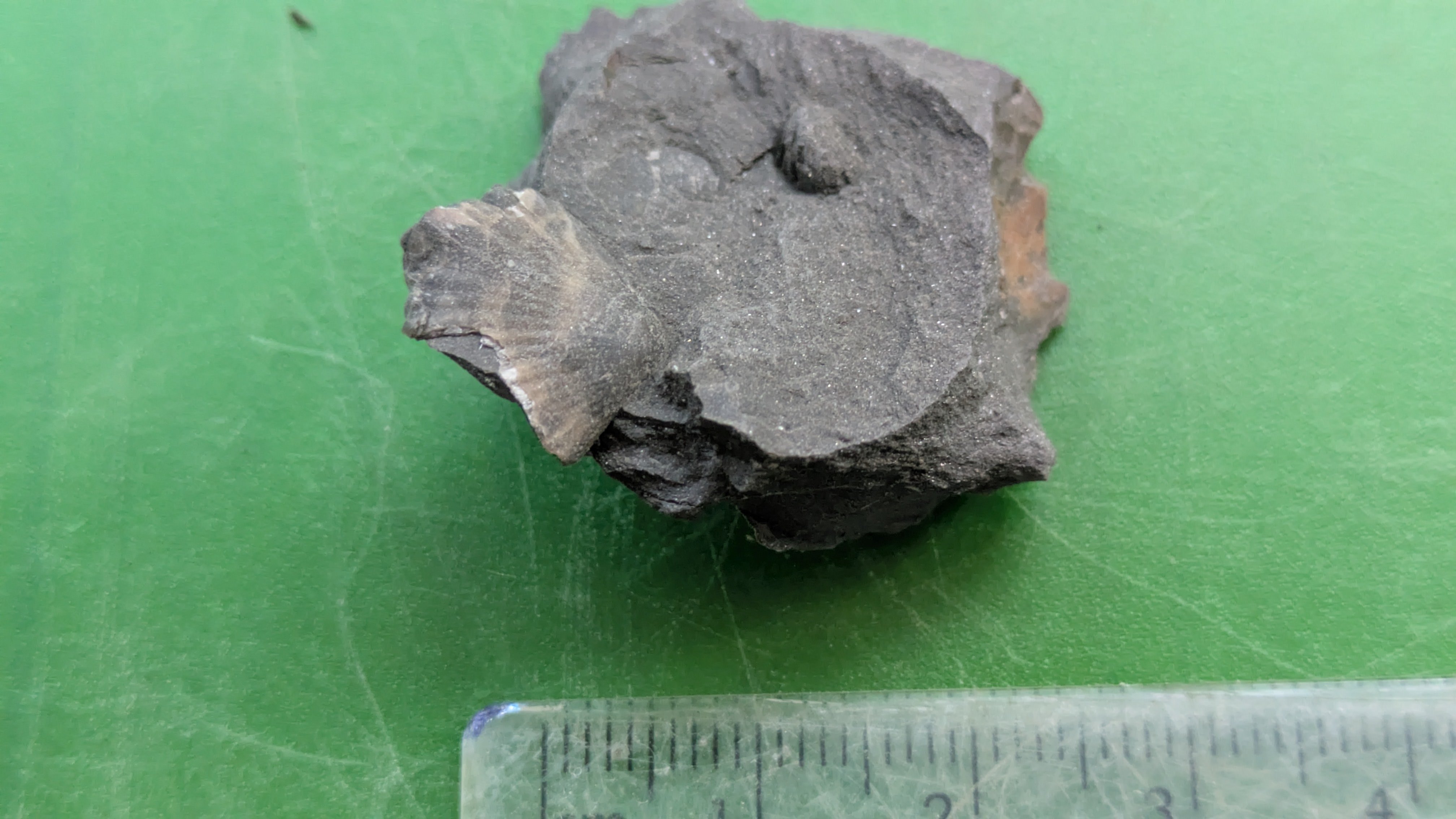
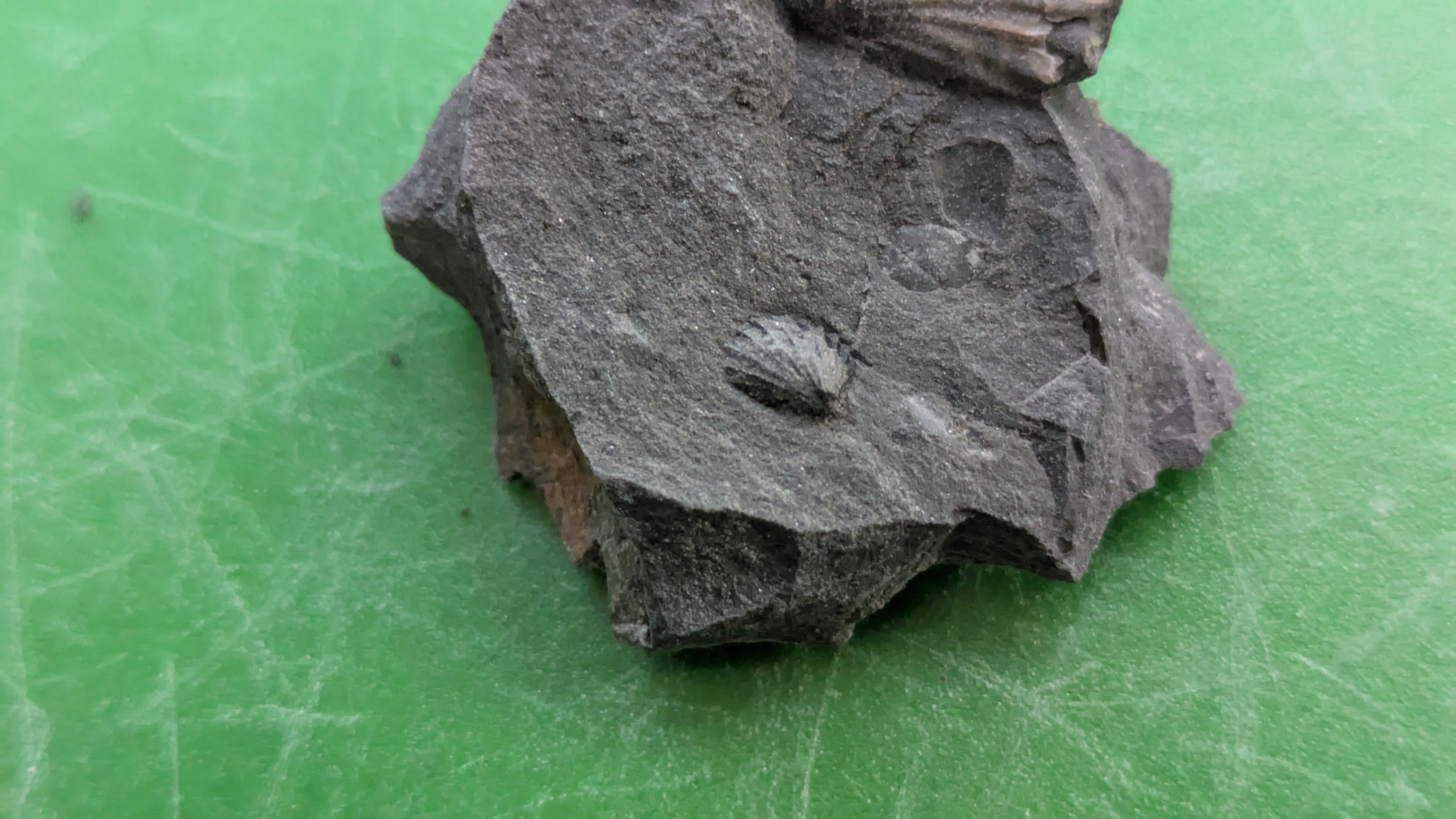
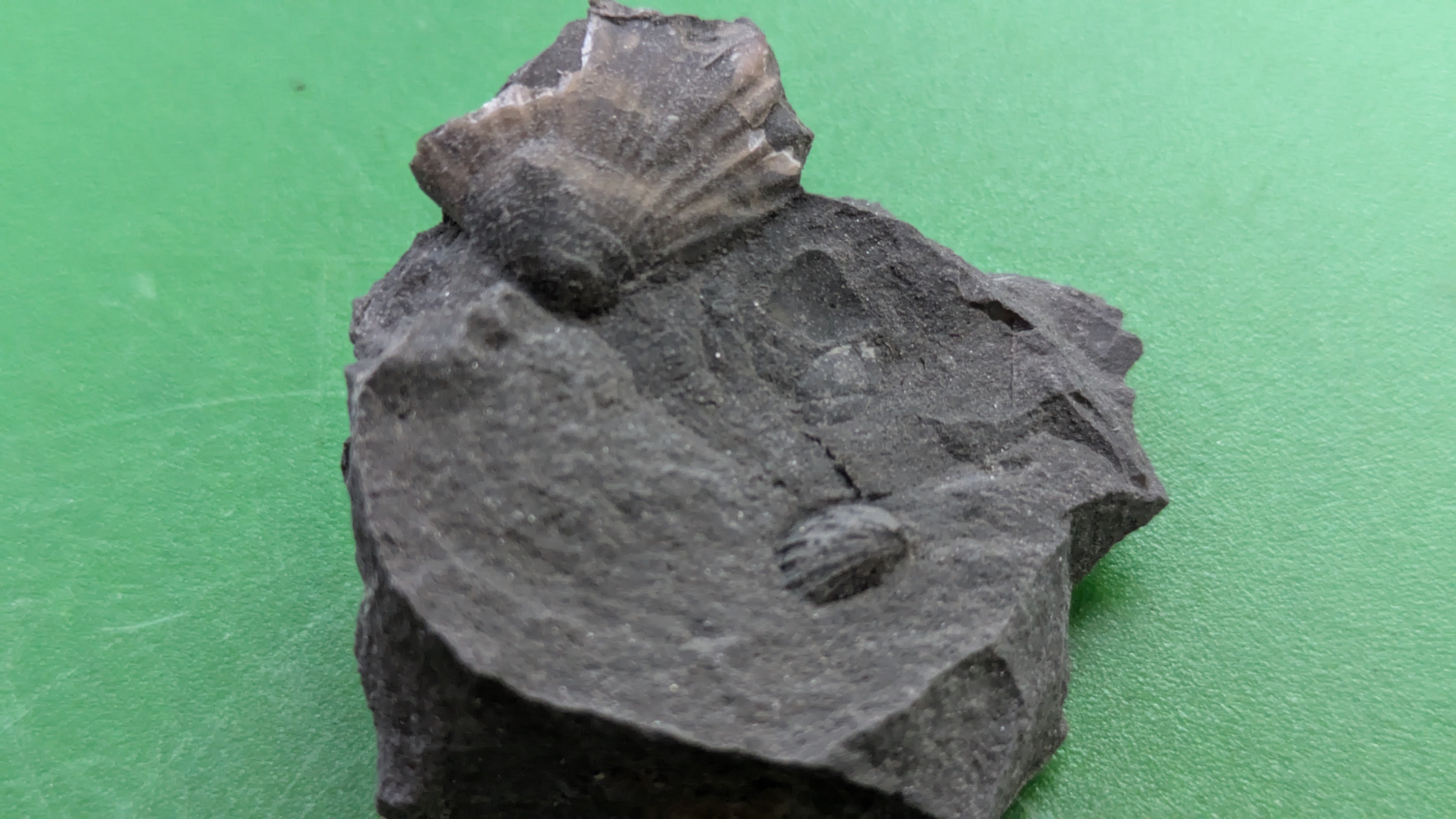
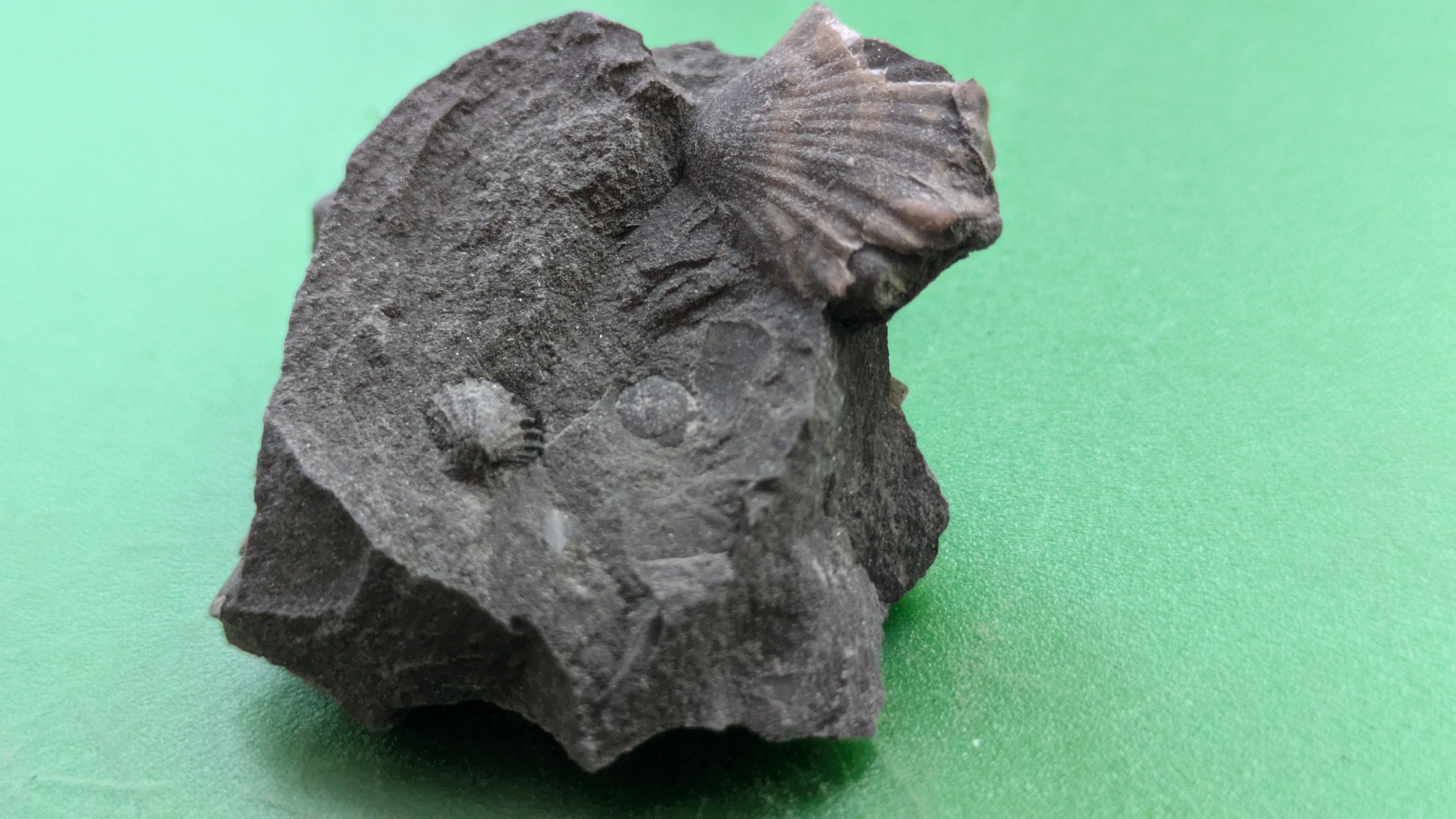
Bivalvia
7 specimens


Bivalvia
7 specimens


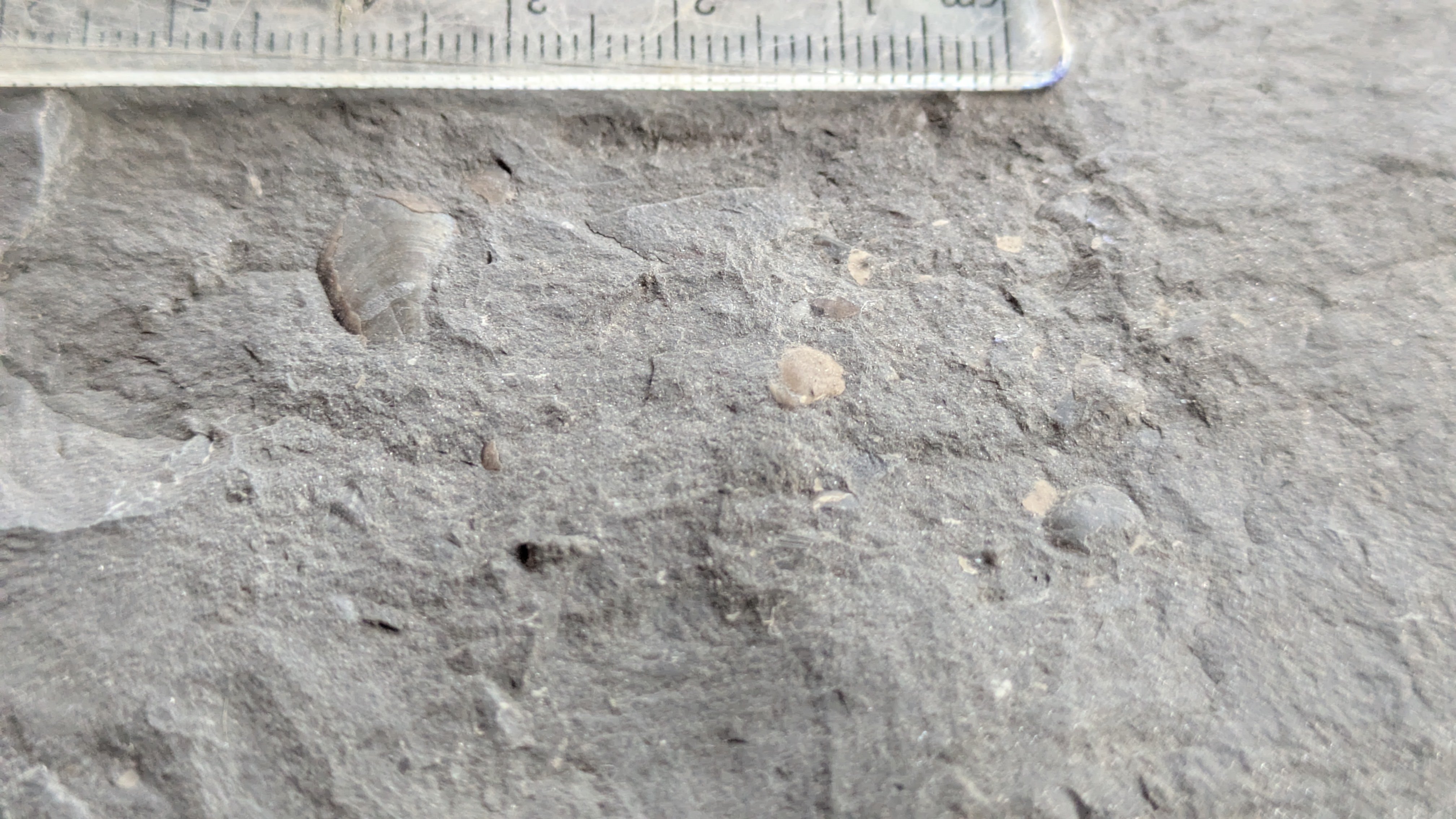
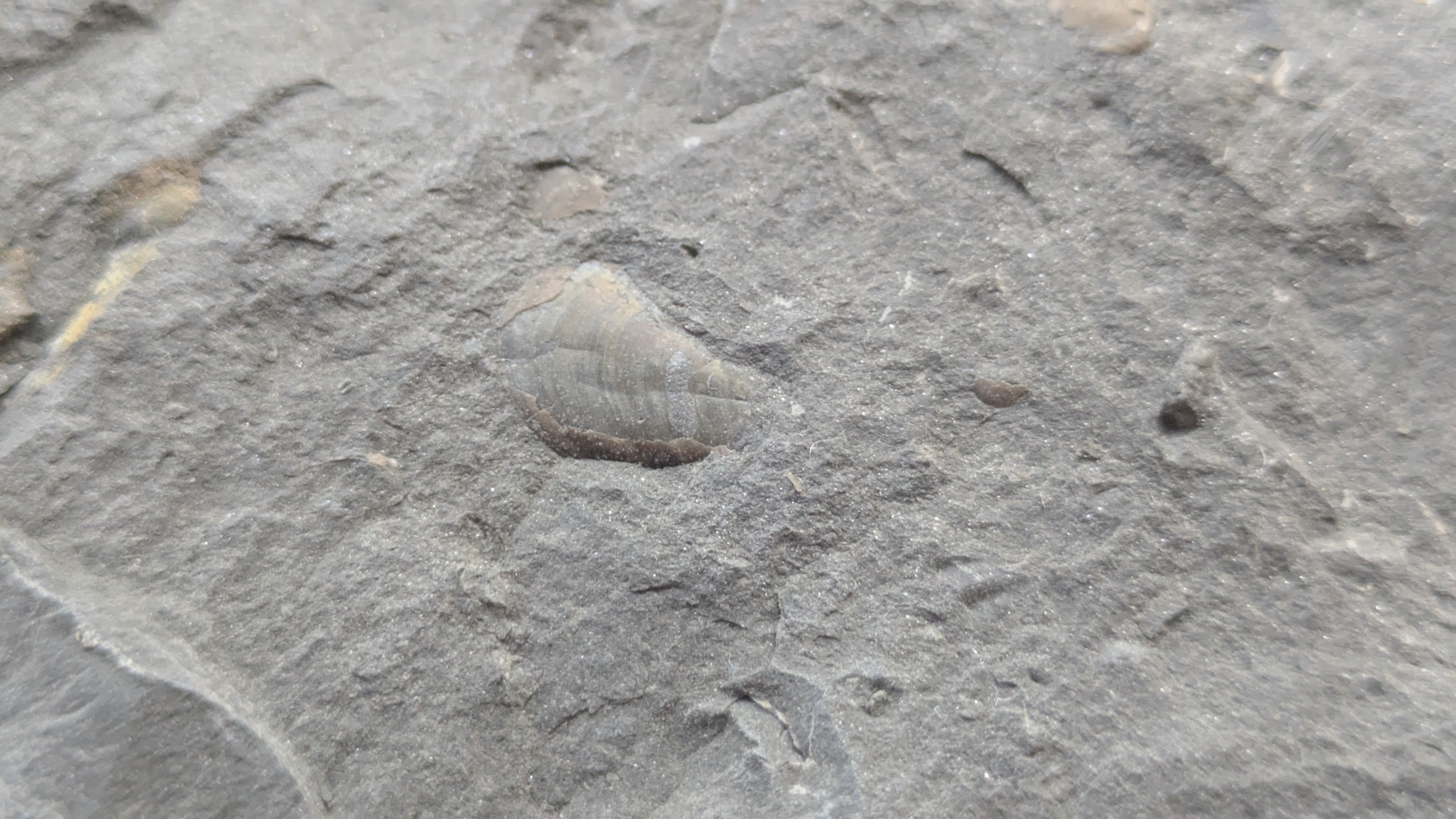




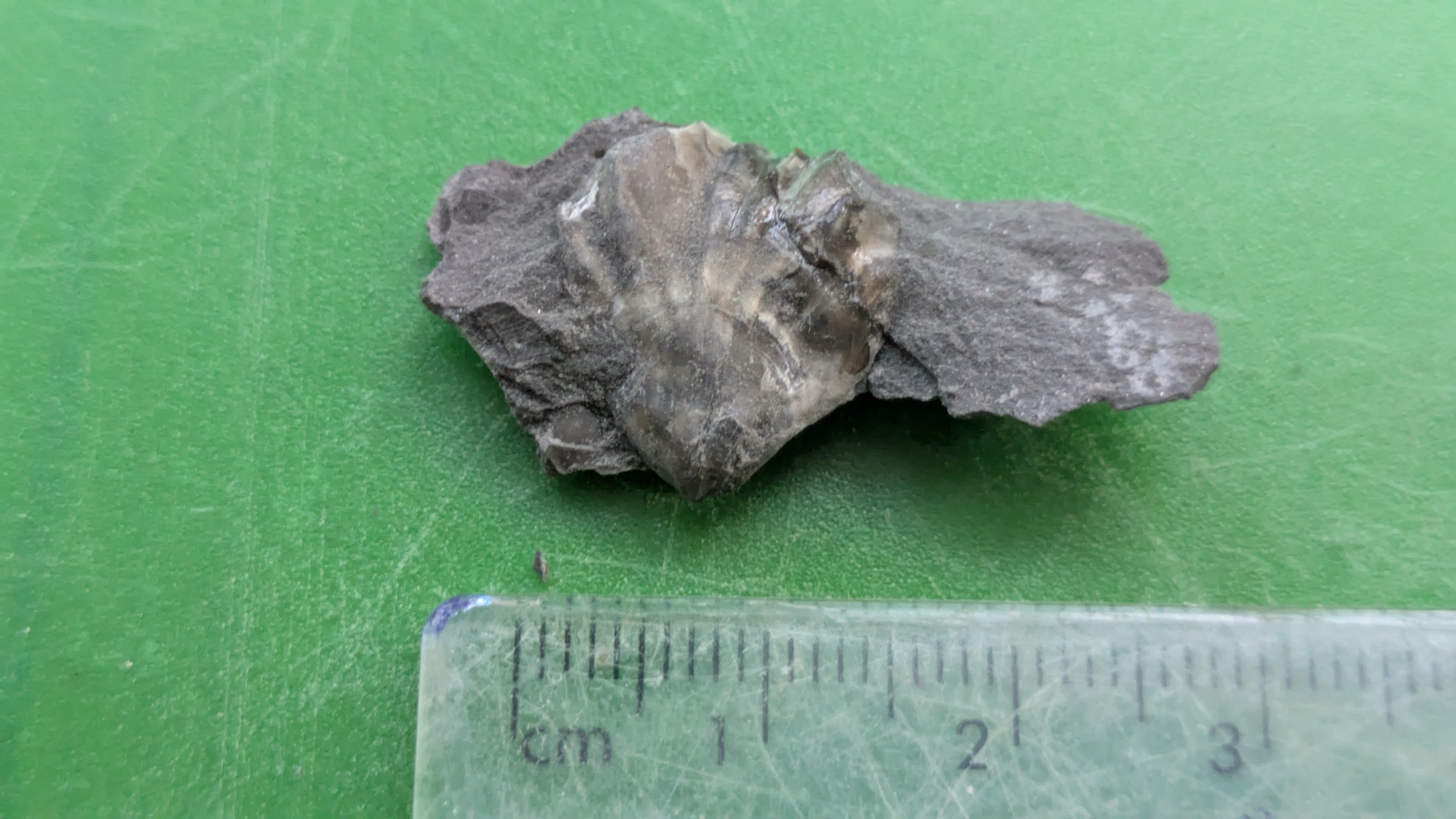
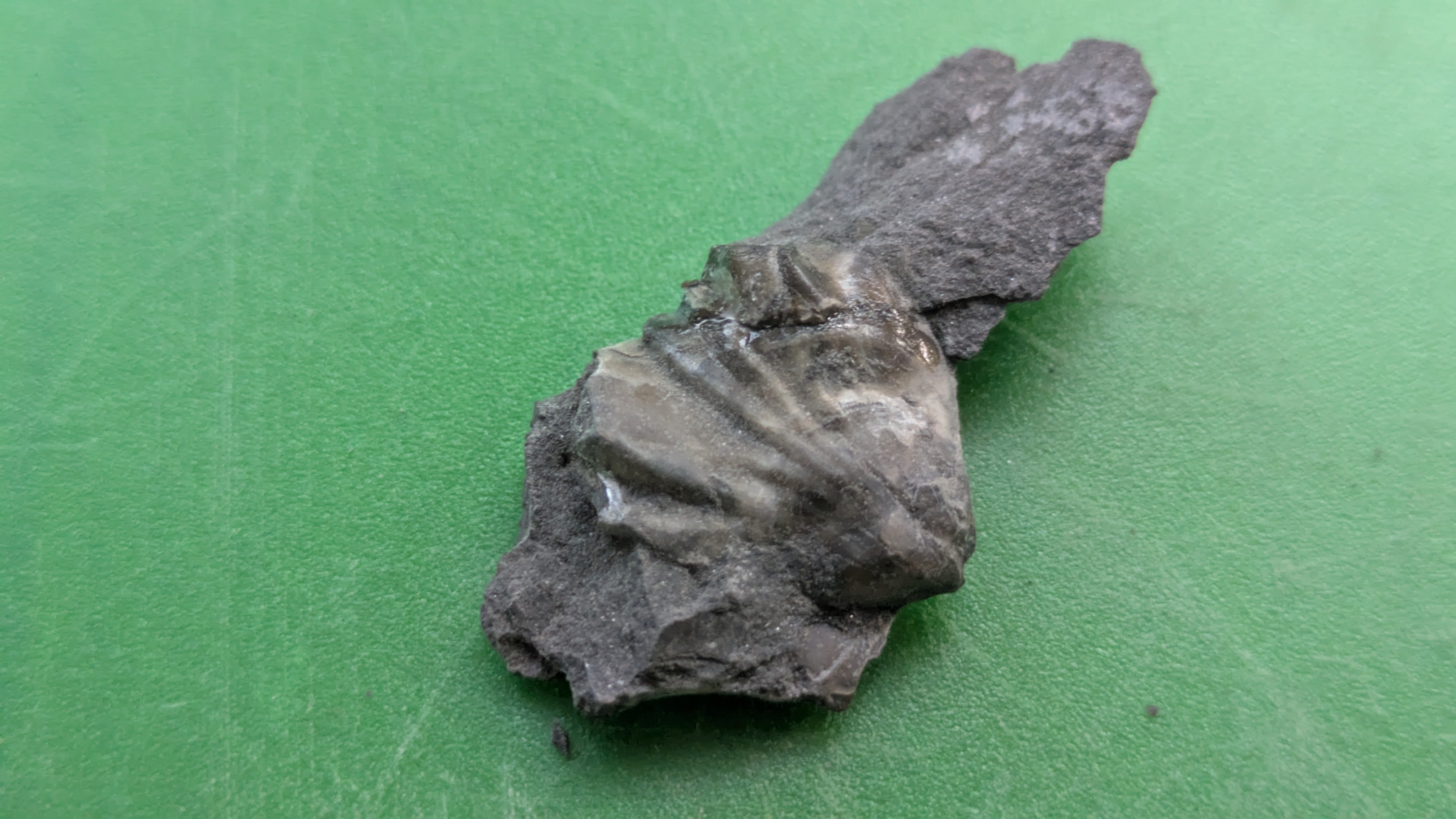
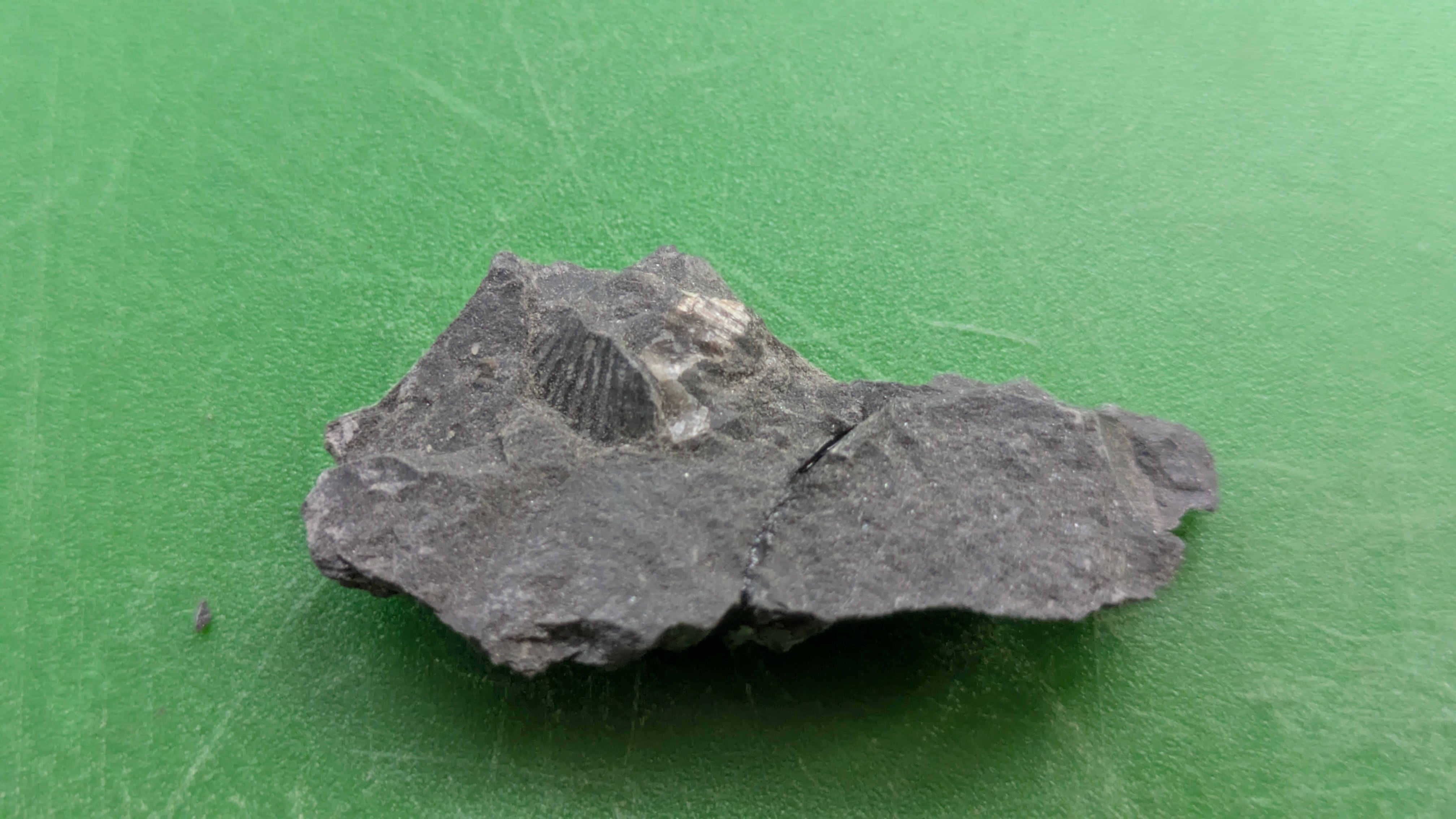
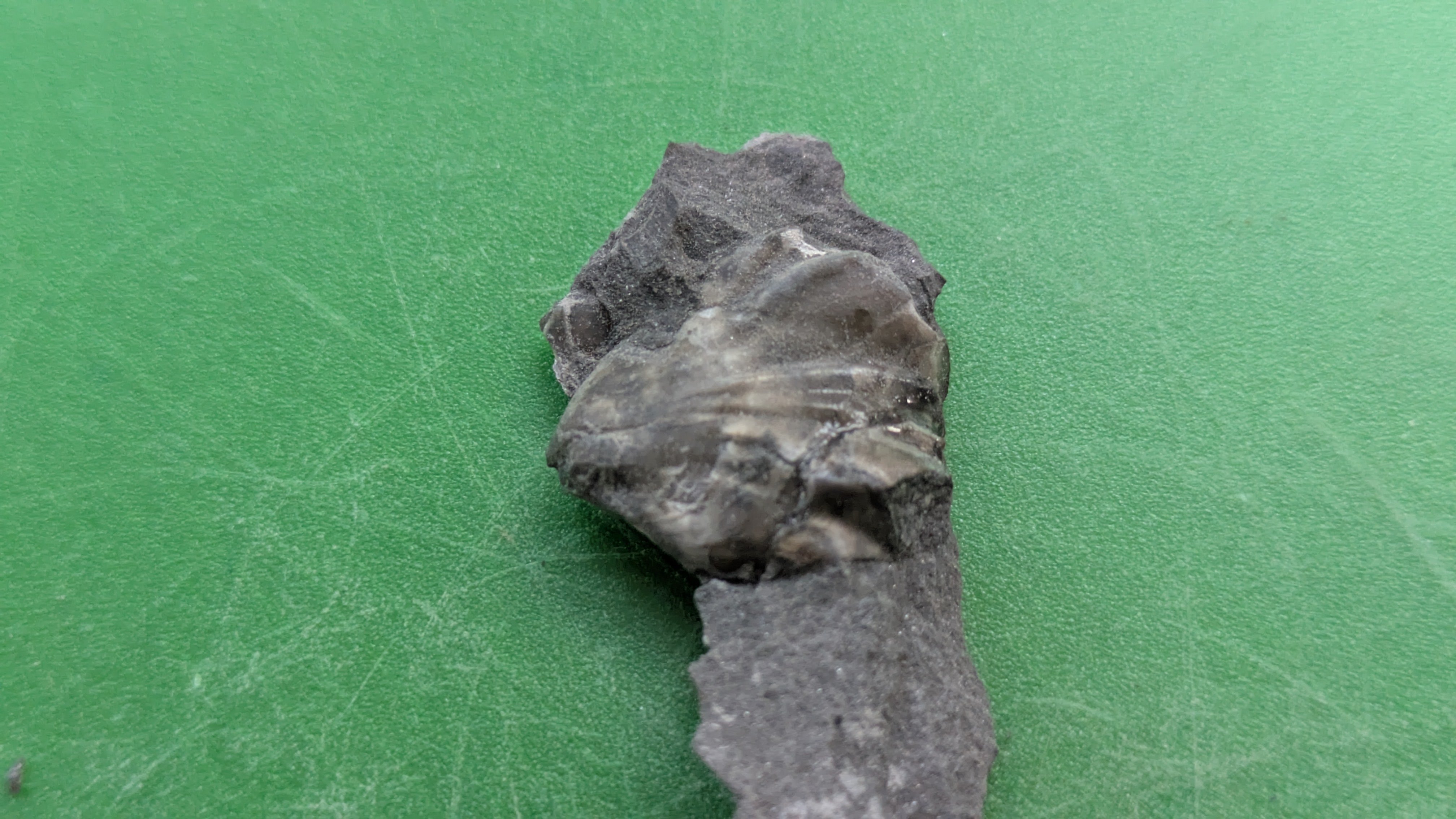

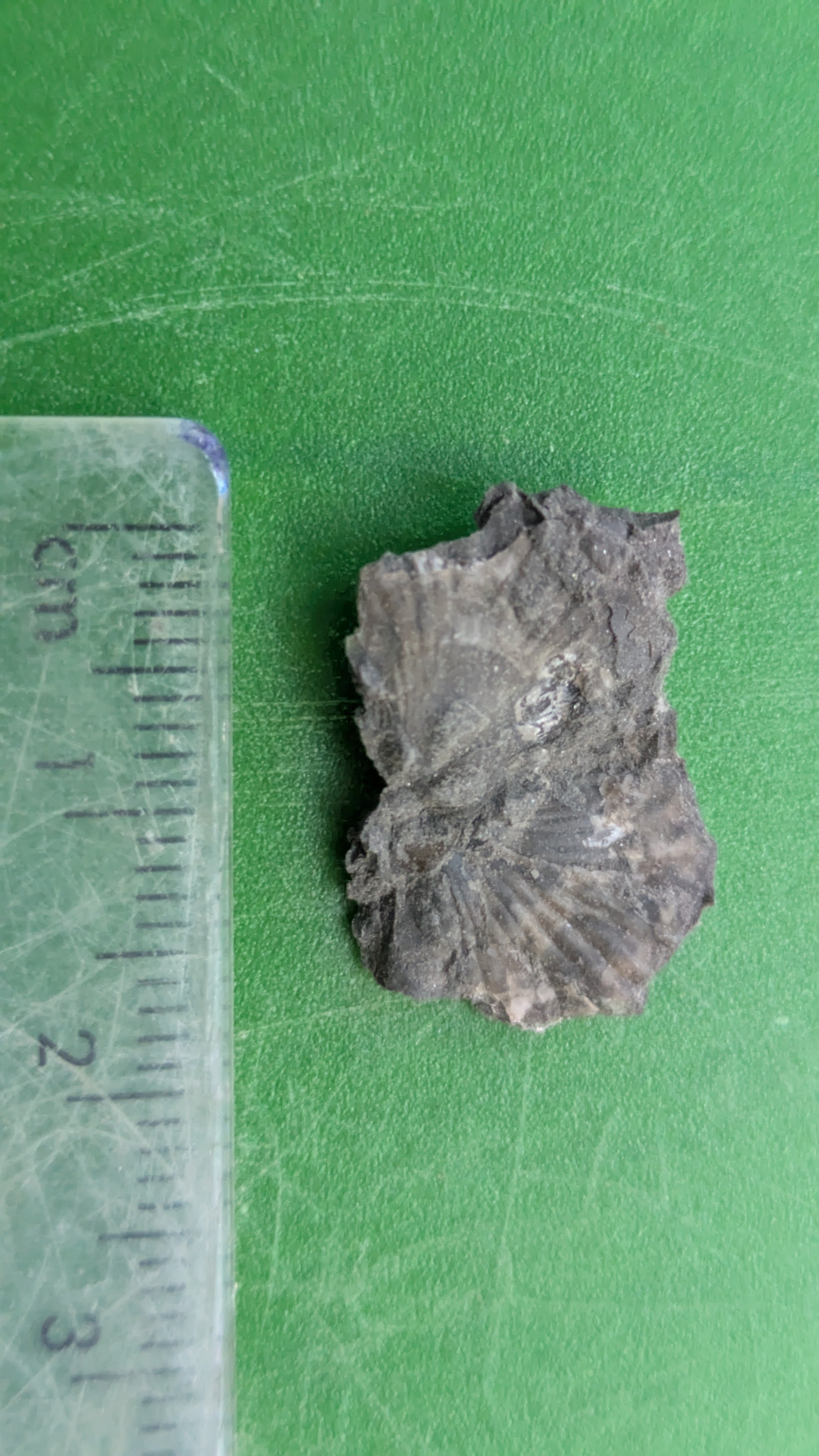
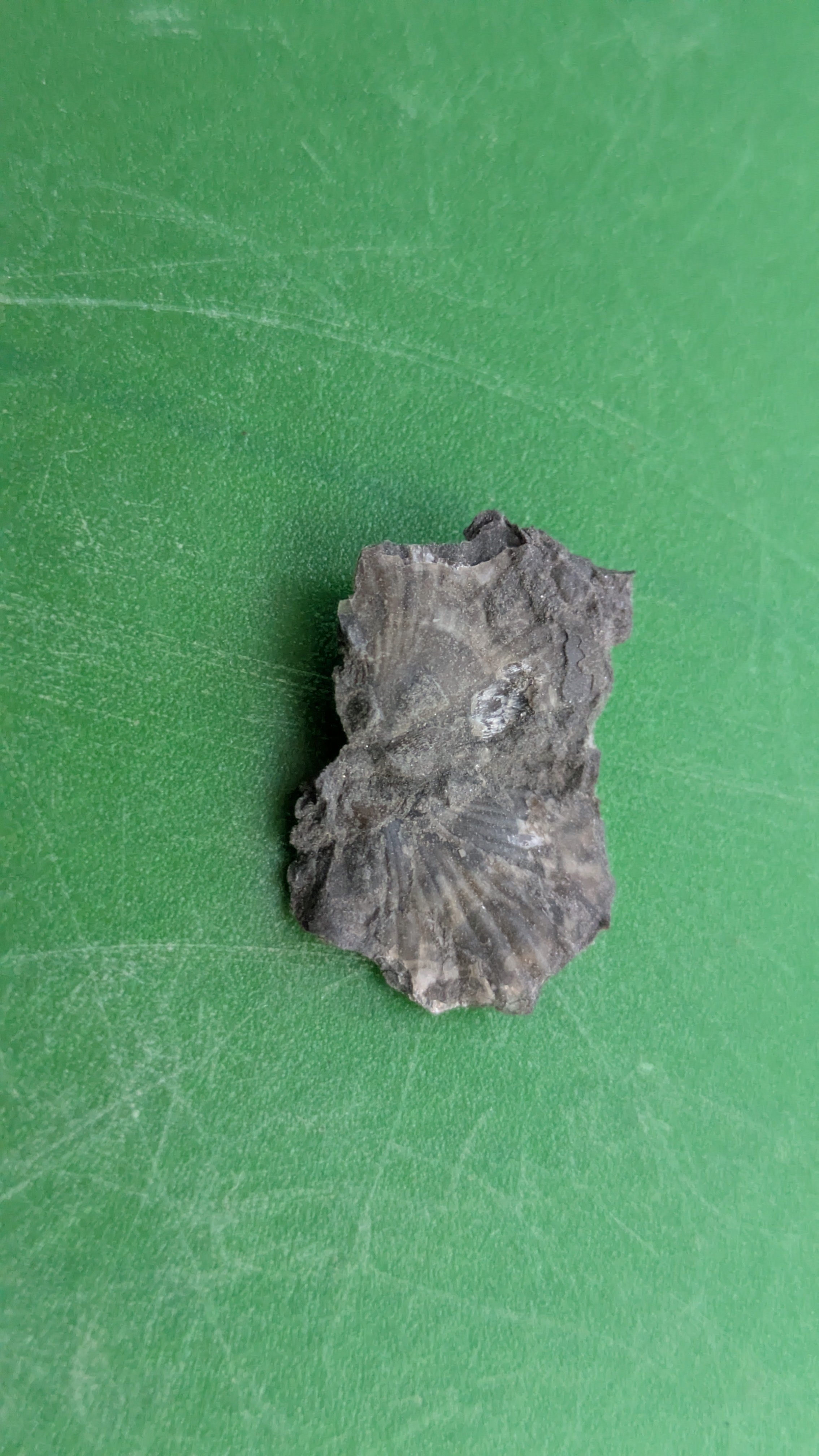
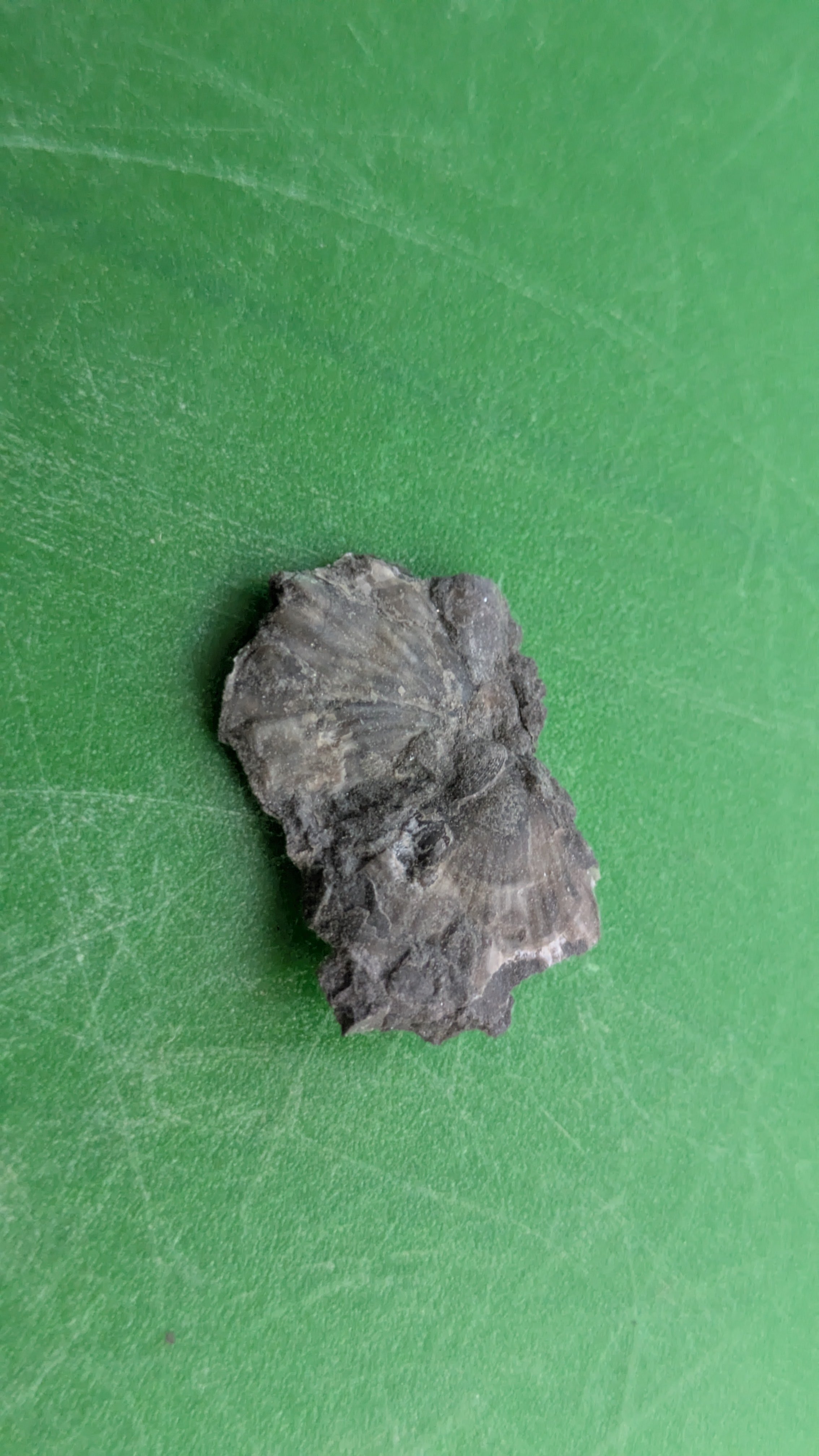
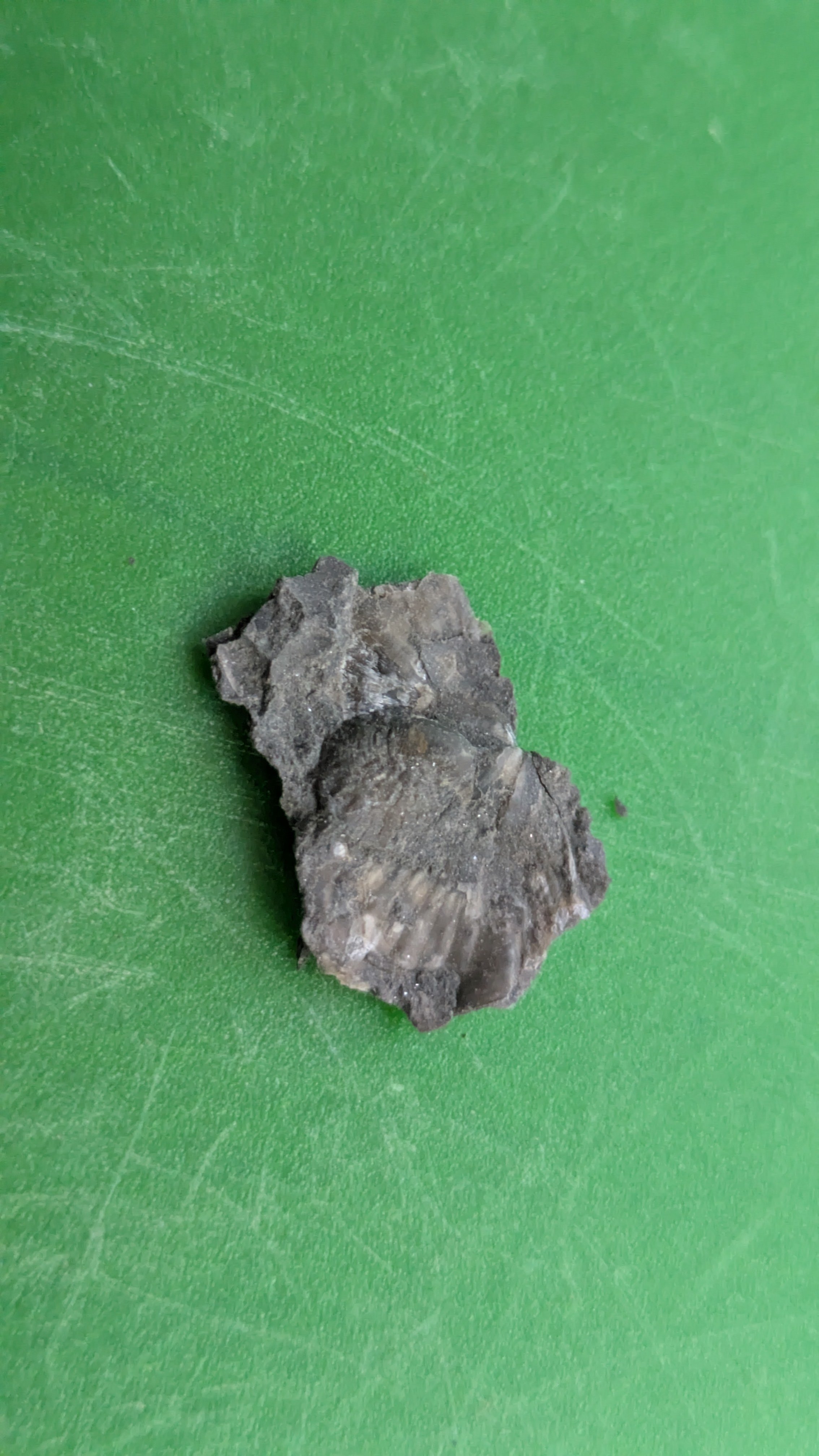


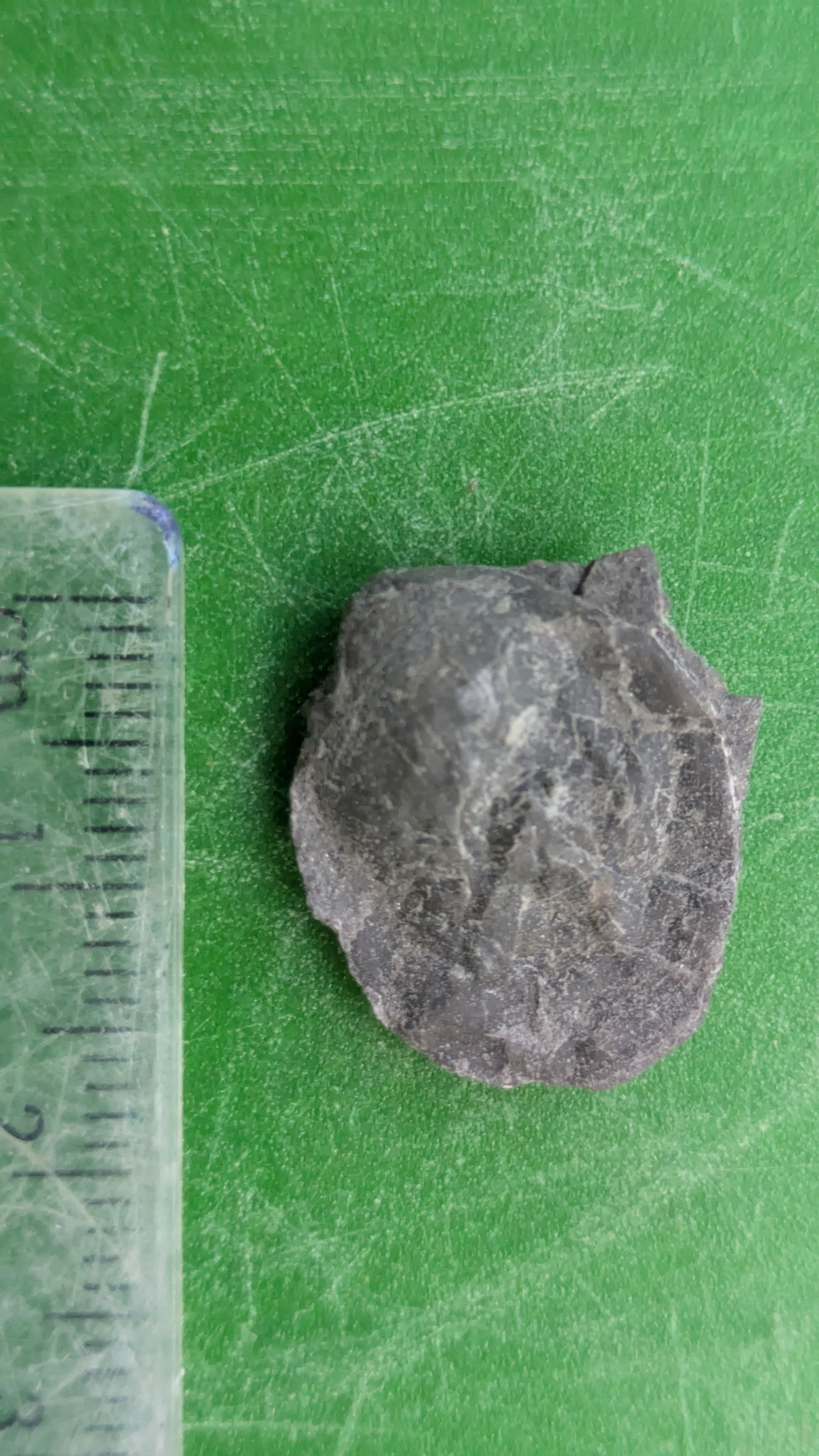
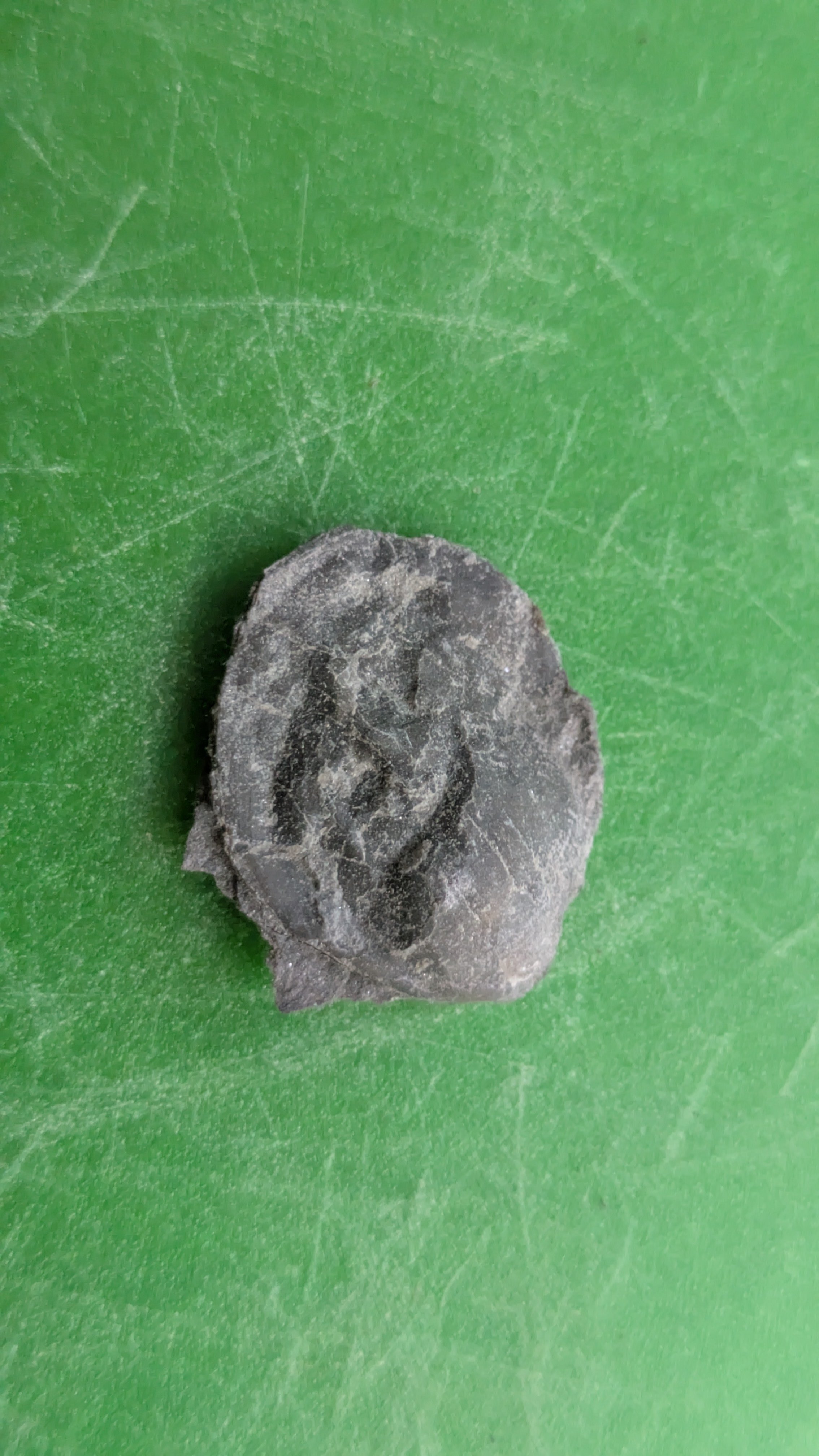
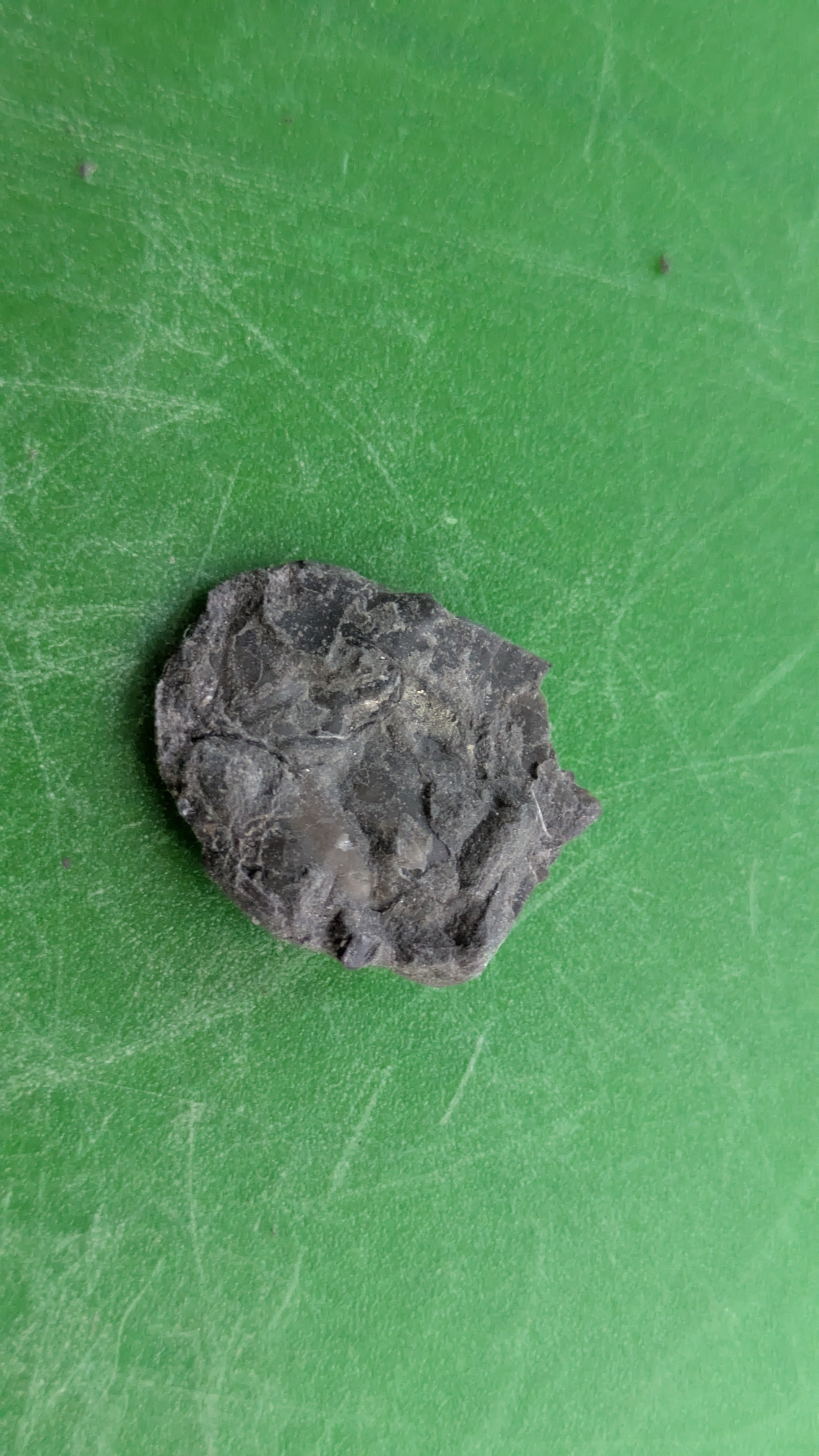
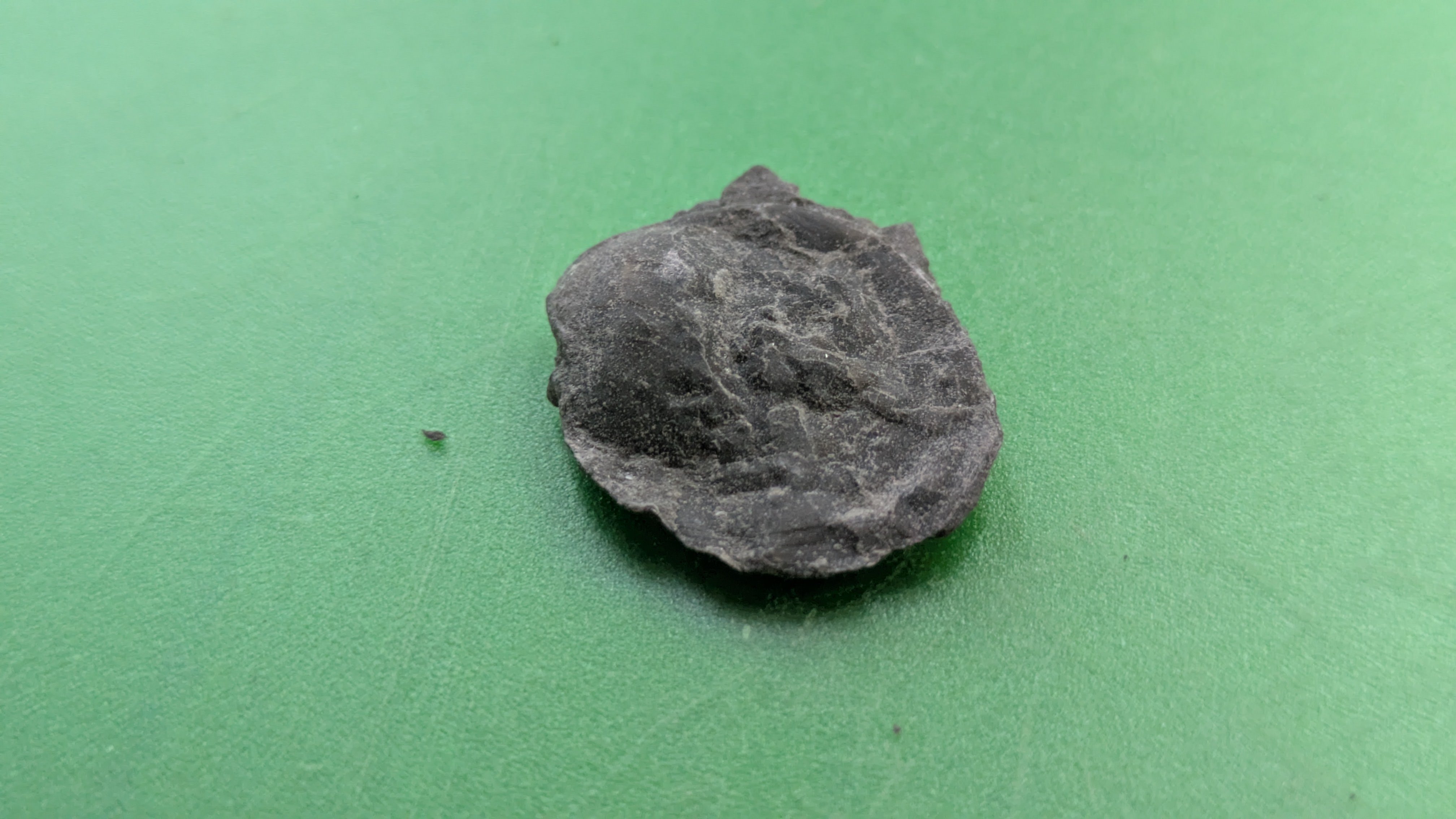
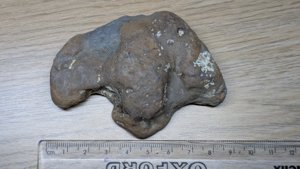
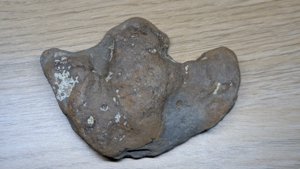
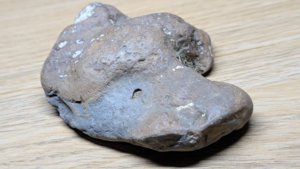
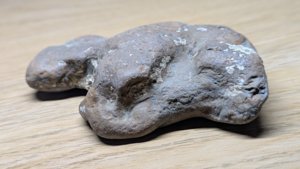
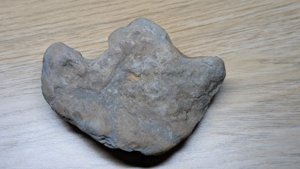
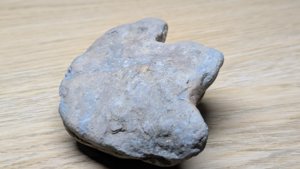
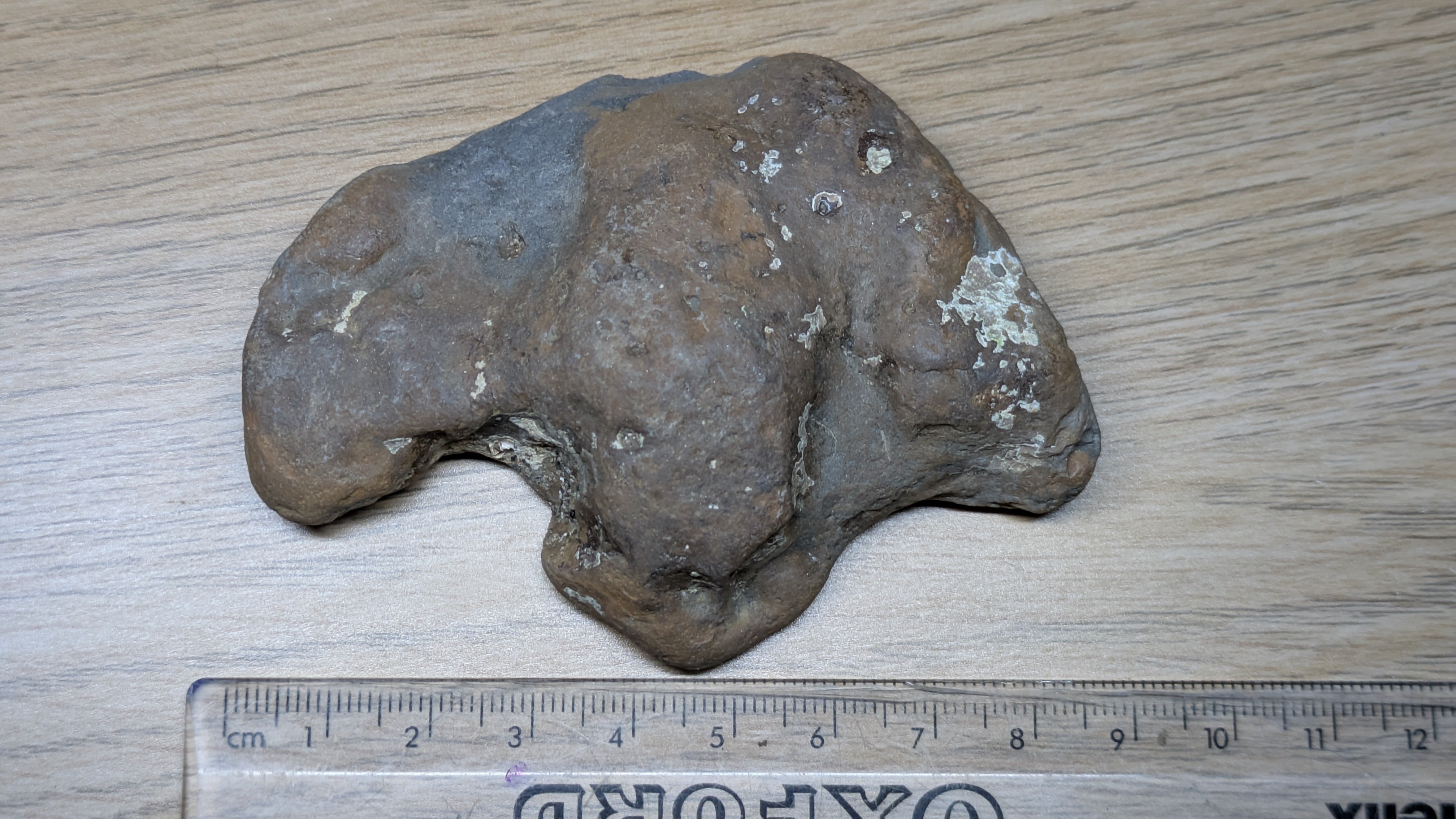
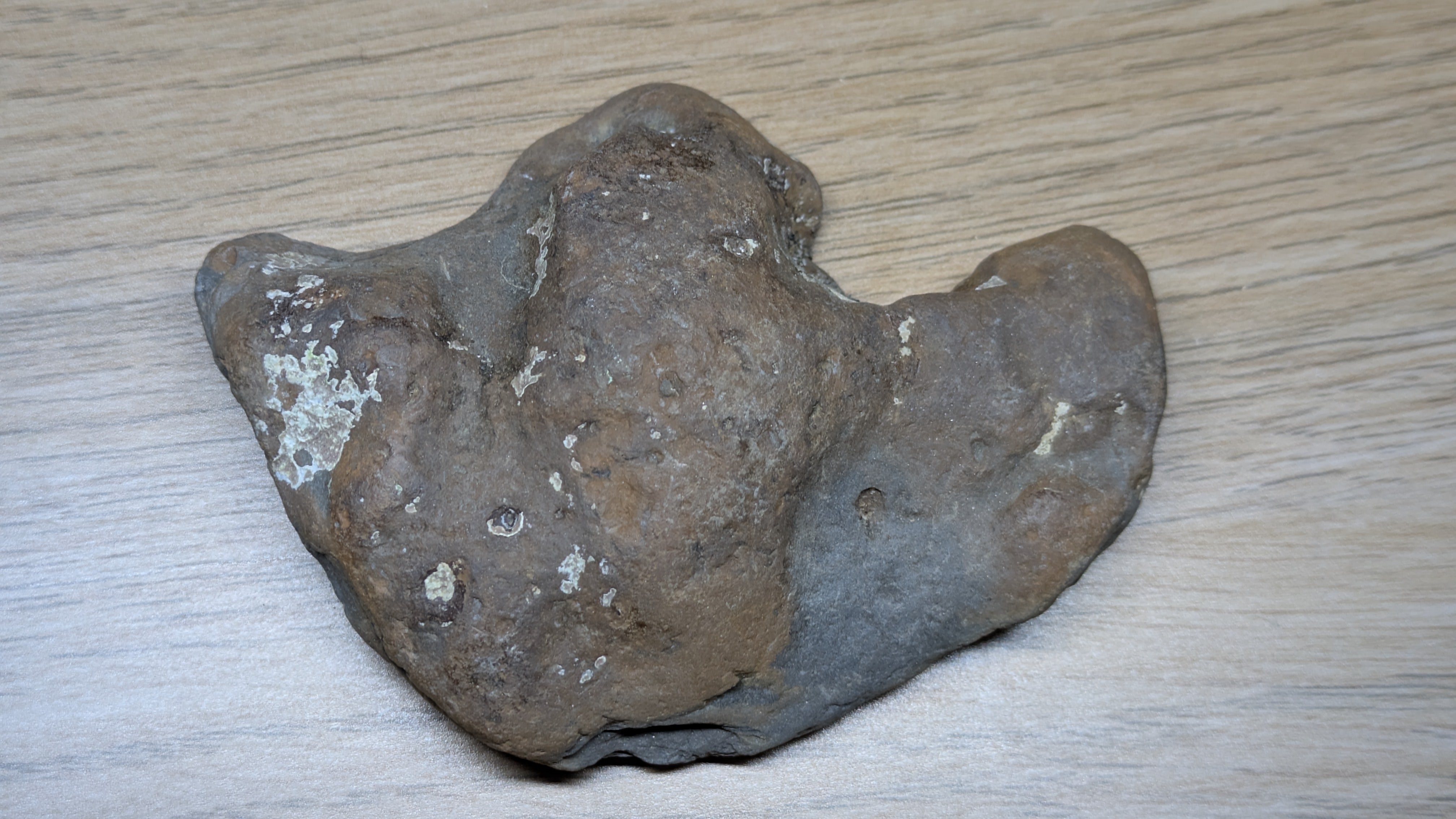
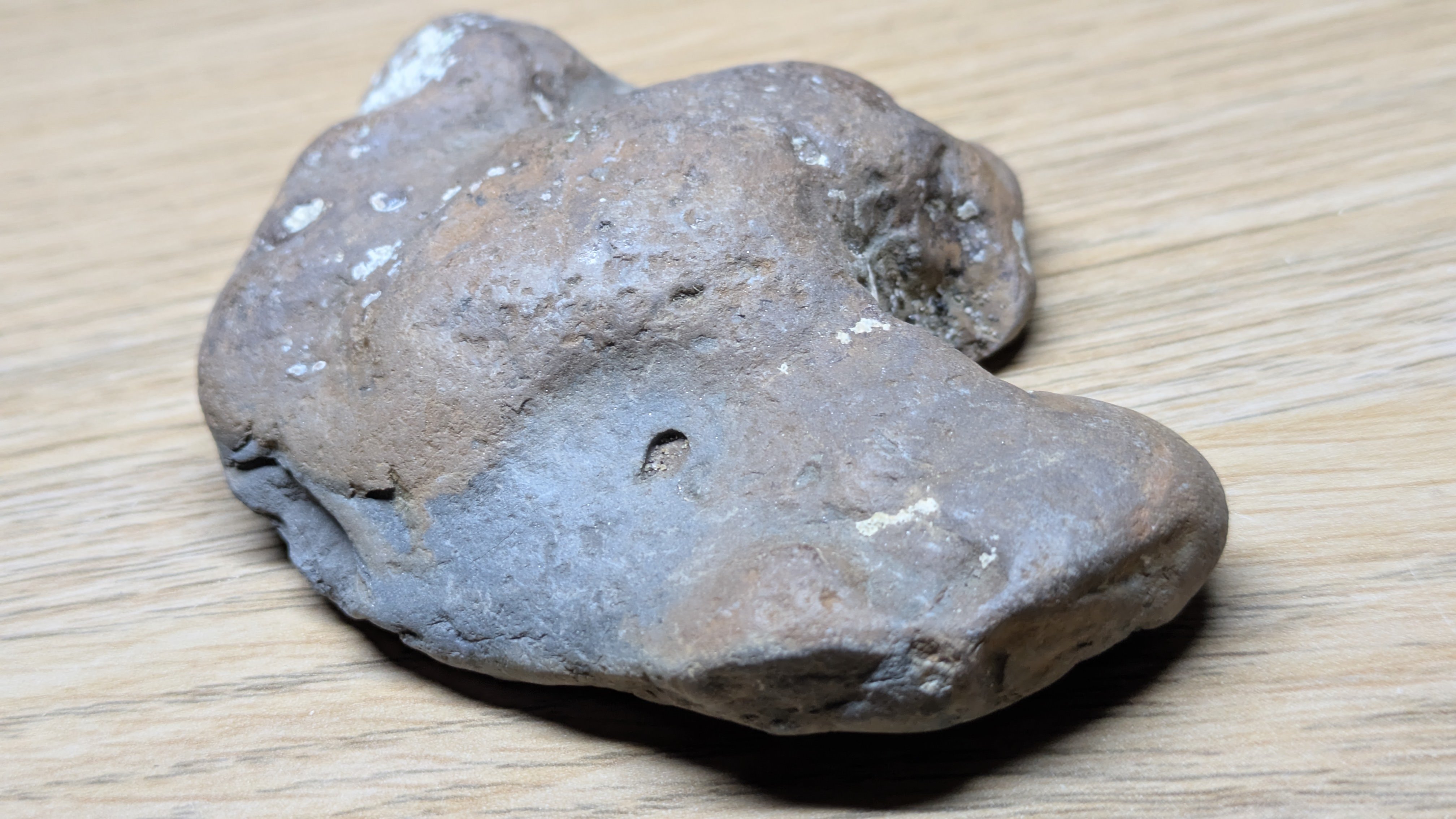
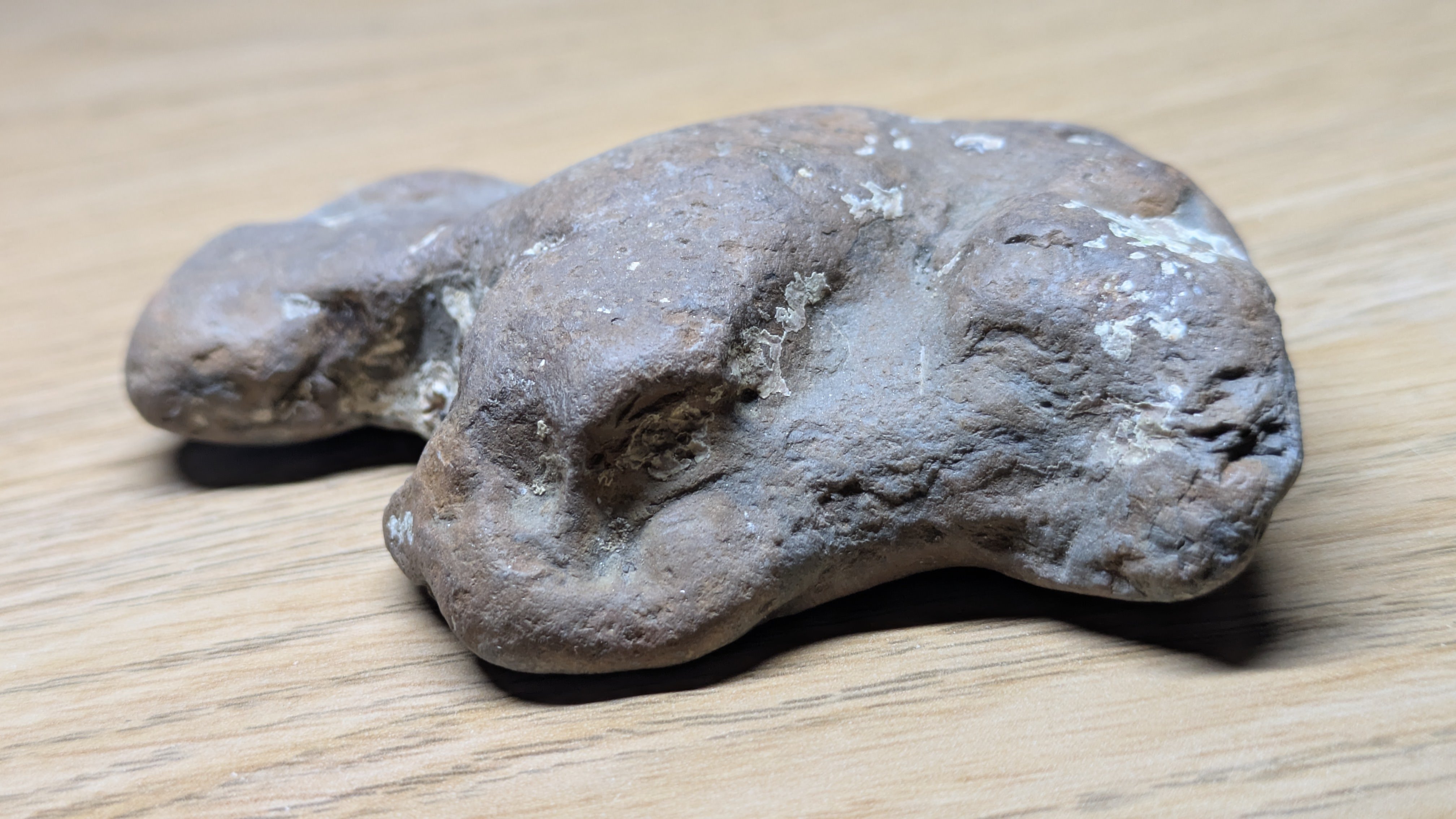
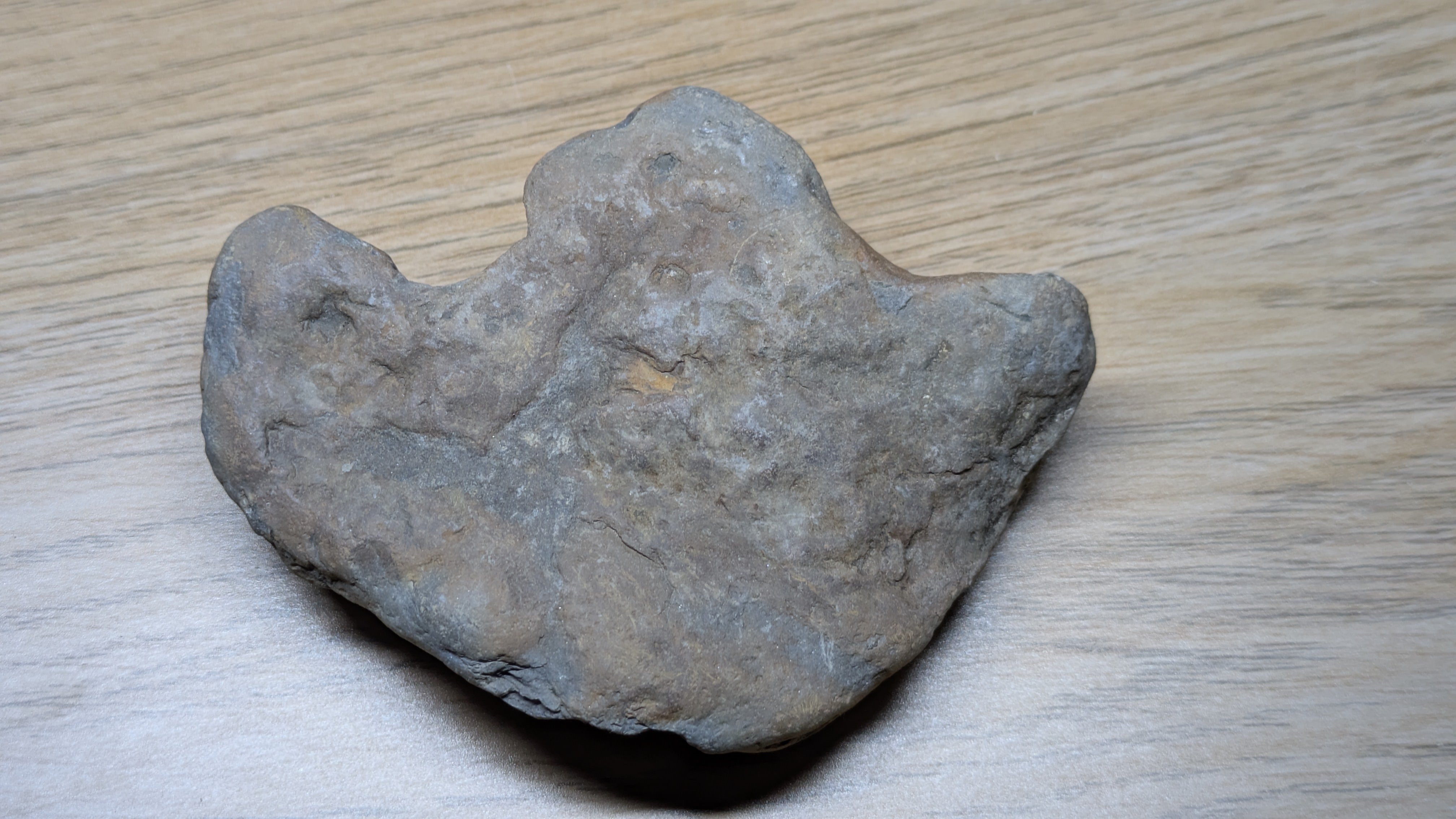
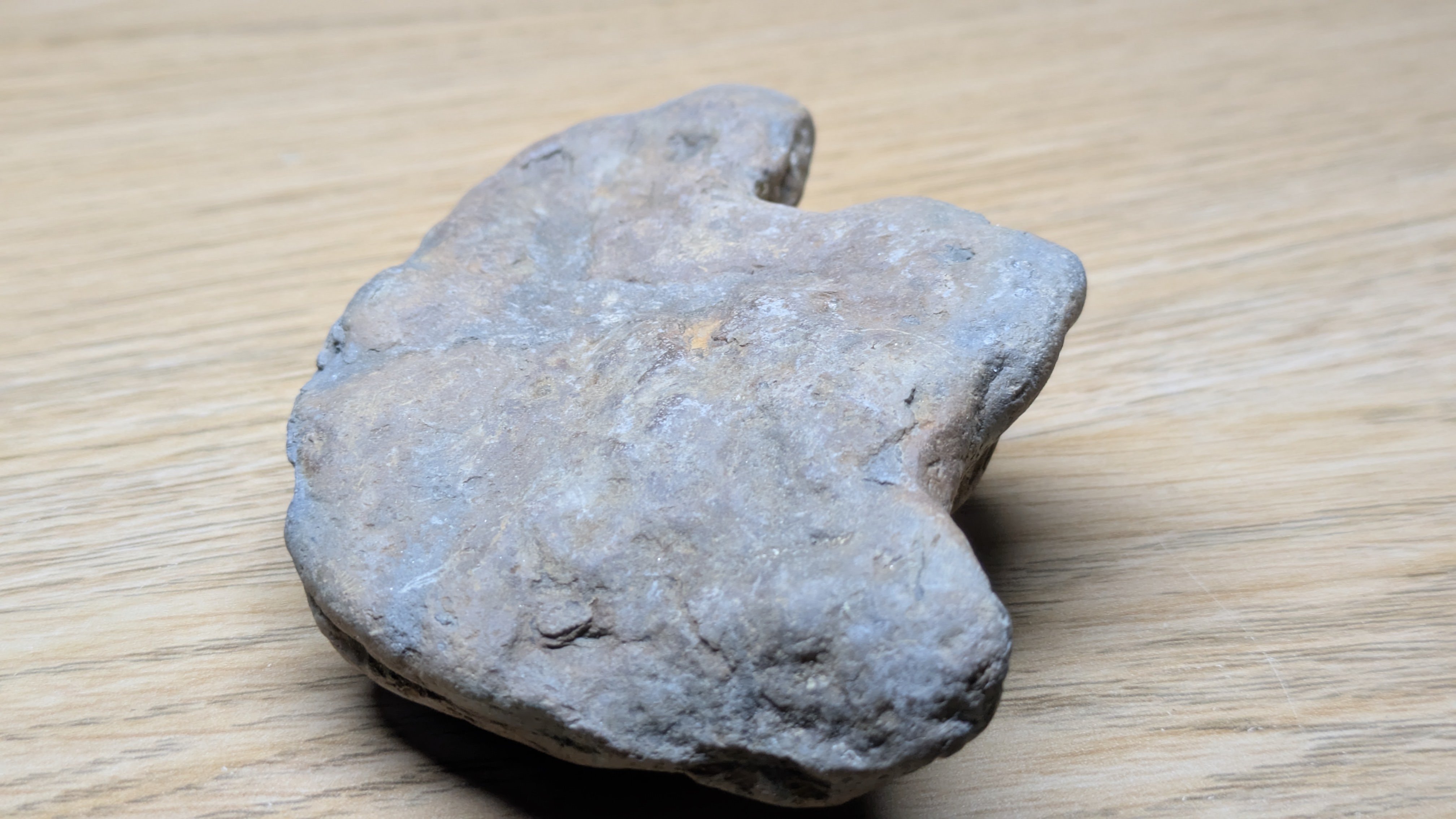
Dinosauria
1 specimen


Dinosauria
1 specimen
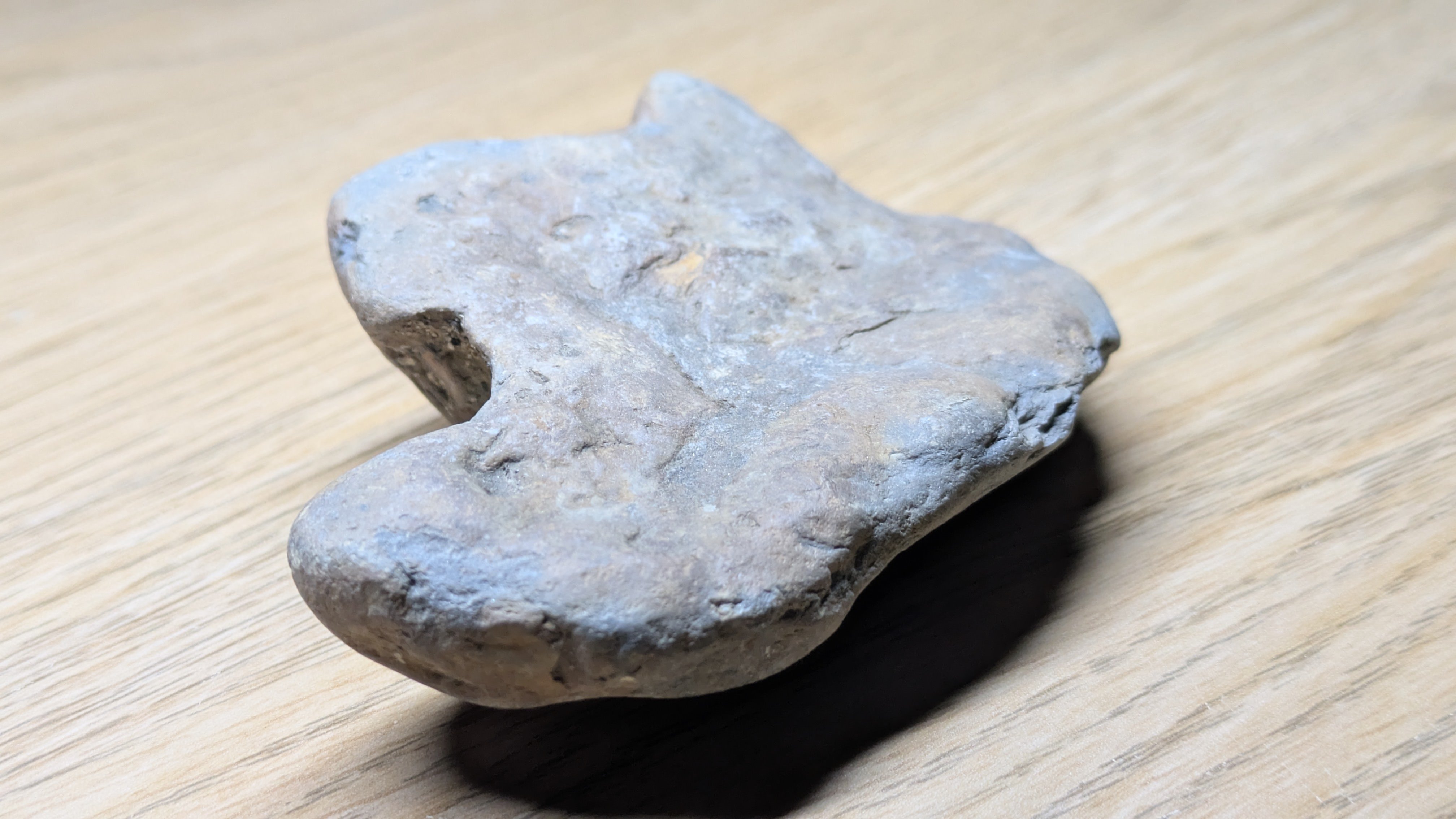
Gastropoda
1 specimen


Gastropoda
1 specimen
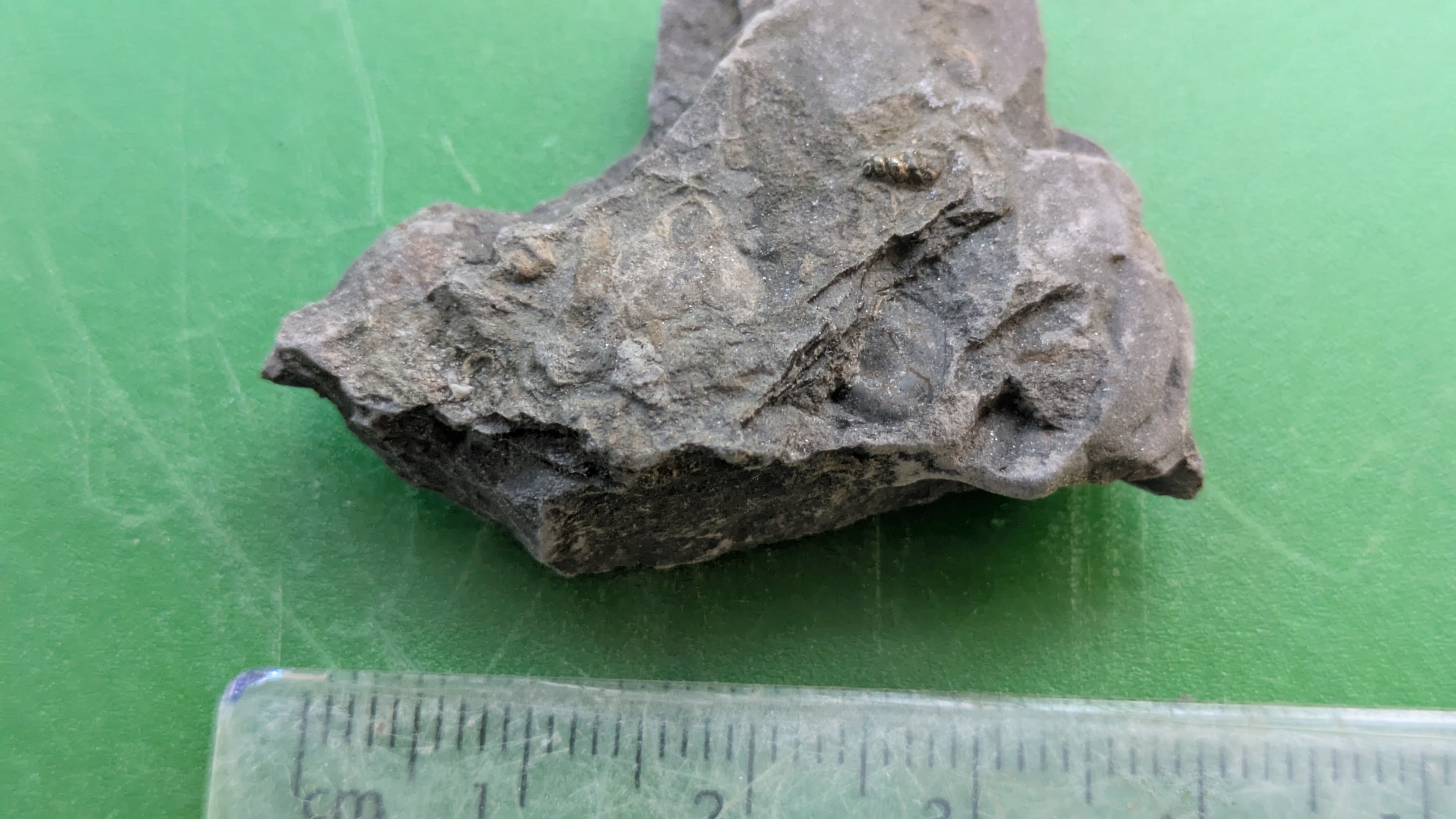
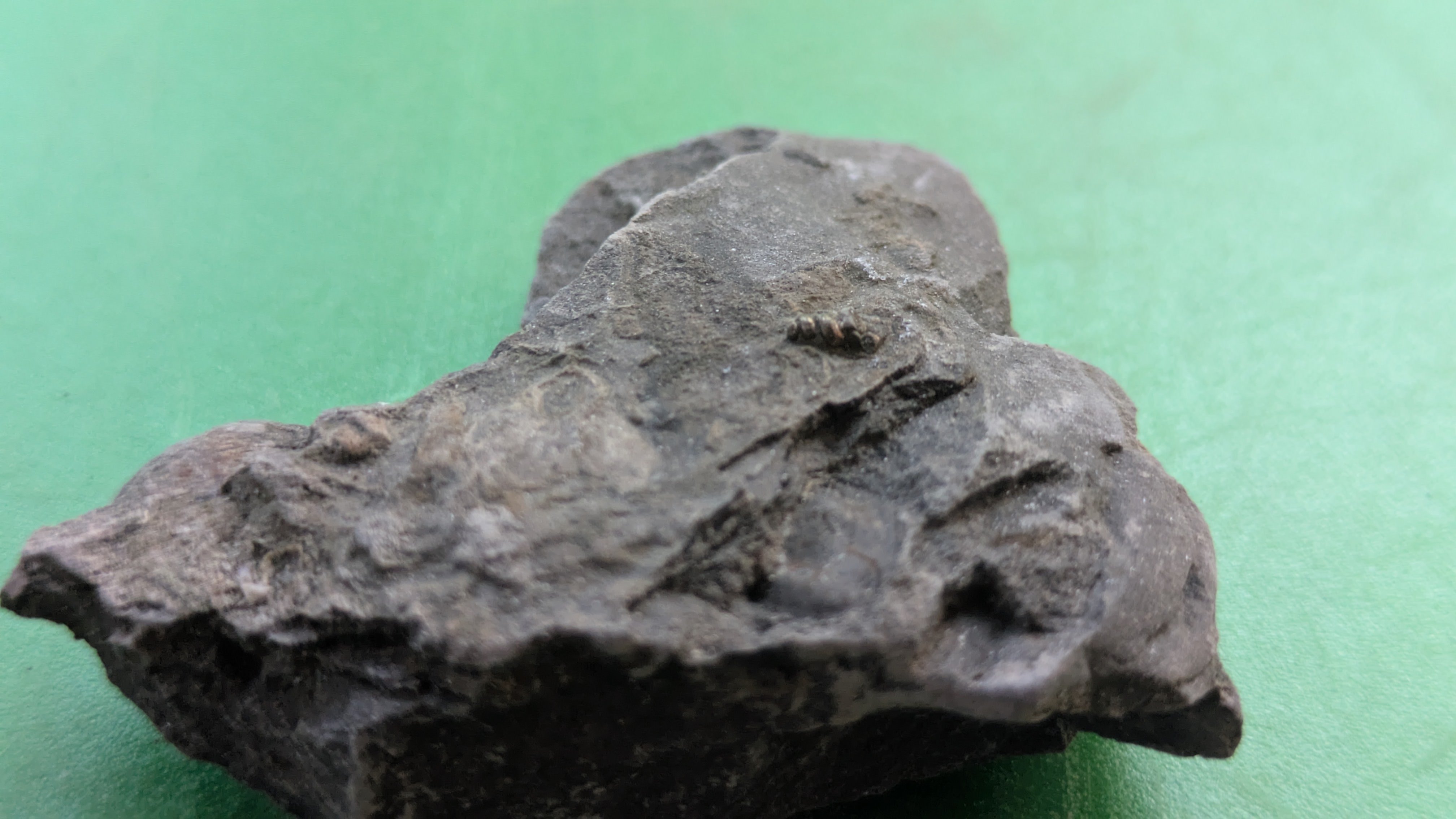
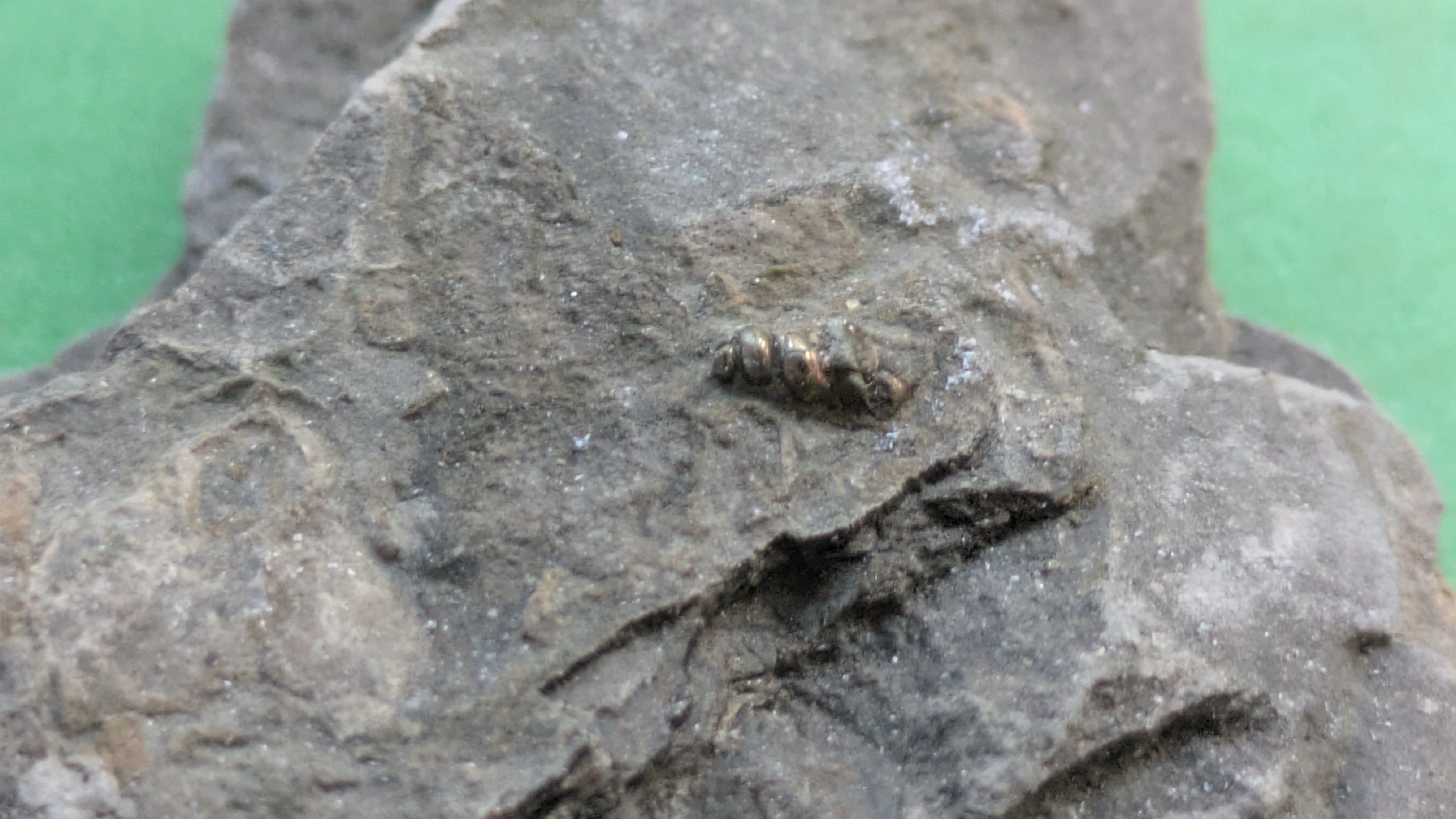
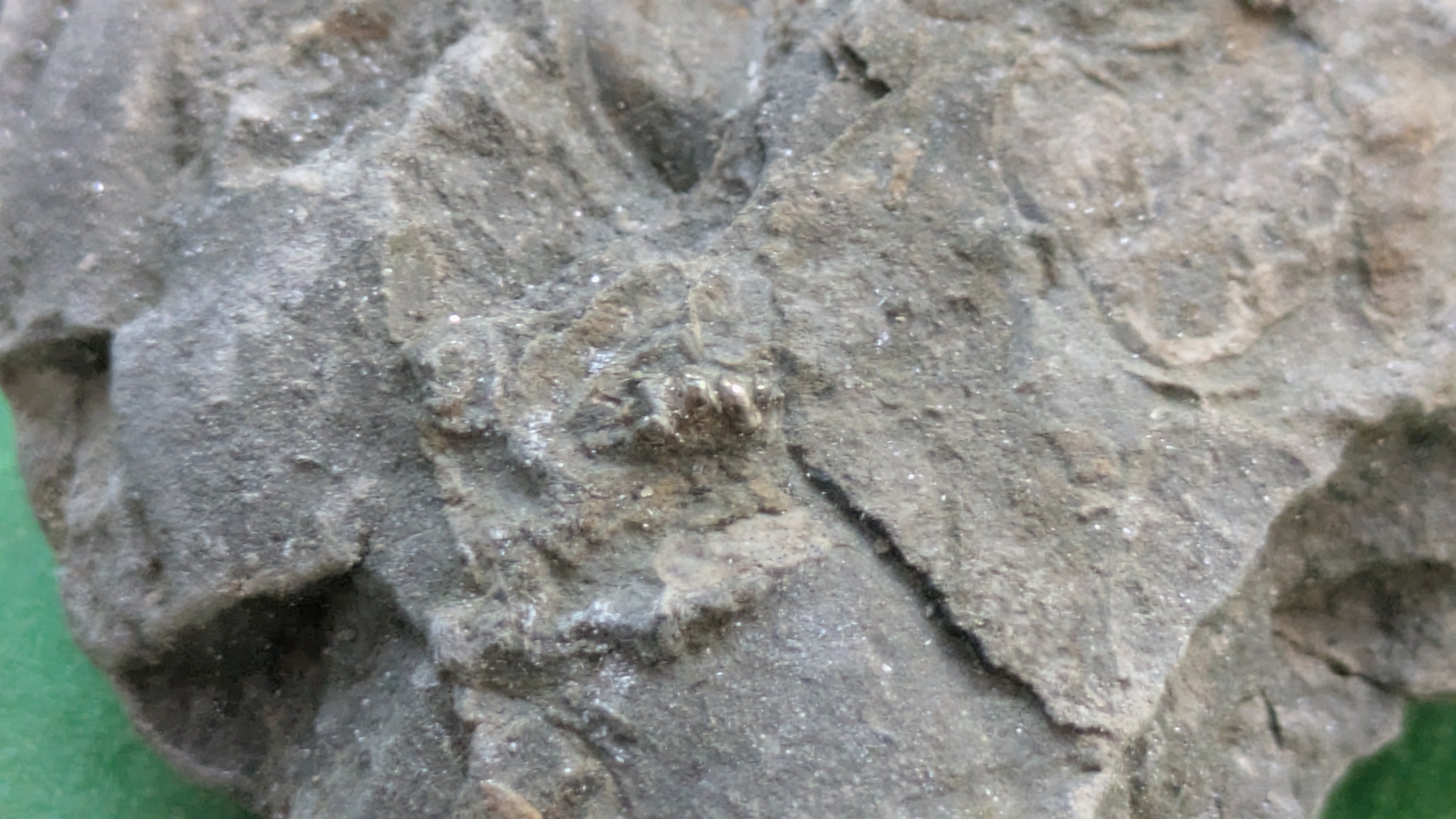
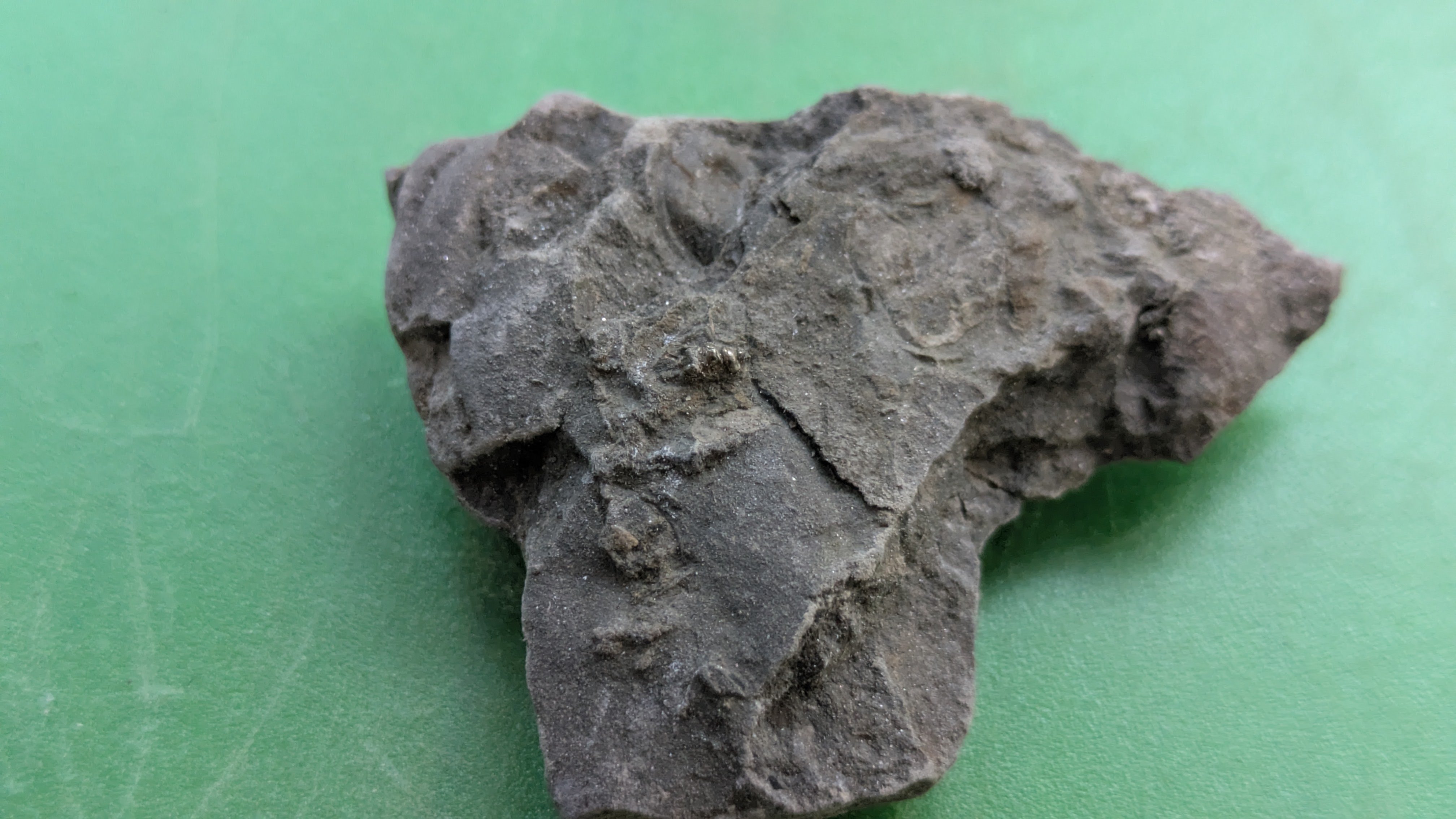
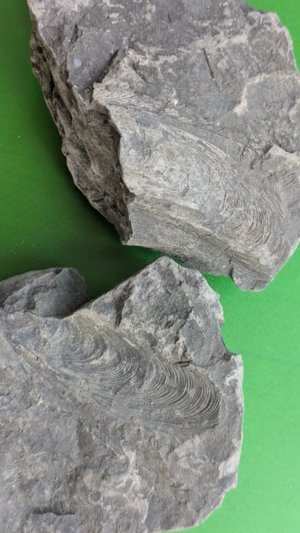
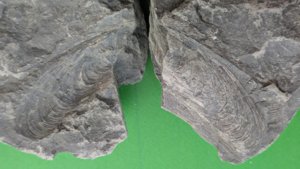
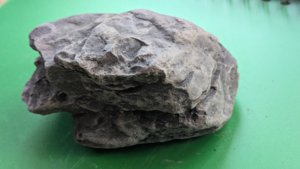
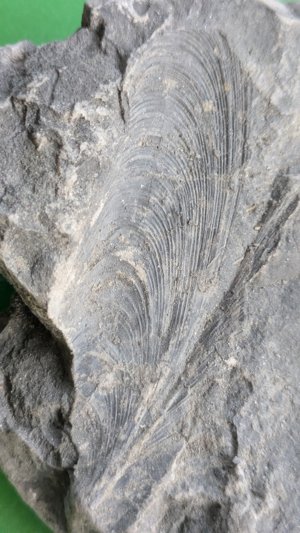
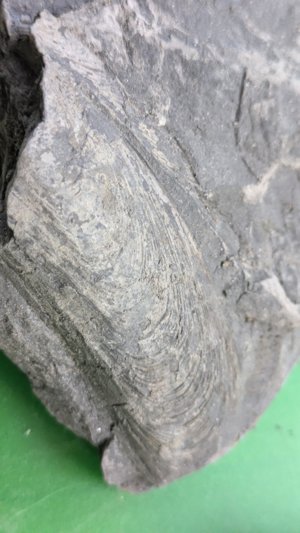
Mytilidae
1 specimen


Mytilidae
1 specimen
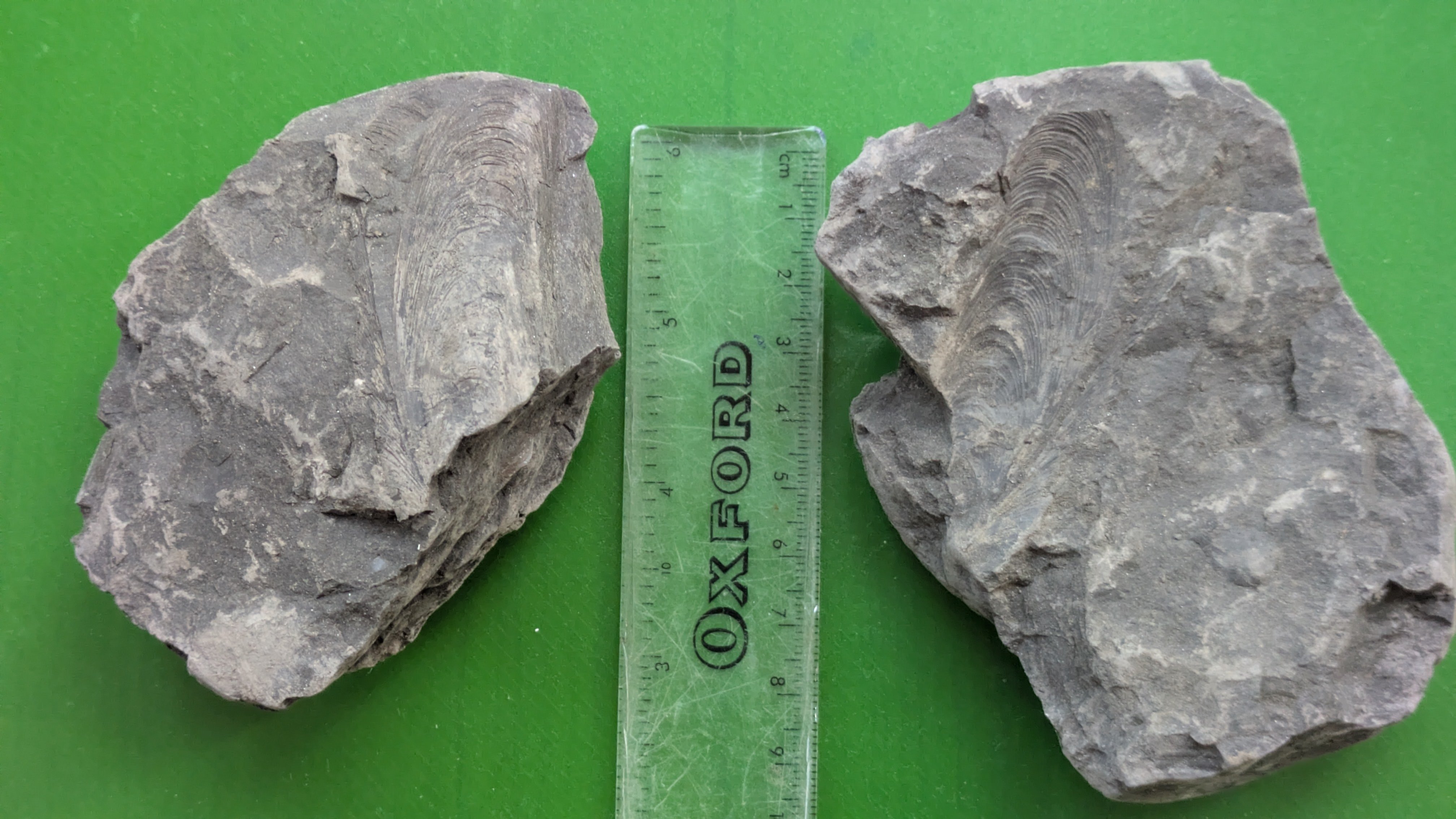
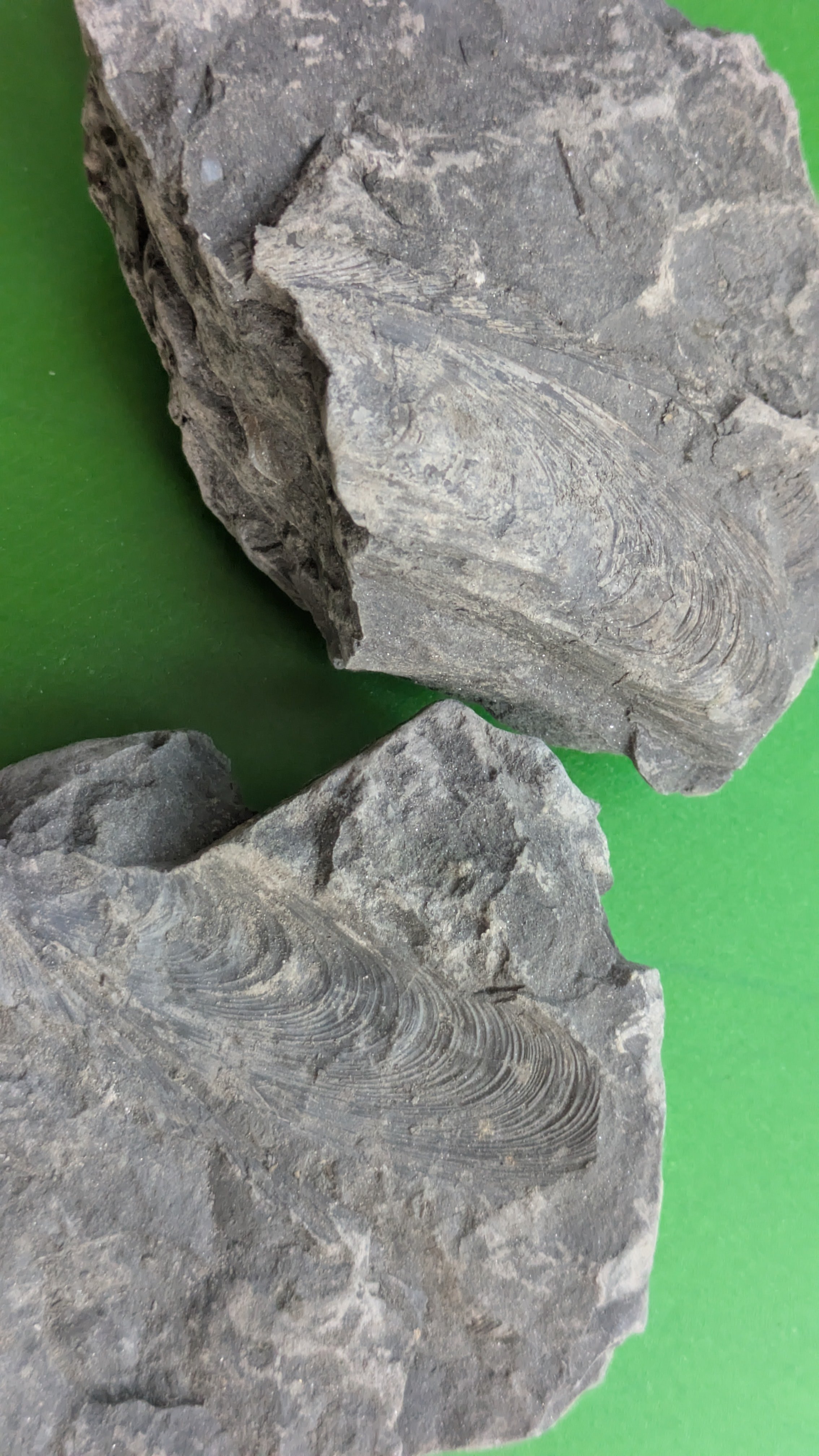
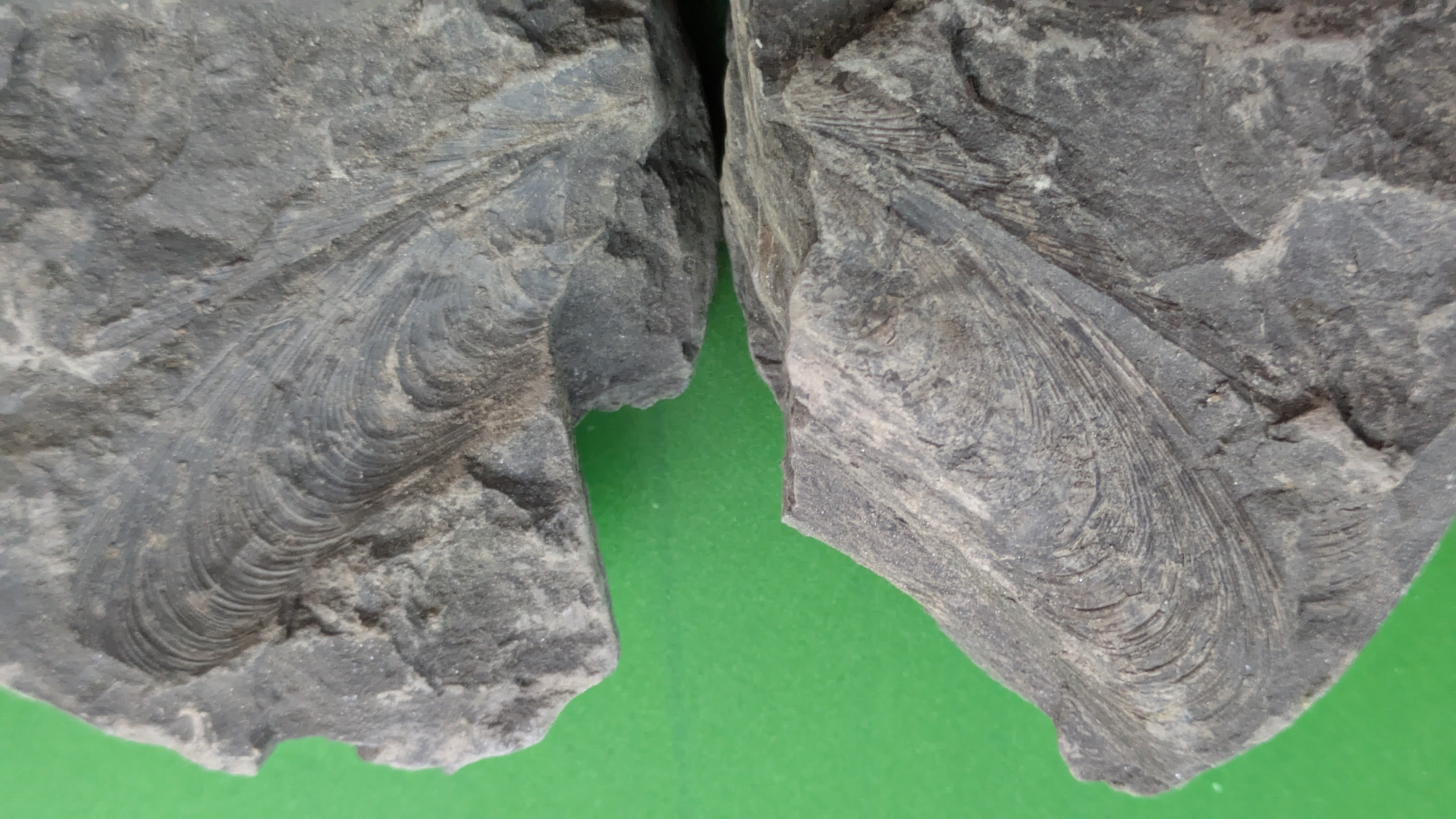
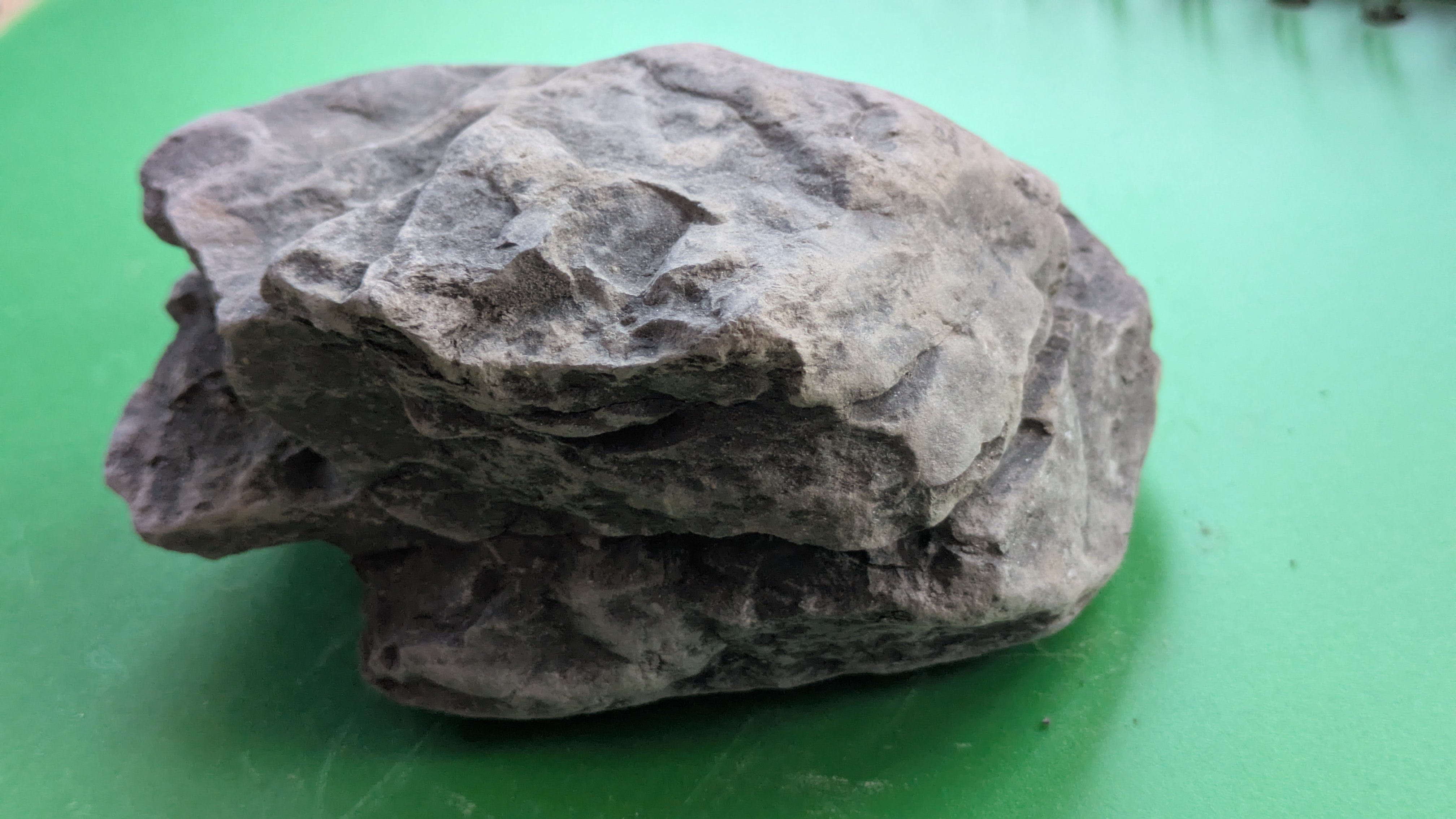
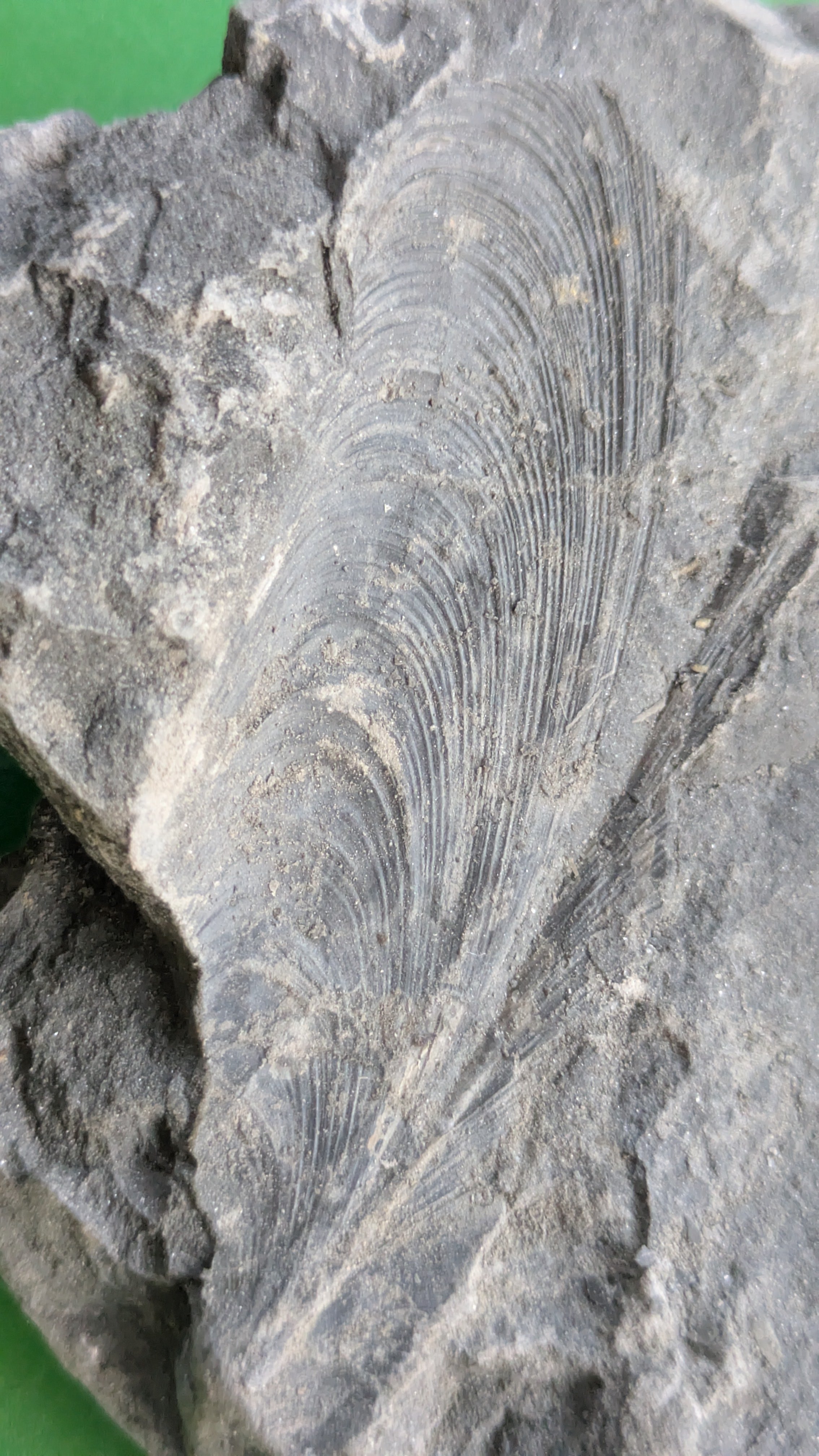
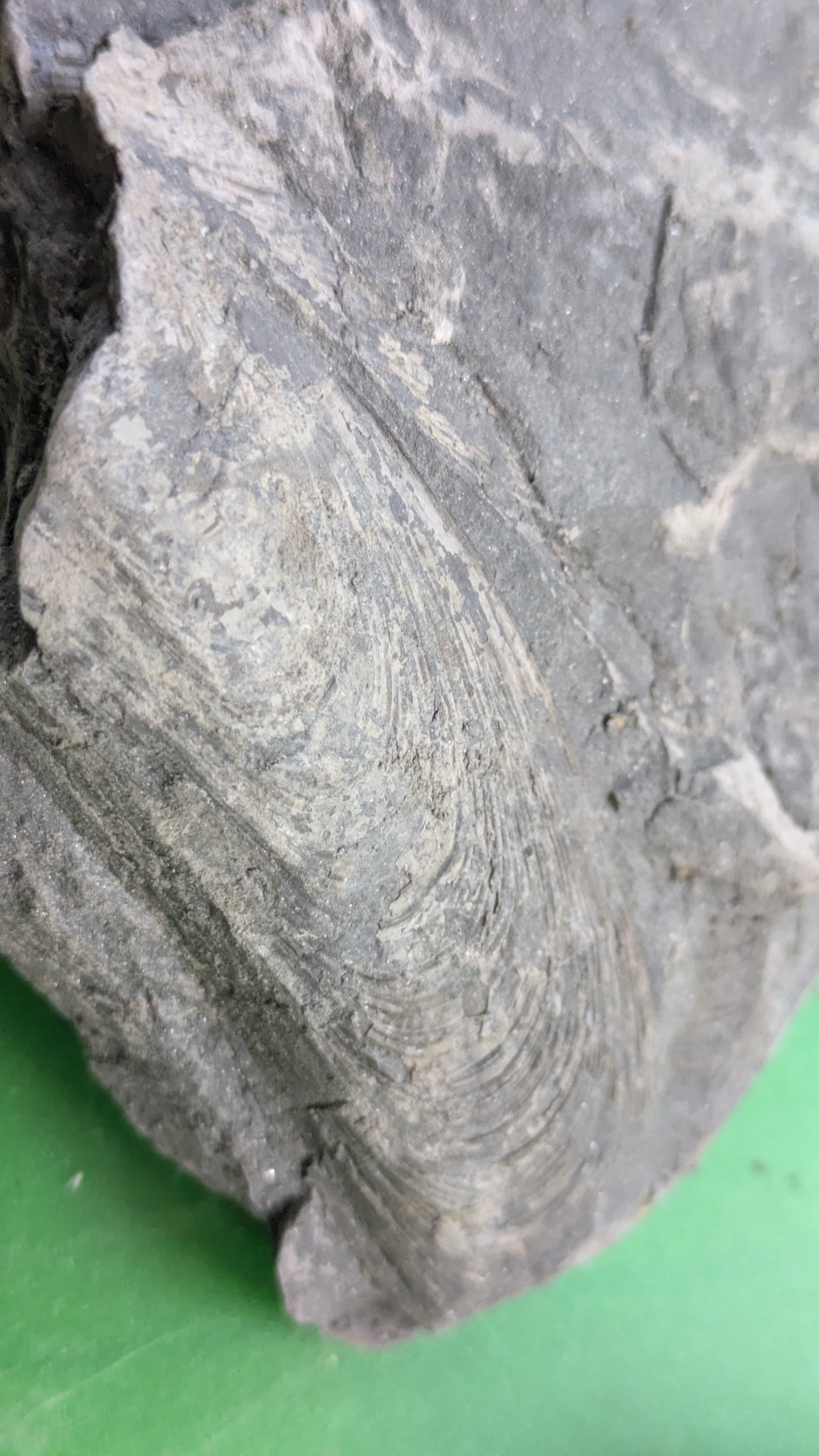
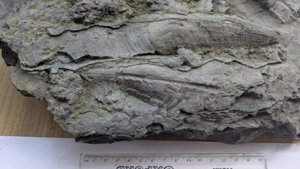
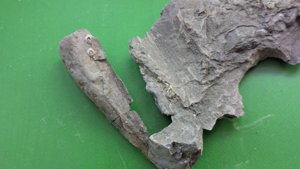
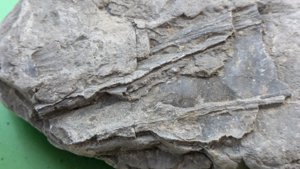
Pinnidae
3 specimens


Pinnidae
3 specimens
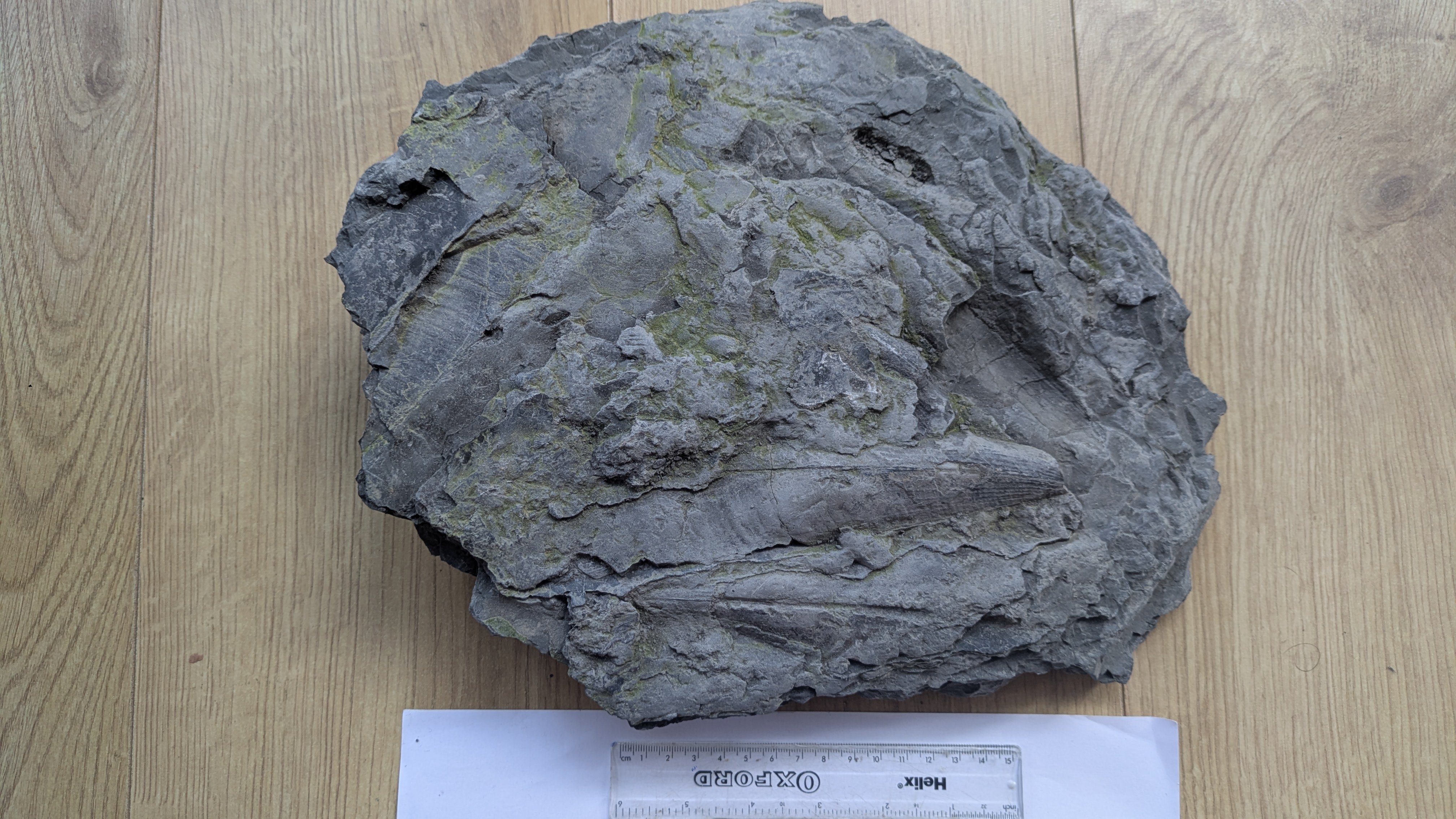
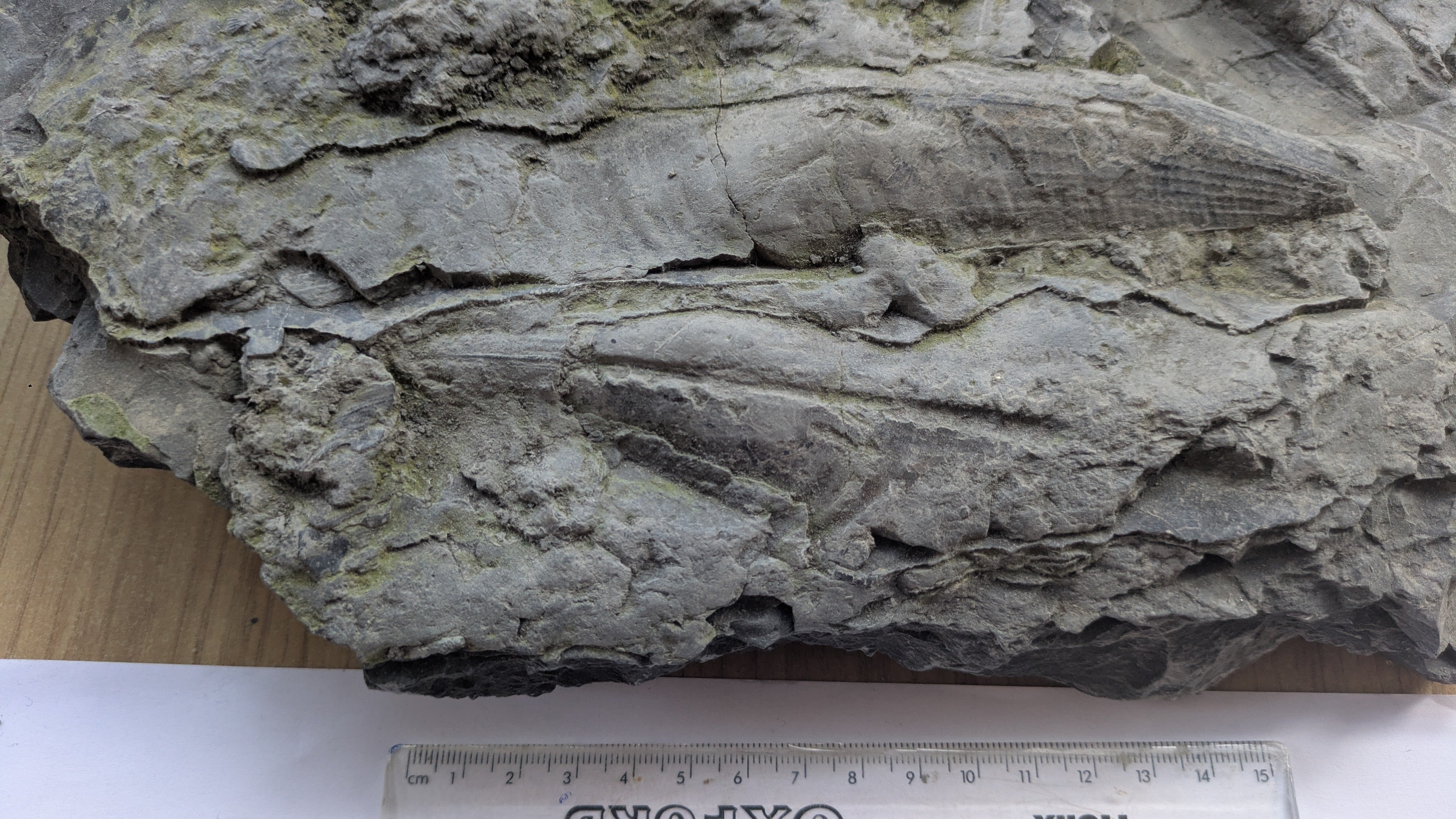
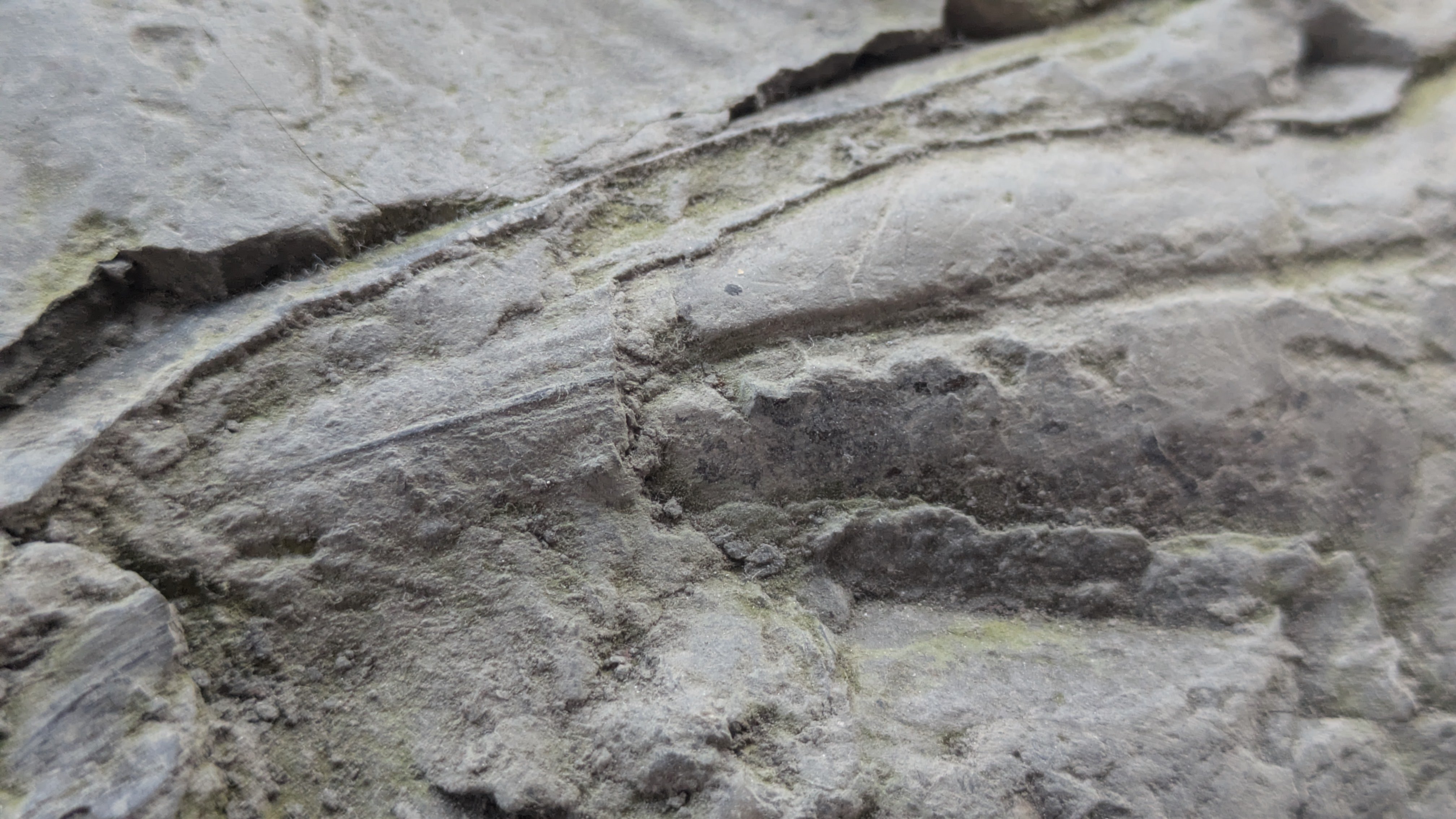
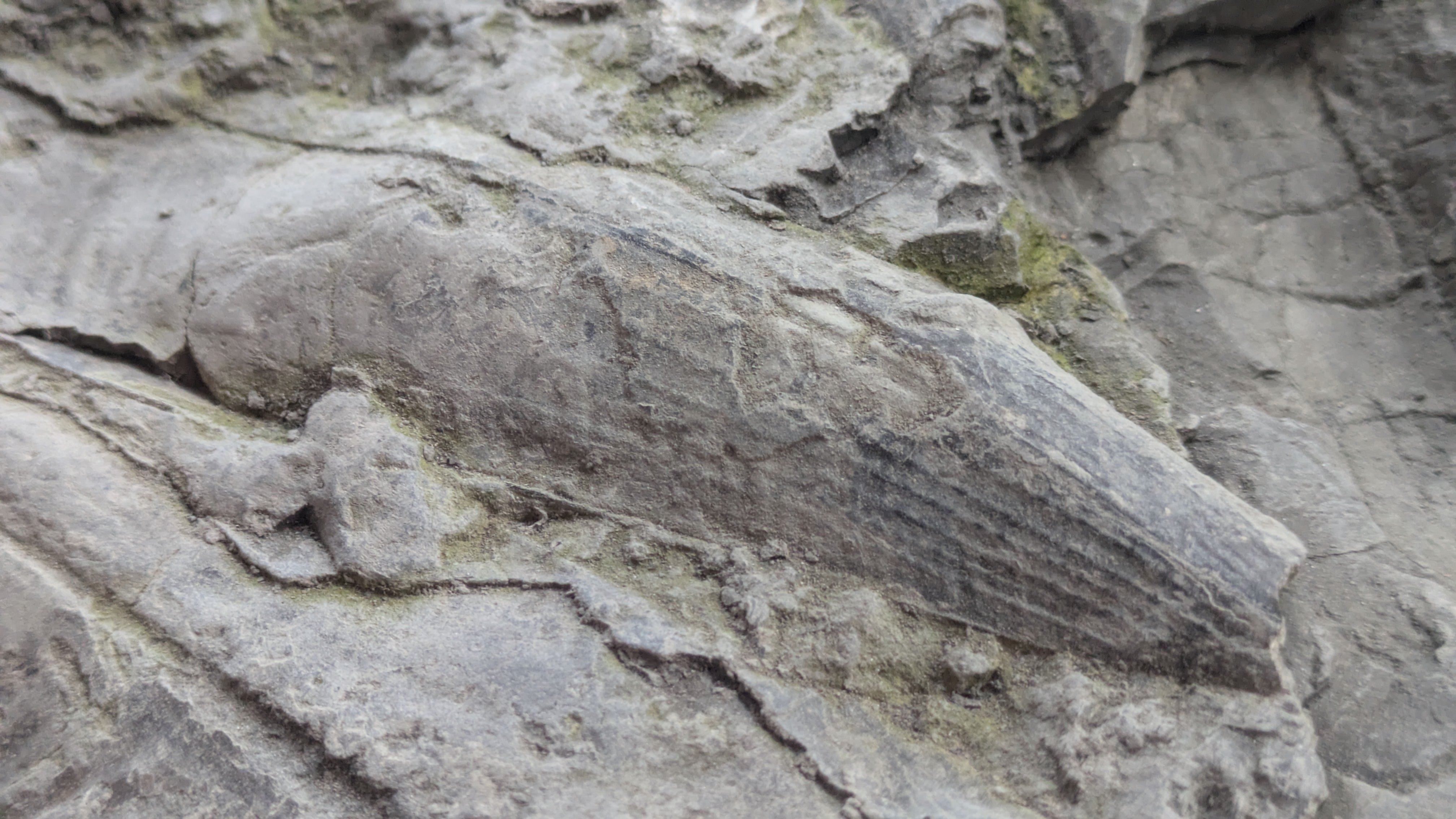
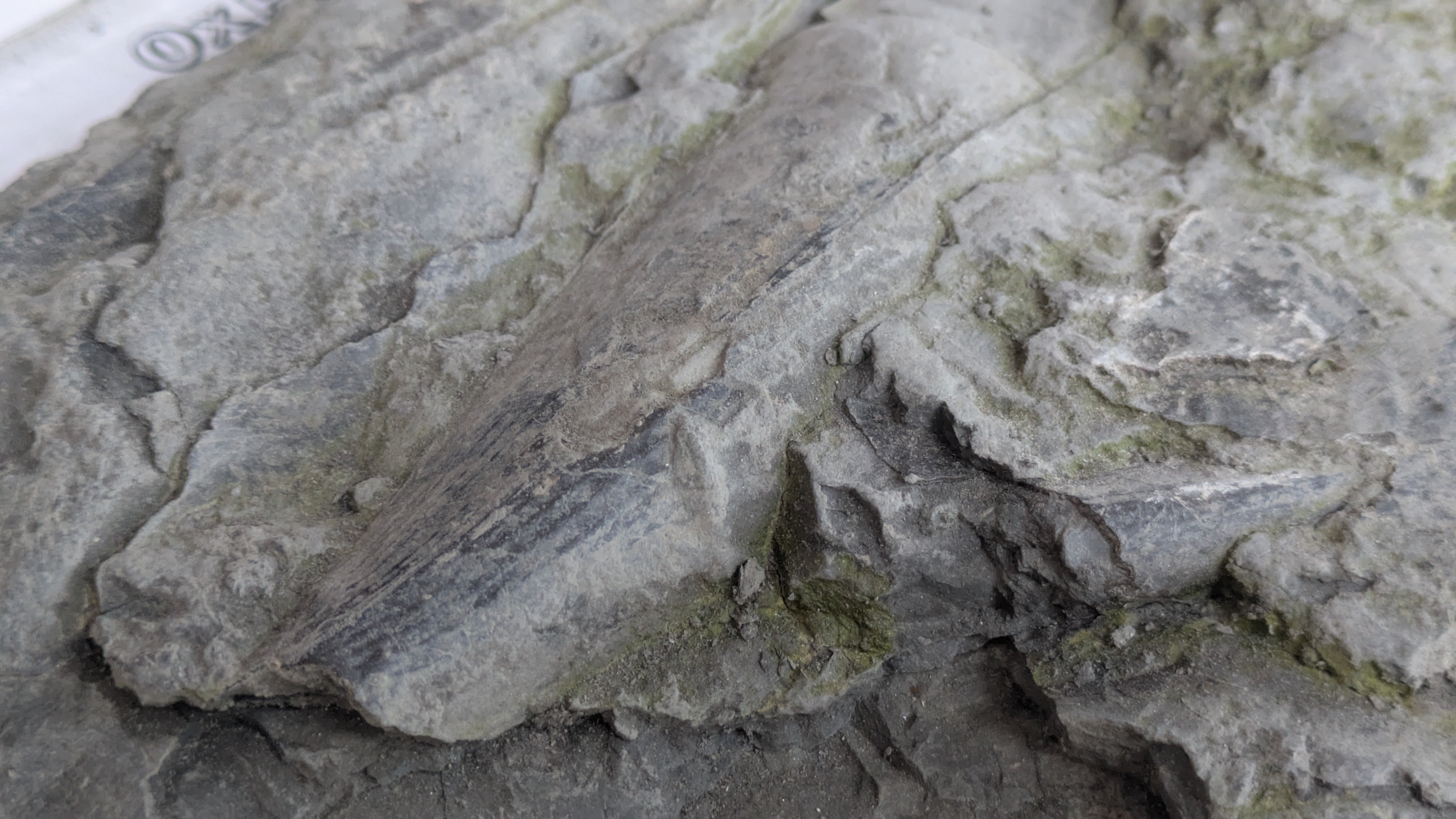
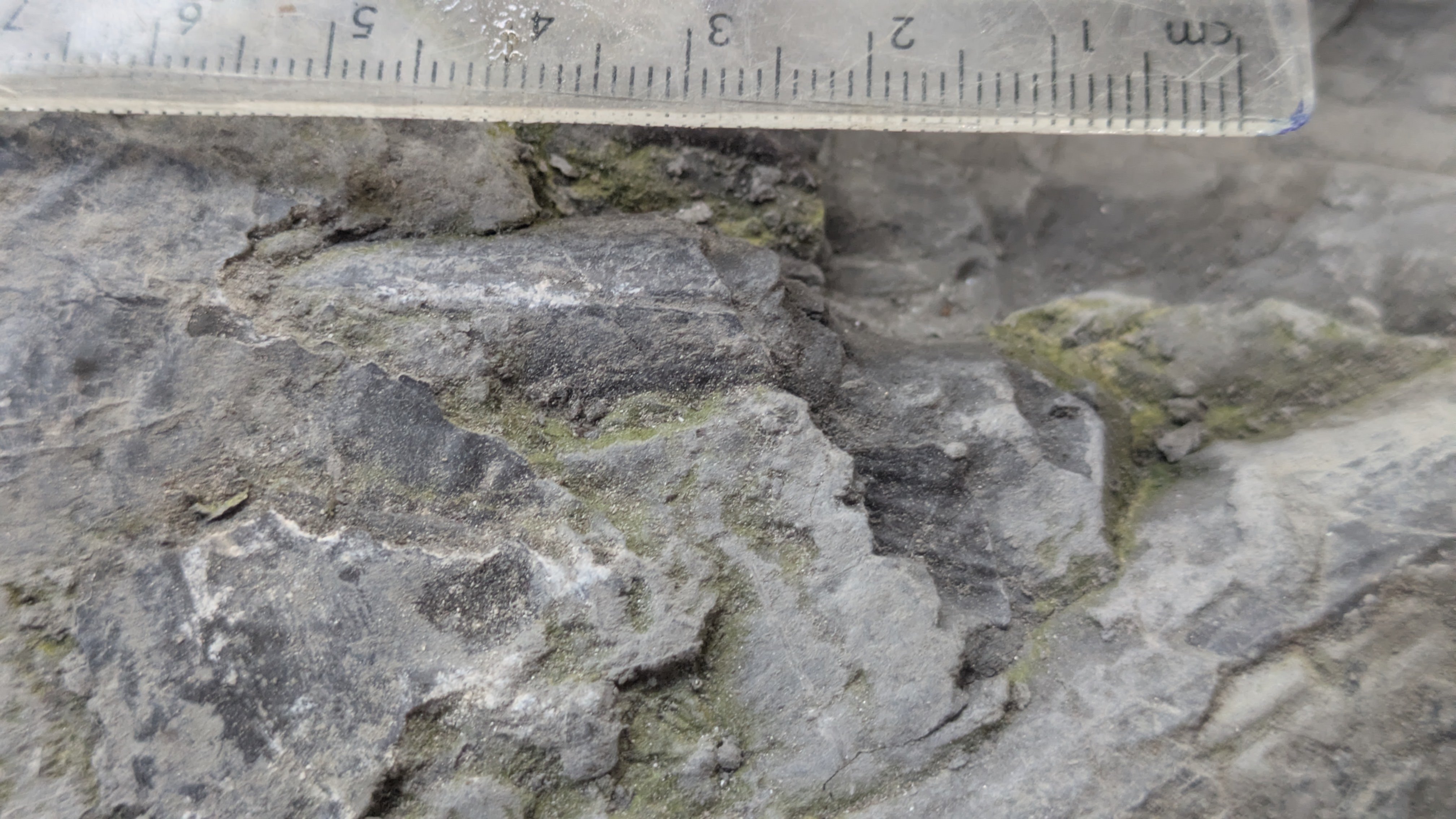
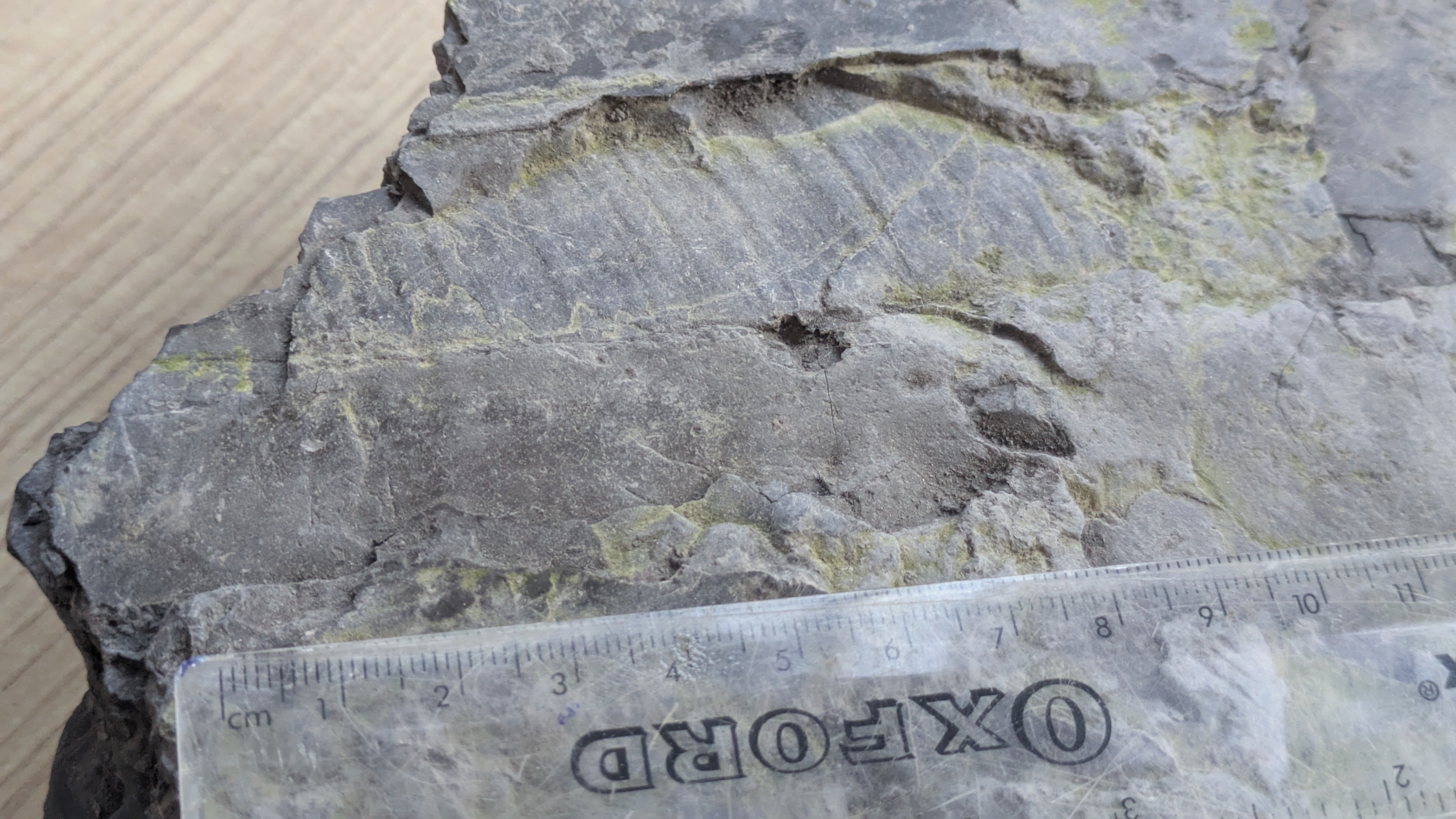
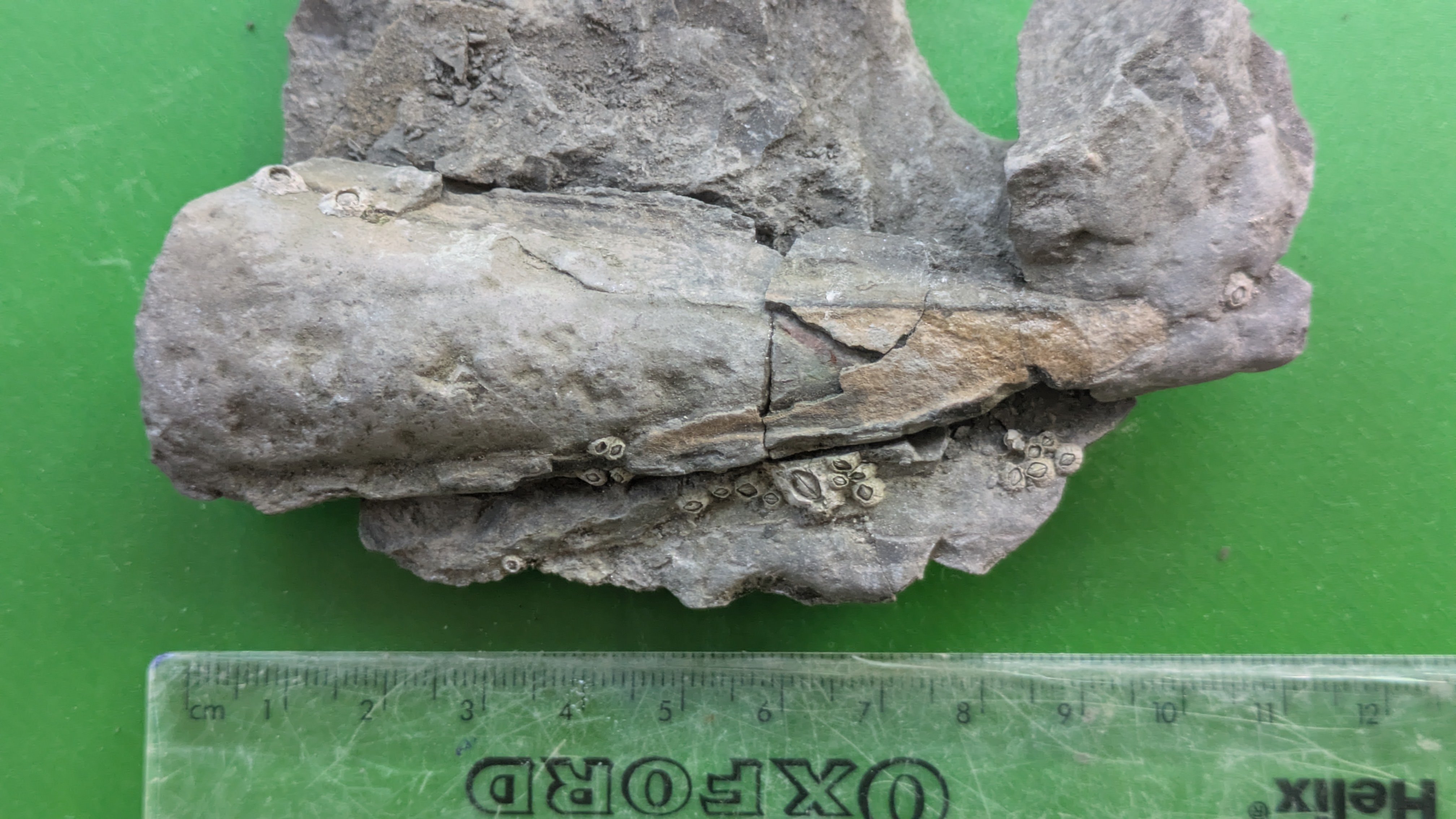
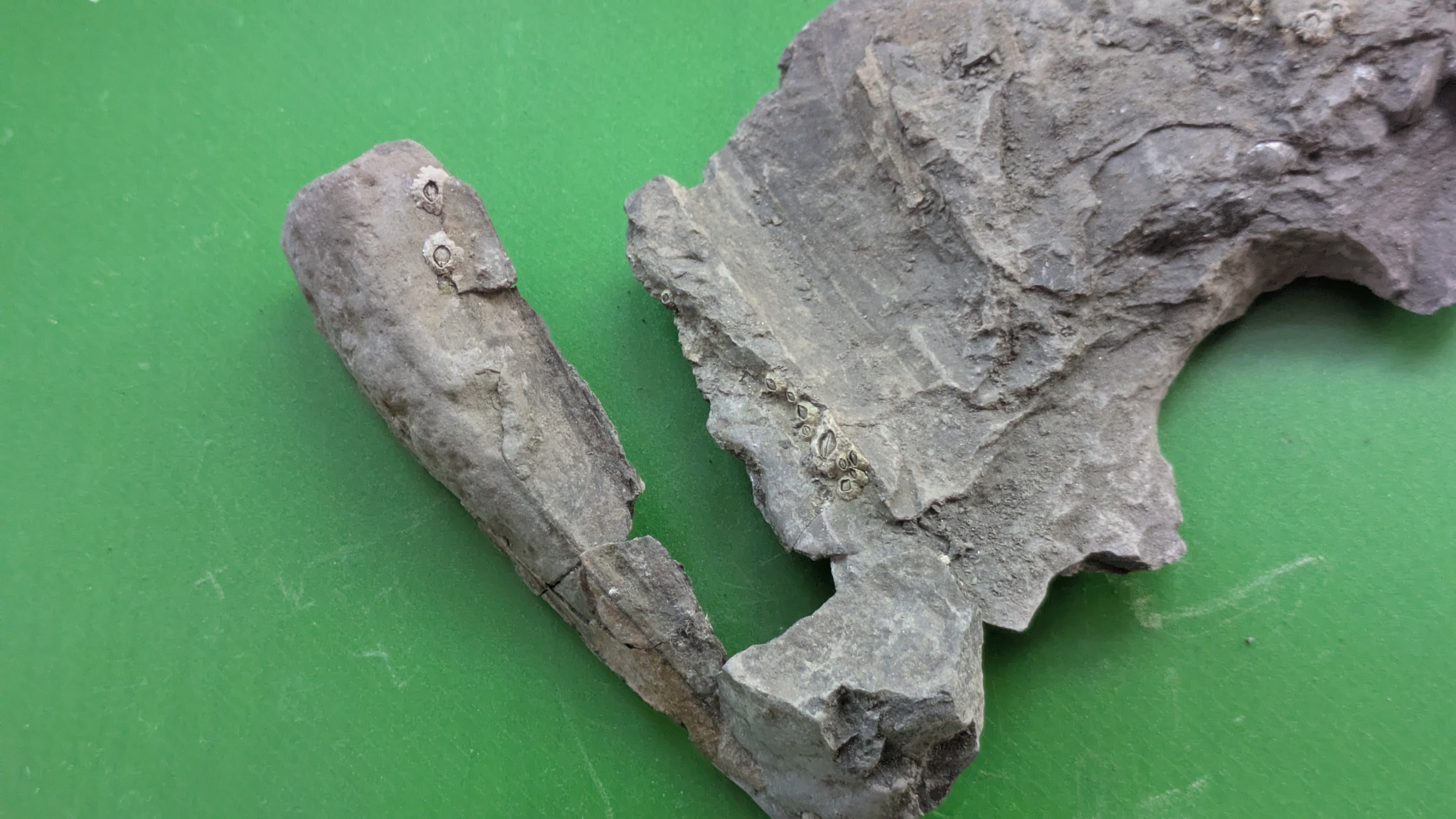
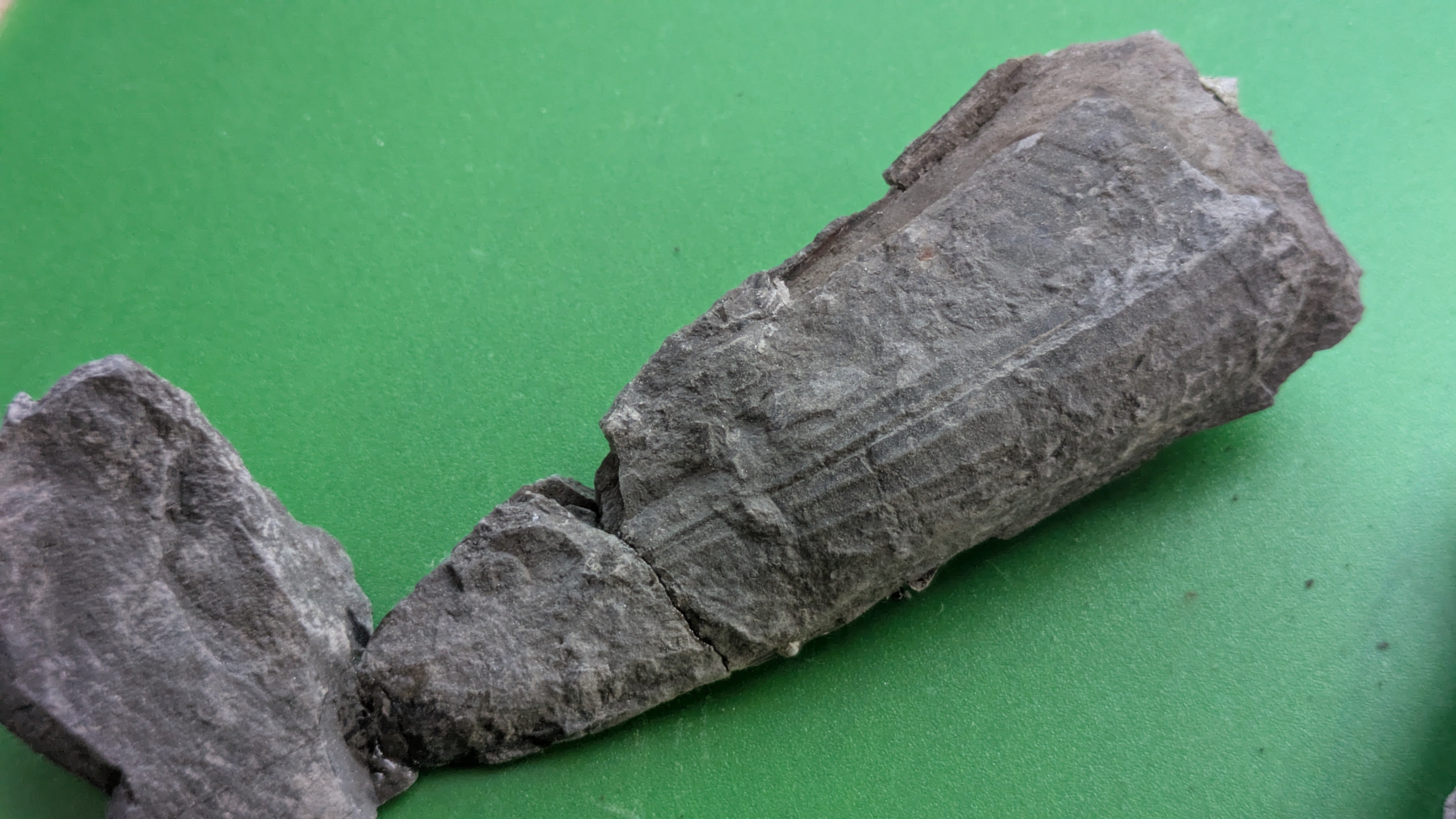
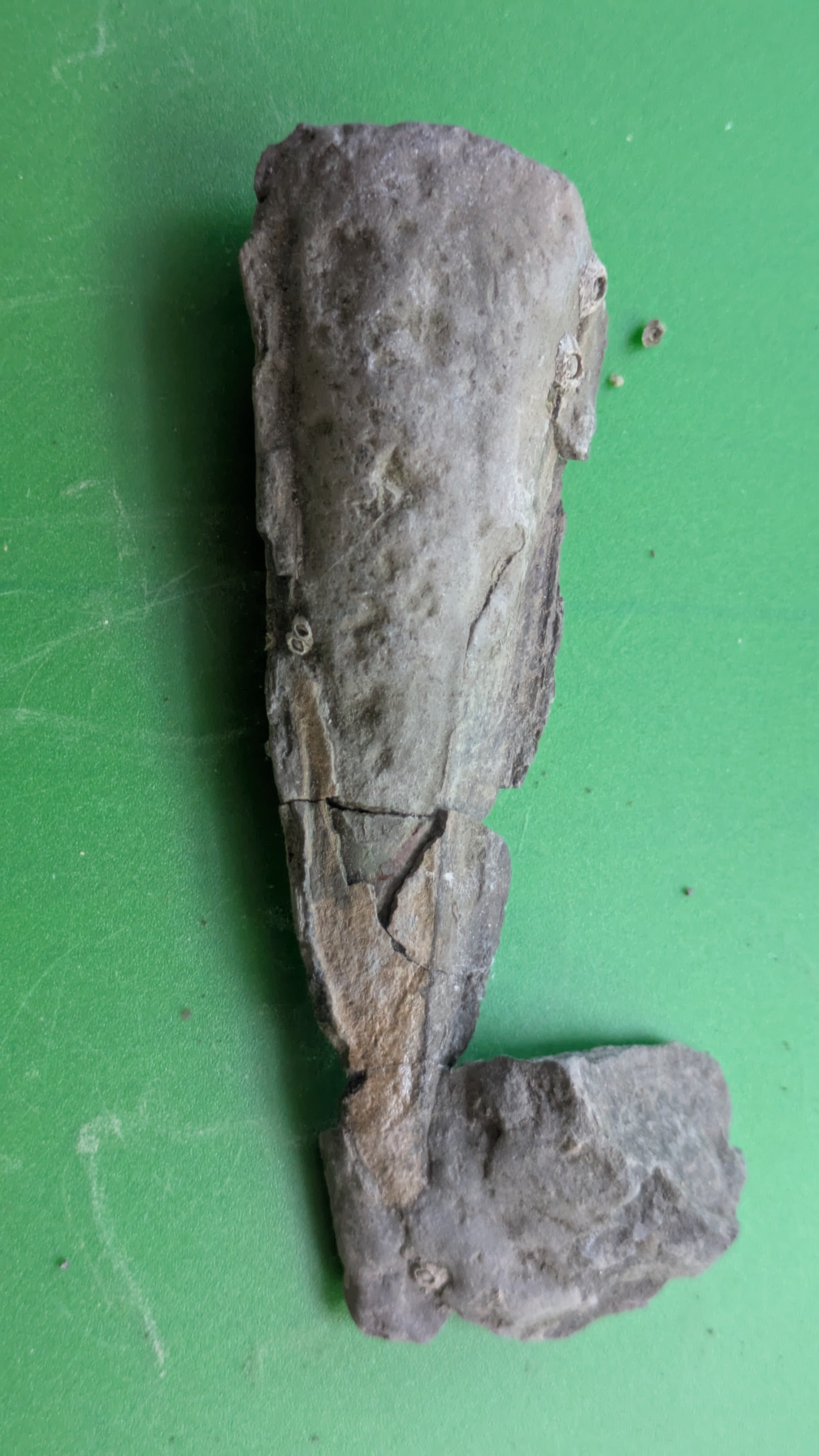
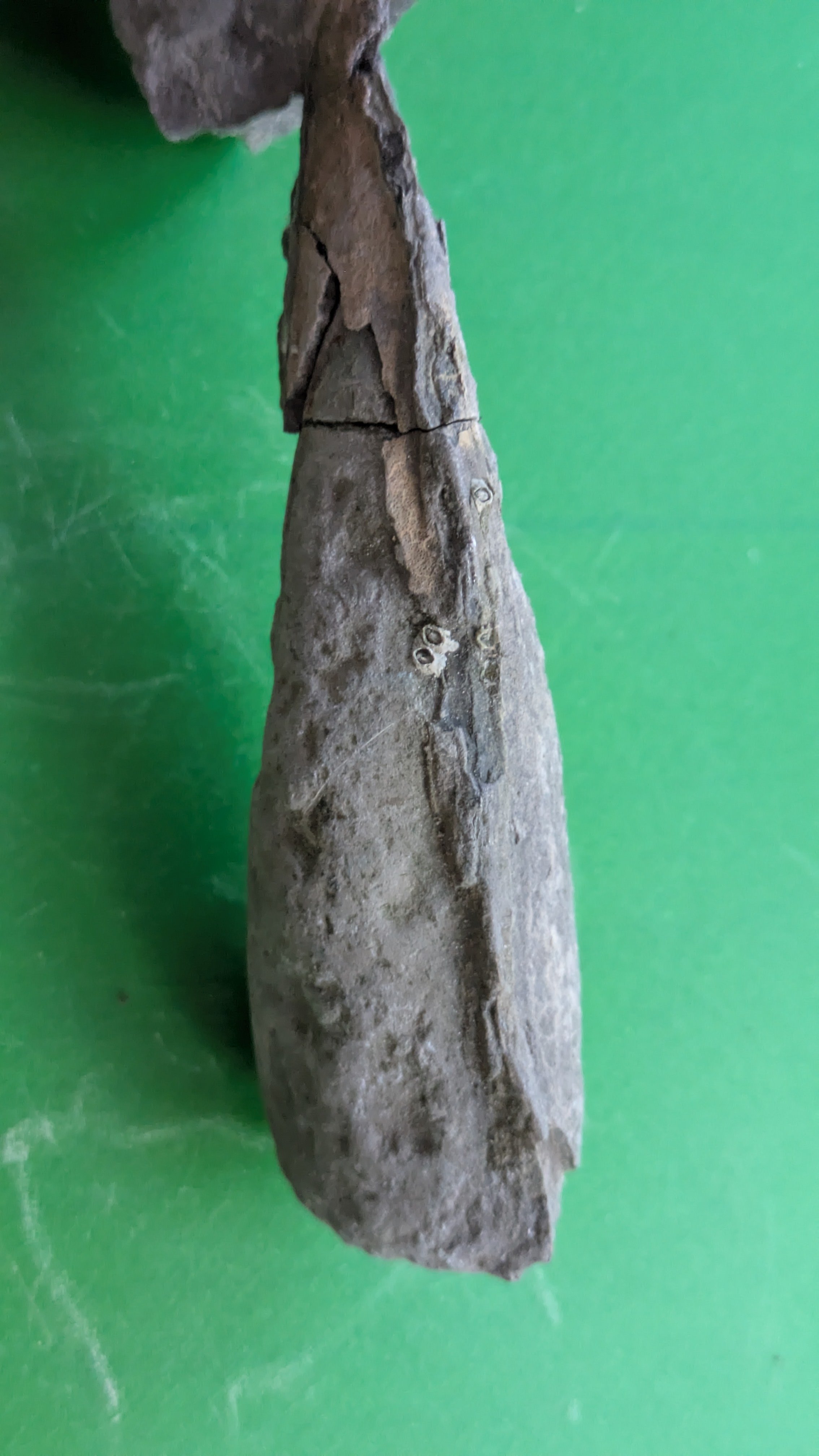
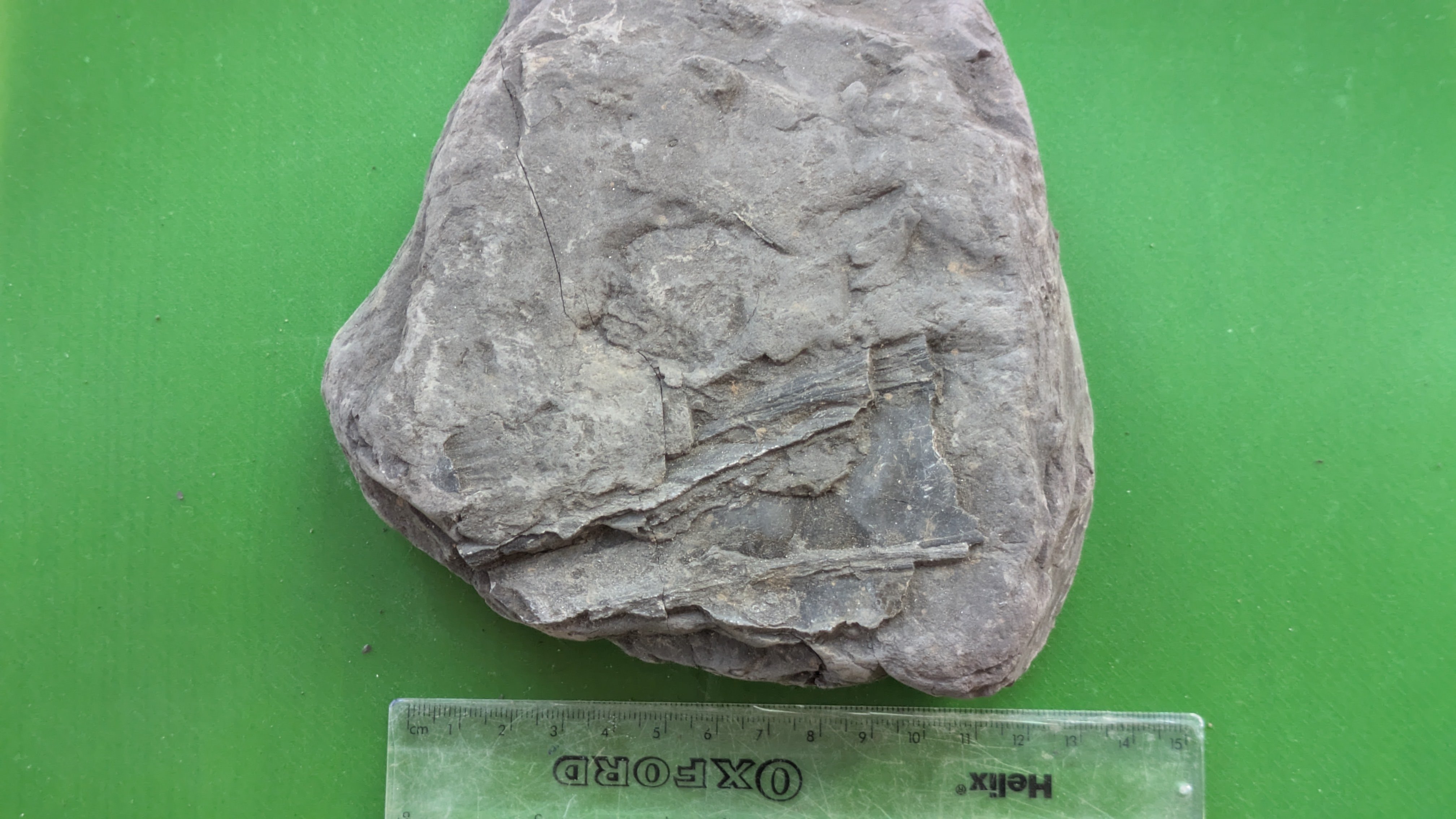
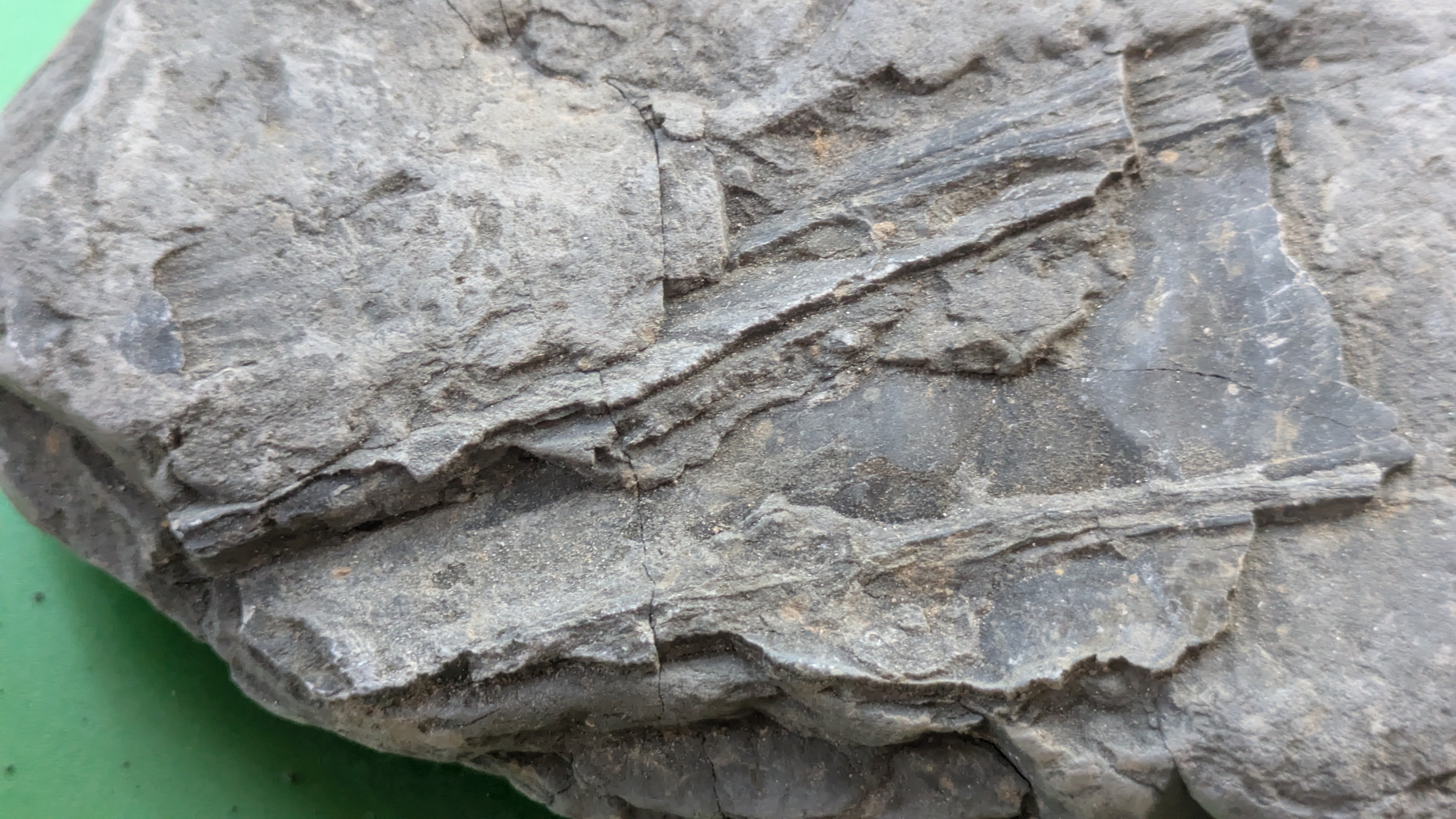
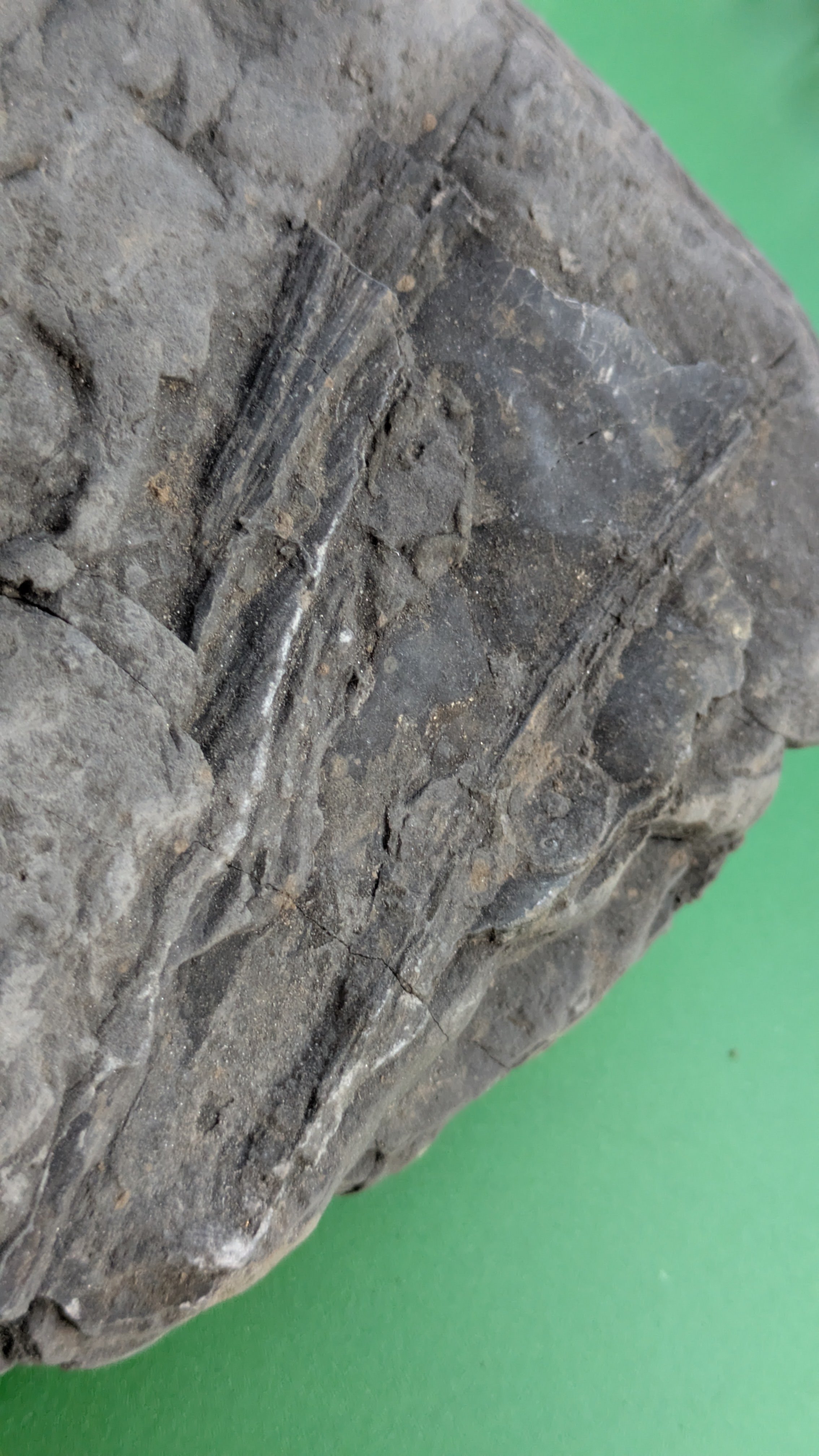
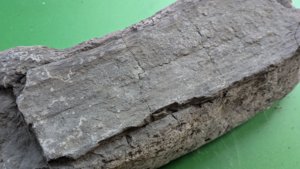
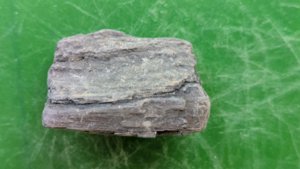
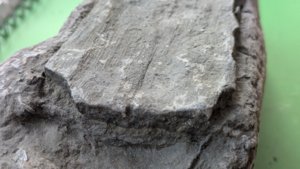
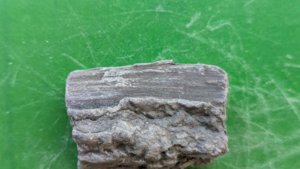
Plantae
2 specimens


Plantae
2 specimens
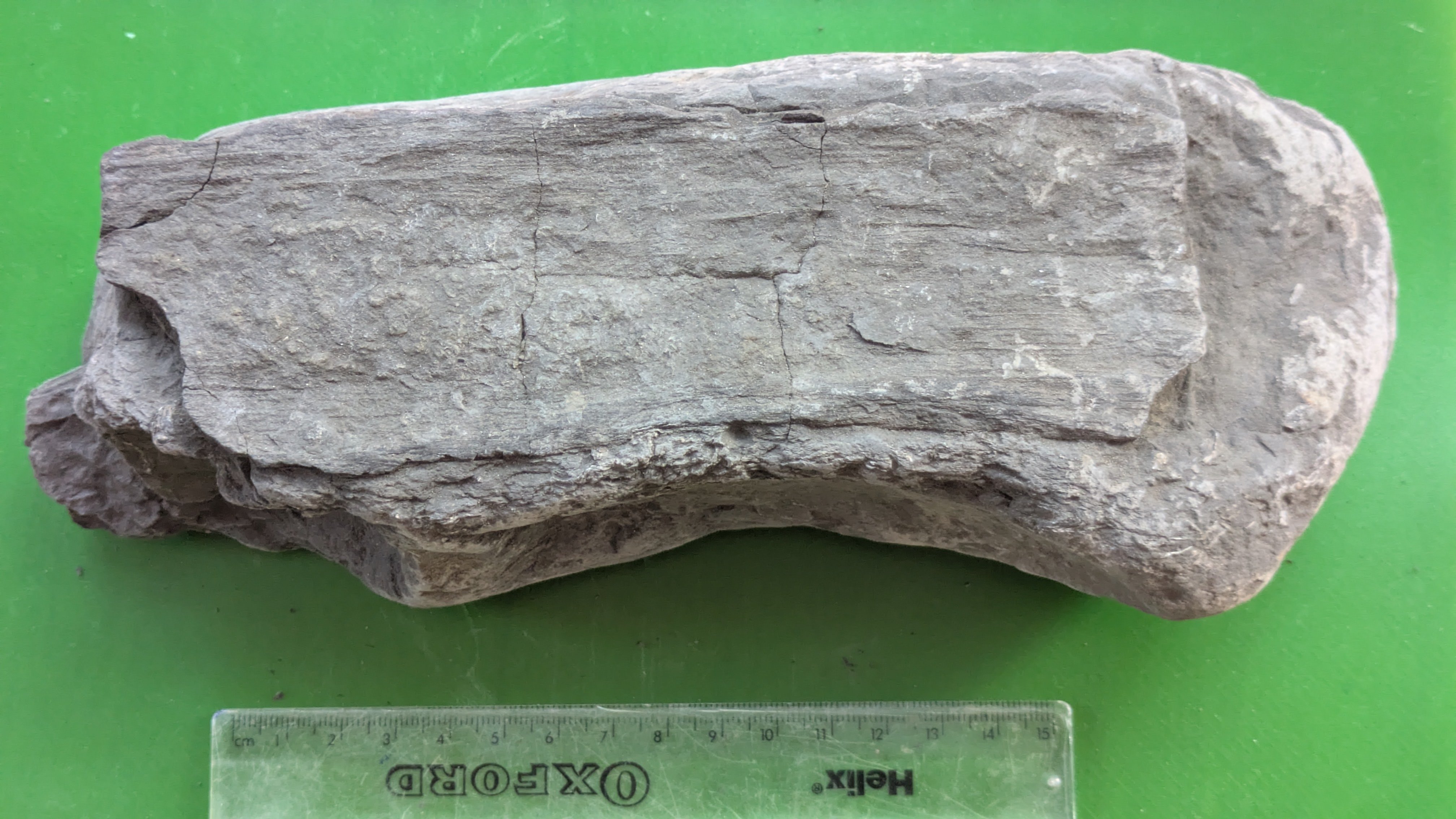
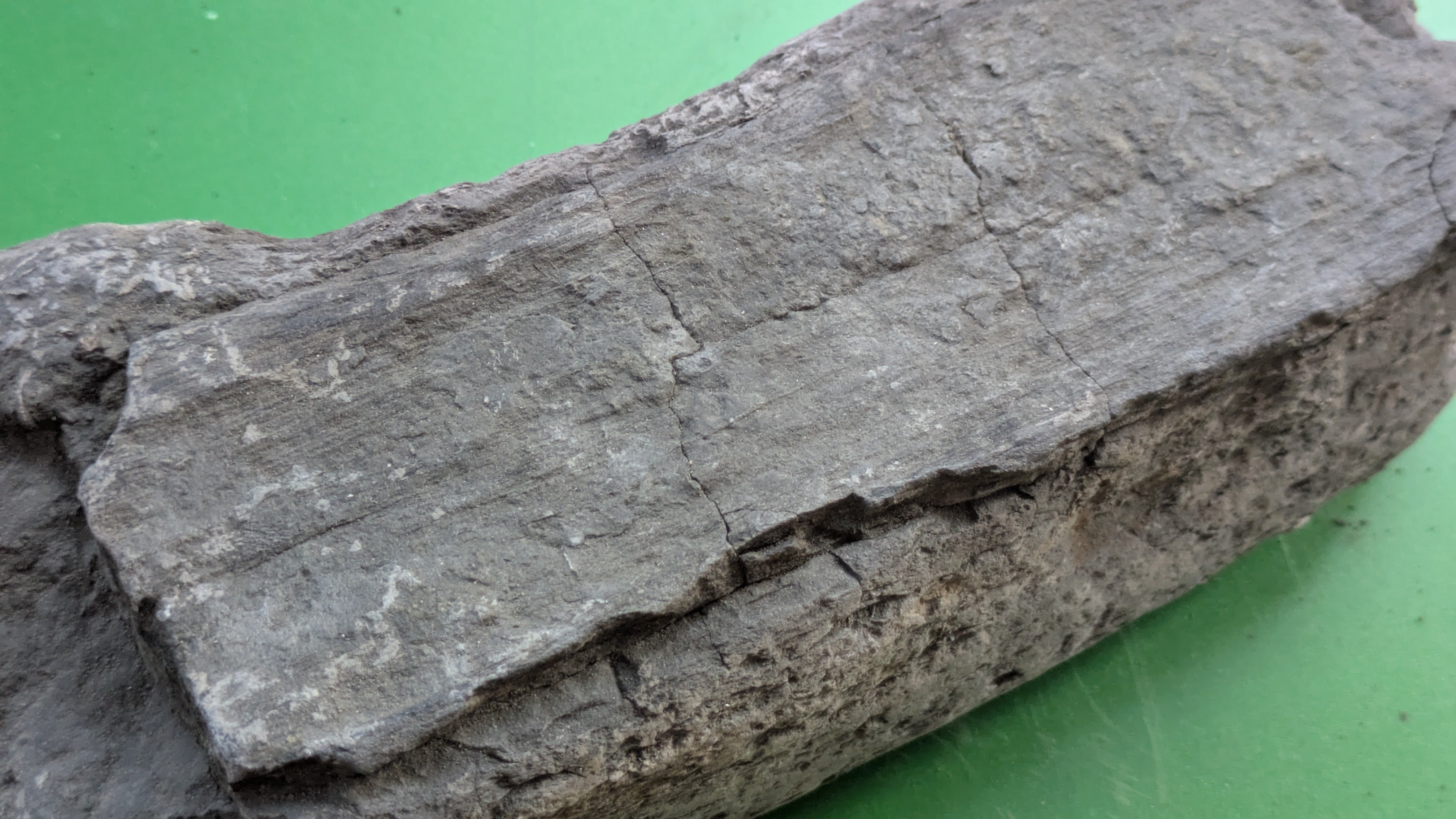
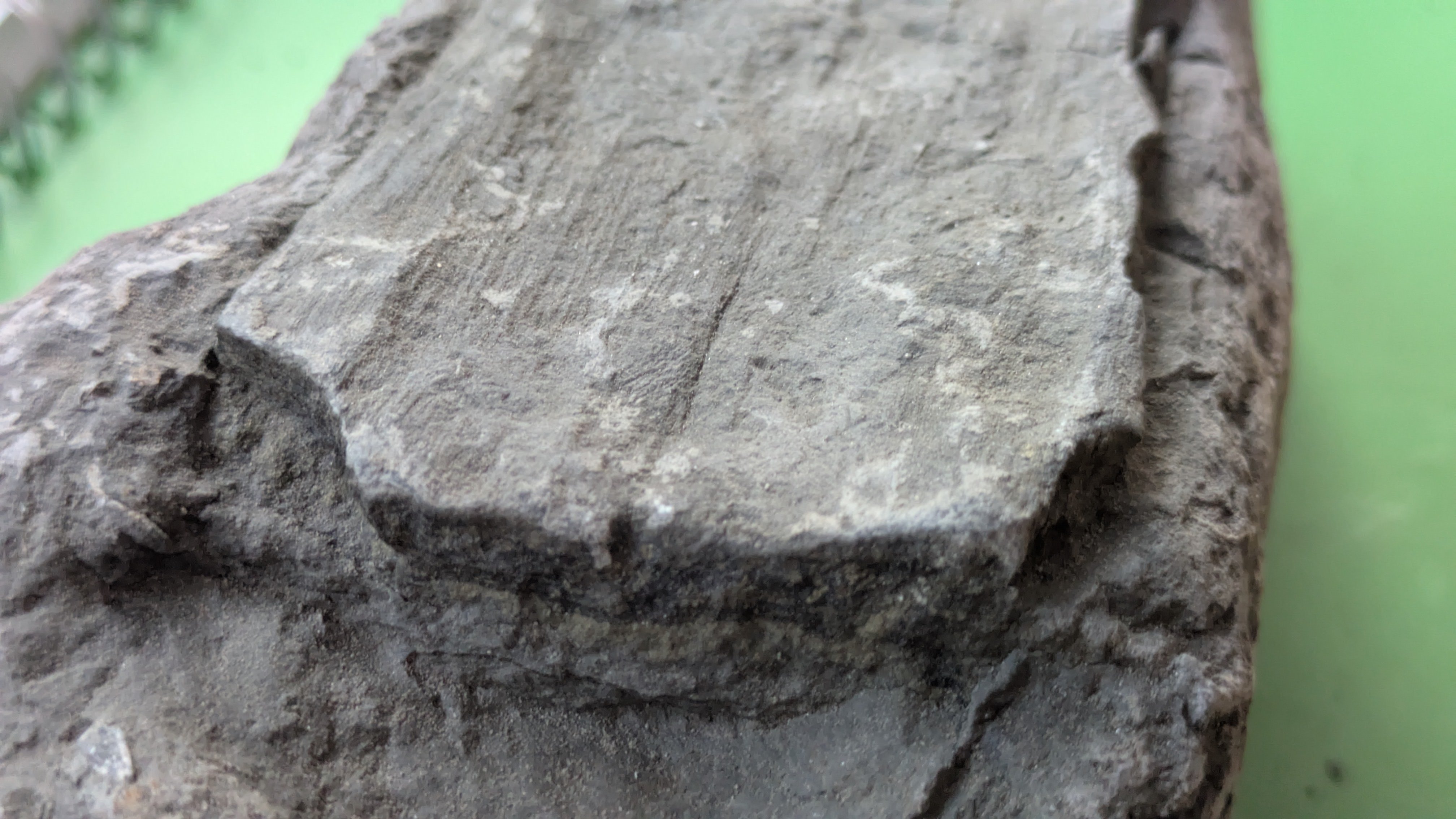
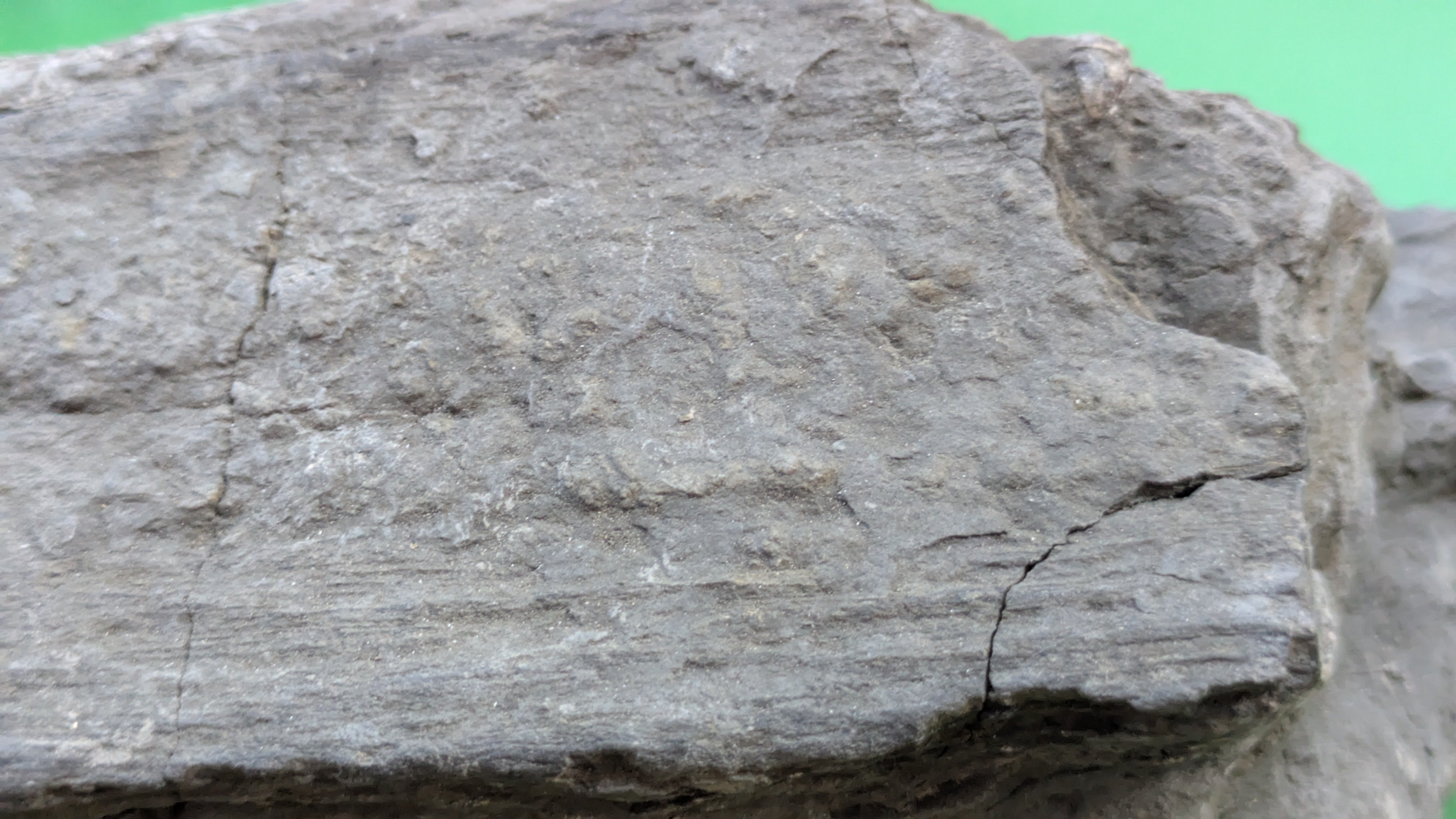
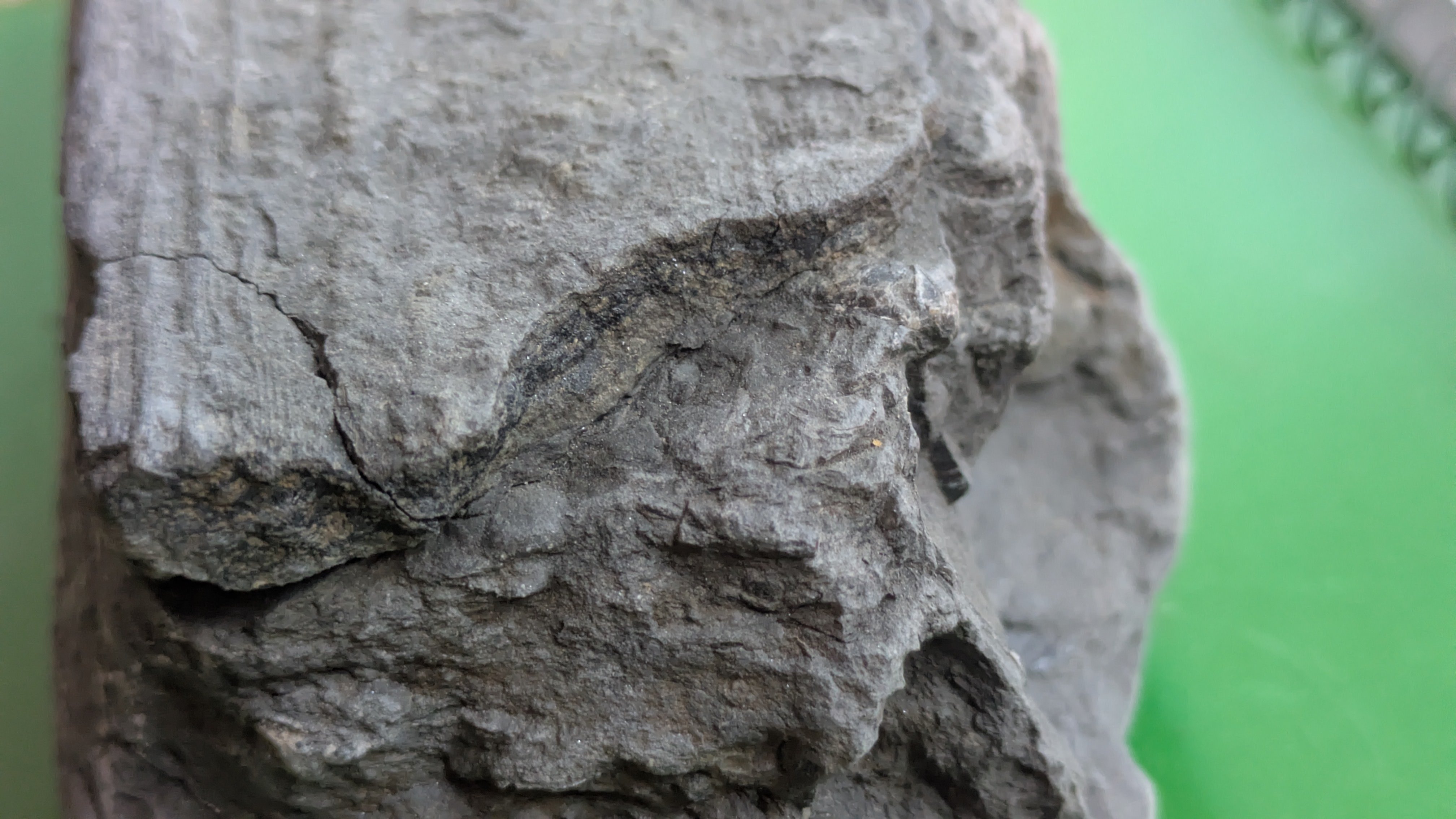
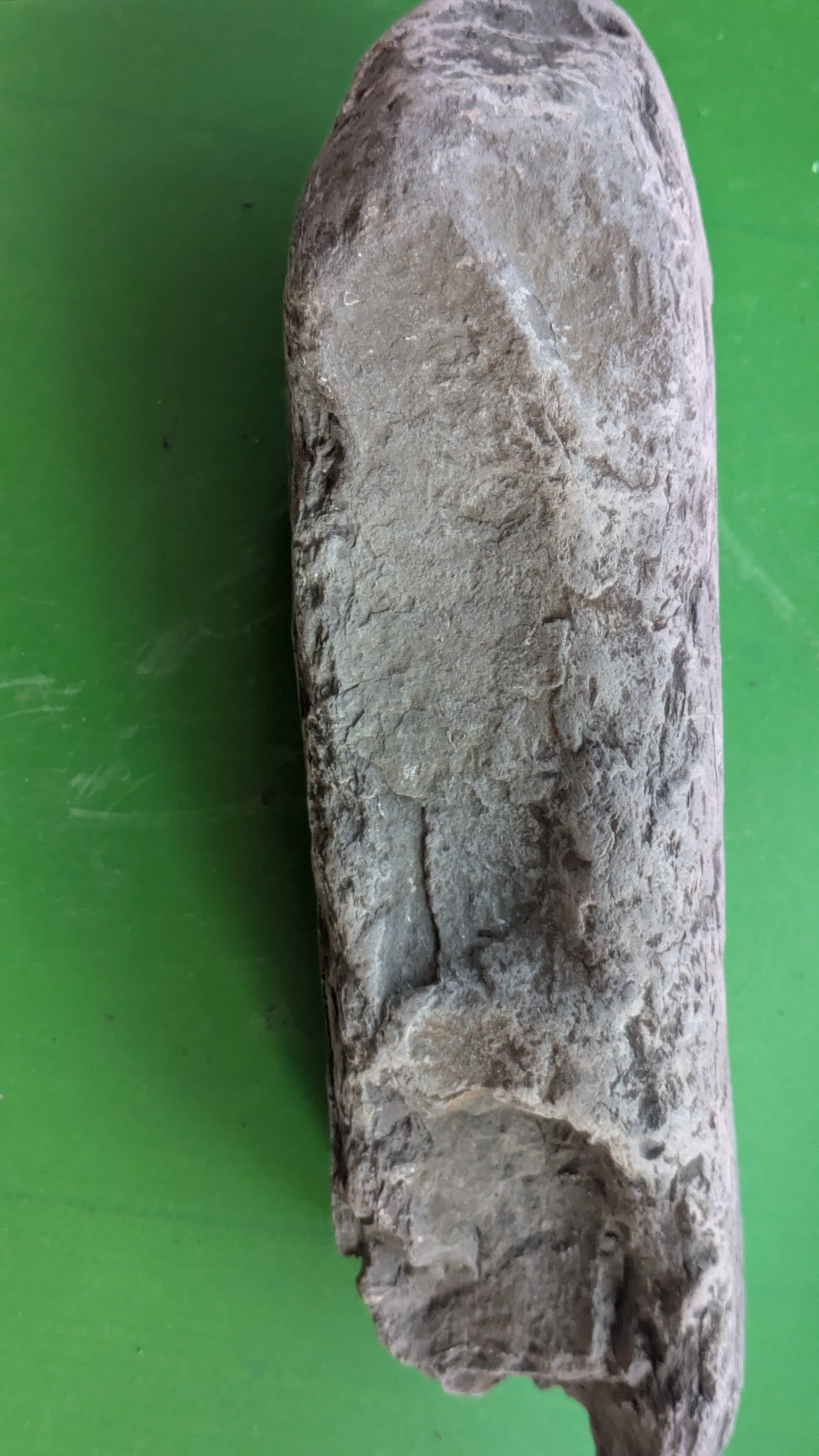
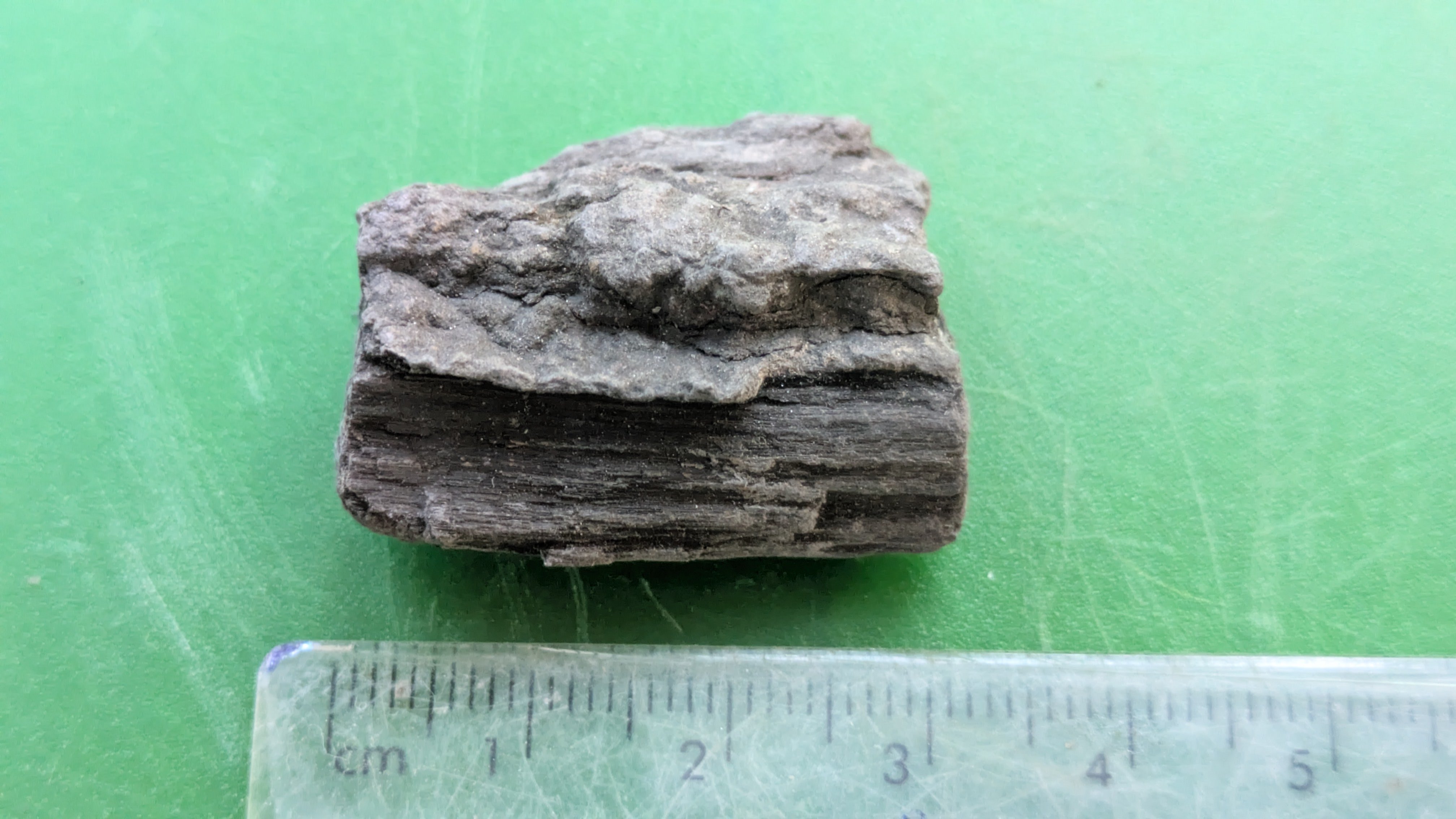
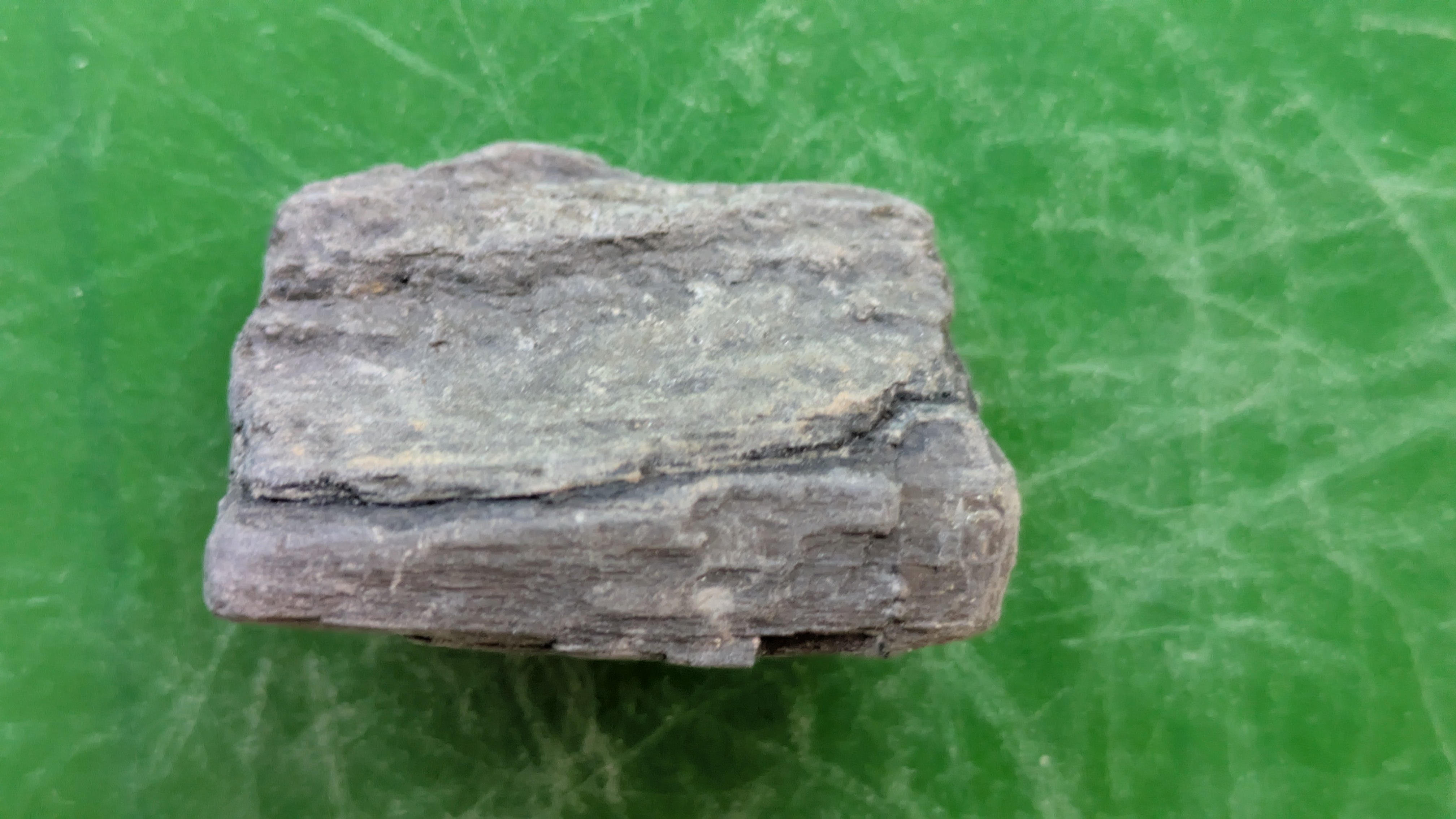
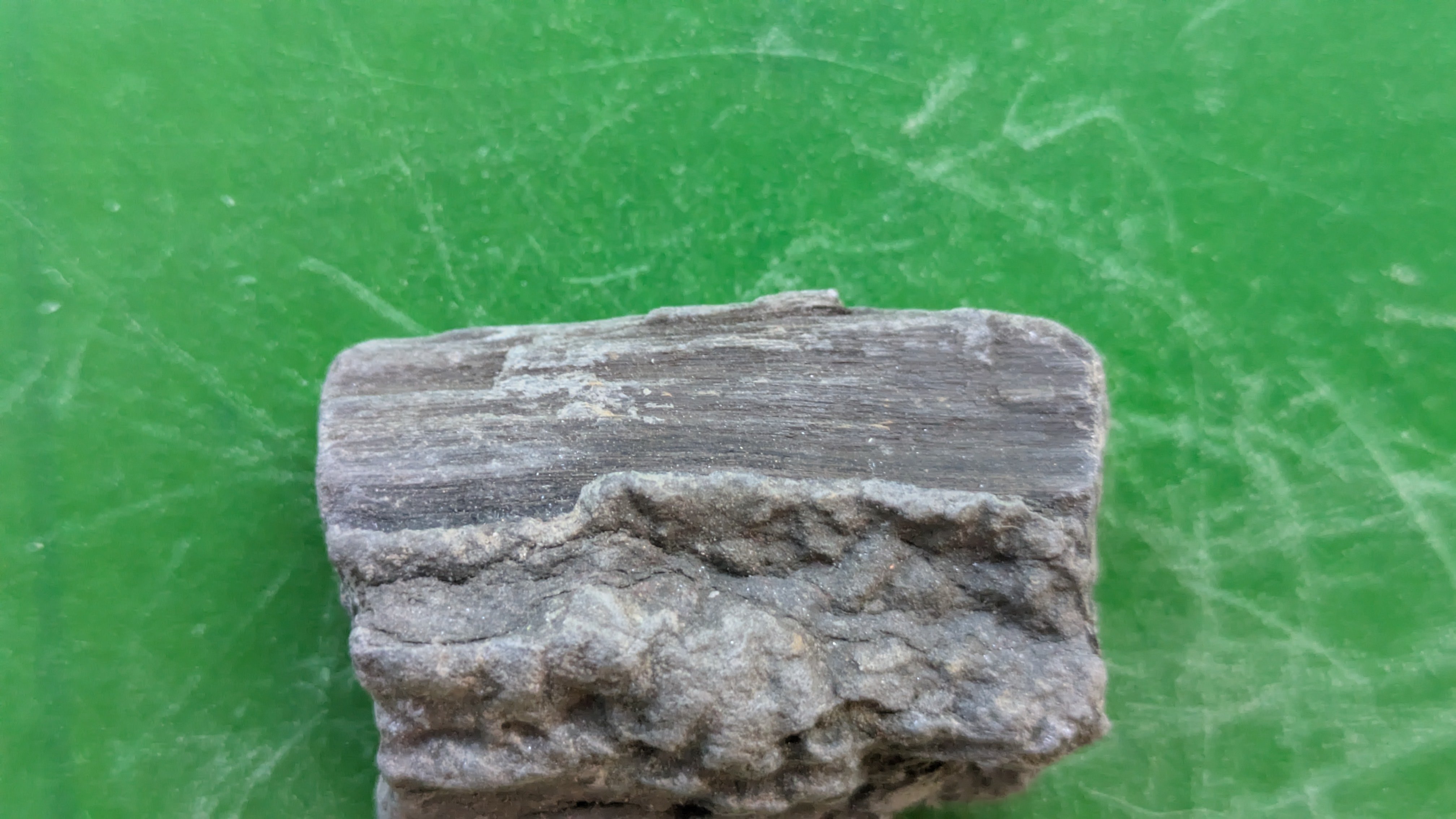
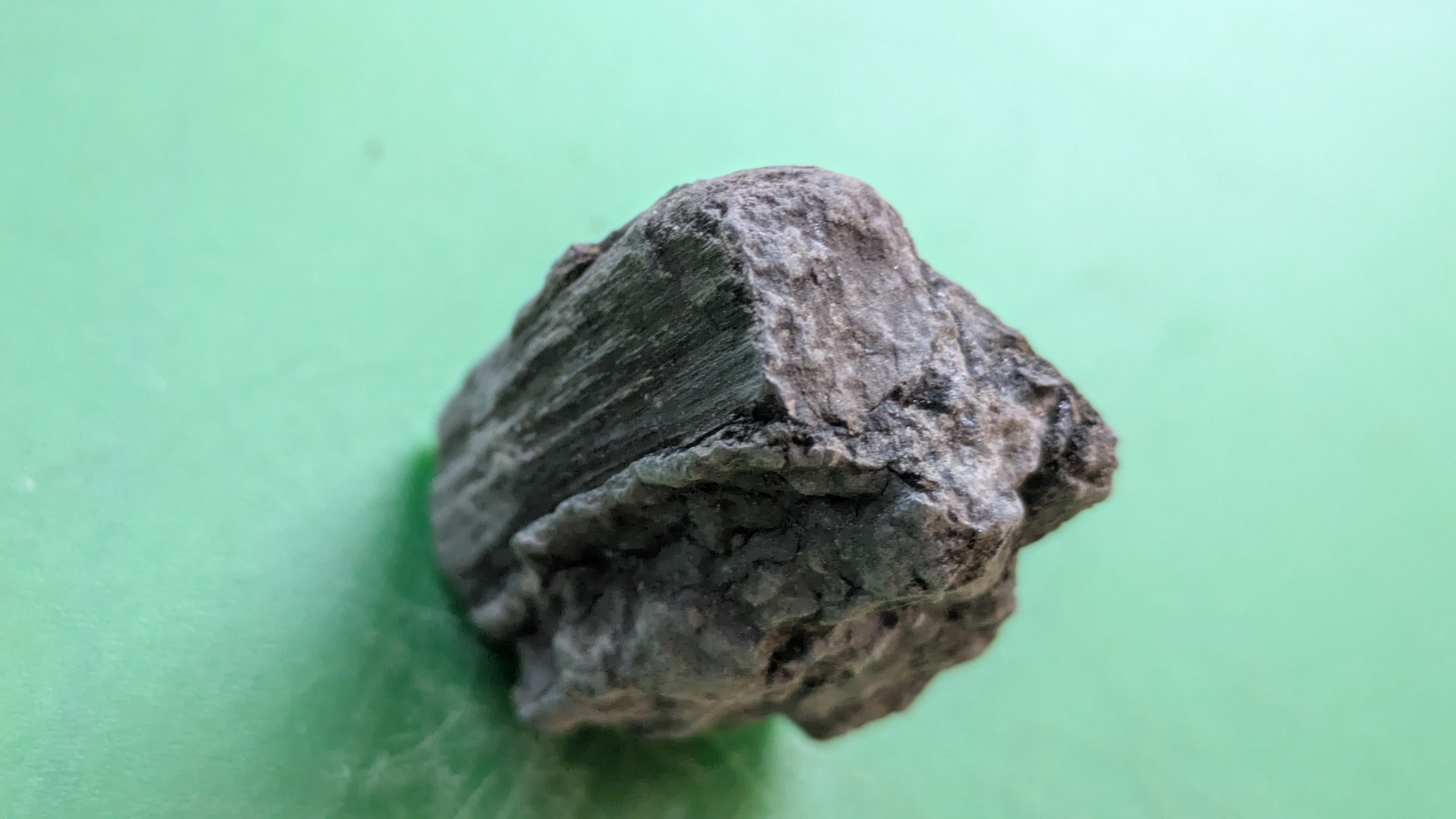
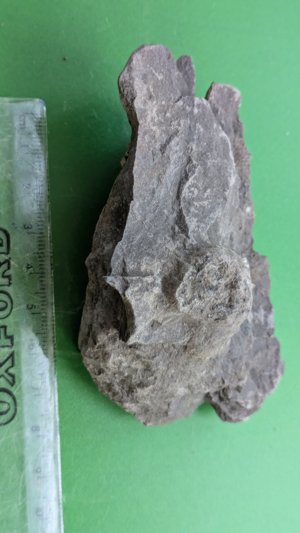
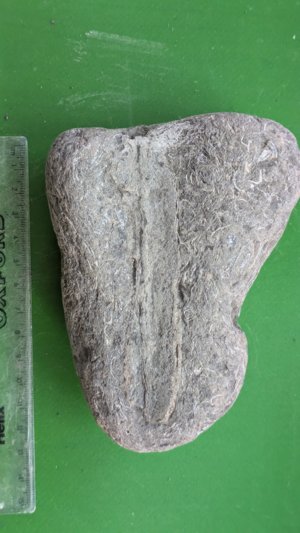
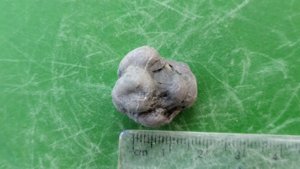
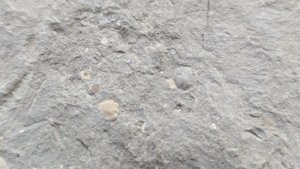
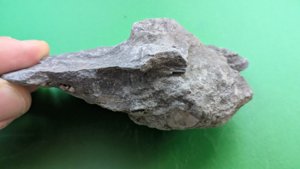
Unclassified
4 specimens


Unclassified
4 specimens