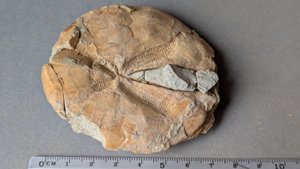
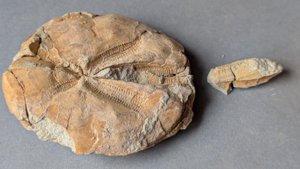
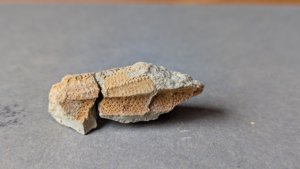
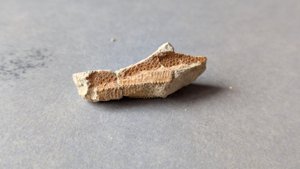
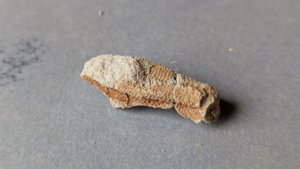
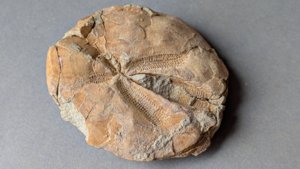
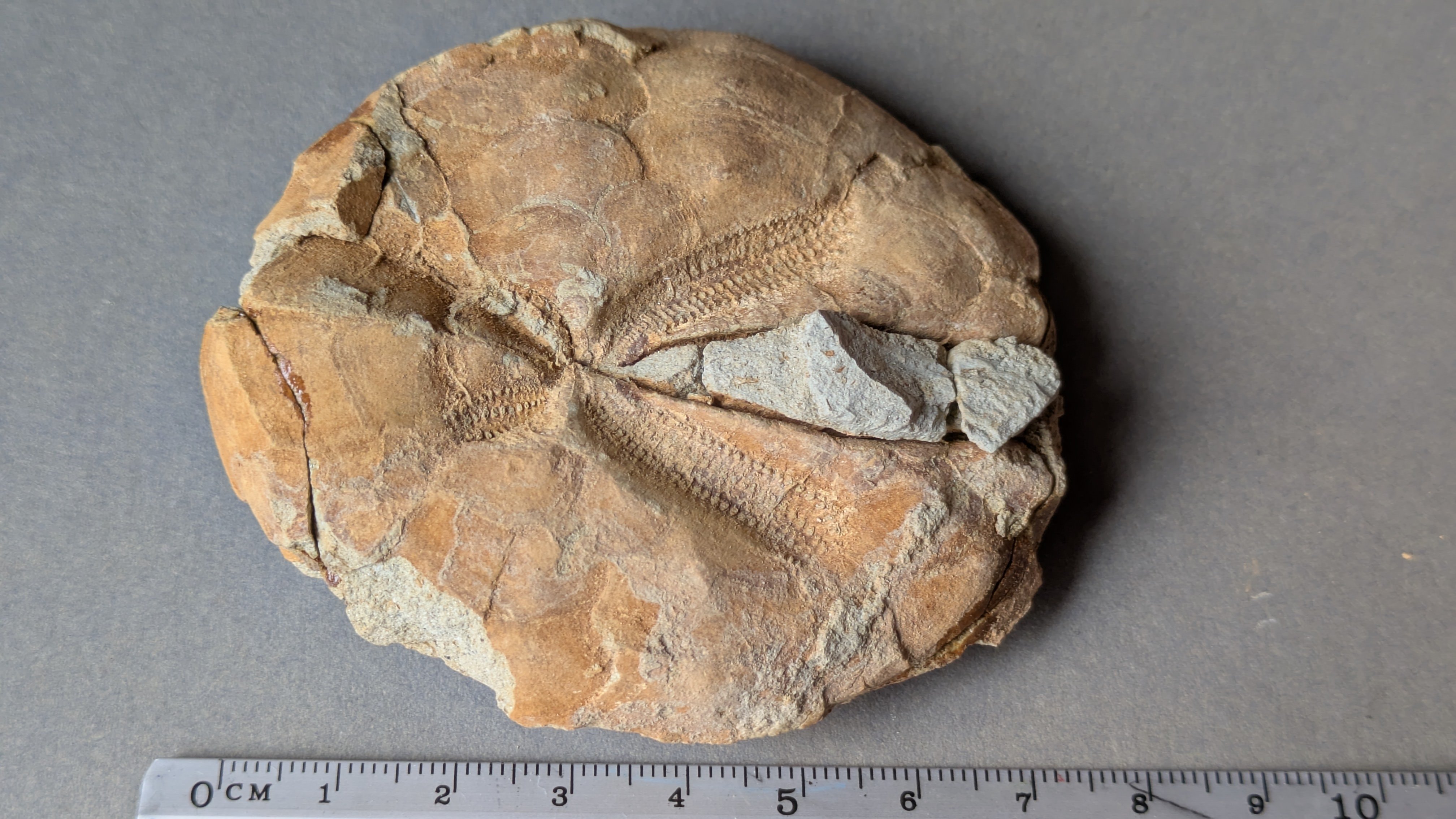
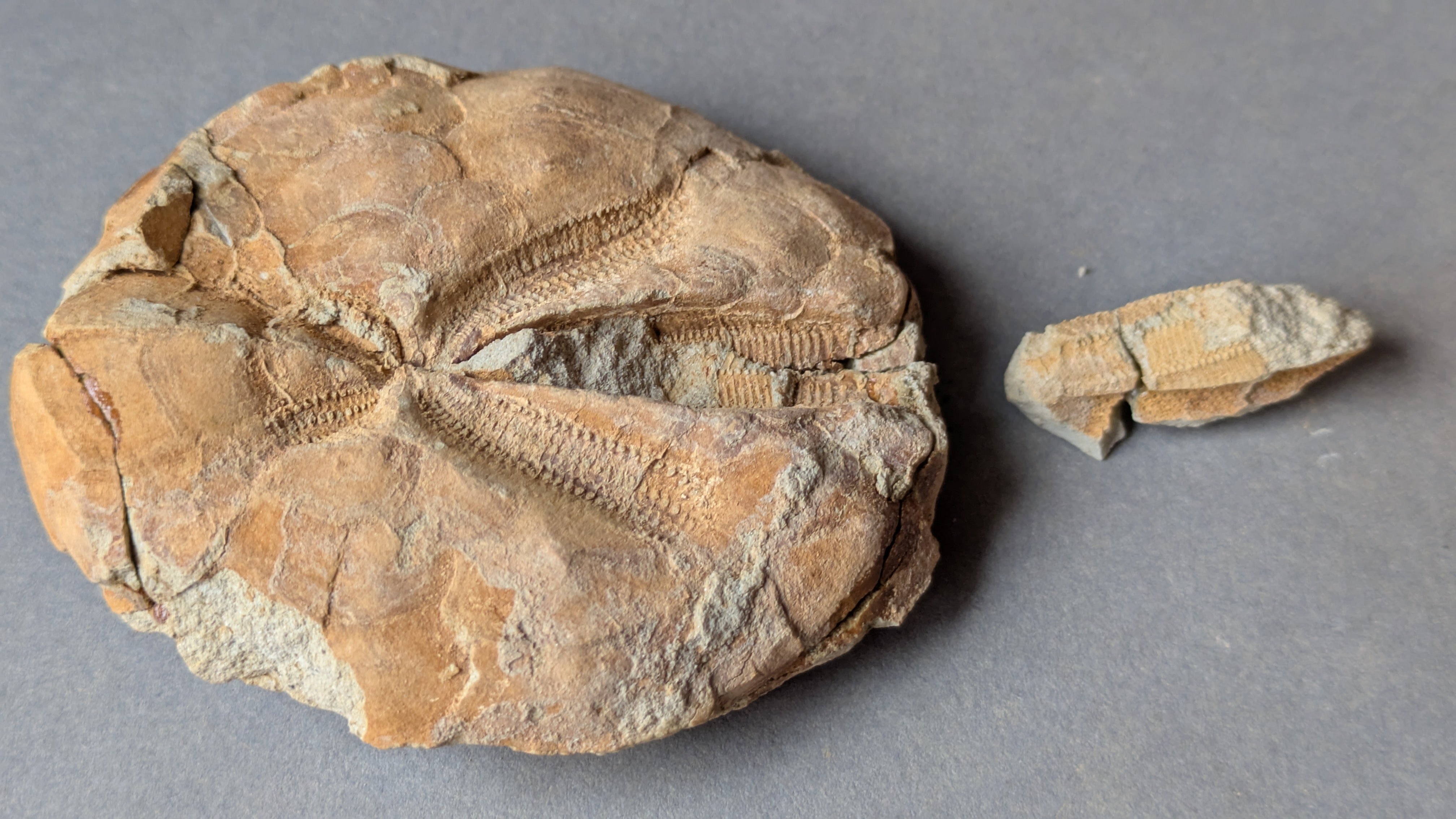
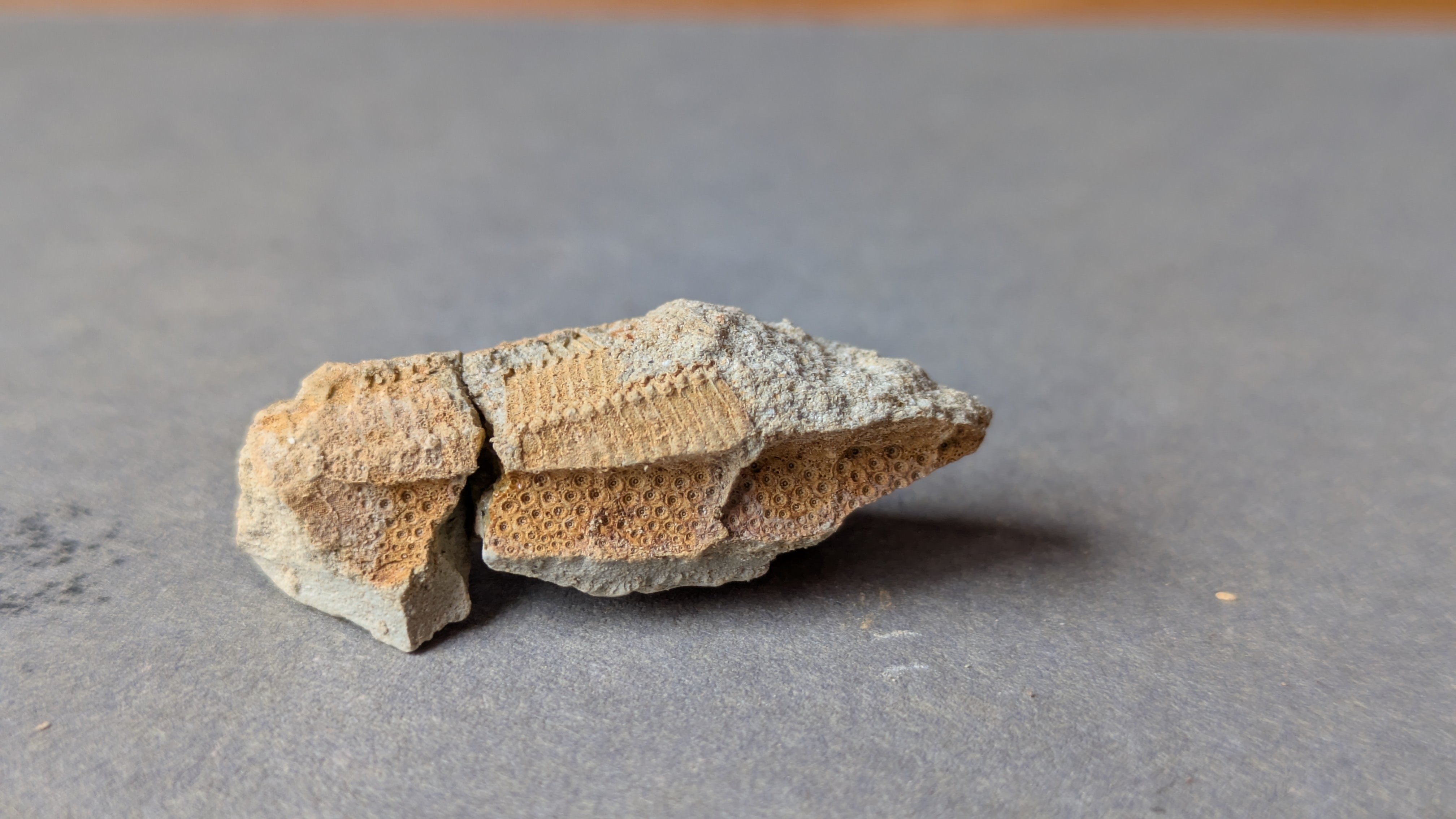
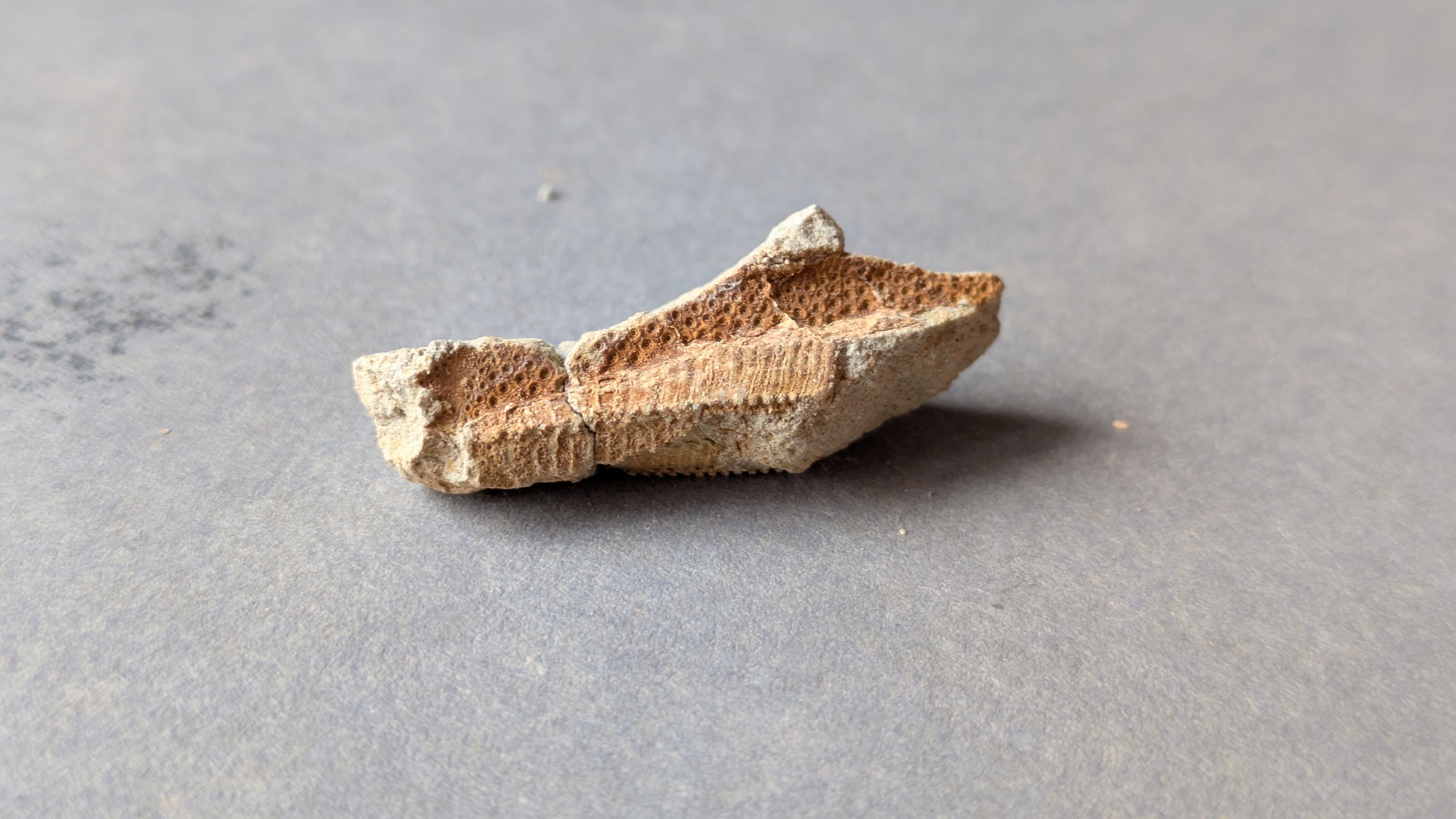
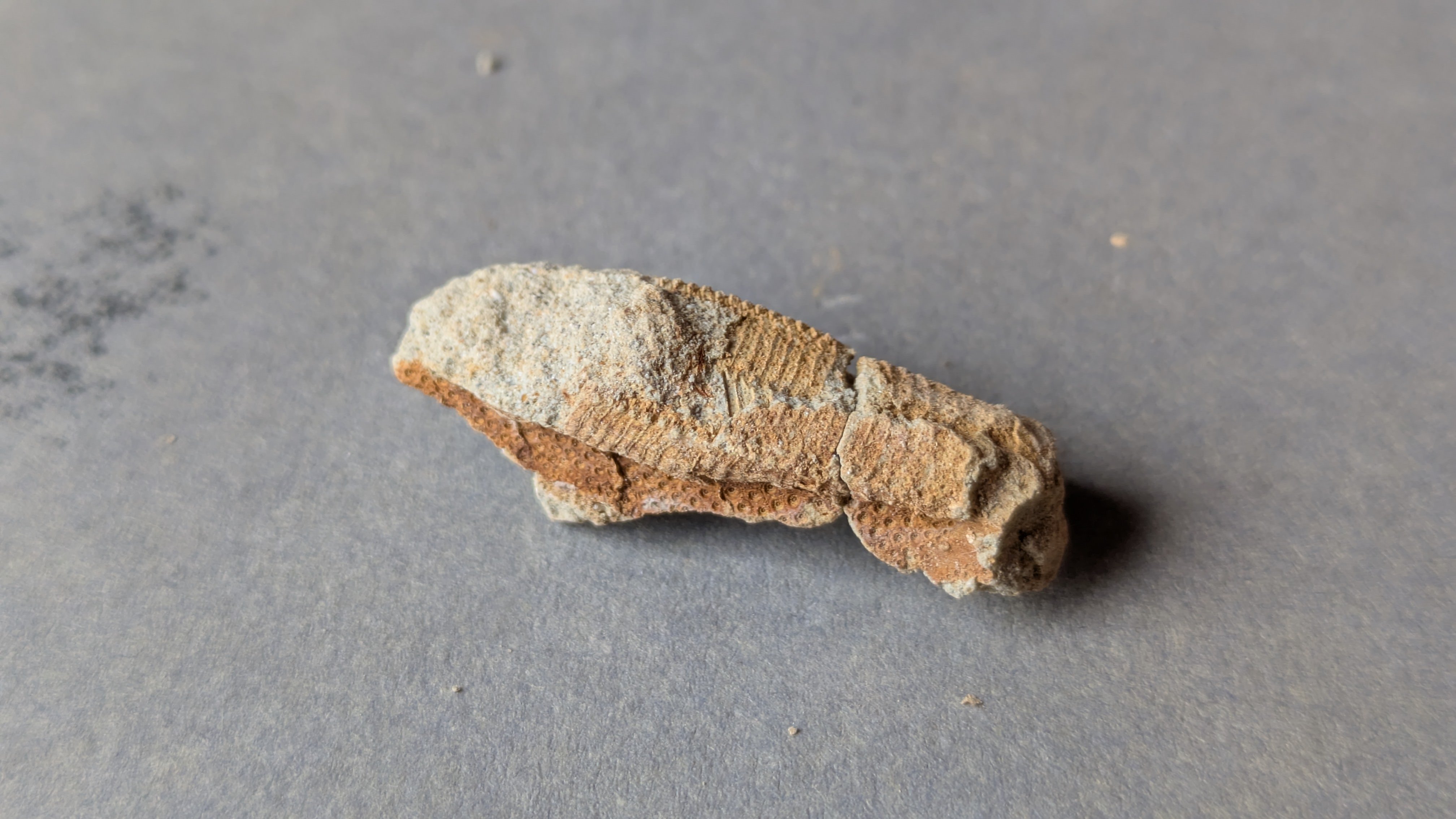
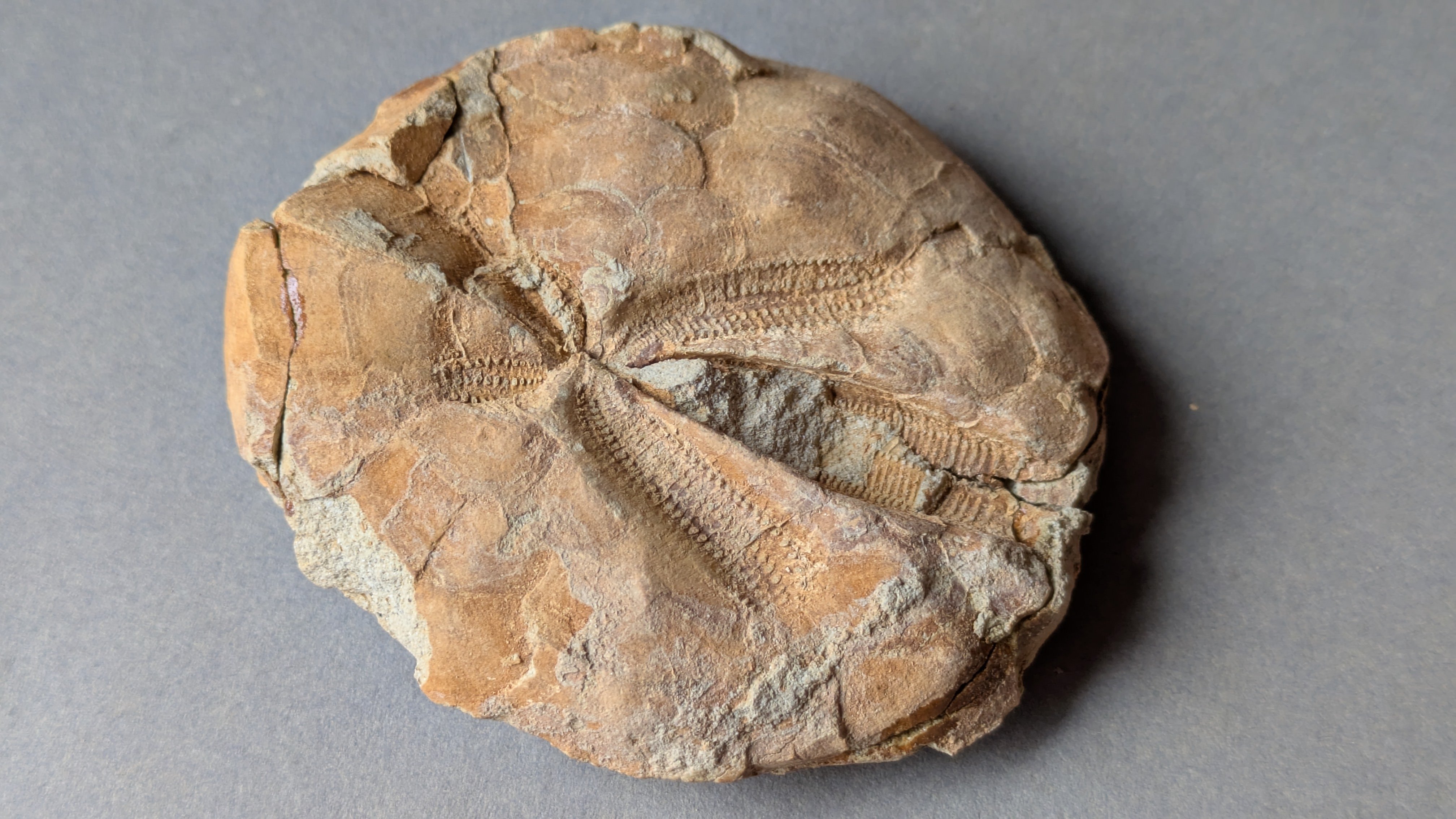
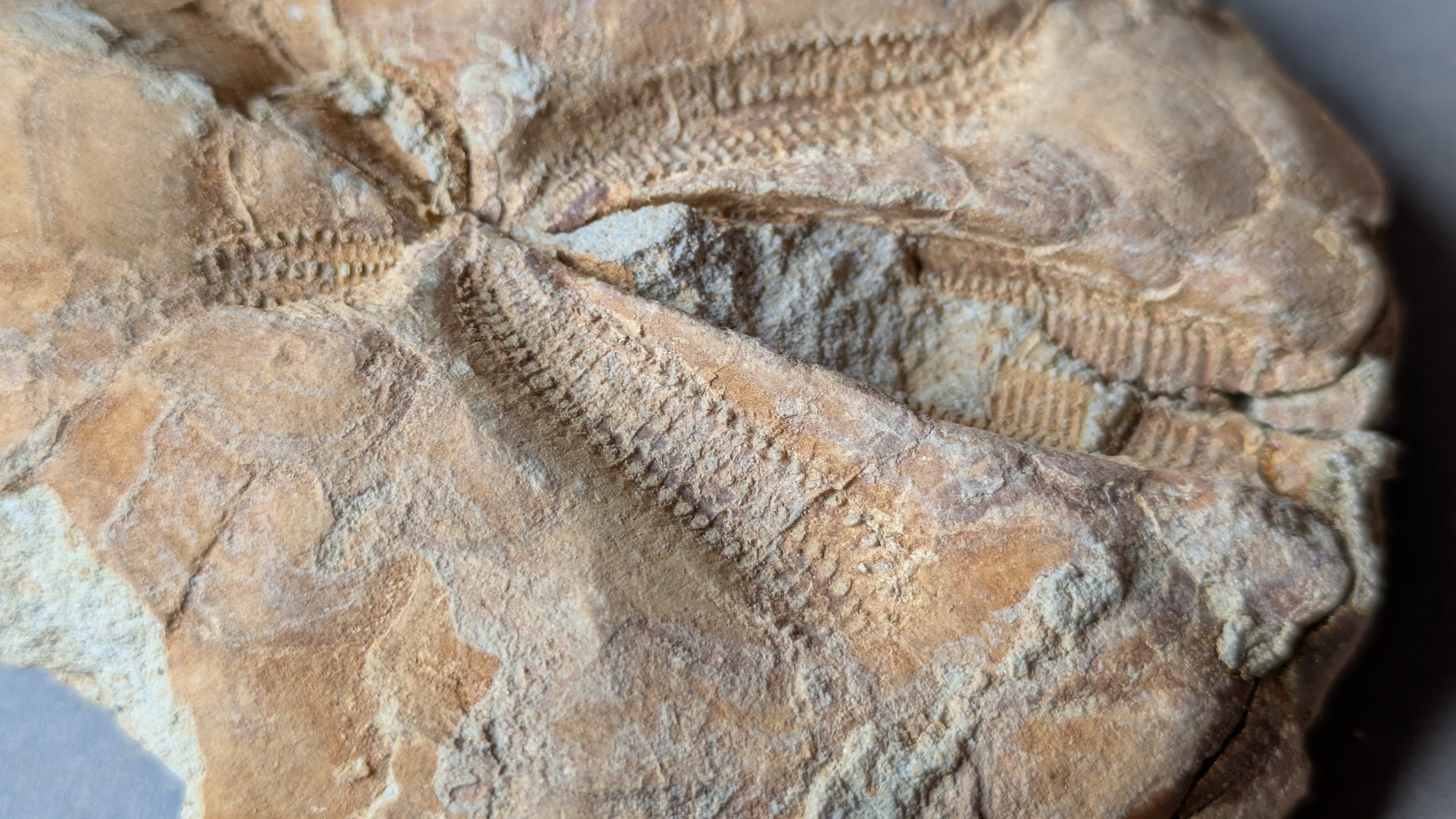
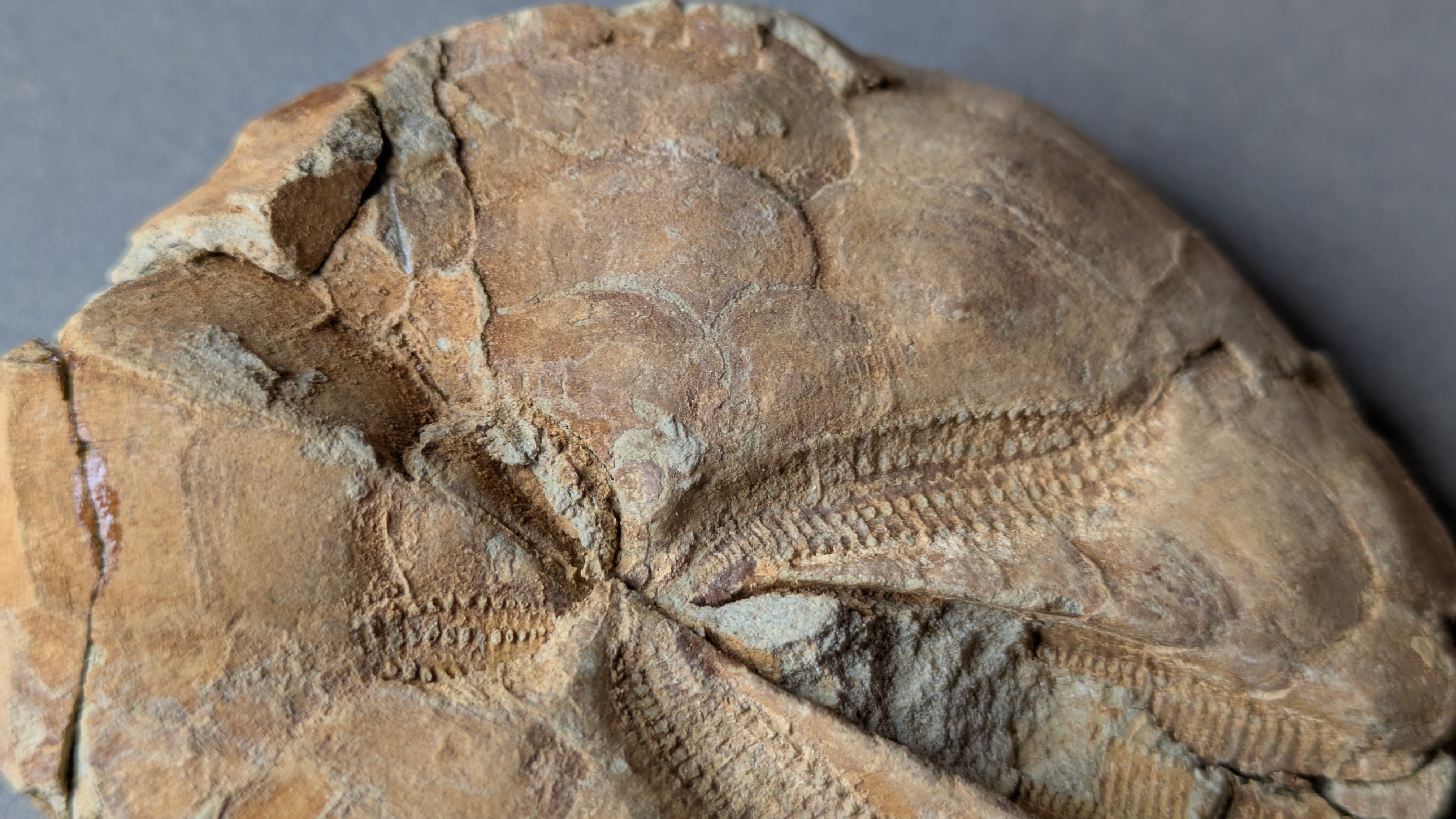
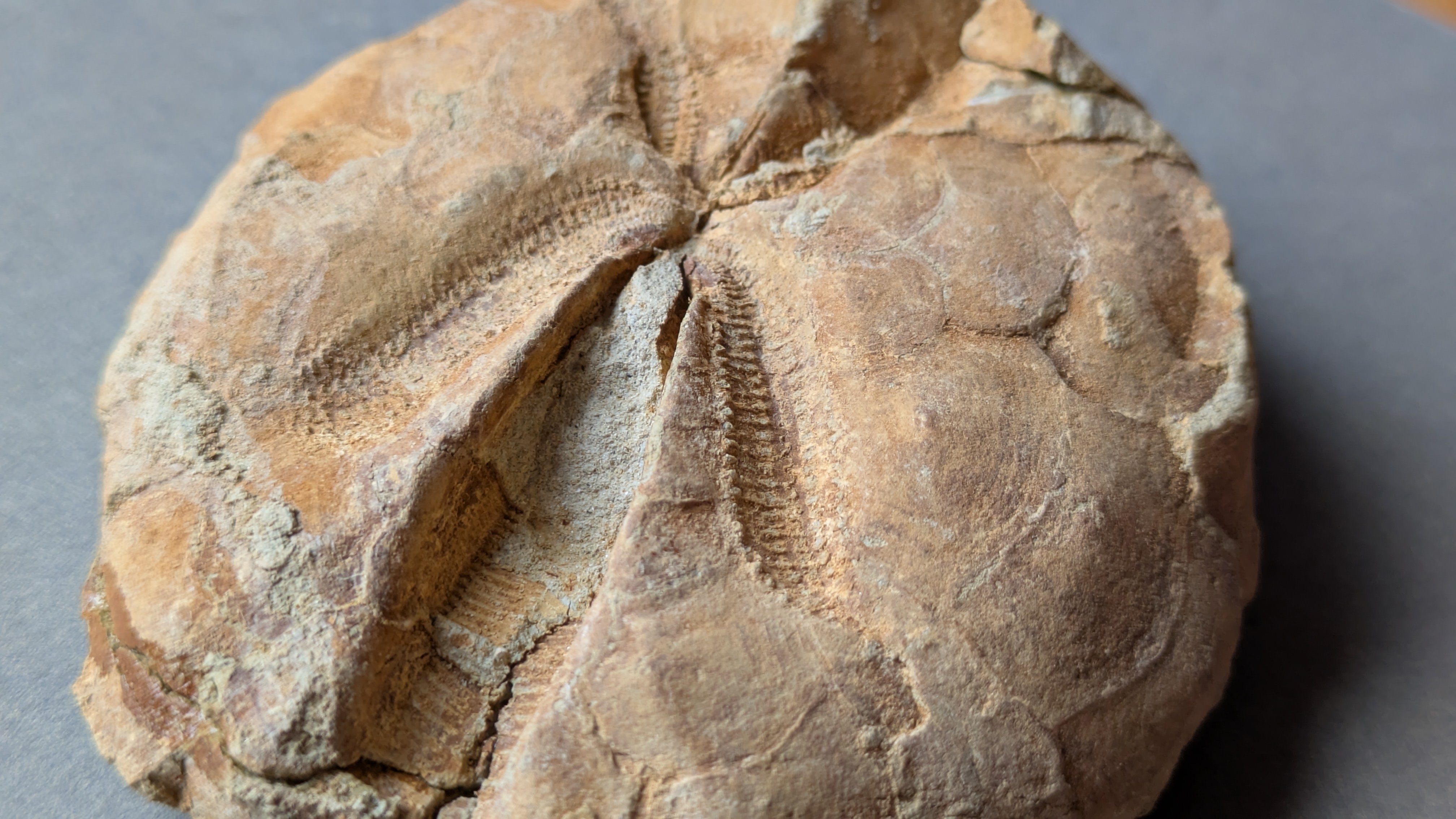
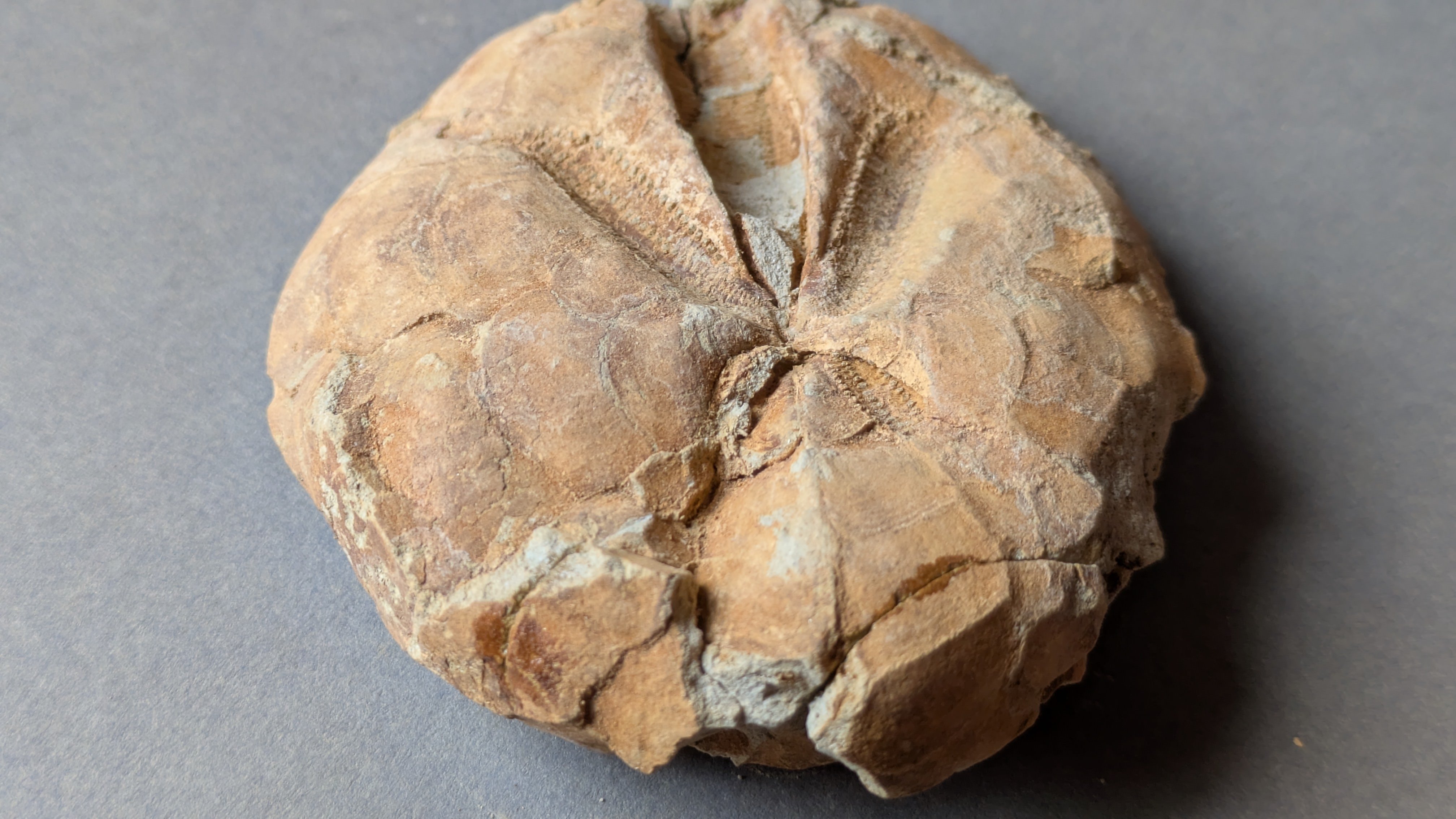
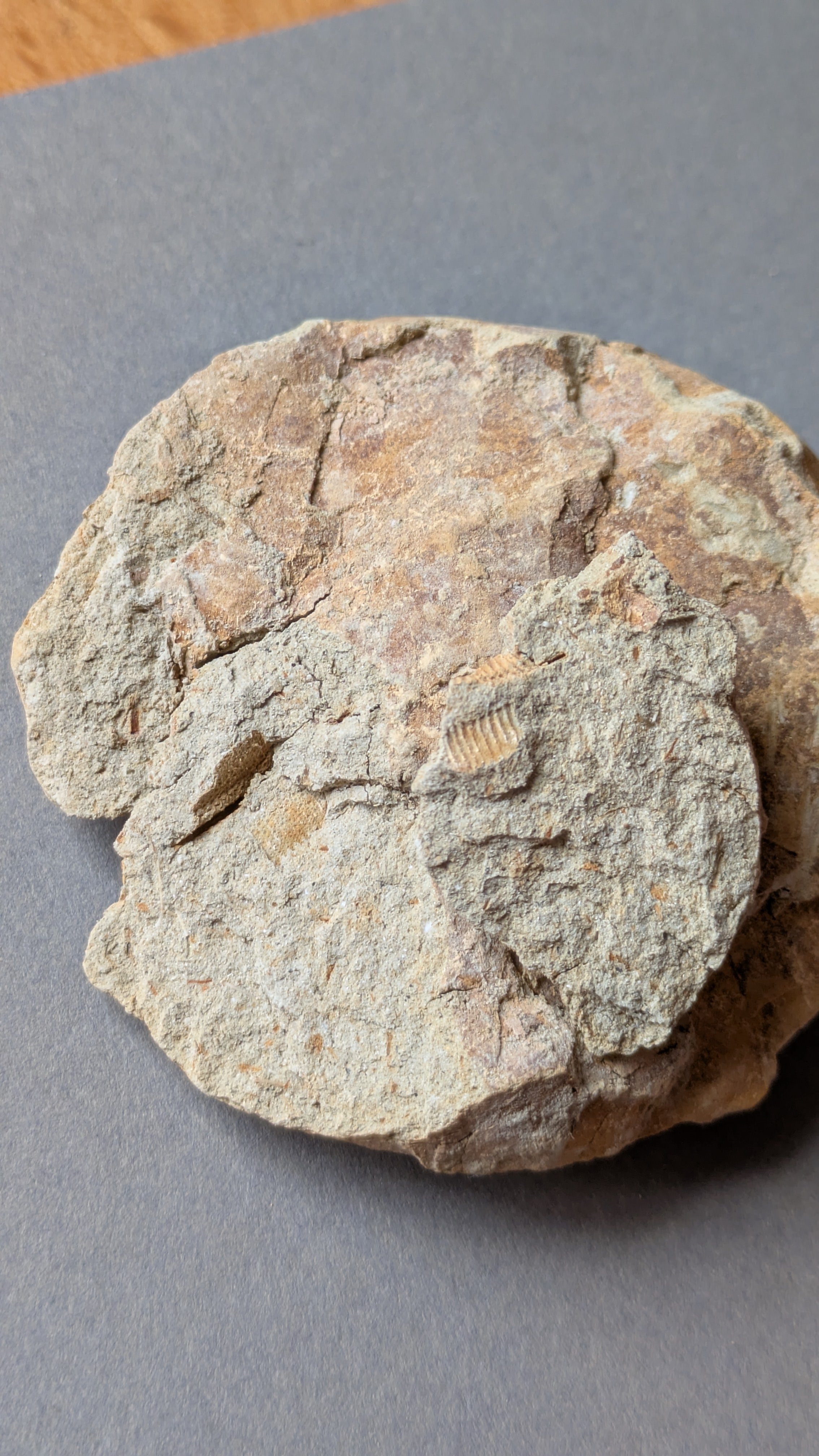
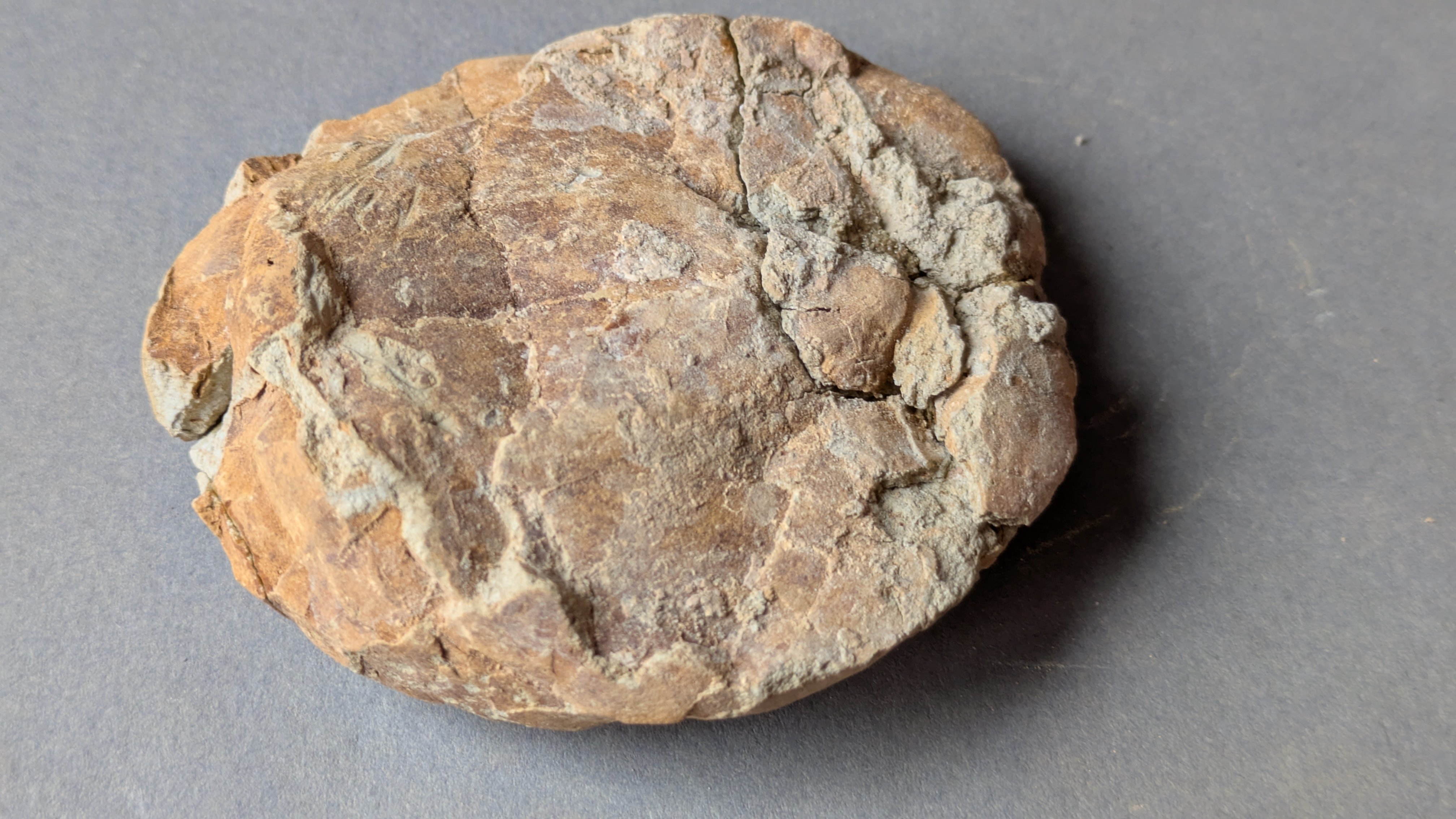
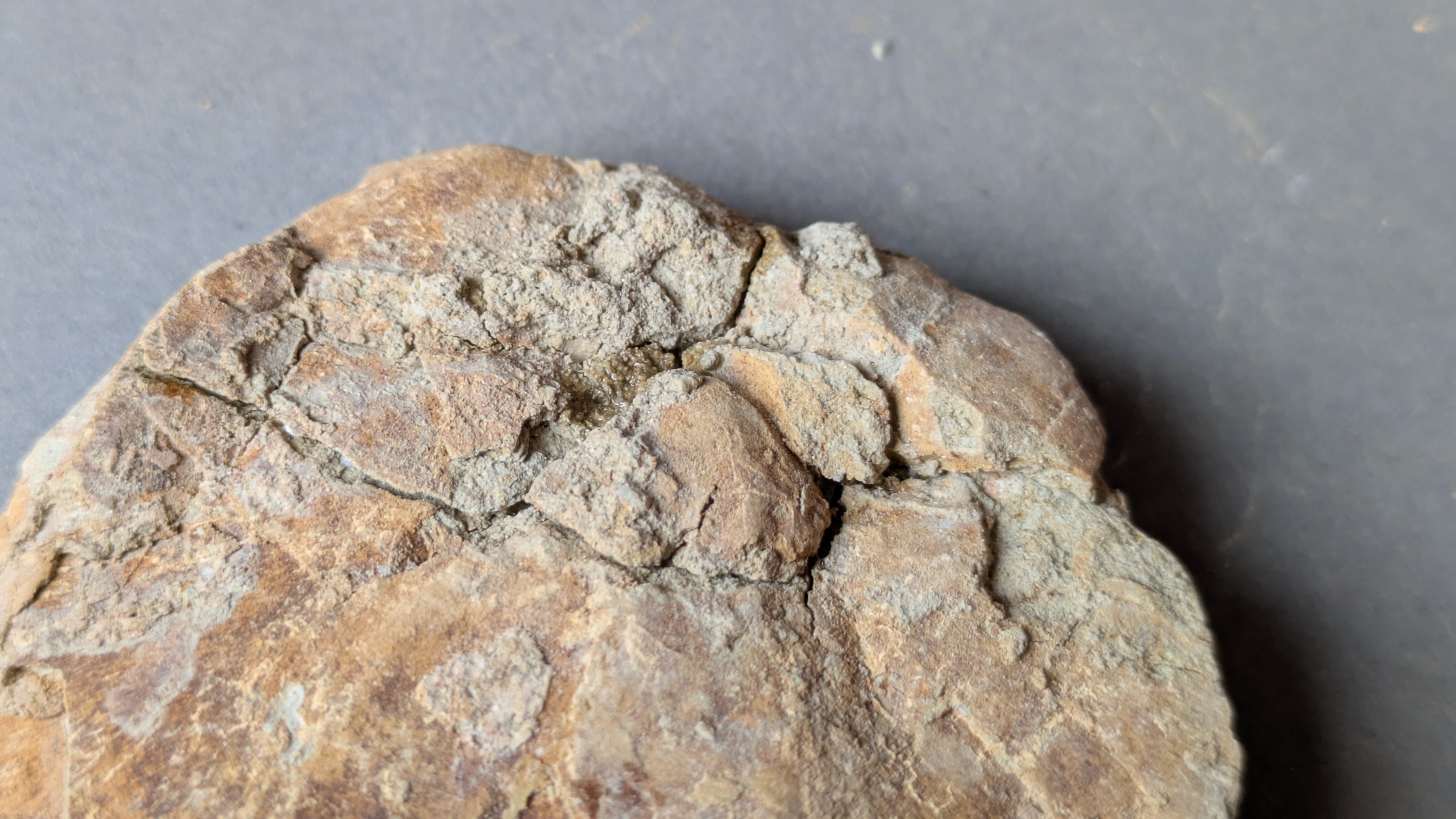
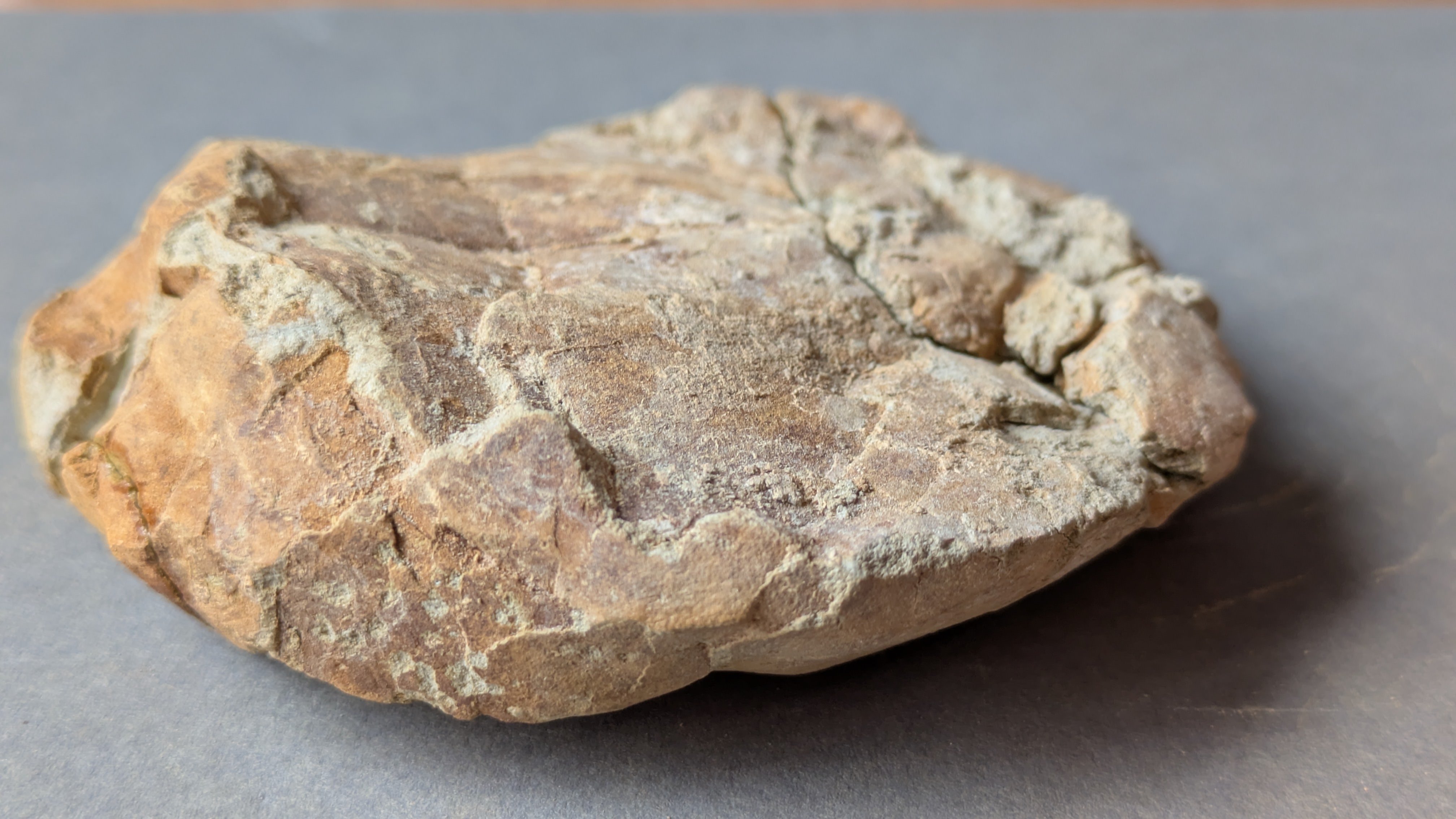
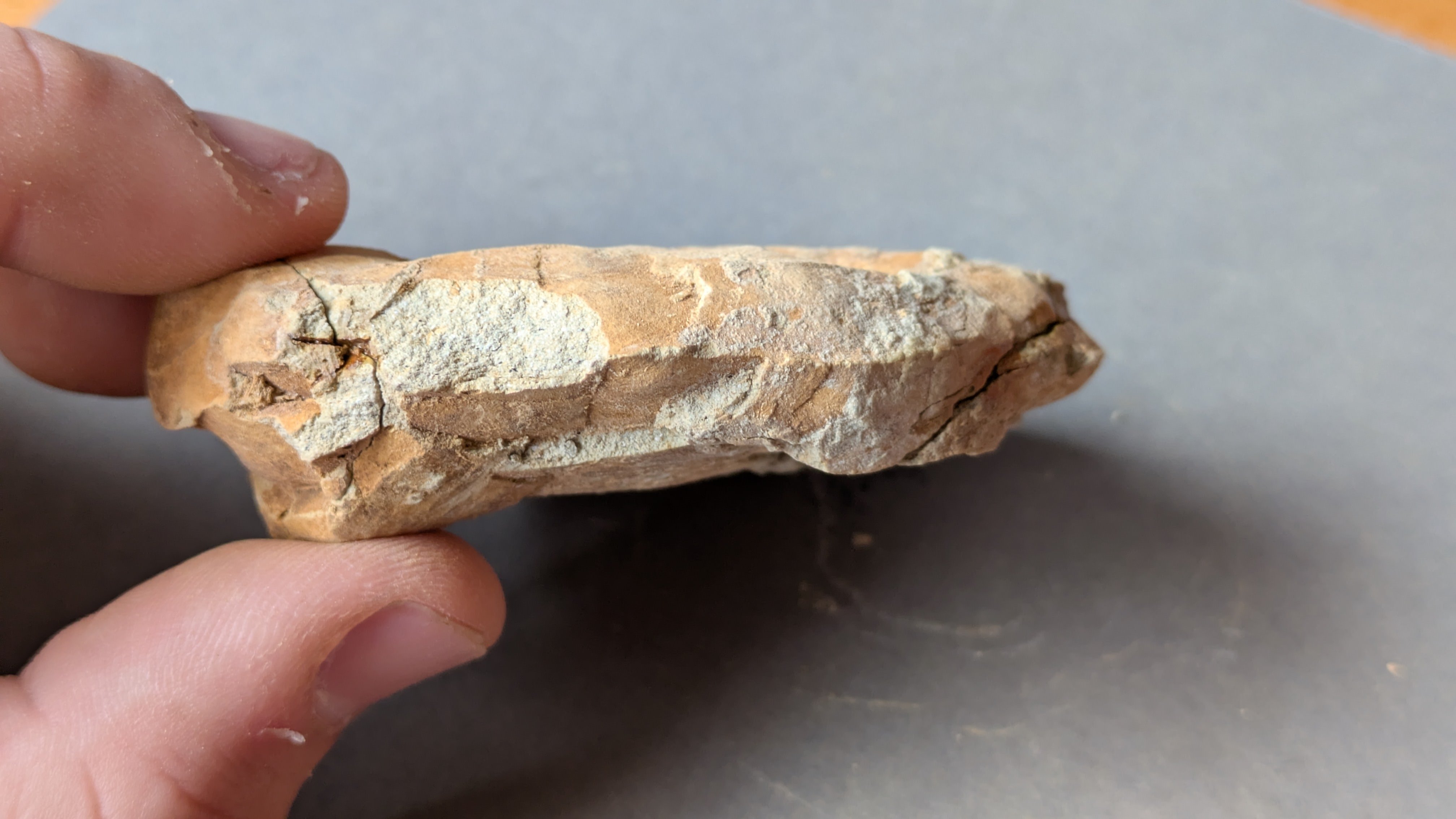
Schizasteridae is a family of irregular sea urchins, or heart urchins, within Spatangoida. Their tests are bilaterally organised, with the mouth towards the front and anus behind, and typically have deeply sunken ambulacra, especially the unpaired anterior groove, plus distinctive bands of specialised spines called fascioles.
Living schizasterids mainly inhabit marine soft sediments. Many burrow and move with their spines and tube feet, feeding on organic material in or on the sediment. Some lineages are shallow burrowers, semi-infaunal or surface-dwelling, so ecology varies across the family.
The family has a long fossil record beginning in the Cenomanian, about 100.5 million years ago, and continuing to the present. The oldest boundary is somewhat classification-dependent because several early spatangoid genera have been assigned differently by different authors and databases.
 Ελληνικά
 English
 Ἑλληνική ἀρχαία
 Κυπριακά