Bacteria are single-celled prokaryotic organisms lacking a nucleus and other membrane-bound organelles. They are distinct from other life forms by their simple cell structure, unique biochemistry (such as peptidoglycan cell walls in many groups), and extraordinary metabolic diversity.
Bacteria represent the earliest known branch of life on Earth, with evidence extending back more than 3.5 billion years. For most of Earth’s history they dominated the biosphere and profoundly altered the planet’s chemistry, most notably through oxygen-producing photosynthesis, which transformed the atmosphere and enabled the later evolution of complex life.
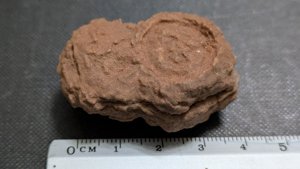
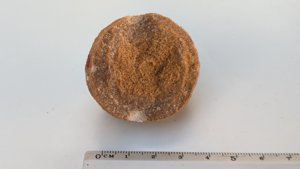
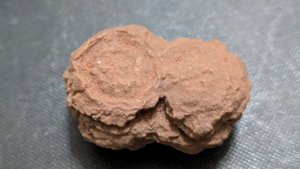
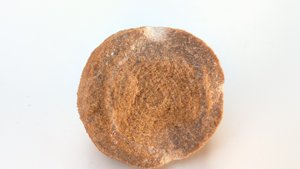
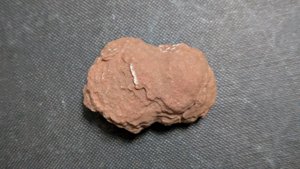
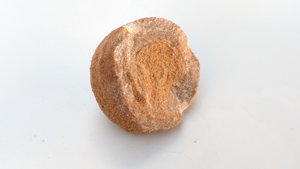
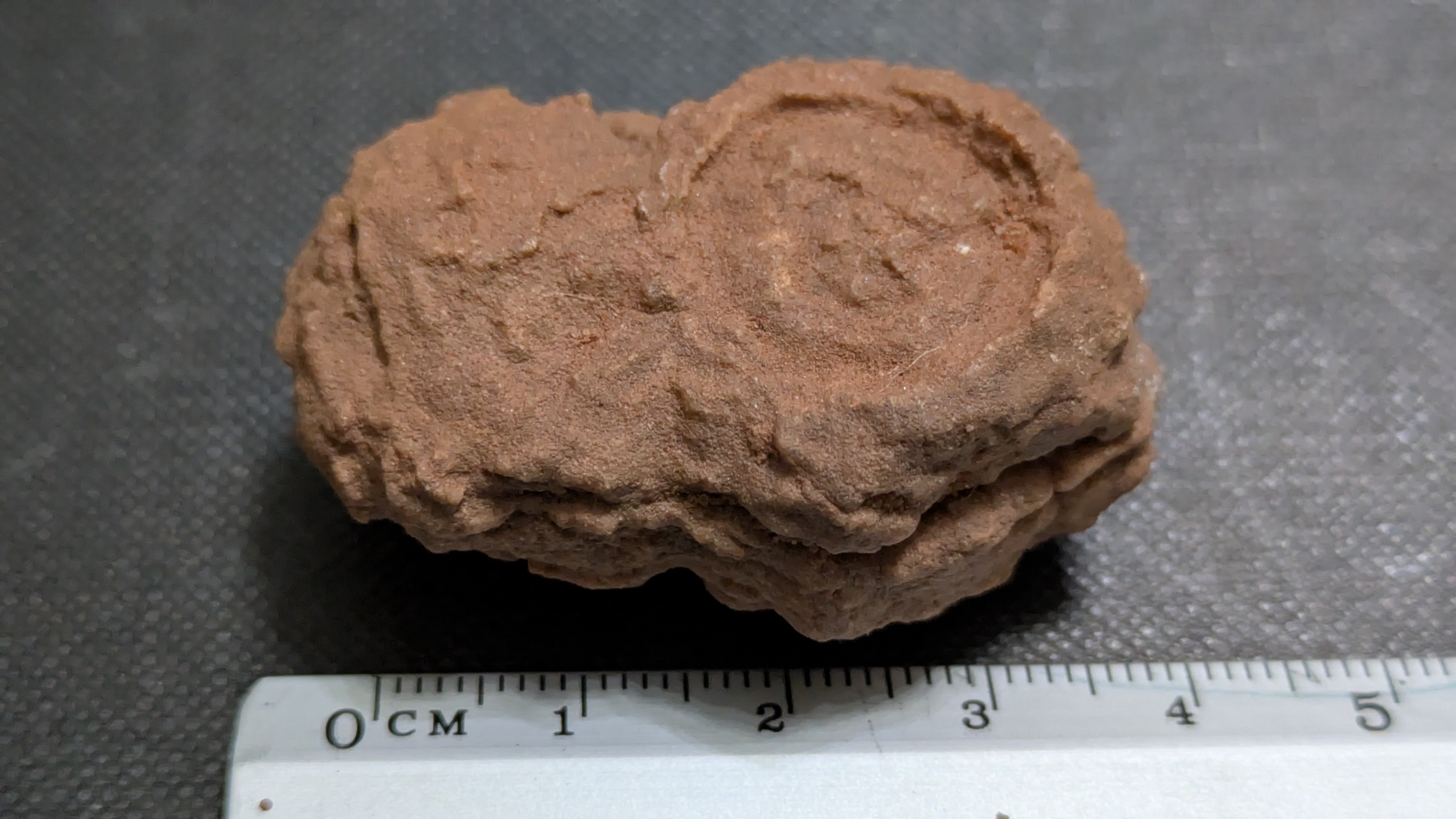
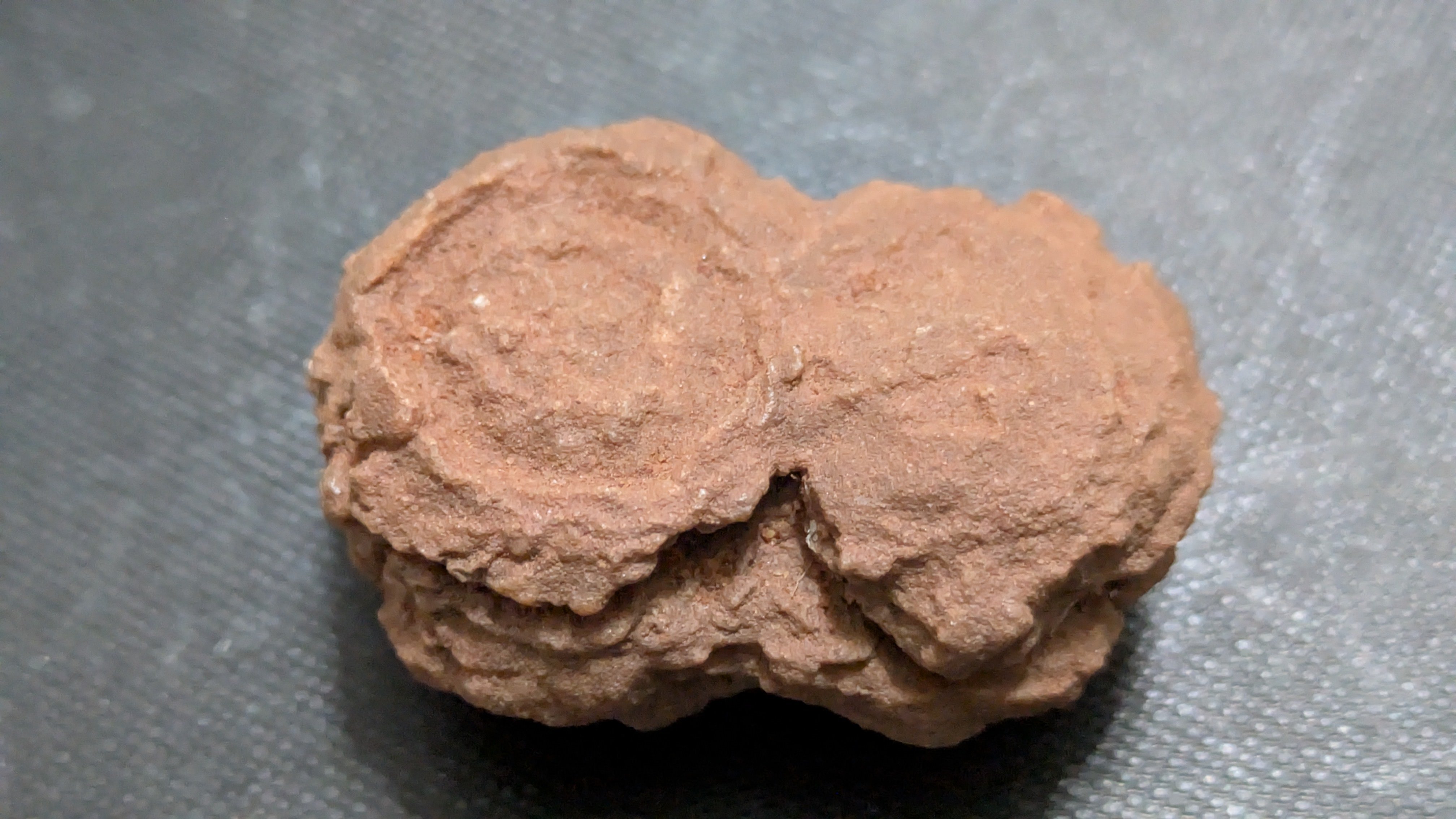
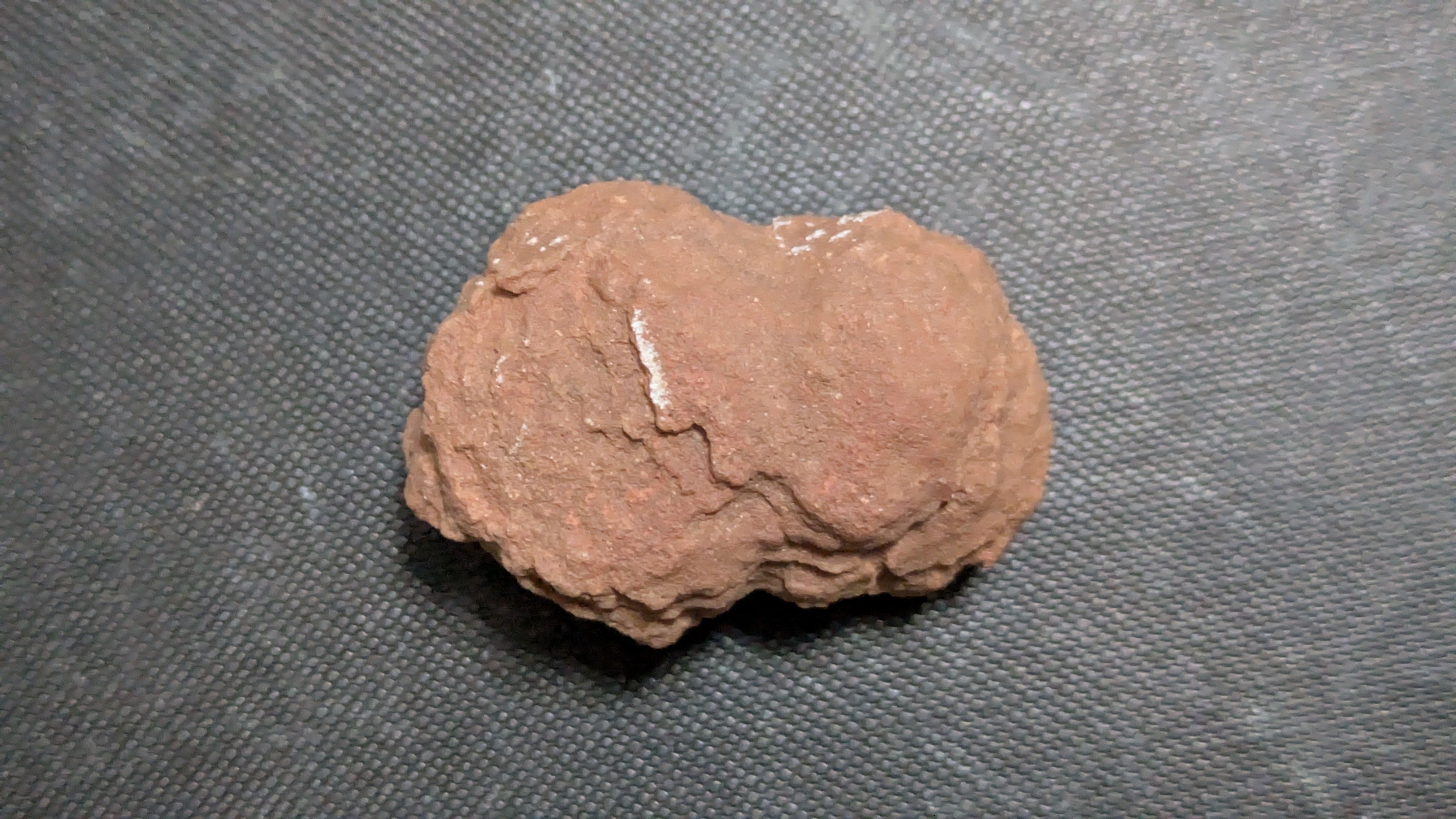
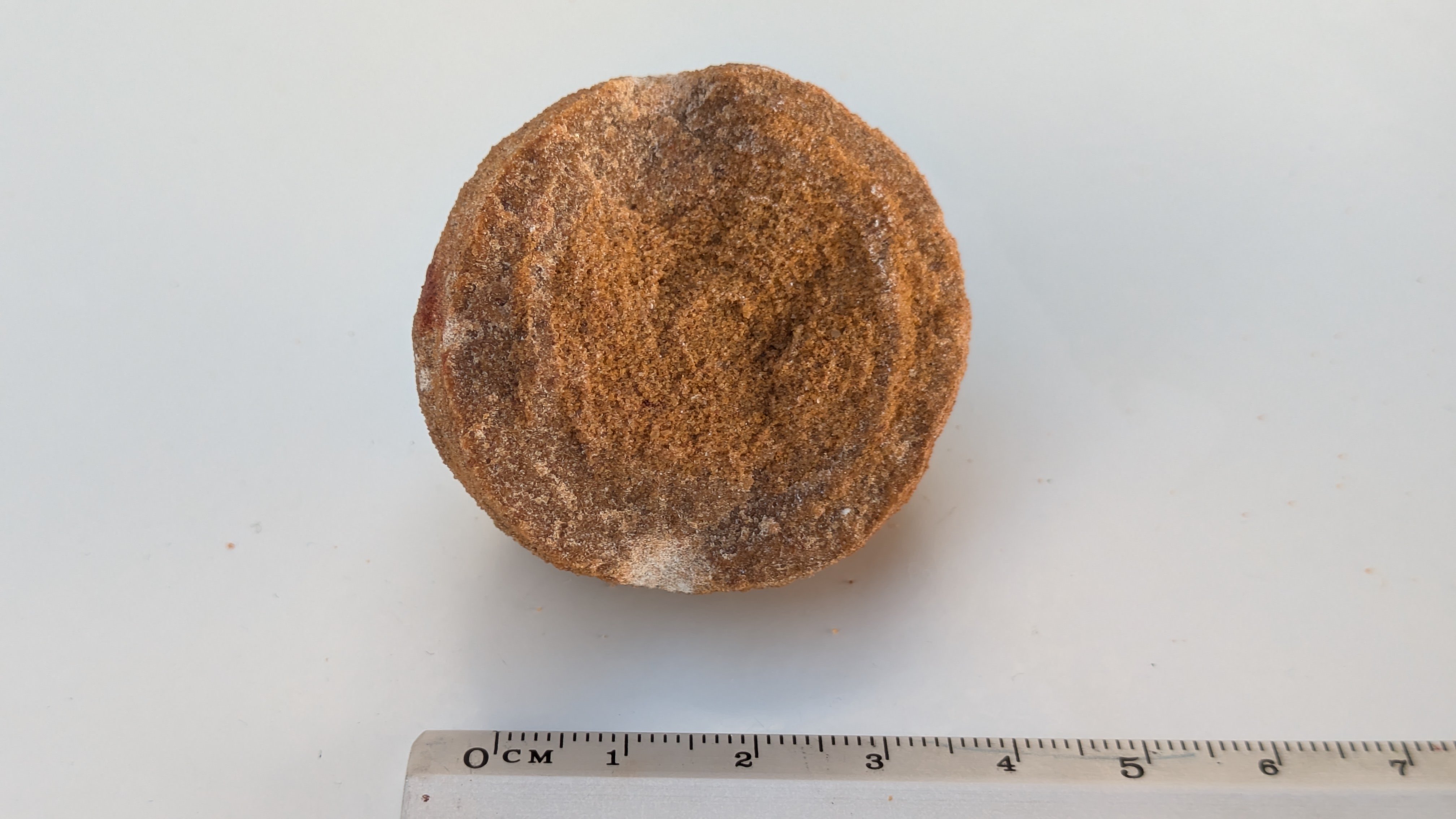
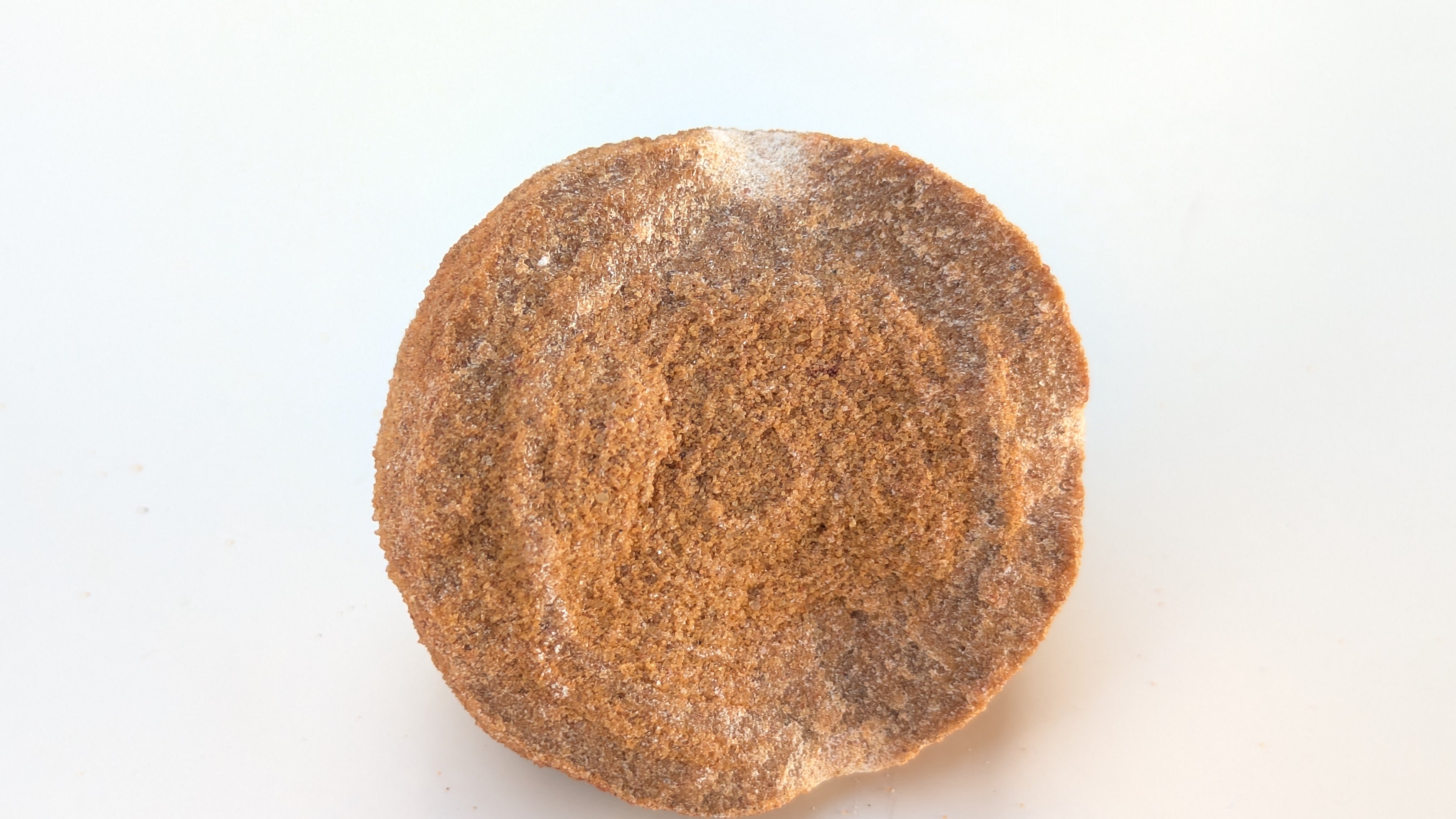
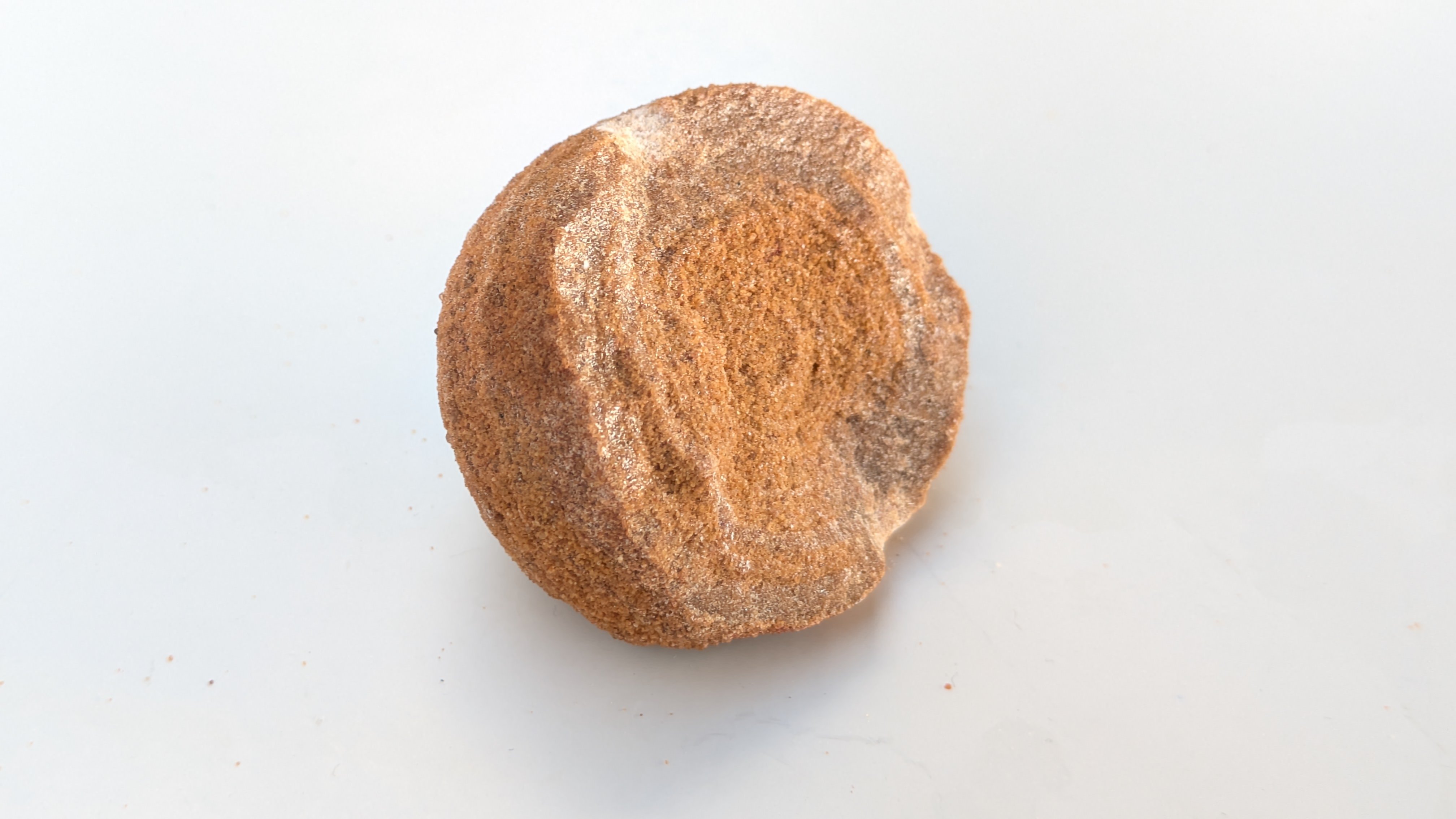
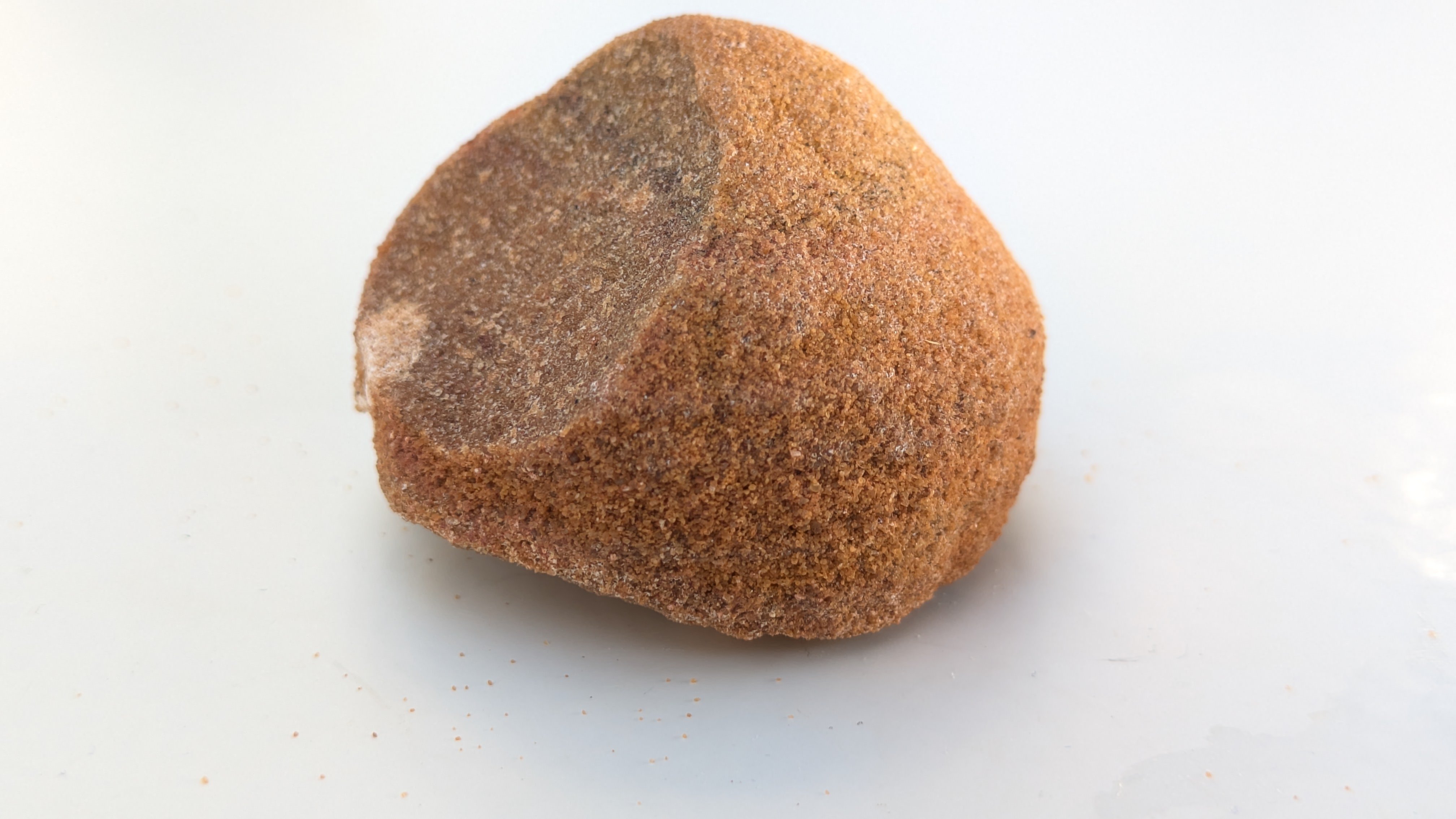
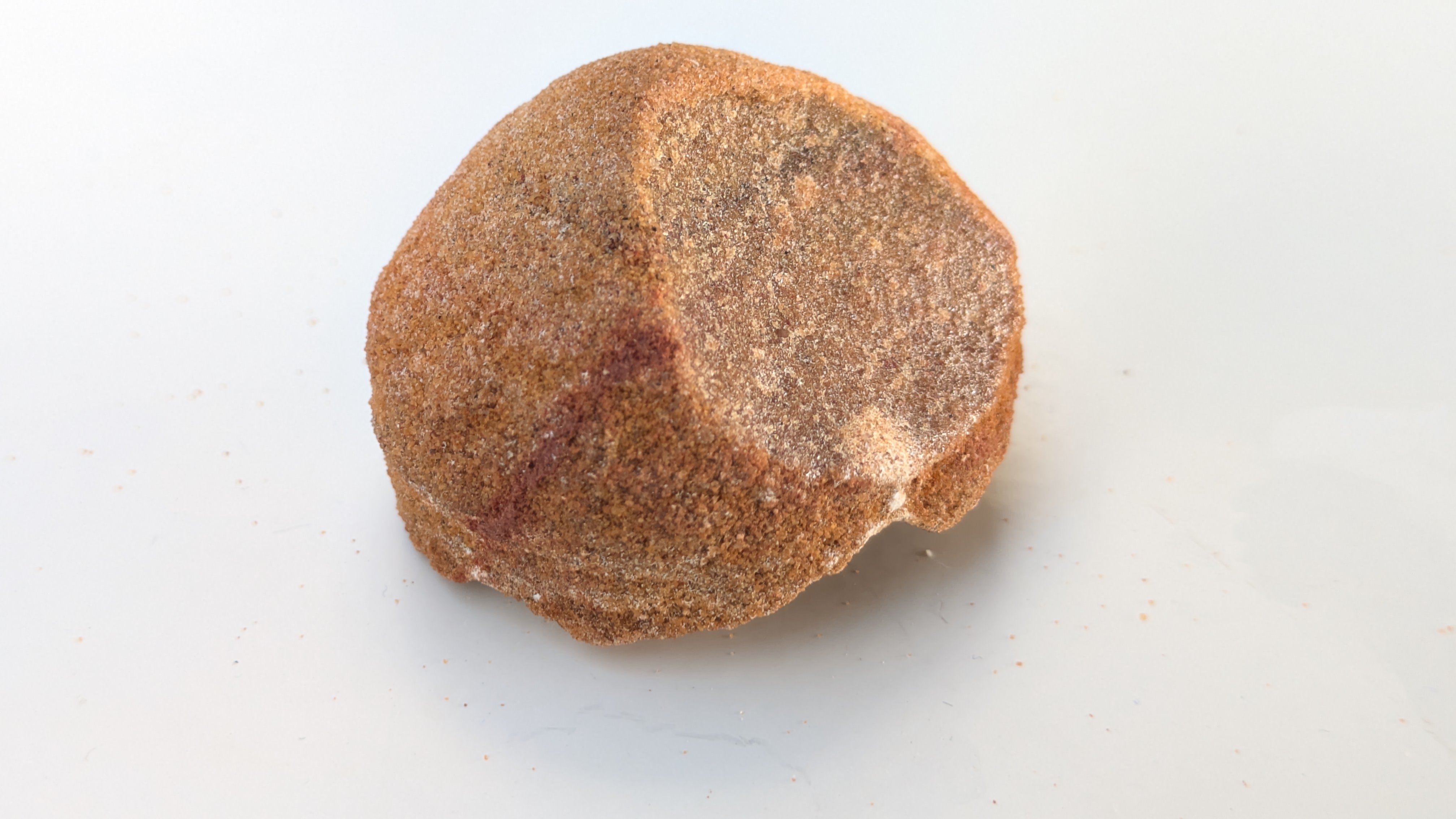
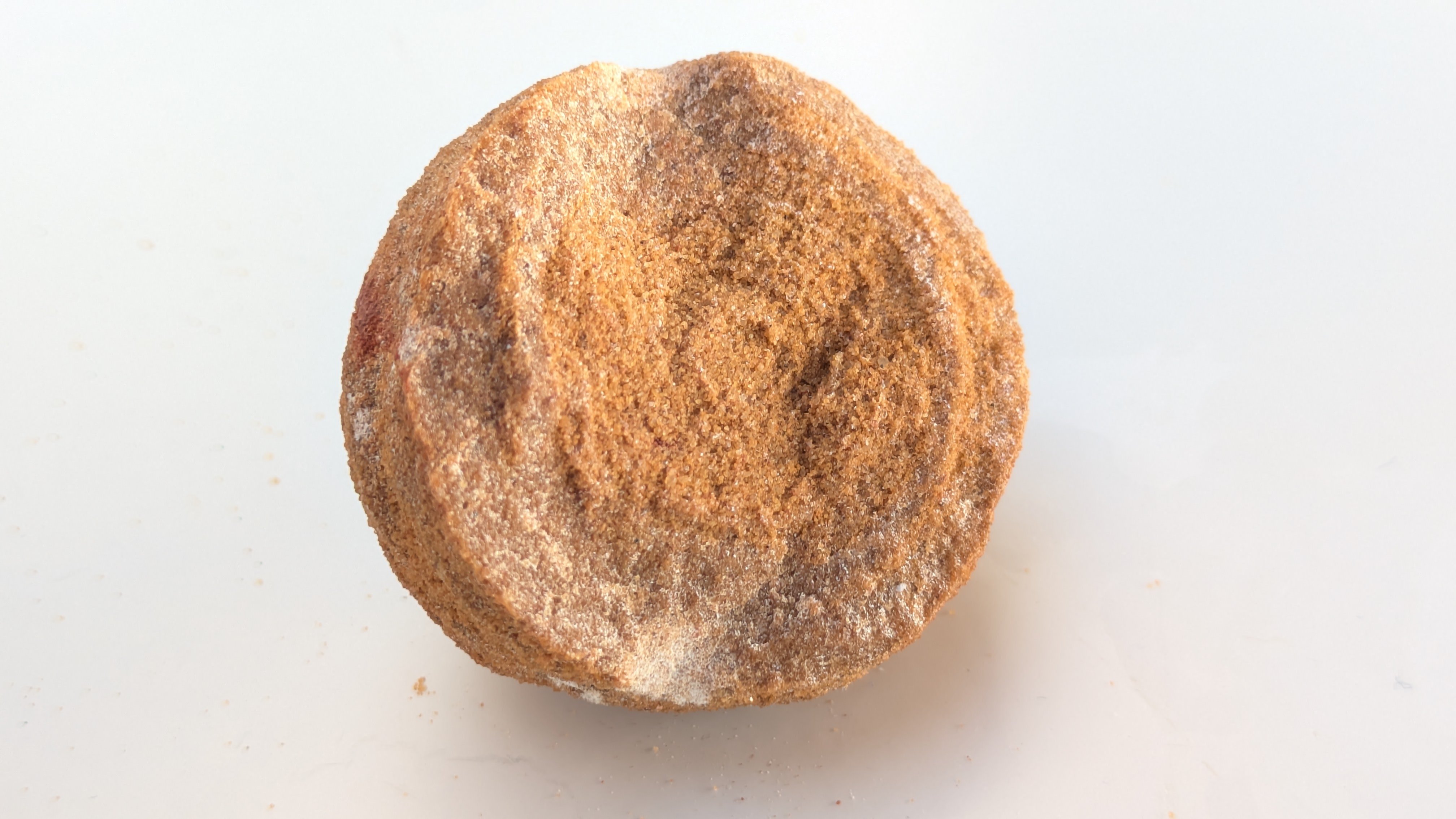
Because bacterial cells are microscopic and soft-bodied, their direct fossil record is extremely sparse. Instead, bacteria are primarily known from stromatolites: layered, macroscopic structures formed by microbial communities. Stromatolites grow as bacterial mats, commonly dominated by cyanobacteria, trap and bind sediment particles or induce mineral precipitation. Over time, repeated growth and burial produce characteristic laminated structures that can lithify and persist as fossils. Stromatolites are among the oldest fossil structures on Earth and remain one of the clearest, most tangible records of early bacterial life.
 Ελληνικά
 English
 Ἑλληνική ἀρχαία
 Κυπριακά