Ελληνικά
 English
 Ἑλληνική ἀρχαία
 Κυπριακά

23.03–15.97 million years ago
Kokkinochoria (Miocene)
- Age
- 23.03–15.97 million years ago
- Period
- Miocene
- Formation
- Pakhna Formation, probably reefal limestones of the Terra Member
- Depositional environment
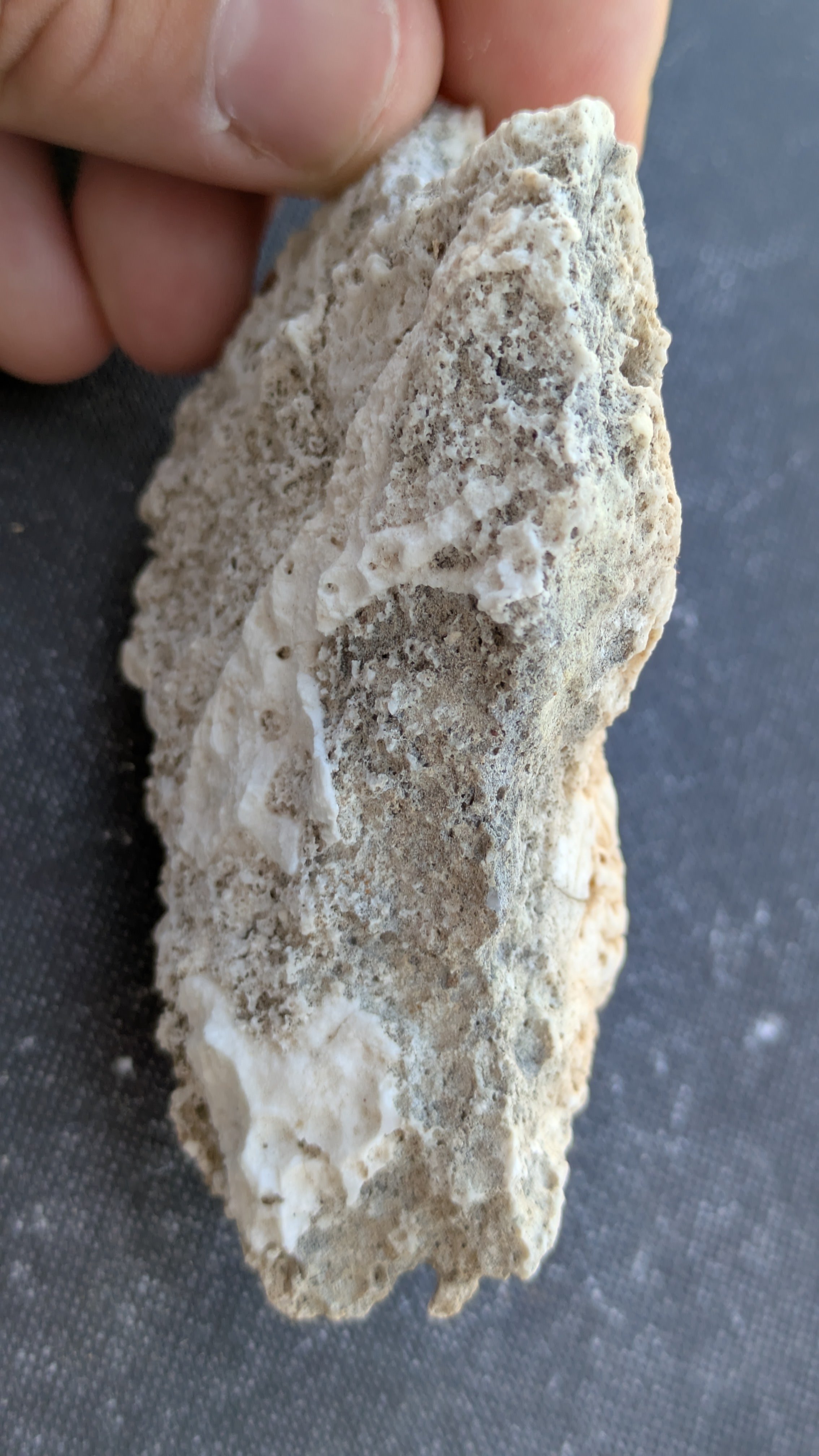
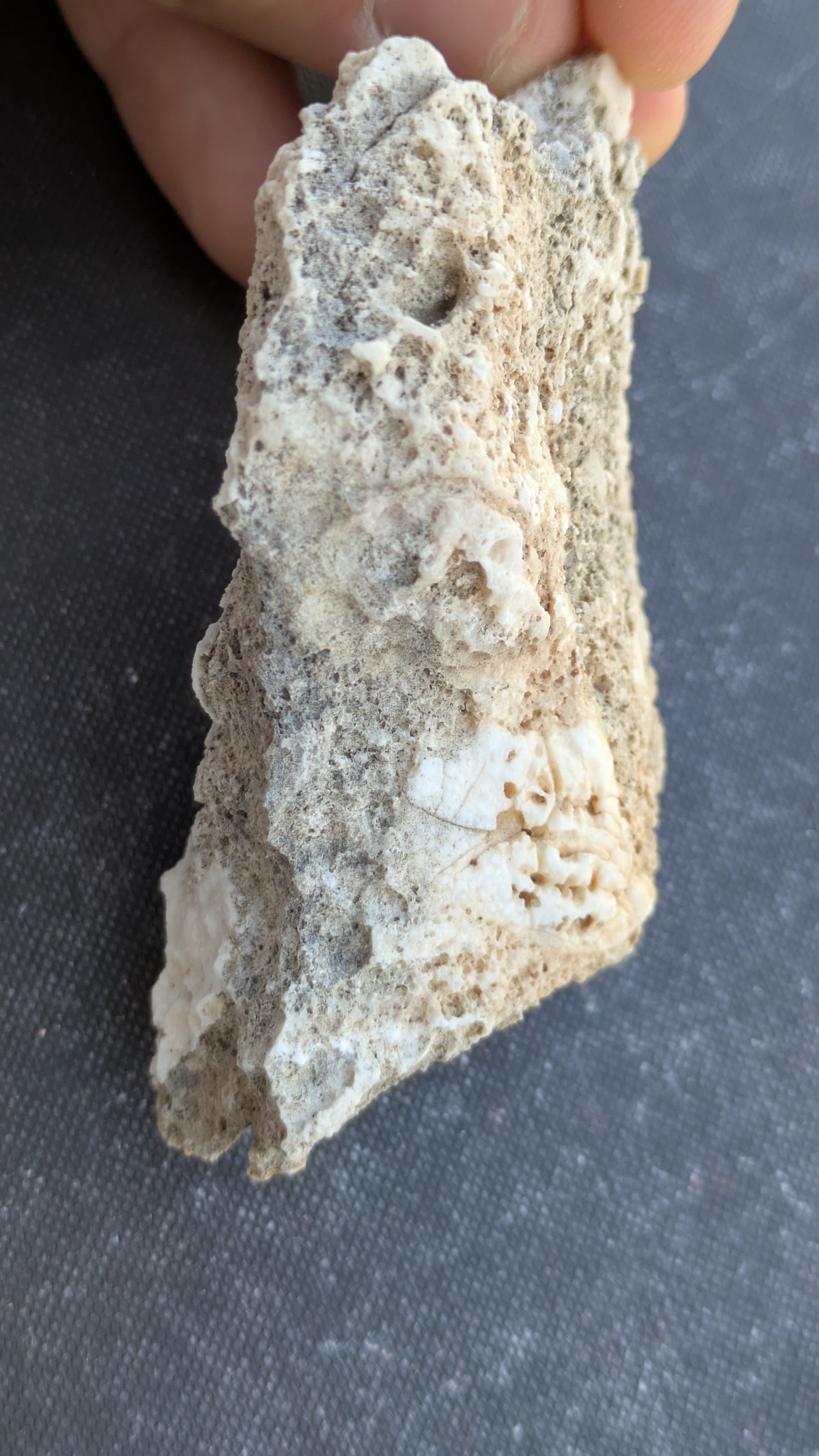
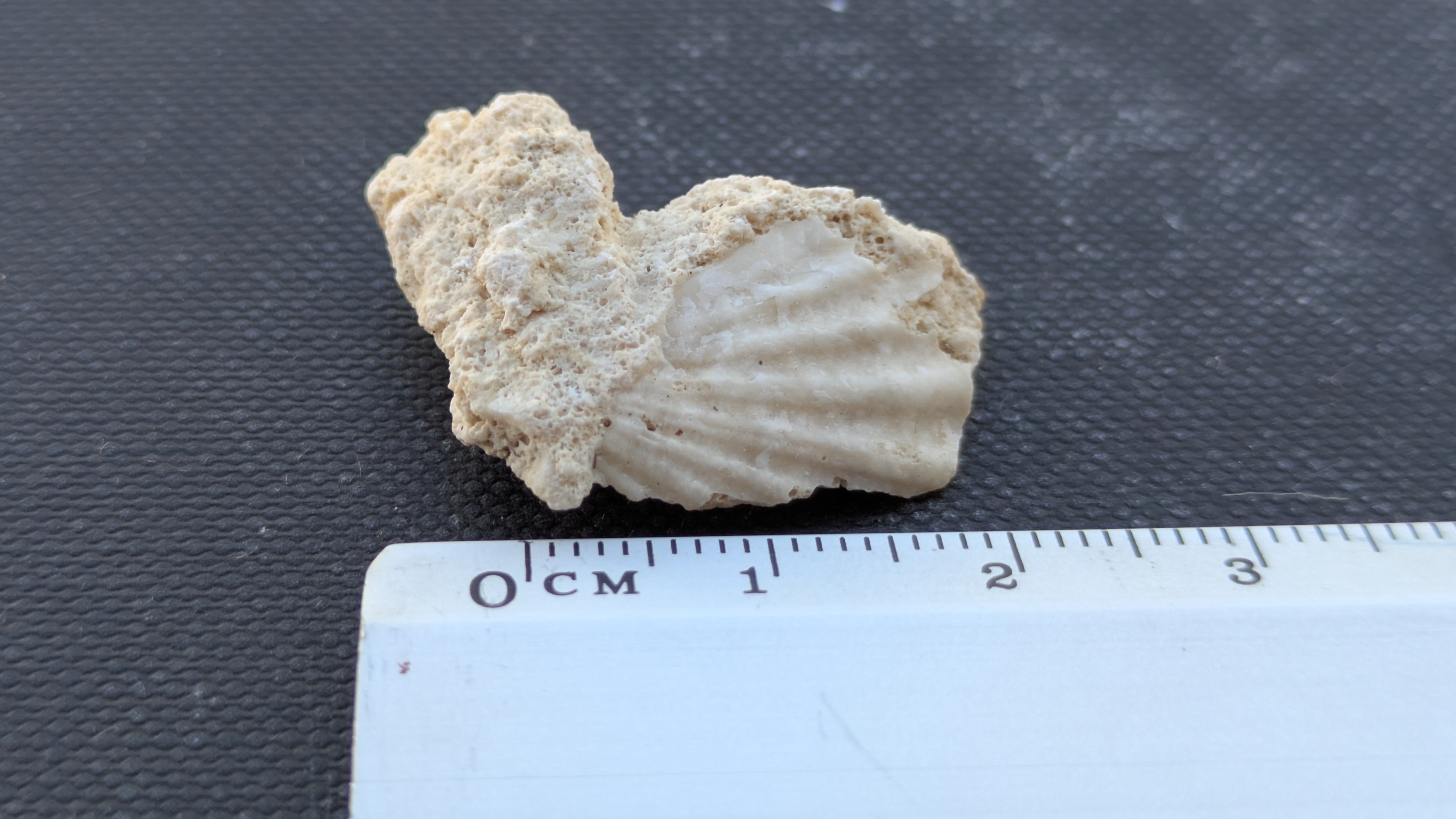
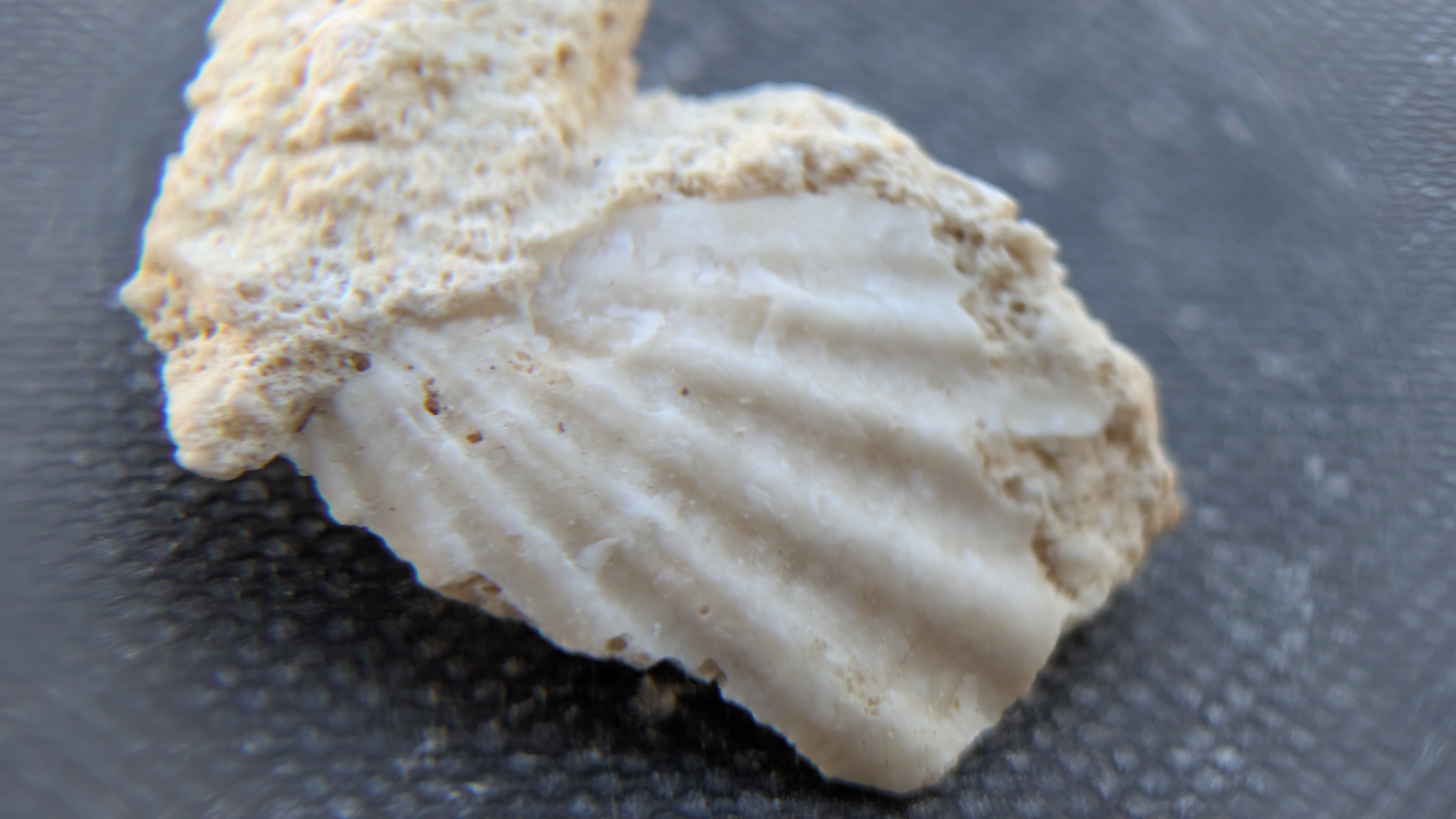
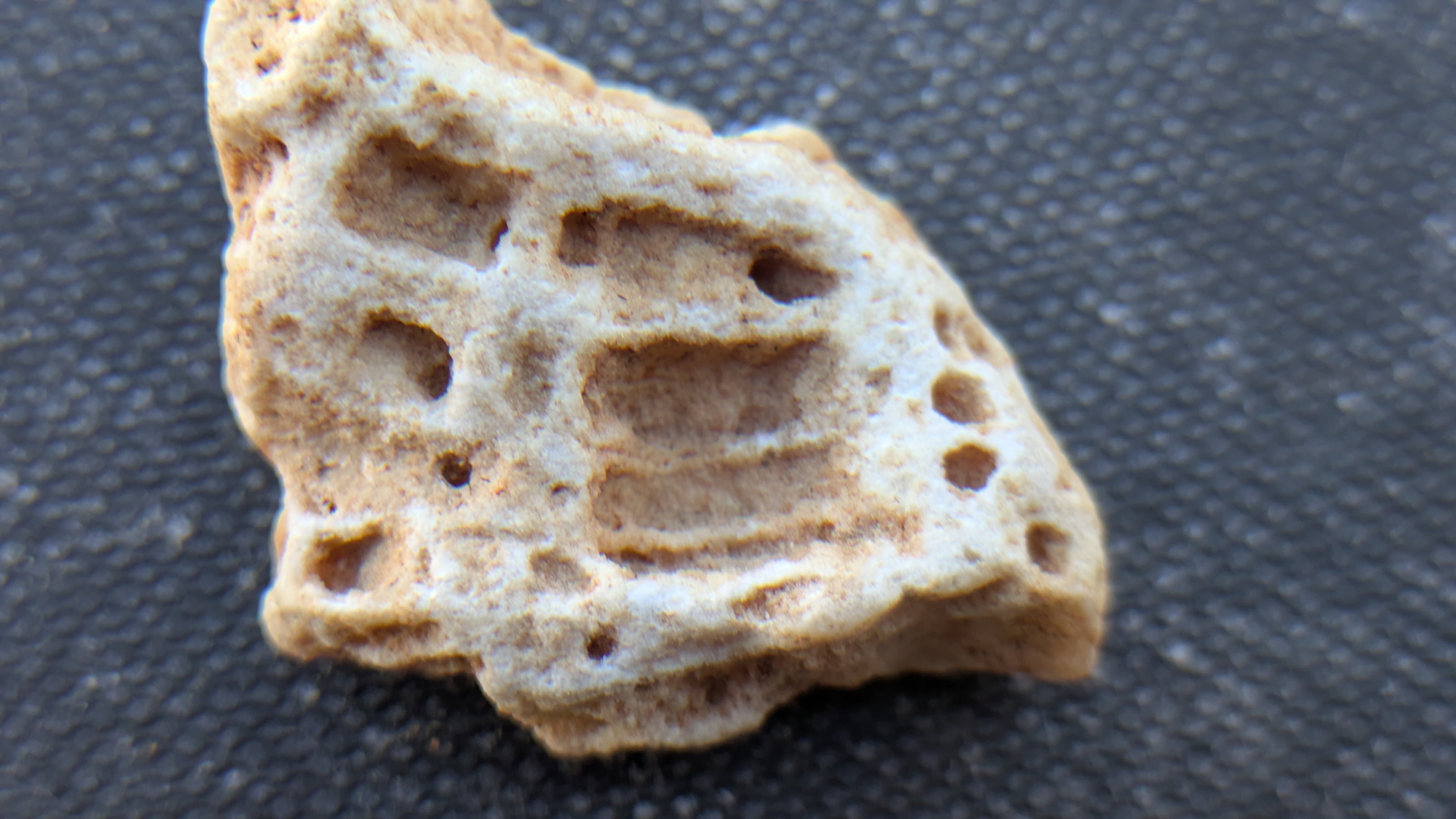
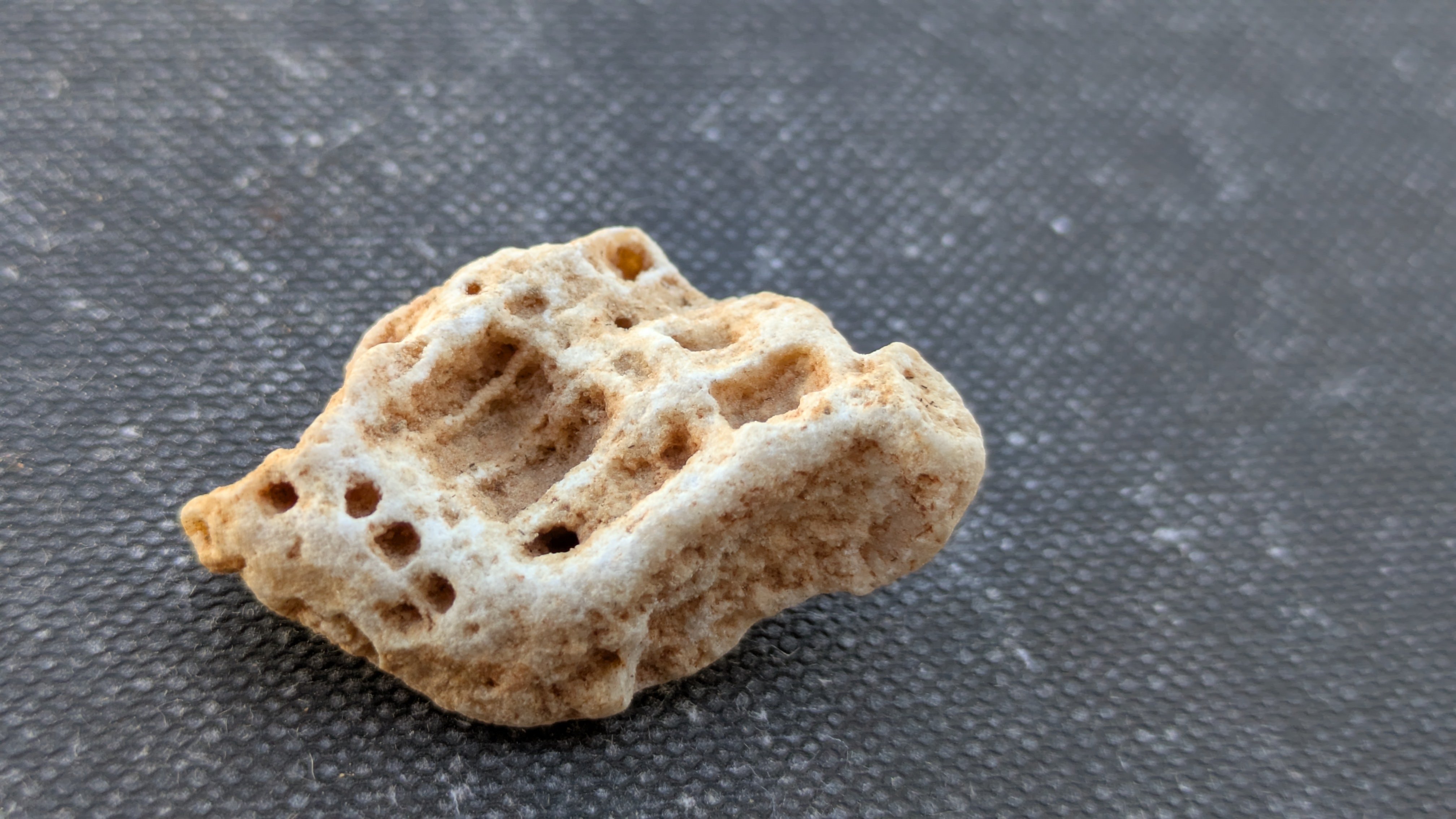
- Warm, shallow sea with coral and coralline-algal reefs, where broken shells, corals and urchin tests piled up; the exact water depth remains uncertain
- Fossil types
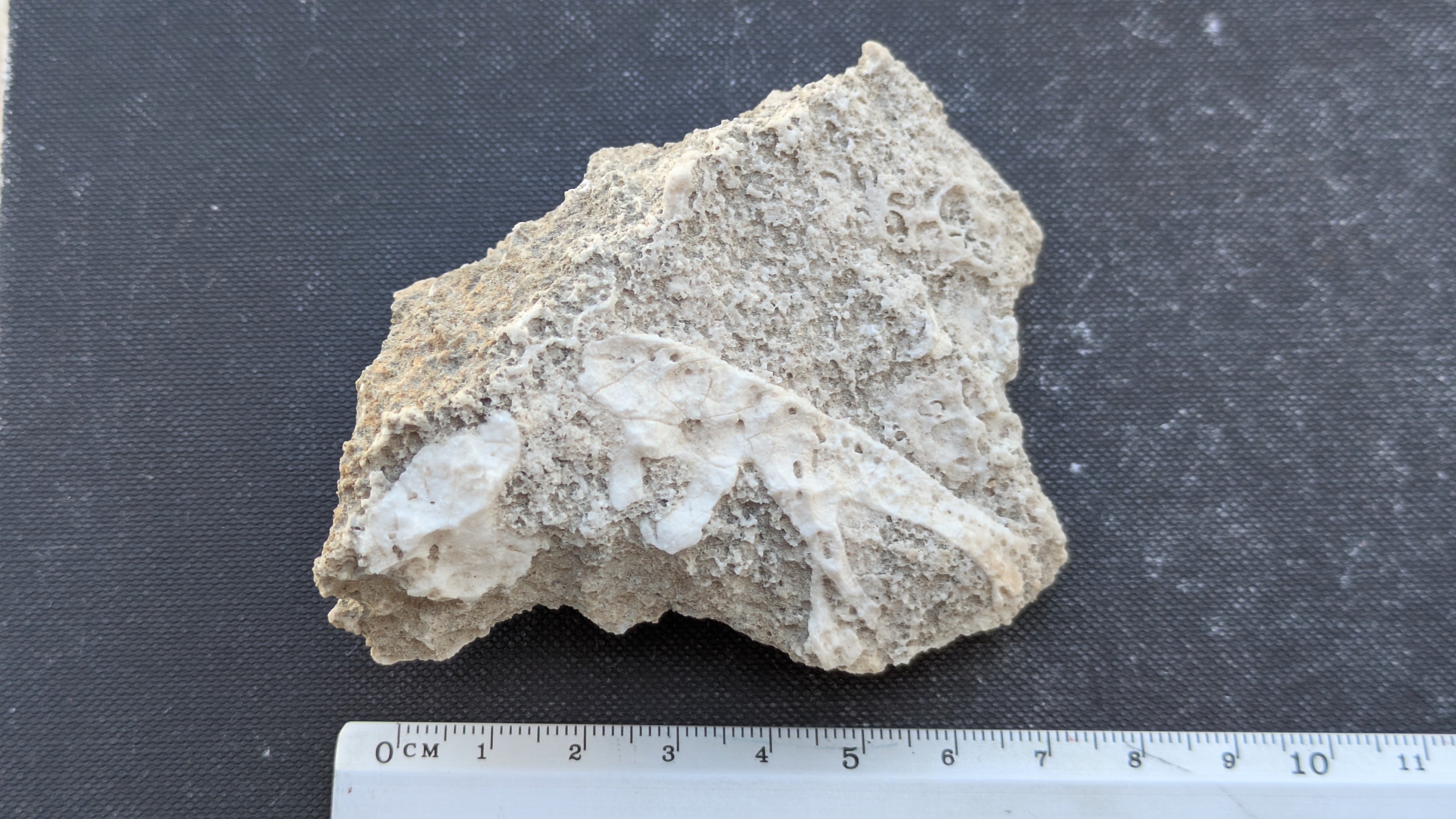
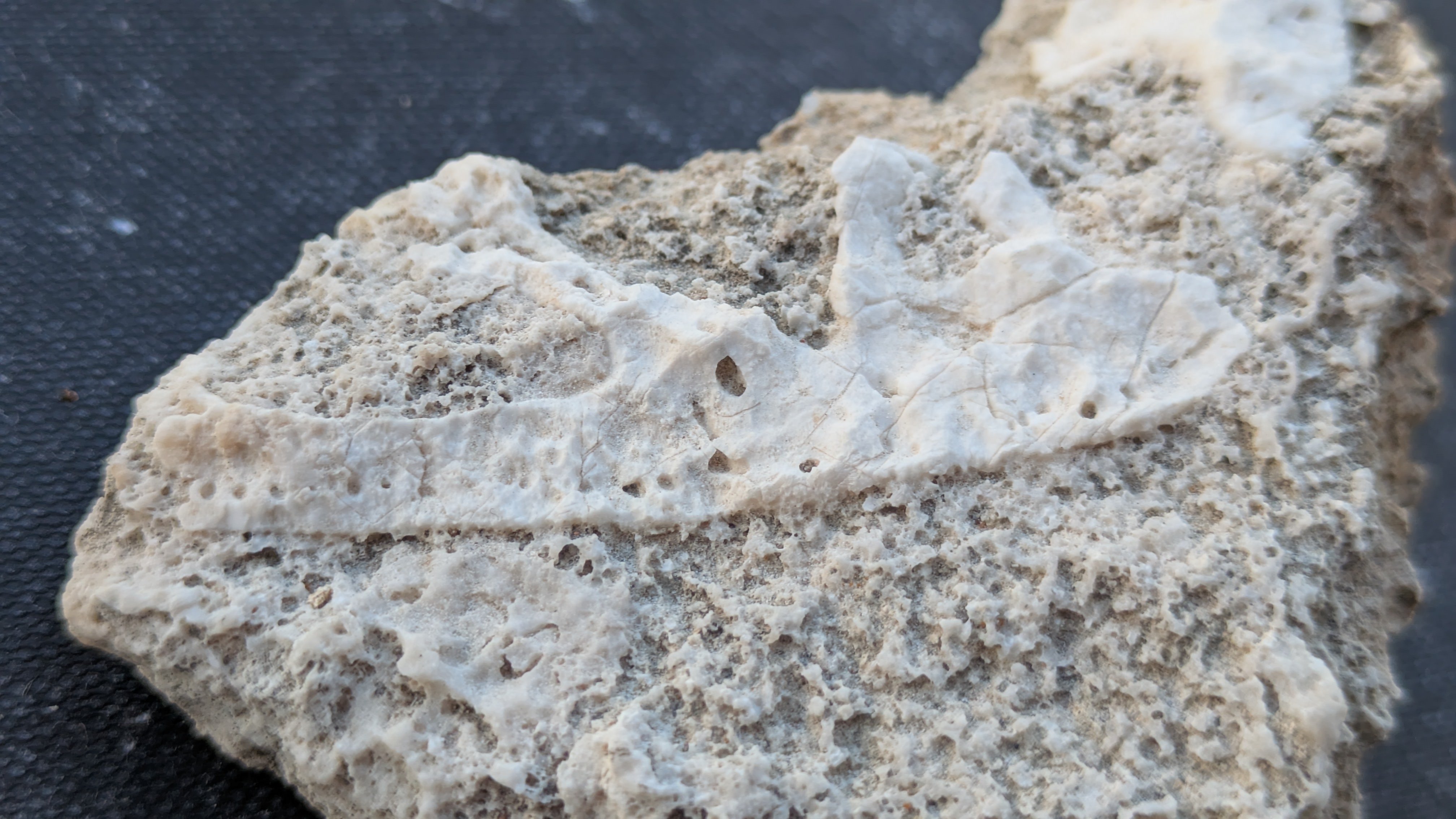
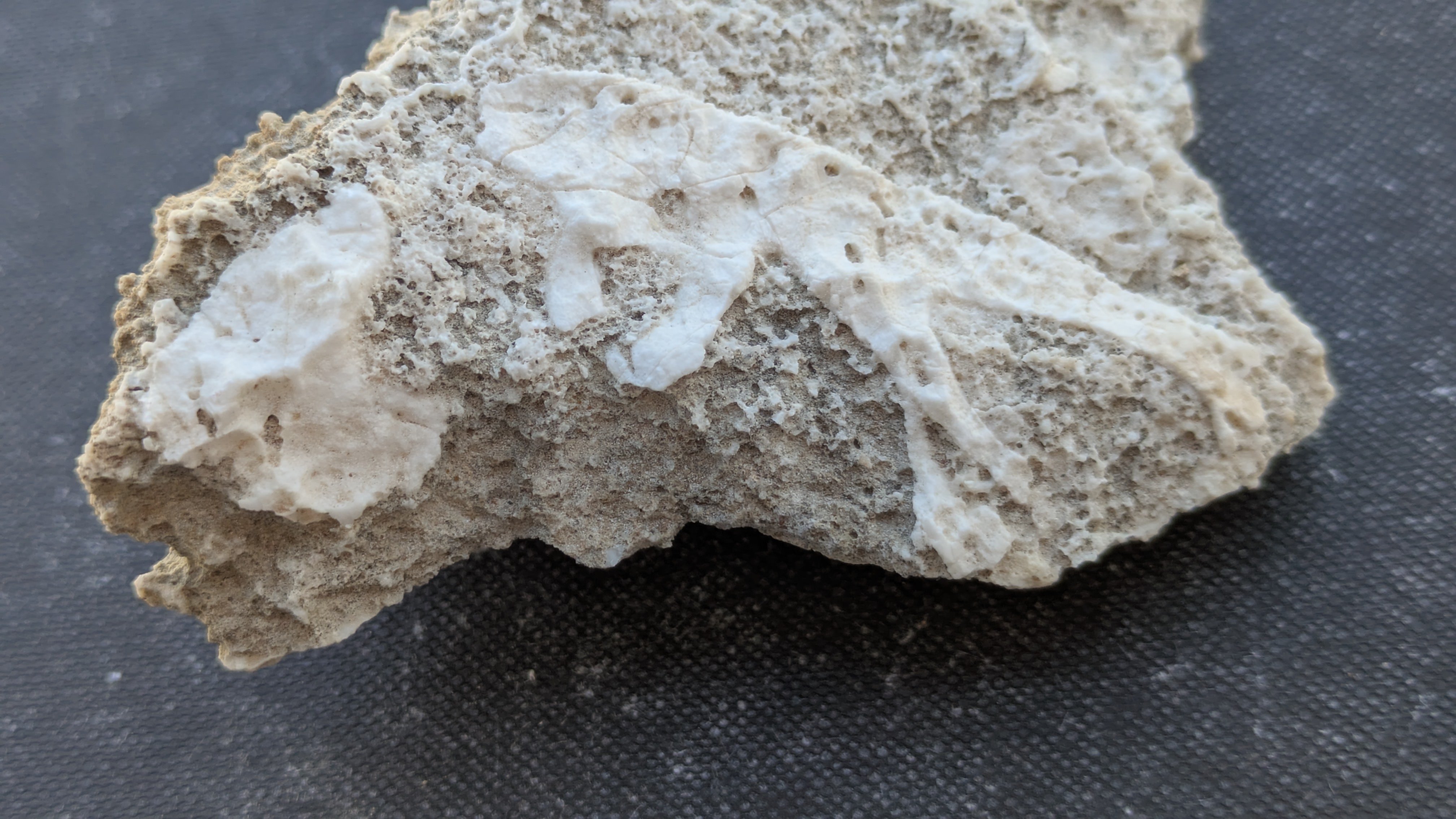
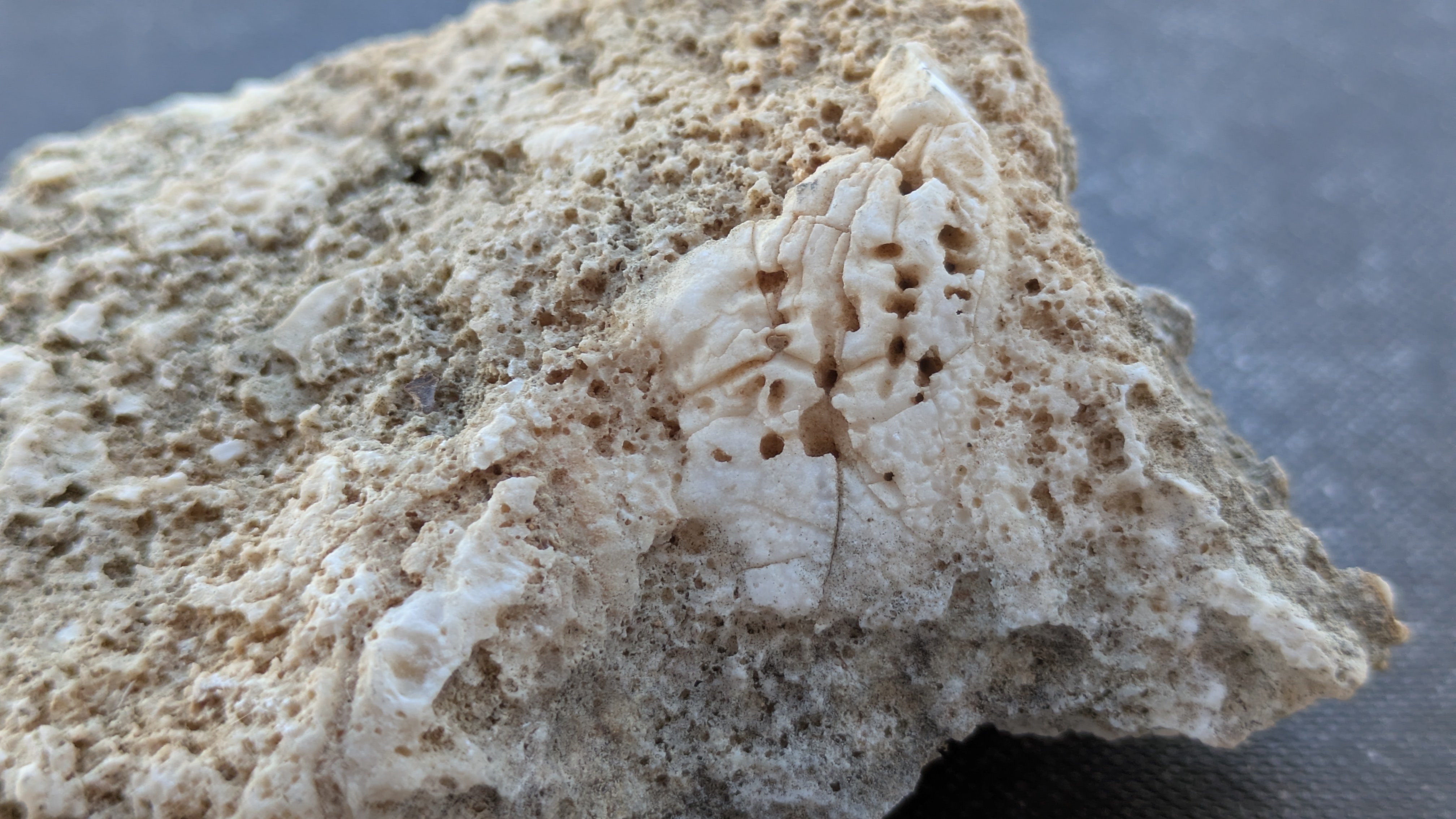
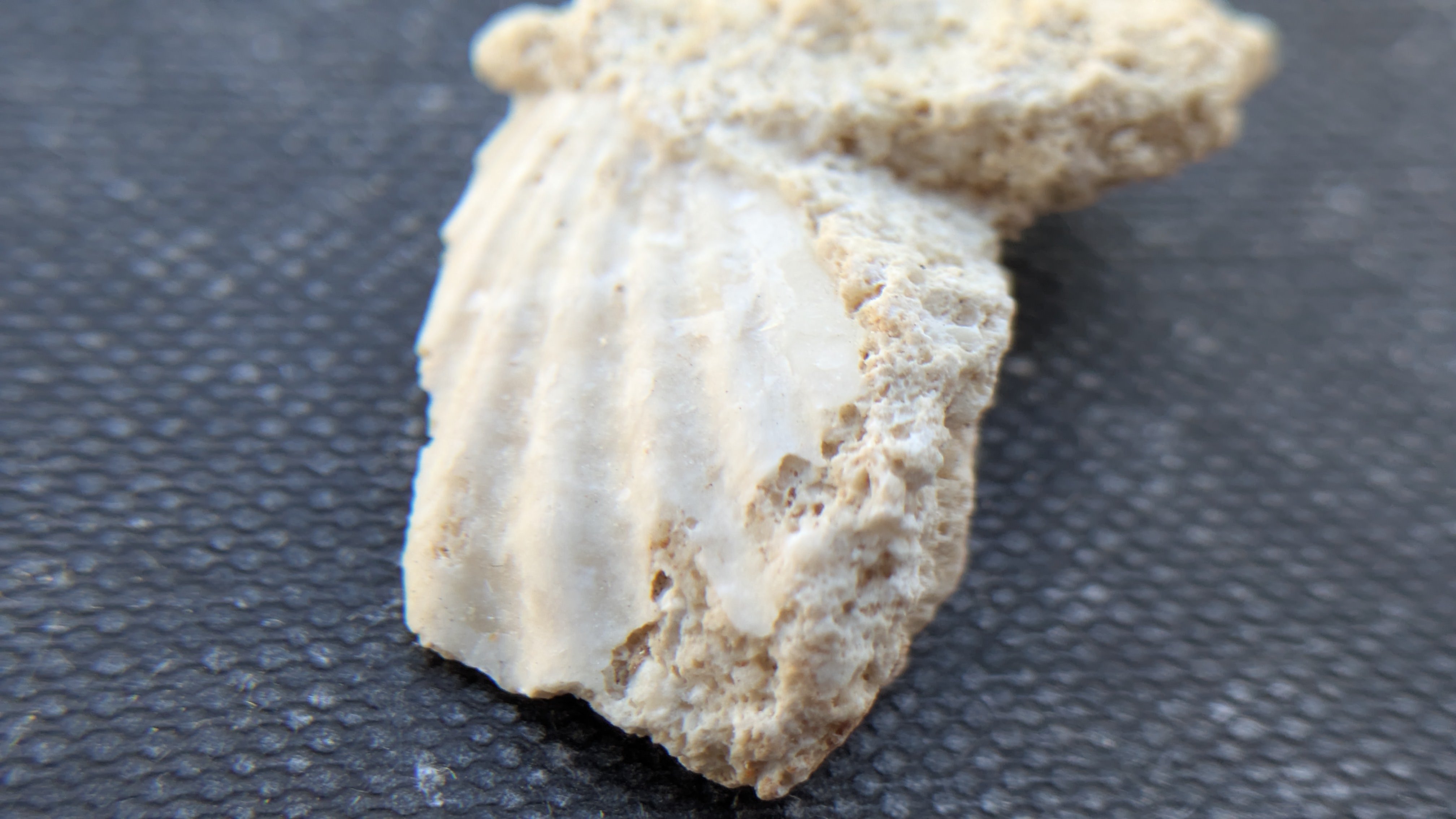
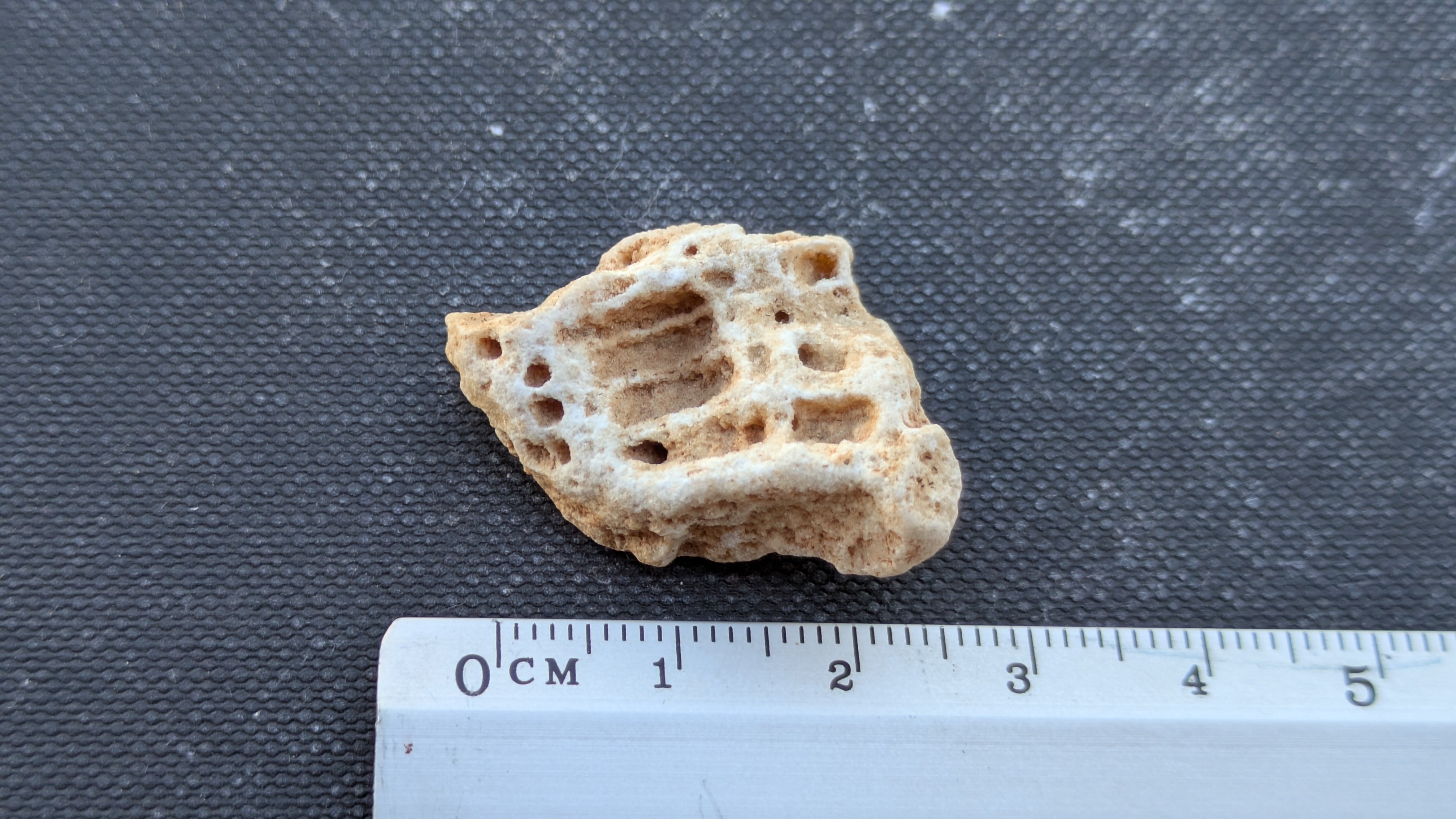
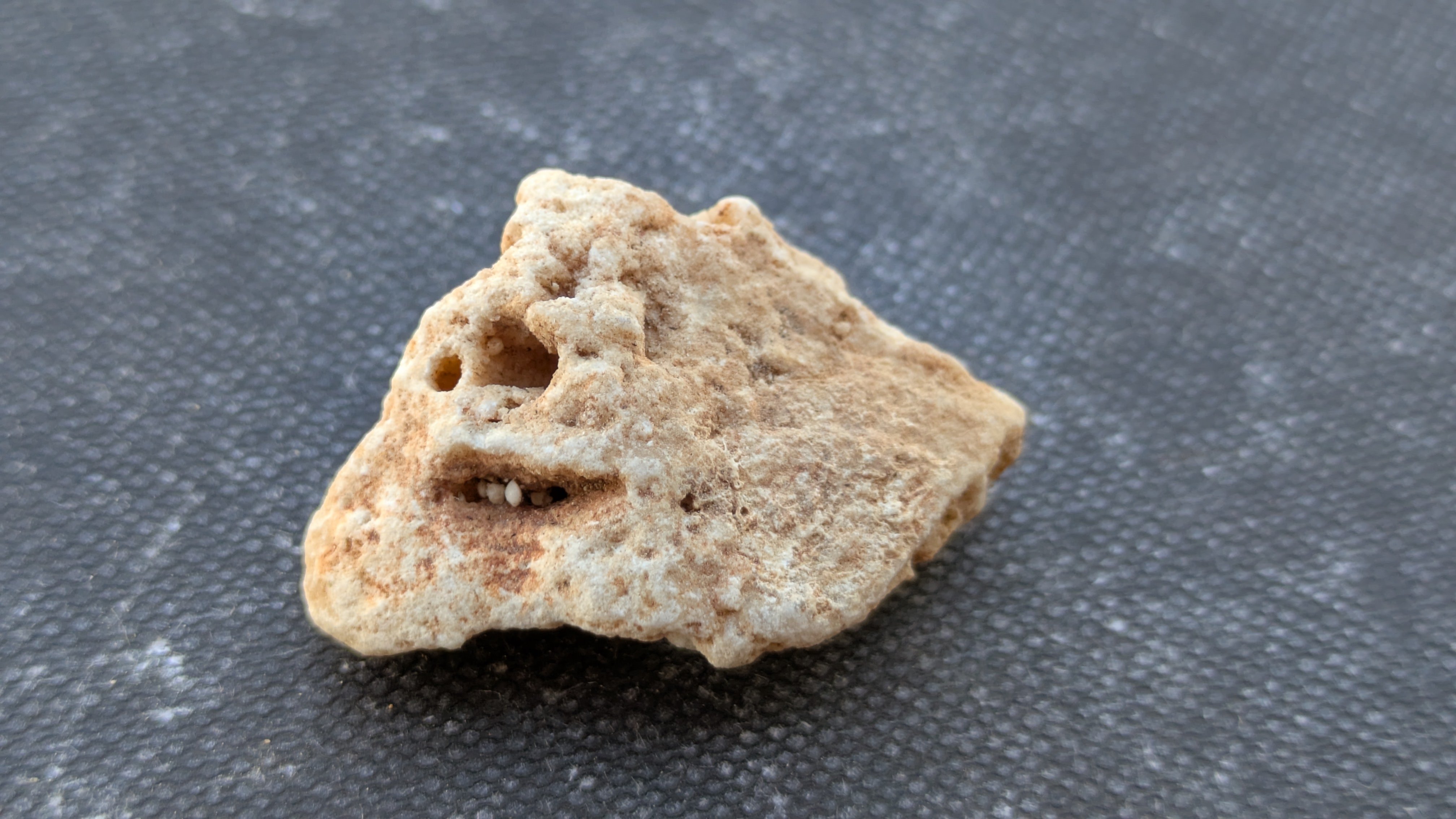
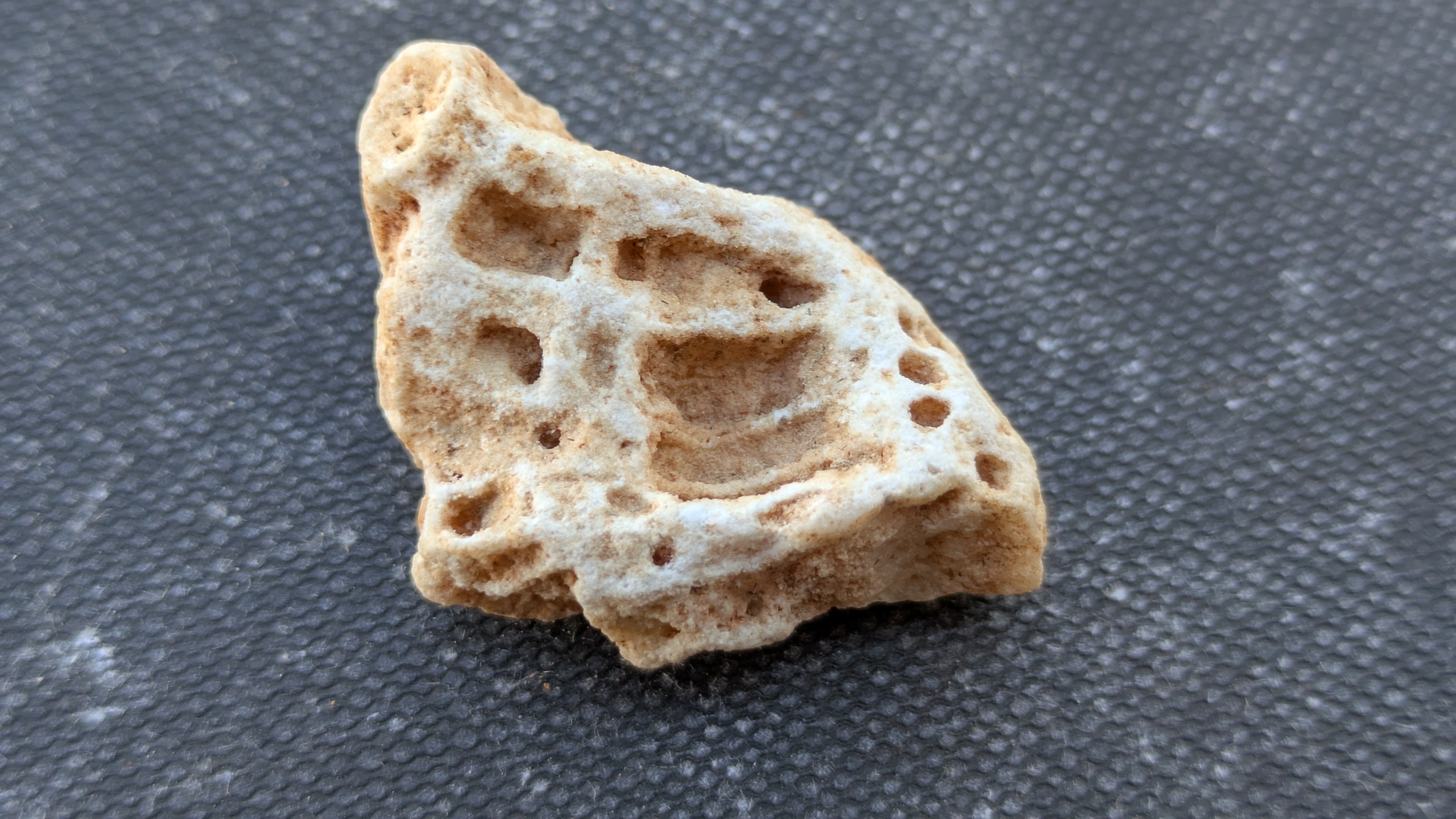
- Sea urchins (mainly Clypeaster), marine bivalves such as scallops, corals, coralline algae and foraminifera
- Paleoecology highlights
- Coral and coralline-algal reefs, crowds of large sea urchins on sandy floors, abundant molluscs and foraminifera, broken shells building up into bioclastic limestone
During the Miocene, the low coastal country of today's Kokkinochoria lay under the sea. On the seafloor lived organisms that built their shells from calcium carbonate: large sea urchins, molluscs, corals, crust-forming coralline algae and countless foraminifera. As they died, their shells broke apart and piled up, and in time this debris hardened into the shelly limestone that now forms the coastal cliffs of southeastern Cyprus. In the early 1900s, the British palaeontologist Dorothea Bate recorded numerous sea urchins in this limestone around the coastal caves, which F. A. Bather identified as Clypeaster portentosus (Bellamy & Jukes-Browne 1905). These limestones most likely belong to the Pakhna Formation, whose reefal beds, such as the Early Miocene Terra Member, crop out along the southeastern coast, for example at Ayia Napa (Theodorou et al. 2007; Wallaard et al. 2023). Much later, caves and rock shelters opened in this rock, and during the Pleistocene the bones of dwarf hippos and elephants gathered inside them.